
The impetus to transform culture into a resource for development.
Resolution No. 28/2026/QH16 on the development of Vietnamese culture, effective from July 1, 2026, is expected to create a strong impetus for culture in the new period. For Nghe An province, the cultural policies implemented over the years will serve as a foundation for the province to further concretize the resolution, better utilize its cultural potential and values, and make culture a resource for development.
Efforts from the grassroots
Canh Temple (Binh Minh commune) is a provincial-level historical and cultural relic, dedicated to Saint Canh and other deities who contributed to protecting the nation and its people. Nearly 10 years after being recognized as a relic, in early April 2026, the Canh Temple Festival was held for the first time, attracting a large number of locals and tourists. Besides religious activities, the festival also creates a space for cultural and sporting events, folk games, and contributes to preserving the traditional values of the locality.
Mr. Vu Van Quyen, Vice Chairman of the People's Committee of Binh Minh commune, said that recognizing Canh Temple as one of the cultural and spiritual highlights, after the administrative reorganization, the commune has developed a plan to restore and promote the value of the relic. Along with resources from the State, the locality has mobilized people and tourists to contribute more than 4 billion VND to renovate the relic, build cultural facilities, and create conditions for organizing festivals.
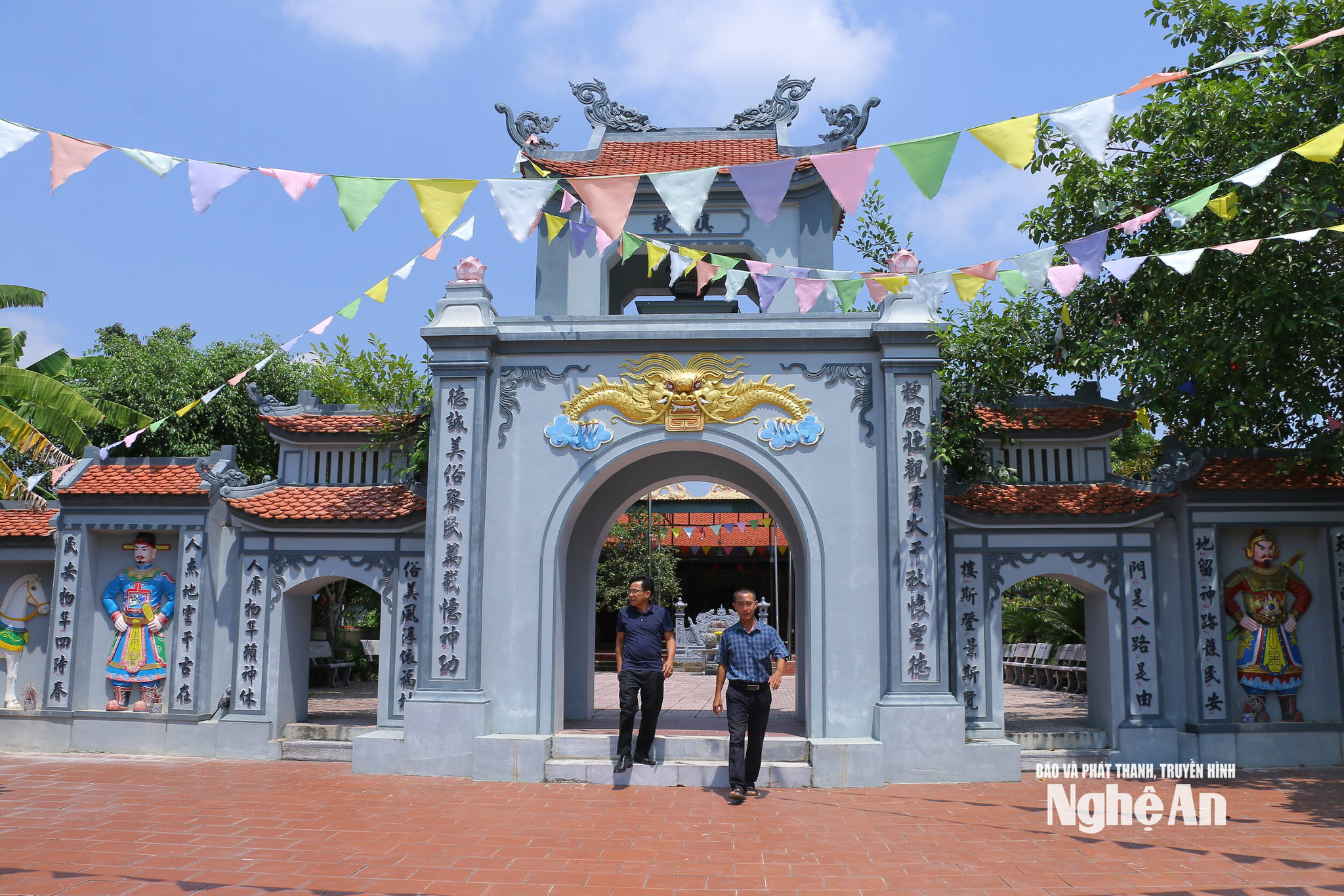
The investment in Canh Temple is part of the commune's plan to restore historical sites and develop scenic spots associated with ecotourism for the period 2025-2030. This is also a direction that suits the local advantages, as Binh Minh commune has 7 classified historical sites, including 2 national-level sites.
According to the leaders of Binh Minh commune,cultureCulture is not only a spiritual foundation but also a crucial resource for development. Therefore, the locality recognizes that investing in culture is also an investment in people, the community, and long-term development. In addition, the commune is focusing resources on preserving heritage, building cultural institutions, and restoring traditional values; at the same time, encouraging people and businesses to invest in cultural, tourism, and sports facilities and services.
During the discussion, Mr. Vu Van Quyen added: In line with the spirit of Resolution No. 28 of the National Assembly, the commune plans to allocate 5-10% of its budget to cultural, information, and sports activities; and support villages and hamlets in building cultural houses with a subsidy of 500 million VND per house. Along with local resources, villages and hamlets will also have access to support policies from the province and national target programs.
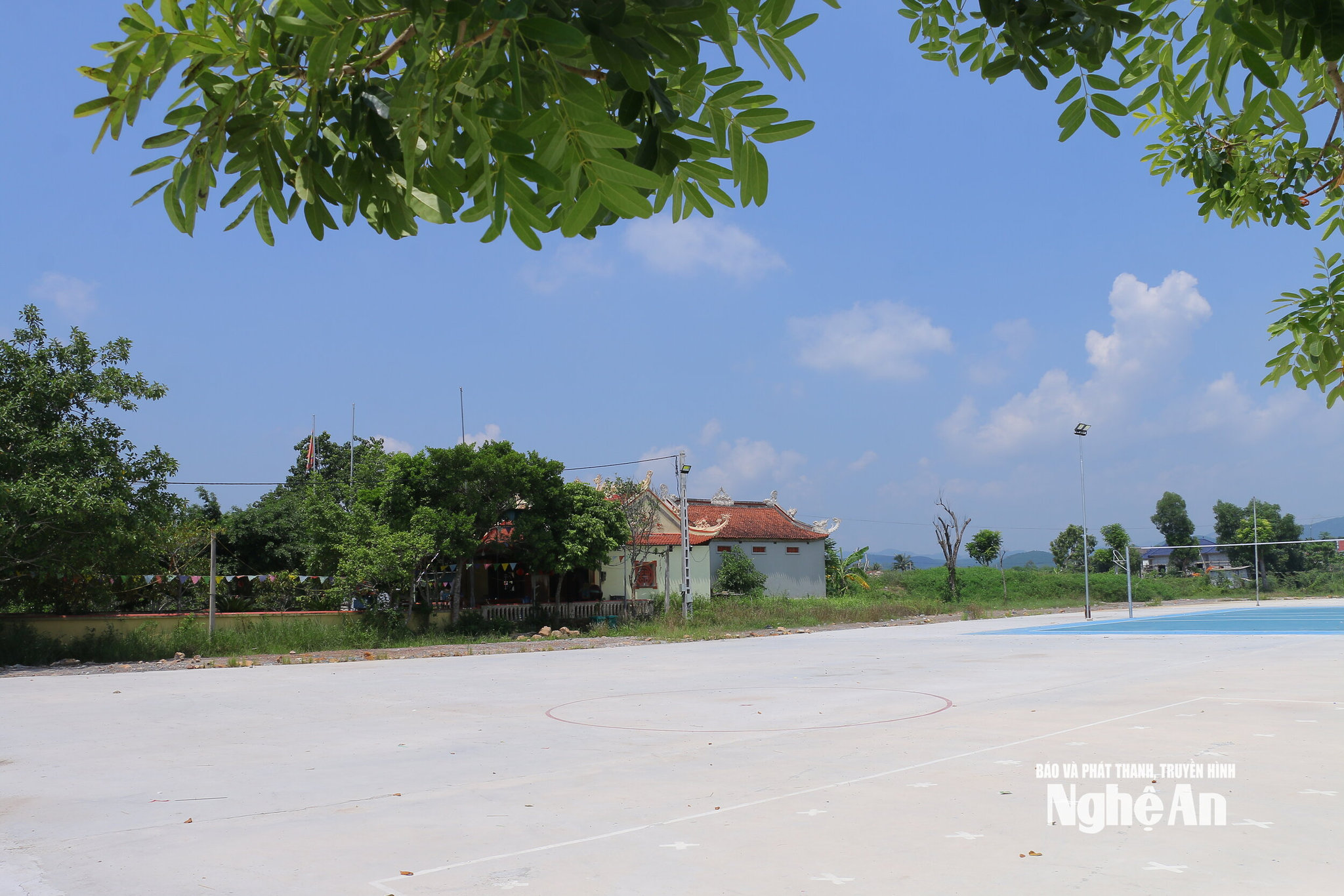
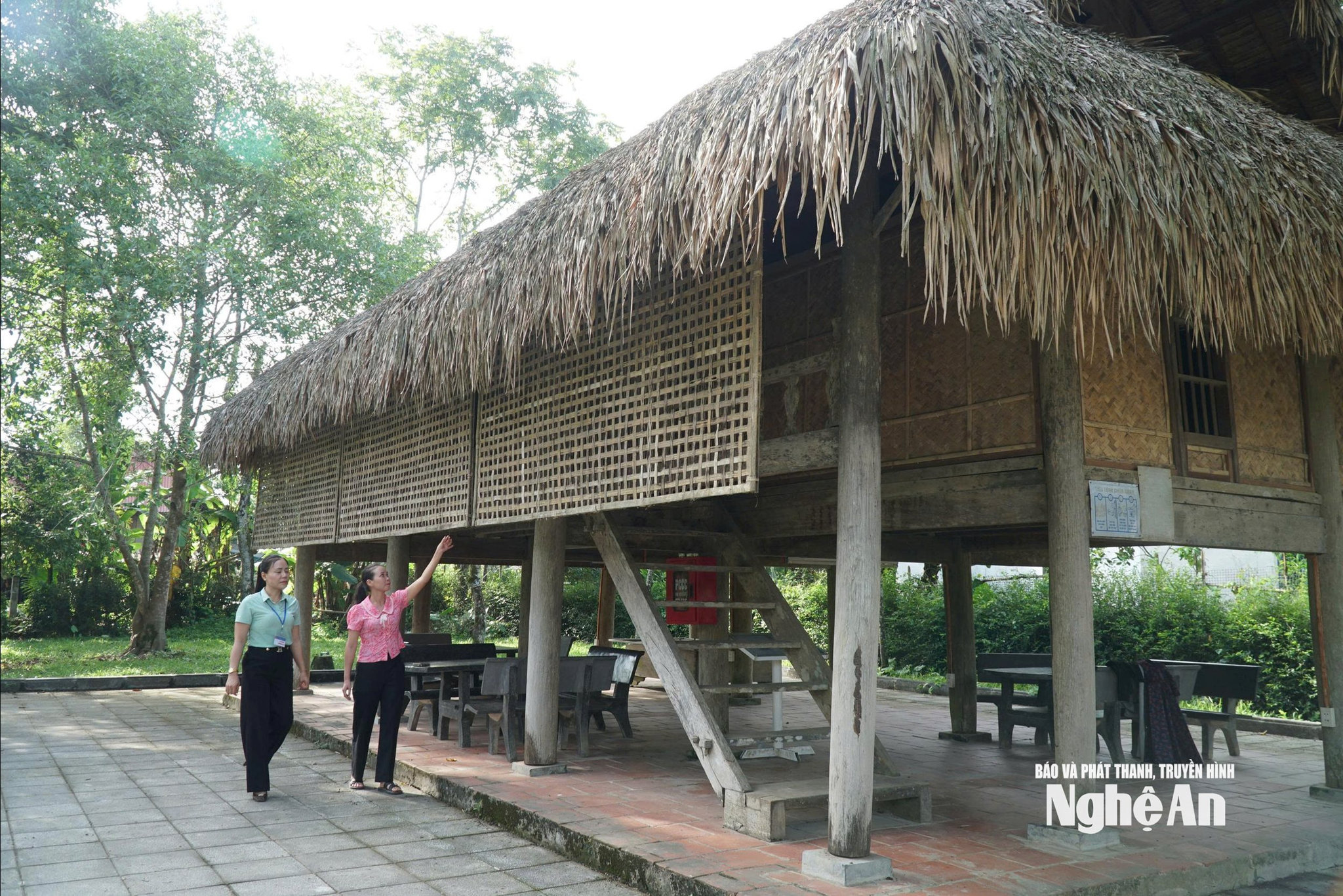
In Con Cuong commune, provincial support policies are becoming a practical resource for cultural preservation and the development of grassroots cultural life. The commune has implemented a policy to support 12 clubs preserving intangible cultural heritage with a total budget of 60 million VND; at the same time, it continues to strengthen the organization and guide the clubs in developing operating regulations.
In 2025, three villages will receive support in the form of equipment for cultural activities, such as televisions and sound systems, with a total budget of 80 million VND. The commune also proposed support for the construction of a festival grounds, a stage, and the addition of equipment for community cultural activities. Regarding historical sites, Con Cuong commune currently has three classified historical sites, including one national-level site and two provincial-level sites. Annually, thanks to funding from the province, 24 million VND is allocated to support those directly responsible for maintaining these sites.
.jpg)
Mr. Phan Trong Trung, Vice Chairman of the People's Committee of Con Cuong commune, believes that for a mountainous area still facing many difficulties like Con Cuong commune, the province's support policies are of great significance. Not only do they supplement resources to maintain the activities of clubs, support artisans, and improve cultural institutions, but they also create motivation for people and the community to actively participate in preserving traditional cultural values, contributing to improving the spiritual life at the grassroots level.
Practical policies
Over the past period, the Provincial People's Council has issued many resolutions on mechanisms and policies for cultural development, creating additional resources for local communities and bringing about positive changes. These policies have contributed to preserving and promoting the value of cultural heritage; maintaining and developing community cultural activities; and encouraging artisans and artists to continue contributing, teaching, and creating.
According to a report by the Department of Culture, Sports and Tourism, the province's policies on cultural development have created significant additional resources for local communities. Specifically, from January 1, 2024 to June 30, 2026, over 117 billion VND from the provincial budget was allocated to three resolutions on supporting artisans, preserving and promoting heritage values, and developing grassroots cultural life.
Resolution No. 29/2021/NQ-HĐND and the amended and supplemented Resolution No. 46/2025/NQ-HĐND have allocated over 10.3 billion VND to support 154 People's Artisans and Distinguished Artisans; 469 clubs for preserving and promoting intangible cultural heritage; and 216 artists working at the Provincial Traditional Arts Center.
In accordance with Resolution No. 28/2022/NQ-HĐND, over 60.4 billion VND has been allocated to support caretakers at 994 classified historical sites; to organize ceremonies for receiving classification certificates for 20 sites; to restore and renovate 8 sites; and to support the preservation of 2 intangible cultural heritage sites.
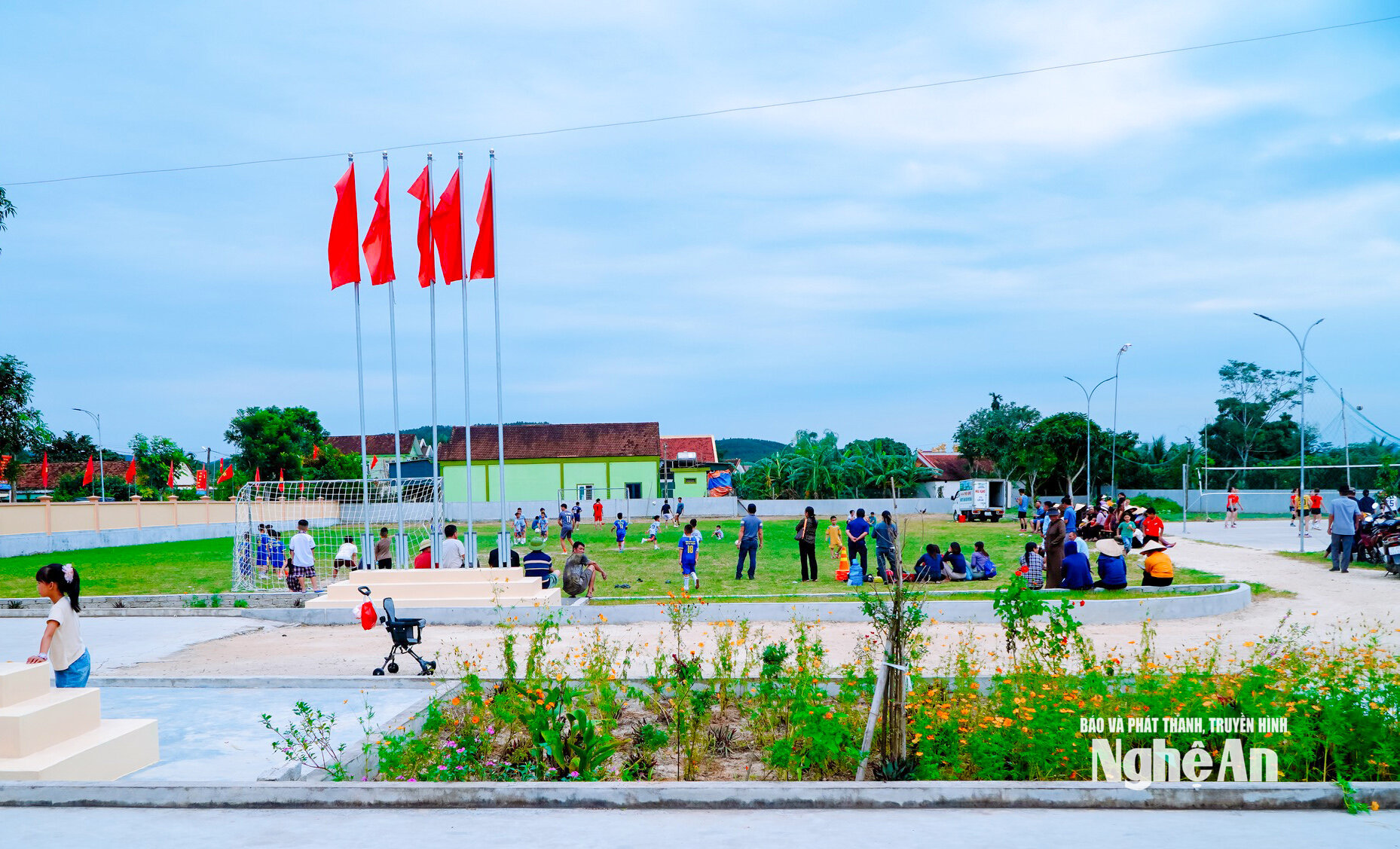
Meanwhile, Resolution No. 20/2022/NQ-HĐND has allocated over 46.3 billion VND to support 246 community cultural and sports facilities in particularly disadvantaged villages and 29 exemplary cultural models at the provincial level. In 2026 alone, it is projected that support will continue for 537 villages and 8 cultural models.
According to Ms. Tran Thi My Hanh, Director of the Department of Culture, Sports and Tourism, the resolutions issued have created an important legal basis for the synchronized implementation of support policies in the fields of heritage, grassroots culture, and performing arts in the province. Through practical implementation, the policies have basically achieved their set goals, meeting the requirements for preserving and promoting the value of cultural heritage, while contributing to improving cultural life at the grassroots level.
Alongside the achievements, cultural policies have also revealed some difficulties and shortcomings, including insufficient funding for the restoration and preservation of historical sites. Nghe An currently has 497 classified historical sites of various levels, the majority of which are wooden structures hundreds of years old and constantly exposed to the elements, leading to rapid deterioration. Meanwhile, the total funding for the restoration and preservation of these sites during the 2023-2027 period is only 50 billion VND, significantly lower than the actual needs.
Policies supporting the preservation and promotion of intangible cultural heritage have not been as effective as expected in the early years of implementation. The main reason is that most of the national intangible cultural heritage listed in Nghe An are traditional festivals, which usually take place at the beginning of the year, while the allocation of funds according to the budget year means that the timing of support is not really appropriate.
Furthermore, legal regulations concerning cultural heritage have changed. Specifically, Decree No. 39/2024/ND-CP requires the development of a project proposal, submission to the Ministry of Culture, Sports and Tourism for appraisal, and approval by the Provincial People's Committee before policy implementation. These requirements prolong the preparation and implementation process, affecting the progress of support and organization of heritage preservation and promotion activities.
Based on practical implementation and the difficulties and shortcomings that have arisen, the Supervisory Delegation of the Standing Committee of the Provincial People's Council recently requested the Department of Culture, Sports and Tourism to research and advise the Provincial People's Committee to submit to the Provincial People's Council a new resolution to replace Resolutions No. 29/2021/NQ-HĐND, No. 20/2022/NQ-HĐND, and No. 28/2022/NQ-HĐND when these resolutions expire on December 31, 2027. Accordingly, policies in the cultural field need to be integrated into a unified resolution, both to overcome the fragmented and scattered situation and to facilitate implementation and access to policies at the grassroots level. More importantly, the new resolution needs to create more resources and motivation to preserve and promote cultural values, while building grassroots cultural life to meet the requirements of development in the new period.


