
The multi-billion dollar scam behind the label of traditional medicine made from chopped-up medicinal waste.
Recently, police forces nationwide have dismantled numerous large-scale networks producing and selling counterfeit traditional medicine, defrauding and misappropriating assets. Using sophisticated methods, these individuals have profited hundreds of billions of dong from thousands of patients.
On June 23, the Investigation Police Department of Tuyen Quang province issued an urgent notice seeking victims in a criminal case of defrauding customers related to the counterfeit trademarks "Traditional Eastern Medicine of Mr. Tong" and "Stomach Medicine of Mr. Tong".
The investigation revealed that from September 2024 to October 2025, the group of three individuals, including D.VT, CTH, and NTKN, purchased unregistered raw herbal medicines without any testing certificates and then packaged them.
This group designed their own advertising labels for medicines that claimed to completely cure stomach and colon diseases, while illegally using other people's medical practice licenses to build credibility and lure consumers into their trap.
Previously, in February 2026, the Thanh Hoa Provincial Police dismantled a fraud ring operating under the guise of the traditional medicine clinic "Hoang Minh Duong," led by Hoang Van Toan and Le Dinh Tien.
According to initial information, despite only learning traditional medicine online and collecting various types of plant stems and leaves from the open market to chop and grind themselves, the suspects brazenly advertised this as a three-generation family remedy for bone and joint diseases.
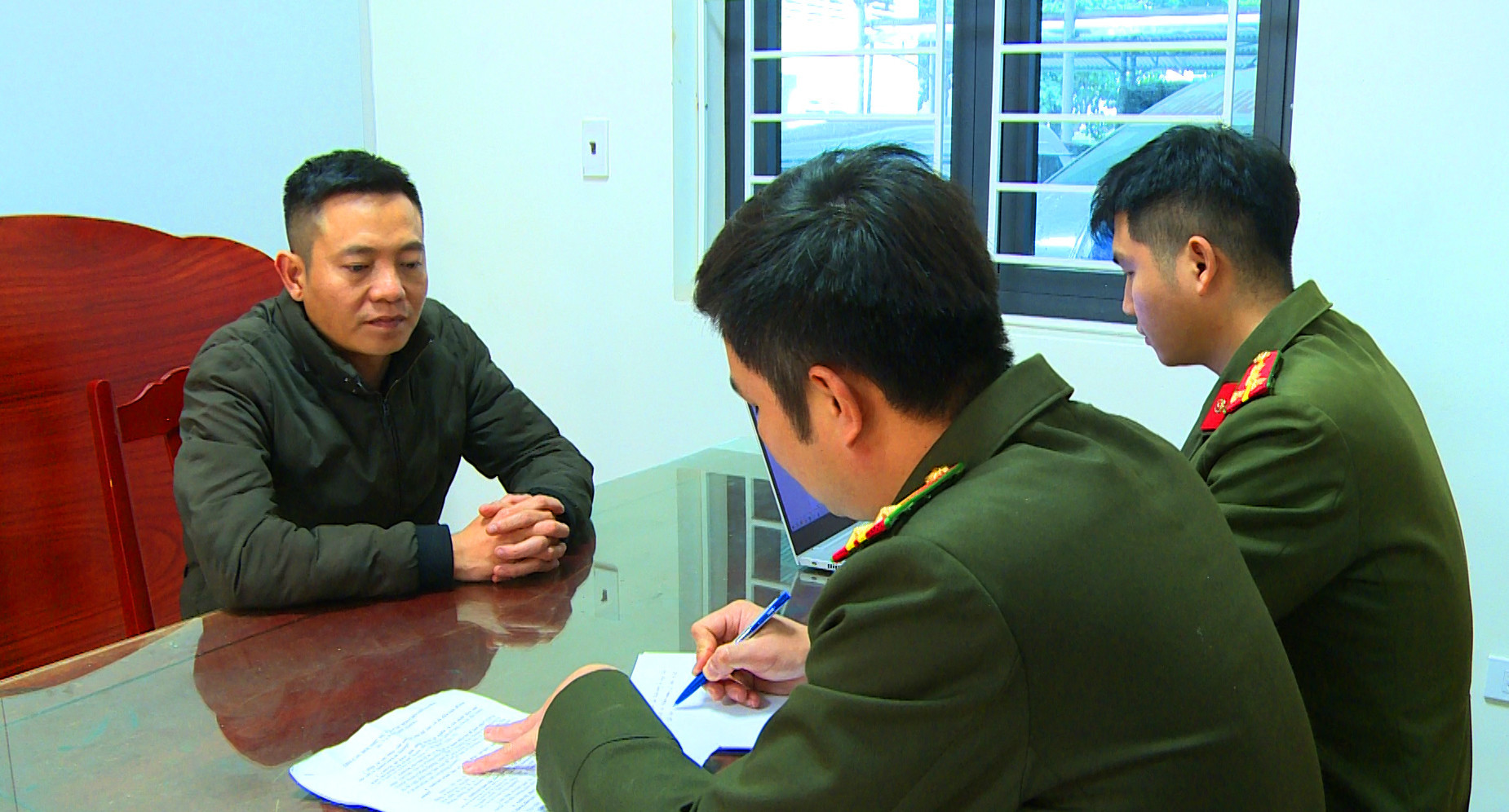
This group established a company, spent billions of dong on social media advertising, manipulated images from reputable television stations, and built a team of consultants impersonating doctors and medical professionals.
When patients experience itching or blistering after using the product, the perpetrators send along Western medicine for customers to self-treat the side effects.
Using this scheme, between 2023 and 2025 alone, the Hoang Minh Duong network successfully sold nearly 87,000 orders, earning over 227 billion VND in illicit profits, leaving many victims with edema and necrosis.
Besides the deceptive tactic of labeling products as "traditional remedies," counterfeit traditional medicine also involves mixing them with modern pharmaceutical chemicals to deceive patients. Specifically, in January 2026, the Ho Chi Minh City Police prosecuted and temporarily detained Nguyen Duy Hien, Ngo My Hoanh (Hien's wife), and Vo Van Nghe.
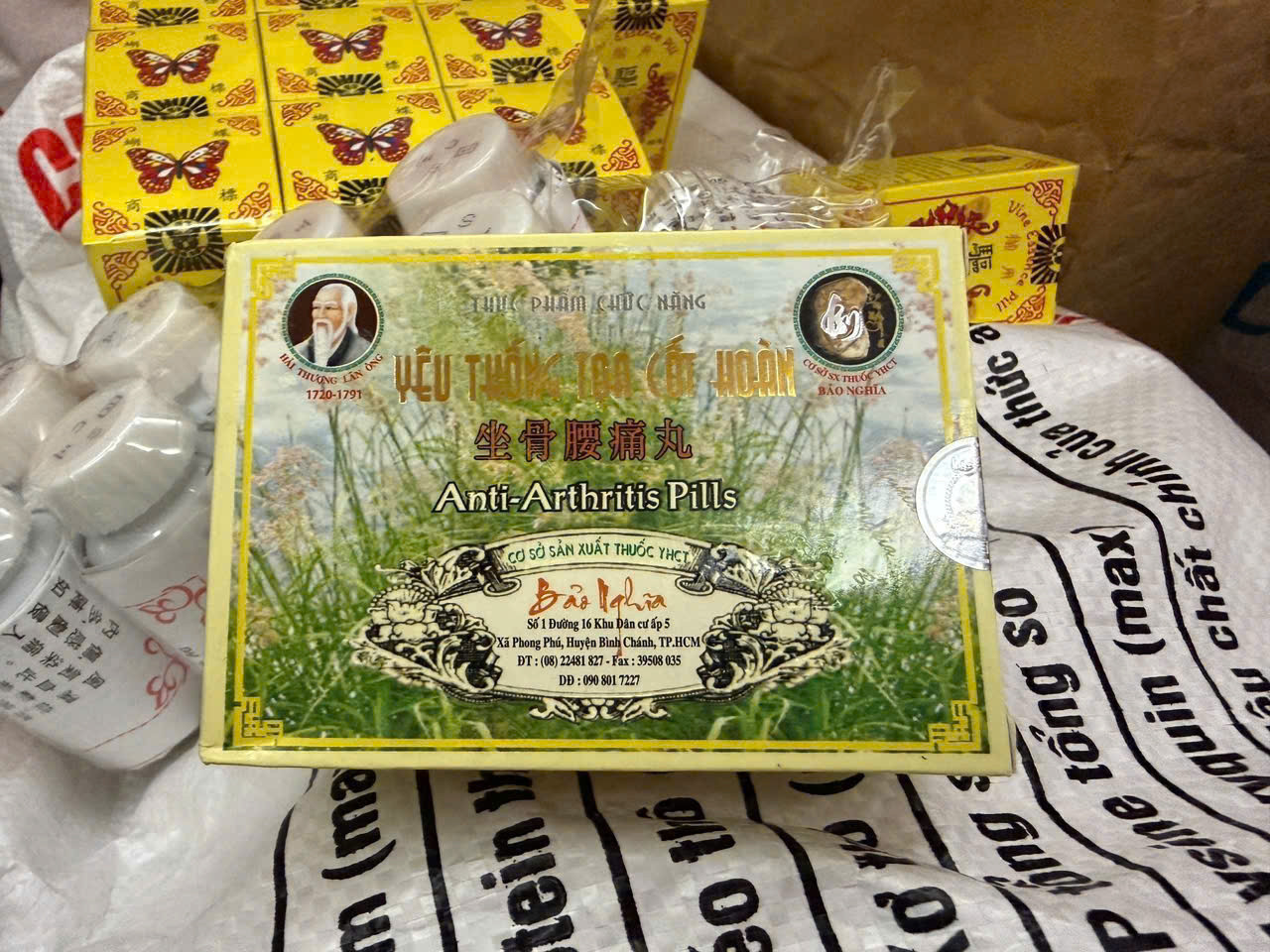
Hien and his wife produced traditional medicine without a license, printing their own packaging with addresses of production facilities located abroad, such as Singapore and China, to deceive consumers.
Notably, the perpetrators mixed betamethasone, a modern anti-inflammatory and pain-relieving drug, into the product.
The mixing of these banned chemicals misleads patients into believing in immediate effects, but it carries the potential risk of dangerous complications for the liver, kidneys, cardiovascular system, and immune system.
During the crackdown on the suspects, the police seized more than 13,000 counterfeit products of various kinds.
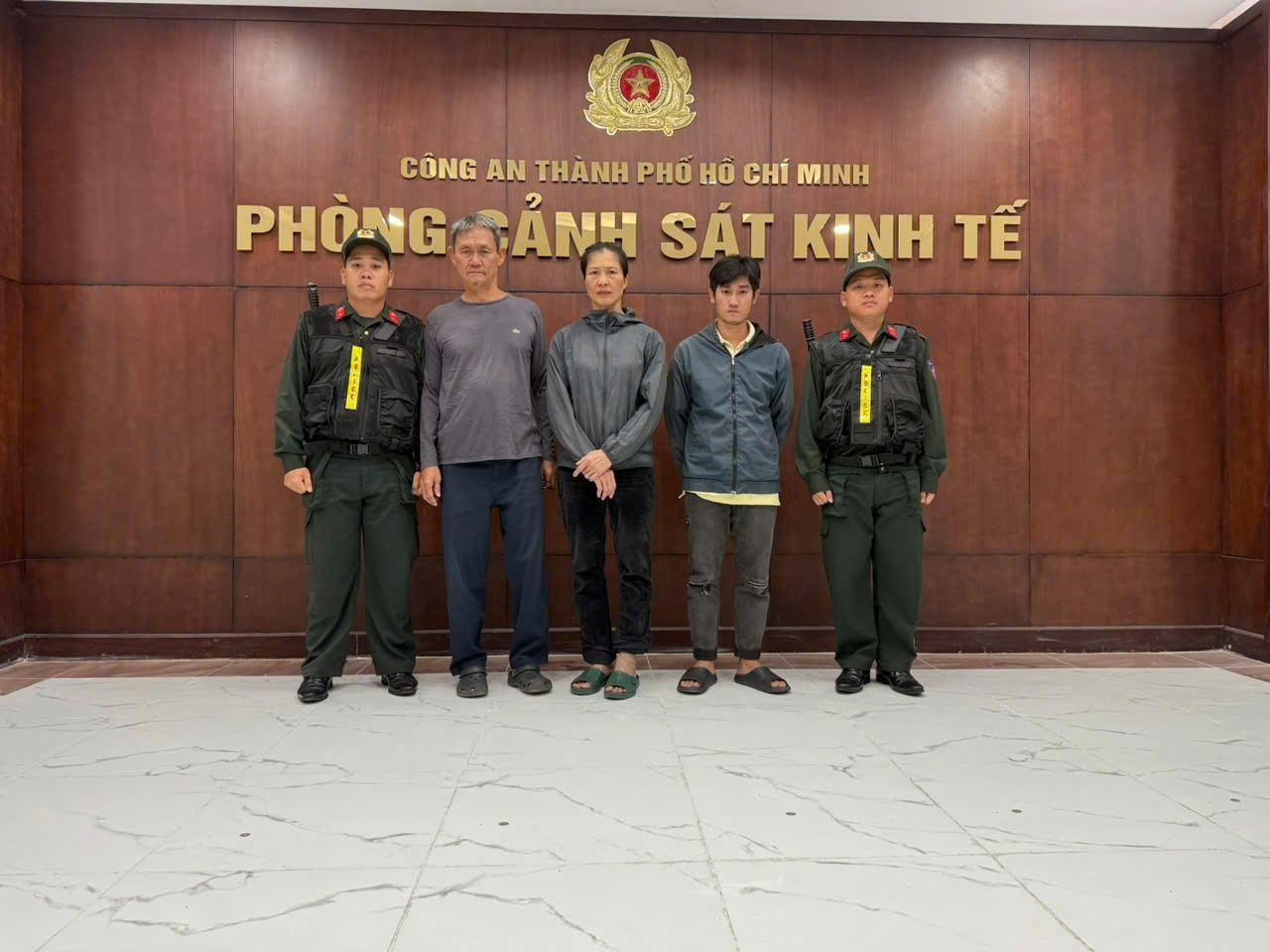
Using the same method of adulterating pharmaceuticals, on April 15, 2026, the Ho Chi Minh City Police continued to prosecute Thai Chanh Kien, Ma Du Thai, and Van Tat Khang.
According to information from the authorities, since the end of 2024, Kien has been using unregulated tablets and capsules, or self-mixing herbal remedies with the pain-relieving active ingredient paracetamol.
This group also affixed fake labels to packaging indicating importation from Malaysia. At the scene, authorities discovered and seized over 4,000 boxes of finished medicine along with approximately 790 kg of various raw materials for pharmaceuticals.
Speaking to reporters, lawyer Nguyen Thanh Hai, Director of An Hoang Gia Law Firm, Hanoi Bar Association, stated: Medicines are special goods directly related to human life. Mixing pharmaceuticals with waste medicine is not only commercial fraud but also an inhumane crime, devastating public health and stifling social trust.
Many have questioned the legal boundaries regarding individuals who purchase counterfeit medicinal herbs, mix them with paracetamol or betamethasone painkillers, and then label them as traditional remedies to sell for profit. According to Lawyer Hai, the core act here constitutes the crime of "Producing and trading counterfeit medicines."
This is a particularly serious crime, with the primary object of legal protection being the health and lives of the community. Depending on the nature, extent, and consequences of the crime, offenders may face very severe sentences, up to life imprisonment.
According to Mr. Hai, during the expanded investigation, if authorities can prove that the suspects also used other fraudulent methods to extort money from patients, such as impersonating doctors or creating fake medical records, they may be considered for prosecution for the additional crime of Fraudulent Appropriation of Property.
Lawyer Hai emphasized: "The production of counterfeit drugs directly targets the anxiety and hope of patients. The clandestine mixing of pharmaceuticals leads patients to mistakenly believe the medicine is immediately effective, but in reality, it leads to liver failure, kidney failure, and endocrine disorders. More dangerously, it robs them of the 'golden time' for treatment."
According to Mr. Hai, for victims suffering the consequences of counterfeit drug trafficking rings, the law stipulates that they have the full right to claim compensation for damages during the criminal case proceedings (as either victims or civil plaintiffs).
Compensation includes medical expenses to remedy the consequences, lost or reduced income, and emotional distress.
However, to ensure a smooth claim process, legal experts particularly advise citizens to immediately take steps to preserve evidence.
First, you must stop using the medication and seek immediate medical attention at reputable healthcare facilities, while also keeping complete medical records and test results as evidence of your declining health.
Secondly, it's important to be mindful of protecting evidence; absolutely do not discard empty boxes, packaging, or partially used medication simply out of frustration.
In addition, the victim needs to gather all purchase receipts, transfer history, consultation messages, and advertising videos and images from the perpetrator to preserve evidence of the transactions. Finally, the patient must bring all of this evidence to the police to file a complaint.
"Each empty medicine container that is retained is not only crucial evidence in a case, but also the only key to protecting the rights of patients and preventing further victims from falling into the trap," lawyer Hai advised.


