
U16 Battle: Man Utd and Chelsea banned from scouting.
Brexit and PSR fueled the U14-U16 scouting frenzy: academies isolated scouts, refused to release squads, and abandoned shirt numbers; Man Utd, Chelsea, and Liverpool once had players denied entry to spectators.
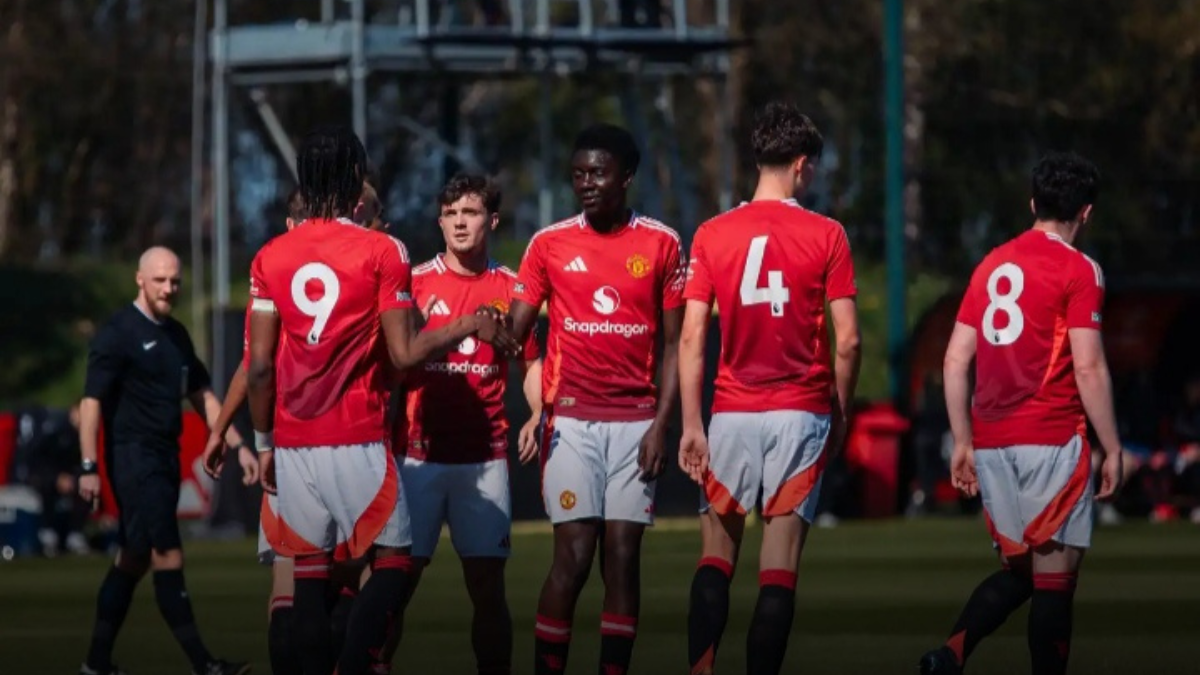
English Premier League academies are entering a rare and intense period: scouts are being kept away from spectators, match schedules are being kept secret, and shirt numbers are being erased from U16 jerseys. In many cases, scouts from major clubs like Manchester United, Chelsea, and Liverpool are being denied entry to watch matches. The driving force behind this is Brexit and Profit-Sustainability Regulation (PSR), making the U14-U16 market the hottest battleground in English football.

Why are academies tightening regulations?
Brexit blocked the signing of players under 18 from abroad, forcing English clubs to focus on domestic talent, especially those aged 14-16. At the same time, the PSR (Spanish Football Association) increased the value of homegrown players: they were not only the professional future but also financial assets. This created direct competition between top academies, rather than opening up an international market as before.
A scout acknowledged the change: previously, big clubs were less likely to poach each other's "raw talent" because it was easier to recruit from abroad; now all eyes are on domestic clubs, leading to a fierce competition.
The protective measures are becoming increasingly extreme.
To prevent talent poaching, many academies are implementing a series of strict measures in U16 matches:
- She isolates the scouts in a separate area, away from the audience, and sometimes they are escorted.
- The match schedule was not provided due to concerns about protecting children.
- No shirt numbers are printed on the jerseys to make it difficult to identify the players.
The refusal to allow scouts from major clubs like Chelsea, Liverpool, and Manchester United to attend academy matches has happened on numerous occasions, reflecting the increasing tension.
U14-U16 Market: High Risk, Large Capital Flow
The shift towards the 14-16 age group has led to a sharp increase in transfer fees. Clubs are willing to pay high prices to retain or recruit talent, even doubling or tripling the compensation offered under the Elite Player Development Plan (EPPP) to avoid prolonged disputes. A senior figure in academy scouting views the academy as a crucial source of revenue.
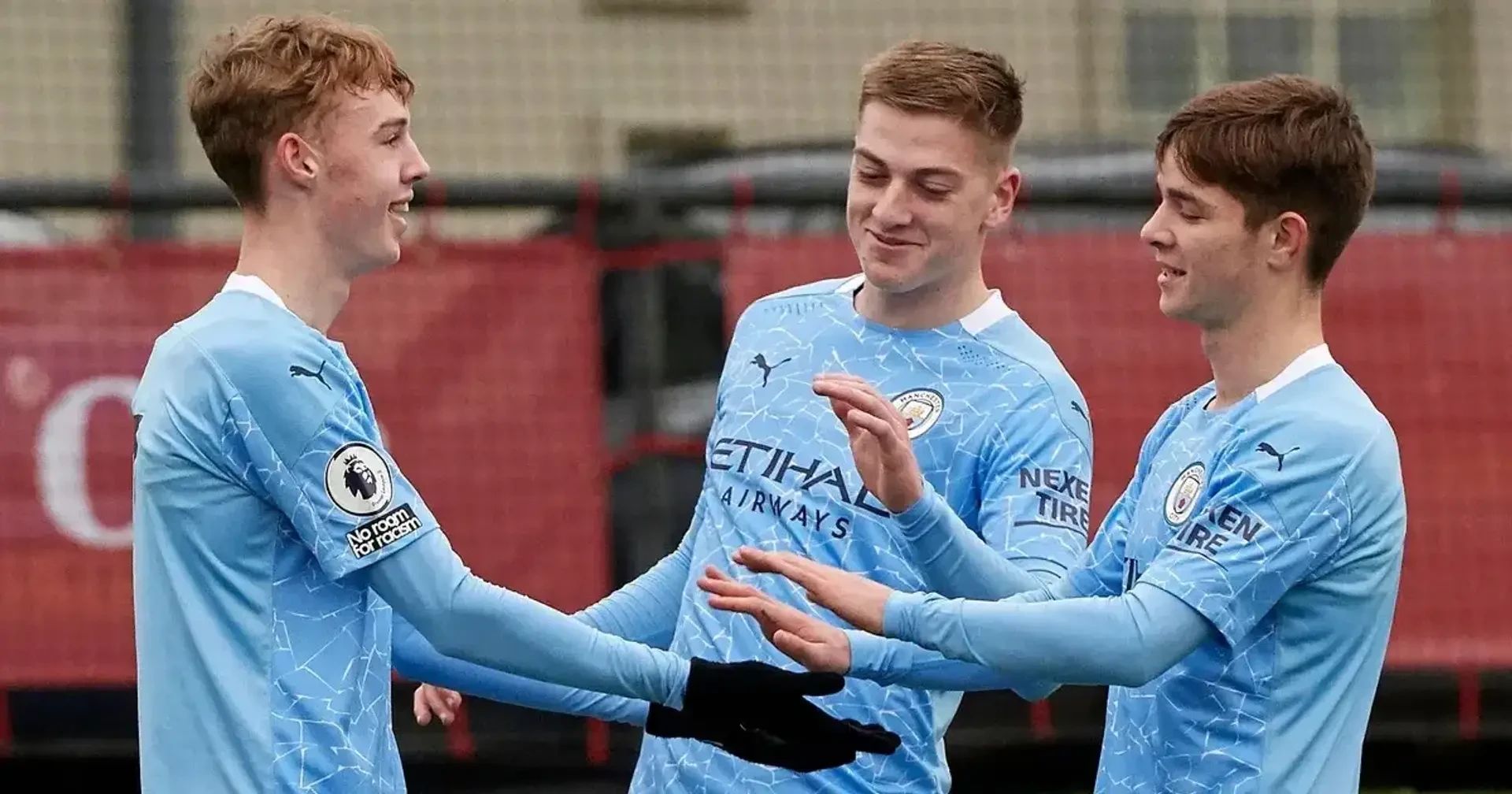
Man City is considered one of the clubs that generates significant revenue from the transfer of young players, demonstrating the increasing economic value of its youth development model.
Typical cases and direct consequences
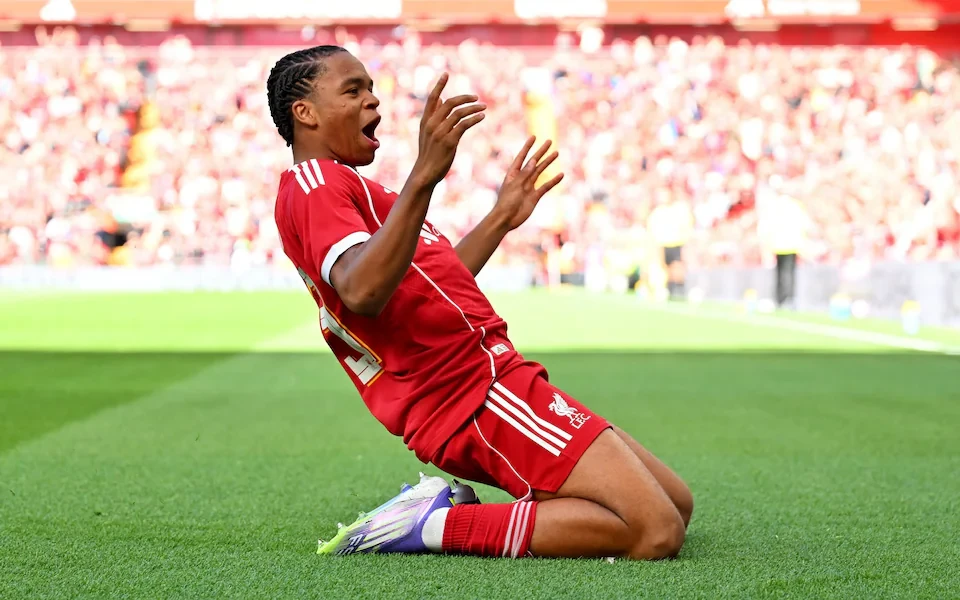
Recent transfers have further heated up the academy scene: Rio Ngumoha has become the focus of a dispute between Liverpool and Chelsea; Trey Nyoni is another example of the wave of young talent transfers. Conversely, to retain players, clubs are accelerating their development: Arsenal gave 15-year-old midfielder Max Dowman his first-team debut under Mikel Arteta; Chelsea gave Reggie Walsh a chance in the Europa Conference League.
The examples of players like Bukayo Saka and Phil Foden, who developed from academy to first team, make the "training - investment - return on investment" model even more compelling for clubs, both professionally and financially.
Tactical impact at the academy level
Brexit forced clubs to rebuild their domestic scouting networks, prioritizing U14-U16 players. On the field, concealing shirt numbers, restricting information, and tightening observation zones made it difficult for opponents to profile players. Off the field, the policy of retaining players based on the chance of early promotion to the first team became a crucial "weapon" in the race to convince families and agents.
But the risks are clear: massive investment in players who are too young, the pressure of high expectations building early on, and the potential for legal disputes during transfers or EPPP compensation. Nevertheless, the current context suggests this battle shows no signs of cooling down.
The overall picture
- The driving forces: Brexit and the PSR.
- Target: Domestic players aged 14–16.
- Measures: isolate the scouts, keep the roster secret, and remove the jersey numbers.
- Market: Willing to pay 2–3 times the EPPP compensation.
- Retention strategy: give them first-team opportunities early.
In that race, each weekend U16 match is no longer just a training session: it's where academies defend their most valuable assets — both literally and figuratively.


