
UAV War: A Strategic Crossroads Between Ukraine and Iran
The UAV war is fundamentally changing the landscape of modern warfare. By recognizing the strategic convergence between the two conflict hotspots of Ukraine and Iran, key lessons can be learned for dealing with future wars.
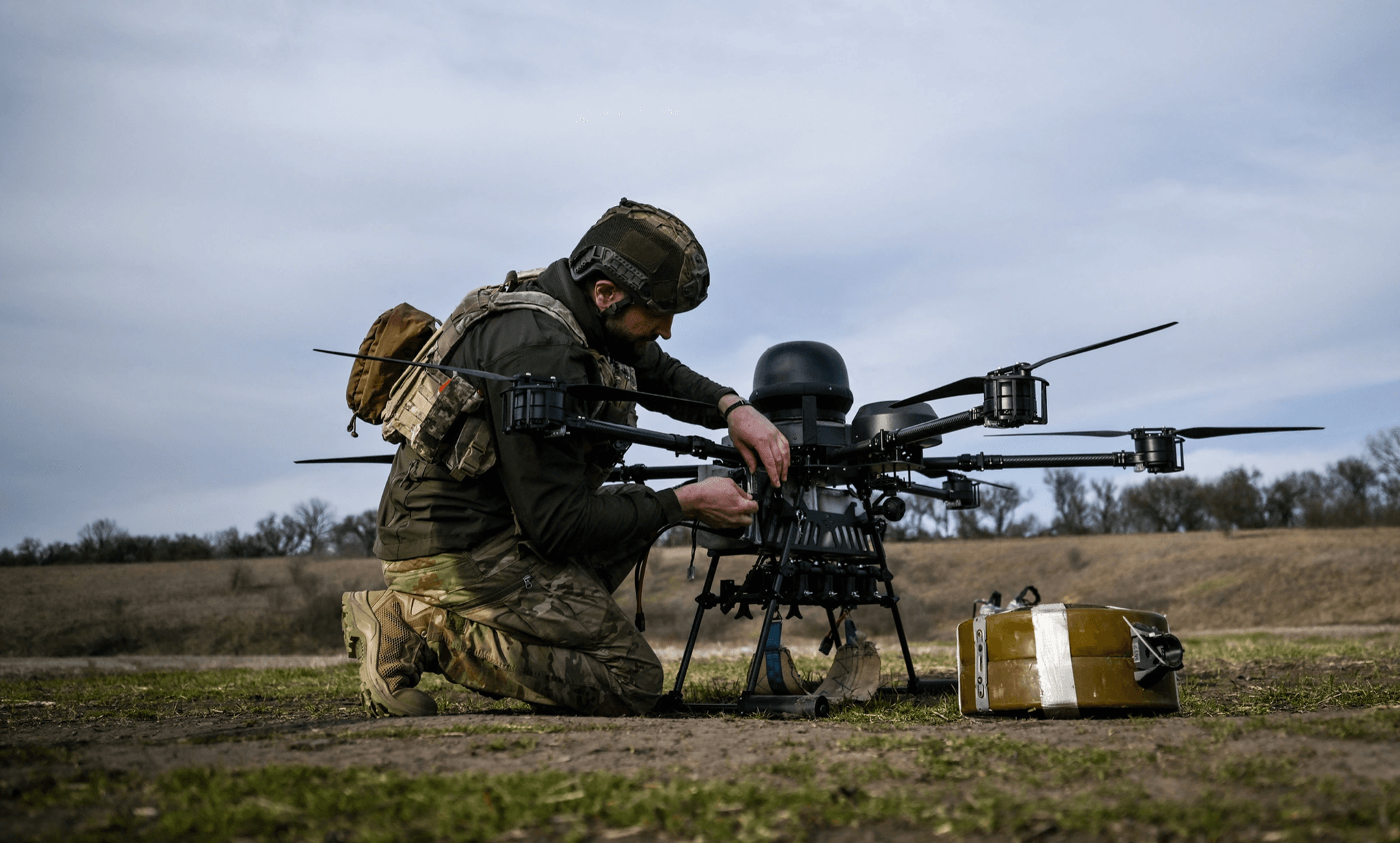
According to CNN, last week, a drone and robot raid by the Ukrainian Armed Forces successfully captured an enemy ground position. "The future is here," declared Ukrainian President Volodymyr Zelensky. He asserted that this was the first successful drone-based mechanized attack in history, recounting the battle against a Russian outpost.
Zelensky's proud statement that Ukraine is now surpassing Russia in the speed of technological innovation coincides with the US aggressively targeting Iran's missile and UAV programs.
Iran's UAV war: A threat to the US
Since the outbreak of the war between Israel and Hamas forces in the Gaza Strip in mid-October 2023, and especially since the joint US-Israeli military campaign against Iran began on February 28, the Middle East has witnessed numerous drone attacks targeting economic infrastructure, residential areas, and diplomatic facilities.
In January 2024, US President Joe Biden stated that four US soldiers had been killed and more than 34 others wounded in an Iranian drone attack targeting US forces stationed in northeastern Jordan, near the Syrian border. Shortly afterward, the Iranian mission to the United Nations denied the allegations, stating that Iran had no connection to and was not involved in the attack on the US base.
Also that month, in the Red Sea, the U.S. Navy reported successfully intercepting 18 attack drones, two anti-ship cruise missiles, and a ballistic missile traveling at Mach-4. No American casualties were reported in the incident.
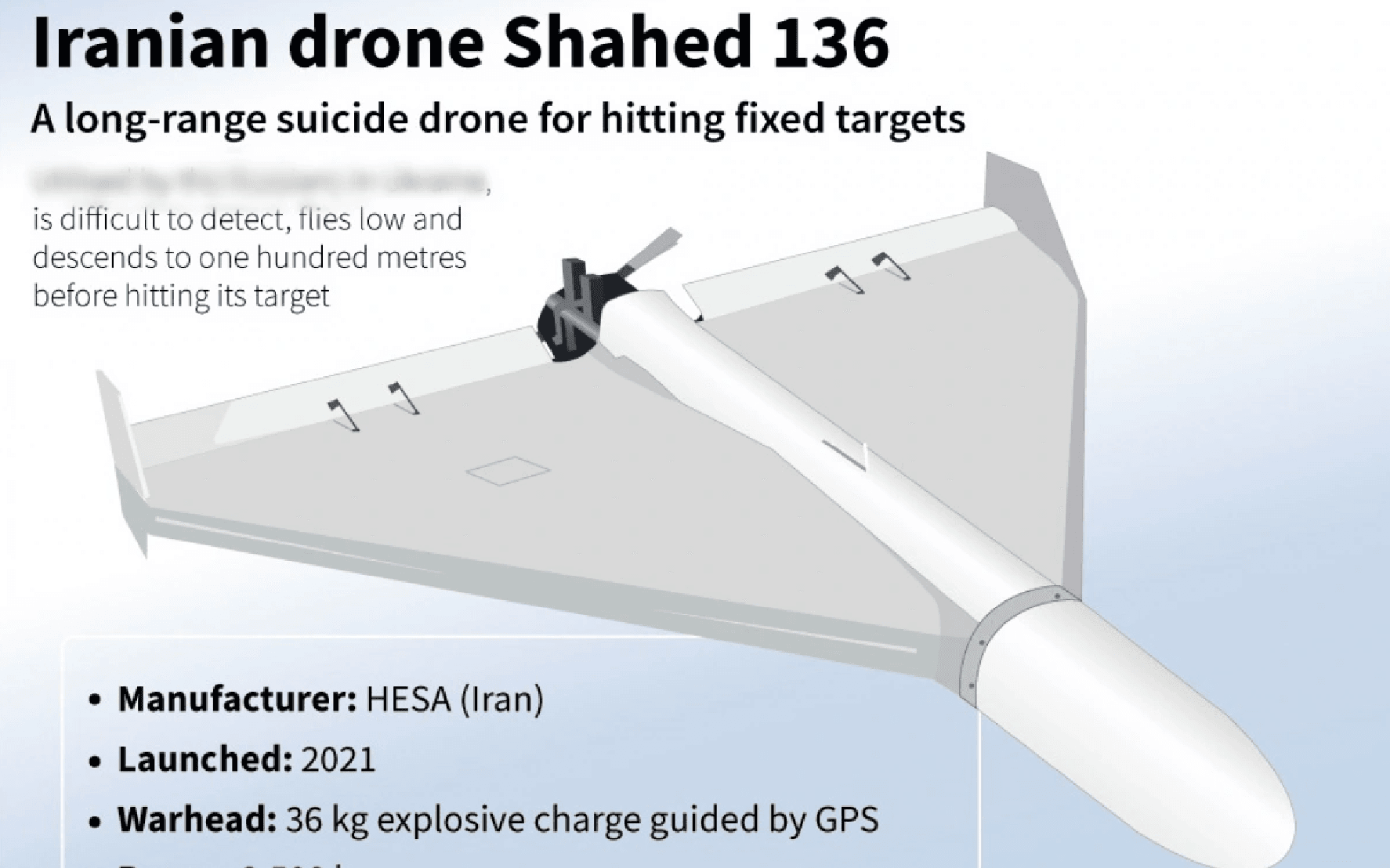
On March 15, 2026, Khatam al-Anbiya, spokesman for Iran's Central Command, stated that the US and Israel deployed a copycat version of Iran's Shahed-136 UAV to carry out attacks on civilian infrastructure in Middle Eastern countries, aiming to blame Tehran. He asserted that Iran's military operations are always conducted with strict discipline, adhering to clear legal principles, and are limited to military targets belonging to the US and Israel.
According to CNN, amidst the conflicting interpretations of the current conflict in Iran, Secretary of State Marco Rubio offered the sharpest argument. Over the past decade, Iran has developed its missile and UAV programs to such an advanced level that it is on the verge of possessing an "impenetrable shield."
According to Rubio, this program has developed to such a scale and sophistication that it is capable of overwhelming existing air defense systems, preventing any attack aimed at weakening them. Defense planners call this an "immunity zone." It leaves Iran's arsenal beyond the reach of any military retaliation.
Over the past 10 years, Iran's "aerospace program" has progressed exponentially. Its missiles have nearly doubled in payload, range, and accuracy. They can strike targets with high precision, turning any U.S. position in the region into a vulnerable point.
The recent US airstrike campaign targeted these facilities, including underground storage depots, production facilities, and component manufacturing plants. The goal was to set back Iran's program by years, taking advantage of the crucial window of opportunity for its defense systems to catch up.
Ukraine's solution in defense technology innovation.
One image that left a lasting impression from the Iran conflict was perhaps Ukrainian President Zelensky's trip to the Middle East, right in the midst of the most intense fighting. He visited Saudi Arabia, the United Arab Emirates (UAE), and Qatar. Zelensky brought with him personnel, expertise, and an integrated defense system specifically designed to counter Iran's "swarm UAV warfare." These three Gulf nations have since signed defense agreements with Ukraine.
After more than four years of conflict, Ukraine has built its own defense industry and produces UAVs. Ukrainian defense products are highly regarded for their adaptability and combat effectiveness. According to a recent analysis from the Hudson Institute, Ukraine is using approximately 10,000 unmanned aerial vehicles (UAVs) daily. These penetrate deep into enemy territory, destroying targets on the front lines.
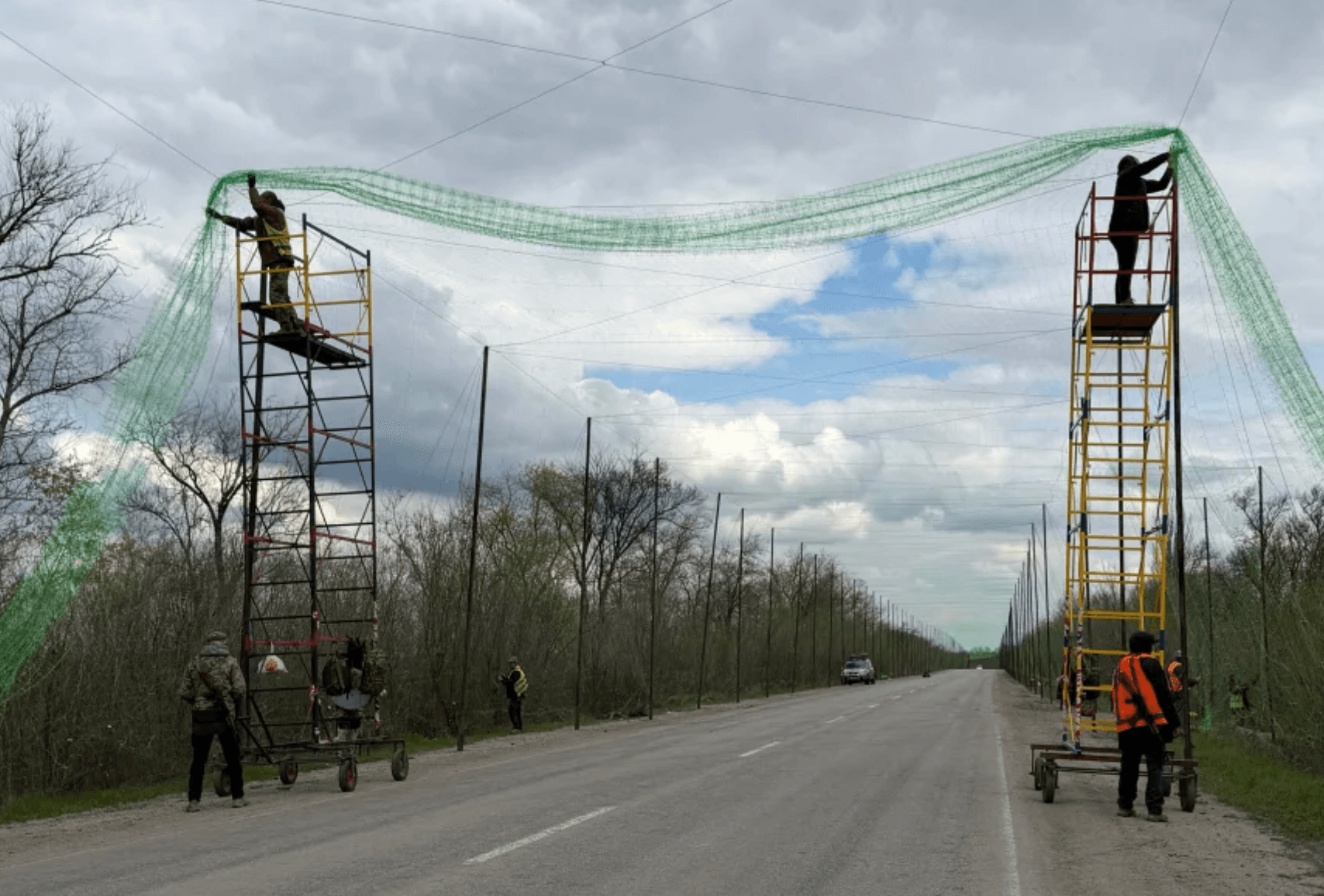
Although Russia still has the capability to conduct swarm attacks with UAVs, Ukraine is catching up aggressively. The Ukrainian Ministry of Defense announced plans to produce more than 7 million UAVs this year alone. Furthermore, Ukrainian equipment is striving for cost efficiency. According to a recent report by the Snake Island Institute (an independent Ukrainian security center), one of their interceptor drones ($3,000-$5,000) is up to 10 times cheaper than a Shahed ($20,000-$50,000).
Strategic convergence?
President Zelensky has demonstrated how the wars in Iran and Ukraine are linked. The U.S. is working to eradicate Iran's ability to design, manufacture, and upgrade weapons in the short term. Meanwhile, Ukraine is systematically developing and deploying technologies to neutralize and disable those weapons.
CNN commentators suggest that the White House should no longer view these two campaigns as separate entities. Instead, this could be seen as a time for Western partners to converge their strengths. Weakening Iran's arsenal, combined with Ukraine's technological advancements, could present significant opportunities for the United States.
A potential conflict between the US, Israel, and Iran risks diverting the world's attention from the war in Ukraine. However, the situation also presents Kyiv with an opportunity to demonstrate its military and technological capabilities on another front.
According to the New York Times, as the conflict with Iran spreads throughout the region, Ukraine is leveraging its battlefield experience and anti-UAV technology gained during its conflict with Russia to support U.S. military bases in the Middle East in countering Iranian UAV attacks.
In an interview with the New York Times, President Zelensky said that Kyiv had sent UAVs along with a team of experts to protect US military bases in Jordan.
However, according to experts, Washington did not respond much to those advantages. Instead, the US administration once again threatened to leave NATO. And the US President argued that Zelensky was a "greater obstacle" to a peace agreement than Russian President Vladimir Putin.


