
The 2025 Laser Weapons Race: A Turning Point in Modern Military Technology
2025 marks the strong rise of directed energy weapons with laser systems such as SONGBOW, Iron Beam, and DragonFire, promising to completely change the landscape of global defense.
2025 will see the rise of laser weapons, ushering in a new era of defense full of surprises and challenges. Directed energy (DEW) technology is gradually moving from the testing phase to combat deployment, with superior advantages in cost and the ability to intercept high-speed targets.
The American SONGBOW system: Concentrated power of 400 kW
The U.S. Navy has made significant progress with the development of the SONGBOW system, which boasts a power output of up to 400 kW. The unique aspect of this technology lies in its ability to combine multiple 50 kW industrial laser streams into a single, powerful beam.
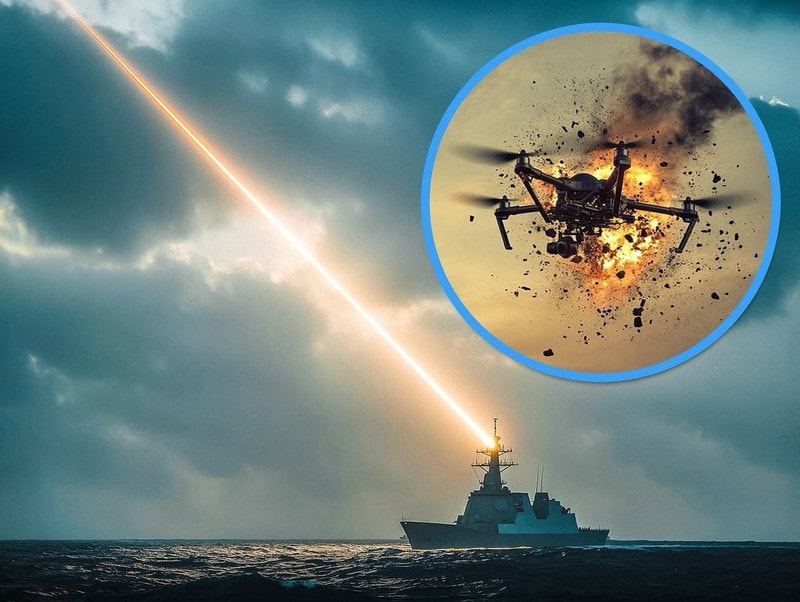
With this capability, SONGBOW can destroy unmanned aerial vehicles (UAVs), cruise missiles, and other high-speed threats from long distances, protecting the fleet against saturation attacks.
Apollo and Australia's ability to sustain firepower.
The Apollo system, developed by the Australian company EOS, has a power output of approximately 150 kW. Apollo's strength lies in its extremely high energy efficiency, allowing it to shoot down up to 200 drones on a single battery charge.
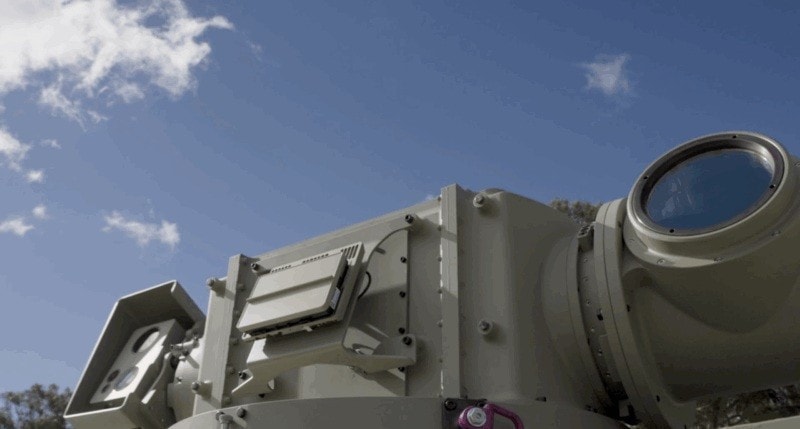
The system provides 360-degree coverage, helping to protect critical areas without relying on expensive traditional ammunition.
Iron Beam: The first real-world laser shield.
Israel has officially put Iron Beam into operation as the world's first field-deployed combat laser system. Iron Beam is designed to complement the existing Iron Dome system.
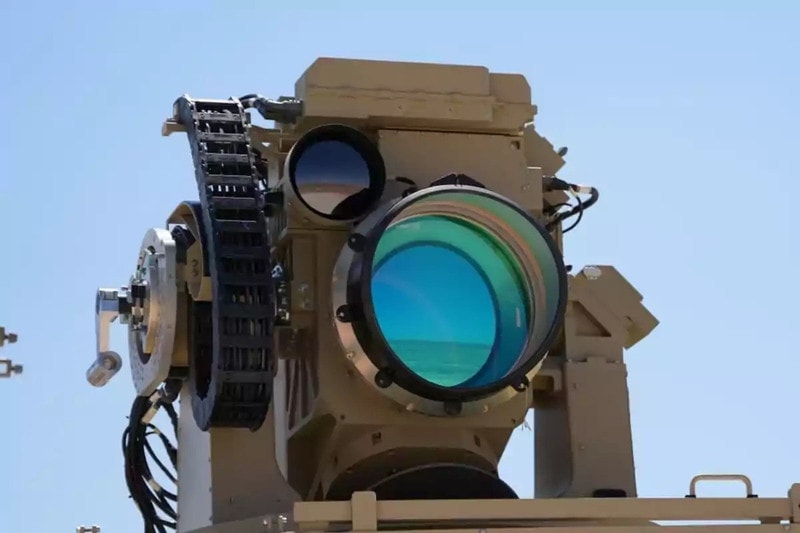
The ability to destroy UAVs, rockets, and mortar rounds within seconds at extremely low cost helps the Israeli military reduce its financial burden when dealing with large-scale attacks using inexpensive weapons.
DragonFire from the UK: Absolute precision
The British Army has successfully tested DragonFire, a laser system capable of shooting down flying targets traveling at twice the speed of Formula 1 race cars. DragonFire impressed with its extremely high accuracy, able to hit a coin from a distance of 1 km.
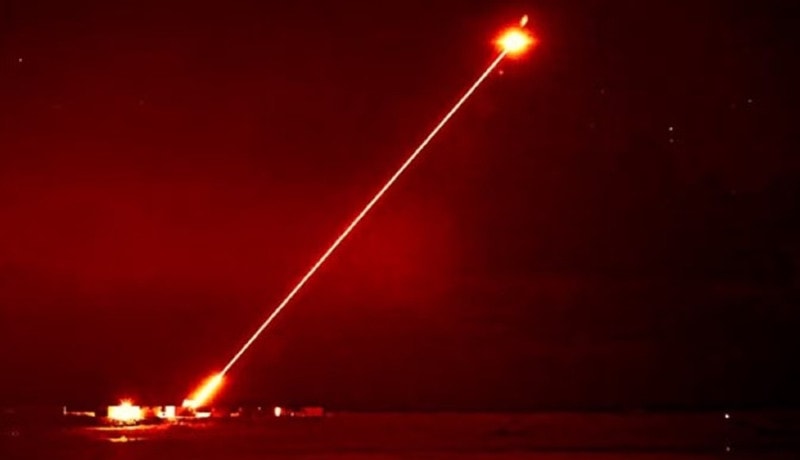
The cost per shot of the DragonFire is only about $13, a tiny figure compared to the price of traditional interceptor missiles, which can cost millions of dollars.
LY-1 and China's ambitions
In the energy race, China has introduced the LY-1 system, designed for deployment on both naval vessels and land-based bases. Beijing claims the LY-1 possesses superior parameters compared to comparable US systems.
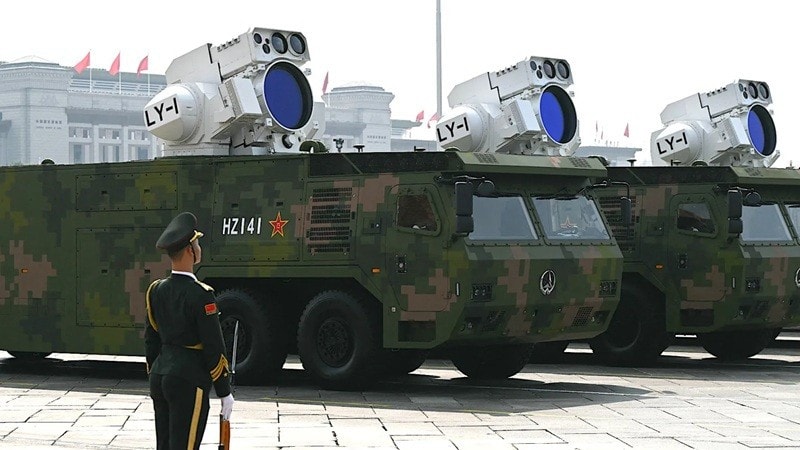
The emergence of the LY-1 has deepened concerns among international technical experts. Some Japanese engineers warn that, instead of focusing on civilian areas such as electric vehicles, the world needs to be particularly wary of China's rapid advances in this new energy weapon technology.


