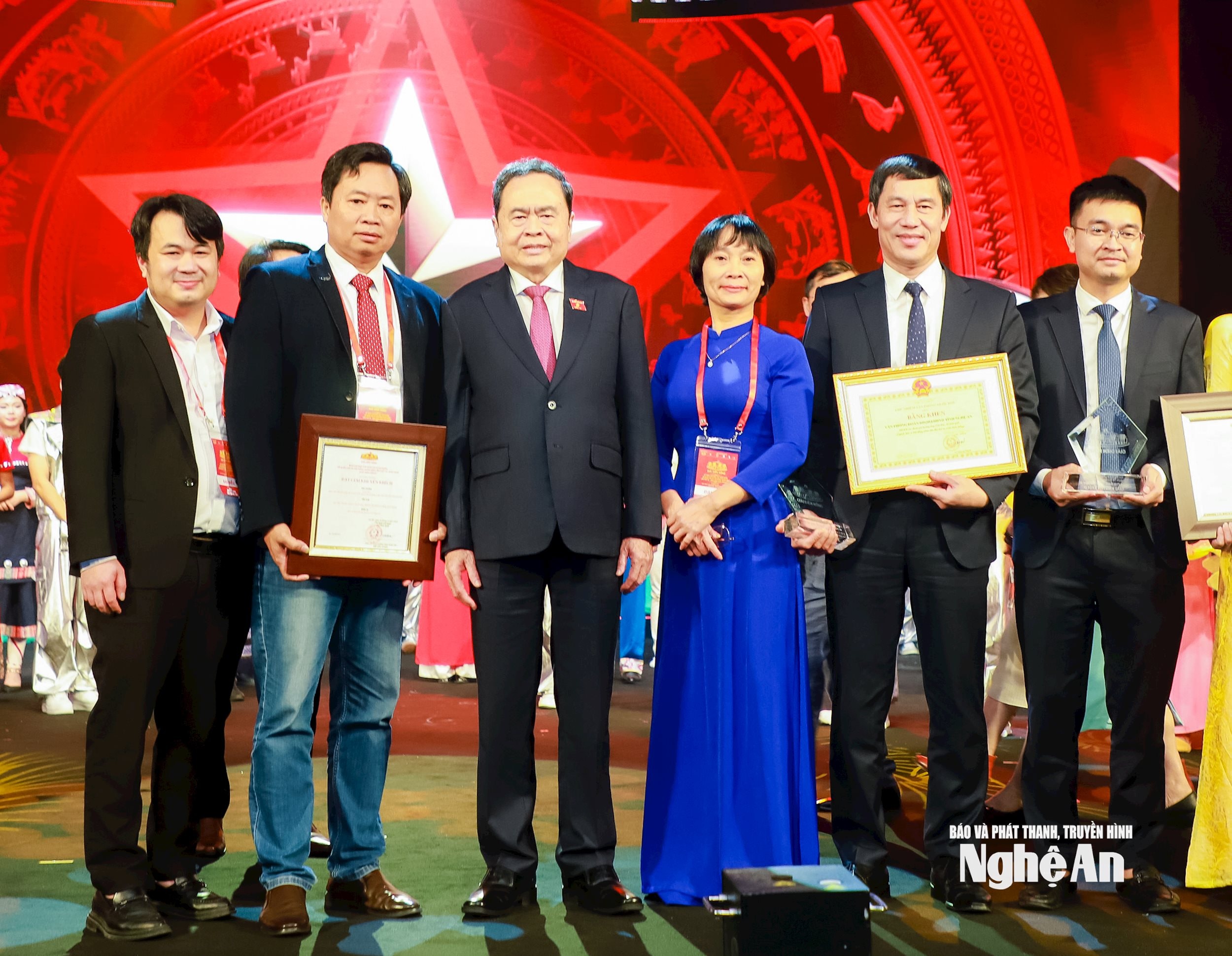
The first General Election - a historic milestone for the Vietnamese National Assembly.
The first general election in Vietnam, held on January 6, 1946, was a significant event in the history of the Vietnamese revolution, marking a crucial turning point in the formation and development of democracy in Vietnam. It was a political and legal event that established the highest representative body of the people of the entire country – the First National Assembly of the Democratic Republic of Vietnam, the predecessor of the National Assembly of the Socialist Republic of Vietnam.
The value, significance, and impact of the 1946 General Election
The first general election in Vietnam took place in the context of a country that had just gained independence after the August Revolution of 1945, facing countless difficulties and challenges both domestically and internationally. In this unique historical context, organizing a general election was not only an urgent requirement to consolidate the fledgling revolutionary government but also a strategic step of decisive importance in establishing the political and legal foundation of the new Vietnamese State. It was precisely because of this objective requirement that the 1946 general election played such a significant role and held such immense importance.
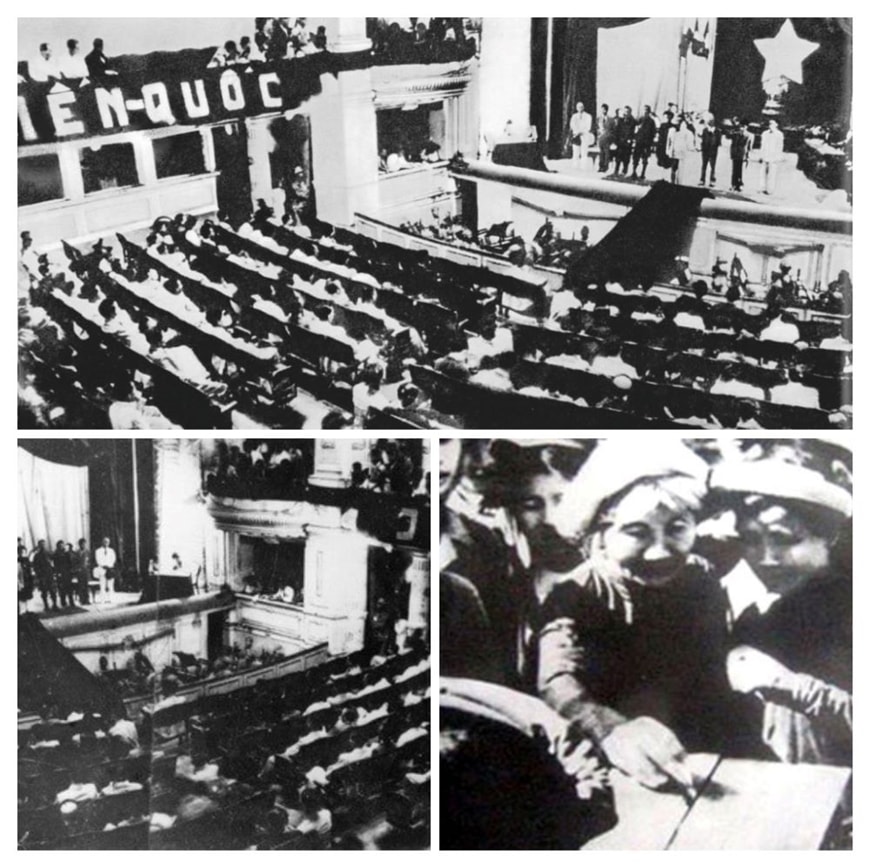
Firstly, the 1946 General Election laid the foundation for the establishment of Vietnam's first National Assembly, affirming that sovereignty belongs to the people, and that the people exercised their power to elect a representative body that reflects the will and aspirations of the broad masses of the people.
Particularly, taking place in the context of Vietnam having just gained independence, the General Election held special significance in affirming Vietnam as an independent, sovereign nation with the right to self-determination. Organizing elections nationwide was a vivid demonstration of the self-governing capacity of the young revolutionary state, and a strong affirmation to the people at home and international public opinion of the legitimacy of the Democratic Republic of Vietnam.
The success of the General Election also reflected the immense strength of national unity. The election attracted the participation of many segments of the population, from farmers and workers to intellectuals, demonstrating a spirit of solidarity and determination to build an independent and free Vietnam. The results of the General Election laid a solid legal foundation for the people's democratic government. The legally elected First National Assembly enacted many important policies, contributing to the building of the state apparatus and guiding the country's development in the early years after the August Revolution.
One of the outstanding values of the 1946 General Election was the affirmation of citizens' rights and the principle of equality. For the first time in history, all Vietnamese citizens, regardless of gender, wealth, class, religion, or educational level, were allowed to participate in the election. Each voter had only one ballot, but that ballot had equal value in determining the election results, clearly demonstrating the democratic, progressive, and humane nature of the Democratic Republic of Vietnam.
The success of the General Election also had significant importance in strengthening the fighting spirit of the Vietnamese people. The people's faith in the revolutionary government was reinforced, creating immense spiritual strength for the cause of defending national independence and building the country, while also laying the foundation for subsequent resistance movements.
Beyond its immediate significance, the 1946 General Election established the model and procedures for elections, creating a foundation for subsequent elections of National Assembly and People's Council representatives. The regulations and experiences from this election have been applied and developed to suit each historical period, thereby helping the State to perfect election laws, from regulations on candidacy and voting rights to the methods of organizing and supervising elections...
The success of the General Election also clearly affirmed the position and role of the National Assembly in the Vietnamese political system. The National Assembly became the body representing the will of the people and the place where important national issues were decided. At the same time, the 1946 General Election contributed to promoting people's participation in political life, fostering a sense of civic responsibility and the habit of participating in elections. This was an important foundation for the development of socialist democracy in Vietnam in subsequent stages.
It can be affirmed that the 1946 General Election created Vietnam's first democratic model, shaping the direction for future elections and the development of socialist democracy. This was not only a historically significant political event but also contained enduring values of national spirit, democracy, independence, and development, leaving a lasting and profound impact on the country's political system and political life.
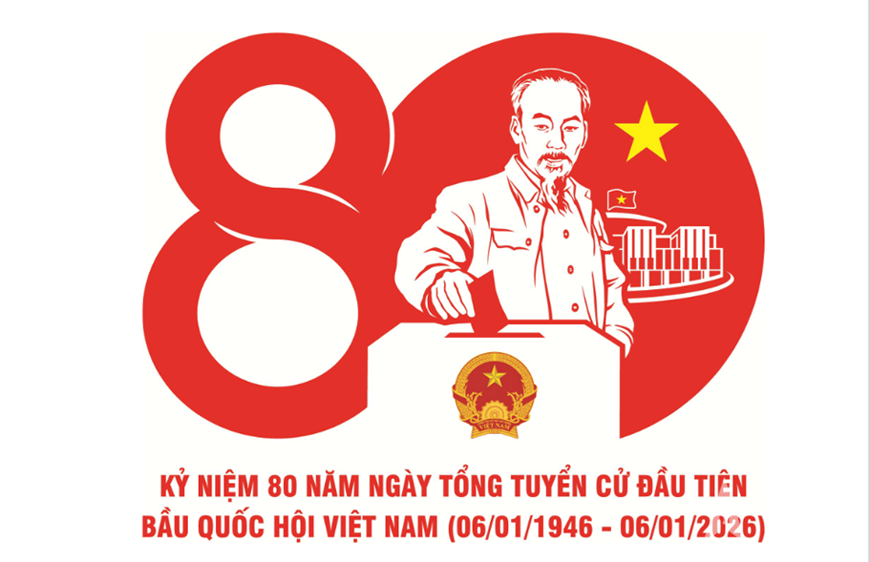
Upholding the historical values of the 1946 General Election
Currently, the global and regional context is undergoing very complex and unpredictable developments, and the country is preparing to enter a new era. Therefore, researching, clarifying, and thoroughly understanding, applying, and developing the ideological and theoretical foundations and historical values of the first General Election is extremely necessary. To continue applying and developing the theoretical foundations and historical values of the 1946 General Election for subsequent elections and to build and consolidate the government and develop socialist democracy in our country, the following solutions should be prioritized:

Firstly, the competent authorities need to organize and prepare thoroughly for elections. A successful election depends heavily on preparation, organization, and management, from establishing election procedures, consultation, nomination, and selection of candidates, to establishing electoral districts, communicating about the election, informing the public about candidates, organizing meetings between candidates and voters, and campaigning... The importance of preparation, organization, and management in elections must be emphasized, ensuring that all the above activities are conducted in a systematic, rigorous, and scientific manner.
Secondly, it is necessary to strengthen the guarantee of openness, transparency, and fairness in elections. To build public trust, it is essential to ensure openness and transparency in the electoral process, from consultation and candidate selection, establishing electoral districts, assigning candidates to electoral districts, to organizing and arranging ballot boxes and ballots, voting, counting votes, and announcing results (including voting results and the results of resolving complaints and accusations related to elections...). A mechanism is needed to control the legality and clarity of the electoral process to prevent arbitrariness and fraud, thereby ensuring the legitimacy and legality of elected representatives.
Thirdly, it is important to encourage the participation of all segments of the population in elections. The 1946 General Election attracted the participation of many segments of the population, demonstrating equal voting rights. Therefore, it is crucial to ensure that all citizens are given the most favorable conditions to participate in the political process. In the context of National Assembly elections in Vietnam, comprehensive consideration must be given to vulnerable groups, those who may face greater difficulties in exercising their right to vote, such as voters who are terminally ill, voters in remote islands and mountainous areas, and those who are under temporary detention. The competent authorities must ensure that all voters can exercise their right to vote in the most proactive and convenient way possible. This clearly demonstrates the Party and State's policy of always respecting and guaranteeing human rights and civil rights.
Fourth, strengthen political and legal awareness education for the people so that they understand their rights and responsibilities in elections. There is a need for political and legal awareness education programs, and widespread dissemination of information about the significance of elections and election and candidacy laws, so that citizens can easily, voluntarily, and proactively exercise their voting rights and obligations.
Fifth, continue to improve the organization and innovate the working methods of the National Assembly, contributing to building and perfecting a truly socialist rule of law state of Vietnam, of the people, by the people, and for the people. It is necessary to continue building the National Assembly into a truly the highest representative body of the people, representing the will and aspirations of the people, and the highest organ of state power; promoting democracy, the rule of law, modernity, professionalism, science, openness, transparency, effectiveness, and efficiency in its organization and operation, ensuring that the National Assembly effectively performs its legislative function, decides on important national issues, and exercises supreme oversight over the activities of the State.
Continue to innovate the organization and operation of the National Assembly towards a streamlined, modern, effective, and efficient structure. Especially in the current context, the National Assembly needs to play a leading role in implementing one of the three strategic breakthroughs: perfecting institutions and removing institutional bottlenecks. The guiding principle in lawmaking must be that laws are not only for management but also for creating and unleashing resources within the people and society; they must be based on the practical realities of Vietnam to develop appropriate legal regulations.
The above solutions, if implemented effectively, will contribute to creating truly democratic, progressive, and objective National Assembly elections, selecting truly worthy representatives of the people. This will enhance the status and stature of our National Assembly, enabling it to successfully fulfill the important responsibilities entrusted by the people, and to work alongside the entire political system to develop the country into a prosperous and thriving nation in the new era.