
Baltic sea freight rates reached their highest level in over two months, with Capesize vessel prices rising 3.6%.
The Baltic Dry Index rose to 2,242 points on March 3, 2026, as freight rates across the sector increased, despite pressure from geopolitical tensions in the Strait of Hormuz.
The Baltic Bulk Shipping Index (BDI) – a key measure tracking global bulk shipping rates – has recorded a continuous growth streak. In trading on March 3, 2026, the index reached its highest level in over two months thanks to strong gains across all shipping segments.
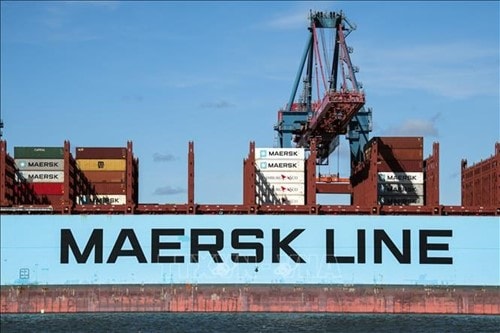
The composite index reached 2,242 points.
Specifically, the main Baltic index, which includes capesize, panamax, and supramax vessels, rose by 55 points, or 2.5%, to 2,242 points. This is the highest level the index has recorded since December 11 last year.
This increase reflects the recovering demand for raw material transportation, while also being influenced by fluctuations in ship supply on key shipping routes.
Capesize cruise ships lead the market.
Among the vessel groups, the capesize segment recorded the most impressive growth. The capesize freight index increased by 112 points (equivalent to 3.6%), reaching 3,245 points – the highest level in the past month.
The average daily earnings of this type of vessel, which typically transports around 150,000 tons of cargo such as iron ore and coal, increased by $1,019, bringing the total earnings to $25,929.
Fluctuations in the smaller vessel segments.
The Panamax and Supramax shipping markets also simultaneously recorded gains in the first trading session of March:
- Panamax train:The freight index rose 23 points (equivalent to 1.2%), to 2,002 points, the highest level since September last year. The average daily earnings of ships carrying 60,000 to 70,000 tons of coal or grain increased by $201, reaching $18,015.
- Supramax ship:The freight index rose 22 points, or 1.6%, to 1,383 points.
Geopolitical pressure and demand from China
Despite rising freight costs, the iron ore market is experiencing mixed performance. Investors are weighing the increased shipping costs driven by escalating geopolitical conflicts in the Middle East against declining demand from Chinese steel producers.
Notably, representatives of Iran's Revolutionary Guard announced on March 2nd that the Strait of Hormuz had been closed. This blockage of the vital shipping lane has directly impacted the flow of international goods. Meanwhile, steel producers in China are currently facing production restrictions, reducing the need for imported raw materials.
Summary of freight rate fluctuations (March 3, 2026)
| Index | Present value | Increase | Percentage (%) |
|---|---|---|---|
| Baltic Dry Index (BDI) | 2,242 | +55 | 2.5% |
| Capesize Index | 3,245 | +112 | 3.6% |
| Panamax Index | 2002 | +23 | 1.2% |
| Supramax Index | 1,383 | +22 | 1.6% |


