
Freight charges for Urals crude oil shipments to India have risen to $21 million per trip.
The cost of transporting Russian crude oil has seen a sharp increase as demand recovers, while also being impacted by the caution of international shipowners in the face of new sanctions.
The cost of transporting Russian Urals crude oil from western ports to India has seen an increase this week. According to market data and in-depth calculations, this rise is occurring amid signs of recovering demand and the gradual resumption of normal port operations.
Details of fare fluctuations on key routes
Market data indicates that price adjustments are occurring simultaneously in both major export regions: the Baltic Sea and the Black Sea. Specifically, shipping costs are now approximately $2 million higher than they were in mid-April 2026.
| Transportation route | Type of ship | Current price (million USD) | Prices as of mid-April 2026 (million USD) |
|---|---|---|---|
| Baltic Port (Primorsk, Ust-Luga) - India | Aframax (100,000 tons) | 18.00 | 16.00 |
| Black Sea Port (Novorossiisk) - India | Suezmax (140,000 tons) | 20:00 - 21:00 | 19.00 |
Impact of fleet structure and sanctions
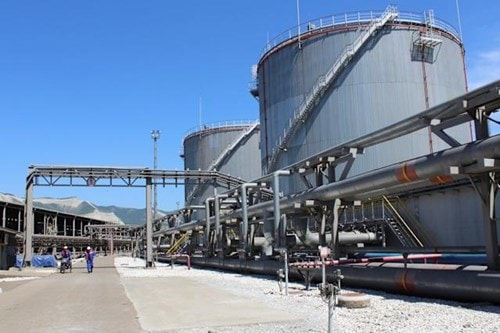
Although Russian oil exports increased in early April 2026 compared to the previous month, the Novorossiissk and Ust-Luga ports are currently operating below maximum capacity. A key factor influencing the market is the shift in the structure of the shipping fleet.
Currently, the majority of Urals oil production is transported via the "shadow fleet"—a specialized group of ships designed to circumvent Western restrictions. Meanwhile, Greek shipowners remain cautious, limiting direct cooperation with Russia due to concerns about legal risks associated with international sanctions.
Legal outlook from the European Union
On the part of the European Union (EU) countries, the bloc has not yet officially adopted a comprehensive ban on maritime services related to Russian crude oil. This is considered one of the key measures in the 20th package of sanctions being considered against Moscow. The lack of a final decision helps maintain some liquidity in the crude oil shipping market in the short term.


