
Despite "stealing the sun" to make salt, salt farmers in Nghe An still struggle due to low prices.
With temperatures nearing 40°C, the salt-making season in Tan Thang village (Quynh Phu commune, Nghe An province) is in full swing. Amidst the scorching heat, salt farmers are busy "stealing the sun" to produce salt. However, paradoxically, the hotter the sun and the better the harvest, the lower the income remains, with prices at only around 1,800 VND/kg.
Salt farmers' "golden hour"
In early April 2026, Nghe An province experienced a severe heatwave with temperatures exceeding 40 degrees Celsius in many areas. The oppressive heat lasted from morning to evening, disrupting the daily lives of the people. However, at Tan Thang salt fields (Quynh Phu commune), this was the most important time of year, the main salt-making season.
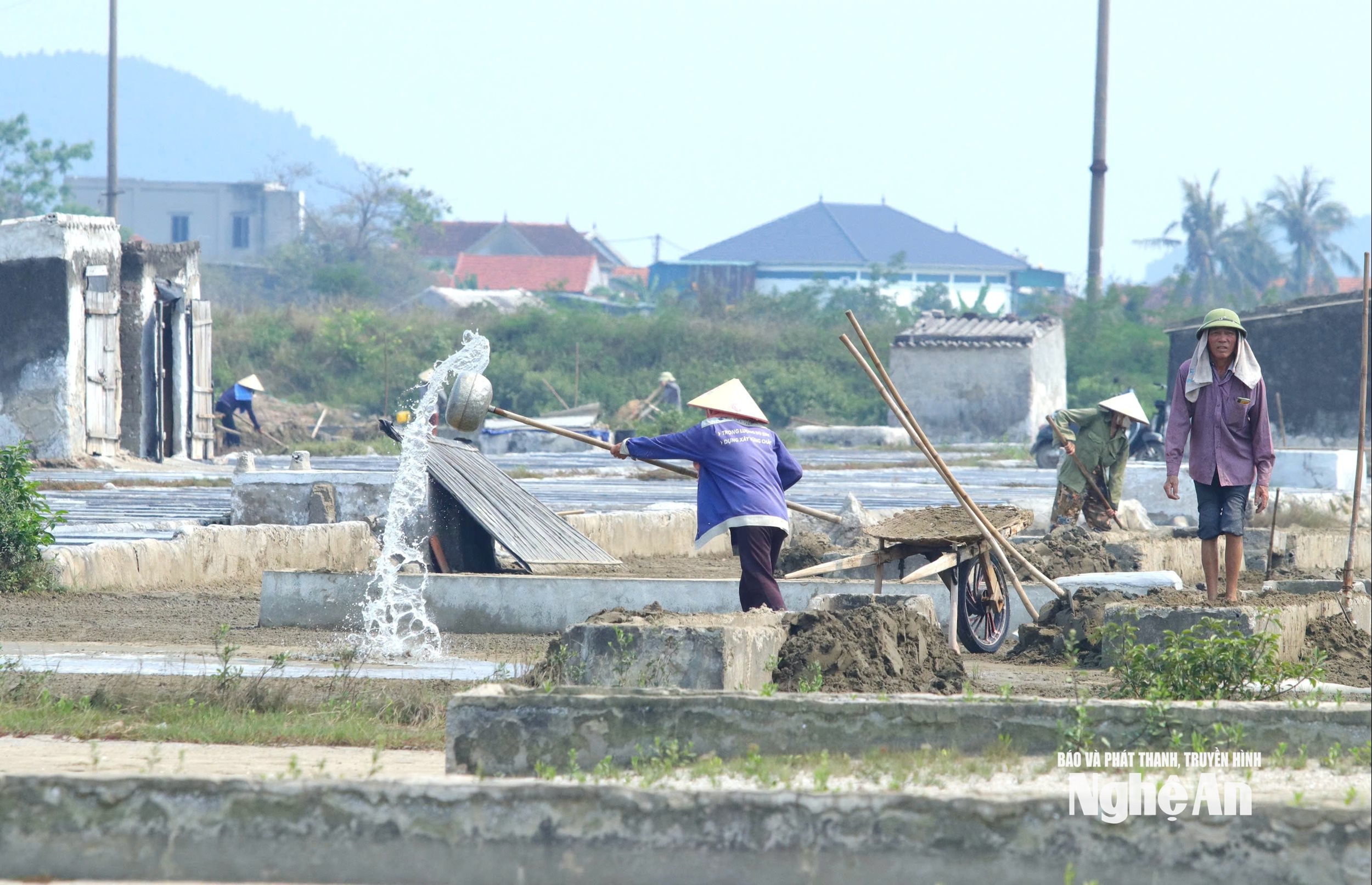
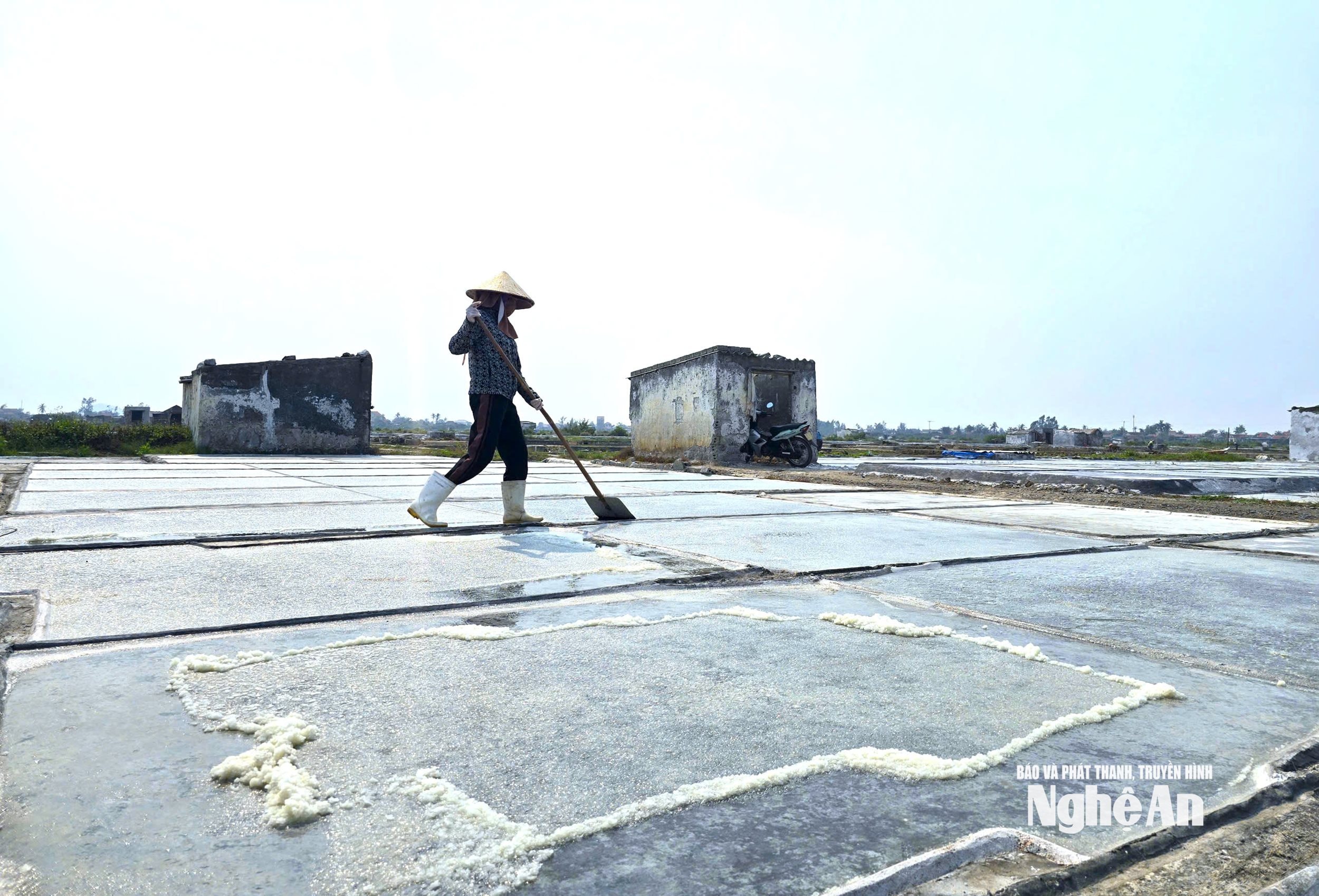
As the sun rises higher and the sunlight becomes intense, the salt fields begin to bustle with activity. The salt farmers here almost "watch the sun" to work, making the most of every hour of the day. In particular, the period from midday to early afternoon is considered the "golden hour," a factor that directly determines the quality of the salt.
Ms. Nguyen Thi Nhan (70 years old), who has been involved in the salt-making profession for decades, said: "Salt production depends entirely on the weather, especially sunshine. The salt needs strong sunshine to be white and delicious. If there isn't enough sunshine, it's impossible to make salt or the quality will be poor."
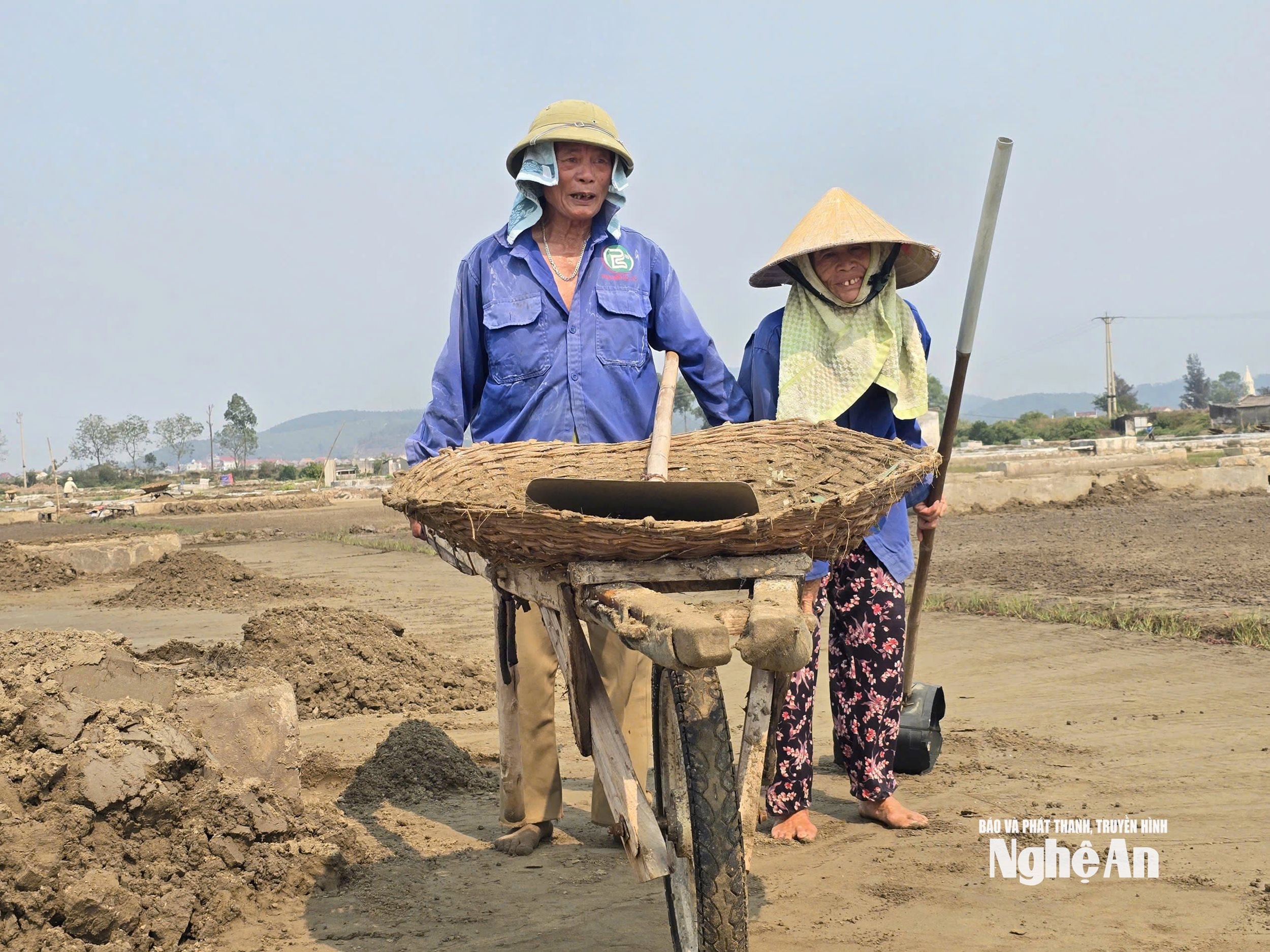
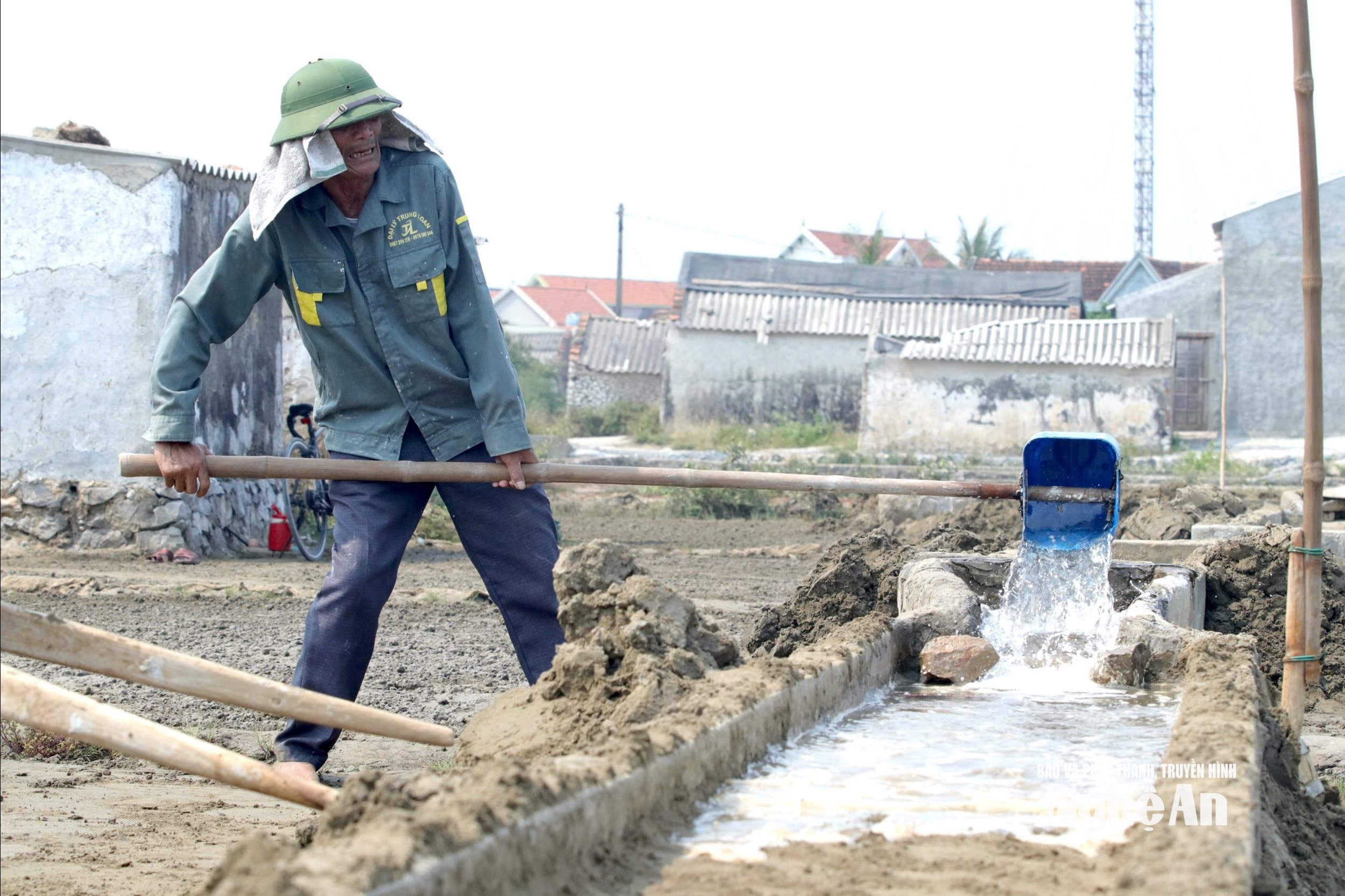
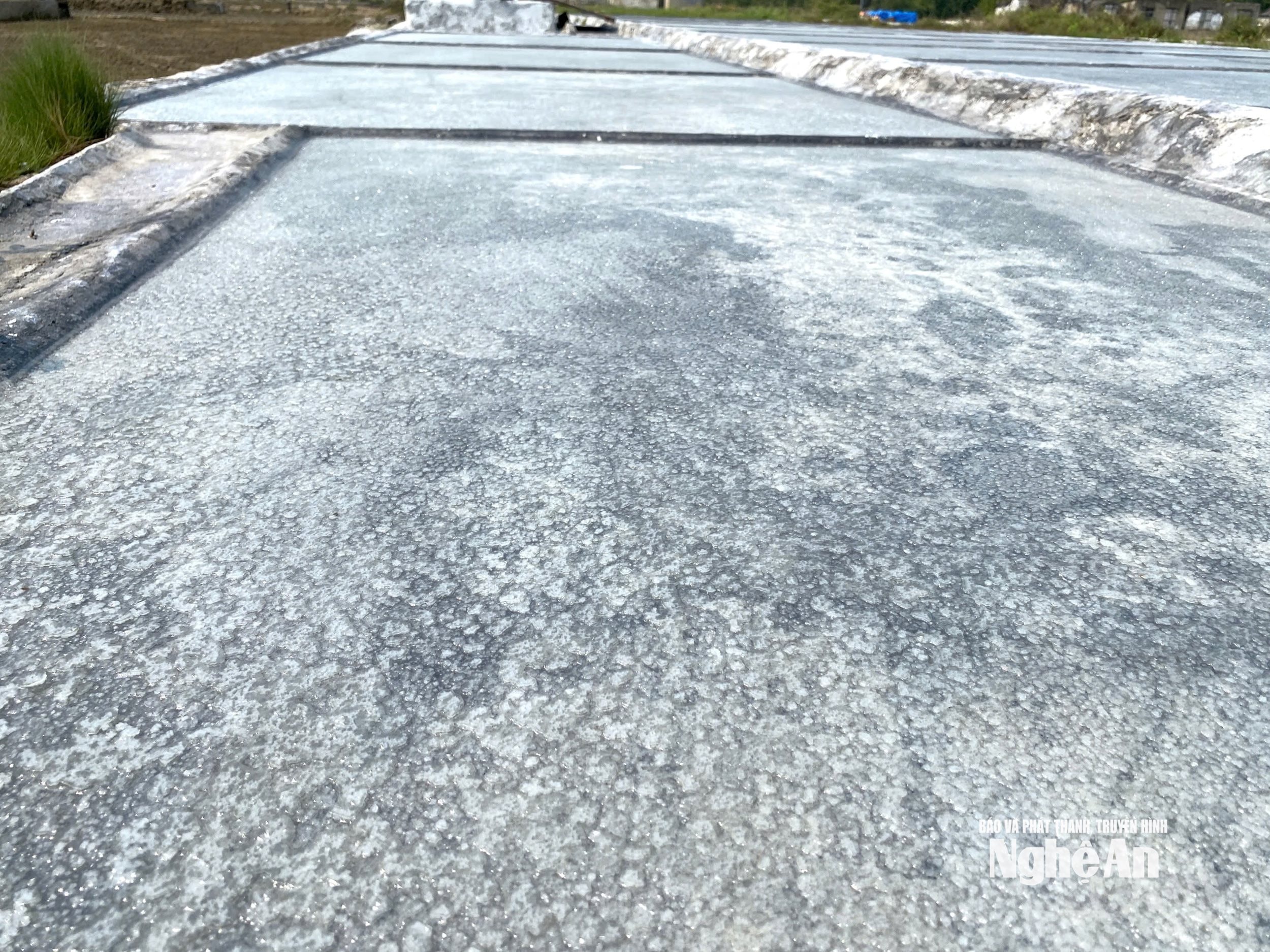
Tan Thang salt village has a history of over 400 years and is famous for its traditional manual sand-drying method. To produce salt, the villagers must go through many stages such as tilling the soil, drying the soil, filtering the saltwater, and then bringing it to the fields for crystallization. Each step requires meticulousness and experience accumulated over many generations.
Under the scorching sun, the salt farmers diligently continue their work. The fields are burning hot, and the rising steam makes the work incredibly arduous. They have to cover themselves completely and carry drinking water to cope with the harsh weather. Although their shirts are soaked with sweat and their hands are calloused from salt and seawater, everyone perseveres, because any delay would significantly reduce production efficiency.
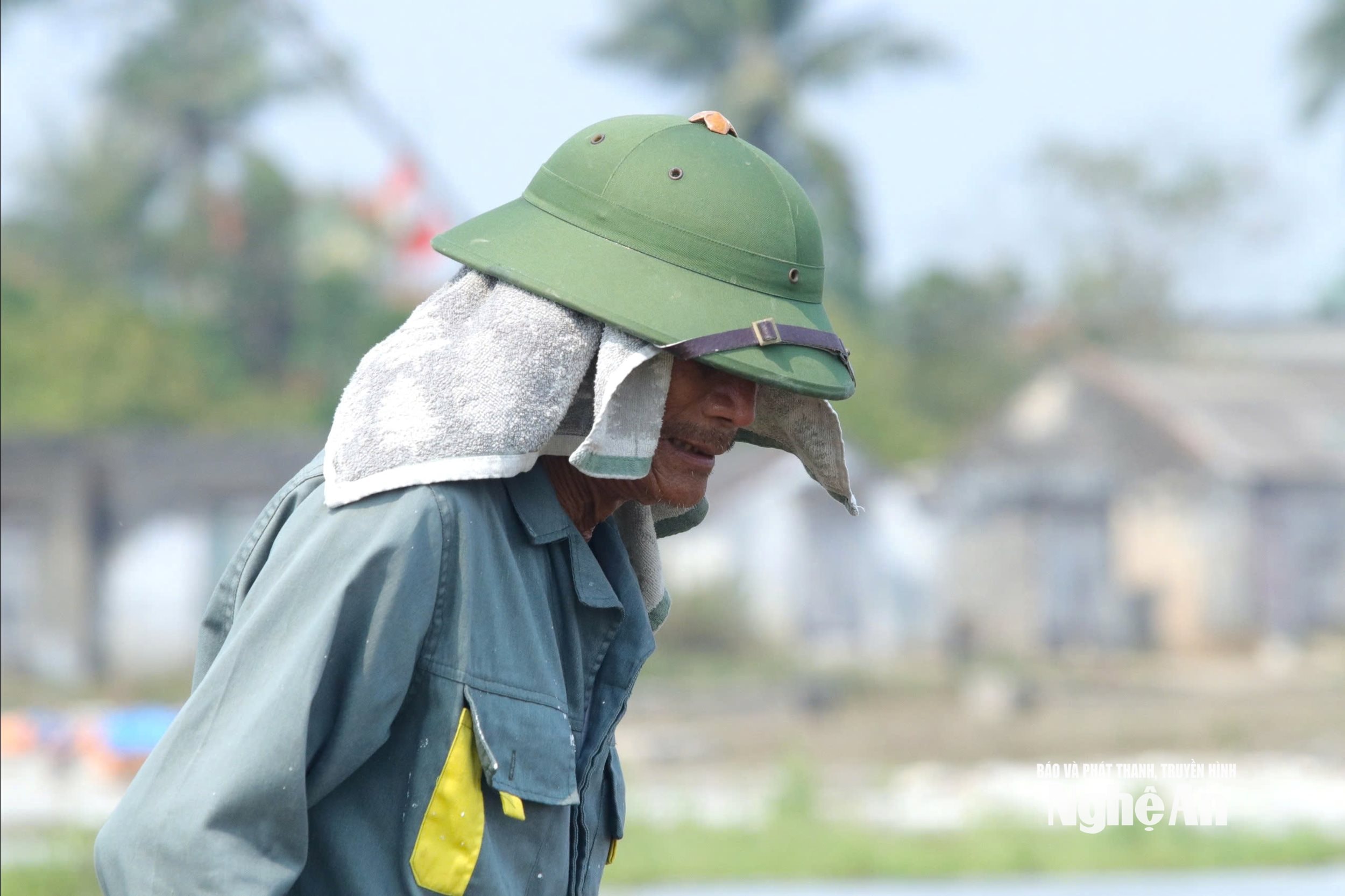
Midday, though the most tiring time, is also the most crucial. If the "golden hour" is missed, the salt won't crystallize in time, and the grains won't achieve the desired whiteness and quality. Therefore, for the salt farmers of Tan Thang, every sunny day is an opportunity, but also a race against time.
Amidst the harsh sun of Central Vietnam, the white salt crystals gradually form, not only thanks to nature, but also as a result of patience and perseverance. This "gift from heaven" may come from the sun, but to preserve it, salt producers must sacrifice their sweat, strength, and countless days of tireless labor.
Concerns about preserving the craft
Despite working under the scorching sun of nearly 40 degrees Celsius, income from salt production in Tan Thang remains very low. Currently, the price of salt in the area is only about 1,800 VND/kg, which has remained almost unchanged for many years.
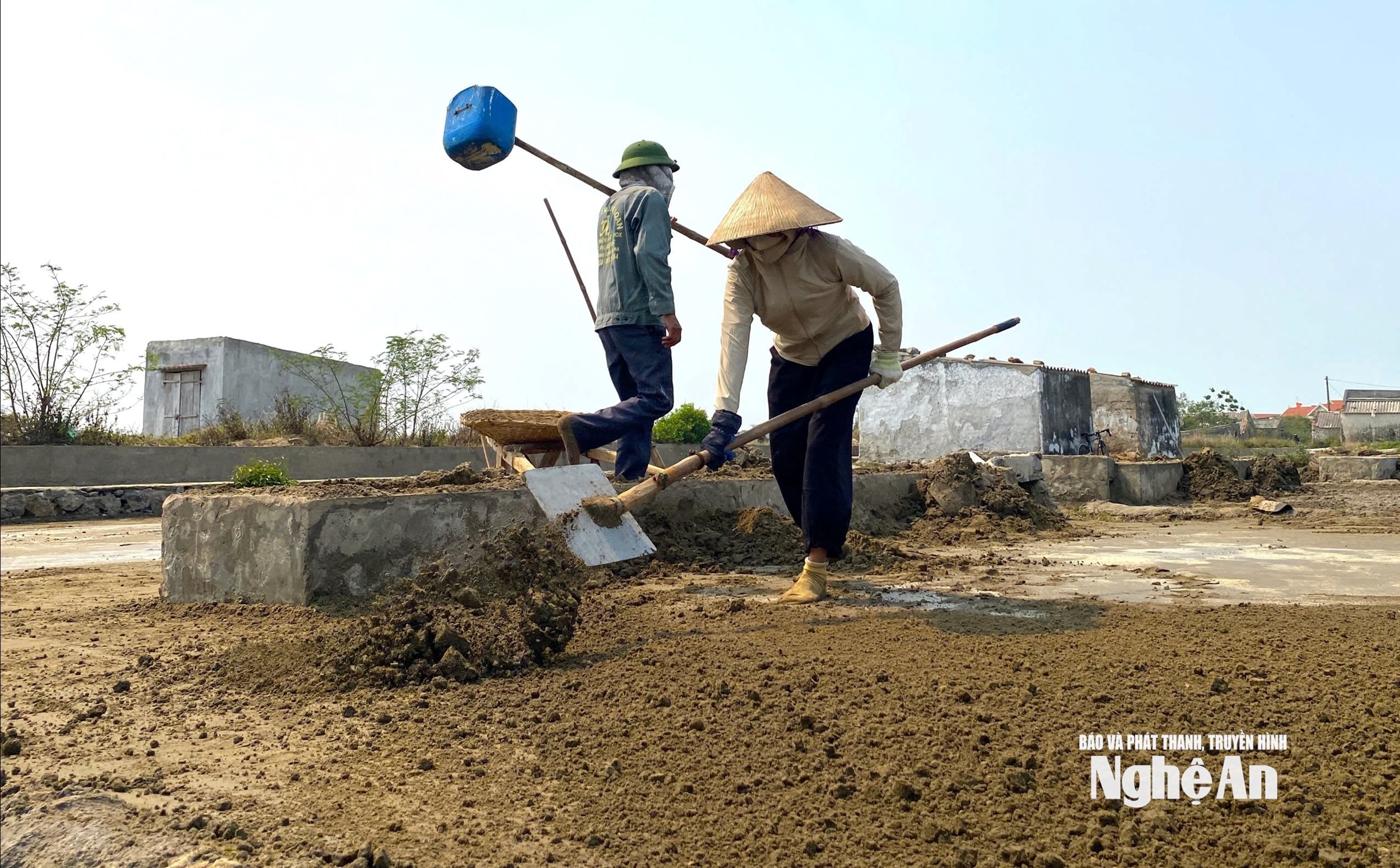
Under favorable conditions, two workers can produce about 100-150 kg of salt per day. However, the total income is only a few hundred thousand dong, not including expenses and weather-related risks. "After a hard day's work, we earn less than 200,000 dong," one salt farmer shared.
Not only is the income precarious, but salt production is also entirely dependent on nature. A sudden rain shower at the end of the day can wipe out all the hard work. Therefore, in recent years, young workers have gradually left the salt fields, seeking more stable jobs in industrial zones or choosing to work abroad. Currently, the majority of workers in the fields are elderly.
This situation poses a risk of the disappearance of centuries-old traditional crafts, as the experience accumulated over generations faces the threat of having no successors.
Discussing this issue, Mr. Ho Van Thanh, Chairman of the People's Committee of Quynh Phu commune, said: Salt production is currently facing many difficulties due to its low economic value. In reality, the locality also has to accept the trend of labor shifting to professions with higher incomes.
According to Mr. Thanh, the commune is gradually researching and adjusting the scale of production, reducing the area of less efficient regions. In addition, the locality is also aiming to enhance the value of products through deep processing, such as the salt-making model, which increases the value compared to raw salt.
"Going forward, we will continue to support people in transforming their production methods, improving quality, and gradually building the Quỳnh Phú salt brand," Mr. Thanh said, while also expressing his hope that the province will continue to pay attention to and support them with mechanisms, policies, and infrastructure investment so that people can confidently continue their profession.
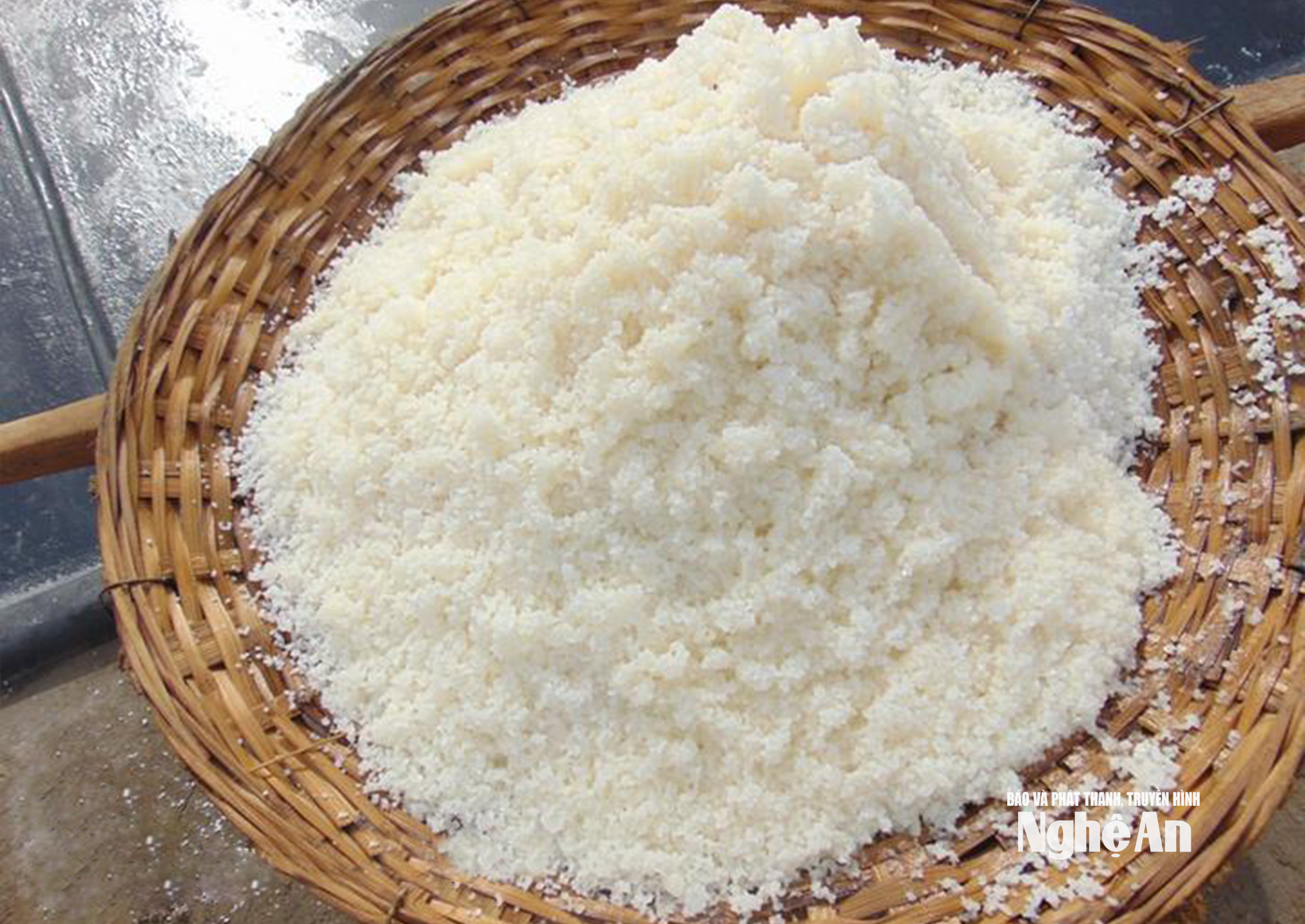
Currently, Quynh Phu commune has two salt products that meet OCOP standards, opening up a new direction in brand building and demonstrating the potential for increasing value with the joint efforts of the government, businesses, and the market through production and consumption linkages, promoting processing, and gradually forming a sustainable value chain; thereby not only helping to improve income but also creating more motivation for people to continue to be involved in the traditional salt-making profession.
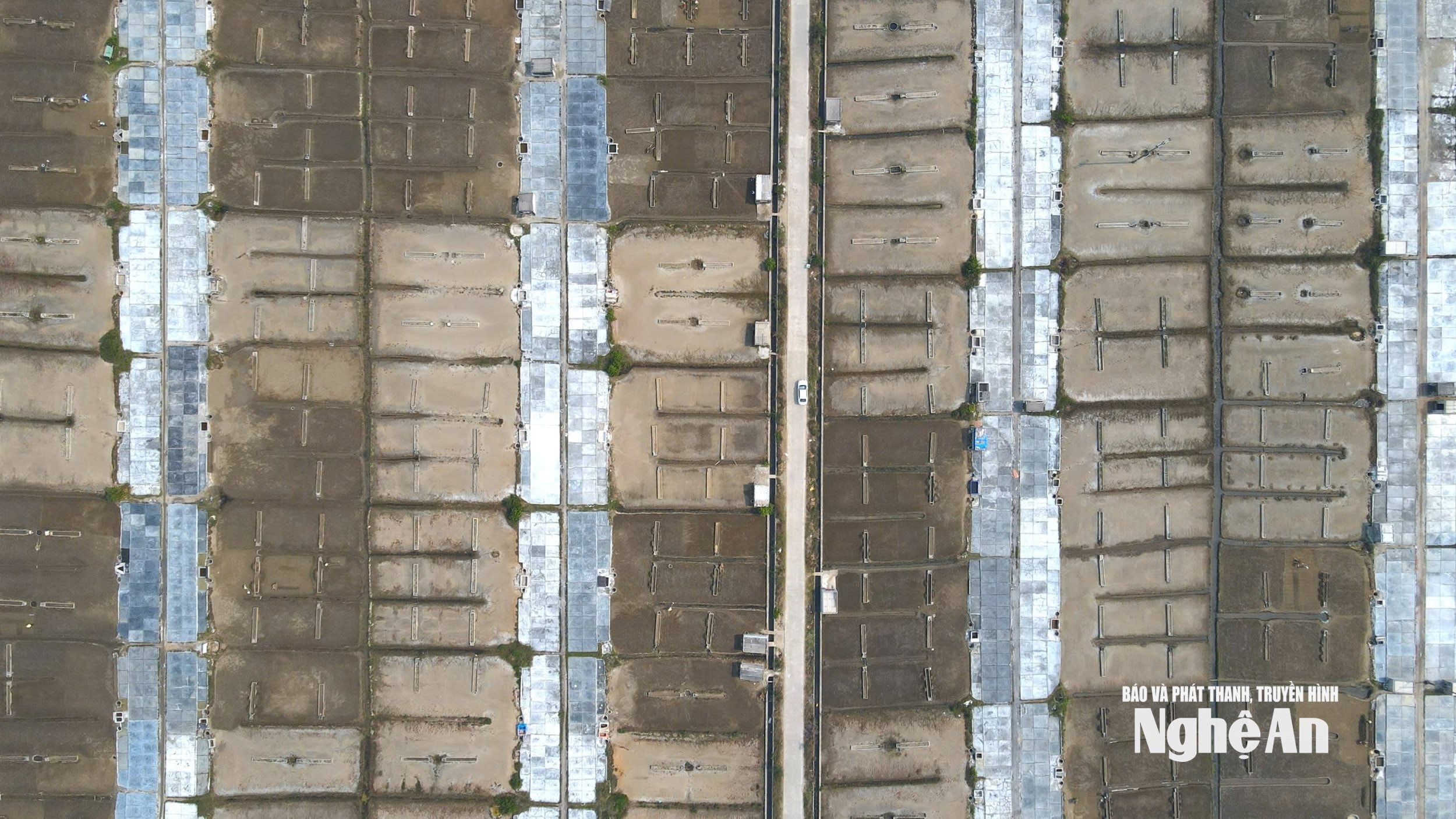
Amidst the scorching sun, the people of Tan Thang still work in the fields every day, not only to make a living but also to preserve a traditional craft that has existed for hundreds of years. The white salt crystals, formed from the sun, wind, and sweat, will have a greater chance of being maintained and sustainably developed in the future with coordinated support from all levels and sectors, along with a stable market.


