
The unique Bốc Mó festival of the Thổ ethnic group in Nghệ An
(Baonghean.vn) - On April 28th, the Boc Mo festival was held in Mo hamlet, Nghia Xuan commune, Quy Hop district. The Boc Mo festival of the Tho ethnic community in Quy Hop has the meaning of praying for favorable weather, and for abundant water resources to serve the daily life and irrigation of farmers.
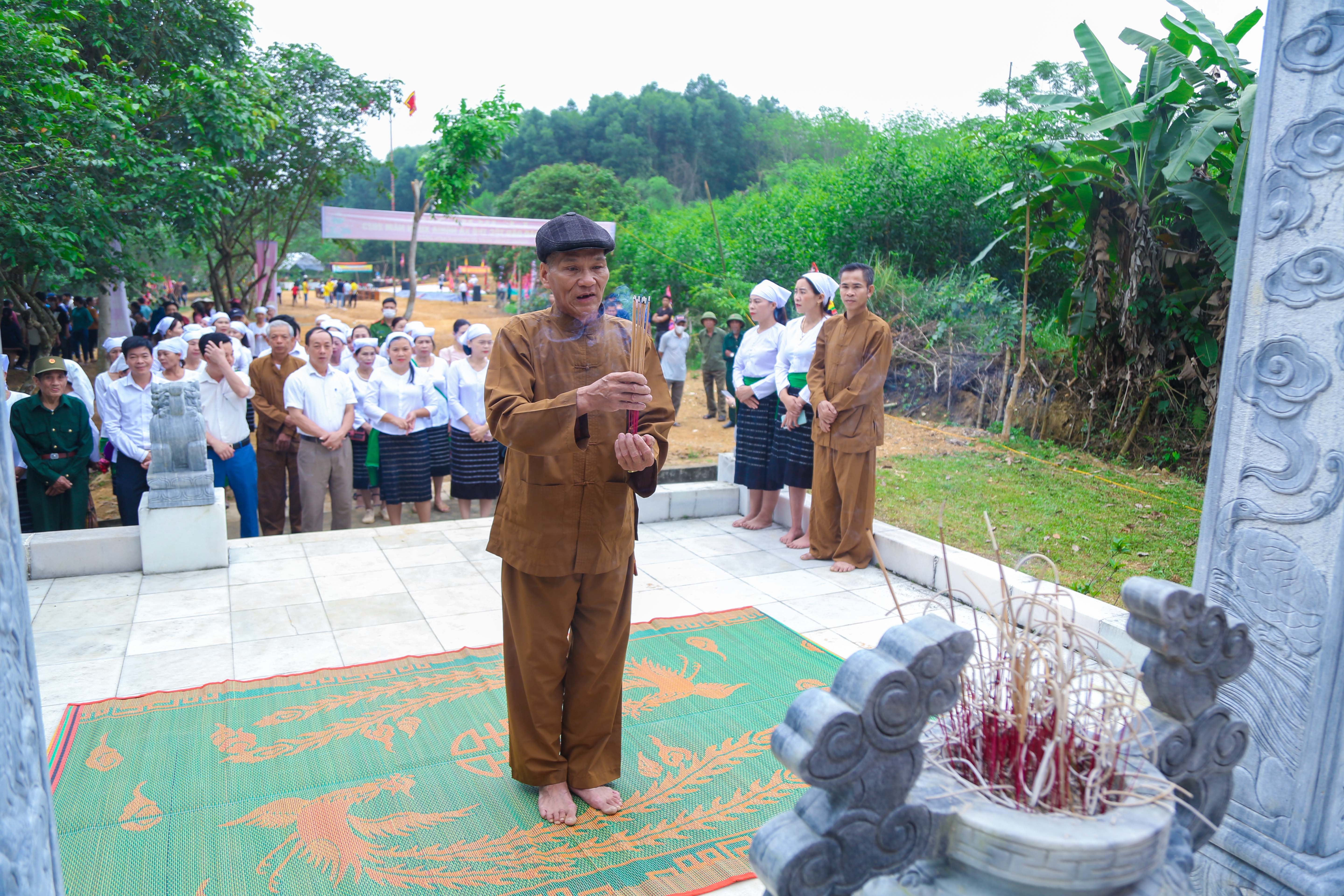 |
The Bốc Mó ceremony, also known as the Mó temple worship ceremony or the opening of the water source at the beginning of the year, is an important ritual of the Thổ ethnic group dating back to ancient times. The water source is a natural underground water source that serves the daily life and agricultural production of the Thổ ethnic community in the mountainous district of Quỳ Hợp. The Bốc Mó ceremony is held to inaugurate the water source, praying for favorable weather and abundant water flow to serve the daily life and irrigation needs of the entire community. (Photo: Đình Tuyên) |
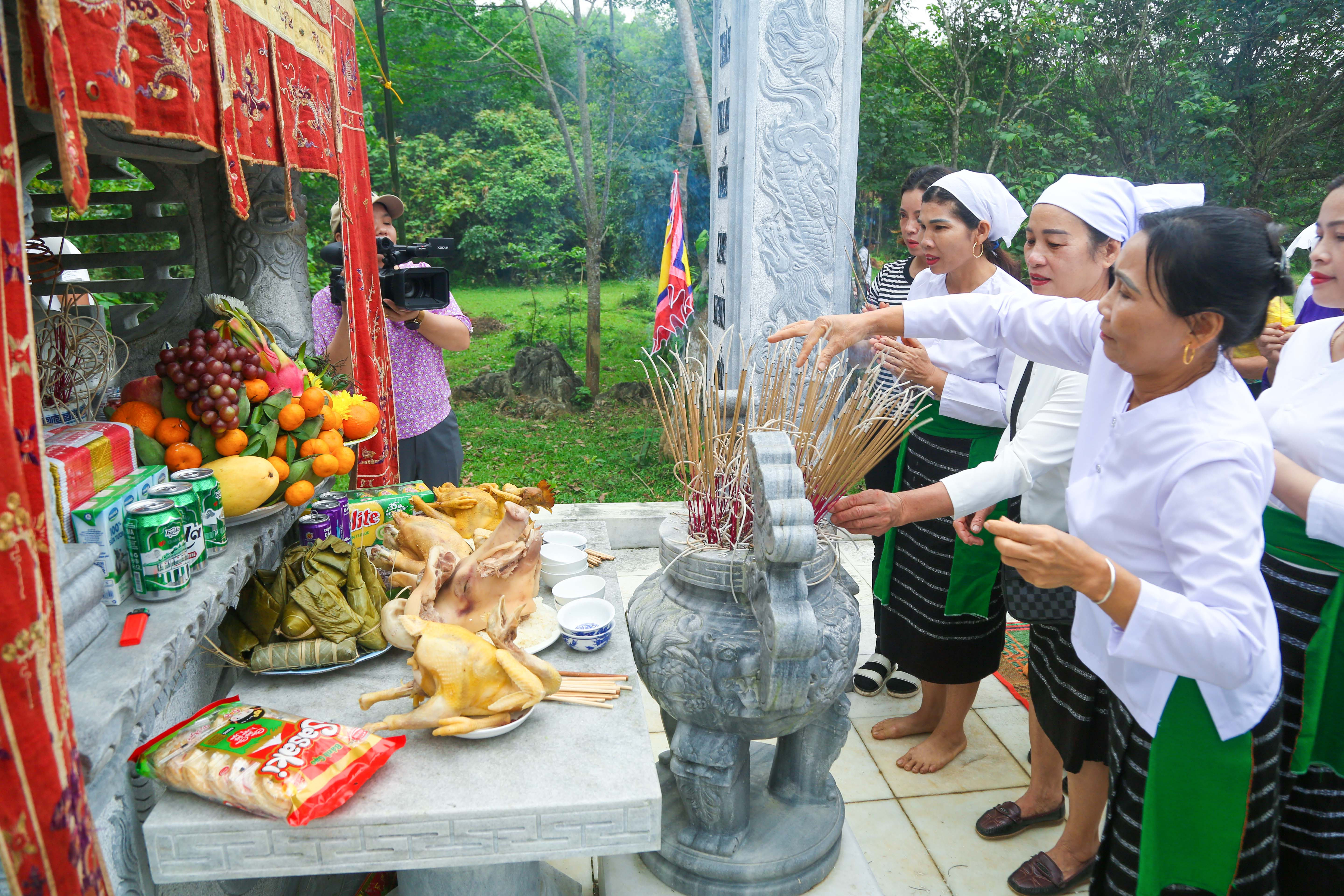 |
The main offerings in the Bốc Mó ceremony include sticky rice, chicken, buffalo horn-shaped cakes, glutinous rice dumplings, wine, betel nuts, etc. The shaman, representing the villagers, performs the rituals in the Bốc Mó ceremony, asking the spirits to witness the villagers' sincerity. Photo: Đình Tuyên |
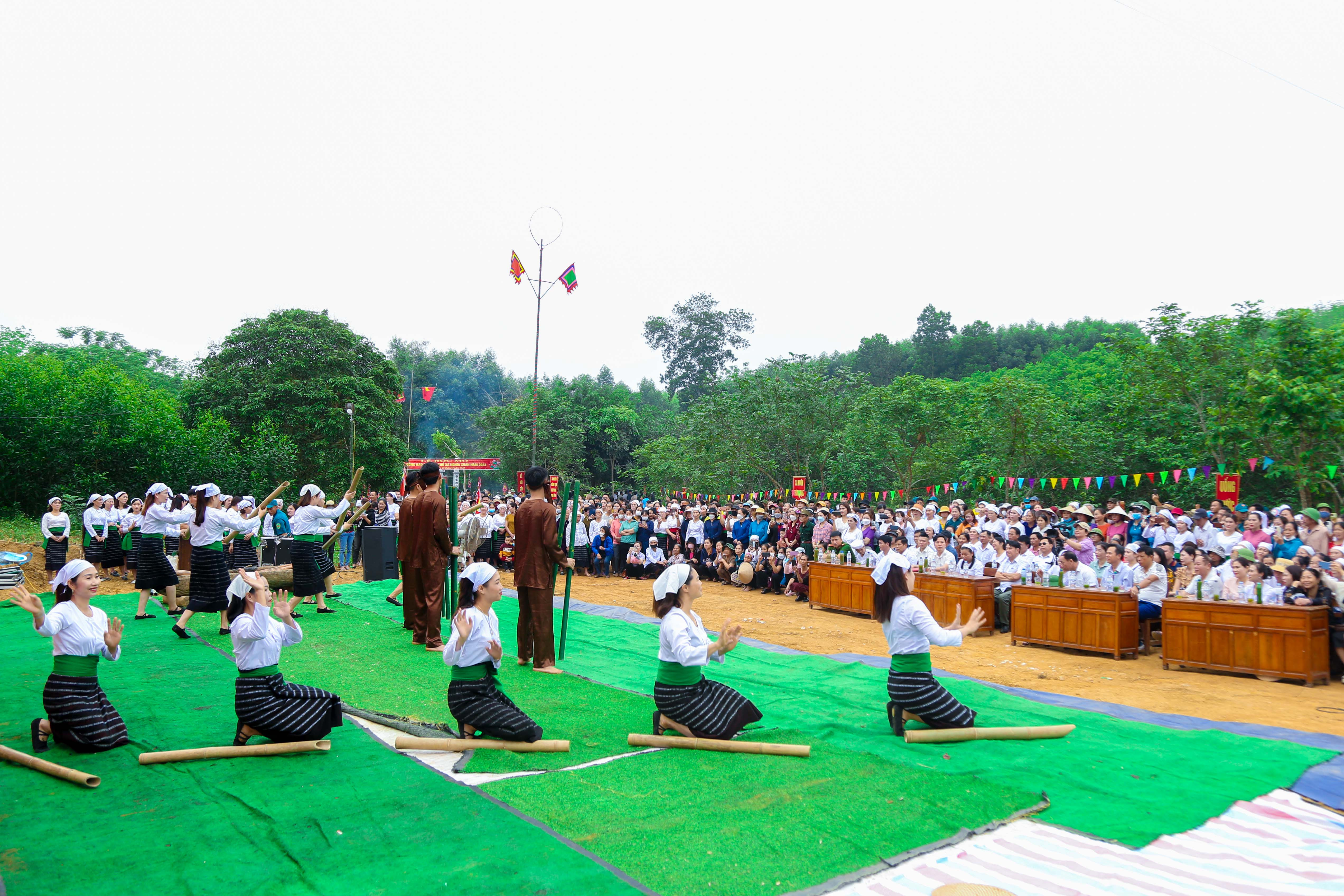 |
After the ritual, all the villagers joined in singing and dancing to unique folk songs that bear the distinctive cultural imprint of the Tho ethnic group, such as: the "Da Oi" melody; "Khai Khai Re"; "Tap Tinh Tap Tang"; "Hat Giao Duyen"; bamboo pole dancing, etc. Photo: Dinh Tuyen |
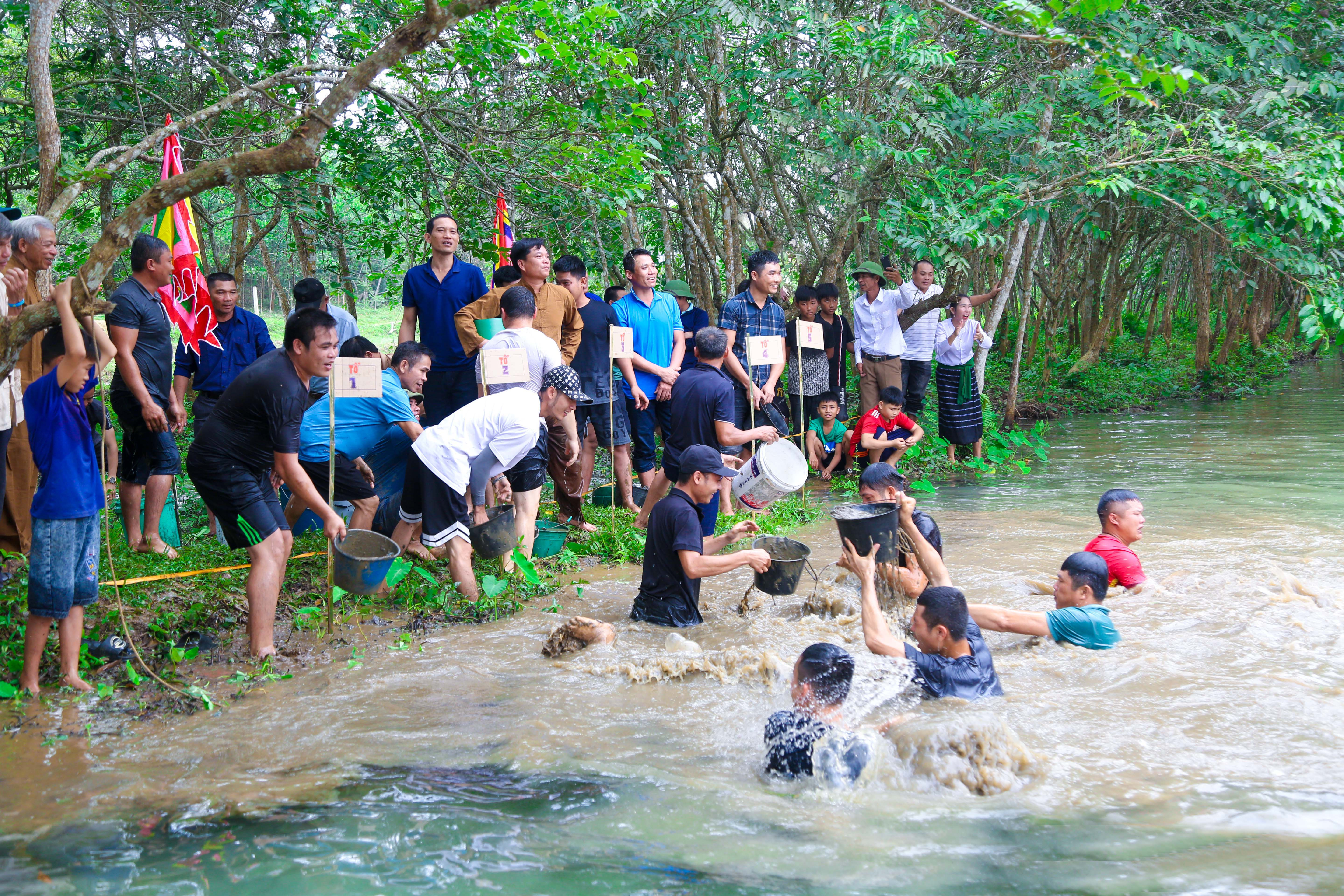 |
| Young men gathered to clear the water source, praying for favorable weather, a bountiful harvest, and ponds full of water. Photo: Dinh Tuyen |
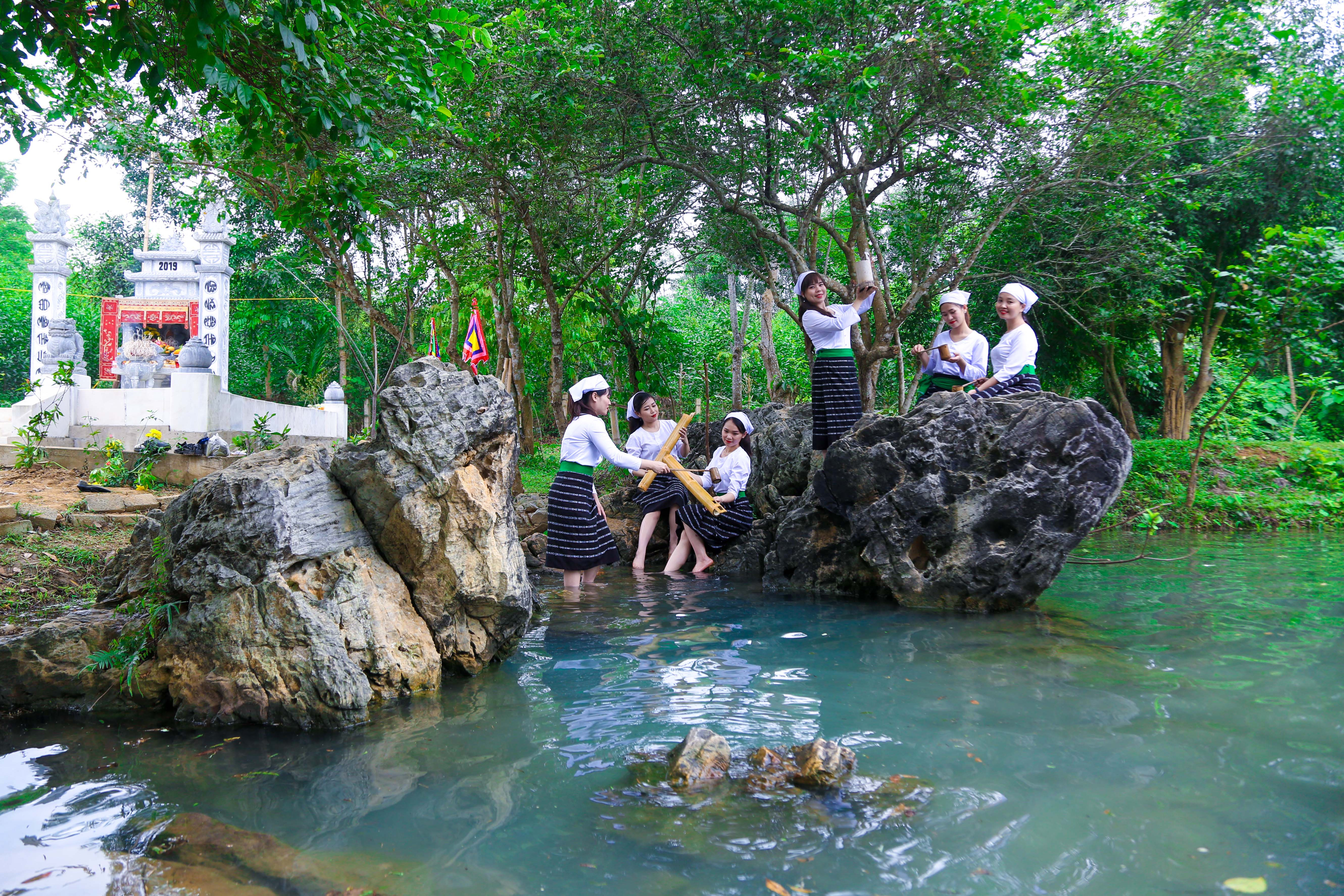 |
According to the elders, the ancient land of Mo village, known as "Mu Qua" land, is the land of a widow whose husband died fighting in the resistance against the enemy. From the time of the founding ancestors, when the village was established, there was a struggle for land and water resources. Seeing that this place had a spring, rivers, streams, and a strategically advantageous location – "easy to defend, difficult to attack" – the major clans prioritized giving this land to the widow to establish their village. They knew that this sacred land had many geographical advantages, was beautiful in its topography, and was very sacred, so the people here cared for, protected, and cherished the spring. (Photo: Dinh Tuyen) |
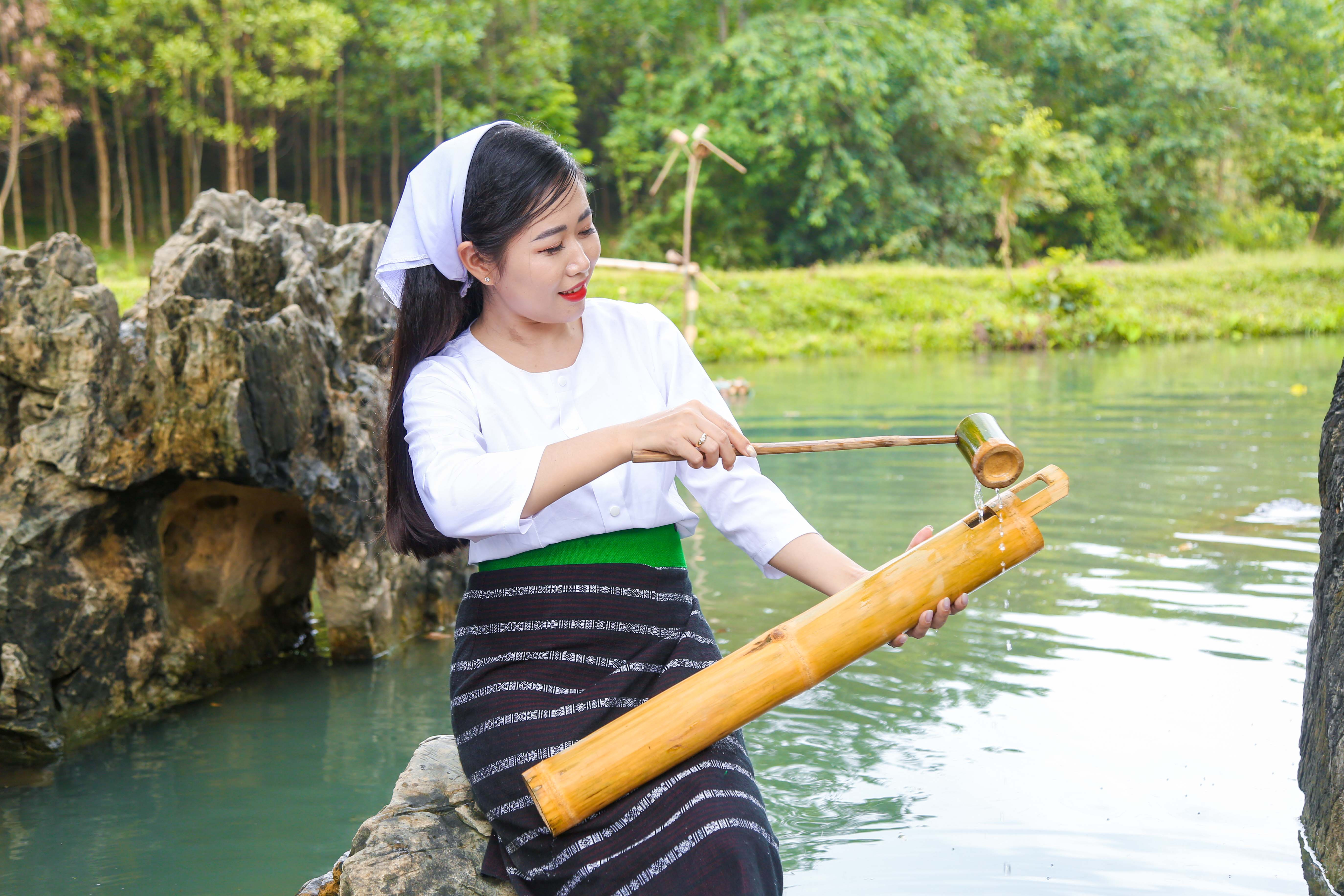 |
The ritual of offering sacrifices to the Mó god and performing the Mó ritual usually takes place on the 10th day of the 3rd lunar month every year. If the drought is prolonged, the ceremony may be held on the 10th day of the 6th lunar month. They pray to various deities such as the mountain god, the tree god, the Mó god, the earth god of the dragon vein, the local earth god, and especially to the Jade Emperor, who always witnesses and protects the water source so that it never runs dry, floods do not cause landslides, the water is not turbid, and they pray for favorable weather, full ponds and lakes, fertile fields, and prosperity and happiness for the people. Photo: Đình Tuyên |
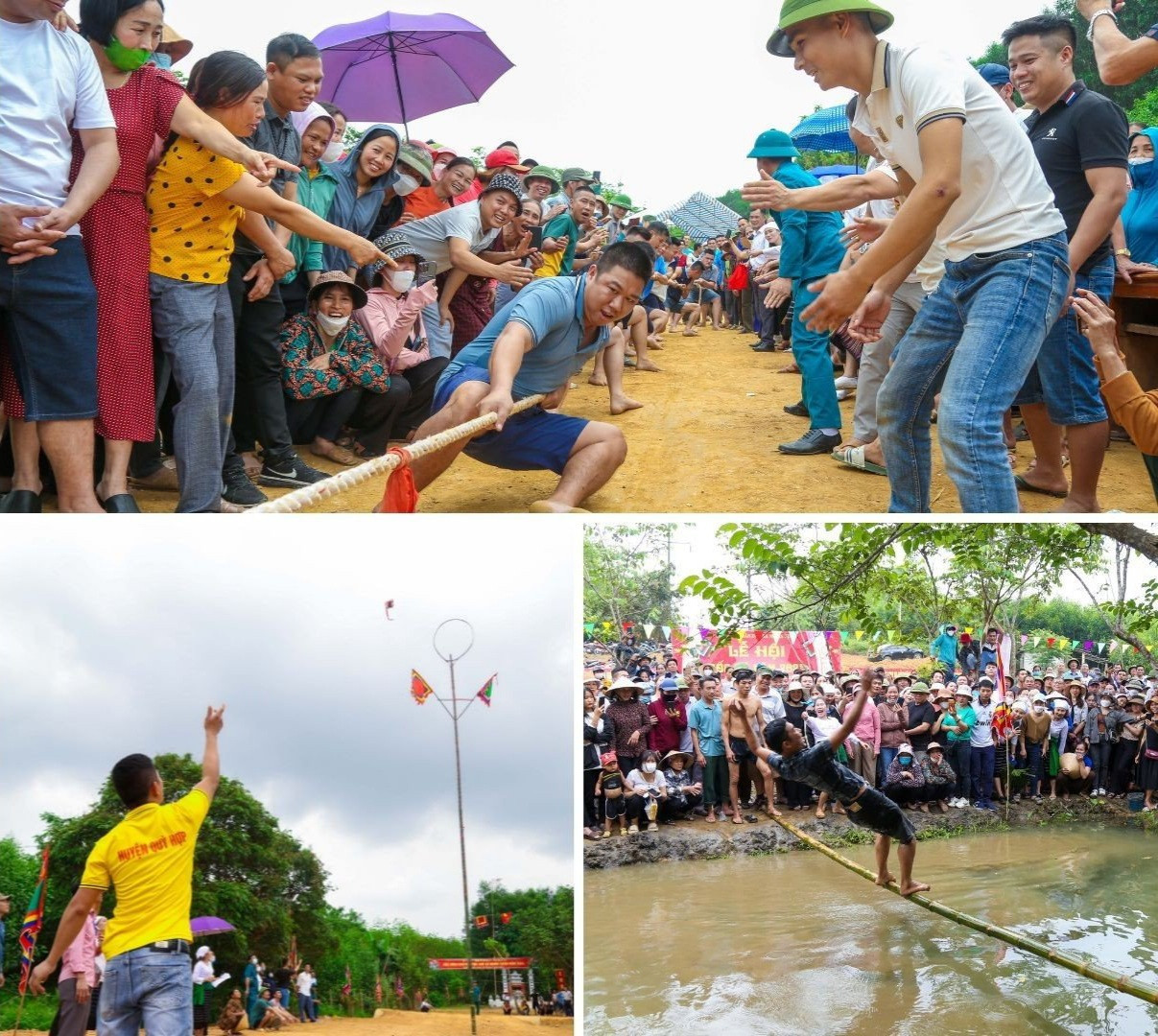 |
Along with the sacred rituals, rich in the cultural identity of the Tho ethnic group, the people here also participate together in traditional folk games. Photo: Dinh Tuyen |
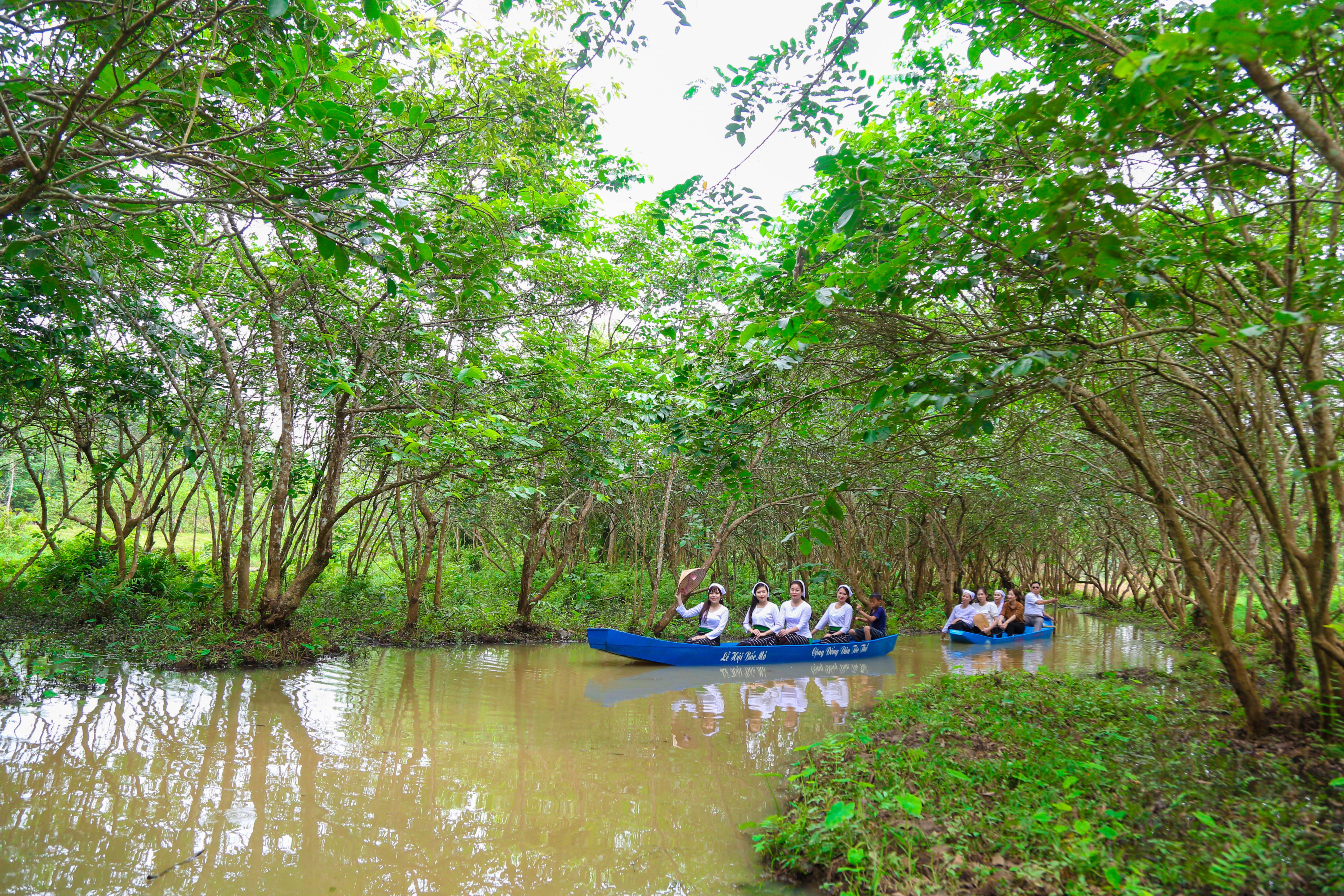 |
This is also an opportunity for the Tho ethnic people of Quy Hop district to introduce to tourists the unique traditional culture of their ethnic group. At the same time, it contributes to preserving, maintaining, and promoting the traditional cultural values of the 54 ethnic groups of Vietnam in general and the Tho ethnic people in particular. Through this, it calls for community attention, educates people to understand and gradually preserve and practice the rituals at Cua Mo, ensuring their spiritual significance. Photo: Dinh Tuyen |


