
Members of Parliament proposed salary increases, financial support for childbirth, and changes to student assessment methods.
During the National Assembly session, many delegates proposed promptly resolving obstacles following the reorganization of administrative units; increasing salaries to ensure a decent standard of living for officials, civil servants, and workers; providing long-term financial support for families with newborns and young children; and changing the way students are assessed, moving away from focusing solely on grades.
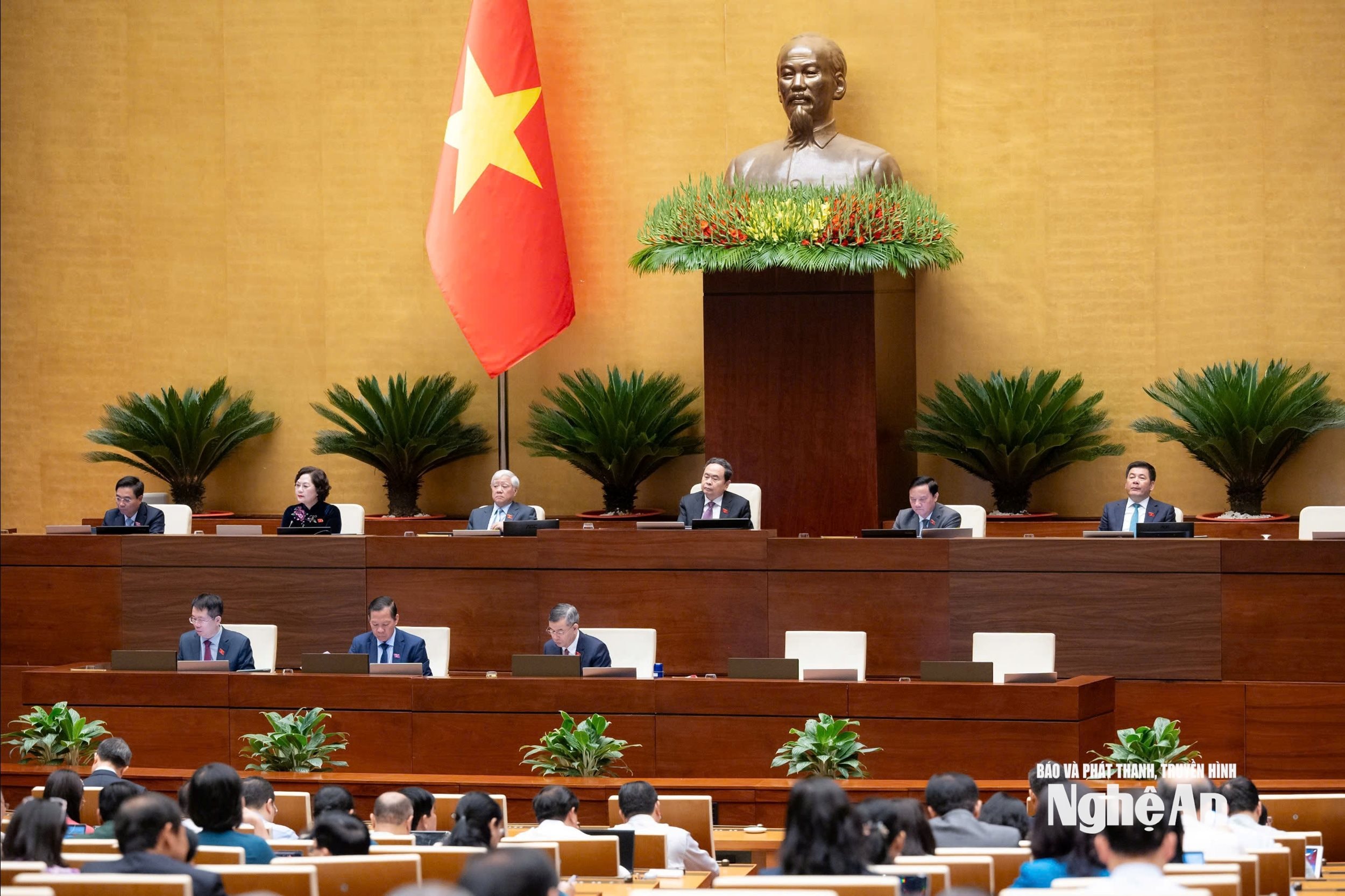
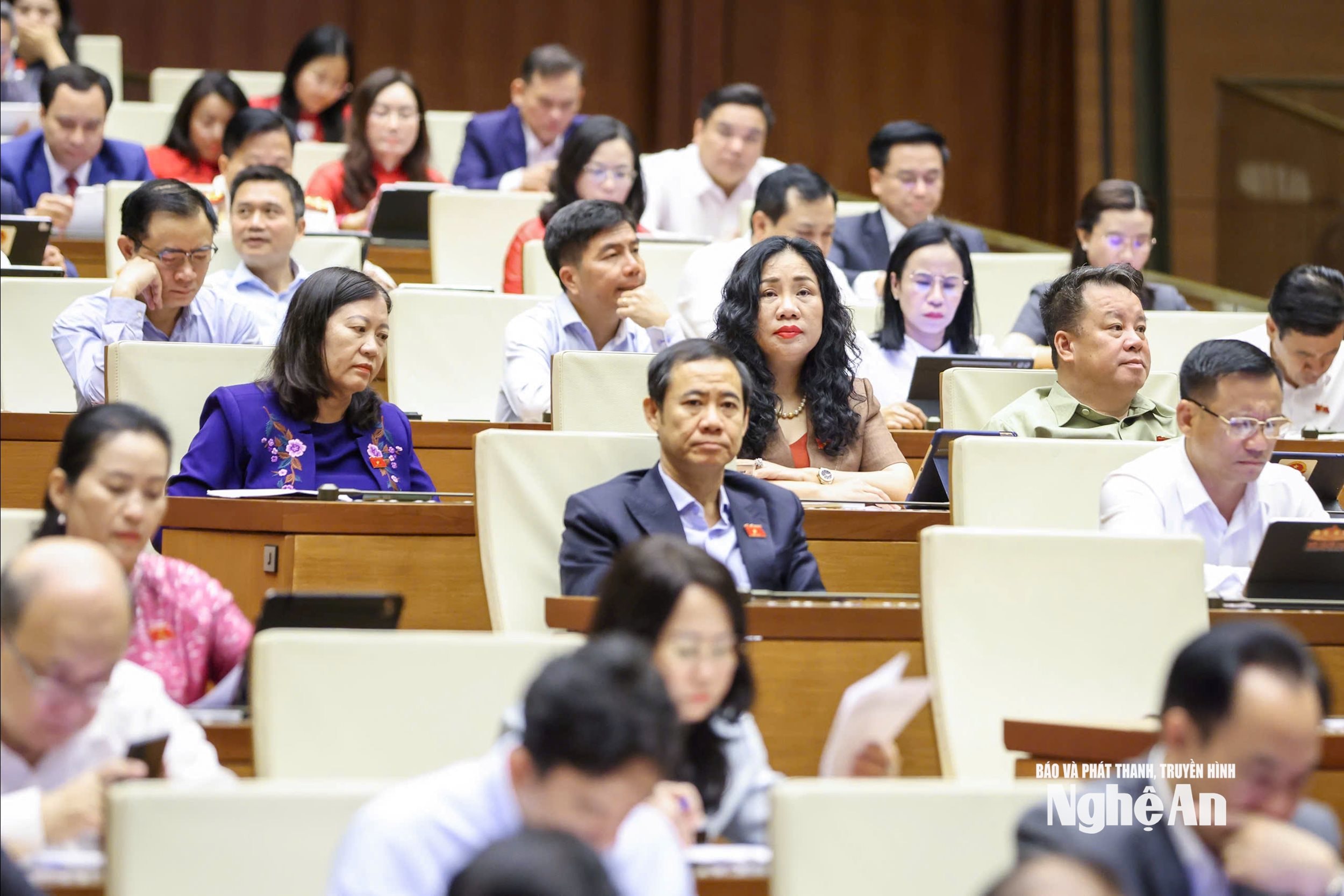
Continuing the agenda of the first session of the 16th National Assembly, on the morning of April 21st, the National Assembly discussed in the plenary hall the five-year socio-economic development plan (2026-2030); the work on practicing thrift and combating waste in 2025; and the situation regarding the implementation of the national goal on gender equality in 2025. Vice Chairwoman of the National Assembly Nguyen Thi Hong presided over the discussion session.
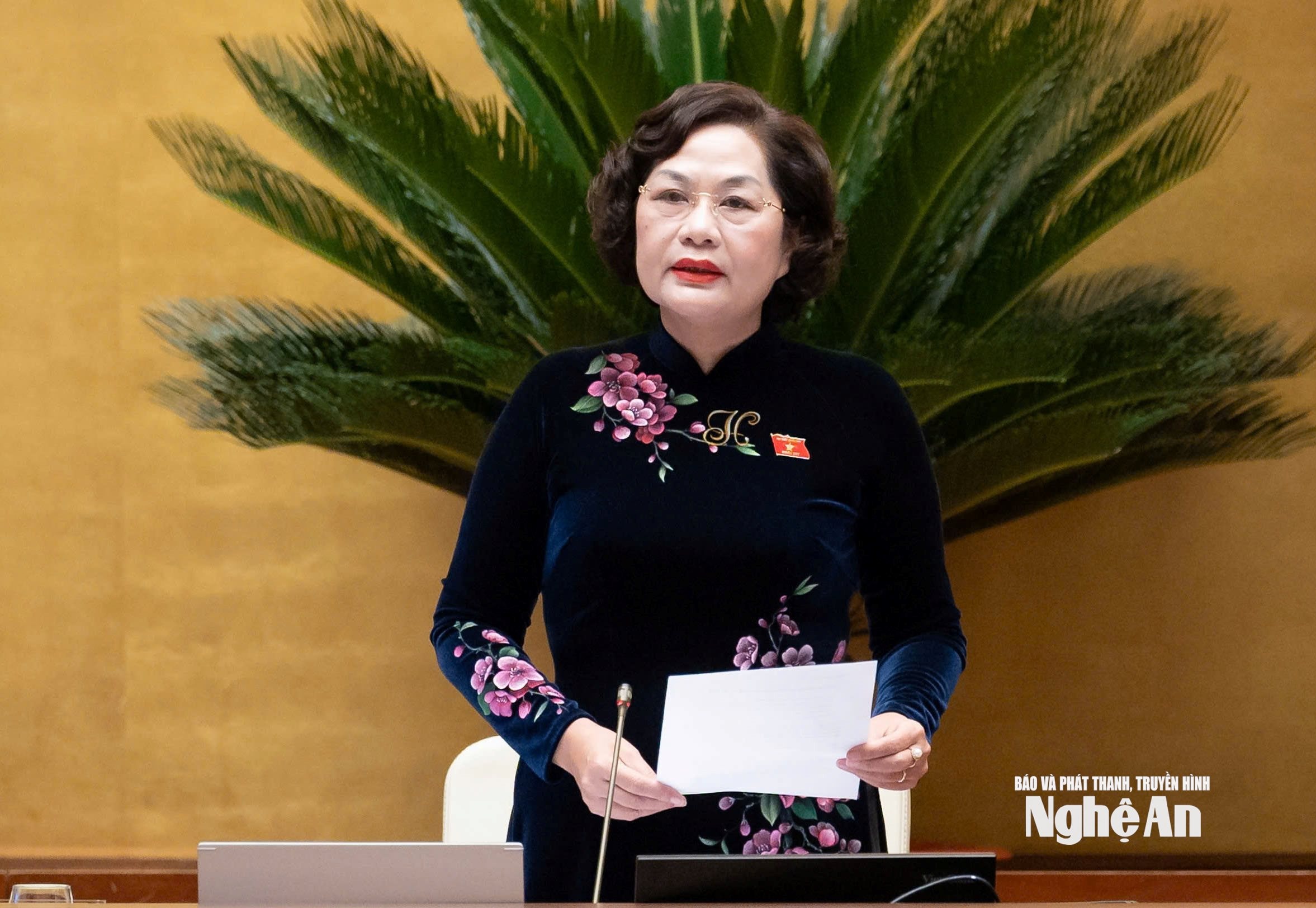
Promptly resolve any obstacles arising from the reorganization of administrative units.
The current issue of concern to voters and the people, which was reflected in the National Assembly by National Assembly Deputy Nguyen Dang An (Lang Son Delegation), is the continued resolution of obstacles following the implementation of the two-tiered local government system.
Representative Nguyen Dang An affirmed that the reorganization of administrative units and the establishment of a two-tiered local government is a major and very correct policy. However, the allocation of human resources and organizational structure have also revealed some shortcomings that need to be adjusted promptly to make the system operate more effectively.
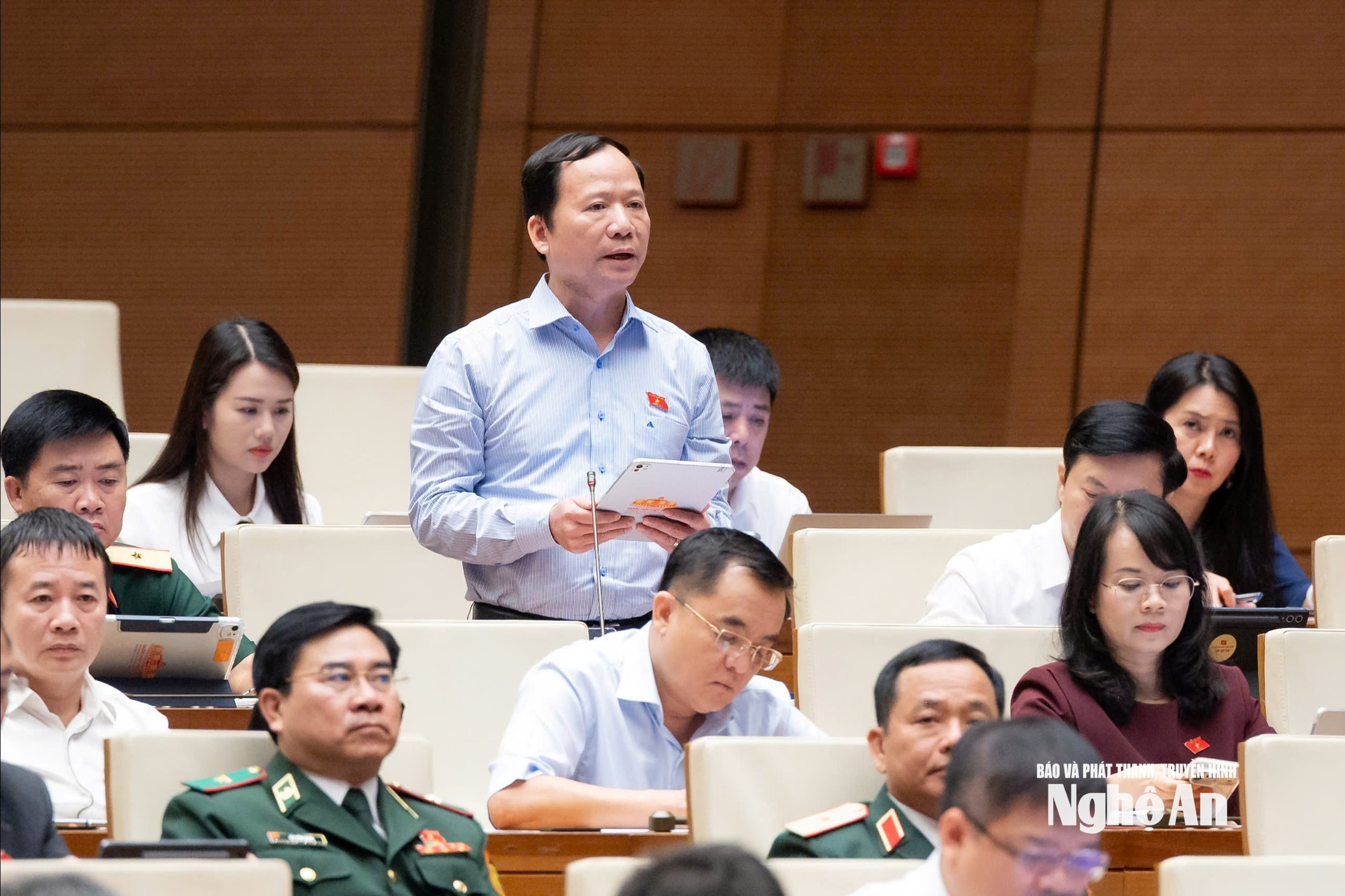
Delegates pointed out that currently, the number of specialized departments at the commune-level administrative units is limited to two: the Economic Department and the Culture and Social Affairs Department, both of which lack specialization. One department is under the management and professional guidance of 5 to 6 provincial departments, leading to overload. Implementing the organization of departments according to Government Decree 370 urgently requires specific guidance and direction to ensure uniformity and consistency nationwide.
Furthermore, in some areas, there is a shortage of commune-level officials and civil servants, and a significant lack of those with specialized expertise in fields such as construction, transportation, and information technology. Meanwhile, their functions, duties, and workload are much greater, and they interact directly with citizens and businesses more than commune-level officials and civil servants did before the restructuring.
Therefore, delegate Nguyen Dang An proposed studying the training and retraining roadmap for commune-level officials to meet requirements; conducting a comprehensive review of localities based on criteria such as area and population, taking into account specific factors such as mountainous, border, coastal, and island areas, in order to allocate personnel in accordance with practical realities.
Salary increase to ensure a decent standard of living.
Speaking about the salary policy reform process, National Assembly Deputy Thach Phuoc Binh (Vinh Long delegation) affirmed that adjusting the basic salary level is not only of technical significance, but also a factor that directly determines the living standards, work motivation, and quality of cadres, civil servants, and public employees.
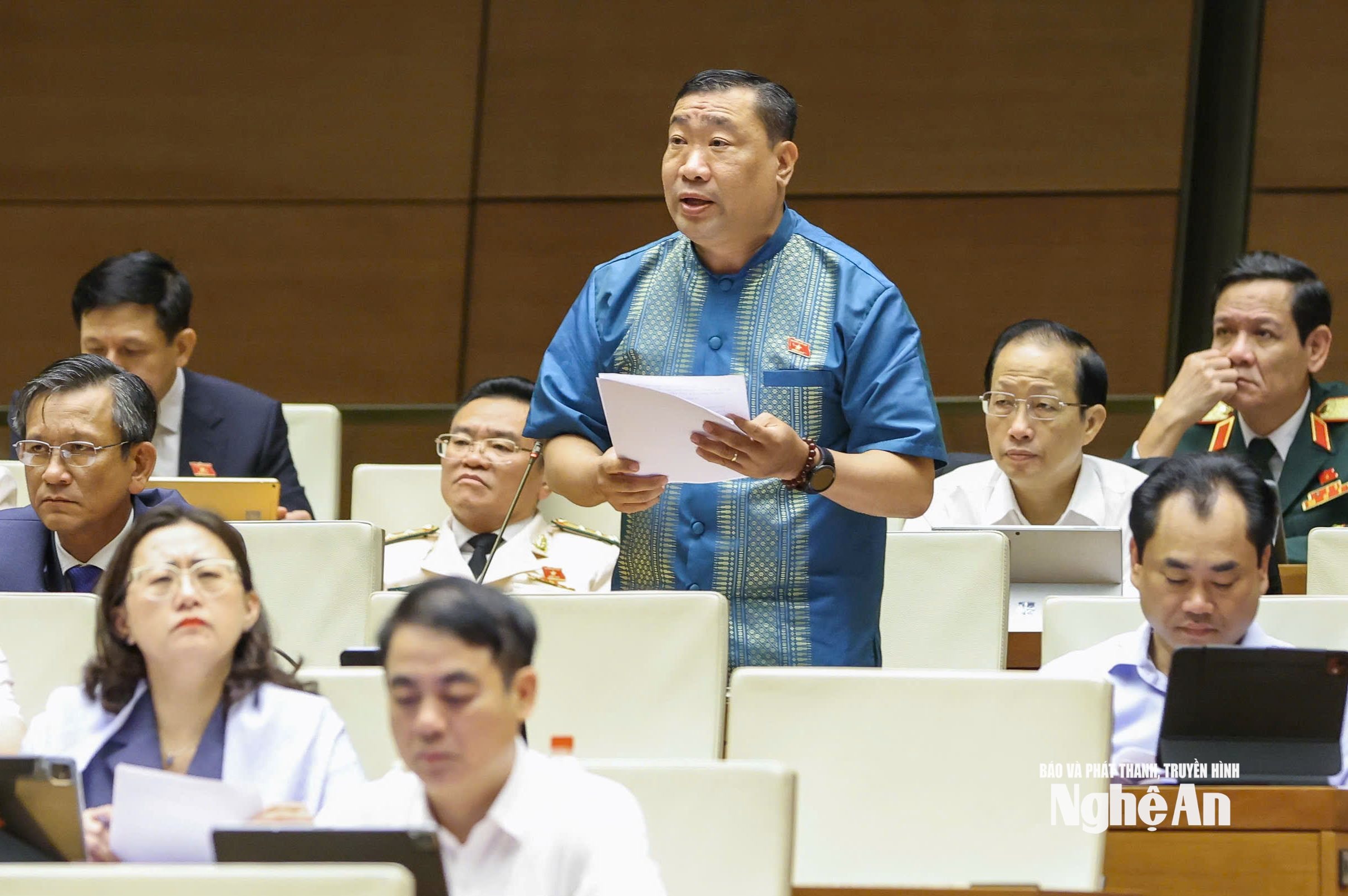
In recent years, the State has made positive adjustments by raising the basic salary from 1.49 million VND to 1.8 million VND, then 2.34 million VND per month, and is expected to further increase it to 2.53 million VND from July 1, 2026. However, the question now is no longer "whether or not to increase it," but rather what level of increase would both ensure a decent standard of living, be consistent with budgetary capacity, and simultaneously create momentum for the development of the public sector.
Representative Thach Phuoc Binh assessed that the increase of 2.53 million VND/month from July 1, 2026, is a technically reasonable step, but not strong enough to ensure a decent standard of living for the majority of public sector workers. The representative pointed out that, in reality, a newly hired civil servant with a coefficient of 1.86 only earns about 4.7 million VND/month (before deducting insurance).
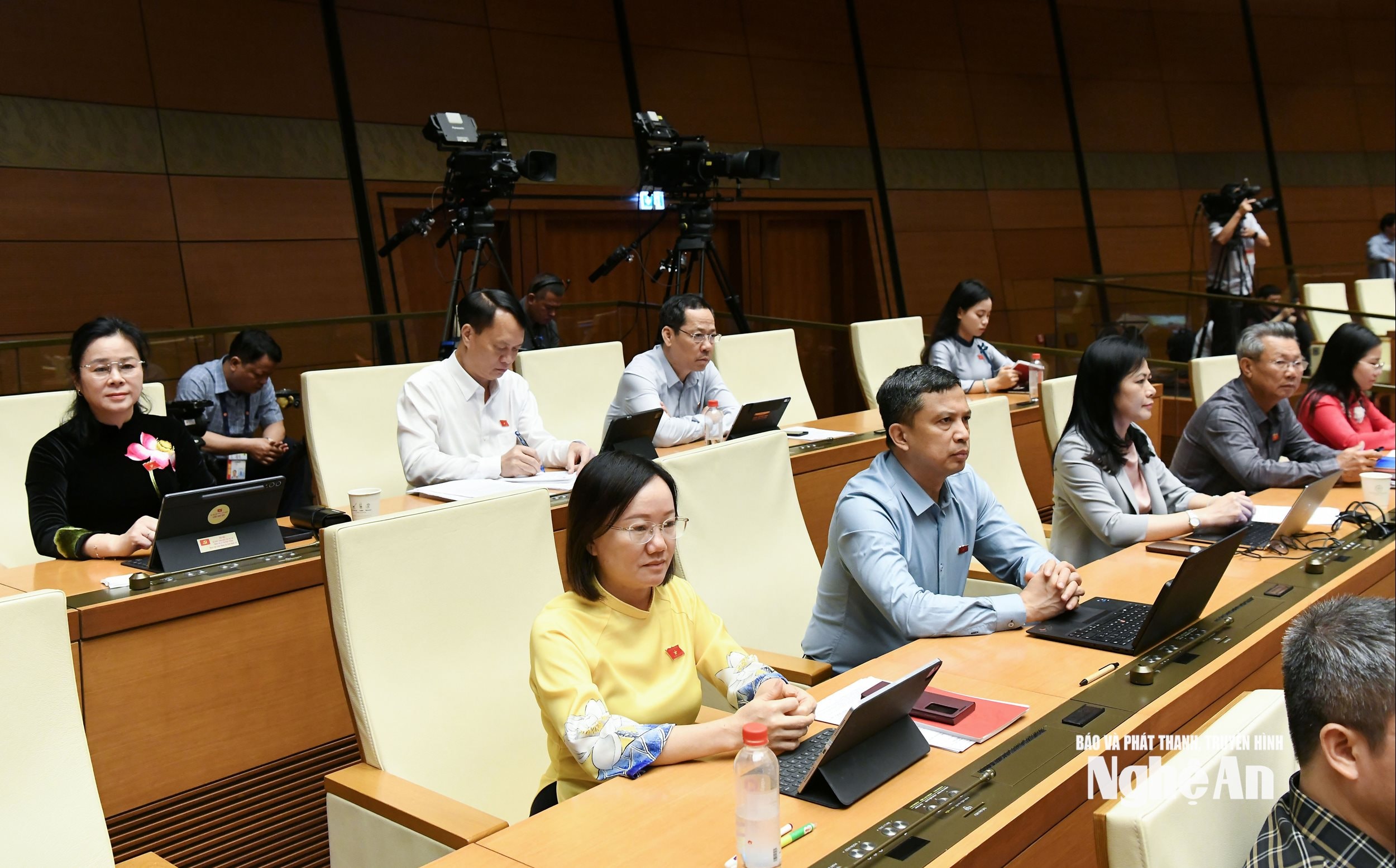
While the minimum cost of living in urban areas is commonly around 6-7 million VND/month, this shows a significant gap between income and basic living needs. As a result, workers find it difficult to live independently on their salaries and must rely on supplementary income sources; this reduces motivation and quality of life. Therefore, the 2.53 million VND figure only achieves stability, not a guaranteed standard of living.
Furthermore, spending pressure is also significant, with many essential cost groups increasing faster than the overall CPI, such as housing, electricity, water, and construction materials, which rose by 8.30%, and medicine and medical services, which increased by 12.92%. Therefore, even though the basic salary increased by 8.12%, many people may still feel "better than before" rather than secure, especially when considering childcare, rent, transportation, education, and healthcare.
Based on practical analyses of income and living costs, delegate Thach Phuoc Binh argued that a level of 2.65 – 2.70 million VND/month is a more reasonable and feasible option in the current period. This increase has a clear significance for low-income groups. More importantly, this level helps narrow the gap with the regional minimum wage in the business sector; reducing the pressure of insufficient funds for essential expenses.
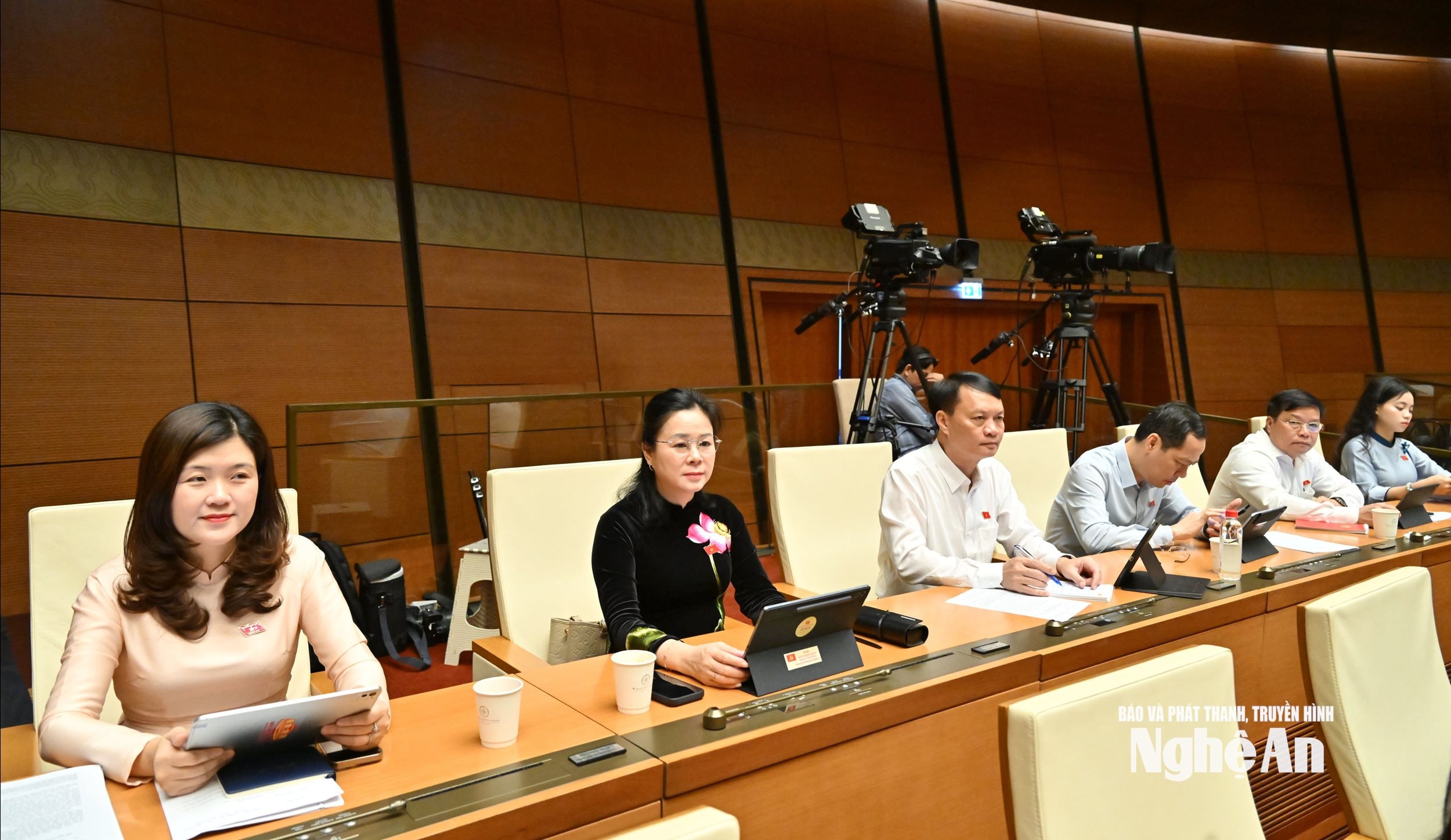
From a socio-psychological perspective, while the increase to 2.65-2.70 million VND may not fully guarantee a "livable life" in large cities, it is significant in helping workers reduce their dependence on non-salary income; creating a clear sense of income improvement, rather than just a nominal increase; and contributing to psychological stability and increased work motivation.
Long-term financial support for families with newborns and young children.
Concerned about the rapid aging of the population and the declining birth rate below the replacement level, National Assembly Deputy Le Ngoc Linh (Ca Mau delegation) cited figures showing that Vietnam's total fertility rate is currently only about 1.91 children per woman, lower than the replacement level of 2.1 children. This indicates that family sizes are shrinking, and the number of children born is insufficient to maintain a stable population size in the long term.
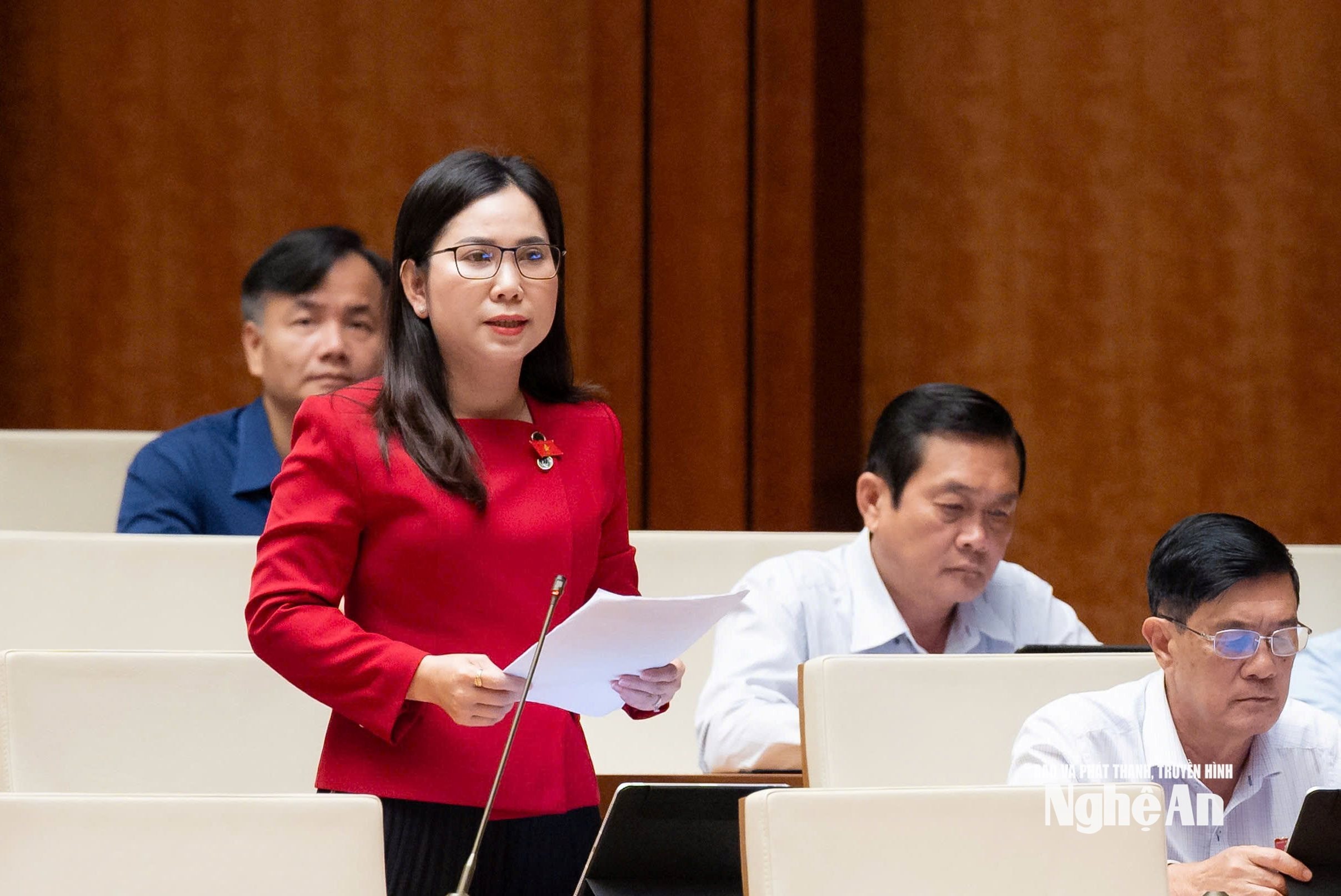
Specifically, in 2022, the fertility rate remained relatively stable around the replacement level of nearly 2.1 children; in 2023, the fertility rate decreased to approximately 1.96 children per woman; and in 2024, this rate continued to decline to 1.91 children per woman. Furthermore, Vietnam is rapidly transitioning from a demographic dividend to an aging population; the proportion of people aged 60 and over is increasing, while the young workforce is declining sharply.
To gradually address the low birth rate and its associated consequences, Representative Le Ngoc Linh proposed that the Government and the National Assembly adjust population policies by shifting strongly from family planning to sustainably maintaining the replacement birth rate. He also suggested encouraging couples to have two children, considering this a social responsibility linked to the sustainable development of the country.
In addition, the State needs to have long-term financial support policies for families having and raising young children, such as: support for childbirth costs, childcare, expanding policies on exemption and reduction of medical expenses for children; and preferential tax policies for households raising young children.
Focus on investing in a comprehensive and high-quality service system; expand the network of nurseries and kindergens (especially in urban and industrial areas). Develop after-hours childcare services and flexible childcare options. Simultaneously, implement policies to support housing, create stable jobs, and increase income for young couples so they can confidently start families and have children.
Proposals suggest changing the way students are assessed, moving away from chasing grades.
Discussing the socio-economic situation, Deputy Chairman of the Committee on Representative Affairs Dang Ngoc Huy stated that, alongside the achievements, the education system still faces a "chronic ailment" of chasing after achievements for their own sake.
He cited the fact that the high school graduation rate has consistently remained above 98% for many years, but independent competency surveys show that many graduates lack critical thinking skills, teamwork abilities, and the foundation to continue their studies or work in a real-world environment.
.jpg)
Delegates argued that many teachers and schools are caught in a vicious cycle of competition, forced to artificially inflate grades and embellish reports. "It's not because they lack conscience, but because the system forces them to," a delegate stated, pointing out that the current competition mechanism is linked to targets, targets to percentages, and percentages to achievements, causing achievements to no longer reflect reality but instead become a source of pressure on teachers and the education system.
In this context, students are pressured to study hard to achieve high grades, get into prestigious schools, and earn awards, instead of learning to understand, be creative, and develop themselves. They have fewer opportunities to practice asking questions, accepting failure and getting back up, and becoming their true selves. As a result, students gradually lose their joy of learning and motivation to explore, teachers become exhausted by the pressure of formality, and society gradually loses faith in the quality of education.
Based on this reality, delegates proposed that the National Assembly and the Government comprehensively reform the emulation and reward mechanism in the education sector, with a focus on changing the way students are evaluated. Formal criteria such as pass rates and the percentage of excellent students should be eliminated and replaced with an evaluation system based on the genuine progress of learners over time.
Assessment methods also need to shift towards prioritizing critical thinking skills, practical abilities, life skills, and personal qualities. At the same time, the education sector needs to reduce administrative pressure and the "reporting burden" on teachers, accompanied by independent monitoring mechanisms and transparent data.
According to the delegates, the young generation of Vietnam possesses sufficient intelligence, creativity, and willpower to reach out to the world, but what they need is not certificates of merit, but rather an honest and humane education that helps develop their true potential. A genuine education, with genuine teaching, learning, and testing, will produce individuals with genuine abilities and qualities. That is the highest achievement the country should strive for.


