
National Assembly delegates from Nghe An province discussed mechanisms and policies to address difficulties and obstacles in the implementation of the Land Law.
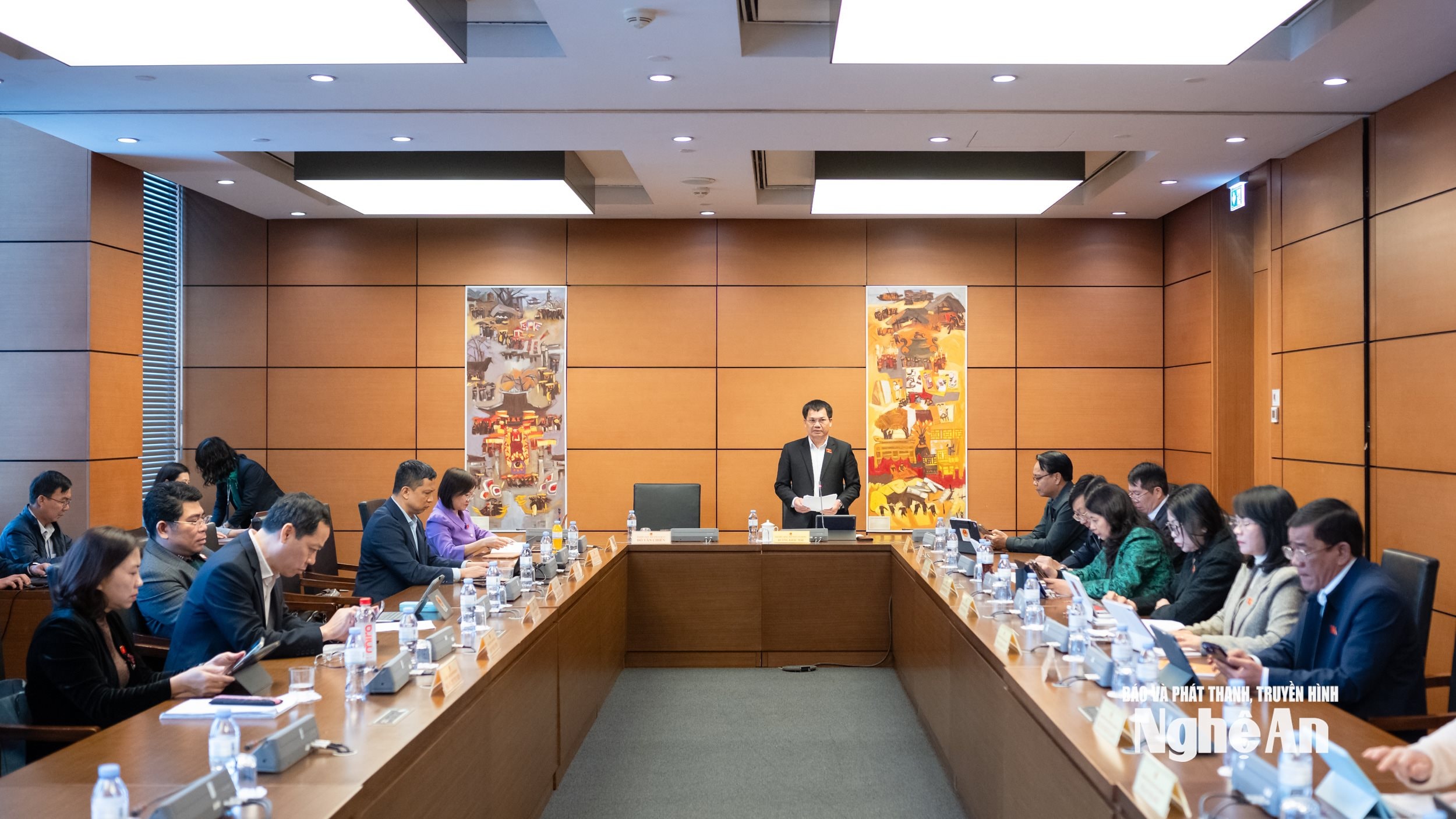
On the morning of November 19th, the National Assembly held group discussions on the draft Resolution of the National Assembly stipulating a number of mechanisms and policies to remove difficulties and obstacles in the implementation of the Land Law.
Be cautious with the House proposal.waterreclaim 25% of the area where agreements have not been reached.
Regarding the provision in the draft: "In cases where land is used for a project through an agreement on land use rights that has expired or the extension period for completion has expired, but more than 75% of the land area and more than 75% of the land users have been agreed upon, the Provincial People's Council shall consider and approve the recovery of the remaining land area to allocate or lease land to the investor," Representative Thai Thi An Chung - Member of the Provincial Party Committee, Deputy Head of the Standing Delegation of the National Assembly of Nghe An Province, expressed the view that careful and cautious consideration is needed.
According to the delegates, it is true that many projects are behind schedule because some households do not accept the agreed-upon solutions, causing land waste and negatively impacting the investment environment. However, the government's submission currently lacks specific statistical data, making it difficult to convincingly assess the effectiveness and impact of the policy.
The delegate emphasized: During the process of drafting the Land Law, from soliciting public opinion to social critique, the issue of land acquisition has always been carefully considered. The general principle is that land acquisition should only be carried out in cases for national defense, security, national interest, and public interest; while economic development projects must be based on voluntary agreement between the investor and the landowner. Therefore, the State's intervention in acquiring the remaining 25% of land for which no agreement has been reached is a point that needs careful consideration.
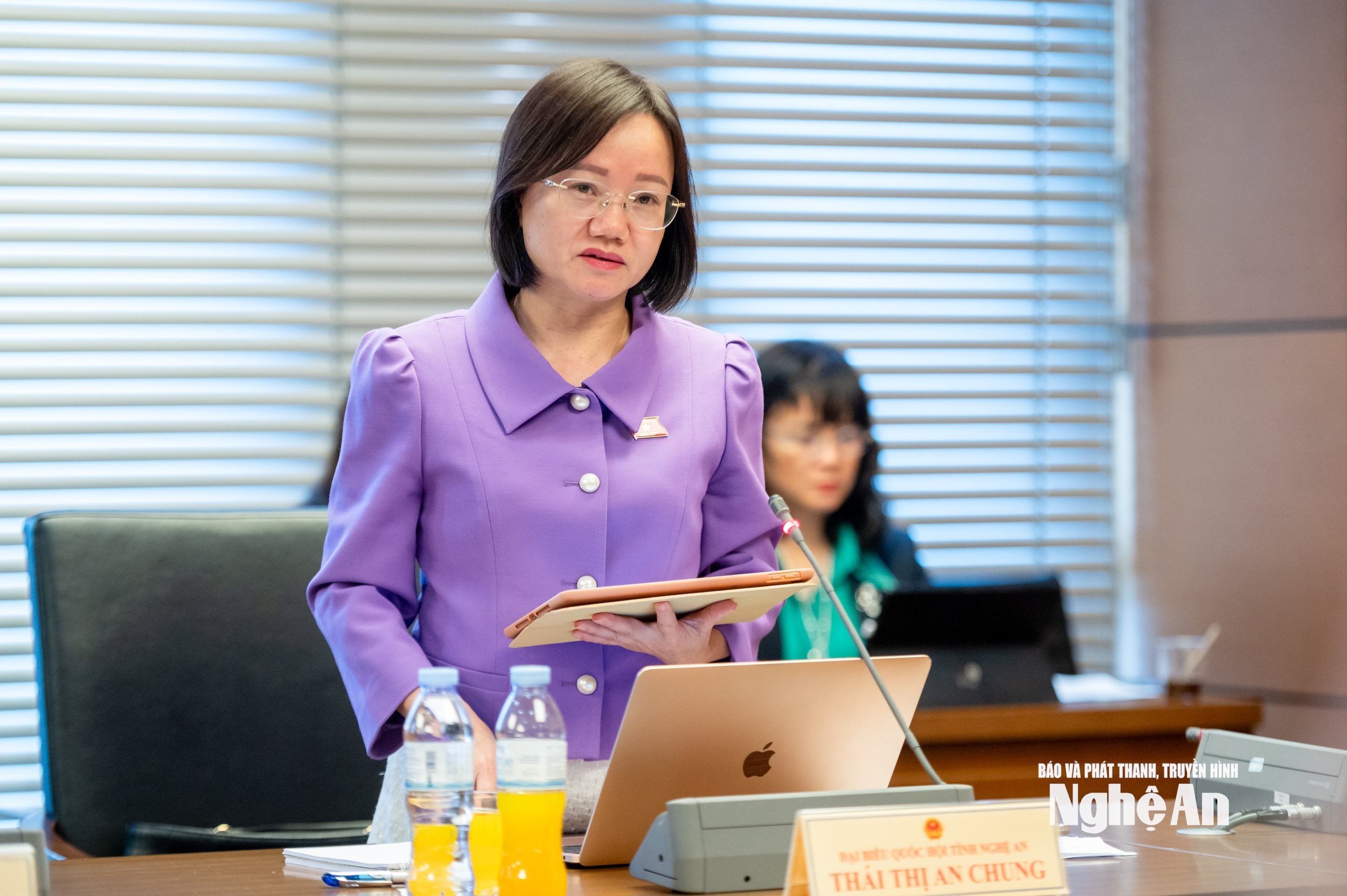
The biggest concern of the delegates was the risk of conflict with the constitutional principle of citizens' property rights, including the right to use land. If the State reclaims land to support investors in completing their projects, it needs to be clarified whether this mechanism violates that principle.
At the same time, the relationship between investors and land users is a civil relationship, based on voluntariness and equality. If the State intervenes to reclaim land when the two parties cannot reach an agreement, this easily creates the feeling of "administratizing civil relations" and favors the business.
The delegate from Nghe An province suggested that it might be necessary to establish a mediation or arbitration mechanism between the two parties, with the State acting as an intermediary; or to require the investor to adjust the project scale instead of reclaiming a large area beyond actual needs.
The state should only intervene in land reclamation when absolutely necessary and no other solution is available, and must ensure maximum protection of the rights of those whose land is reclaimed, at least at the price agreed upon by the investor with other households, avoiding inequality.
The delegate warned that land-related complaints and lawsuits currently account for approximately 80% of all cases; if a mechanism for reclaiming the unagreed-upon land area is applied, the risk of lawsuits will certainly increase. Therefore, she suggested careful consideration before making a decision.
Representative Thai Thi An Chung also contributed several other comments on the draft Resolution, particularly the proposal to add projects for raising disadvantaged children, children with disabilities, and social welfare facilities run by religious organizations to the list of those eligible for land allocation and lease without auction, in order to facilitate humanitarian activities that are not religious activities according to current law.
She also suggested reviewing and abolishing regulations that still require reliance on district and commune-level land use plans, in order to align with the policy of not creating such plans.
It is proposed that commune-level authorities should not be empowered to issue different support levels during land clearance.
During the discussion of this draft Resolution, Mr. Tran Nhat Minh - a full-time National Assembly representative from Nghe An province - commented on the draft's provision allowing compensation with on-site residential land when the land price is not yet included in the land price list, and granting the Chairman of the People's Committee at the commune level the right to decide based on "similar location".
According to the delegates, this wording is too general, lacks clear criteria, and is prone to controversy in implementation. They proposed replacing it with the phrase "location with equivalent infrastructure".
Regarding the timeframe for organizing dialogues, the draft stipulates: "The timeframe for organizing dialogues in cases where there are still dissenting opinions on the compensation and resettlement plan is 30 days from the date of soliciting opinions on the compensation and resettlement plan."
The delegate agreed with shortening the timeframe compared to the current law but argued that the regulation did not clarify whether it had to be exactly 30 days or could be organized within a 30-day period. Therefore, he proposed amending it to be more flexible, allowing for dialogues to be organized within a 30-day timeframe.
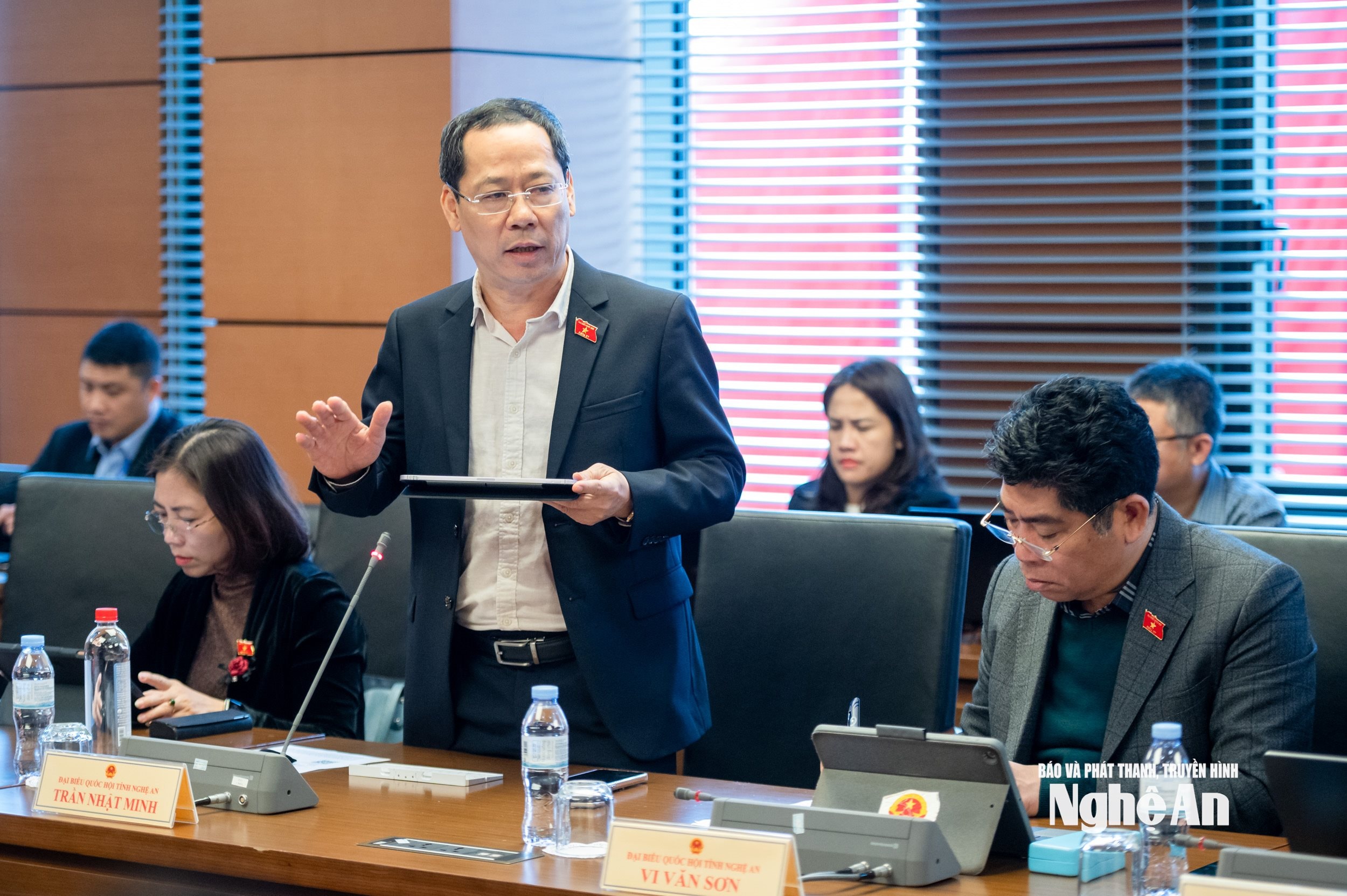
Commenting on the provision in the draft that states: "The People's Committee at the commune level decides on other support measures and levels for each specific project," the delegate argued that this provision risks creating inconsistency in compensation policies between communes, especially in inter-commune projects.
This difference will lead to comparisons, complaints, and difficulties in land clearance work. He suggested concentrating authority at the provincial People's Committee level to ensure uniformity.
Regarding land use fee exemptions and reductions, delegates assessed the regulations in the draft as positive, reducing administrative procedures for citizens and businesses.
However, for cases where the exemption is only for one year, he suggested further streamlining the procedures for requesting land use fees and land rent; only the procedures for determining land prices, land use fees, and land rent should be carried out to provide a basis for calculating the exempted amount.
Also during the working session, the National Assembly held group discussions on the draft Resolution of the National Assembly on some specific mechanisms and policies to improve the effectiveness of international integration; and the investment policy for the Gia Binh International Airport construction project.


