
US-Iran nuclear negotiations: Diplomatic efforts amidst military encirclement.
On February 17, international attention was focused on Geneva, Switzerland, where American and Iranian diplomats began a challenging round of indirect negotiations.
Negotiations under pressure from a "powerful fleet"
The negotiations took place in a particularly tense atmosphere, with both Washington and Tehran bringing to Geneva strong messages of military deterrence alongside diplomatic offers. With Oman acting as a mediator, these discussions were not simply about nuclear technology, but also a strategic battle of wits aimed at reshaping the regional security order after the turbulent events of the past year.
Unlike traditional negotiations, this Geneva conference began under unprecedented pressure from the United States. Just before the meeting, President Donald Trump, speaking from Air Force One, issued an uncompromising ultimatum: "I don't think they want to suffer the consequences of not reaching an agreement."
This warning is not empty rhetoric. According to the latest intelligence sources and satellite imagery, the US has deployed a massive military force to the region. The USS Abraham Lincoln carrier strike group is currently anchored approximately 700km off the coast of Iran, ready for combat.
Furthermore, President Trump publicly reiterated the "12-day war" in June 2025 – the time when the US would deploy B-2 stealth strategic bombers to directly attack Iran's nuclear facilities.
We could have reached an agreement instead of sending B-2s to eliminate their nuclear potential. But we had to do it.
Trump emphasized, implying that history could very well repeat itself if Tehran refuses to make concessions.
Representing the US side in Geneva were President Trump's closest confidants: Middle East envoy Steve Witkoff and son-in-law Jared Kushner. Kushner's presence—the architect of the Abraham Accords—suggested Washington placed high hopes on a breakthrough change, either a comprehensive agreement or an escalation of pressure to the extreme.
A "dilemma"
On the Iranian side, Foreign Minister Abbas Araghchi arrived in Geneva with a cautious yet firm stance. Tehran understood that it was in a weaker position than it had been a year earlier. The Iranian economy was being stifled by international sanctions, the currency was depreciating rapidly, and the purchasing power of its people had plummeted.
However, Iran did not choose to surrender easily. On the very first day of the negotiations, the Iranian Islamic Revolutionary Guard Corps (IRGC) launched a large-scale military exercise called "Smart Control of the Strait of Hormuz," a vital route for the world's oil and liquefied natural gas transportation.
Tehran's message is clear: If Iran is backed into a corner, global energy security will be threatened.
Nevertheless, signals from the negotiating table suggest a certain degree of flexibility. Iranian Foreign Ministry spokesman Esmaeil Baqaei revealed that, through intermediary channels in Muscat (Oman), Tehran has observed a shift in the US position towards a more "realistic" direction. Iranian Deputy Foreign Minister Majid Takht-Ravanchi also affirmed: "If we see sincerity from the US side, I am sure we will move towards an agreement."
Iran's core demand remains the lifting of sanctions by the U.S. that are crippling its economy. In return, Tehran is willing to discuss nuclear limits, but firmly refuses to negotiate on its ballistic missile program or proxy forces.
Israel variable
One of the biggest challenges to the Geneva negotiations lies not at the negotiating table, but in Tel Aviv. Israel, a strategic ally of the United States, is watching every move with deep skepticism.
Israeli Prime Minister Benjamin Netanyahu, in recent meetings with Trump and at international forums, has repeatedly warned of the dangers of a "half-hearted" deal. Israel's position is radical: Iran must not only stop enriching uranium, but must completely dismantle its nuclear infrastructure. Tel Aviv fears that the US's delaying tactics could inadvertently allow Iran to restore and strengthen its nuclear capabilities in the future.
The strategic differences between the two allies are becoming increasingly apparent. While Washington, under Trump, prioritized a "deal" to avoid getting bogged down in a costly and protracted war and to stabilize the oil market, Israel viewed Iran as an existential threat that needed to be resolved definitively, even through preemptive military action.
Recent satellite imagery shows Iran has rebuilt the roofs of buildings at the Isfahan nuclear facility, which was destroyed in a 2025 war. This further increases Israel's concerns that Tehran's nuclear capabilities have not been truly "wiped out" as Trump claimed.
What are the prospects for peace?
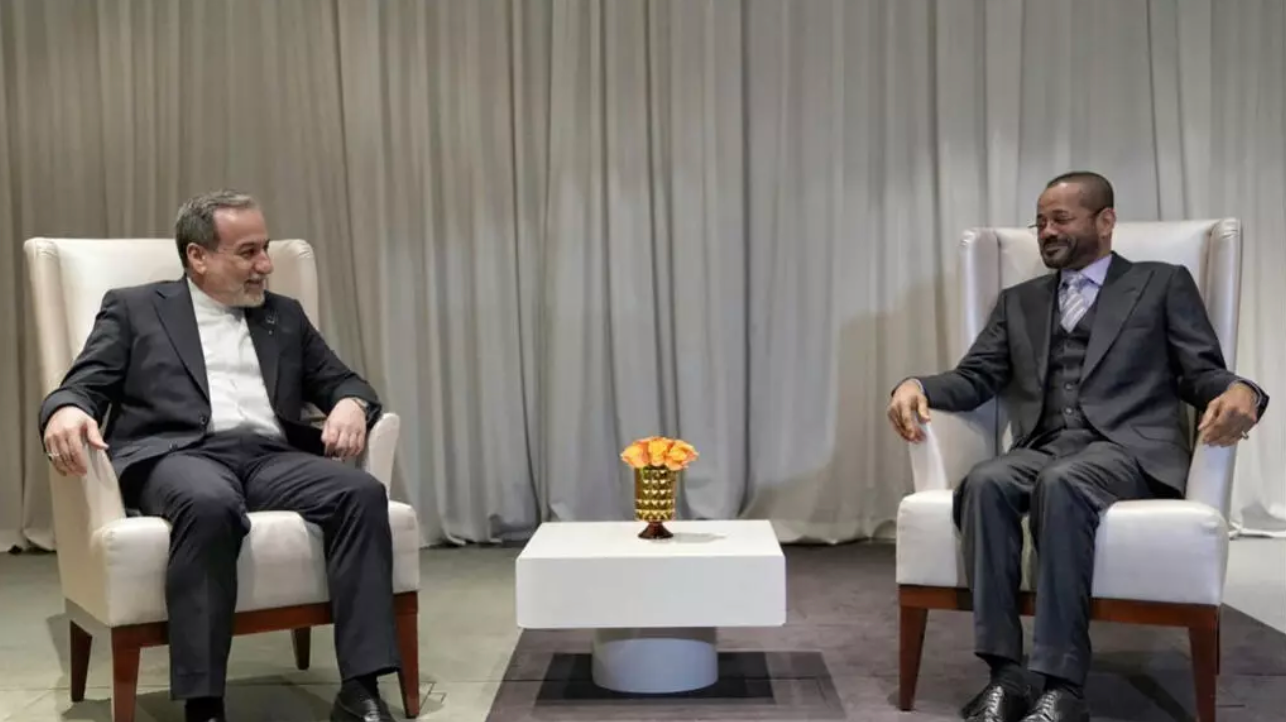
The Geneva talks are taking place indirectly: the US and Iranian delegations are not meeting in person but are exchanging messages through Omani diplomats.
The outcome of this conference will depend on whether the two sides can find a delicate balance. For the US, it's about whether Trump will agree to ease sanctions enough to give Iran some economic breathing room without being accused of making concessions to an enemy. For Iran, the question is whether the leadership in Tehran will agree to partially abandon its nuclear ambitions to save its economy, or will continue to gamble with the risk of war?
Brent crude oil prices in Asian markets edged lower on February 17th as investors held their breath awaiting the results.


