
US-Iran negotiations: An opportunity for de-escalation or a 'stepping stone' to a new conflict?
World attention is focused on Muscat, Oman, on February 6th, where a rare face-to-face meeting between US and Iranian officials is expected to take place. This is seen as a diplomatic "last-minute" event to determine whether Washington will restart military action against Tehran.
The agendas are "at odds".
On February 4th (local time), Iranian Foreign Minister Abbas Araghchi confirmed that nuclear talks with the United States would take place in Muscat, Oman, on the morning of February 6th. Araghchi also thanked Oman for its efforts in arranging this important event.
However, the biggest obstacle on the eve of the negotiations was the difference in the content of the discussions. While Tehran insisted that the meeting should focus "exclusively" on the nuclear issue, the US side presented a more comprehensive list of demands.
US Secretary of State Marco Rubio emphasized a tough stance: "For the negotiations to be truly meaningful, the topics of discussion must include: the range of ballistic missiles, Iran's sponsorship of regional organizations, its nuclear program, and human rights issues in the country."
Currently, the US has not officially confirmed any specific time or schedule, creating an atmosphere of mystery and tension.
A message from President Trump
The meeting took place against the backdrop of the looming specter of conflict. US President Donald Trump has left open the possibility of taking new military action if negotiations fail. Previously, the US launched attacks on Iranian nuclear facilities during the conflict last June.
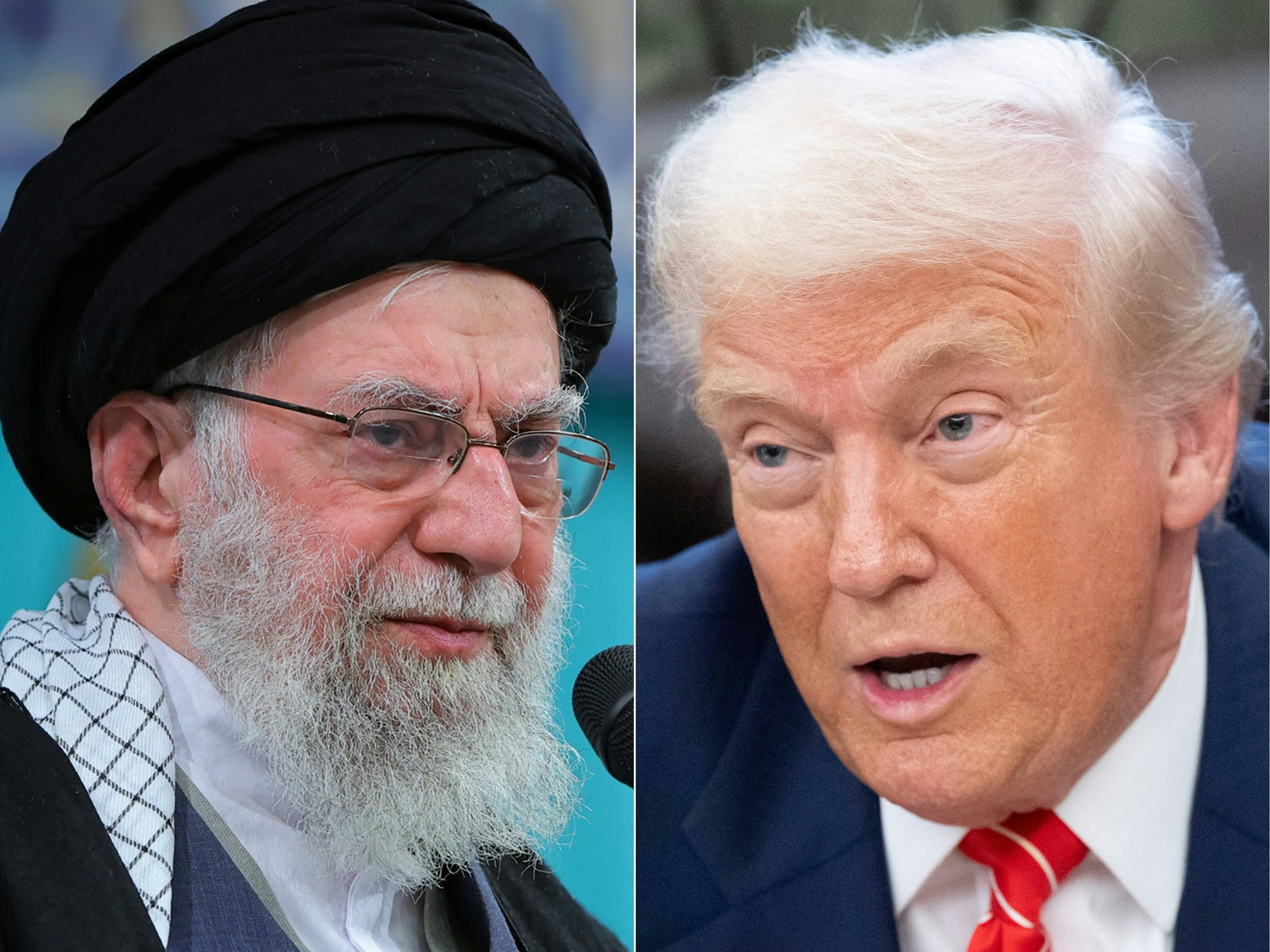
In an interview with NBC News on February 4th, when asked about the message he had sent to Iran's Supreme Leader Ayatollah Ali Khamenei, Trump warned: "I think he should be worried, very worried. As you know, they're negotiating with us."
To increase pressure, the US deployed the USS Abraham Lincoln carrier strike group to the region.
Representing the two countries were figures who are iconic in current foreign policy. On the US side was Steve Witkoff, President Trump's Middle East envoy.
On the Iranian side was Foreign Minister Abbas Araghchi, a veteran diplomat known for his patient and skillful negotiation.
The negotiations took place as Iran had just experienced major internal turmoil. The biggest question now is: Will the meeting in Oman lead to a new agreement as Trump hopes regarding nuclear arms control, or will it be merely a final formality before the sound of gunfire once again erupts in the Gulf?


