
US-Iran negotiations: Four specialized discussion groups established.
Iranian state media reported that technical talks between Iran and the United States in Switzerland have concluded. Both sides agreed to establish task forces to address nuclear issues and sanctions.
According to AFP, Iran's state news agency (IRNA) quoted Deputy Foreign Minister Kazem Gharibabadi as saying that negotiators have decided to establish four specialized working groups. These groups include: lifting sanctions; nuclear issues; economic reconstruction and development; and monitoring and enforcing the agreements.
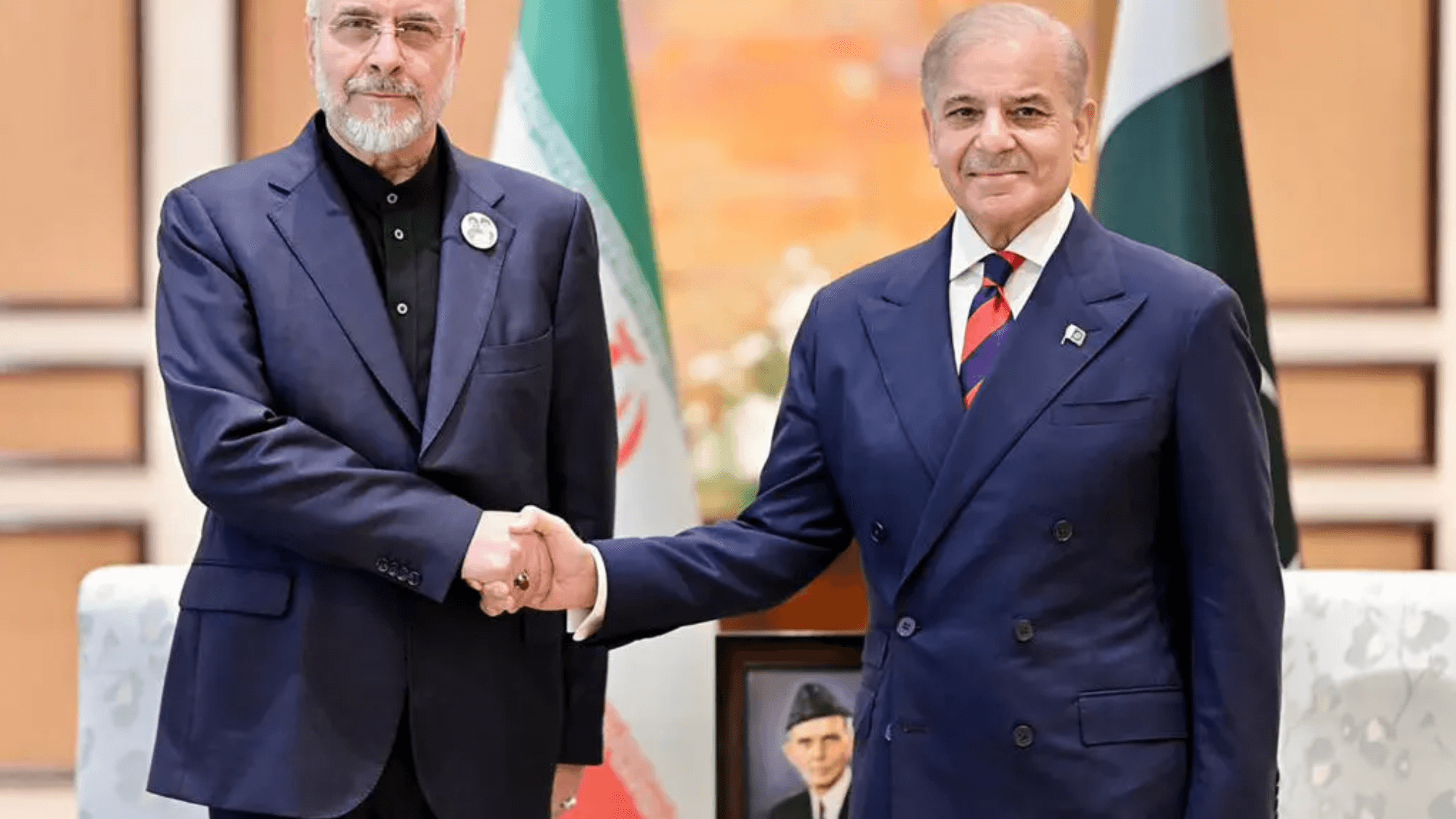
According to Deputy Minister Garibabadi, preparations for the next meeting have been completed. This meeting will be attended by Iranian Parliament Speaker Mohammad-Bager Ghalibaf, Iranian Foreign Minister Abbas Arakchi, US Vice President JD Vance, as well as Pakistani Prime Minister Shehbaz Sharif, and Qatari Prime Minister Sheikh Mohammed bin Abderrahman Al Thani.
The first round of technical talks between the US and Iran concluded on the evening of June 22nd. The Iranian Foreign Minister stated that the outcome of the talks included the possible lifting of restrictions on Iranian oil exports, the unlocking of some frozen assets, and the development of a plan for Iran's reconstruction.
On the US side, Secretary of State Marco Rubio faces a challenging diplomatic mission this week. He will have to persuade Gulf Arab leaders to approve the agreement between the US and Iran.
Gulf states are now concerned that excessive concessions from Washington will strengthen Tehran's position, potentially reshaping the security balance and disrupting oil flows in the region.
According to the plan, Mr. Rubio will arrive in the United Arab Emirates (UAE) on June 23rd. Following that, he will continue his schedule to Kuwait and Bahrain to work with officials from the Gulf Cooperation Council (GCC) – a monarchical alliance that includes Saudi Arabia, Qatar, and Oman.
The Gulf states are primarily concerned with the terms of the draft agreement. The document currently does not impose limits on Iran's ballistic missile program. Furthermore, the draft proposes the establishment of a $300 billion reconstruction fund.
These regulations are feared to expand Tehran's regional influence. They could also strengthen Iran's control over vital oil shipping lanes.
Washington's Gulf allies have paid a heavy price since the U.S. and Israel launched the Iran conflict. The GCC nations, including Bahrain, Kuwait, Oman, Saudi Arabia, and the UAE, which host U.S. military forces, have all suffered attacks from Iran.


