
What are men afraid of that they don't cry?
Expressing emotions is a natural trait of a true human being, not a measure of strength or weakness. So, men should cry, what's there to be afraid of!
International Men's Day (November 19th) is still a few days away, but social media is already buzzing with talk. I don't know how it is abroad, but in Vietnam, this special day seems to have only become widely known in the last few years, as the economy has improved. When basic necessities like food and clothing become commonplace, people have the time and inclination to think about luxury; naturally, wealth breeds etiquette, and one commemorative day after another is celebrated endlessly. Men, to varying degrees, secretly envy women, jokingly and directly, saying that there are so many days dedicated to women, while men only have one, and it even coincides with World Toilet Day! They give way to women all year round, only to have to compete with the toilet on this day of honor! Oh dear, it's quite disheartening!
Facebook is flooded with statuses about men. Women write about men, men write about men… so much, but strangely, it's all about asserting strength, power, and achievement. The implicit definition of the stronger sex dictates that men must be the opposite of women – the weaker sex – not allowed to feel inferior, sad, or cry… or if they do, they must absolutely not reveal it.
Who established that "rule"? No one, but nature created men with strength, extraordinary willpower, adventurous spirit, sharp intellect, etc., and entrusted them with the task of building and protecting their families and society. Therefore, men, generation after generation, have unconsciously internalized this fundamental ideology. They must be strong, always strong, they cannot be weak. They cannot cry, they are not allowed to cry, they dare not cry. Boys who cry are often labeled as cowardly and weak. Men who cry are easily mocked and ridiculed as worthless.
But what crime have tears committed?
.jpg)
We often chant slogans about gender equality, yet this equality has long been favored by women. The media talks a lot about feminism, while male empowerment seems to be taken for granted, probably because men already have so many rights that it's rarely mentioned. But we often forget that among the many rights granted to men, some are advantages, while others are burdens.
Most adult men feel a vague pressure to prove themselves. From their gait, speech, gestures, and actions to their personality, emotions, and attitude, they constantly strive to appear masculine according to family and societal expectations. However, men aren't made of wood or stone (even wood and stone crack under strong impact), nor are they emotionless robots (machines also malfunction if overloaded!). Men are human beings, with all the joys, sorrows, loves, and hates; in many cases, their emotions are even more intense than women's because the pressure on their shoulders is heavier. It's important to understand that expressing emotions is a natural part of being a true human being, not a measure of strength or weakness.
So, men should just cry, what's there to be afraid of!
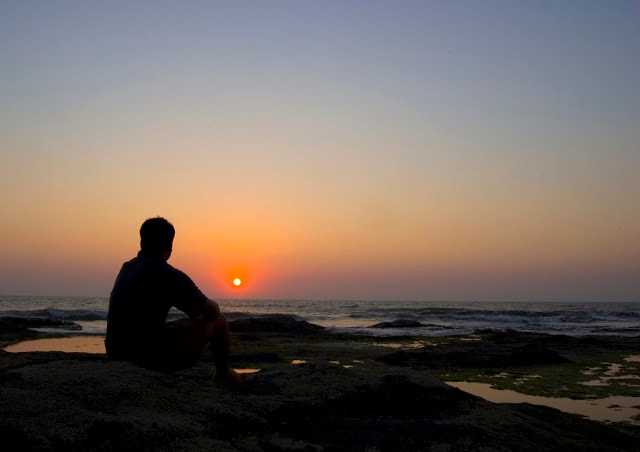
Sometimes I think men are truly unfortunate, because most of them grow up lacking guidance and role models to become true, exemplary men. The majority of men have to fend for themselves in their journey to becoming men, their image a patchwork of family tradition and reflections from the bright, dim, and murky mirrors around them. Meanwhile, societal prejudices rigidly define their roles and positions in relationships, leading to many misunderstandings and distortions in emotional expression. When men are upset, disappointed, or disillusioned, their most familiar way of relieving stress is through anger, outbursts, or worse, destruction and verbal abuse. Few men receive empathy and understanding, subtle guidance, comforting words, encouragement, and proper support from those around them, including their mothers and wives – the two most important women in their lives.
Therefore, in many cases, men need to cry, need to cry, and even need guidance on how to cry. Crying isn't about being sentimental or tearful, but about releasing emotions, letting go of suppressed feelings, and then standing up stronger. While male and female rights may differ in many ways, the right to cry needs to be recognized equally. After all, all tears are equally salty…


