
Multi-purpose cruise missiles: modularity, AI, and reuse trends.
Cruise missile technology is shifting from low-cost, suicide-type missiles to multi-purpose platforms: modular payloads, AI, reconnaissance, and electronic warfare; some models are reusable, addressing the cost-effectiveness issue.
Surveillance drones are shifting from inexpensive suicide drones to multi-mission combat platforms. Modular designs, interchangeable payloads, and artificial intelligence (AI) integration enable distributed reconnaissance, surveillance, electronic warfare, and target attack missions; some models even have the capability for recovery and reuse. The central challenge is balancing functionality and cost.
Overview
A US company has just introduced a new strike missile called "Lubster," employing a modular design to perform multiple roles: attack, reconnaissance, electronic warfare, or carrying smart ammunition to strike dispersed targets. This trend reflects a general shift: strike missiles are moving from suicide weapons to multi-purpose platforms.
Previously, most guided missiles were considered suicide drones, launched without a return, typified by Russia's Geran-2 and Ukraine's AQ400 "Sickle." The emergence of modular design and interchangeable payloads is changing the way this weapon system is designed and operated.
Technical analysis: platform modularization
Modularization isn't limited to the warhead. According to the source, many components, such as the engine, launch system, and avionics, are also designed in a modular fashion. The focus is on payload: in addition to the warhead, the platform can carry reconnaissance sensors, electronic warfare modules, or surveillance equipment. This allows a single airframe to be quickly configured for a specific mission.
- Interchangeable warheads: Some models, such as the American Rogue-1 or the Polish "Comrade," allow for the interchange of various warheads, optimizing effectiveness for different targets.
- Mission payload: Reconnaissance, surveillance, and electronic warfare modules can be interchangeable as required.
- Modular aviation electronics: Facilitating rapid upgrades, maintenance, and configuration.
As a result, the cruise missile is not just a one-time attack weapon, but becomes a compact, flexible platform that can "change roles" in the combat cycle.
AI and autonomy
Artificial intelligence continues to drive evolution. Thanks to autonomous navigation chips and AI algorithms, new platforms can independently identify targets and adjust tactics in real time. This capability, combined with modular payloads, enhances combat effectiveness in scenarios with dispersed or rapidly changing targets.
Reuse: recovery mechanisms and safety
The trend toward platform integration creates a need for reuse. As illustrated by the examples given:
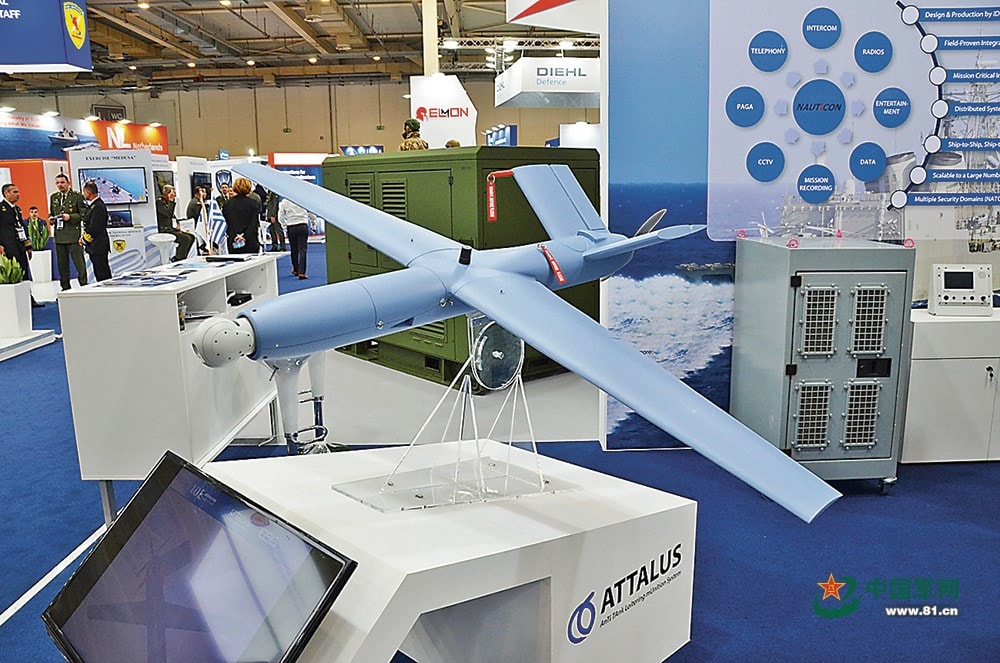
- Greek ATTALUS: launched by catapult, recovered by parachute; fuse can be deactivated remotely; device is reusable after recharging.
- Israel's Hero-400EC: capable of returning to its operating area or deploying a parachute for recovery if not engaged in combat.
Reuse requires the integration of safety mechanisms (remote detonation) and recovery procedures. This represents a significant departure from the traditional suicide model.
Tactics: From Suicide Squad to Multitasking
Modular design and AI extend the way we can deploy:
- Rapid mission switching: between reconnaissance, surveillance, electronic warfare, and attack based on actual needs.
- Attack dispersed targets: carry smart ammunition to deal with multiple target points.
- Maintaining presence: in the absence of an attack, the platform can be deployed or withdrawn, in line with the requirement to conserve resources.
Israel is one of the pioneers: the Hero-1250 can interchangeably perform reconnaissance, surveillance, or jamming functions, demonstrating a platform-based approach to ballistic missiles.
Summary table of the examples given
| Sample | Source | Features (by source) |
|---|---|---|
| "Woodcutter" | USA (company, unnamed) | Modular design; attack, reconnaissance, electronic warfare; carrying smart munitions to engage dispersed targets. |
| Geran-2 | Russia | Suicide drones, launched with no return. |
| AQ400 “Sickle” | Ukraine | Suicide UAVs |
| Rogue-1 | America | Changes in various types of warheads. |
| "Comrades" | Poland | Changes in various types of warheads. |
| Hero-1250 | Israel | Swapping reconnaissance, surveillance, and jamming missions. |
| Hero-400EC | Israel | Automatically return to the operational area or deploy a parachute to recover if not attacking. |
| ATTALUS | Greece | Launched by catapult; recovered by parachute; remotely deactivated fuse; rechargeable for continued use. |
Impact and cost considerations
The more versatile, intelligent, and reusable the cruise missile becomes, the higher its cost. This contradicts the traditional advantages of this weapon system: low cost and high effectiveness. Following the development direction described, the central challenge for the future is finding a balance between functionality, cost, and combat effectiveness.
In the short term, modularization and AI trends are likely to continue driving the shift of cruise missiles towards compact, quickly configurable, and flexible operational platforms, while cost control requirements will shape feature integration decisions.


