
Effective public relations – the key to creating consensus in Ke Sung.
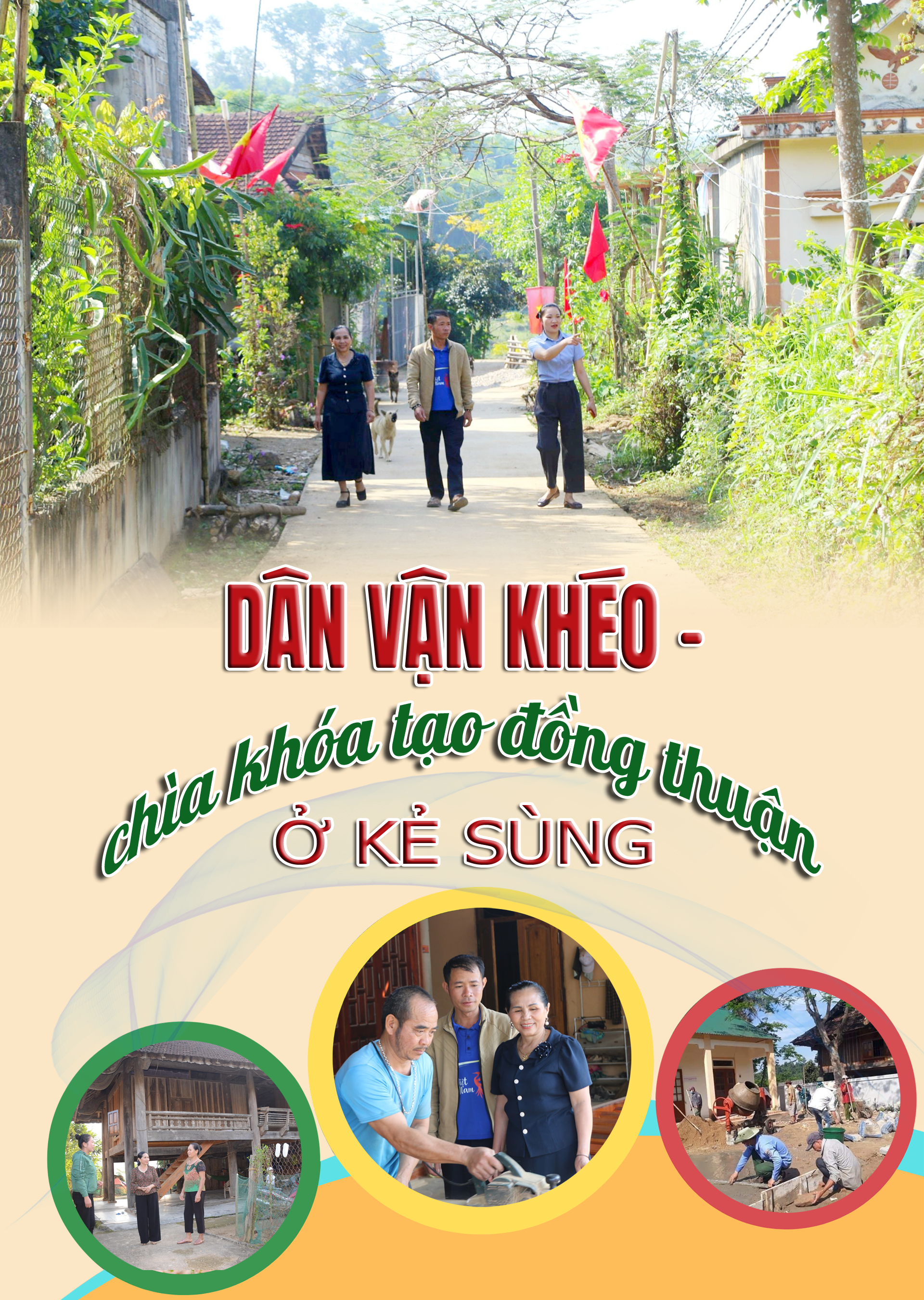
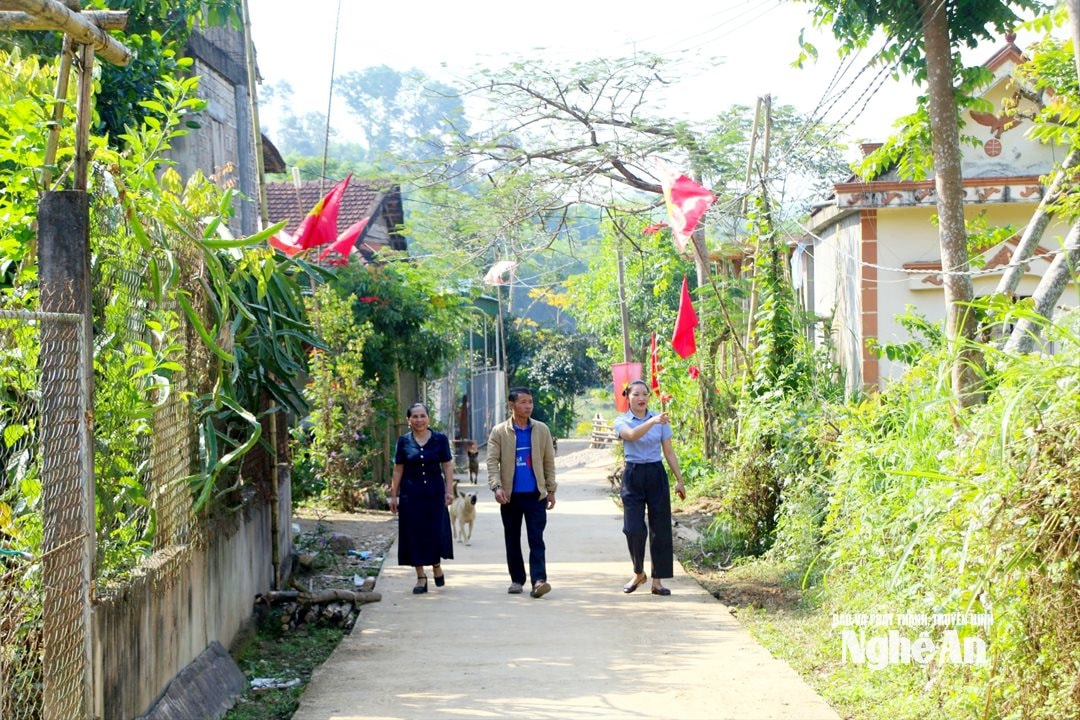
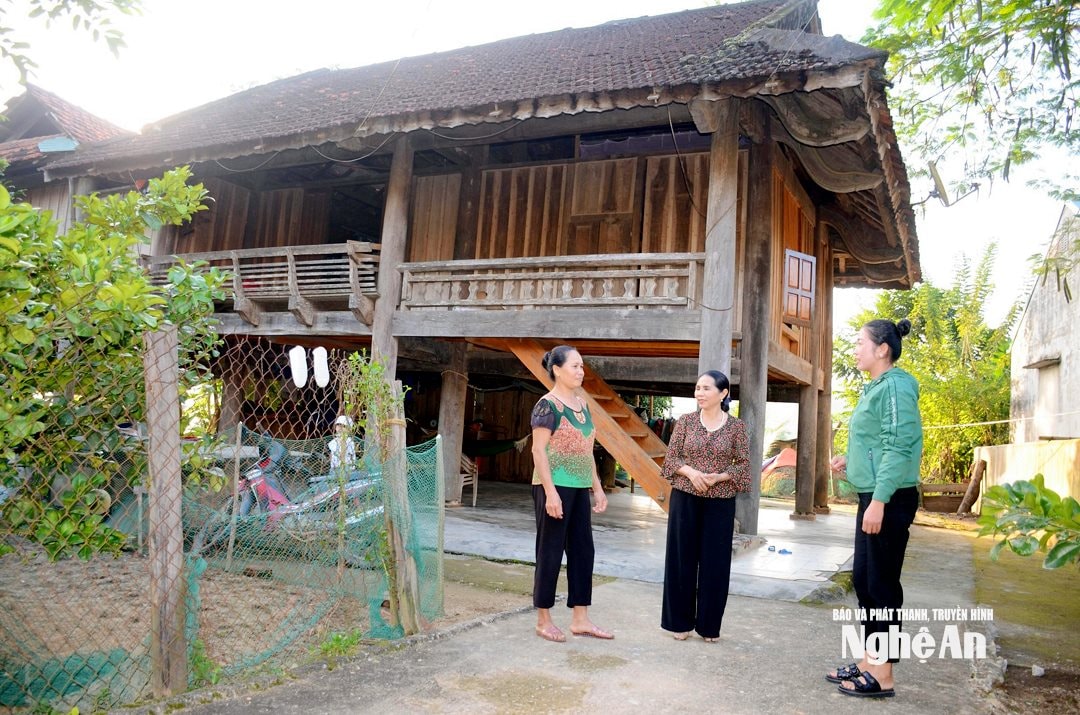
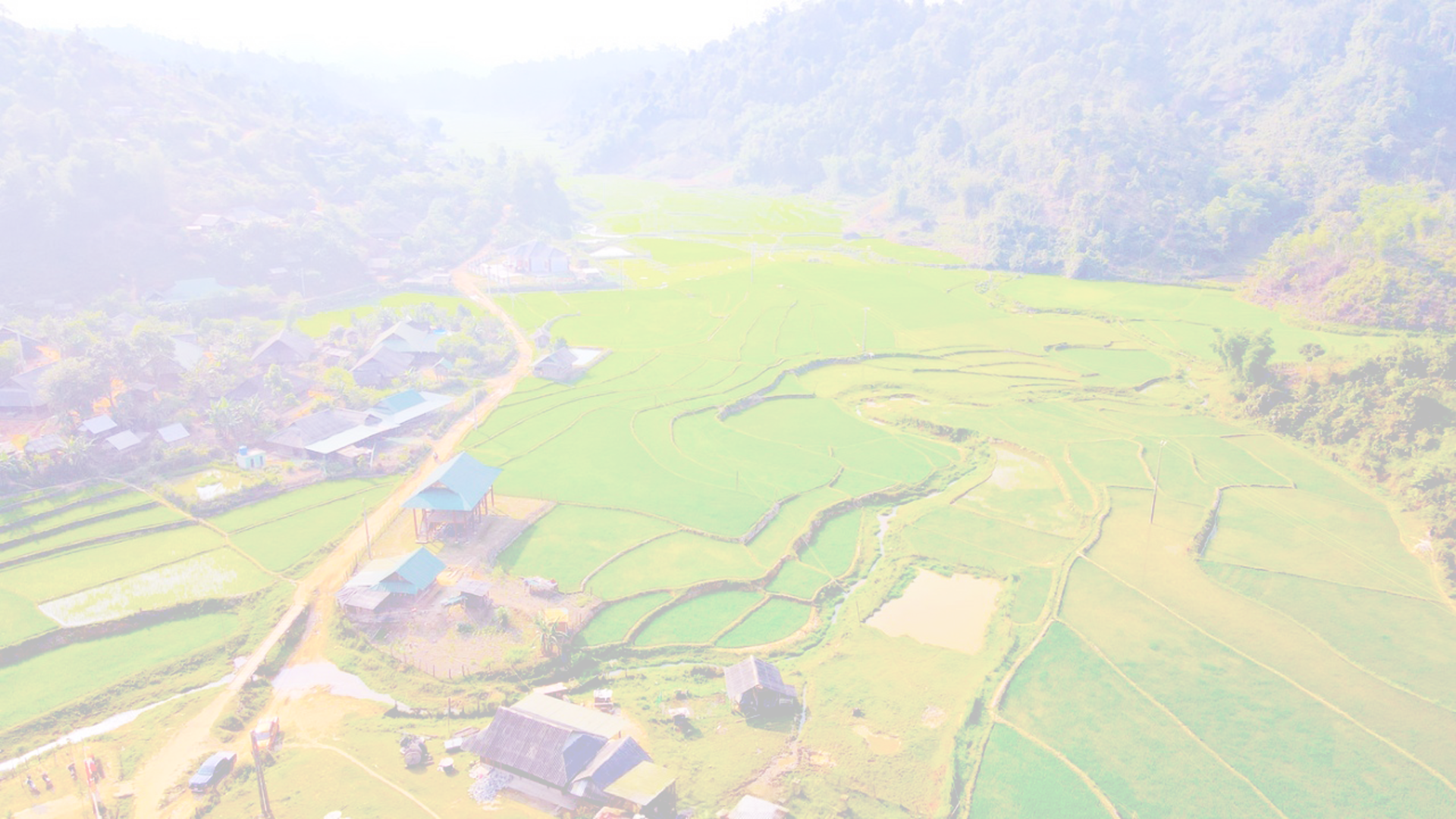
In the early days of the new year, the winding concrete road through the Thai ethnic village of Ke Sung (Mau Thach commune) seems softer in the spring sunshine. The Party flag and the national flag are brightly colored in front of each stilt house, and the flowers along the roadside are in full bloom, preparing to welcome a new spring.
Thanh Phuc - Khanh Ly/Present:Hong Toai• January 13, 2026
---------------o0o---------------
In the early days of the new year, the winding concrete road through the Thai ethnic village of Kẻ Sùng (Mậu Thạch commune) seems softer in the spring sunshine. The Party flag and the national flag are brightly colored in front of each stilt house, and the flowers along the roadside are in full bloom, preparing to welcome a new spring. Few would imagine that to achieve this neat and peaceful appearance, Kẻ Sùng has overcome many difficulties, including those that directly affected the land and livelihoods of the people. But it is precisely from these difficult tasks that skillful grassroots mobilization, the implementation of democracy from the roots, and the exemplary role of Party members have been affirmed, creating momentum for this mountainous village.

Leading us on a tour around the village, the Party Secretary and Head of Ke Sung Lang village, Thi Hai Van, couldn't hide her excitement when mentioning the changes in her hometown, with a road system aiming for the criteria of "bright - green - clean - beautiful and safe," and a spacious, airy sports stadium...
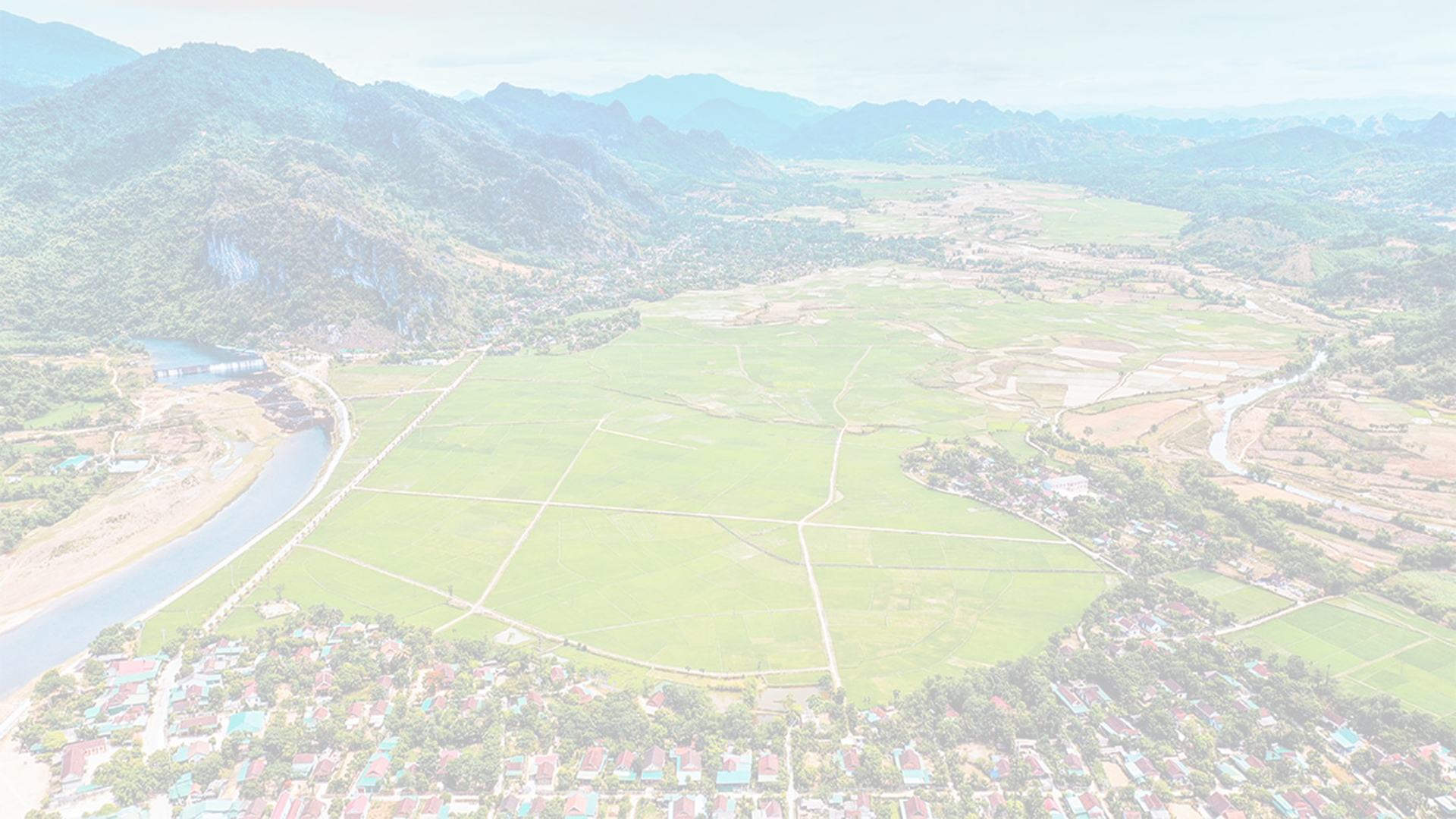
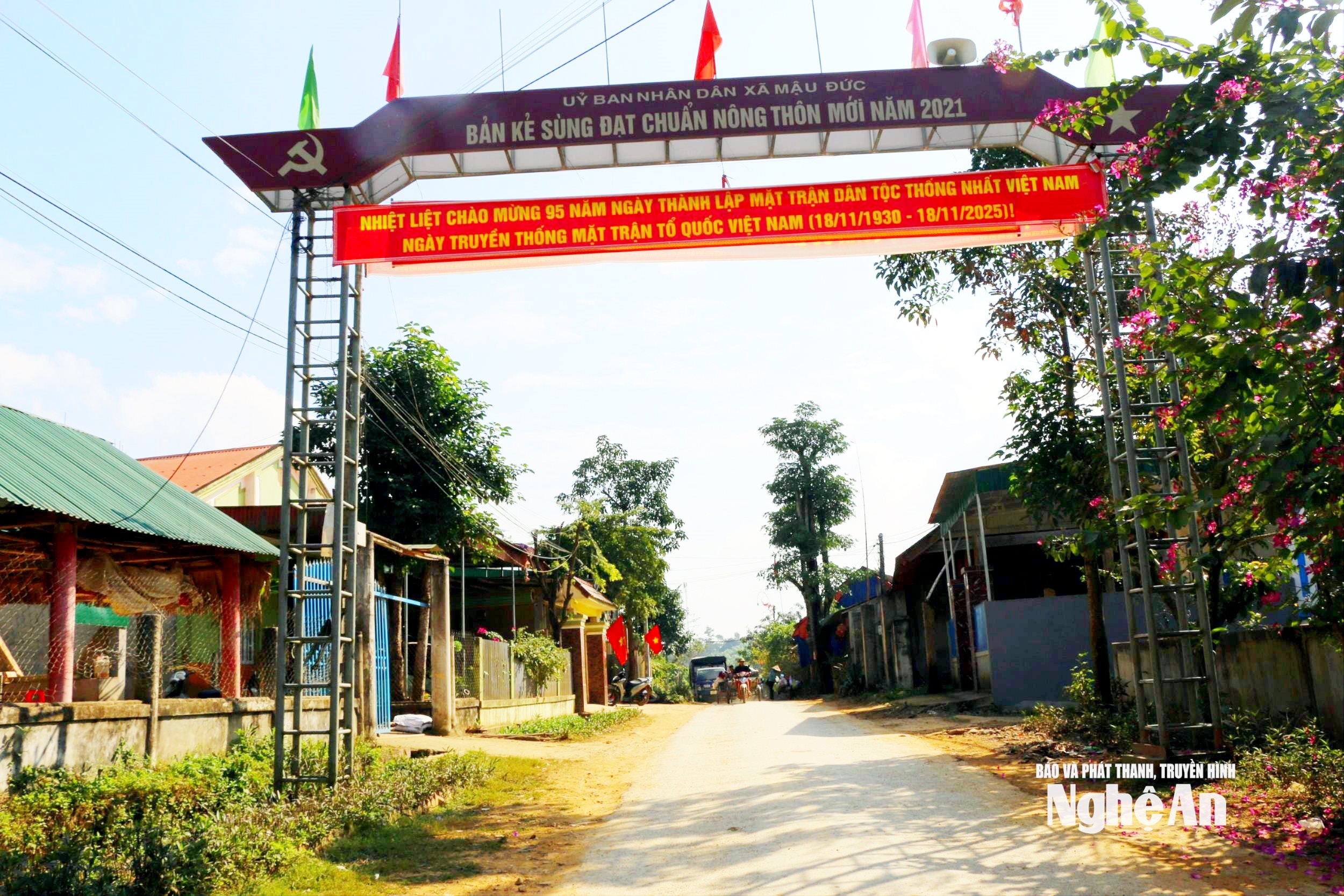
Kẻ Sùng is a village inhabited by the Thai ethnic minority, with 198 households and over 900 inhabitants. Their economic livelihood is primarily based on acacia cultivation, livestock farming, construction, and labor export. Despite facing many difficulties, thanks to unity, consensus, and a systematic approach, the Kẻ Sùng Party Branch has become a shining example of effective grassroots mobilization and the implementation of democratic regulations.
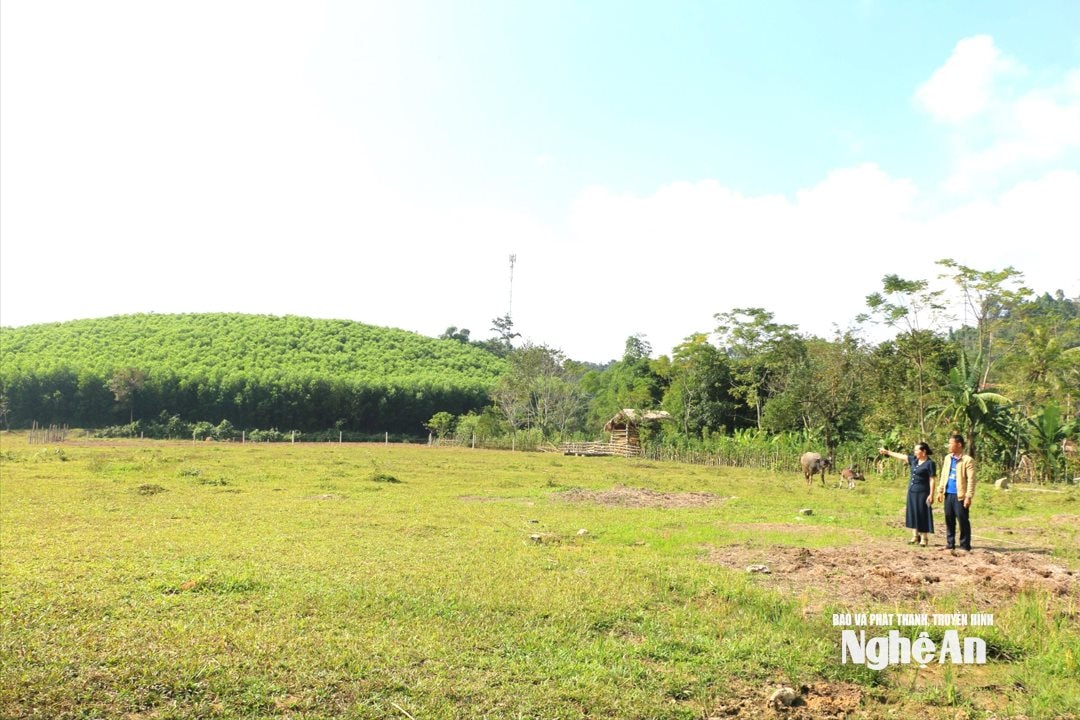
In 2024, one of the major policies of Ke Sung village was to reclaim over 2 hectares of public land (5%) to build cultural facilities, expand infrastructure, and allocate it to community organizations for production and fundraising. This was no easy task. Although it was public land, a large portion had been cultivated by residents for many years, so many households considered it their own. If done hastily and forcefully, it could easily lead to concerns and even negative public opinion.
Aware of this, the Party branch and the village management board determined that ideological work must be done well from the outset. Public meetings were held openly and systematically; the land reclamation policy, intended use, planning scheme, and implementation methods were all presented to the people for their information, discussion, and supervision. All opinions were listened to and thoroughly explained, avoiding the situation of "making decisions only after they have been made."
Simultaneously, the Party branch clearly assigned responsibilities to each mass organization; Party members were in charge of mobilizing households within their respective groups and associations; Party members also mobilized their own family members and relatives to hand over the land. This "going door-to-door" approach helped the policy gradually sink into the hearts of the people. Most importantly, it was the exemplary conduct of the Party members that prevailed.
Mr. Vi Xuan Tam, a Party member in the village, who was cultivating 1,500m² of tea and 500m² of corn and peanuts, proactively harvested his crops early and handed over the entire 2,000m² of land. Party member Lang Duc Dien also voluntarily handed over 2,000m² of land planted with corn and cassava. When those who "take the lead" do it first, the persuasion becomes more convincing, and the people's trust is strengthened.
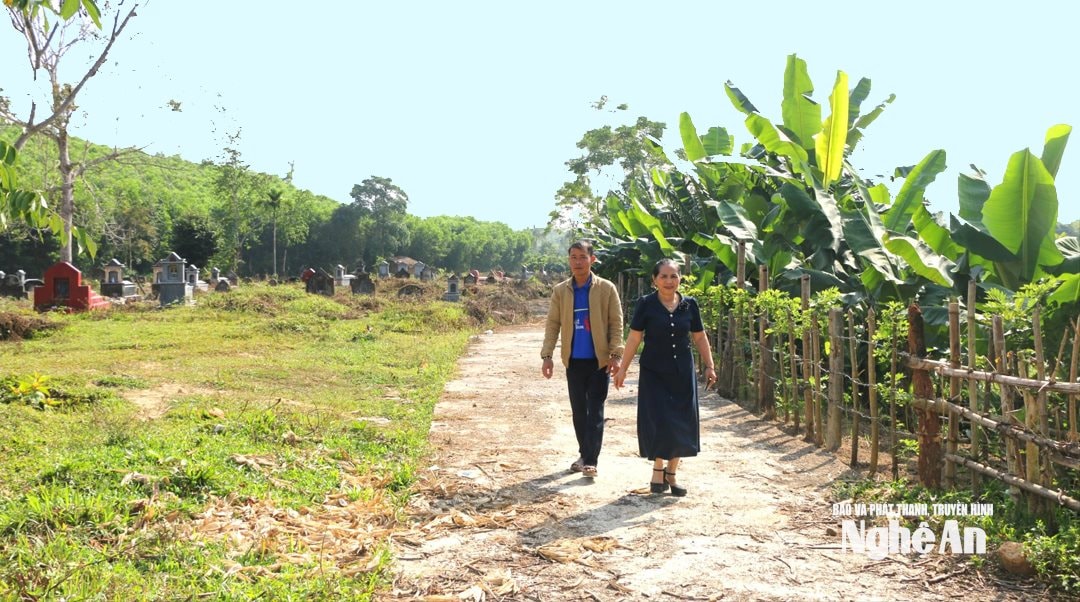
Party branch secretary and village head Lang Thi Hai Van shared: “Initially, there were some concerns, but when the people understood that the purpose of land reclamation was to serve the common good of the village, and saw the Party members setting an example, they quickly agreed. More importantly, after the reclamation, the Party branch did not leave the land fallow but organized leveling and specific planning: expanding the cemetery, building football and volleyball fields, and constructing sports facilities; the remaining land was publicly allocated to various organizations for production and fundraising through a lottery.”
As a result, the village has spacious community living areas; children have places to practice sports; the cemetery is well-planned and clean; and community organizations have funding for their activities, reducing the burden of contributions for the people. These "visible" benefits are the most convincing answer for the people.
.png)
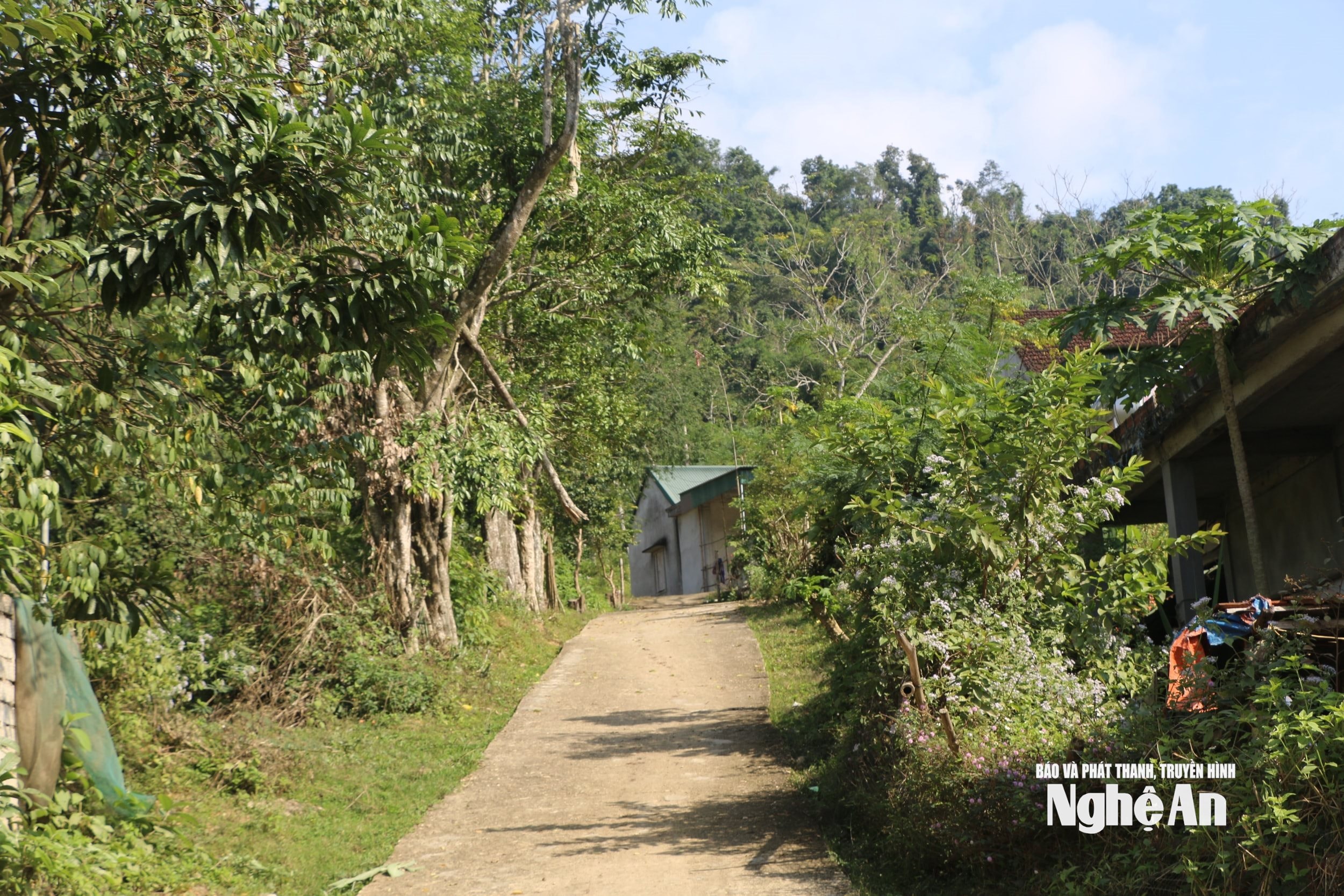
The spirit of "Party members leading the way" is not only evident in the story of reclaiming 5% of the land, but also throughout the process of infrastructure development in Ke Sung, especially the construction of rural roads. From 2021 to the present, the village has repeatedly organized the pouring of concrete, expansion, and upgrading of internal village and field roads.
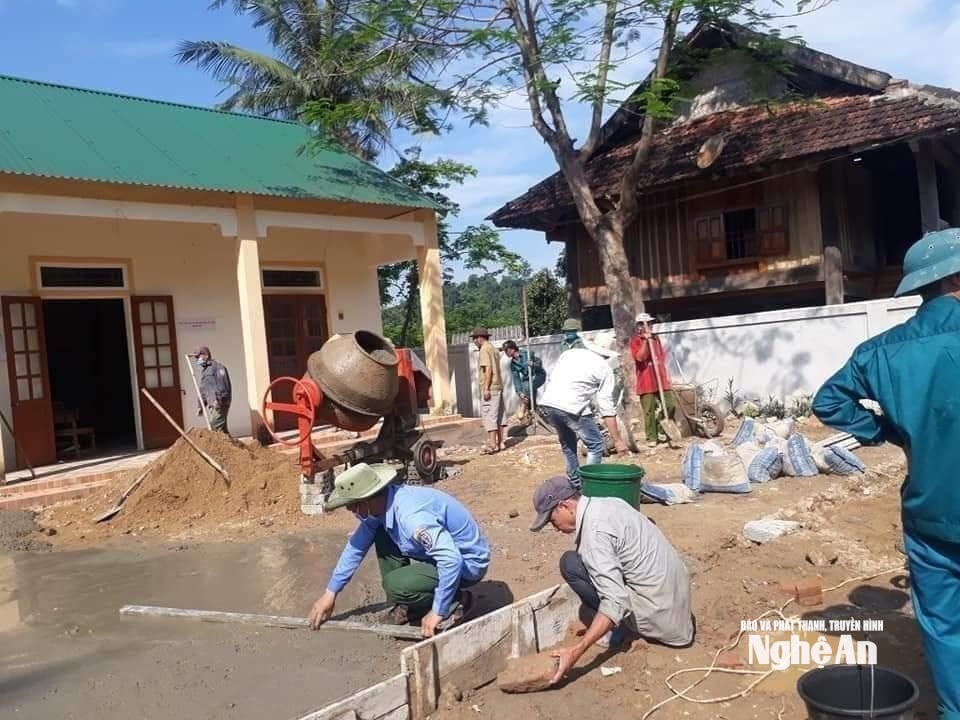
The current roads basically meet the standard width of 3.5 to 5 meters, satisfying the needs of people for travel, agricultural product transportation, and daily life. The approach remains a joint effort between the State and the people, but it is applied flexibly to suit the conditions of the mountainous region. Cement is provided by the State; people contribute a minimum of 500,000 to 1 million VND per household; the rest is labor, transportation of sand and gravel, and contribution of local materials.
All income and expenditure are publicly disclosed and transparent, subject to the supervision of the People's Inspection Committee and the Community Investment Monitoring Committee. Throughout this process, the exemplary role of cadres and Party members continues to be clearly demonstrated. Party branch secretaries, village heads, and heads of mass organizations all directly participate in community work, mobilizing support and resolving emerging issues.
Youth Union Secretary Lang Van Vinh and his team of members undertook the most difficult and challenging tasks, from leveling the ground and transporting materials to planting flowers and beautifying the landscape. The "bright - green - clean - beautiful and safe" movement thus became more than just a slogan; it became a regular activity for every organization and every household. In 2025, Ke Sung registered to concrete 12 internal village roads, cemetery roads, field roads, and economic and social roads leading into the valleys, totaling 2,240 meters in length.
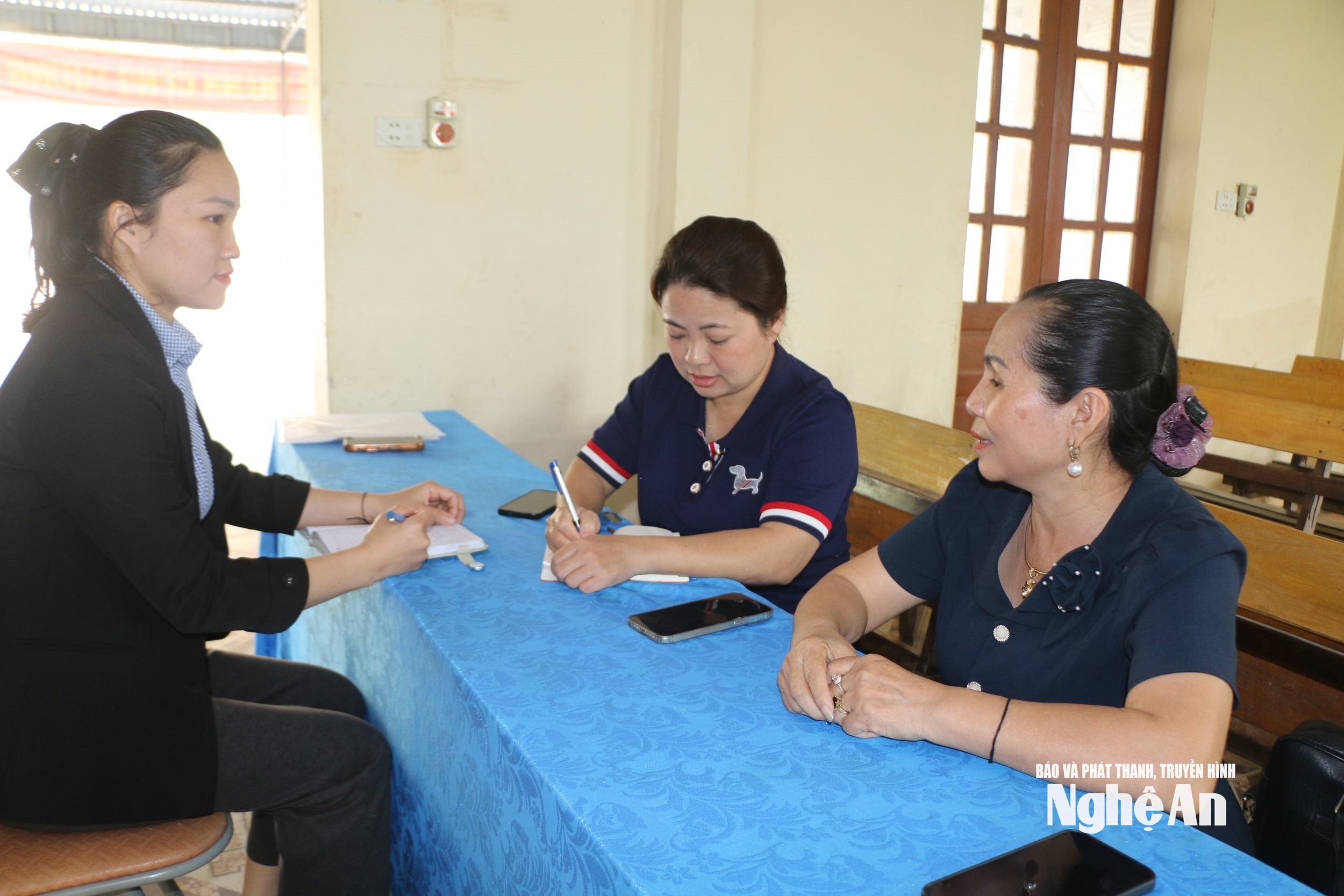
Not only do the Party members in Ke Sung village set an example in various movements, infrastructure development, and mobilizing people to donate land, but they also create a ripple effect through their own lives and economic practices. As a result, their appeals go beyond mere policies and resolutions, becoming practical, relatable, and persuasive stories. Lang Thi Hai Van, the Party Branch Secretary and Village Head, is one such exemplary Party member.
Having served six consecutive terms as Party Branch Secretary, Ms. Vân has been dedicated to grassroots Party work with perseverance, responsibility, and the prestige she has built over time. The village Party branch currently has 40 members (with 3 new members admitted in 2025), a united and well-organized group where the leadership role of the head is always clearly demonstrated.
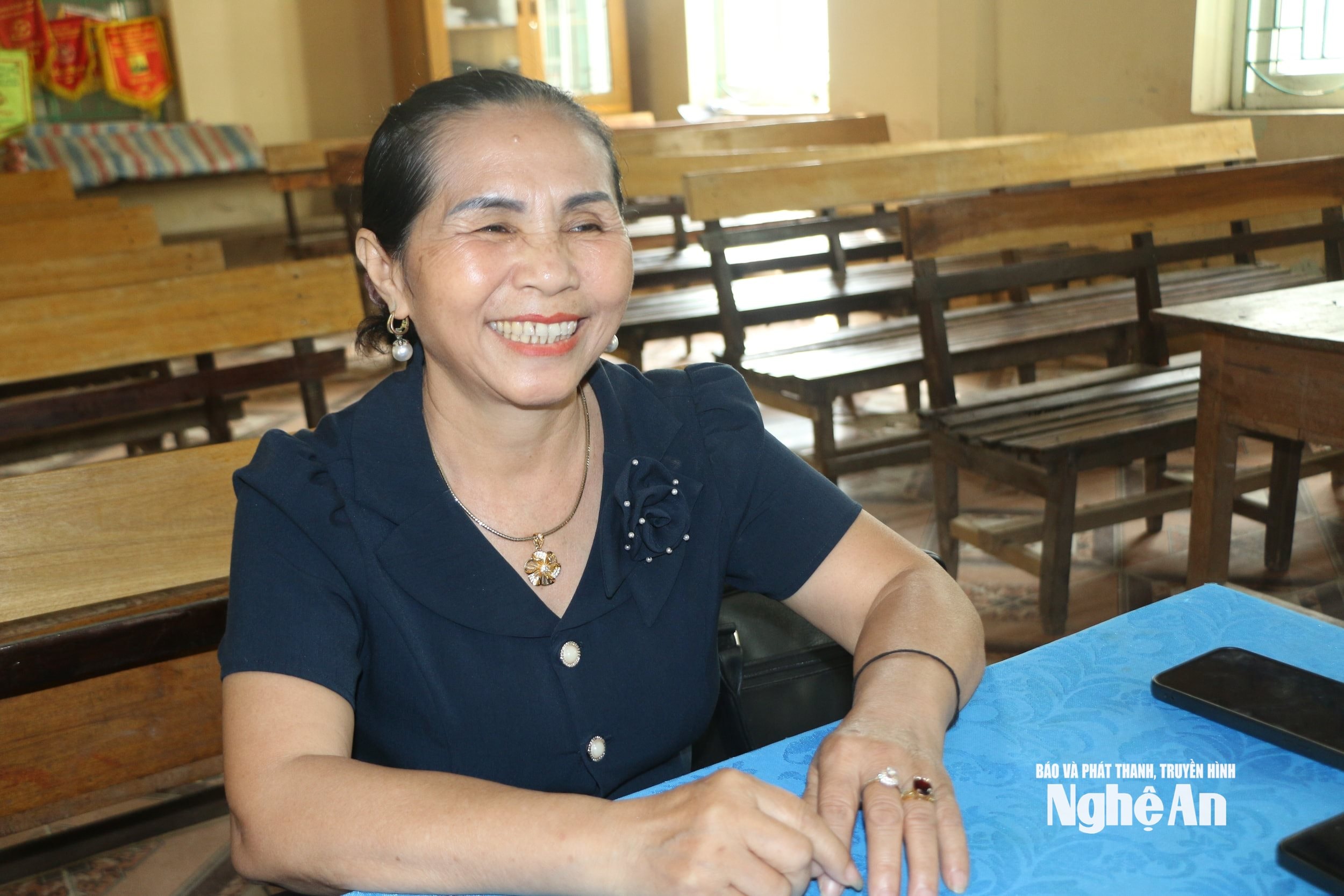
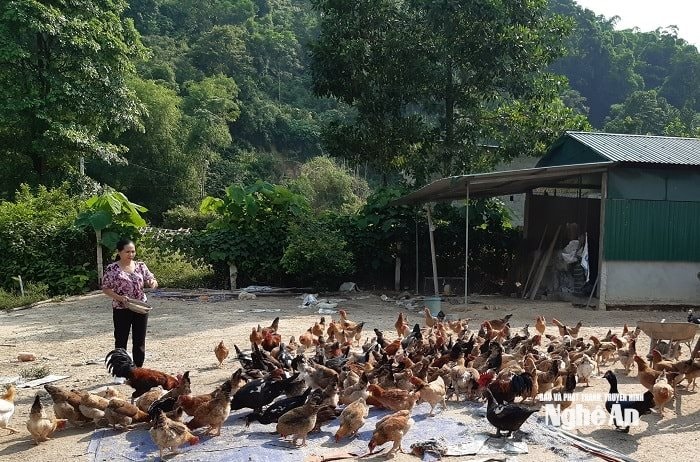
Not only does she "speak her mind to the people," but Lang Thi Hai Van's family is also a shining example in economic development. Besides traditional agricultural production, her family invests in commercial pig and chicken farming, maintaining stable operations for many years; they also cultivate 6 hectares of acacia trees on the hillsides around the village, creating a sustainable source of income. Some of her children work abroad, contributing to increased income and improved living standards.
It is this proactive and daring spirit that has built genuine credibility, so that whenever the Party branch mobilizes for common causes, from reclaiming 5% of land and building roads to contributing to the construction of cultural institutions, the people trust and follow suit.
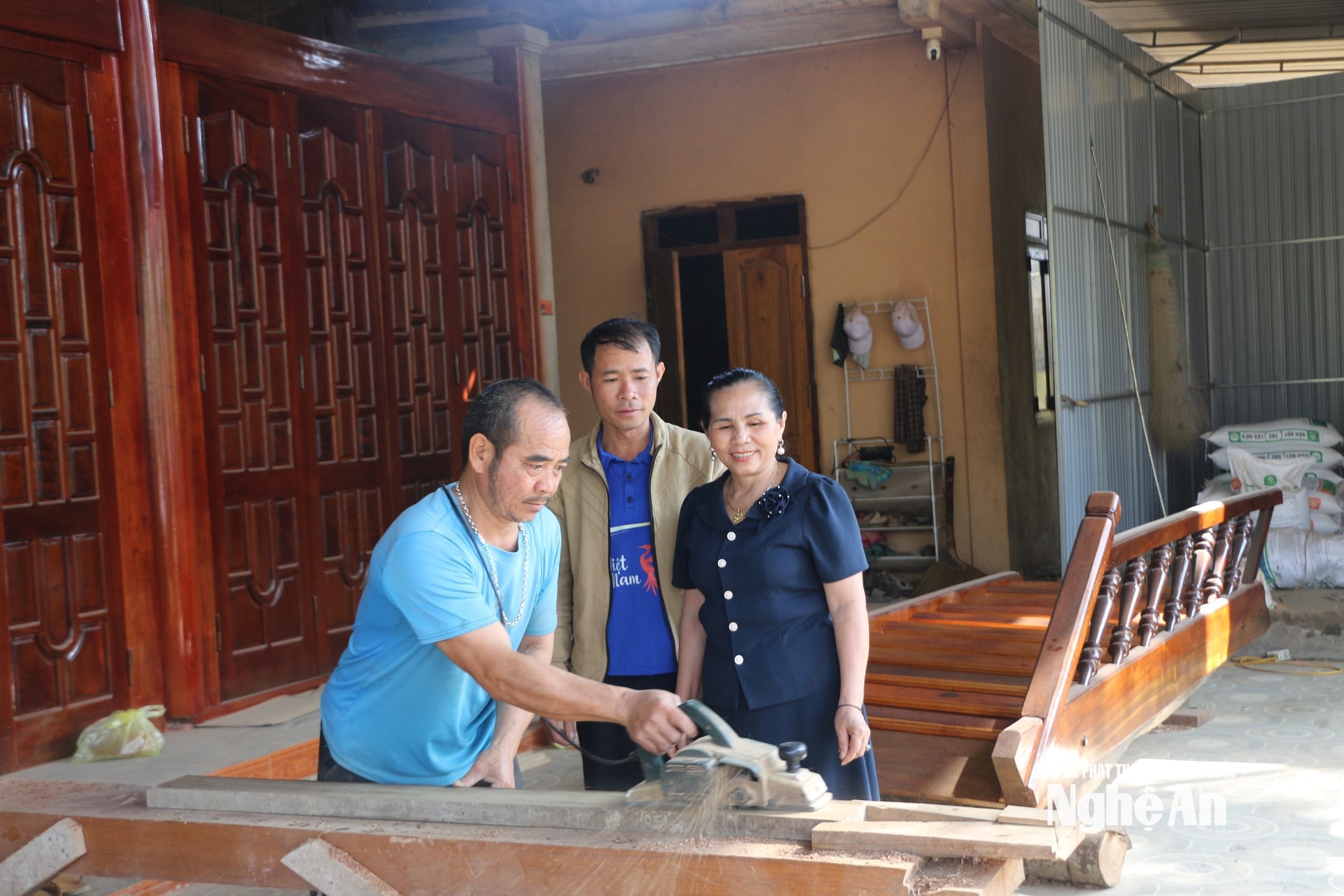
This spirit of exemplary conduct is also continued among young Party members and Youth Union members. Lang Van Vinh, Secretary of the Youth Union, in addition to agricultural production and acacia cultivation, boldly established a construction team to undertake civil construction projects in the area. The team he organized currently provides regular employment for about 10 workers, with an income of 400,000 - 500,000 VND per day. From this initial model, the entire Ke Sung village has now formed 8 construction teams, each with 10 to 12 people, contributing to job creation and opening up additional livelihood opportunities for young workers.
In addition, the entire village currently has about 200 people working away from home, including 28 who are working abroad. Income from labor outside the locality and abroad not only helps many households stabilize their lives, but also creates conditions for people to actively participate in village movements, from contributing to road construction and building cultural facilities to maintaining the landscape and security and order.
Through these concrete actions, the role of "leading party members" in Ke Sung is not only demonstrated in meetings or movements, but is deeply ingrained in every household, every economic model, and every step of transformation in the village. This is also the foundation for the in-depth work of mass mobilization in Ke Sung, creating lasting consensus among the people.
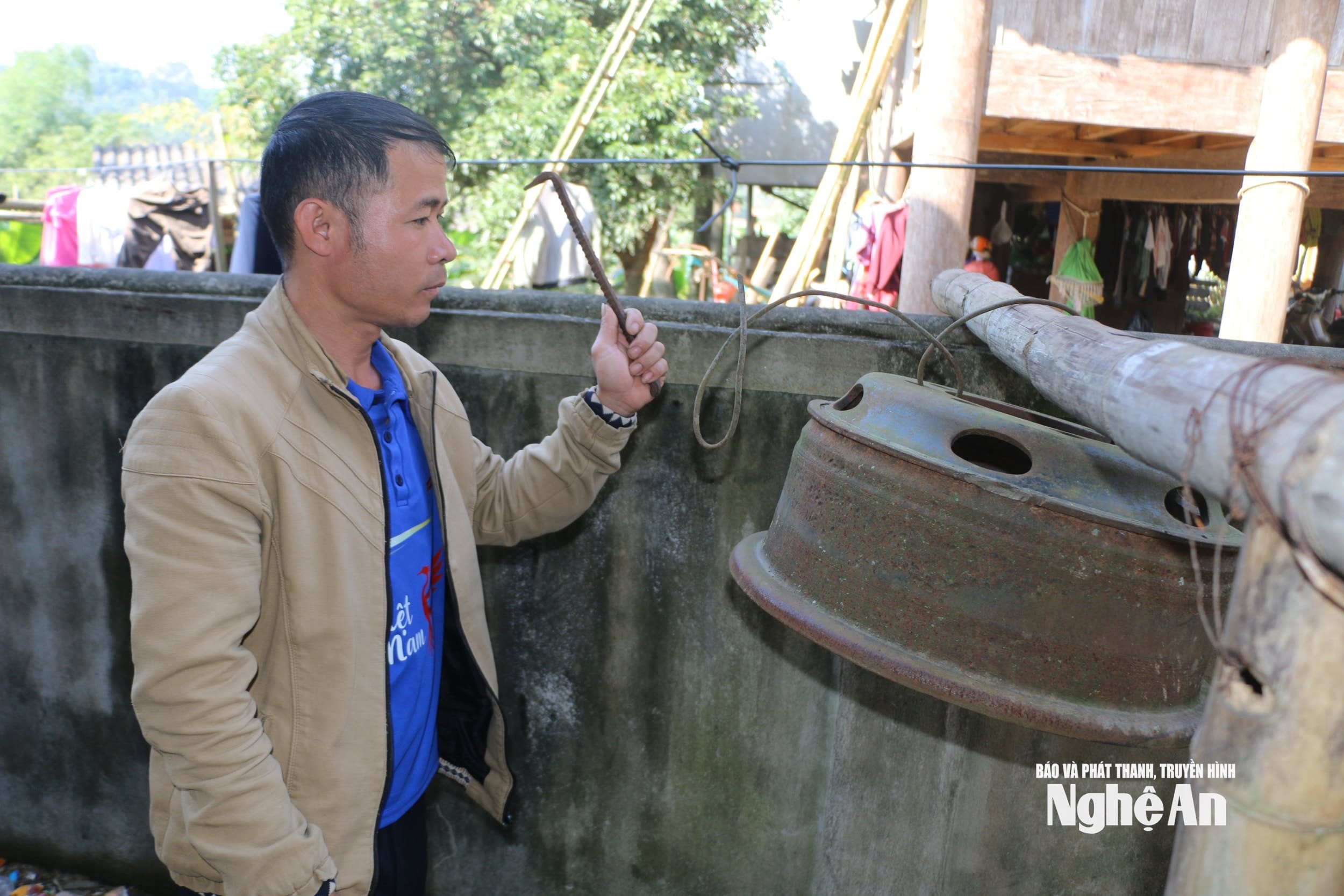
From practical experience, the Kẻ Sùng Party branch has drawn many valuable lessons in mass mobilization work. First, it emphasizes the strict implementation of grassroots democracy regulations: all policies are made public so that the people know, discuss, participate, and monitor them. Second, it emphasizes the role of Party organizations and mass organizations in propaganda and mobilization, not delegating the responsibility entirely to any single individual or department. And most importantly, it highlights the exemplary role of cadres and Party members – those who practice what they preach and are willing to sacrifice personal interests for the common good.
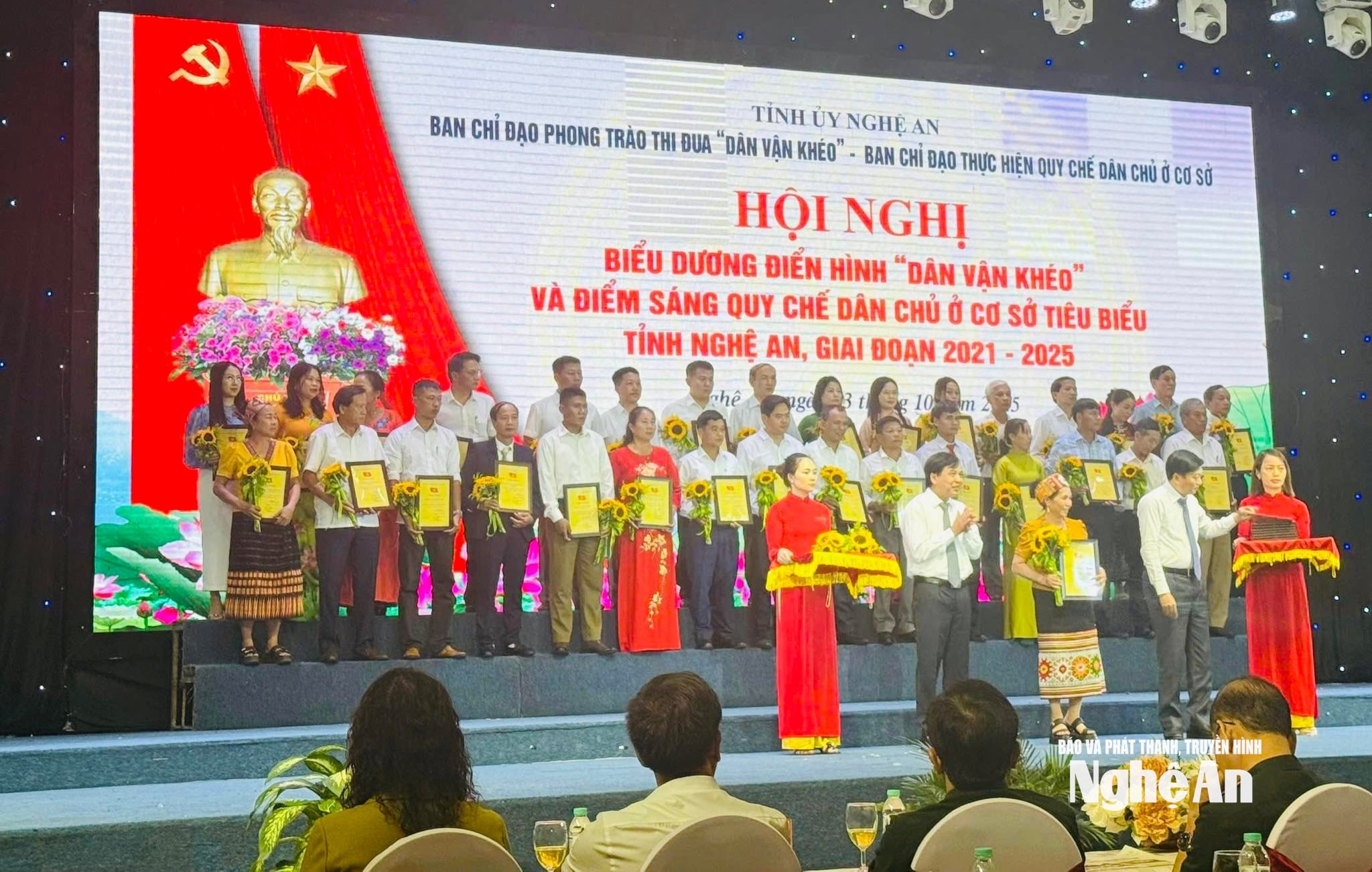
The achievements have contributed to Ke Sung maintaining its status as a model new rural village, with the Party branch consistently excelling in its tasks for many years, receiving recognition and commendation from all levels. In 2025, Ke Sung village was commended by the provincial steering committee as a model of "effective mass mobilization" and a shining example of grassroots democracy regulations for the period 2021-2025. But for the officials and people here, the greatest reward is the consensus, trust, and spirit of solidarity cultivated through each concrete action.
Spring is arriving in Ke Sung village. Amidst the roadside flowers and the long stretches of concrete roads, the story of skillful community mobilization and grassroots democracy is no longer an abstract concept.
These are the principles of "the people know, the people discuss, the people do, the people inspect, and the people benefit" that have been realized; the spirit of "party members lead the way," and the projects built from the sweat, effort, and unity of the entire community.
The work being done at the Ke Sung Party branch is affirming an enduring truth: skillful mass mobilization leads to success in everything!


