
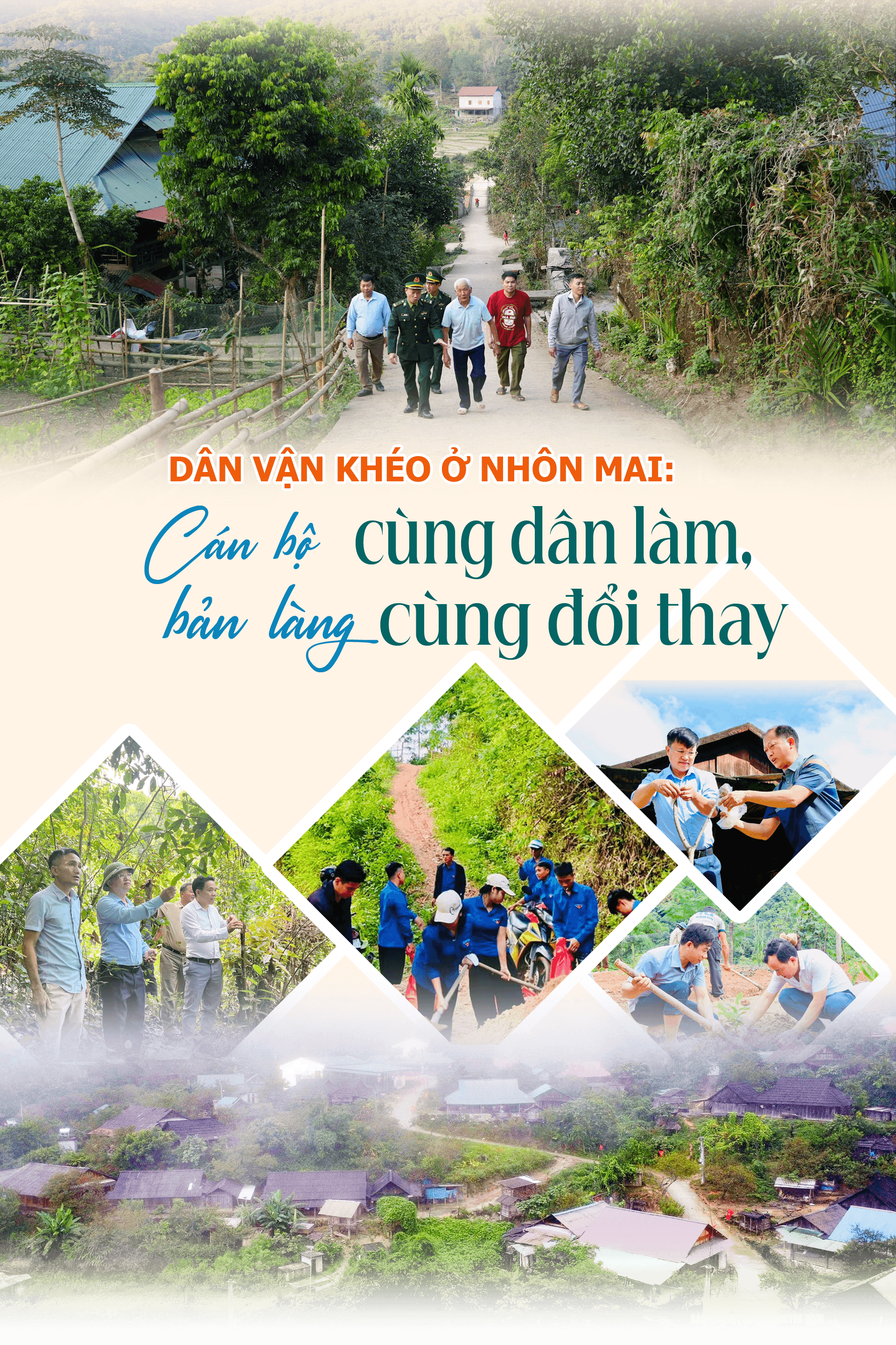
Effective mass mobilization in Nhon Mai:Officials work together with the people, and the villages change together.
In the border commune of Nhon Mai, effective people mobilization doesn't begin with general appeals, but rather with officials reaching out to each individual, each village, and working with the people to overcome difficulties through specific models and methods. When people are consulted, participate, and see the benefits clearly, the policies of the Party committee and government become integrated into daily life and become voluntary actions, creating a strong sense of unity and a solid foundation of people's support in the border region.
Khanh LyButPresent: Hong Toai •6/9/2026
*****
In the border commune of Nhon Mai, effective people mobilization doesn't begin with general appeals, but rather with officials reaching out to each individual, each village, and working with the people to overcome difficulties through specific models and methods. When people are consulted, participate, and see the benefits clearly, the policies of the Party committee and government become integrated into daily life and become voluntary actions, creating a strong sense of unity and a solid foundation of people's support in the border region.

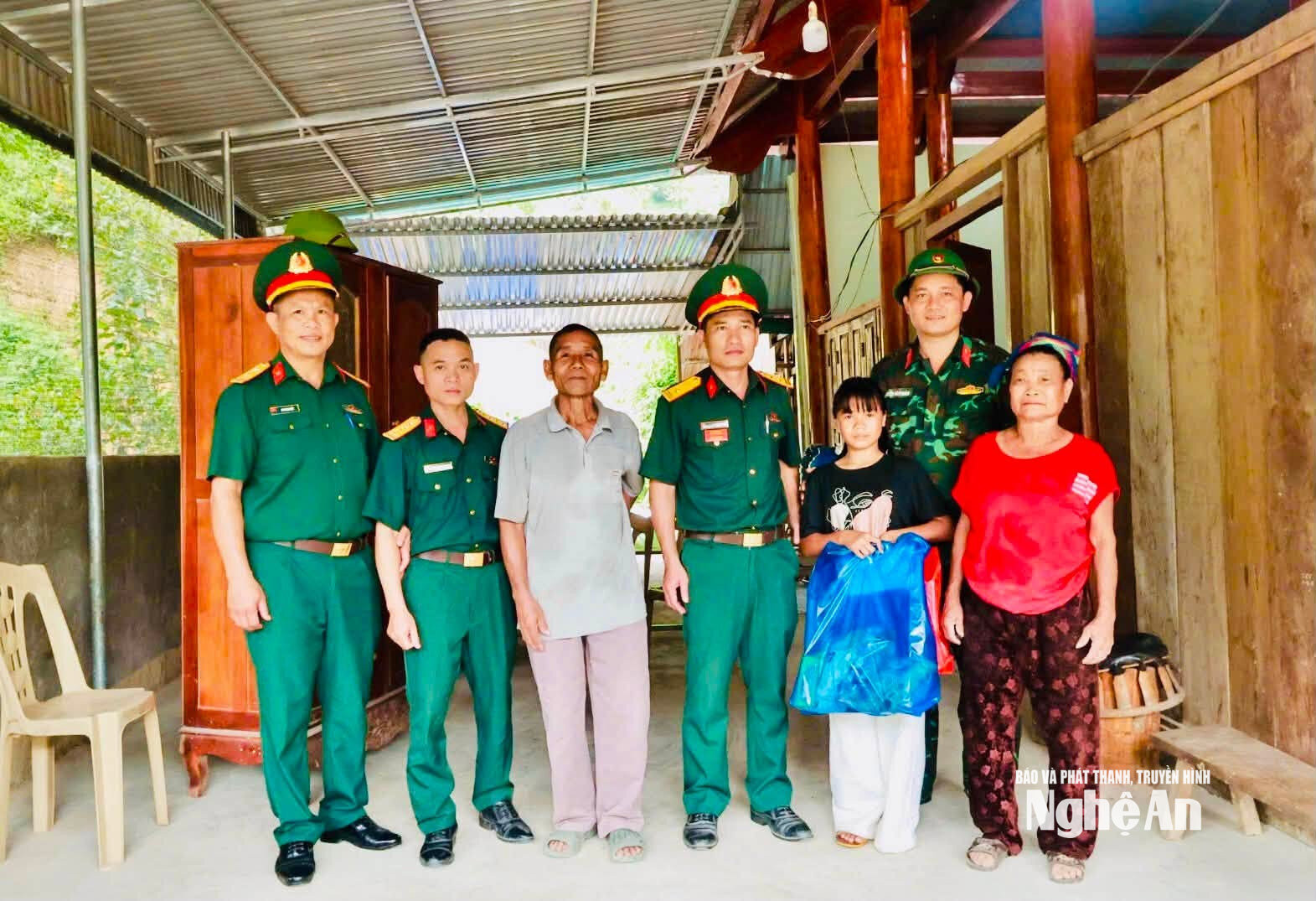
In her new home in Tan Mai village, Xong Thu Tranh, born in 2011 (of the Mong ethnic group), is still deeply moved by the care and attention shown to her family by the Party committee, government, and the Fatherland Front.
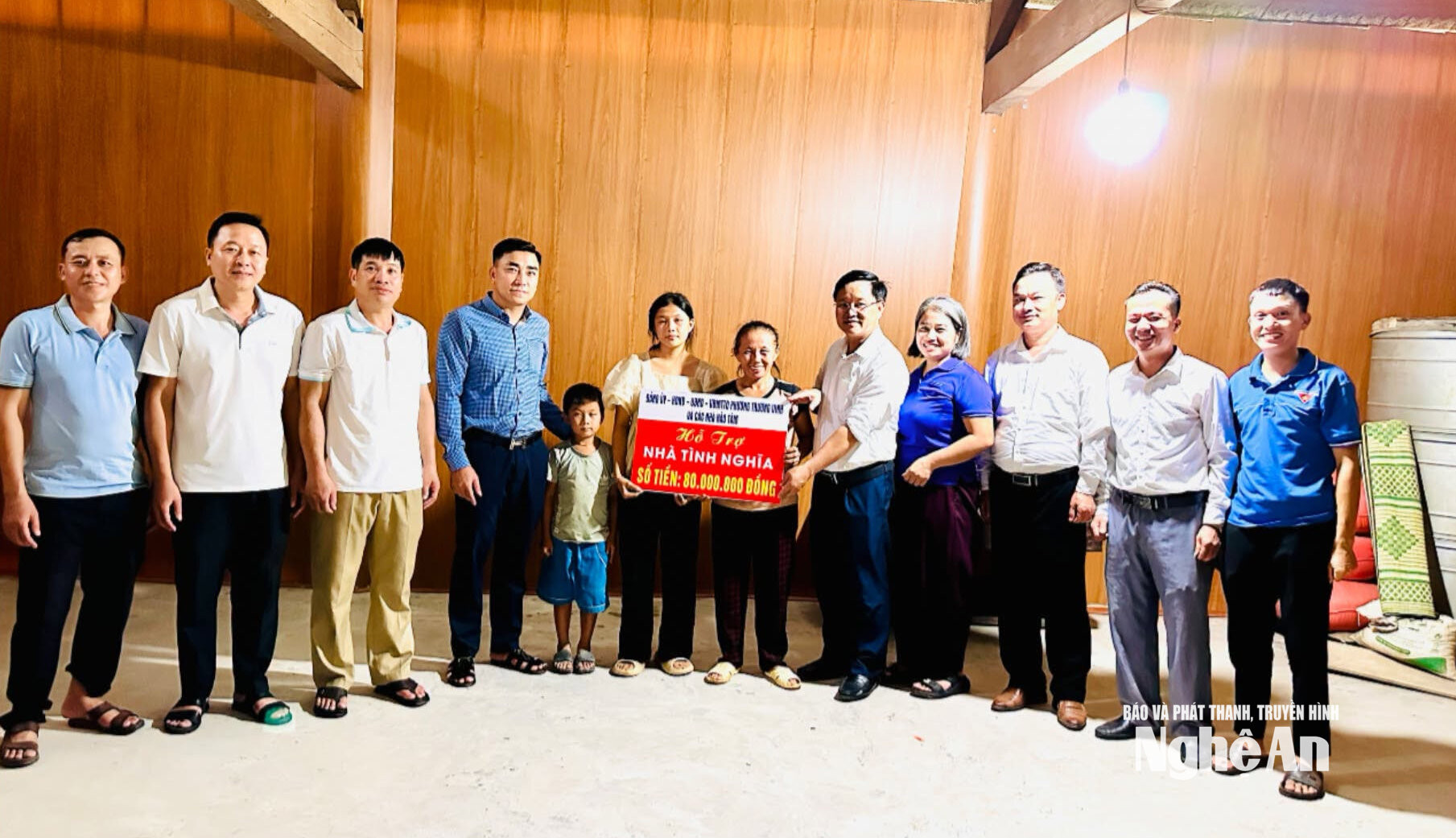
Tranh's father passed away when she was young, leaving her mother, Va Y Song, to single-handedly raise four children on the farm amidst constant hardship. With so many siblings, life, already difficult, became even more challenging.
From a young age, Tranh understood her family's circumstances and helped her mother with tasks that were within her capabilities.
However, this also made her path to school very difficult. Knowing the circumstances of this poor student, the Party Committee of Nhon Mai commune sponsored her with a monthly allowance of 500,000 VND from contributions by officials and civil servants. In addition, during holidays, Tet (Lunar New Year), and at the beginning of each school year, she receives gifts, books, clothes, and daily necessities from her sponsoring parents.
These seemingly simple words of encouragement and support have become the foundation for Tranh to continue pursuing her dream of studying.
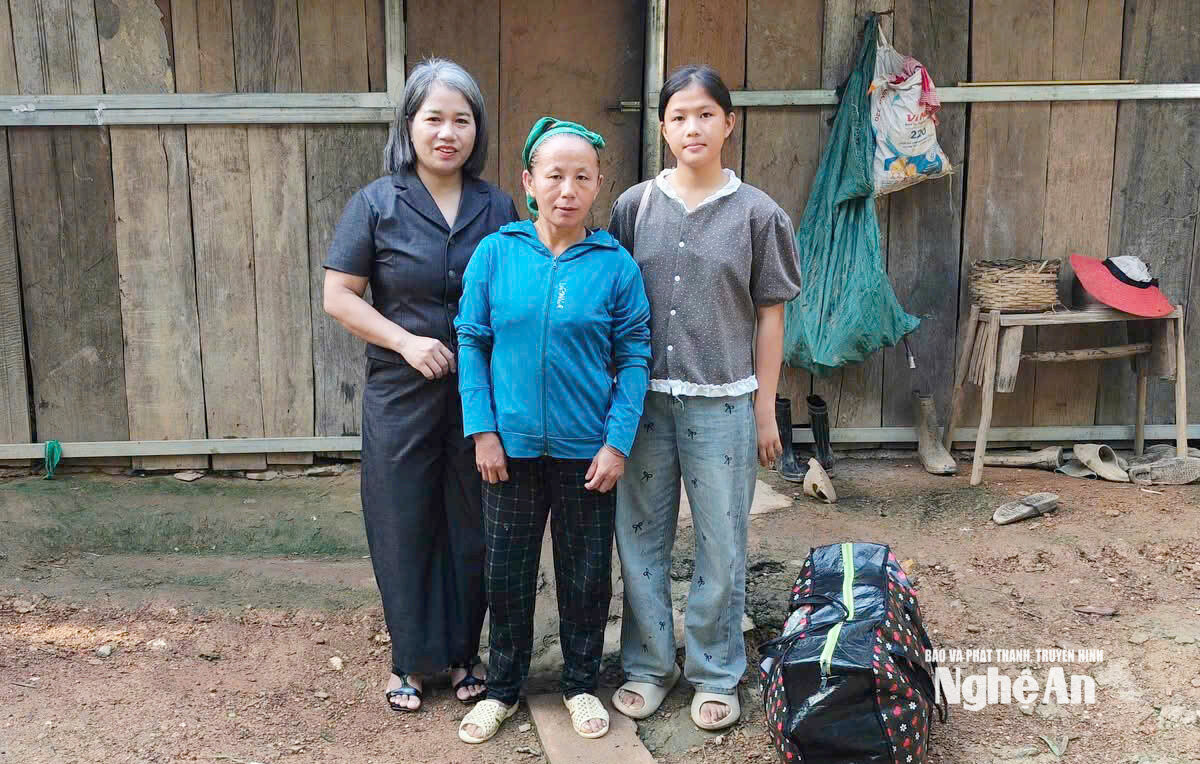
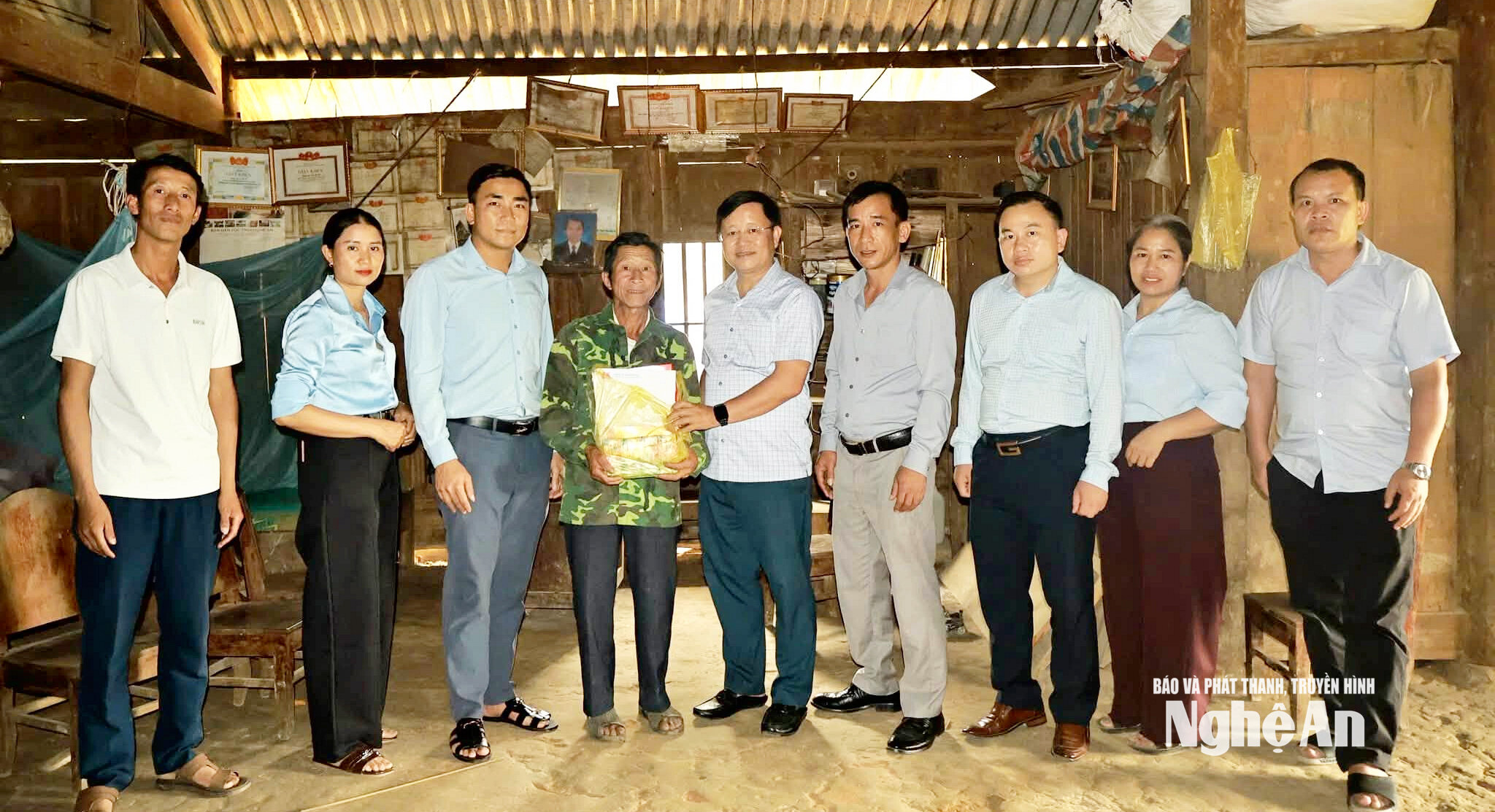
In August 2026, Tranh's family, along with another poor student's family in the area, received support for house construction, with an amount of 80 million VND per household. Of this, Truong Vinh ward contributed 50 million VND, with the remainder mobilized from philanthropists and support from the commune.
.jpg)
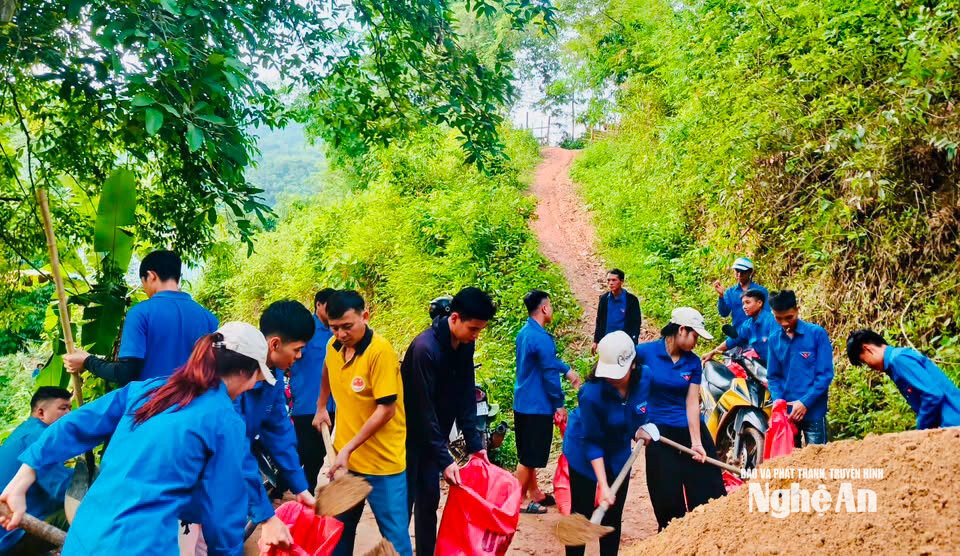
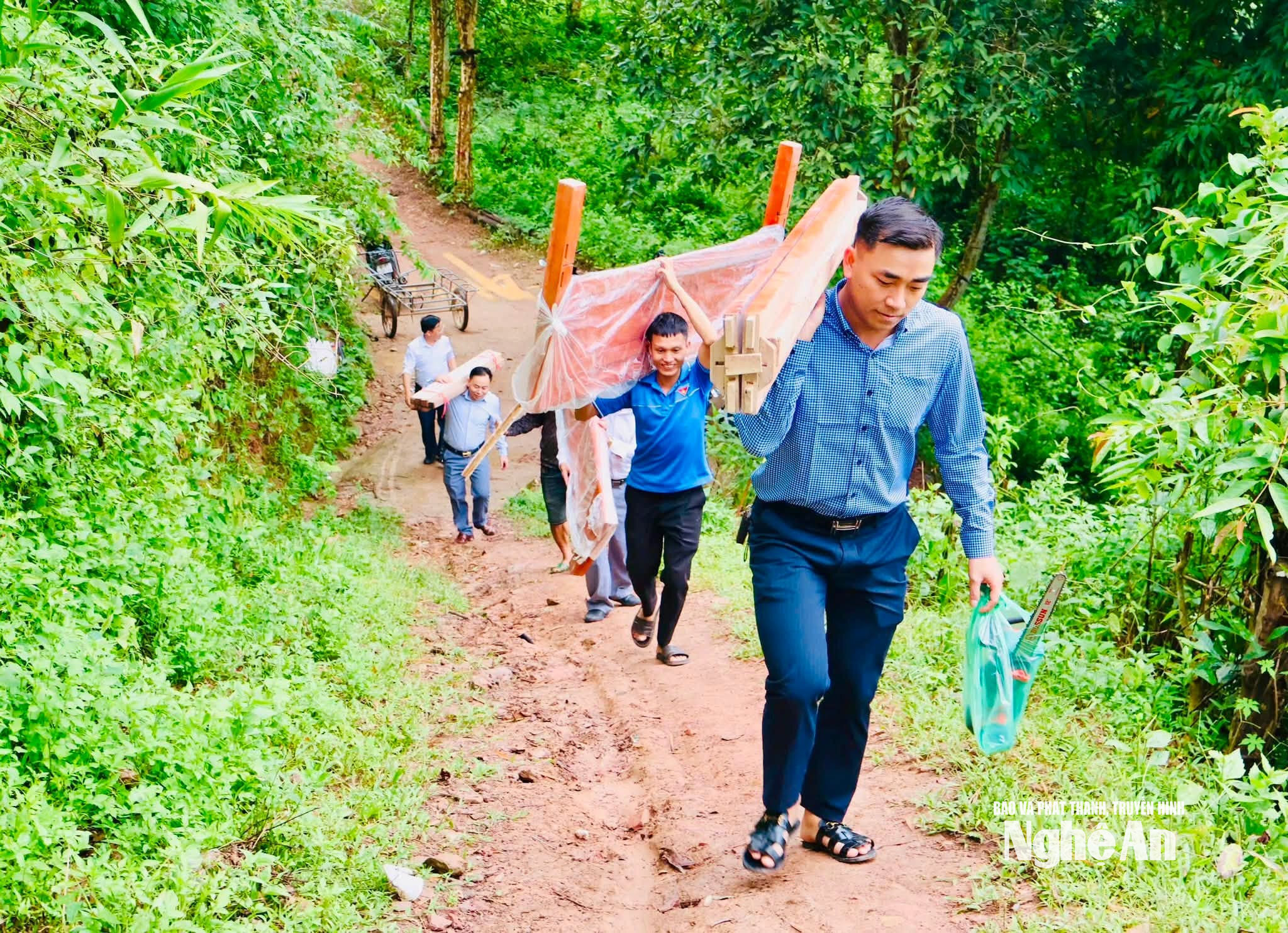
Not stopping at just a house, Nhon Mai commune also allocated funds to build a road to the house and purchase essential items for the family. At the handover ceremony, the delegation also presented Tranh with a bed – a gift that may seem ordinary to many, but is especially meaningful to the student who had never had a sturdy bed to use.
The new roof not only provides shelter from the rain and sun. For Tranh, it's also a message that she won't be left behind.
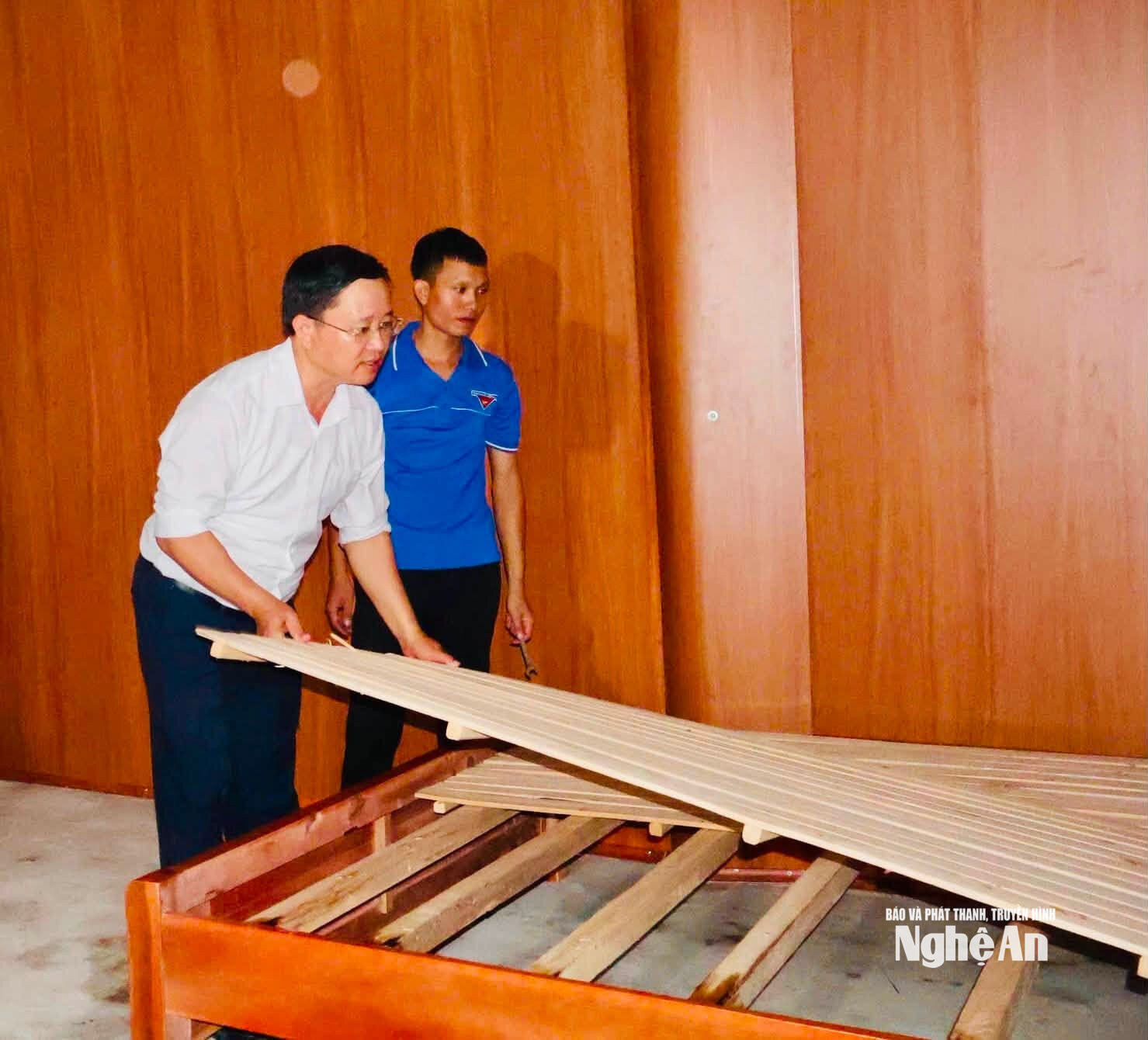
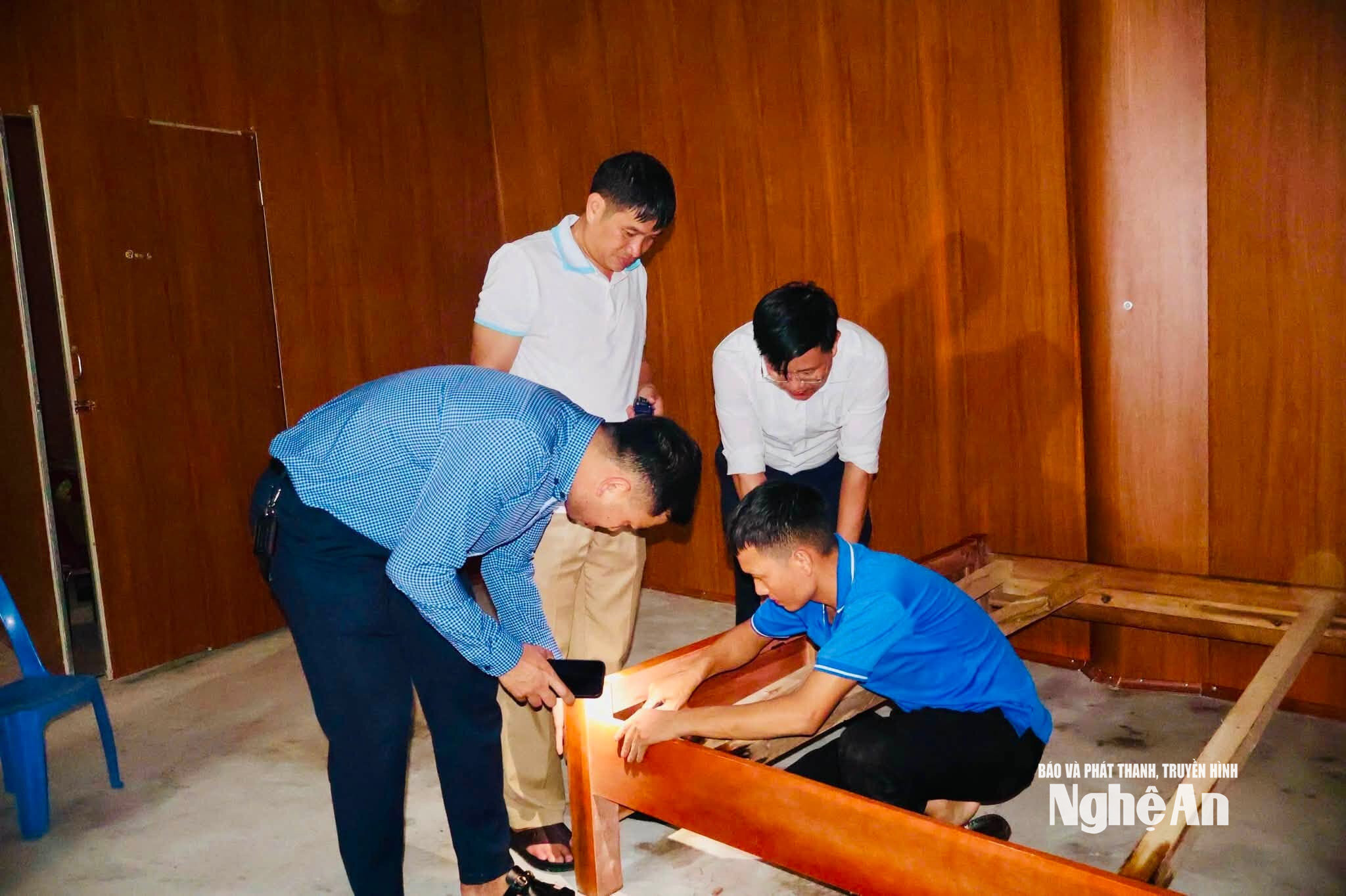
After completing junior high school, Tranh considered dropping out and finding work in companies to earn extra income to help her mother support her younger siblings; but encouraged by the Party committee members of the commune, Tranh decided to continue her studies at Nguyen Tat Thanh Vocational School in Cua Lo ward, studying both general education and culinary arts.
She said she would try her best in her studies, nurture her dream of having a stable career so that she could help her mother in the future and not let down those who have extended a helping hand.
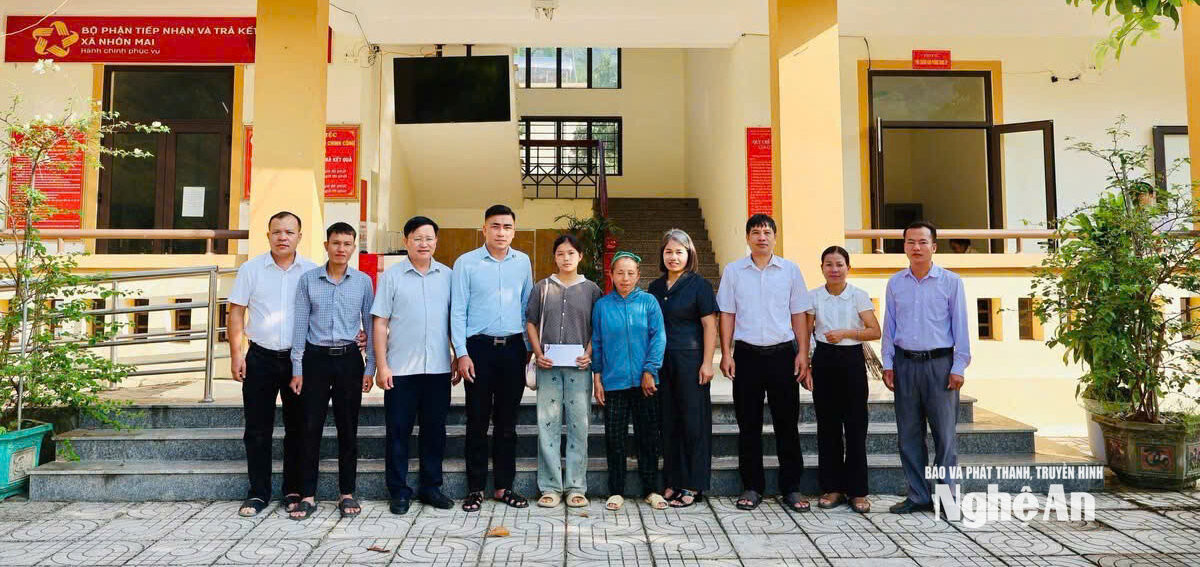
Tranh's story illustrates how community mobilization in Nhon Mai begins with close attention to a situation, understanding a need, and working together to find solutions. Officials not only provide support but also persistently encourage and closely monitor the people, especially the poor, to build confidence and self-reliance.
In Na Lot village, Luong Thi Minh Chi, a Khmu ethnic minority student in 8th grade at Nhon Mai Inter-level School, also has a similar support system. Orphaned by her father, and with her mother having remarried, Chi lives with her grandfather, Luong Van Loi, a poor household facing many difficulties. The Party cell of the Commune's Military Command has adopted and sponsored her, creating favorable conditions for her education.
In addition to providing immediate support, officials and Party members also consider the long-term livelihoods of their families. The "Children's Vegetable Garden" model is implemented through concrete actions: providing labor for building fences, renovating gardens, and supplying fruit tree seedlings such as jackfruit, mango, and guava, along with suitable vegetables.
Officials directly assisted Mr. Luong Van Loi's family in planting the chicks and guiding them on how to care for the plants. In addition, the Nhon Mai Commune Party Committee also supported Mr. Loi's family with 35 chicks and initial feed to develop their poultry farming.
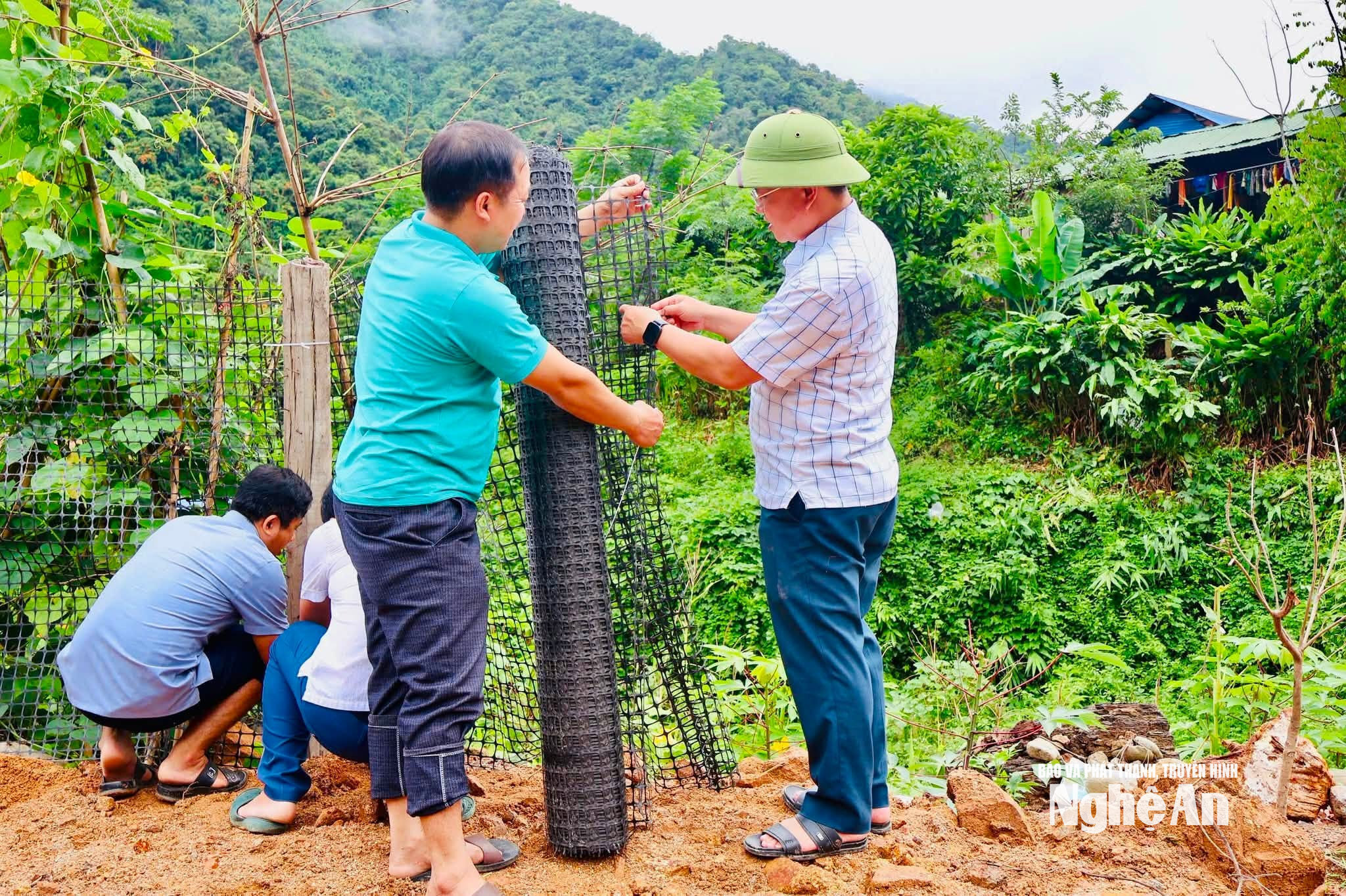
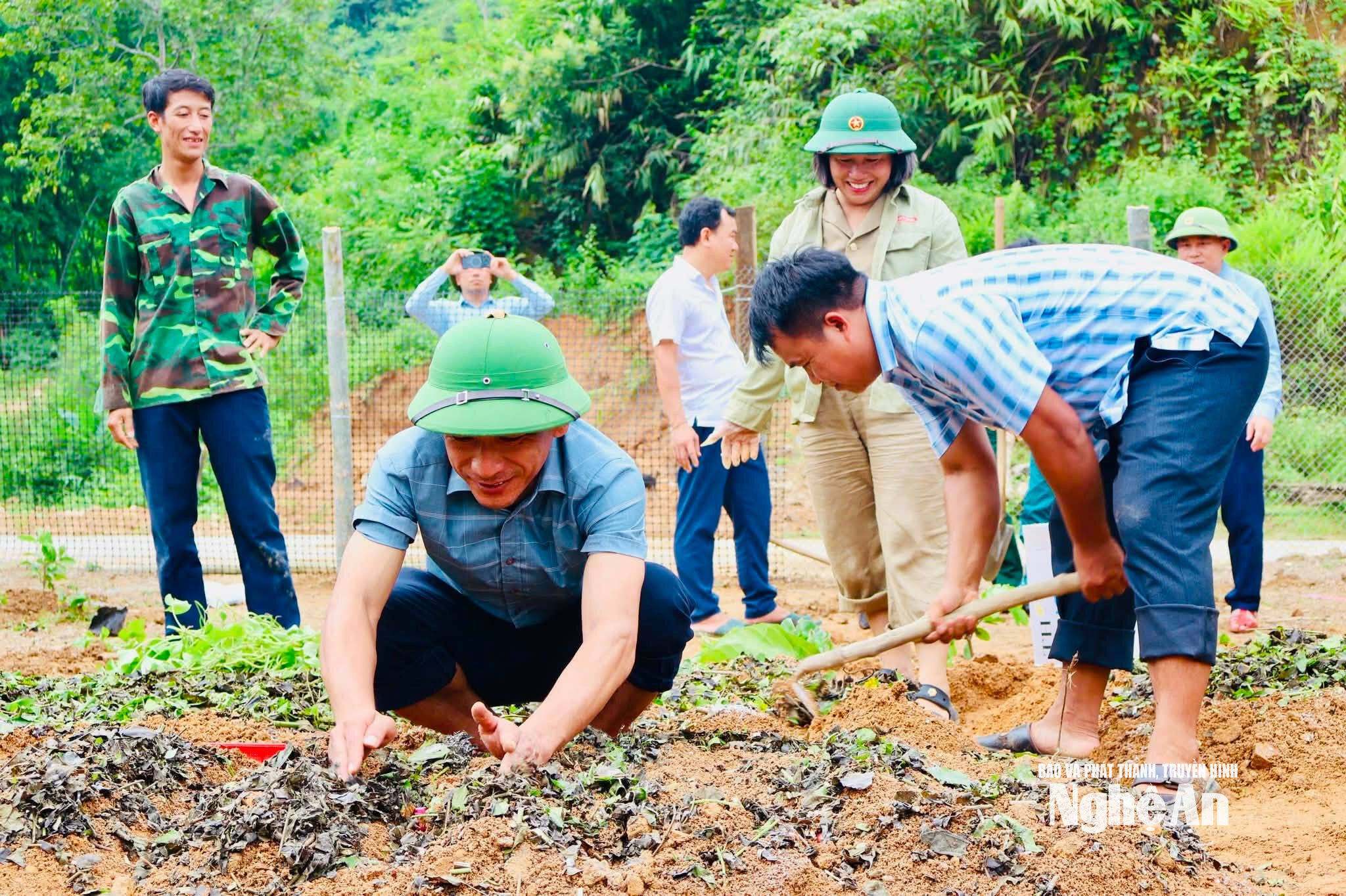
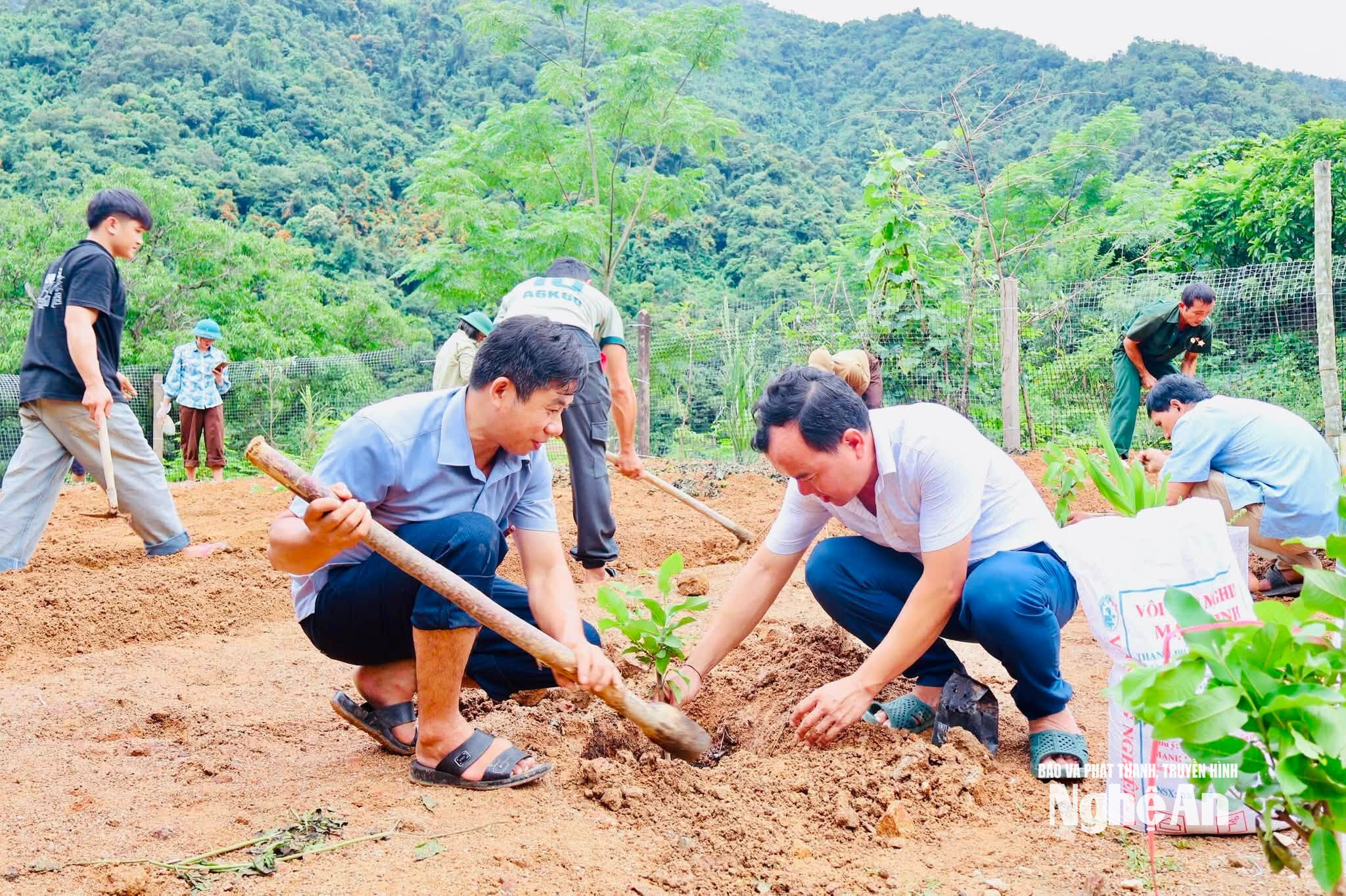
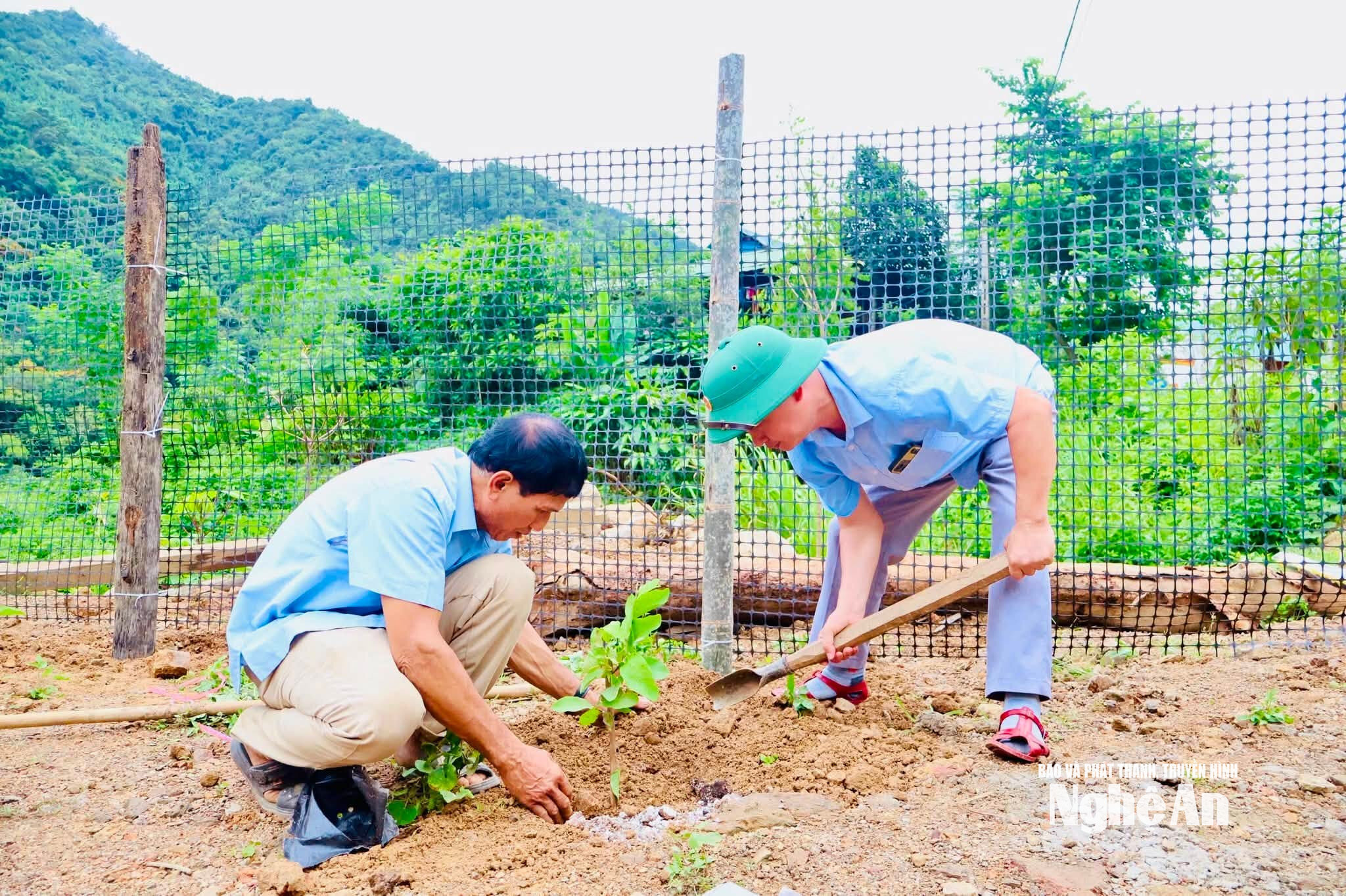
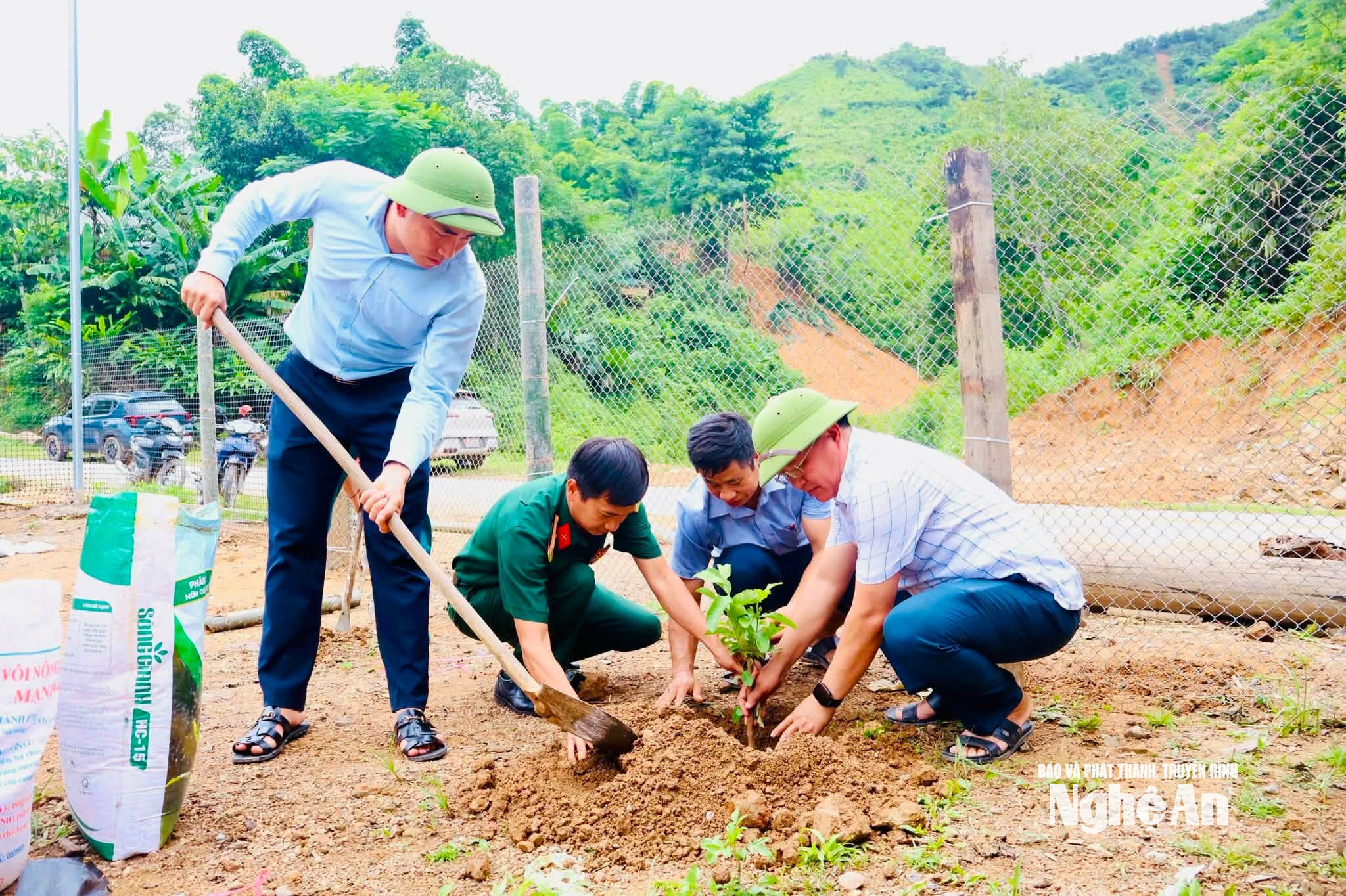
A renovated garden, lush green vegetable beds, and fruit trees taking root. Behind these seemingly small actions lies a close-knit approach to community outreach: helping people find additional livelihoods while simultaneously giving underprivileged children the confidence to move forward.
.png)
To date, in Nhon Mai commune, 27 children from disadvantaged backgrounds have been sponsored by various agencies, organizations, and individuals. They receive regular financial support for living expenses and education, as well as emotional support and opportunities for development until they reach the age of 18.
Nhon Mai is a border commune bordering Laos, with a border length of over 28 km, home to 1,504 households and 6,923 inhabitants belonging to the Thai, Mong, Kho Mu, and Kinh ethnic groups living in 11 villages; including 5 particularly disadvantaged border villages.
In that region, poverty reduction has never been a quick fix. Along with government support, the more important thing is to help people see the right path forward so they can improve their lives on their own.
That is also the approach chosen by the Party Committee and the government of Nhon Mai commune when implementing the "Skilled Mass Mobilization" emulation movement. Each village has different conditions, so the models chosen are also different, but all are based on actual needs and the participation of the people.
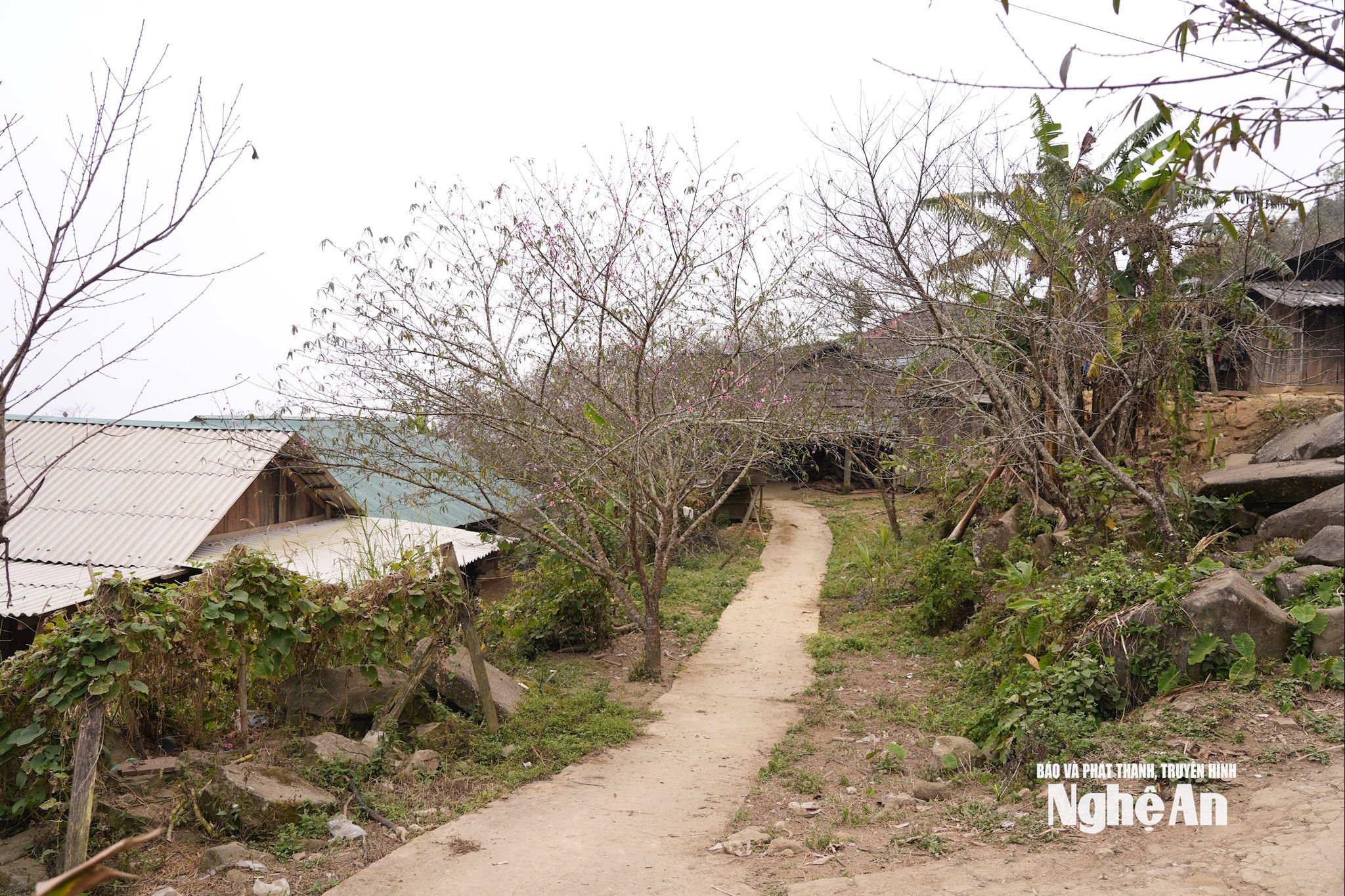
In Huoi Co village, amidst the green mountains and forests, ancient peach trees have long been a part of the Hmong people's memories. Some households have a few dozen trees, while others have hundreds.
The peach tree not only creates a unique landscape for the village but is also expected to become a direction for developing ecotourism and community tourism.
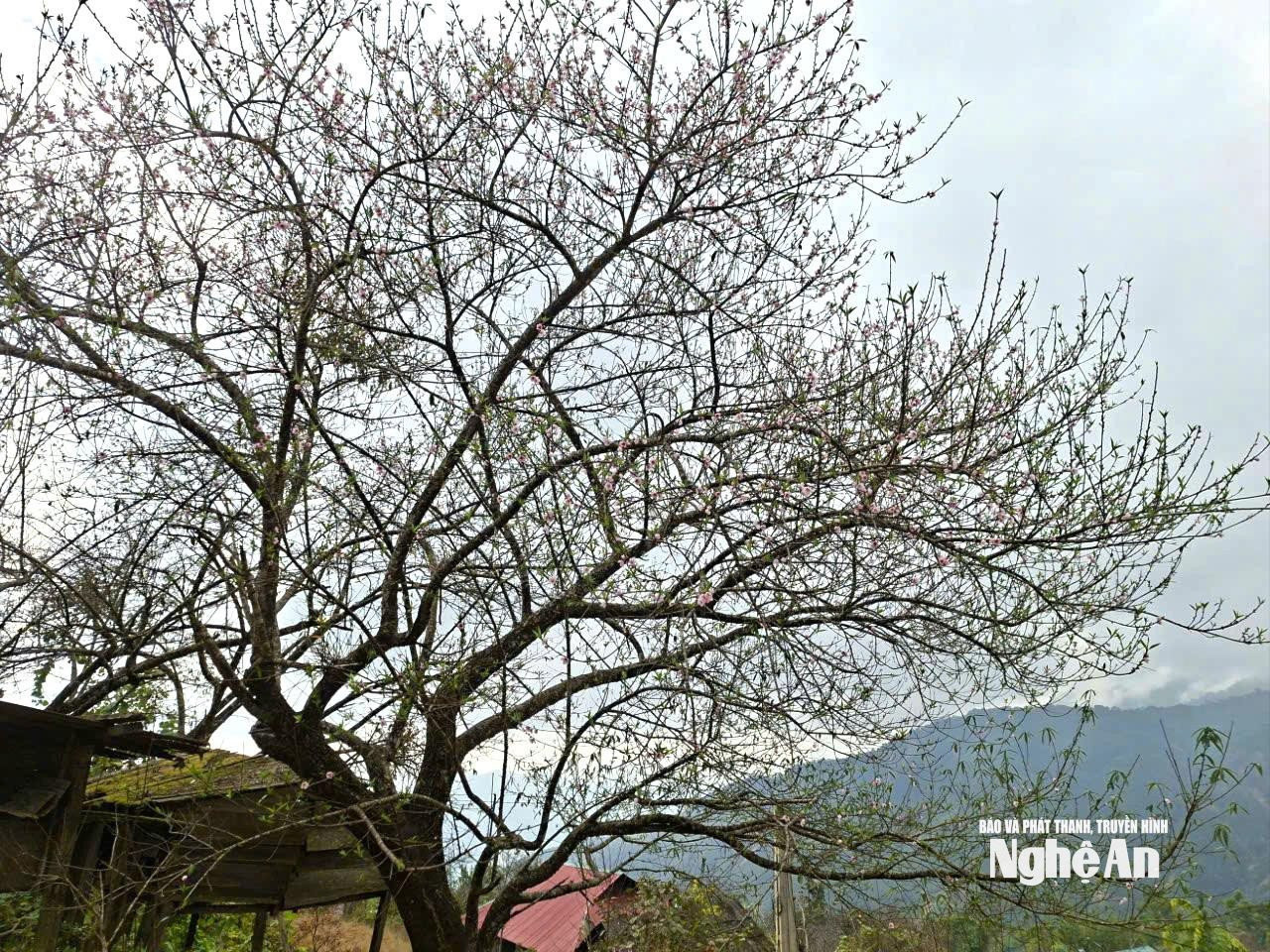
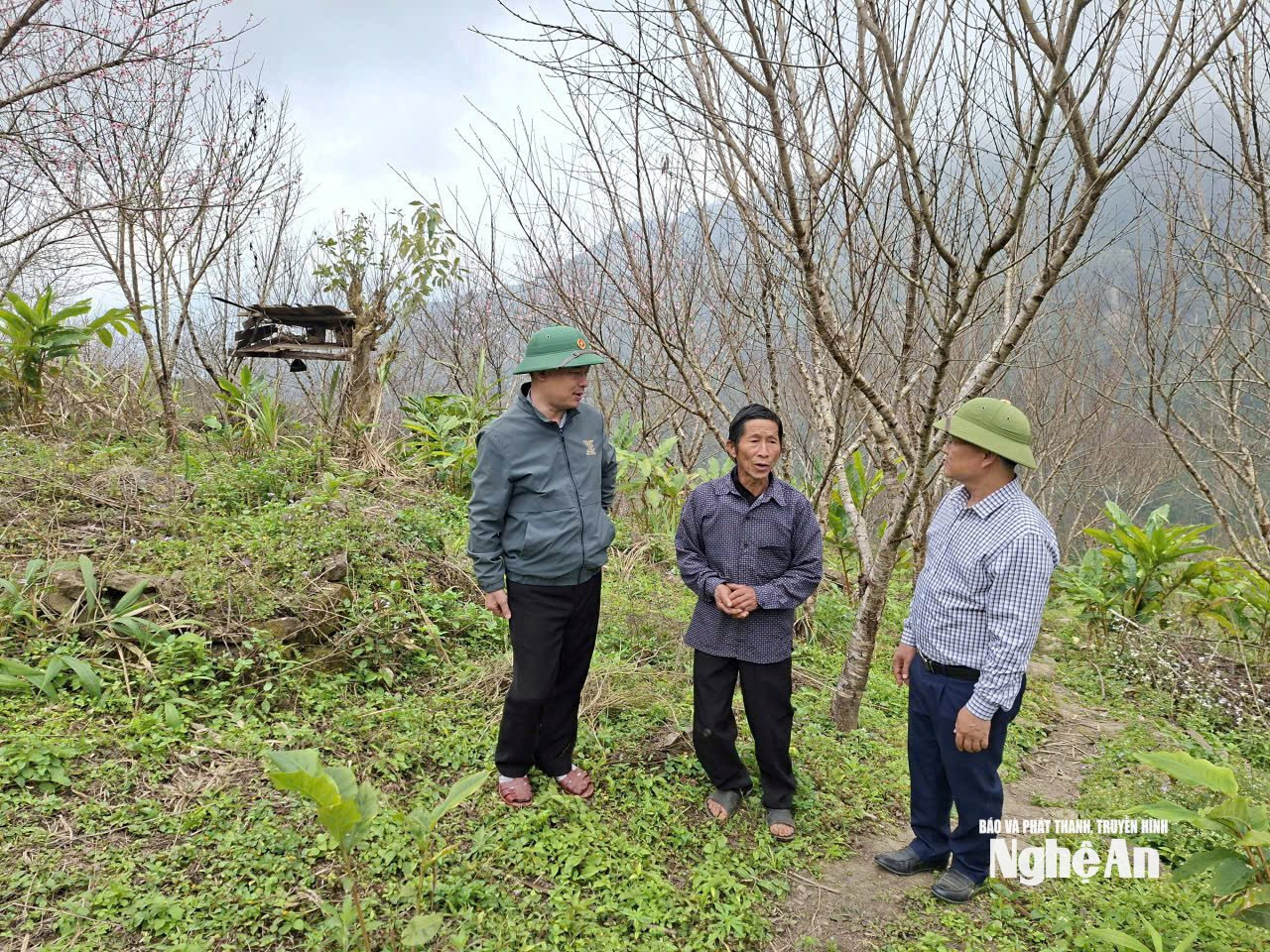
The Party Secretary of Huồi Cọ village, Bá Sua, recounted that the villagers have long had a custom of preserving peach blossoms. "Preserving peach blossoms to preserve the landscape, preserving the landscape to preserve the soul of the village," this is not just a slogan but has become a consensus within the community.
But the people of Huoi Co don't just stop at preserving the ancient peach trees. From these old trees, they graft branches, sow seeds, and transplant the saplings to their fields, planting them interspersed within production areas. This approach transforms a cultural and scenic value into a source of livelihood.
To date, the entire village has about 20 hectares of concentrated peach orchards. Some households own quite large areas, such as Va Khua Do with 2 hectares, Va Ba Dua with 5 hectares, Va Chu So with over 2.4 hectares...
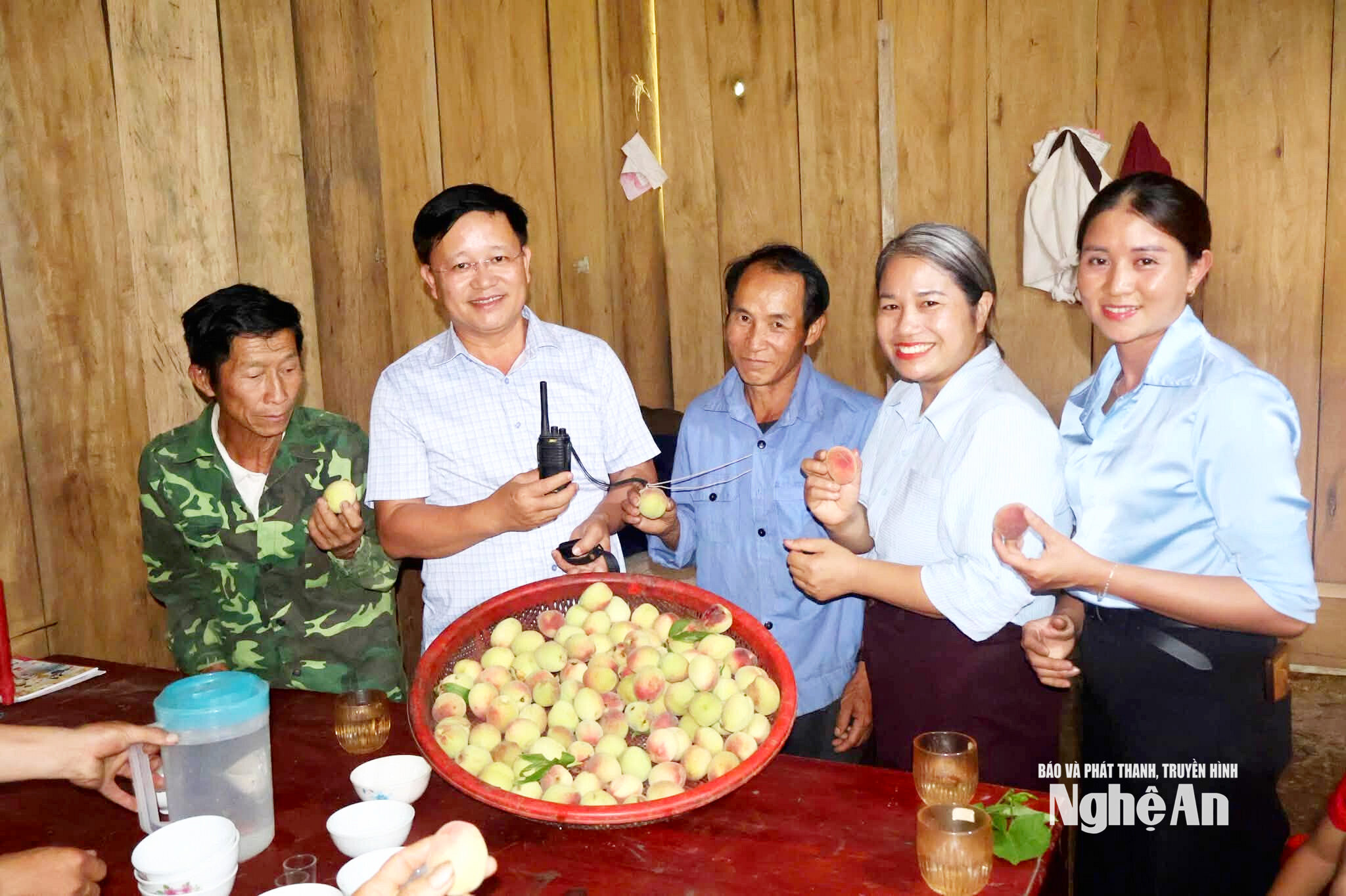
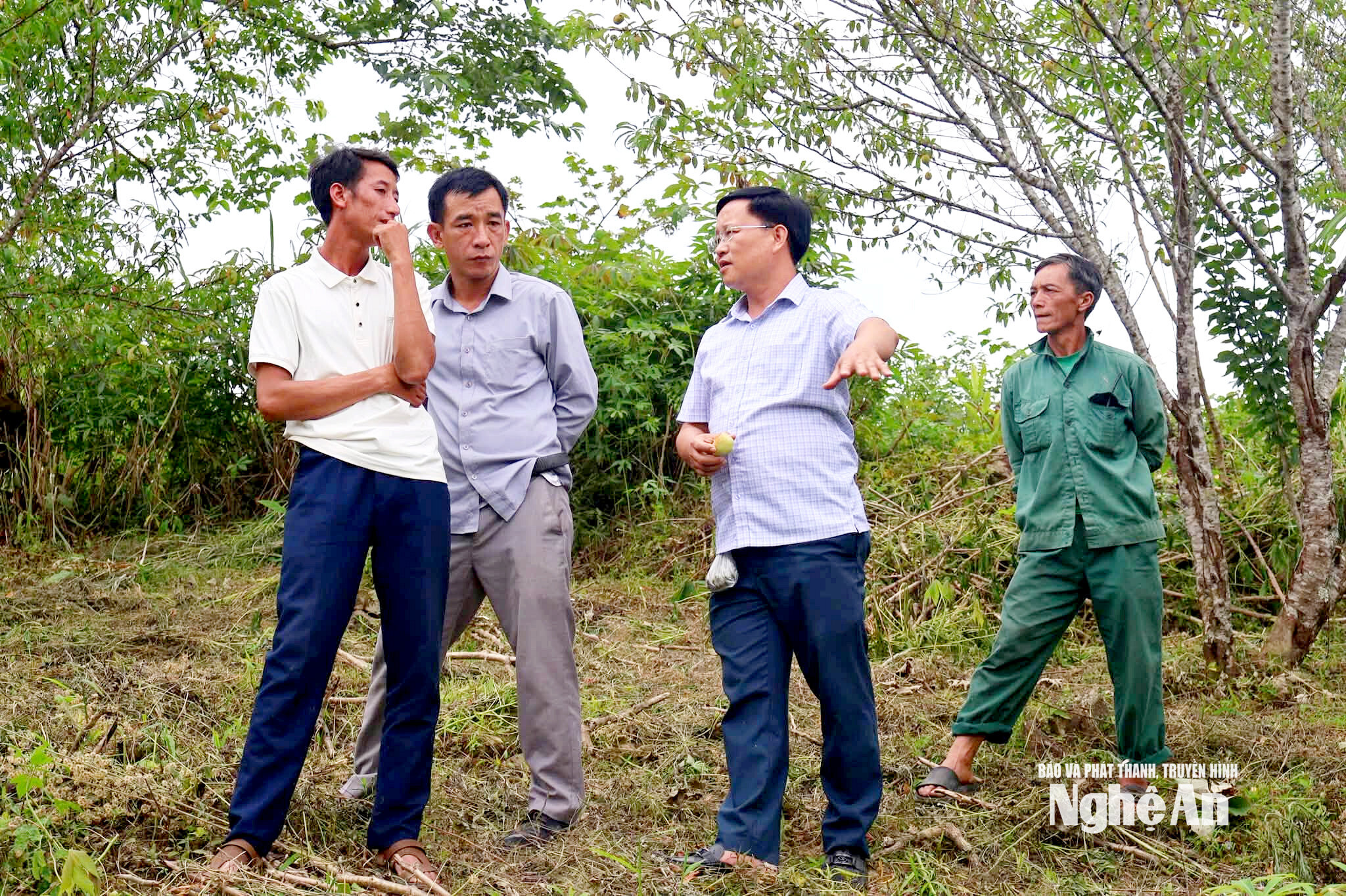
When the "Effective People Mobilization" model for developing peach tree cultivation was implemented, Party and government officials, forces stationed in the area, and the people joined hands in specific tasks. Natural stones were used to reinforce house foundations for households; peach trees were planted along the village roads, contributing to creating a green, clean, and beautiful landscape.
It's worth noting that, starting from a model, the mindset of the people has gradually changed. Peach trees are not only for admiring and preserving the beauty of the village, but can also create economic value. The landscape is not only for preservation but can also become an asset for tourism development.
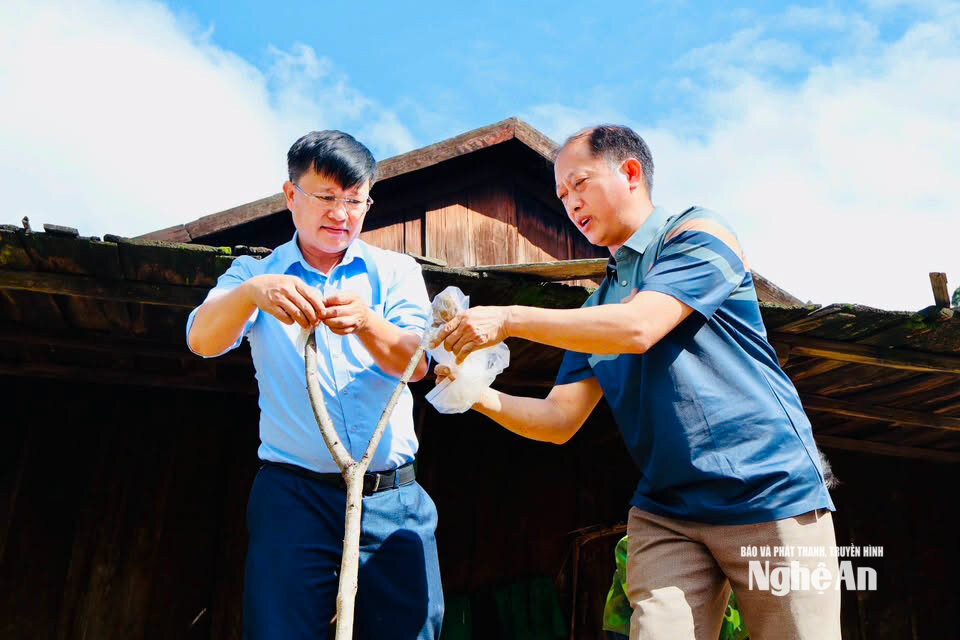
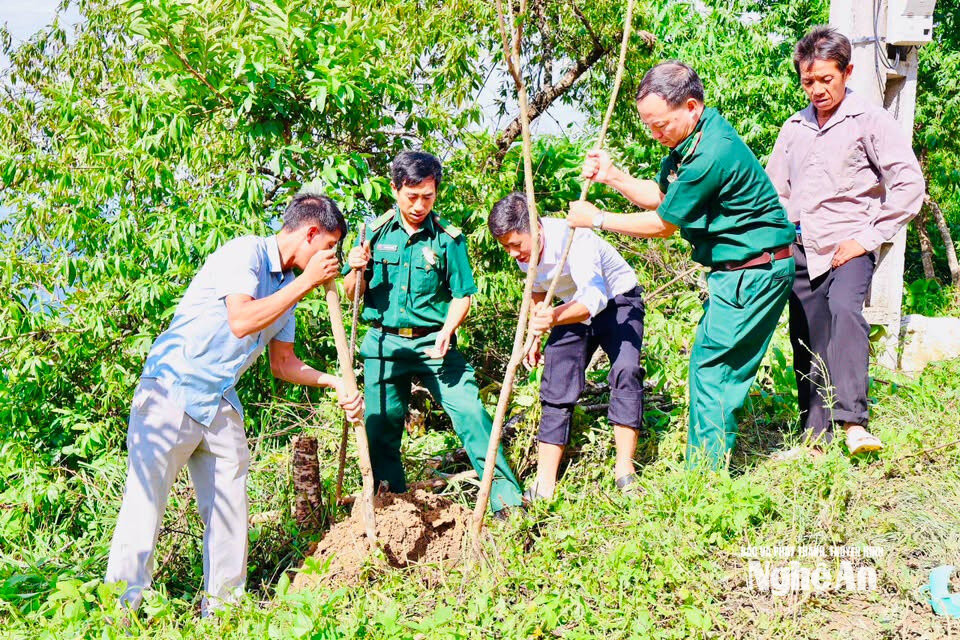
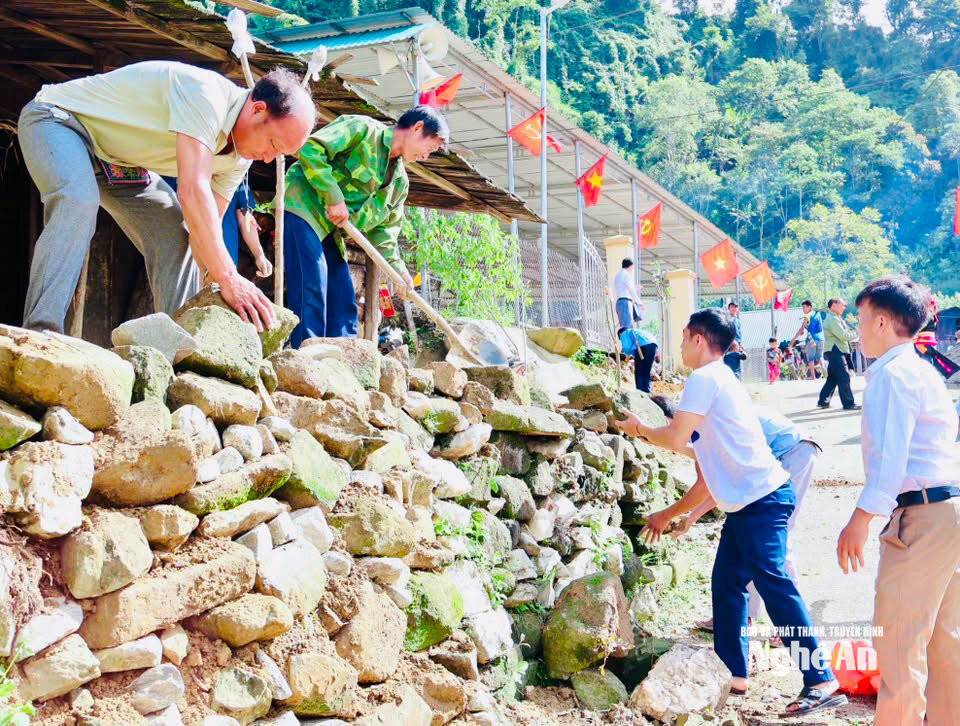
Along with peach trees, the people of Huoi Co develop buffalo and cattle farming; cultivate wet rice, hybrid corn, Mong cabbage, vegetables, high-yield cassava, and raise bamboo rats... The commune government encourages people to expand production scale, apply scientific and technological advancements, and gradually improve productivity, product quality, and income.
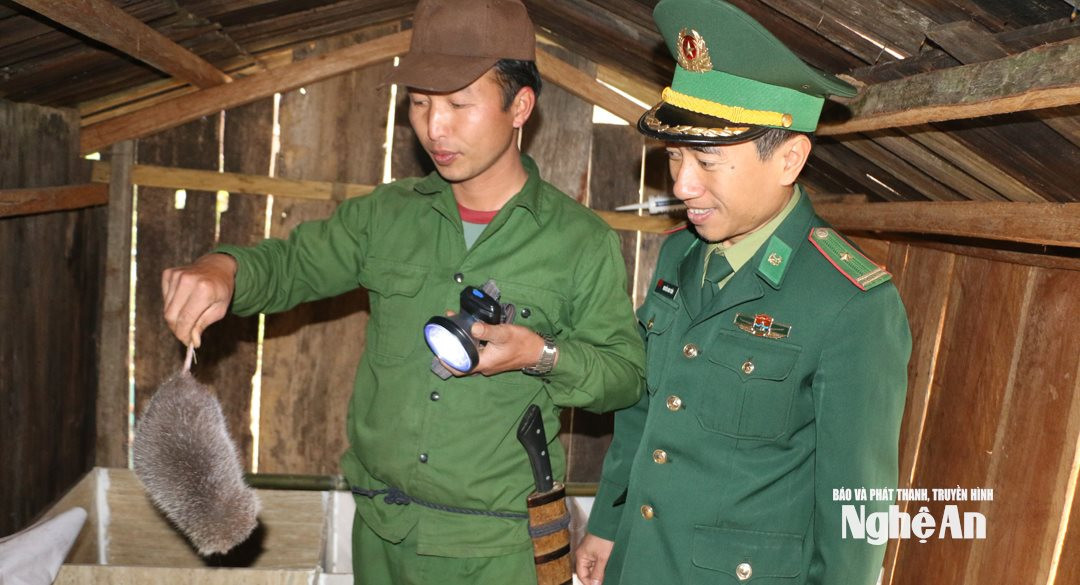
Not only in Huoi Co, but in many other villages, Party branches are being guided to build models linked to practical issues: converting inefficient crops; developing suitable livelihoods; effectively utilizing sloping land; combating erosion and runoff; greening barren land and hills; utilizing land around residential areas to build vegetable gardens, ensuring a proactive food supply, especially during the rainy season when transportation is disrupted.
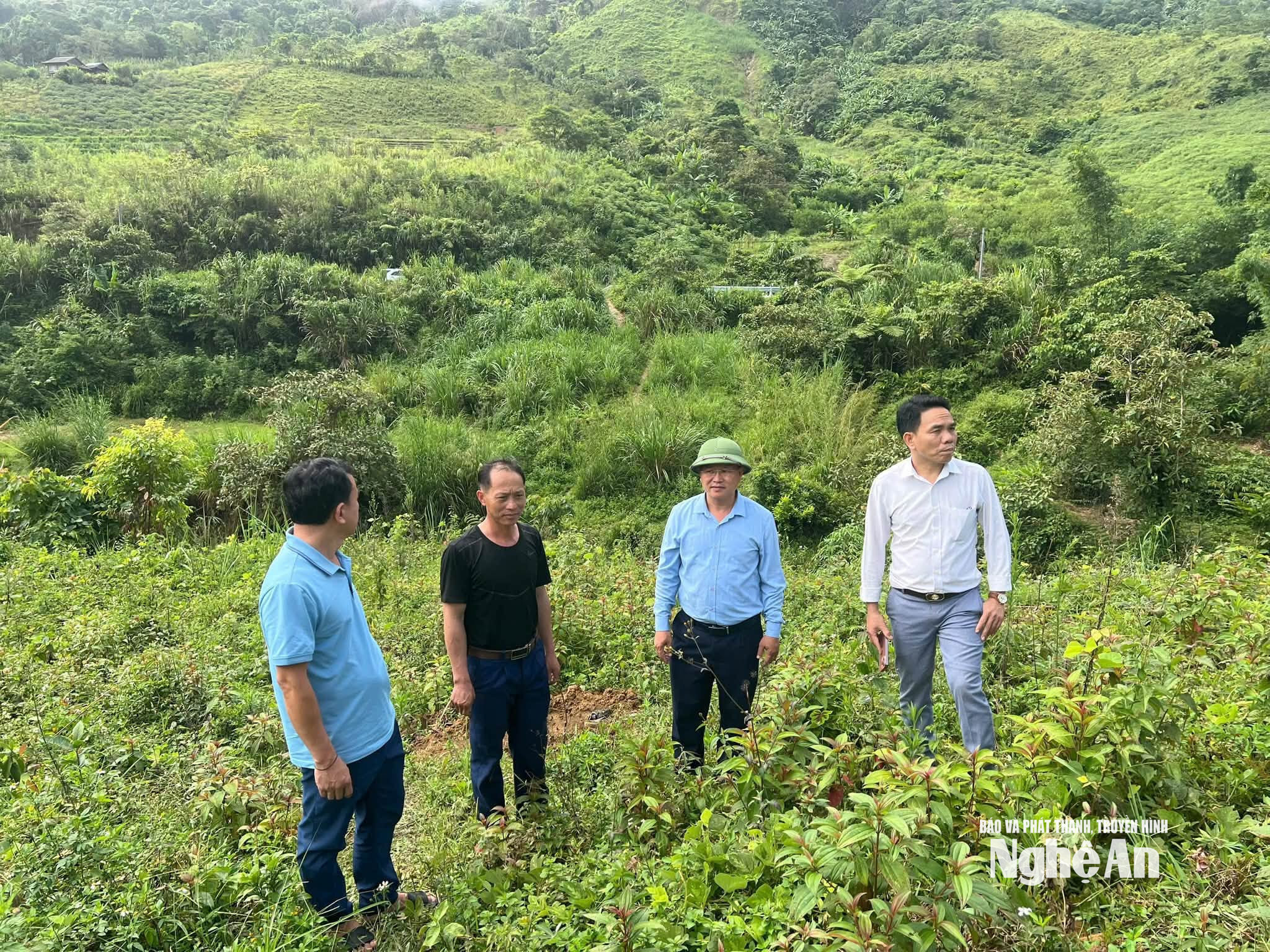
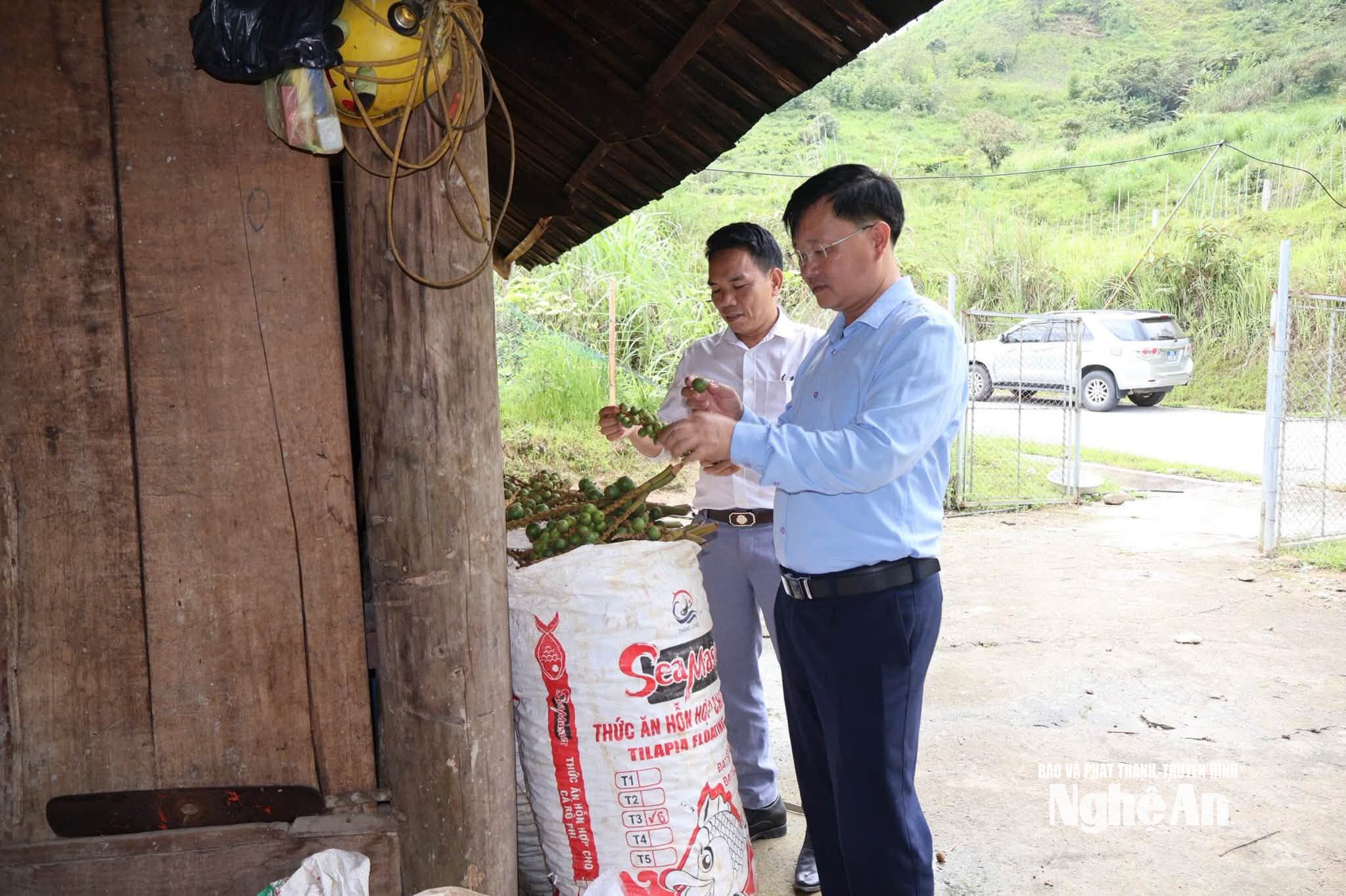
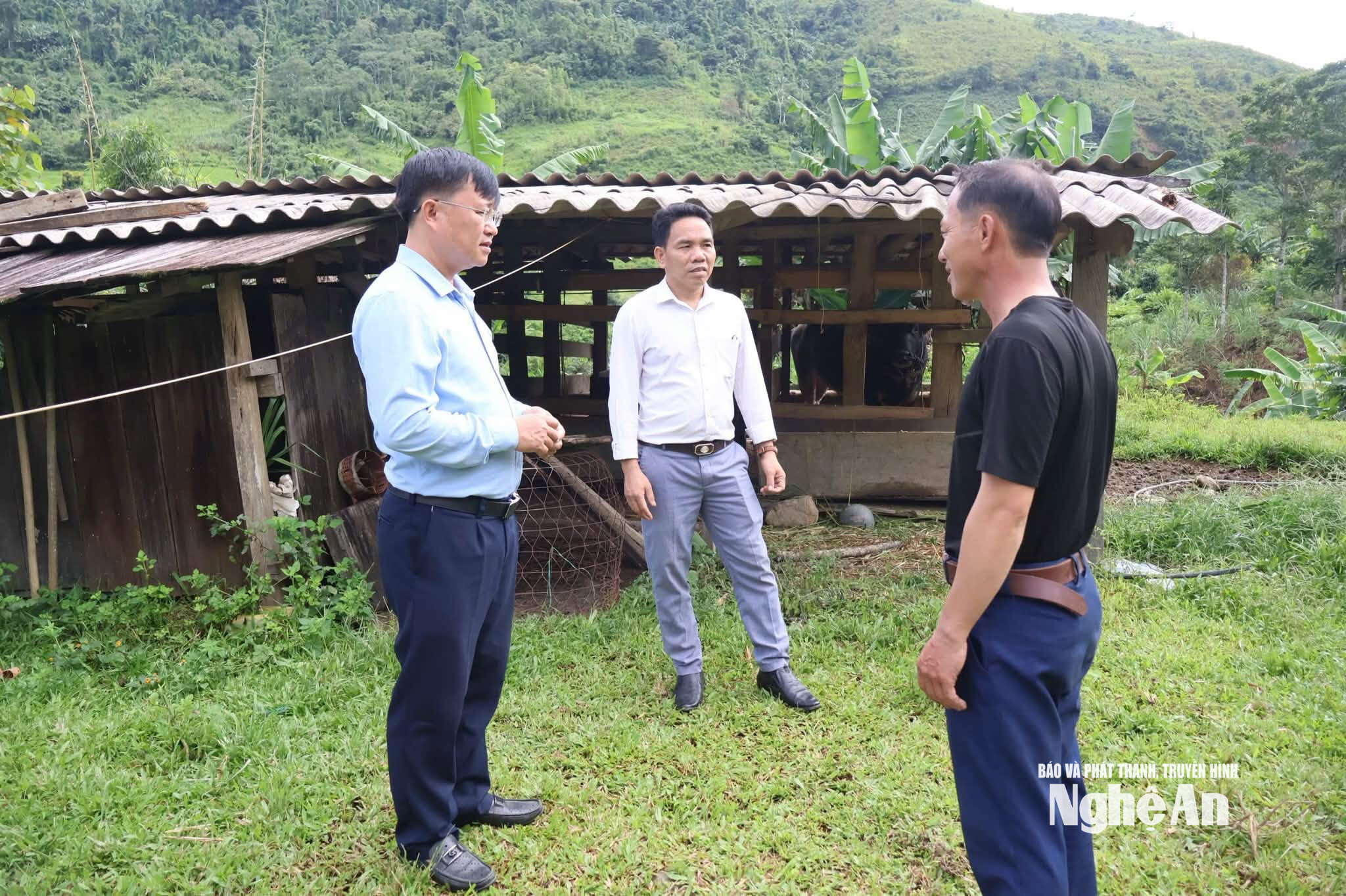
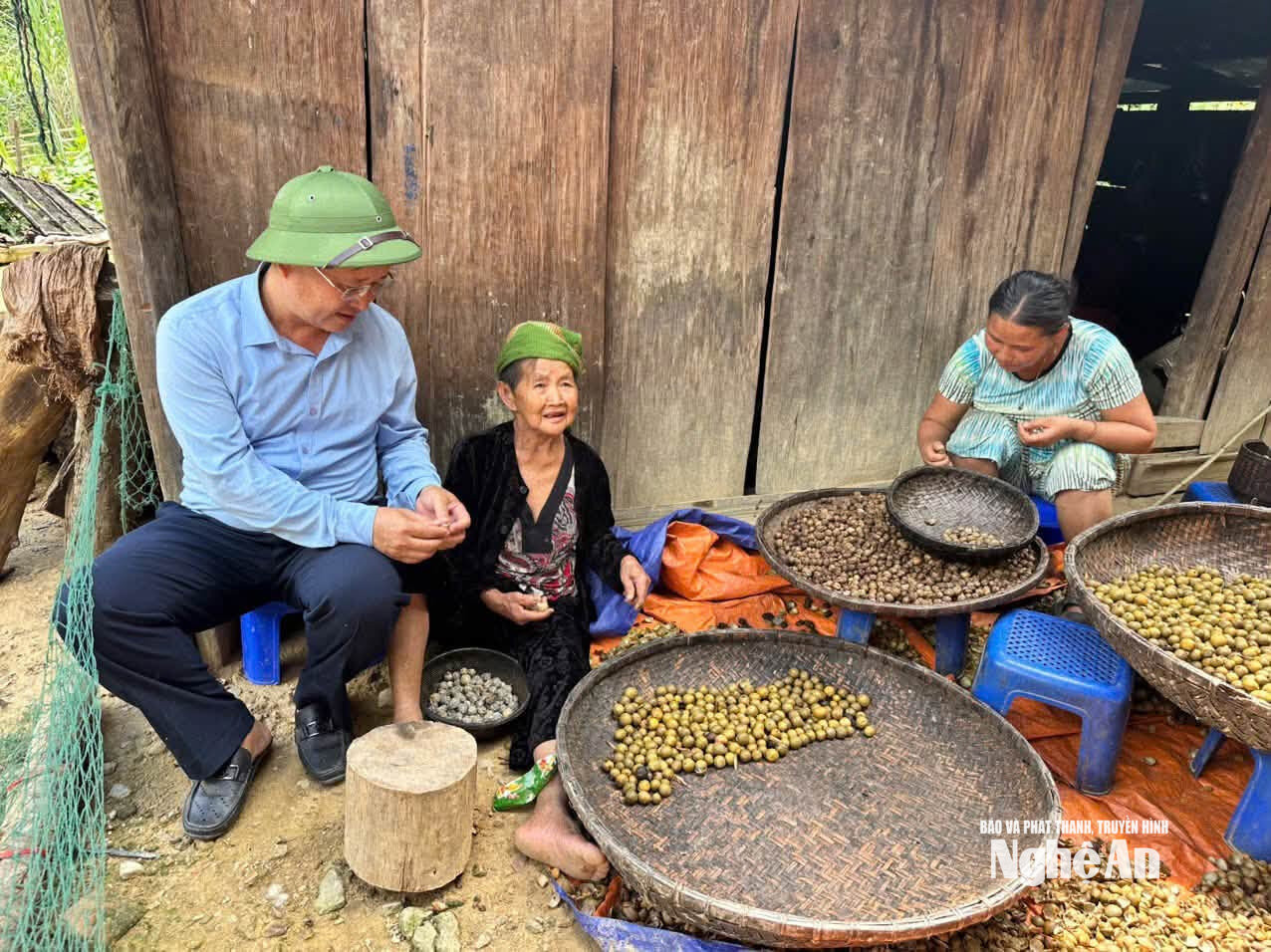
From there, many models were formed in the villages. For example, Na Lot village has the "Child-Raised Vegetable Garden" model; Pha Khao village encourages people to plant fruit trees, medicinal plants under the forest canopy, and trees to prevent and control landslides. Tan Mai village implements a model for preserving the cultural identity of the Thai ethnic group.
Pieng Cooc village is expanding the cultivation of Gynostemma pentaphyllum; Mai Son village is developing the cultivation of sorghum and bitter melon. Hop Thanh village is mobilizing people to build garbage pits and preserve the environment. Huoi Man village is focusing on preventing child marriage and consanguineous marriage.
In Pieng Luong village, the rattan and bamboo weaving craft is encouraged to develop. Huoi To village is expanding the model of raising Muscovy ducks. Na Lot village is maintaining, protecting, and expanding the Hoa Vang Tea Cooperative model. Phia Oi village is mobilizing people to plant trees to create a beautiful village landscape...
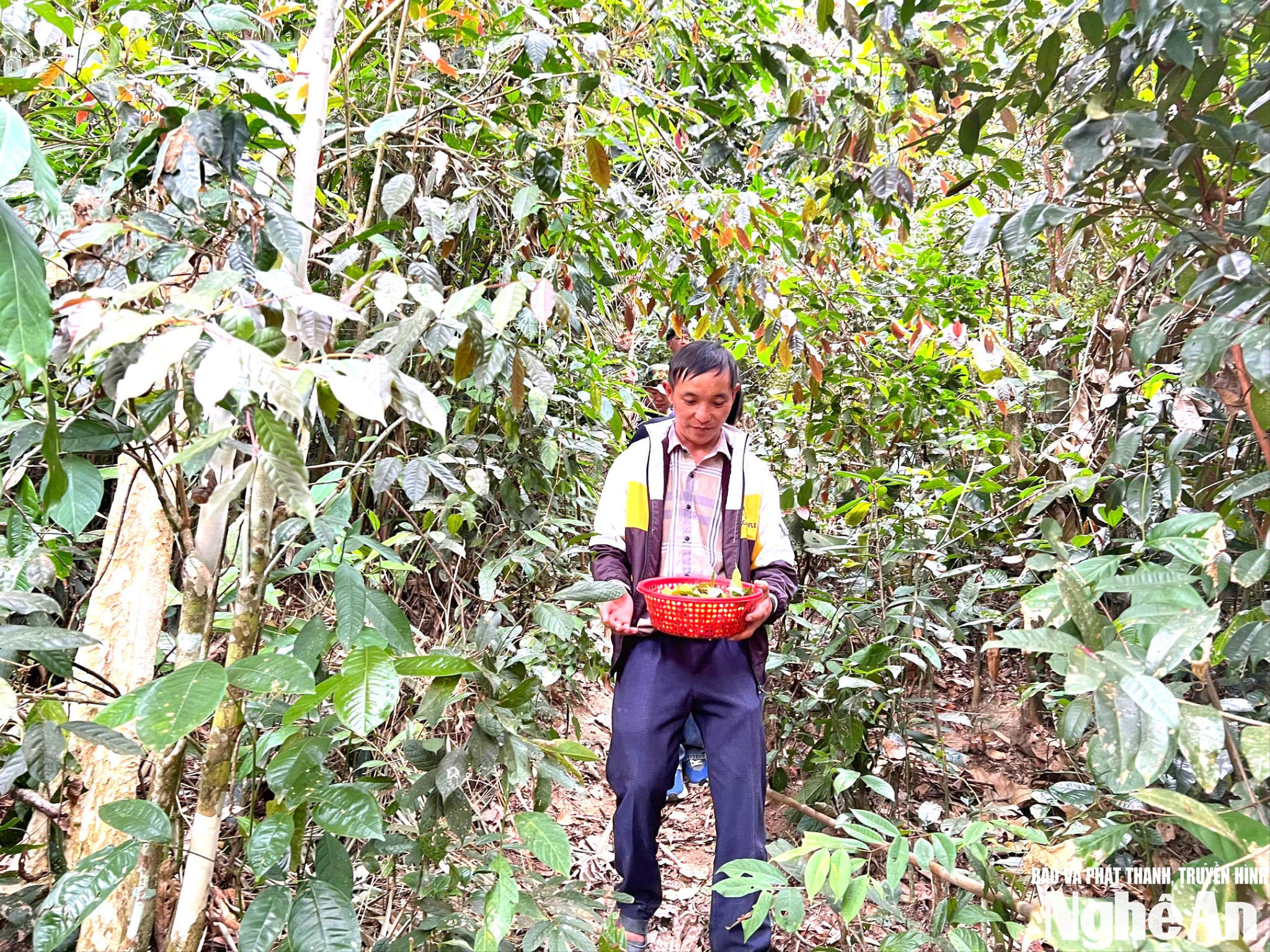
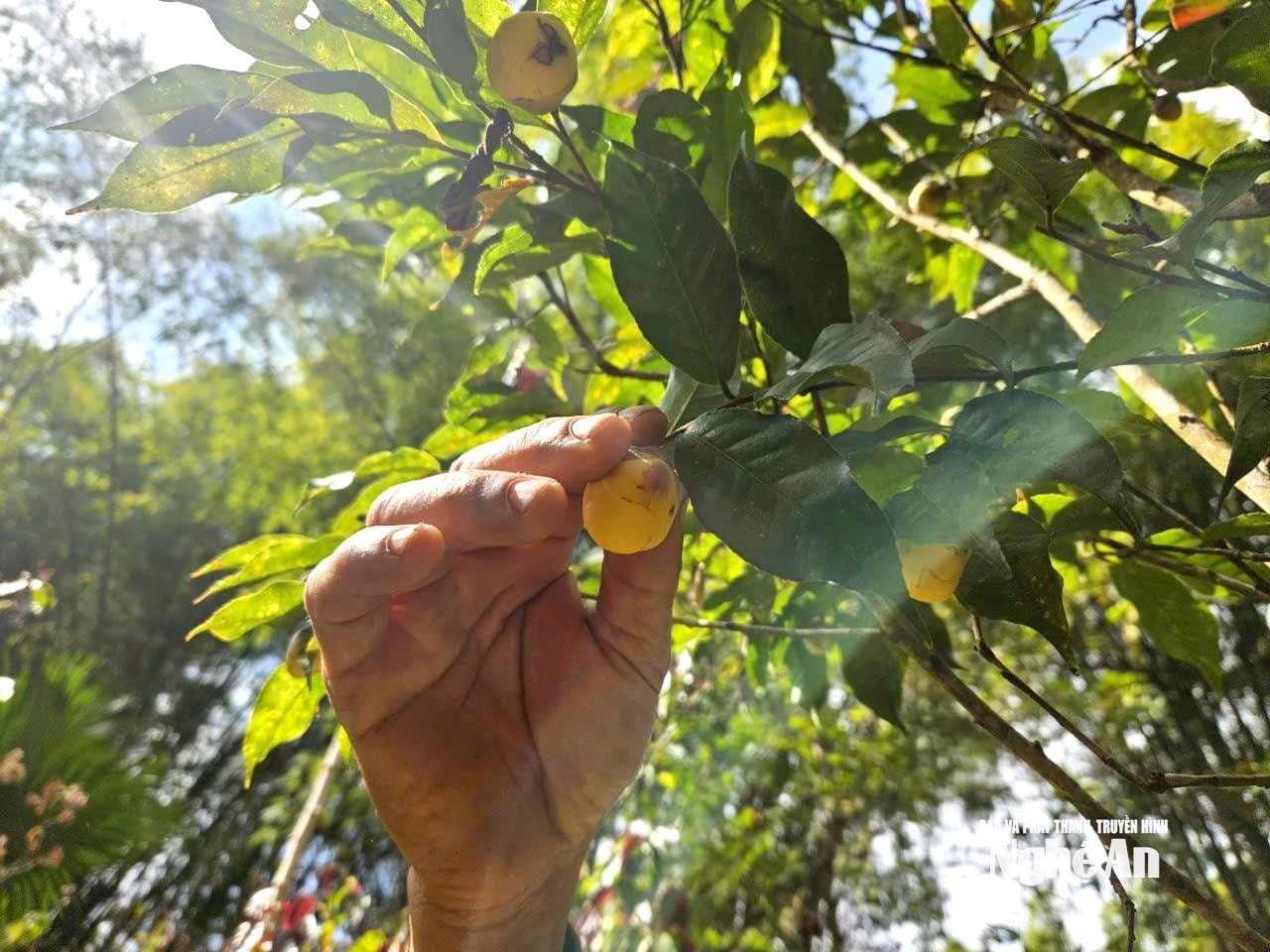
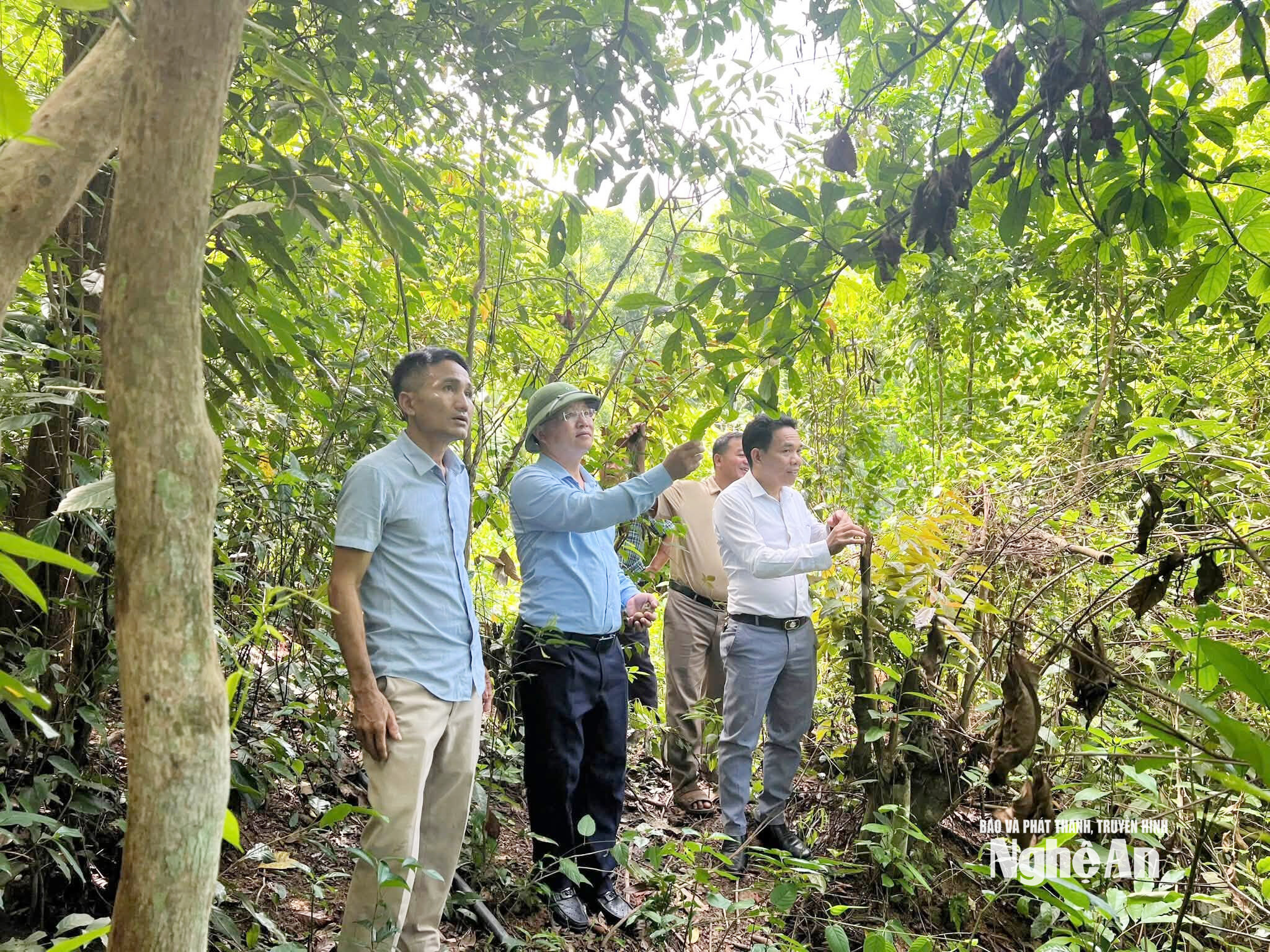
Each model has its own approach and objectives, but they all share a common point: the people are the main actors, and officials must work alongside them. Officials do not impose models from the outside but instead discuss and choose appropriate directions with the people, directly guiding, supporting, and monitoring the implementation process.
Behind these models lies a shift in people's mindset. In 2025, 14 households in the commune voluntarily submitted applications to be removed from the poverty list. These small applications carry great significance. They are a sign of a transformation from a mindset of waiting to one of actively striving for improvement; from receiving support to finding ways to create livelihoods for their own families.
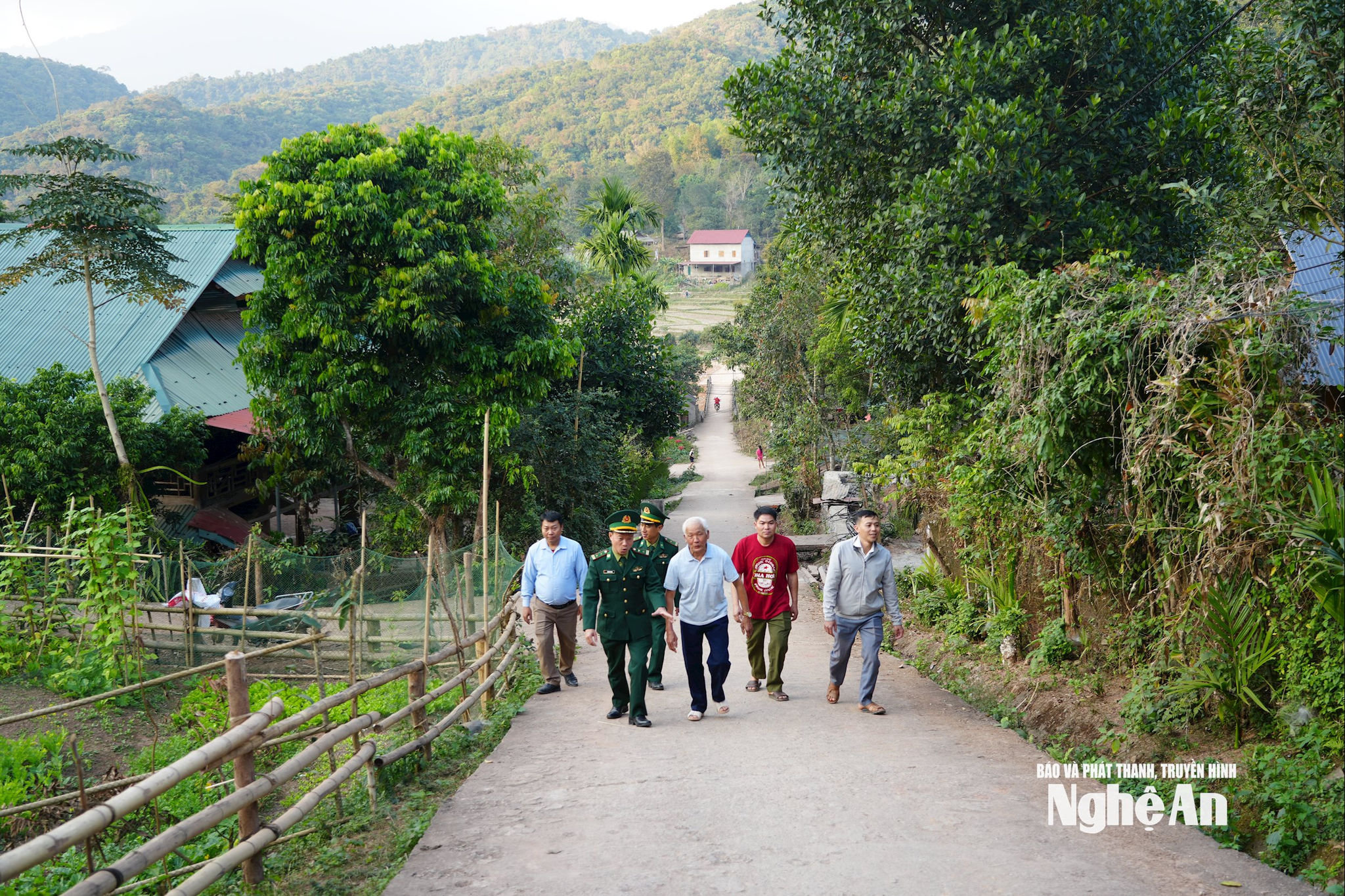
According to Mac Van Nguyen, Secretary of the Party Committee of Nhon Mai commune, in 2026, the entire commune registered to implement 27 "Effective Mass Mobilization" models, including both collective and individual initiatives. The Standing Committee of the Party Committee selected key models linked to practical local issues and assigned members of the Party Committee to directly monitor and guide them.
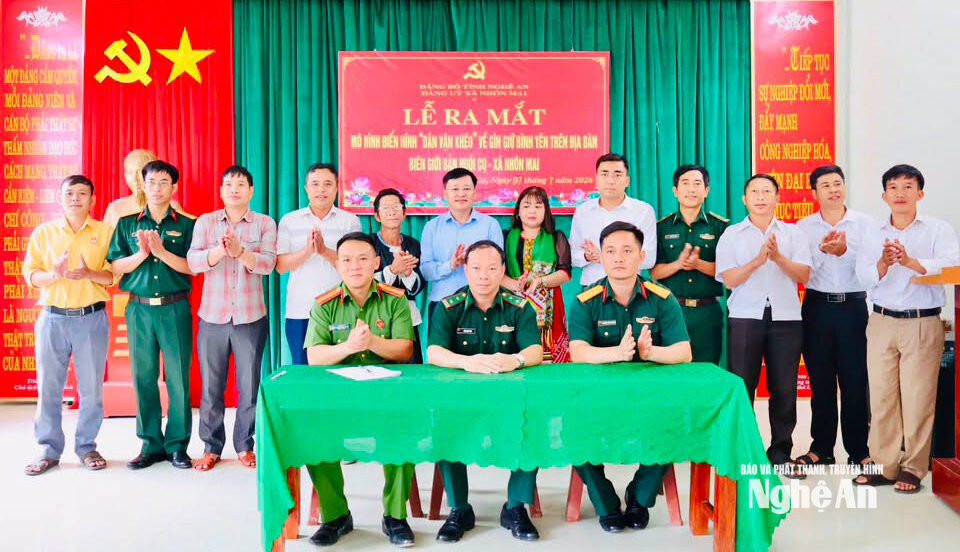
These include peach cultivation models linked to maintaining border peace in Huoi Co and Tham Tham; raising bamboo rats and growing bitter melon in Pieng Mun; the Hoa Vang Tea Cooperative in Na Lot; raising Muscovy ducks in Tan Mai, Na Hang, and Na Kha; cattle farming by Mr. Va Ba Gia's family in Tham Tham; and the "Democracy - Unity - Development" model in Na Kha...
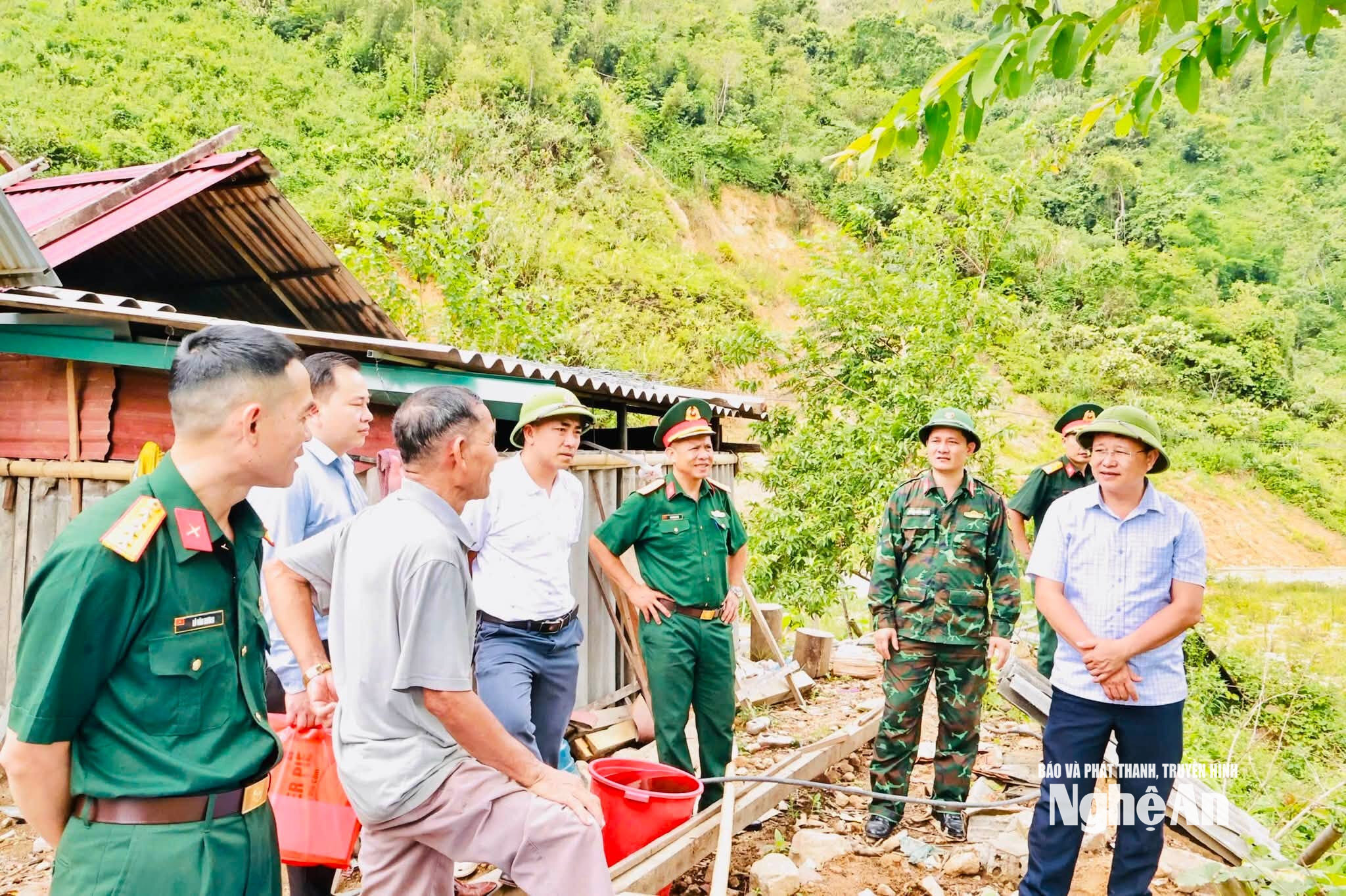
When officials are close to the people, understand the people, and work alongside the people, policies will no longer remain on paper. They will be present in every home, garden, road, and in the very changes of each individual citizen.
For a border commune like Nhon Mai, which still faces many difficulties, it's not just about poverty reduction or economic development. It's also about building trust, fostering solidarity, and strengthening the people's support.
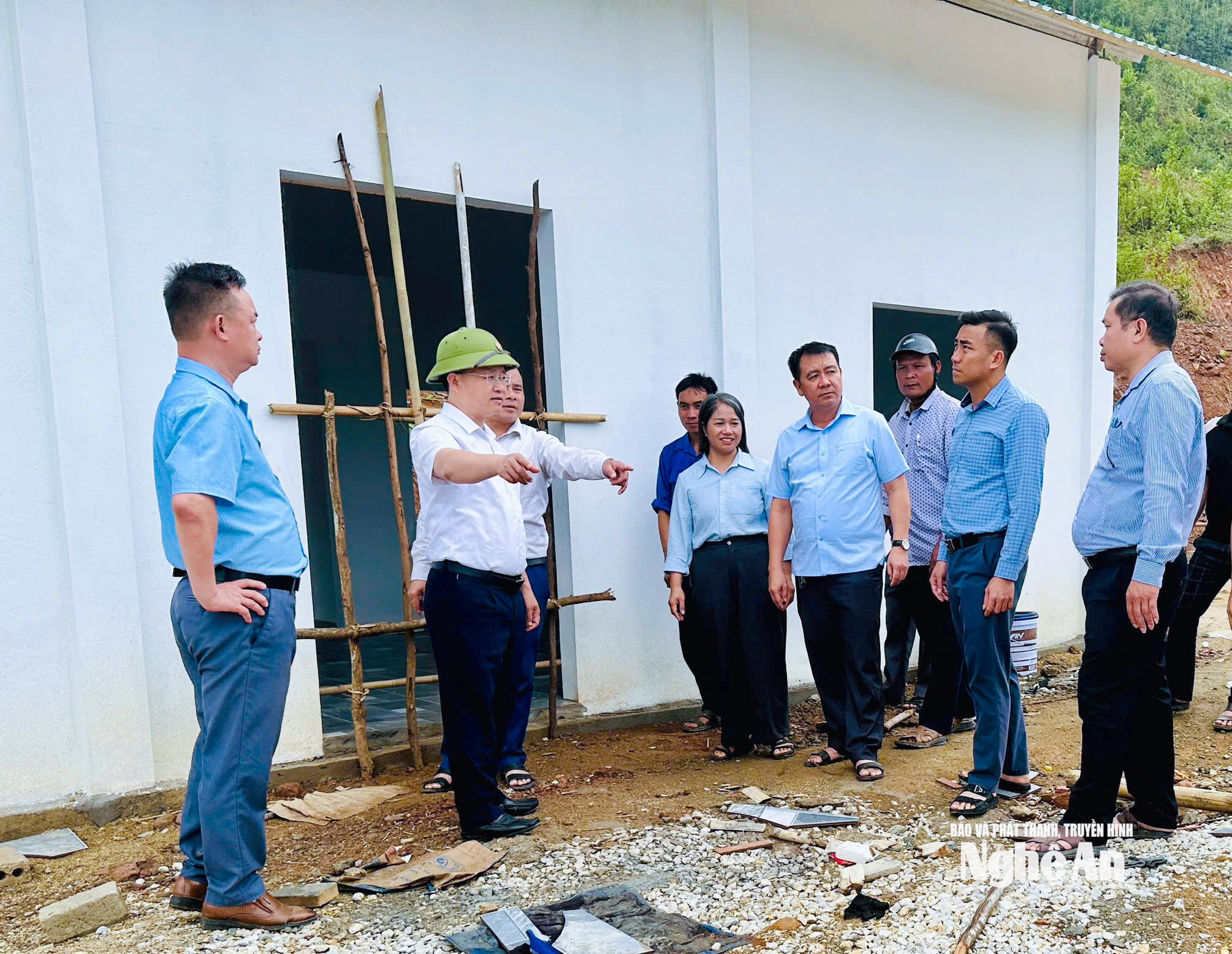
Through practical actions, appropriate models, and persistent support, Nhon Mai is gradually unleashing the inner strength within each family and each village.
That's how effective mass mobilization works in real life: making people feel like they are the main actors, voluntarily participating and working together to protect their villages, forests, and peaceful lives in border areas.


