
Ho Chi Minh's mass mobilization and democratic ideology in comparison with the Western concept of democracy.
On October 15, 1949, amidst the arduous phase of the resistance war against French colonialism, Ho Chi Minh, under the pseudonym XYZ, published a concise yet enduring article in the newspaper "Su That" (Truth): "Mass Mobilization." Though only a few hundred words long, this work laid the foundation for a unique, profound, and comprehensive understanding of the relationship between democracy, power, and personnel work.
Read again"People's mobilization"Today, we see not only a reminder of the attitude of officials towards the people, but also a vision of democracy that transcends its time. If we compare it with Western concepts of democracy, we realize the difference: Ho Chi Minh did not merely discuss the form of institutions but delved into the substantive content – power belongs to the people, exercised through the participation and close connection between officials, the government, and the masses.
1. The concept of democracy in Ho Chi Minh's thought through "Mass Mobilization"
First and foremost, it must be affirmed that the ideology of "the people are the foundation" in"People's mobilization"Closely aligned with Marxist-Leninist theory, the Marxist perspective posits that revolution is the undertaking of the masses, with the Party as the vanguard organizing and leading them. Lenin developed this into the principle of "close contact with the masses," considering mass support as a vital condition for the survival of Soviet power. Mao Zedong later summarized this into the line of "coming from the masses and returning to the masses."
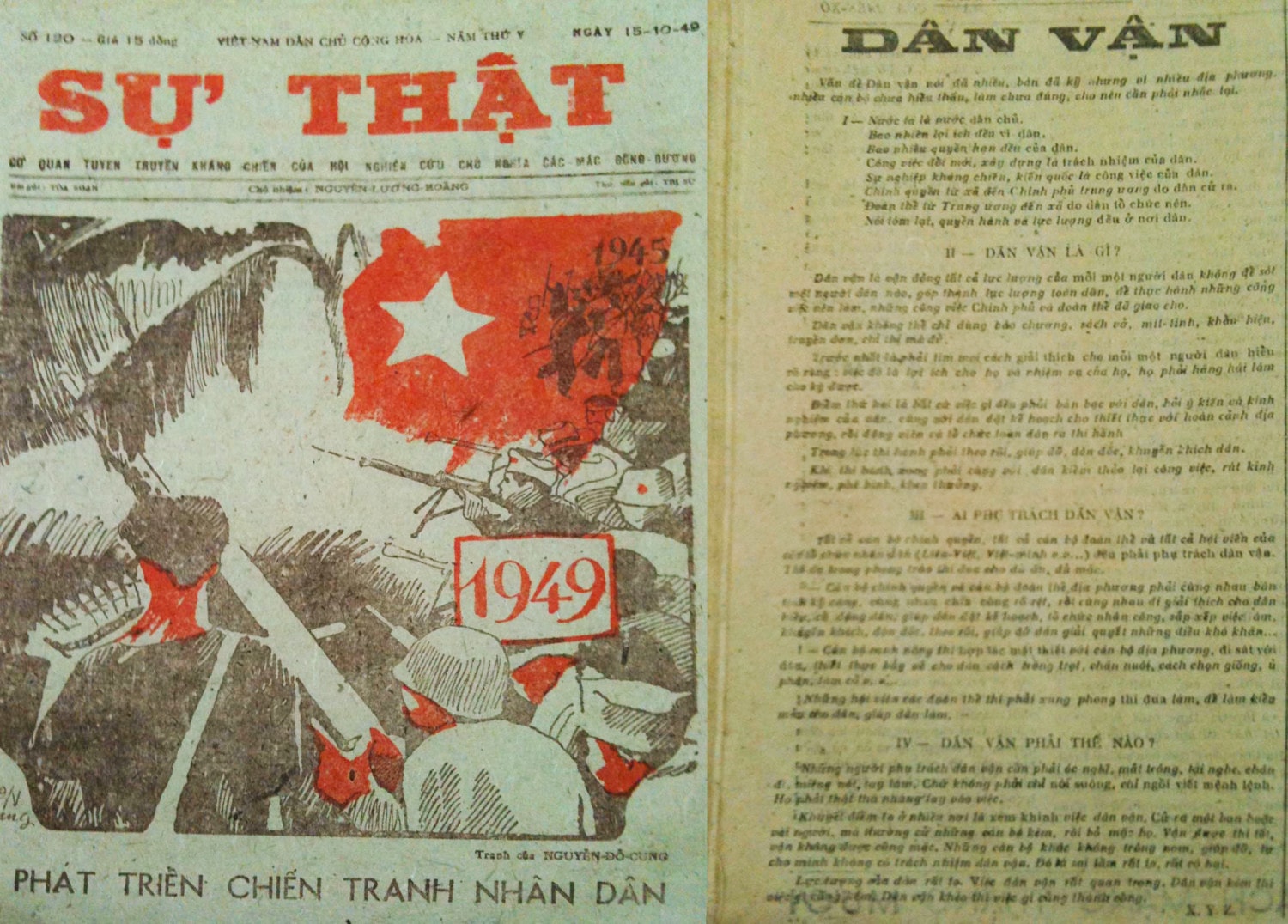
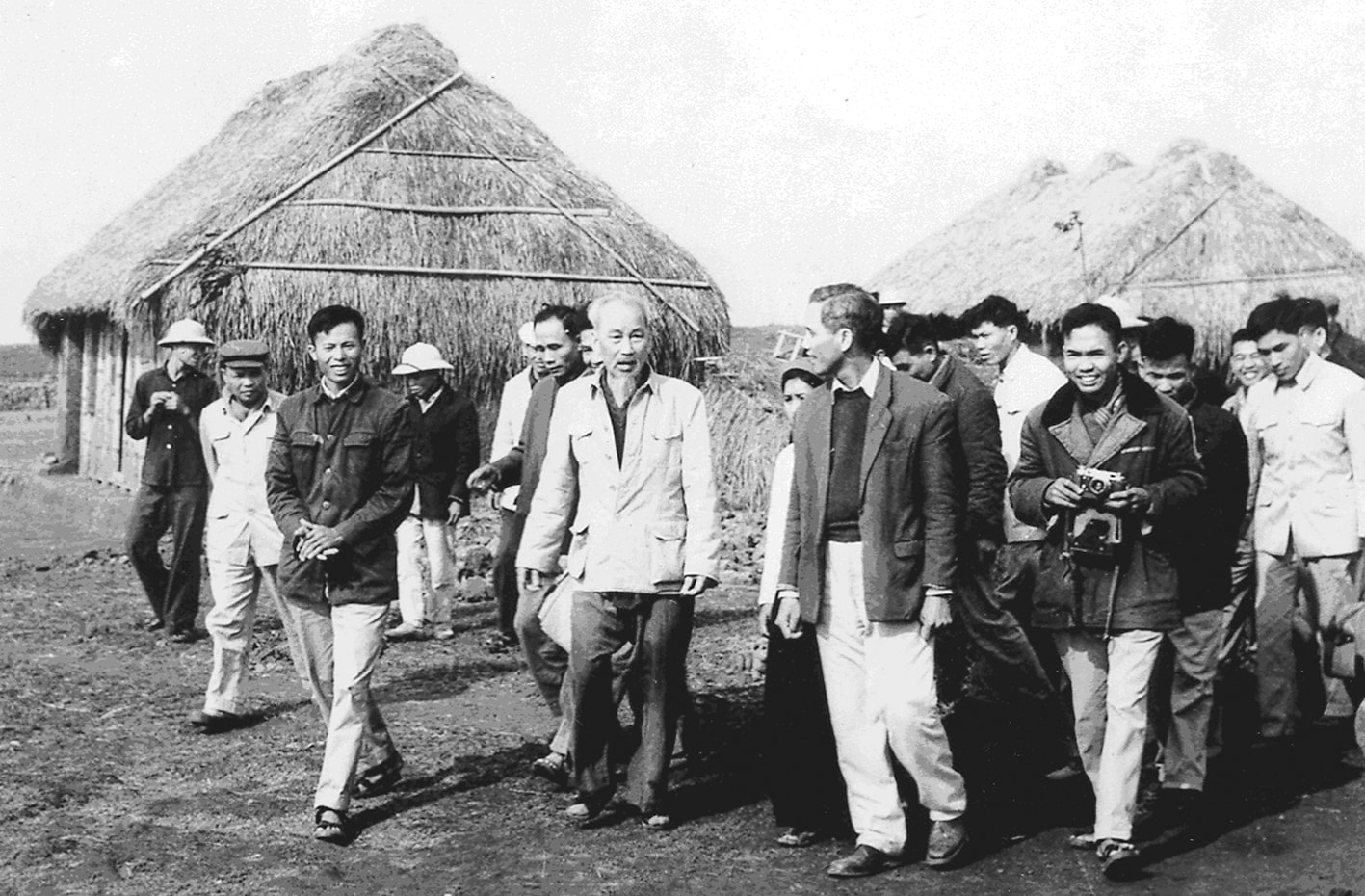
Ho Chi Minh embraced these principles, but he concretized them with a simple and accessible method: mass mobilization is the work of all cadres, from the central level to the grassroots; mass mobilization is not just propaganda but involves "thinking with the mind, observing with the eyes, listening with the ears, walking with the feet, speaking with the mouth, and working with the hands"; mass mobilization requires setting an example, being skillful, and being sincere.
In"People's mobilization"Ho Chi Minh wrote:"Our country is a democracy. All benefits are for the people. All powers belong to the people. Authority and power reside with the people."This is a concise yet comprehensive definition of democracy.
The core principle is: the people are not merely beneficiaries, but the subjects of power. Agencies, organizations, and officials are only "servants" of the people, and must wholeheartedly serve them and be subject to their supervision.
The concept of democracy here is both political – "the people are the masters" – and ethical – officials must be close to the people and work for the people. It is not separate from the institution and its style, nor is it limited to the electoral mechanism, but permeates every action and interaction of the government with the people.
2. Comparison with Western concepts of democracy
In Western political thought, from ancient Greece to the modern era, democracy has often been associated with electoral mechanisms, the separation of powers, and the guarantee of individual freedoms. Democracy is primarily defined at the institutional level: citizens have the right to choose their representatives, and the law separates power to prevent tyranny. To prevent the abuse of power, various measures have been devised to control it, but in reality, power cannot escape the principle of serving the people, serving those who hold it.
This model has also proven its vitality, forming the foundation of several developed countries. However, Western democracy often leans towards procedural formalities: simply holding regular elections is considered "enough" to be democratic, while daily participation and the connection between the government and the people are often overlooked.
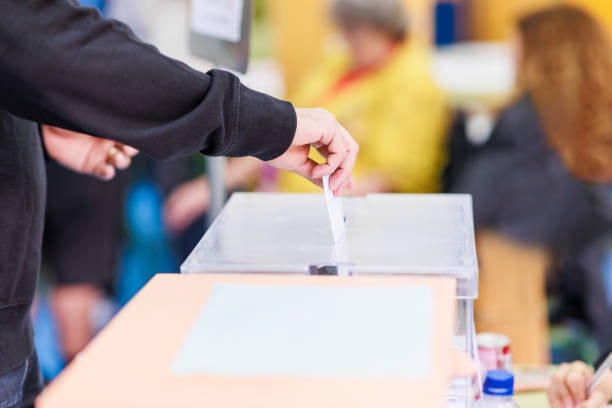
Meanwhile, Ho Chi Minh emphasized that democracy is not just about votes, but about food, clothing, genuine freedom, and the regular participation of the people in political life. He once said: "If a country is independent but its people do not enjoy happiness and freedom, then independence is meaningless."
3. Participatory democracy and Ho Chi Minh's foresight
Before the concept of "participatory democracy" became popular among Western scholars in the 1960s and 1970s, Ho Chi Minh had laid the foundation for it as early as 1949.
In"People's mobilization"The leader demanded that officials must stay close to the people, listen to what the people say, speak in a way the people understand, and act in a way that earns the people's trust; everything must be discussed with the people, organized for the people to implement, and monitored together with the people. These are the principles of participatory democracy: the government not only represents but also must engage in dialogue, provide accountability, and work together with the people.
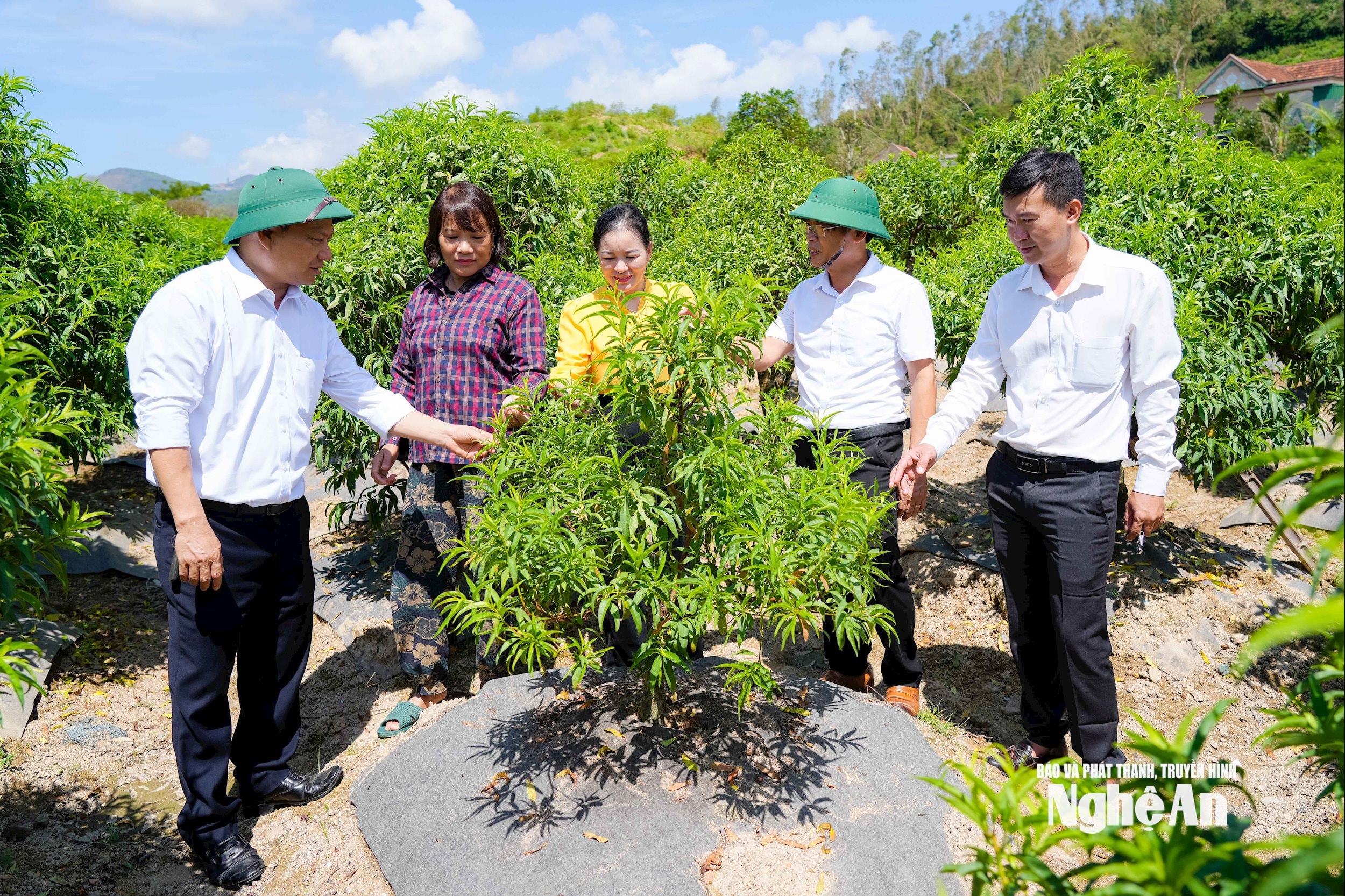
The groundbreaking aspect lies in the fact that, in the context of a newly independent country still at war, Ho Chi Minh foresaw the danger of bureaucracy and alienation from the people, and he considered the implementation of broad and practical democracy as a condition for the regime's survival.
4. Style and Method: Democracy is also Public Service Ethics
Another unique aspect is Ho Chi Minh's connection between democracy and public service ethics. Even Lenin, when approaching the issue of democracy, primarily emphasized it as a principle of political leadership, while Ho Chi Minh supplemented it, implementing it concretely and practically through ethical standards and conduct. Cadres needed not only competence but also qualities such as humility, sincerity, tact, the ability to listen, and the willingness to correct mistakes.
While Western democracy emphasizes "mechanisms for controlling power" through law and decentralization, Ho Chi Minh added the element of "self-control" through the ethics and personal responsibility of officials. He called this "skillful people mobilization"—that is, knowing how to use compassion and exemplary behavior to persuade and guide. At this point, some might think there is a hint of idealism here. But no, absolutely not, because we know that laws are also created and used by people, and the demand for officials with the aforementioned qualities is entirely logical with Ho Chi Minh's thought on officials—that officials are the root of all problems.
Here, we see Ho Chi Minh combining both political democracy and moral democracy – a comprehensive vision aimed at ensuring that democracy is not distorted into mere formality, but deeply permeates the daily relationship between the State and the people. Suddenly, I recall the assessment of Soviet journalist Osip Mandelstam from the early 20th century regarding Ho Chi Minh: "From Nguyen Ai Quoc emanates a kind of culture, not European culture, but perhaps a culture of the future."
5. Limitations and Lessons Learned
Implementing mass mobilization inevitably involves contradictions: in the context of large-scale mass mobilization, democratic participation can be confused with collective pressure if there is a lack of independent oversight mechanisms. However, it is precisely for this reason that Ho Chi Minh continuously emphasized the importance of "respecting the people, being close to the people, understanding the people, learning from the people, and being responsible to the people." On another level, some cadres fall into rather subtle populism under the guise of mass mobilization work, lulling the people into complacency with empty promises and imposing their personal will in the name of the collective and the people. This is also something we must fight to eliminate.
This shows that he foresaw the danger of the formalization of democracy early on and devised preventative solutions through the ethics of officials and direct oversight from the people.
6. Current Significance
In the era of reform and integration, as Vietnam faces global challenges – from sustainable development to transparent governance, from national and community development to individual freedom – the lessons of "People's Mobilization" become even more valuable.
Democracy here is not merely about periodic elections, leaning towards Western-style institutions and procedures, but emphasizes content and essence; democracy must be the genuine participation of the people in the process of planning and implementing policies effectively and harmoniously. With this vision, Ho Chi Minh not only absorbed the essence of Marxism-Leninism but also developed an understanding of democracy that was close to nature, humane, and ahead of its time, leaving a profound theoretical and practical legacy that continues to this day. If governments at all levels know how to listen, dialogue, explain, and promptly adjust policies that are inappropriate or unsuitable, then that is precisely how to realize Ho Chi Minh's vision of democracy in the new era.


