"Green" community mobilization in Pù Hoạt
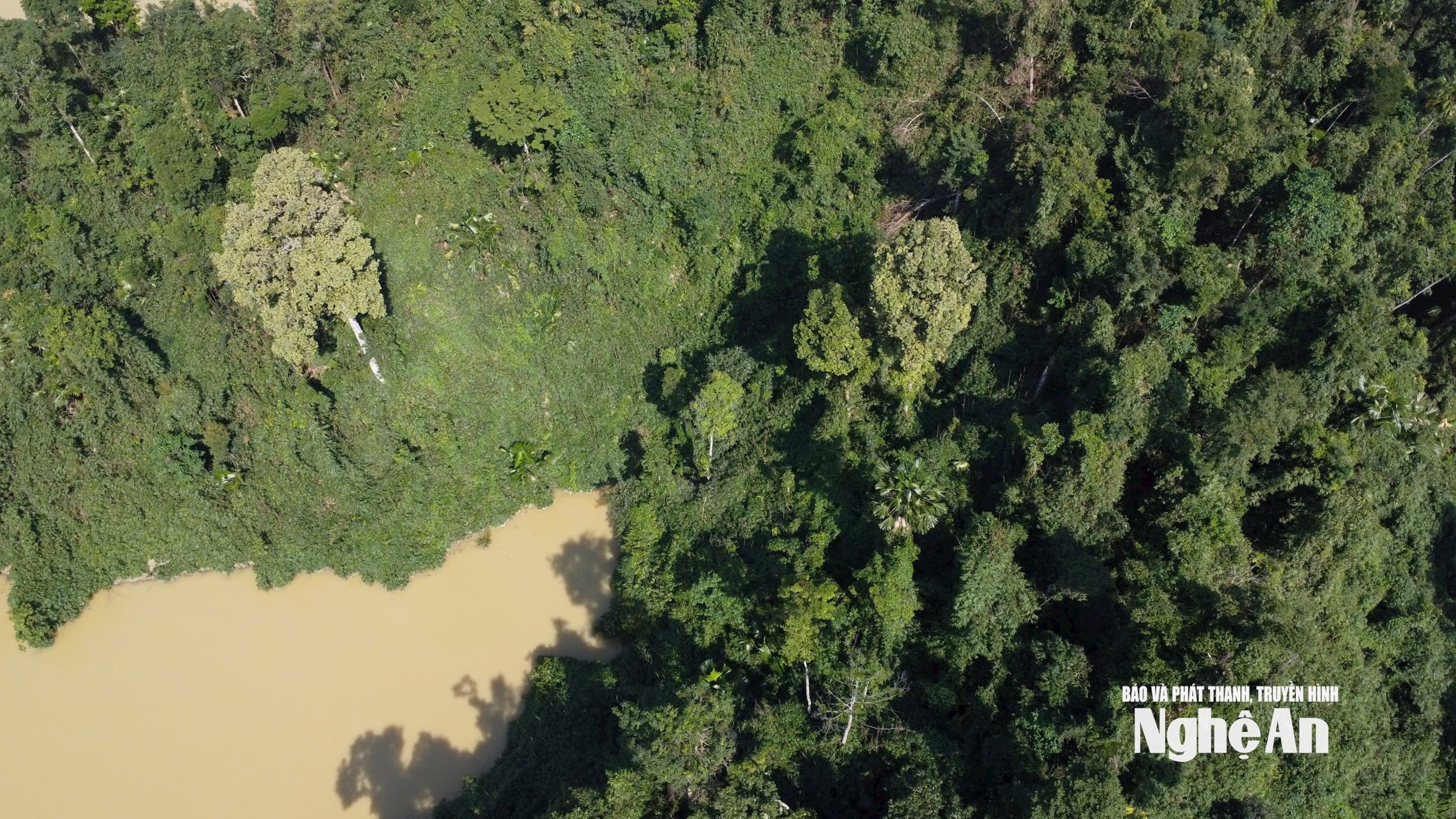
Entrusted with managing nearly 86,000 hectares of forest and forestry land, since its establishment in 2013, the Pu Hoat Nature Reserve has added 1,700 hectares of regenerated forest, bringing the forest cover to 89%, becoming a sustainable green area of the province and the nation. This achievement is the result of the dedication of the entire Pu Hoat Nature Reserve Management Board, with its outstanding individuals...
.png)
Nhat Lan - Vinh HoangDecember 30, 2025
Entrusted with managing nearly 86,000 hectares of forest and forestry land, since its establishment in 2013, the Pu Hoat Nature Reserve has added 1,700 hectares of regenerated forest, bringing the forest cover to 89%, becoming a sustainable green area of the province and the nation. This achievement is the result of the dedication of the entire Pu Hoat Nature Reserve Management Board, with its outstanding individuals...


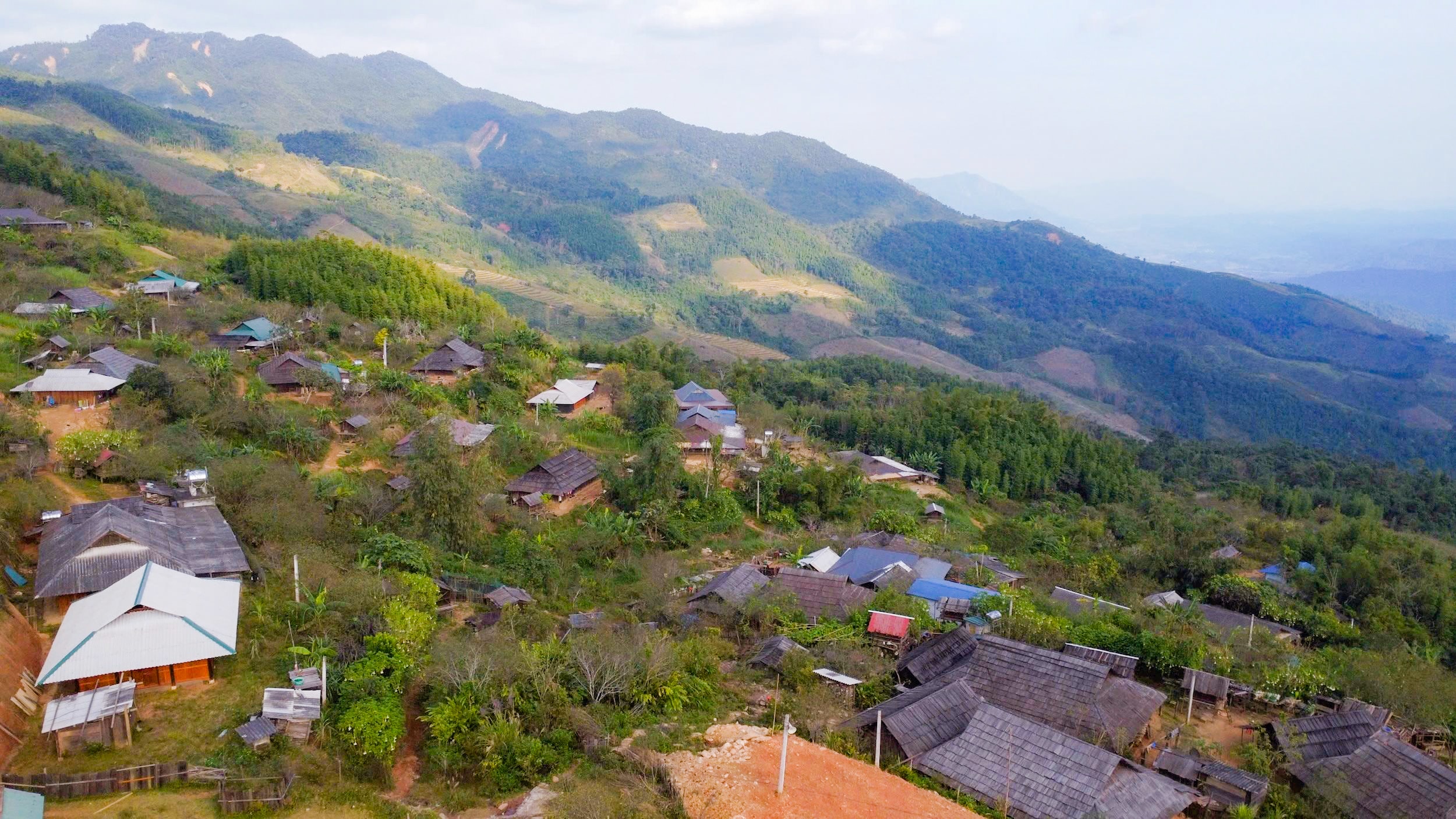
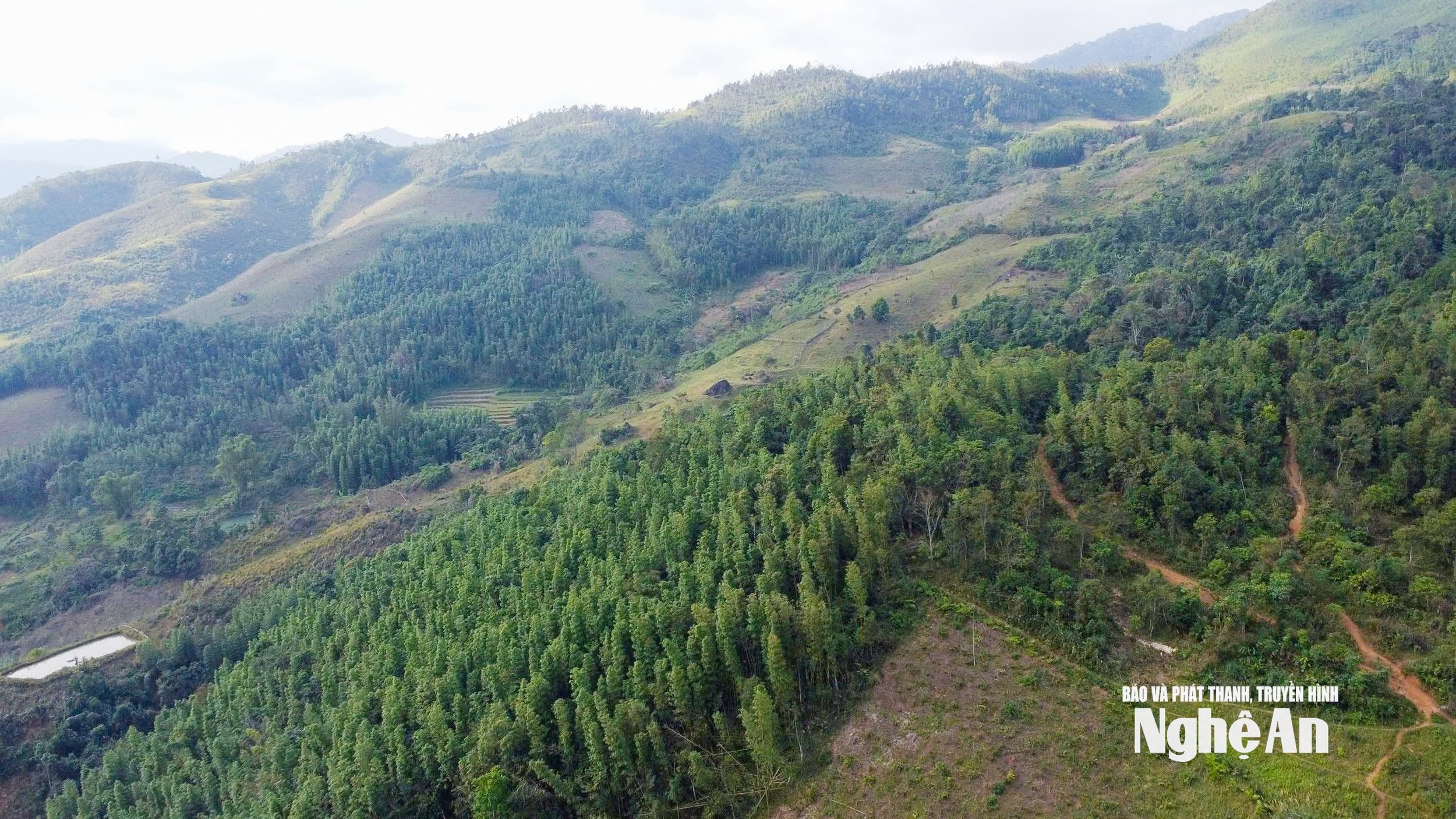
Visiting Thong Thu commune at this time of year, with its 33.73 km border shared with Laos, you can easily feel the majestic beauty of the Pu Hoat mountain range. The road from the commune center to the Thong Thu border gate is lined with towering mountains, lush with the verdant green of the primeval forest. Few people know that, about a decade ago, this very place, due to the fact that the people's lives depended mainly on the forest, and because of the impact of the Hua Na Hydropower Project which increased the demand for timber among resettled people, illegal logging became rampant.
“The change began around 2014, after the establishment of the Pu Hoat Nature Reserve…,” said Mr. Quang Van Thanh, head of the border village of Muong Piet, Thong Thu commune. From this period onwards, forest protection efforts were intensified, and many government policies reached the people. The awareness of the people of Muong Piet gradually changed; they now view forest protection as the responsibility of the entire community, the village, and each household. Furthermore, on the other side of the border, the people of Nam Tay village in Laos have also gradually changed their slash-and-burn farming practices along the border, developing an awareness of protecting Vietnam's border forests. They even joined the people of Muong Piet and Muong Phu villages in building firebreaks to prevent and control forest fires…
.png)
Enthusiastically recounting the close relationship and dedication of the officers of the Thong Thu Forest Protection Station (Pu Hoat Nature Reserve) with the people of Muong Piet village, Mr. Quang Van Thanh did not forget to emphasize the role of Station Chief Nguyen Duc Tinh. Mr. Tinh has a close relationship with the people of Muong Piet village, often supporting the two villages of Muong Piet and Muong Phu, along with their sister village Nam Tay, to further strengthen their bond. “Previously, the people of Nam Tay village frequently cultivated fields close to our border markers in Sub-areas 27 and 21. Comrade Tinh advised and helped the two villages to exchange information, raise awareness, and encourage them not to burn fields near the border, to build firebreaks, and to implement forest fire prevention and control measures…”
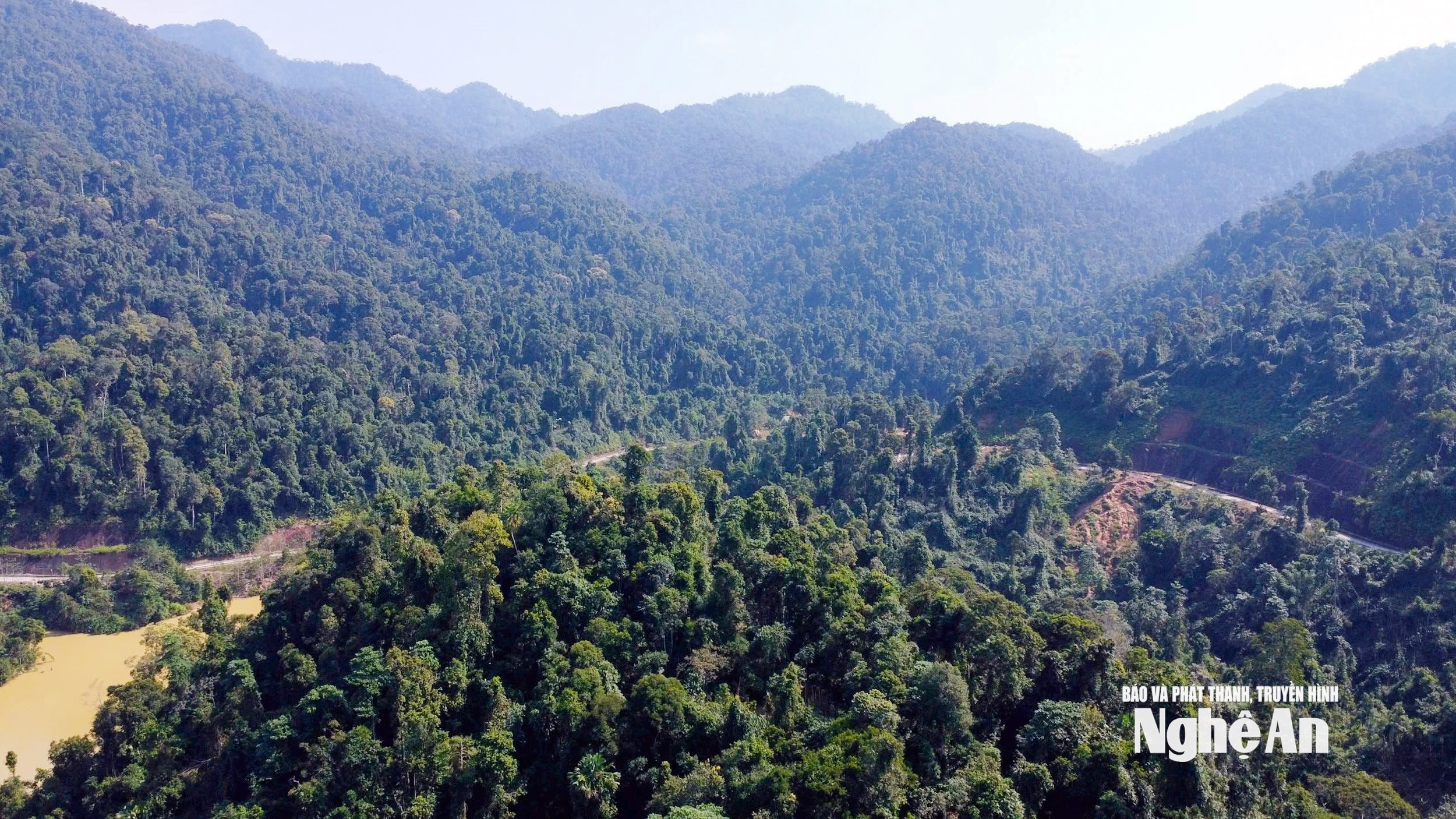
Dong Van commune boasts many mixed forests, known as the "kingdom of reeds," and is one of the most biodiverse green areas in the Pu Hoat Nature Reserve. Visiting Khun Na village, Party Secretary Vi Van Binh happily shared that the 107 households in the village have basically stable lives, with no more dilapidated houses. The villagers focus on developing livestock farming, agriculture, and harvesting forest products. "Now, in Khun Na village, there is no longer the rampant exploitation of forest products or violations of the Forestry Law. The village has been allocated 1,492 hectares of forest by the Pu Hoat Nature Reserve, bringing in about 700 million VND annually. They also receive support for projects planting teak, cinnamon, and acacia trees to create stable livelihoods; everyone is happy…," Vi Van Binh enthusiastically stated.
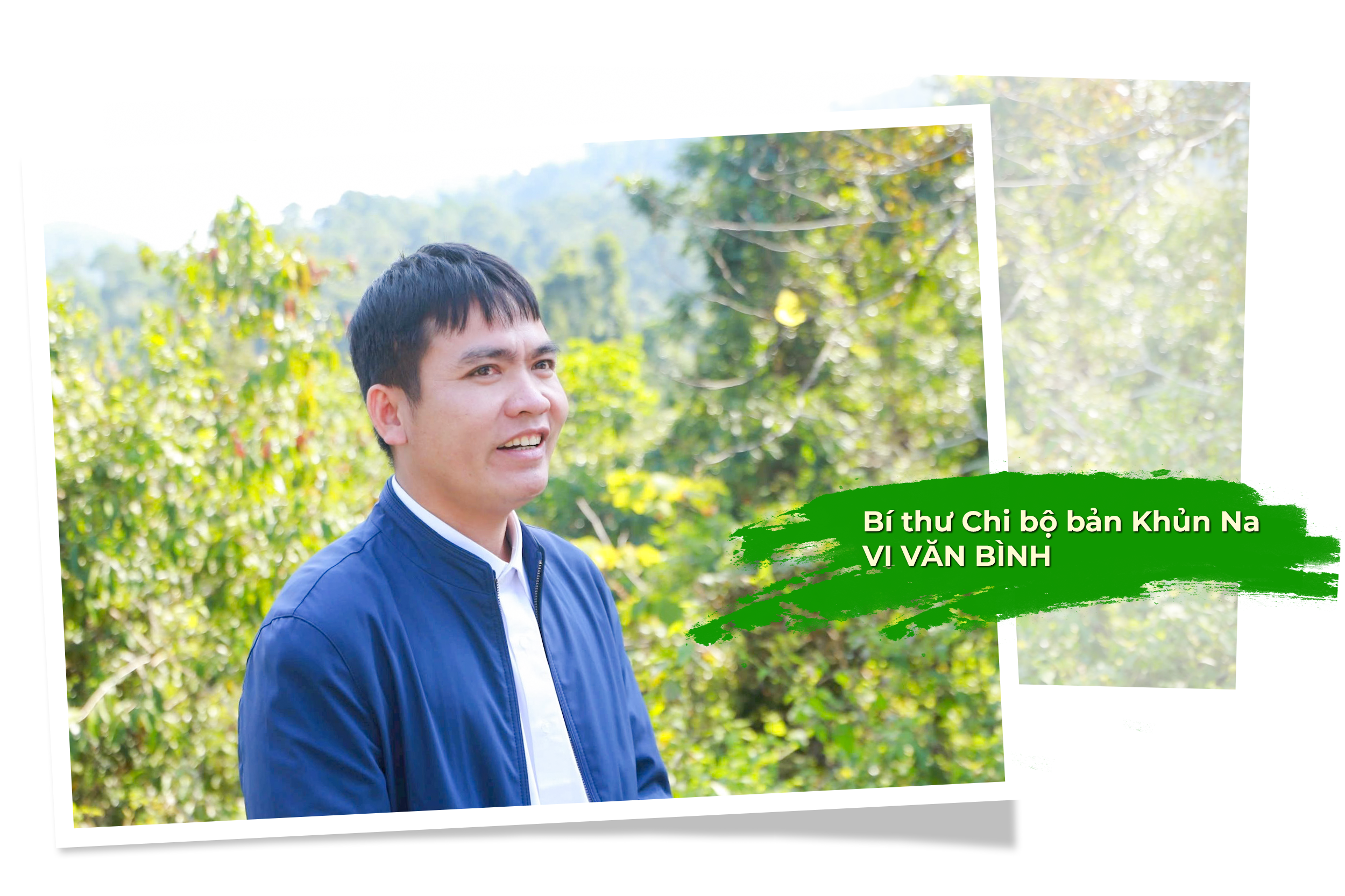
According to the Party Secretary of Khun Na village, the Dong Van 2 Forest Protection Station is very responsible and closely connected with the local people. Station Chief Vi Ngoc Lang, in particular, benefits from being of Thai ethnicity, which allows him to communicate effectively with the villagers. Vi Van Binh said: “Attending village meetings, Comrade Lang quickly grasps the villagers' opinions and promptly explains or makes recommendations to higher authorities. At the same time, he directly conveys the State's policies and laws so that the villagers understand them…”
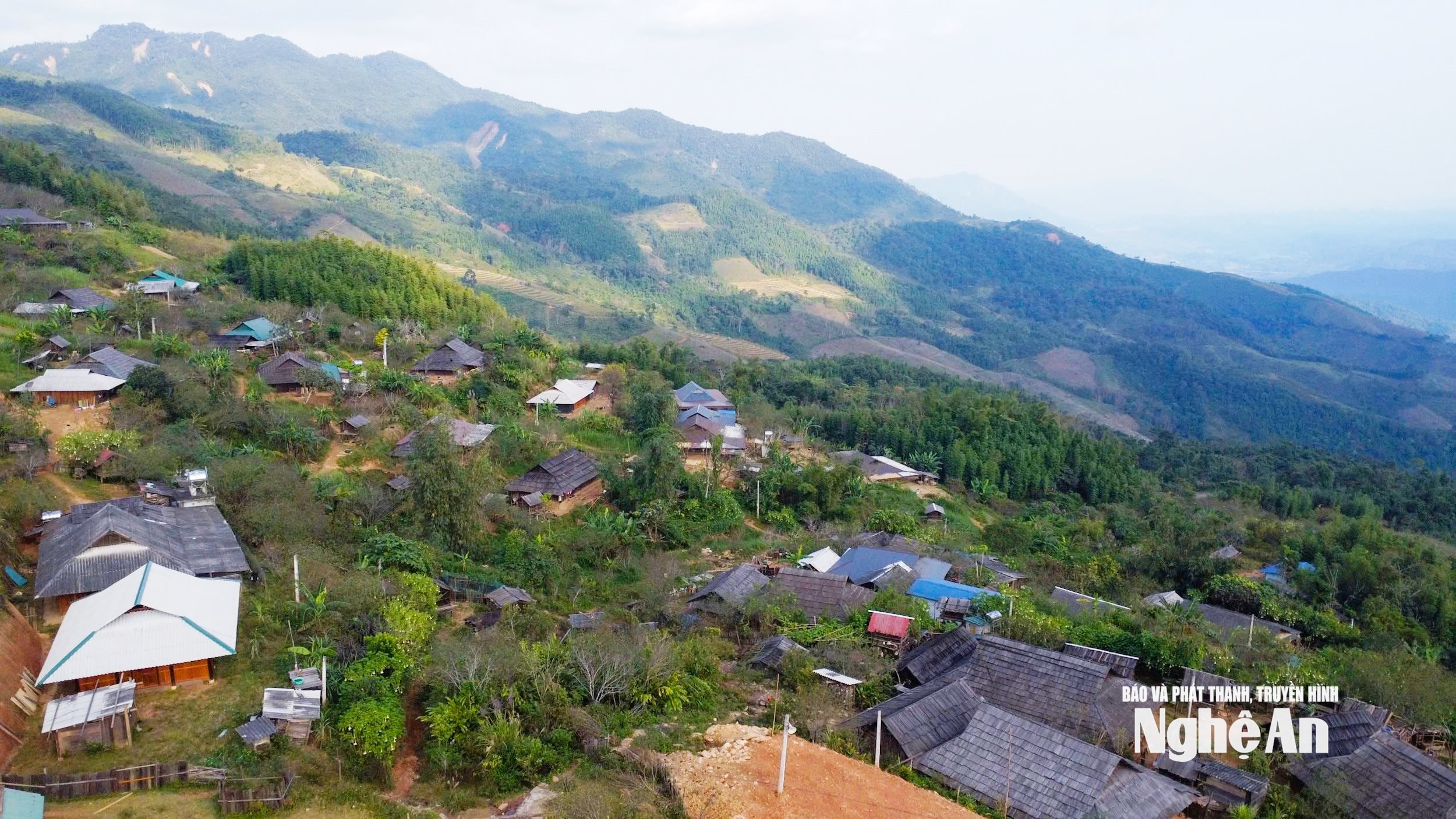
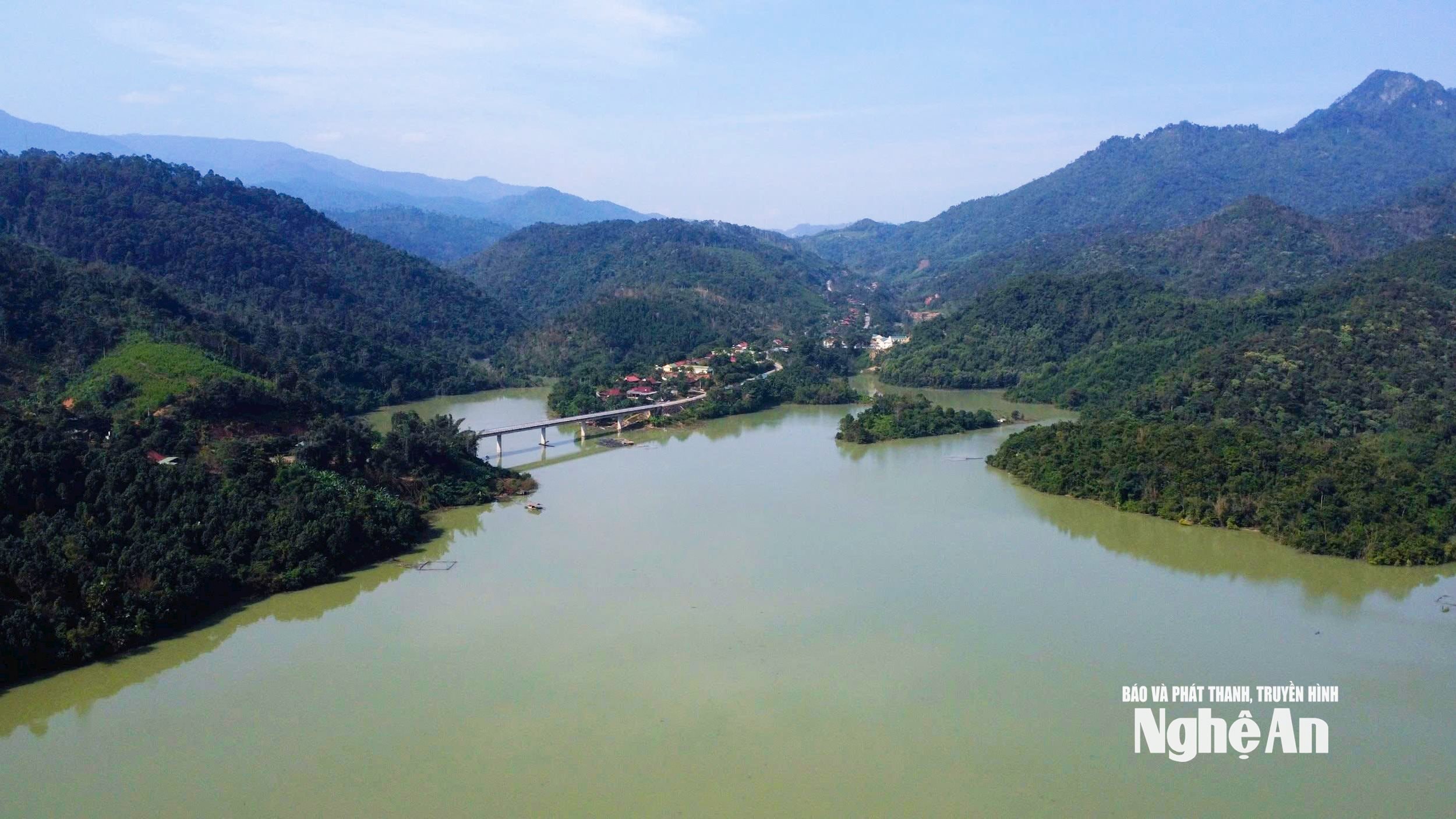
In the border commune of Tri Le, people are gradually becoming aware of the importance of forest protection. The problems of illegal logging, timber trading, and hunting of forest animals are no longer as prevalent as before, and the Mong people have gradually changed their habits of shifting cultivation and slash-and-burn farming. For example, in Pa Khom village, 99 households are contracted by the Pu Hoat Nature Reserve to protect 600 hectares of forest. Every month, the village assigns personnel to patrol the area along with the Tri Le Forest Protection Station according to plan. Mr. Va Che Nenh, Deputy Head of the Pa Khom Village Security Team, said: “Forest patrols are conducted at different times. Sometimes once a month, sometimes twice a month, and during the slash-and-burn season, it's three times a month. Now, the people know where slash-and-burn farming is prohibited, and the forest is well protected, leading to better development, better water resources, and a more beautiful village…”
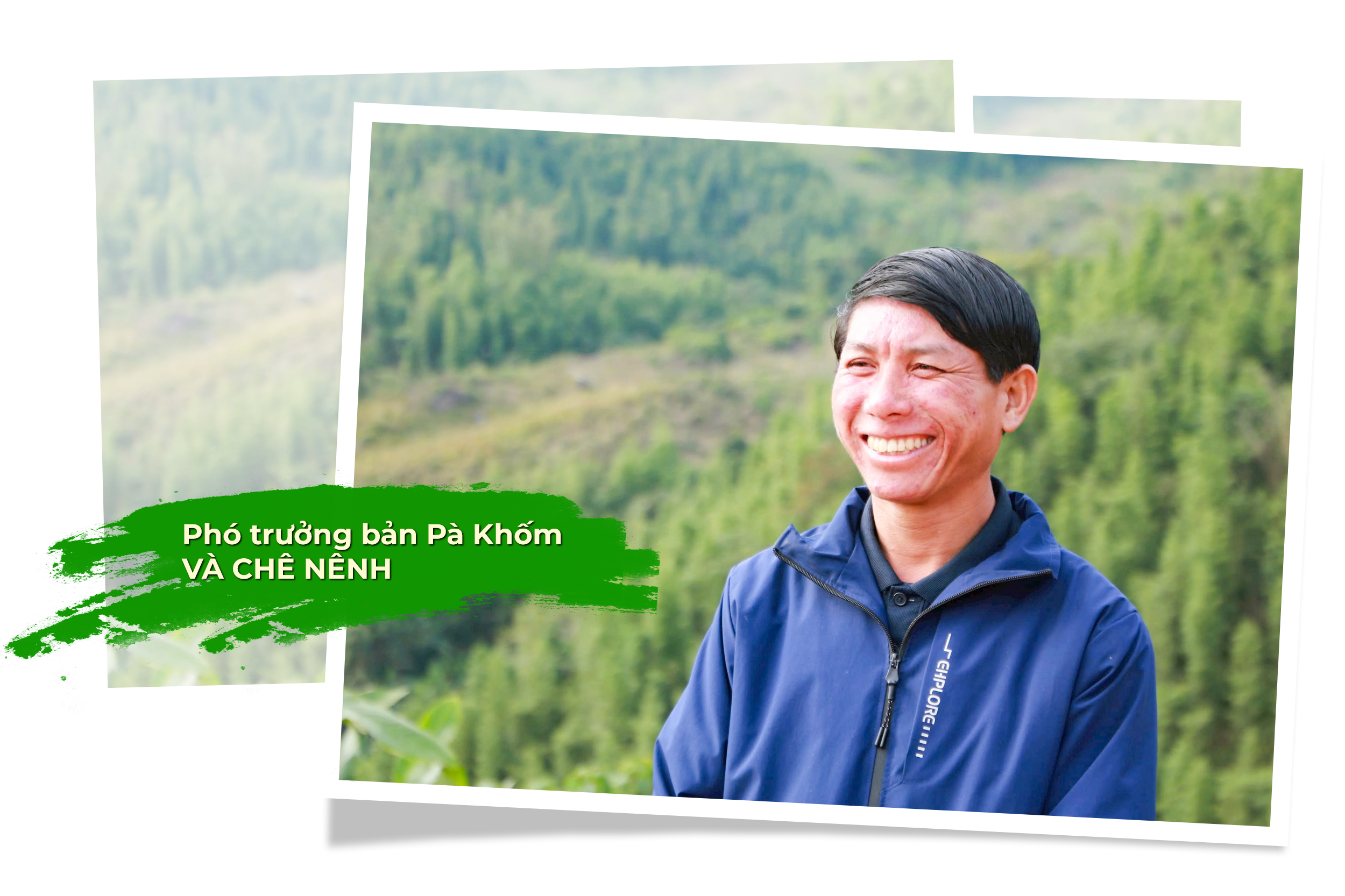
According to Deputy Village Head Va Che Nenh, the people of Pa Khom are grateful to the Pu Hoat Nature Reserve and the staff of the Tri Le Forest Protection Station for entrusting them with forest protection duties, which has provided them with additional income; and for implementing programs and projects that have given the village more concrete roads... Deputy Village Head Va Che Nenh commented: "The station staff often hold meetings with the villages, so everyone is close to the people. In particular, Station Chief Nguyen Thanh Hung is very concerned about the people, frequently calling to inquire about the situation regarding patrols and forest protection…"

According to Mr. Nguyen Van Hieu, Deputy Secretary of the Party Committee and Deputy Director of the Pu Hoat Nature Reserve, the head of the Thong Thu Forest Protection Station, Nguyen Duc Tinh, has unique secrets to building close relationships with the Lao people in Nam Tay village. One of the secrets revealed is: “Mr. Tinh knows that the people of Nam Tay village really like dried seafood, especially squid. He comes from the coastal area of Quynh Luu, so he buys and stockpiles it whenever he goes back home. Every time he comes to Nam Tay, he brings some as gifts to each household. The friendship gradually develops in this way…”
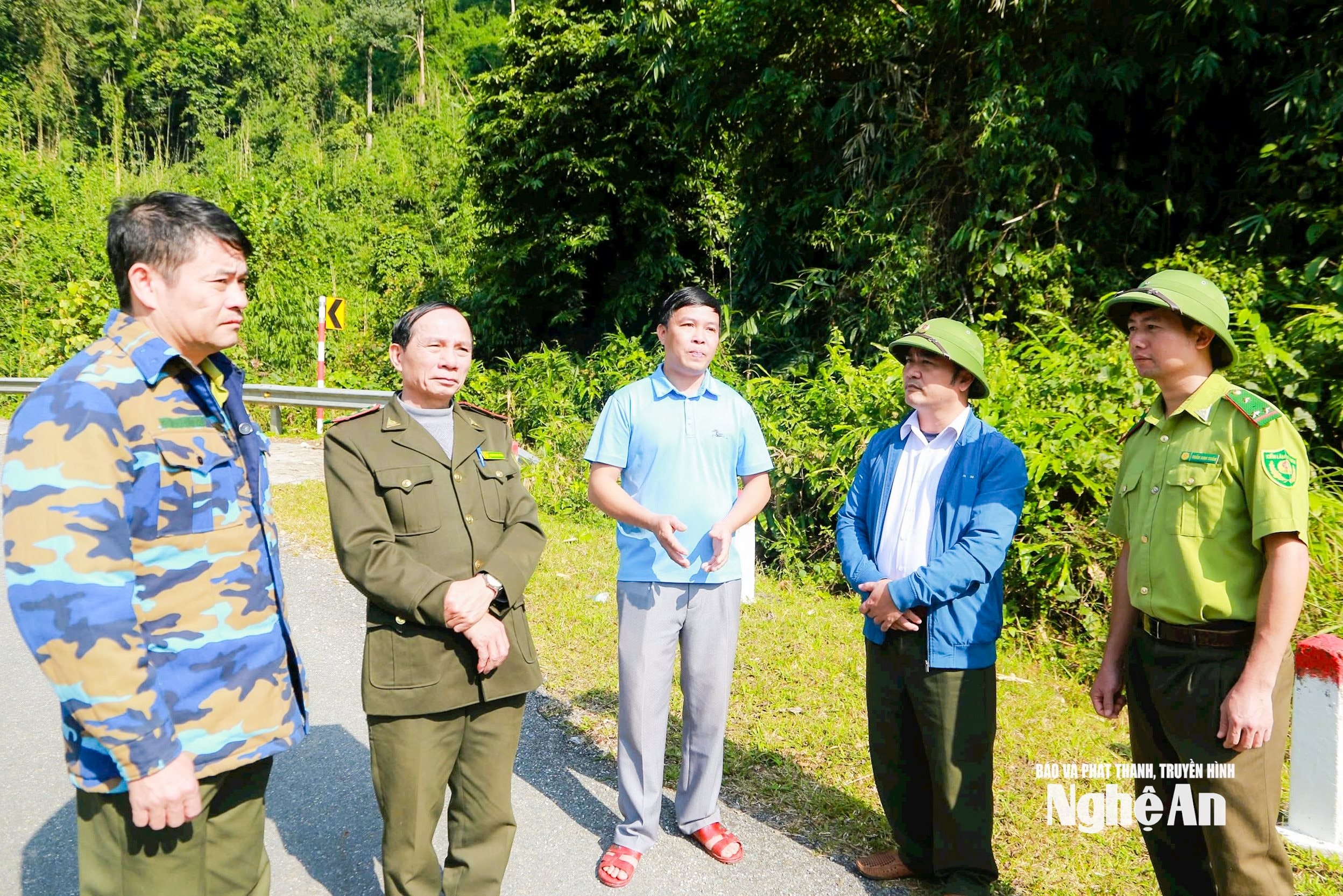
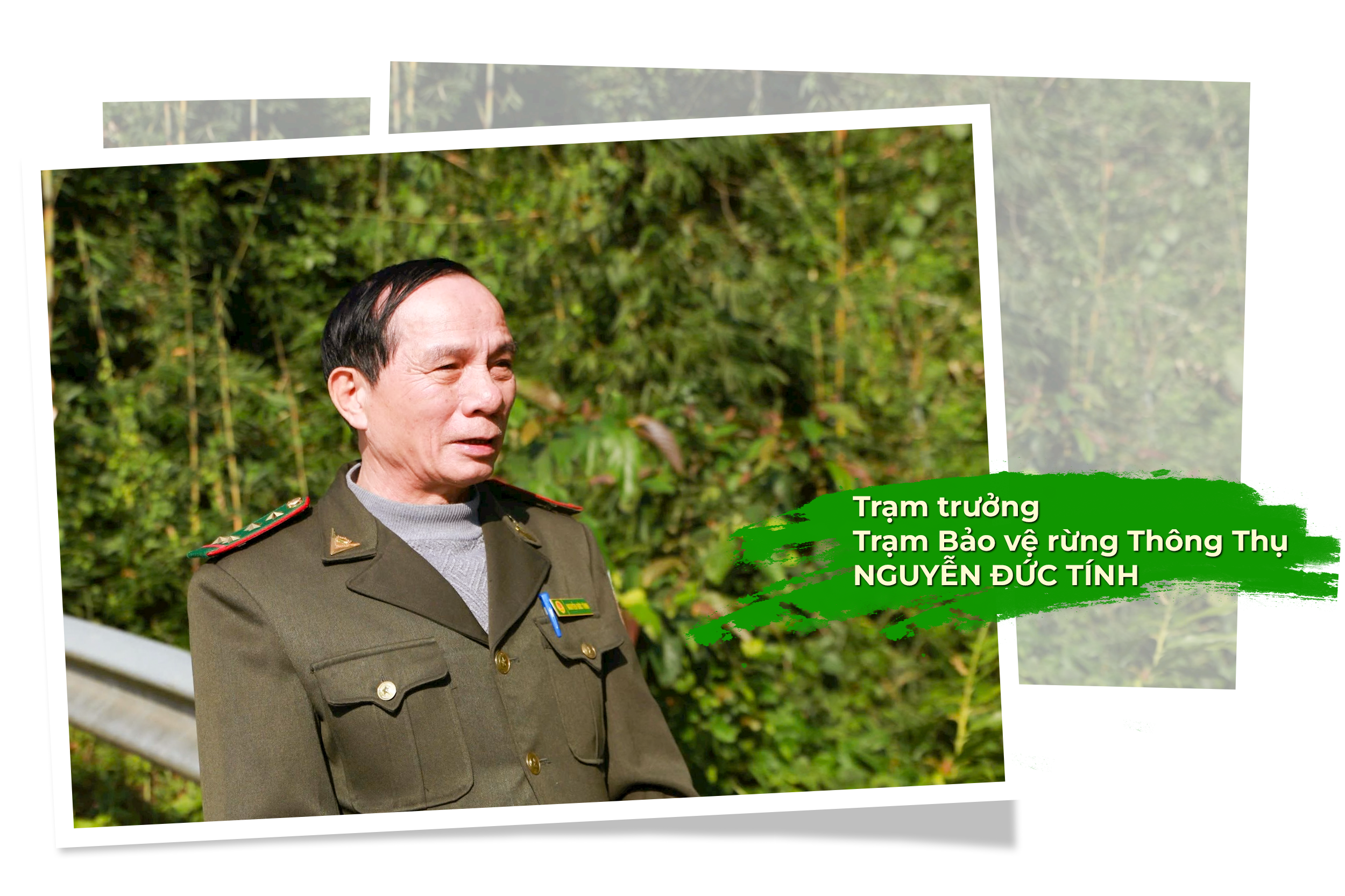
For Station Chief Nguyen Duc Tinh, retirement is just a few months away, but he still desperately wants to stay in the profession. Amidst the mountains and forests of the Pu Hoat border region, when this topic comes up, he falls silent for a long time before his voice chokes up: “Forestry work is full of difficulties, but I don’t want to think about the day I leave…” Having worked in Thong Thu commune for six years, and nearly 40 years dedicated to forestry, Mr. Tinh confided that protecting the forest requires the consensus of the people. And to create that consensus, one must build a bond, cultivate affection so that the people trust, love, and follow.
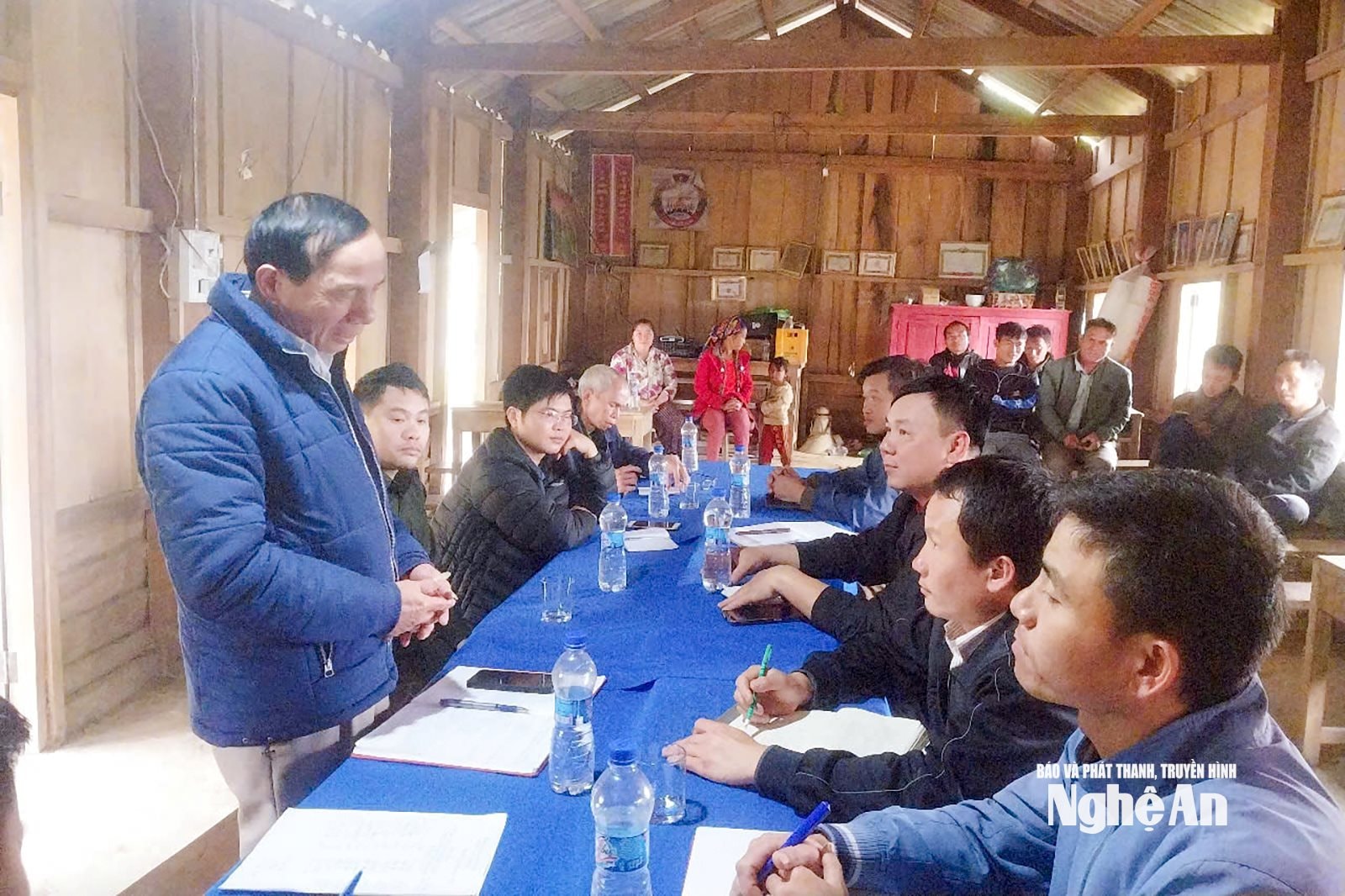
Then the head of the Thong Thu Forest Protection Station affirmed: “In this area, the people's awareness of forest protection is very high. This is thanks to the attention of the Party and the State, which have directed the implementation of programs and projects to improve the lives of people living near the forest. With the Pu Hoat Nature Reserve, we have worked together with the Party committee and the local government to best implement those programs and projects. Now, if we invite the people of Thong Thu commune to clear land for farming or timber, they will refuse. It's the same with the Lao people in Nam Tay village; I believe that once we have built a good relationship, they will never turn their backs on us…”
At the Dong Van 2 Forest Protection Station, Station Chief Vi Ngoc Lang said he is a member of the Thai ethnic group from Chau Thuan commune, Quy Chau district (formerly). Vi Ngoc Lang proudly stated that the area under his management in Dong Van commune used to have many barren hills, but now the forest has regenerated and recovered, allowing for its inclusion in the planning process and the eventual payment of forest environmental service fees to the local people. Regarding forest conservation and development, he emphasized the crucial role of the people in the buffer zone. “Monthly, the Dong Van 2 Forest Protection Station, in collaboration with the Science Department, the Forest Ranger Station, and the Pu Hoat Nature Reserve, organizes awareness campaigns in villages and hamlets. These campaigns integrate village meetings with dialogues and listen to the opinions of the people to disseminate information about laws, regulations, and state policies. Simultaneously, we coordinate with local forces to develop patrol and inspection models…,” Vi Ngoc Lang explained.
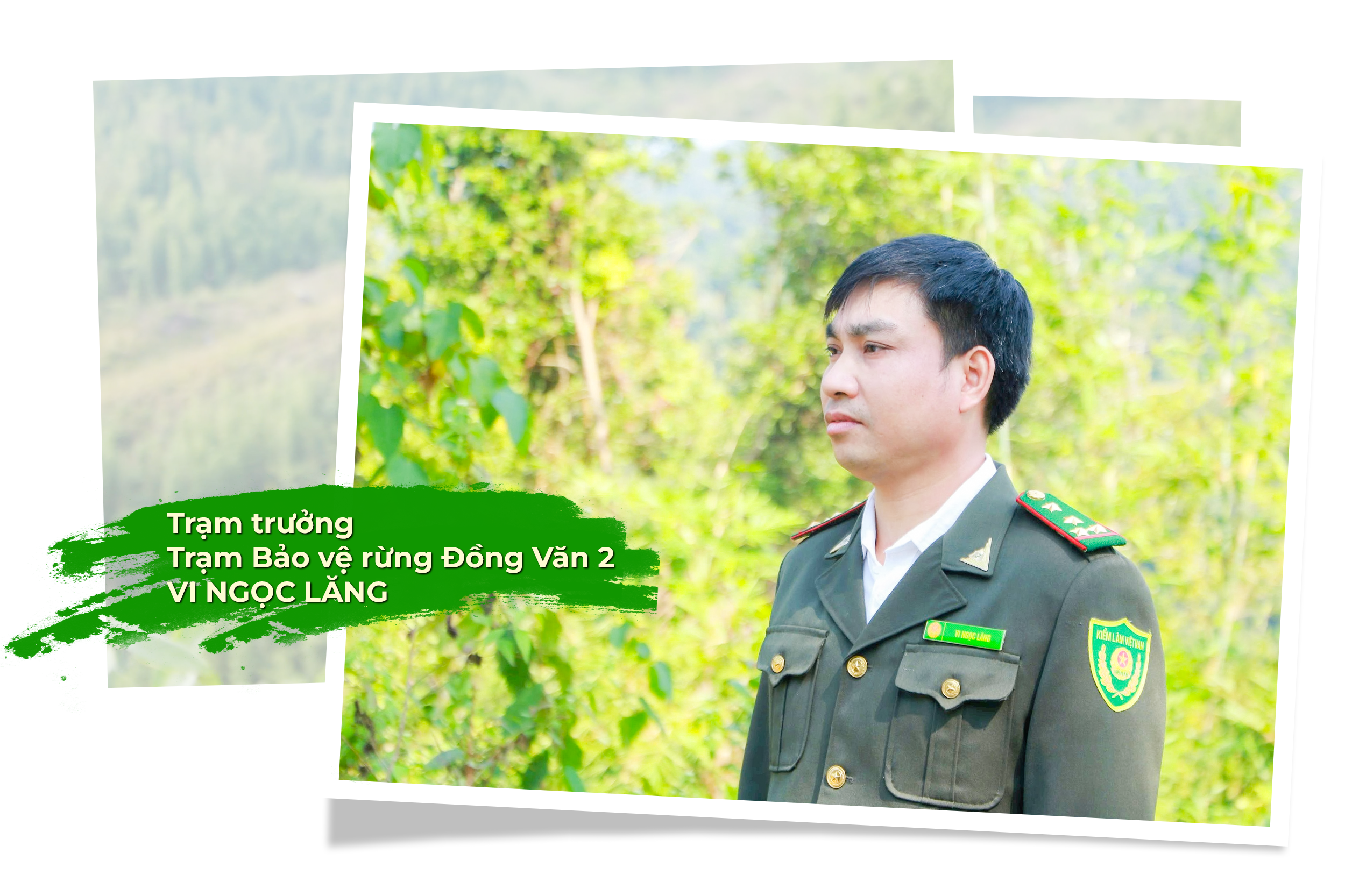
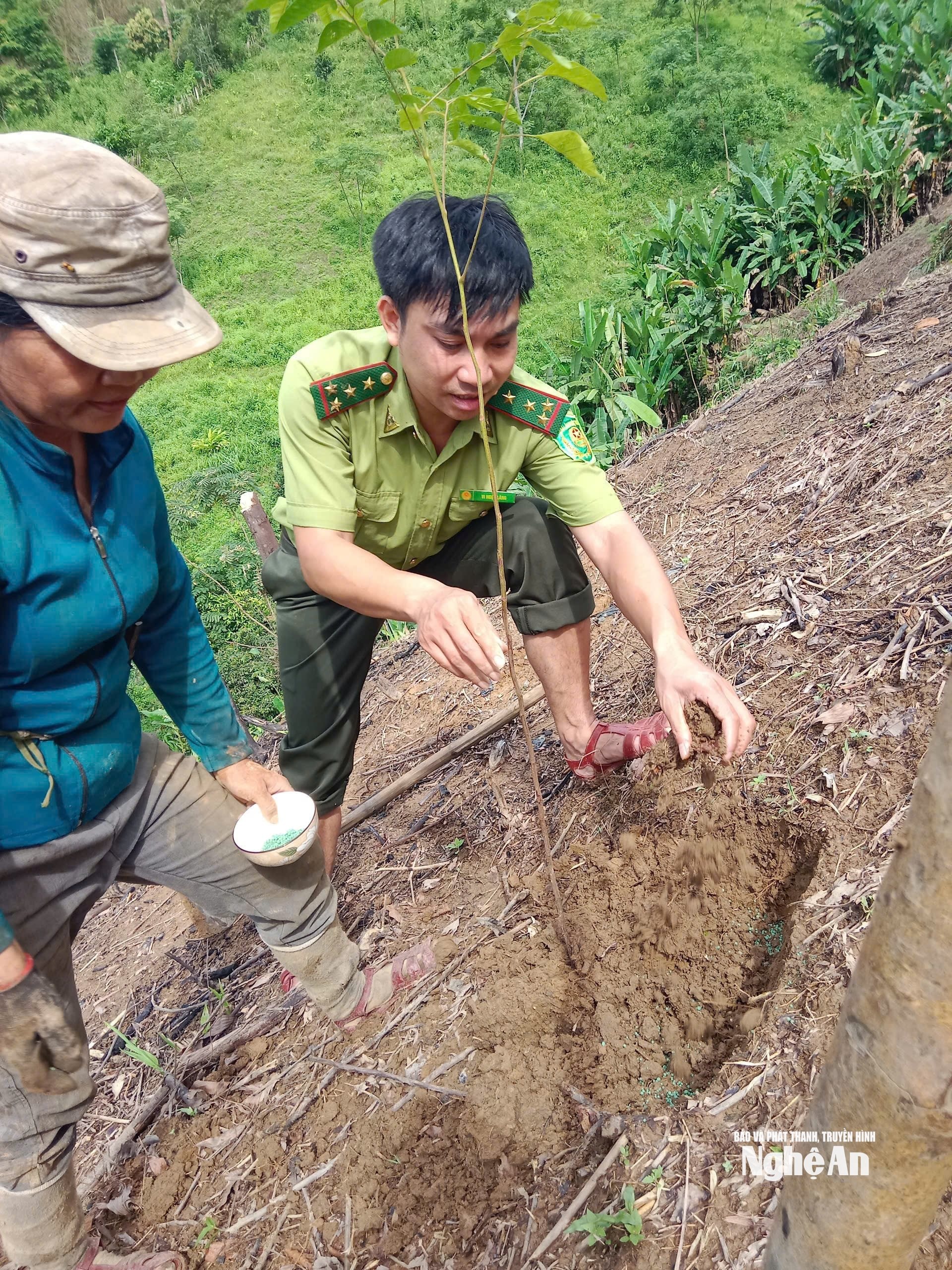
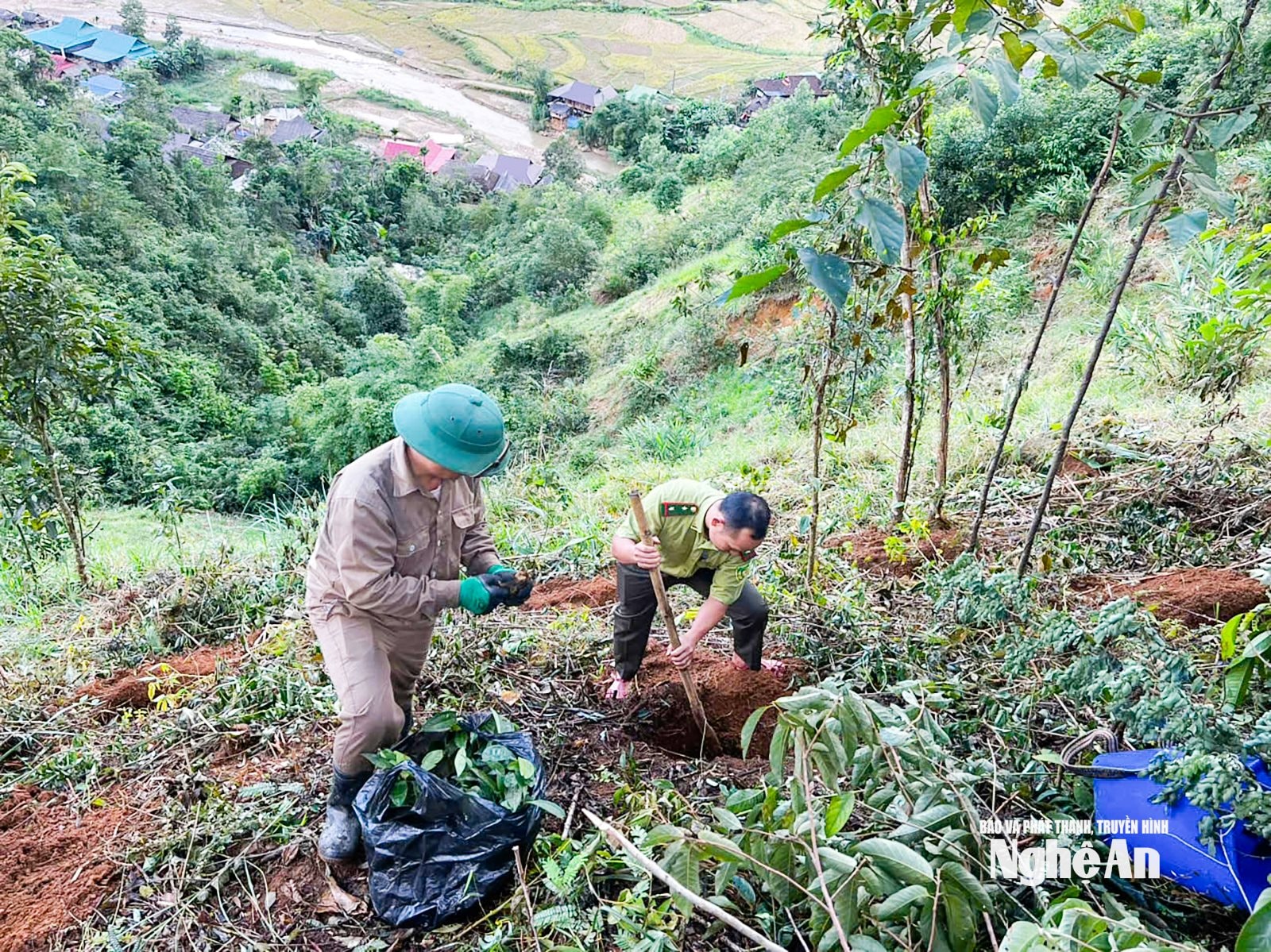
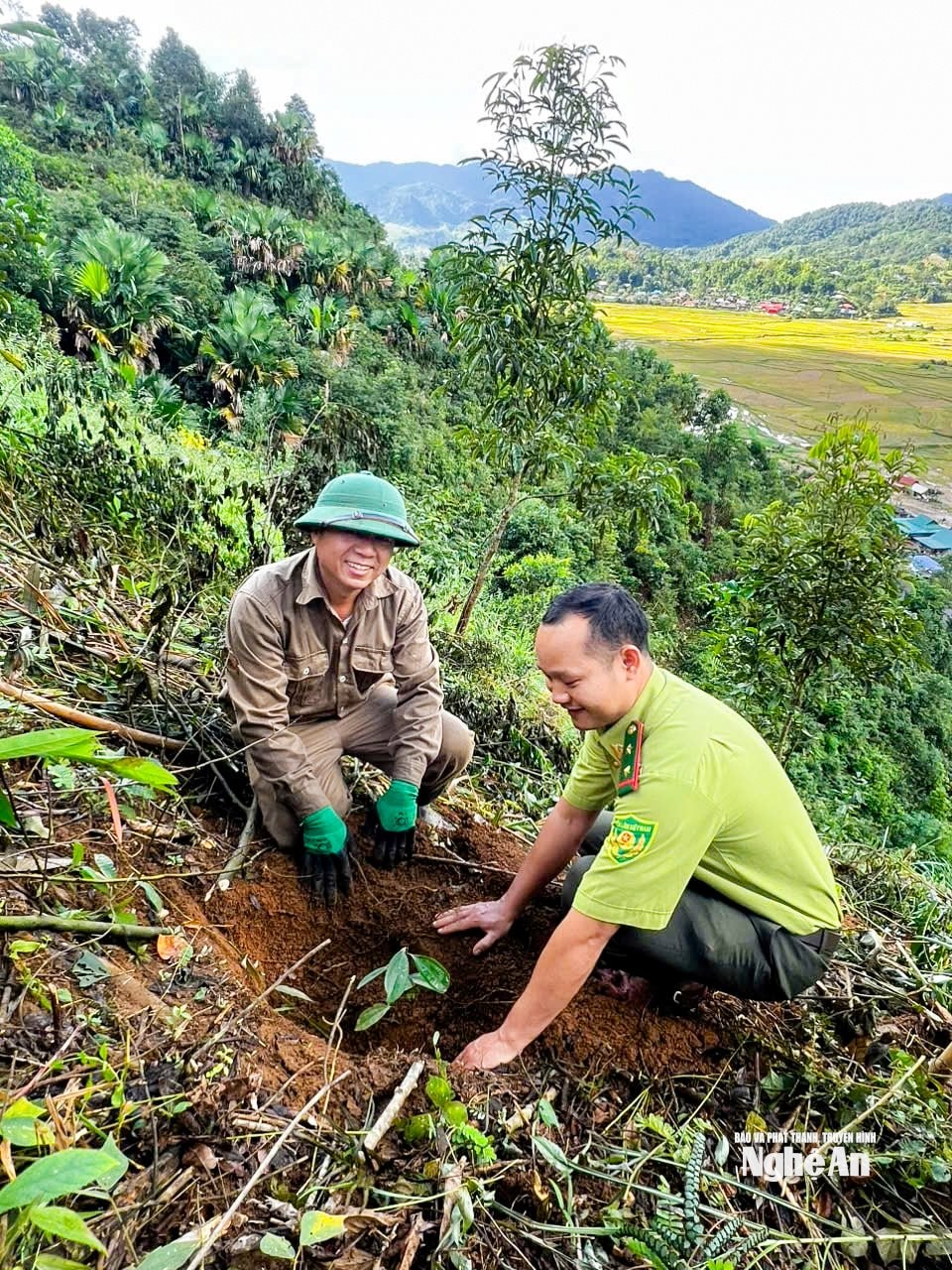
A key issue that Mr. Vi Ngoc Lang discussed was creating livelihoods for people in the buffer zone. He said: “The Pu Hoat Nature Reserve has researched and implemented policies to the maximum extent for the people. From forest environmental services, the ERPA greenhouse gas emission reduction program, projects under the sustainable forestry program... With staff from the station regularly going down to the villages to directly guide people on techniques for planting trees such as teak, cinnamon, and acacia..., even going up to the hillsides with the people to show them how to do it themselves, from digging holes to planting seedlings... By being close to the people and helping them benefit from the programs and projects, the negative impacts on the forest gradually disappear, the forest area in Dong Van commune increases, and biodiversity is preserved…”
In Tri Le commune, due to the difficult living conditions of the Mong ethnic minority and their dependence on the forest, there was a long period of violations of forestry laws, deforestation for farming, and even complex disputes. According to Nguyen Thanh Hung, head of the Tri Le Forest Protection Station, the Party committee, government, and forces of the former Que Phong district, along with the Pu Hoat Nature Reserve, had to work diligently for a long time to change this. The Tri Le Forest Protection Station plays a key role in conveying and disseminating the Party and State's policies and regulations on forest protection and development to the local people; implementing livelihood projects; and detecting and strictly handling violations of the law.
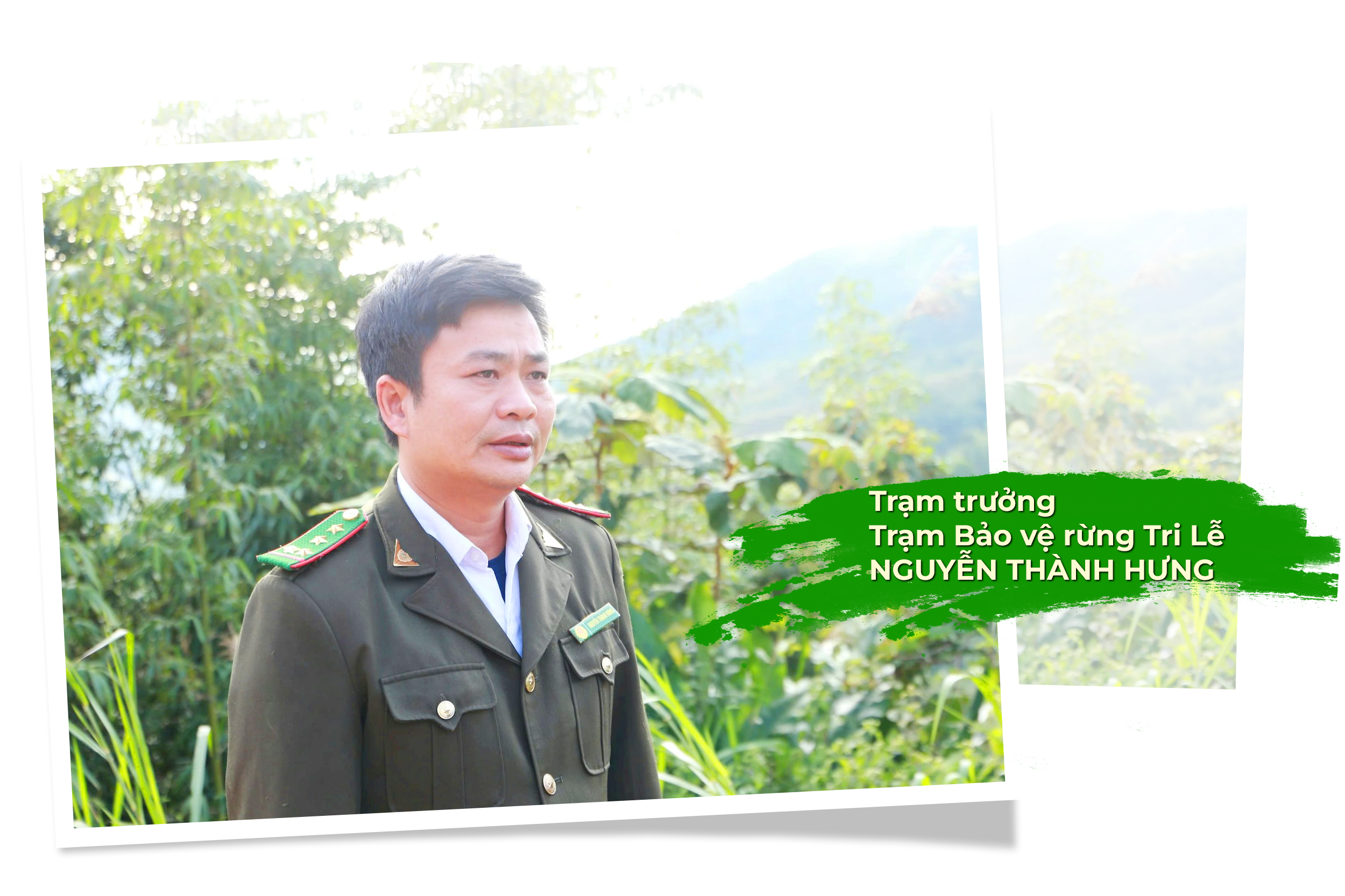
Station chief Nguyen Thanh Hung also highly values being close to the people and encouraging them to abandon old habits and work together in forest protection. He shared: “The Mong people are very hesitant to interact with strangers, and since we don't know their language, communication is especially difficult. Therefore, the station staff have to start with Party branch meetings and village meetings to create close connections with grassroots officials, from the Party secretary and village head to influential people. Through these grassroots officials, we gradually disseminate information and mobilize support. The practical experience we've learned is that words must be accompanied by actions. Although the Mong people are difficult to deal with, they are very kind and trusting when you get close to them. But if our actions don't match our words, we will face very strong negative reactions. Therefore, we must maintain standards, not abuse our position or authority, and not abet those who violate the law in order to maintain their trust…”

On June 26, 2025, Pu Hoat Nature Reserve was one of 65 collectives nationwide awarded a Certificate of Commendation by the Central Propaganda and Mass Mobilization Department for its outstanding achievements in studying and following the ideology, ethics, and style of Ho Chi Minh.
According to Nguyen Van Sinh, Secretary of the Party Committee and Director of the Pu Hoat Nature Reserve, to achieve this honor, from its establishment to the present day, the collective of the Pu Hoat Nature Reserve has always remembered and followed the teachings of President Ho Chi Minh. In particular, they have placed great importance on mass mobilization work; consistently agreeing that only by doing a good job of mass mobilization can they successfully complete the task of protecting and developing the forest. Therefore, the Pu Hoat Nature Reserve has collaborated with 44 villages and hamlets in the buffer zone through forest protection contracts and support for the construction of public works projects, with a total value of nearly 210 billion VND. They have successfully implemented many sustainable livelihood models that have spread widely among the people, notably the 1-hectare taro cultivation model in Pieng Lang village and the 2-hectare Quy cinnamon cultivation model in Na Khich village...
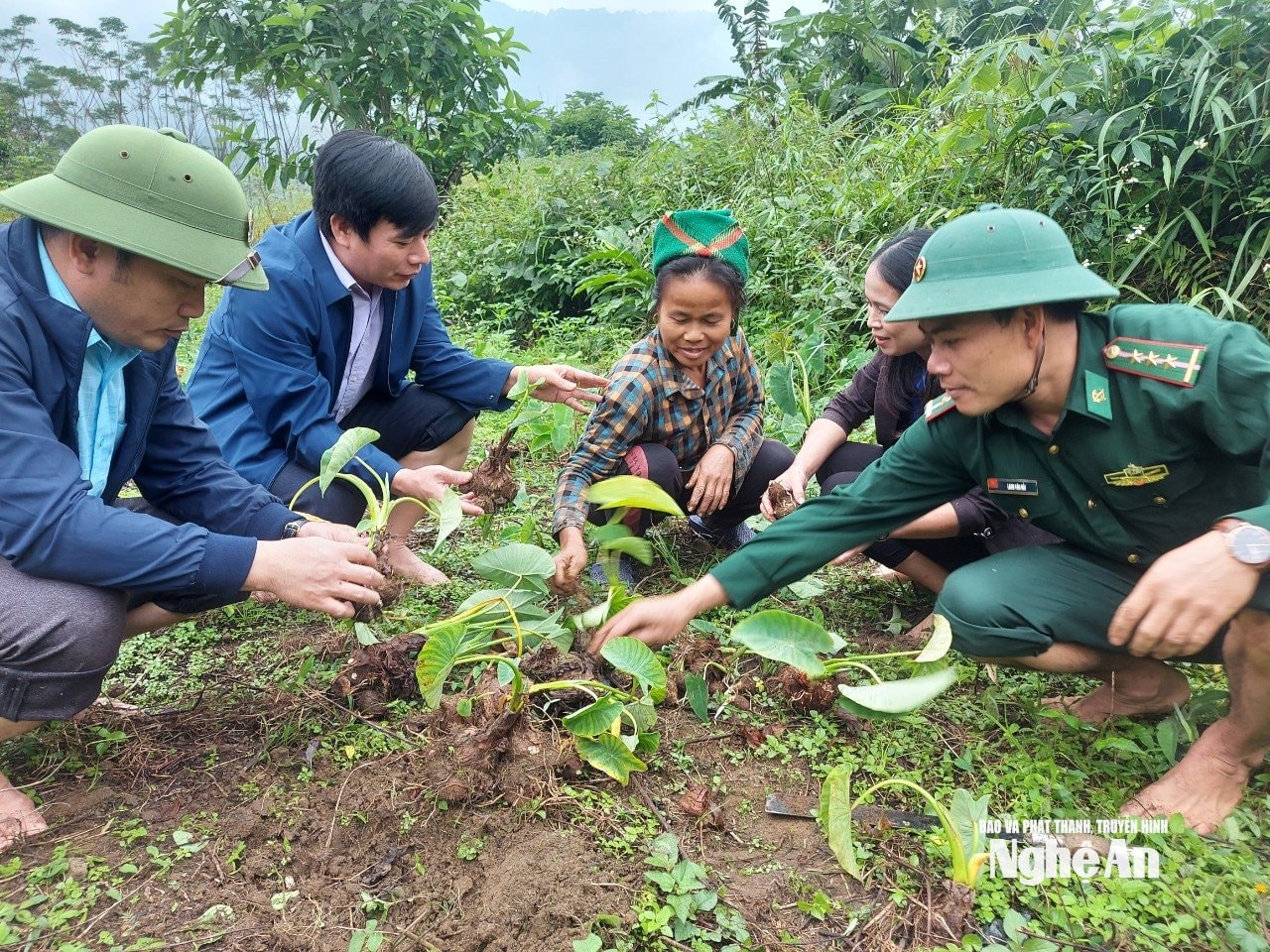
Mr. Nguyen Van Sinh shared: “For many years, the Pu Hoat Nature Reserve has been determined to successfully build a shining example of grassroots democracy and government-led public relations, linked with the development of a ‘skillful public relations’ model. As a result, each individual in the Pu Hoat Nature Reserve is aware of the importance of public relations work. They understand that to protect and develop the forest, the role of the people is indispensable, and that overcoming obstacles and difficulties is crucial for successfully fulfilling their duties...”