
Rediscovering the value of Nghe An's 'finest green tea'.
The reputation of Thong Nhat green tea has been established for many years thanks to the unique soil conditions and cultivation methods on the rocky hillsides. However, the value of the tea plant has mainly remained in the sale of fresh raw materials. The establishment of the Luong Son Green Tea Growing Cooperative is opening up the hope of reorganizing production towards cleaner production, increasing added value, and turning the local specialty into a competitive agricultural brand.
Cdelicious summeron difficult land
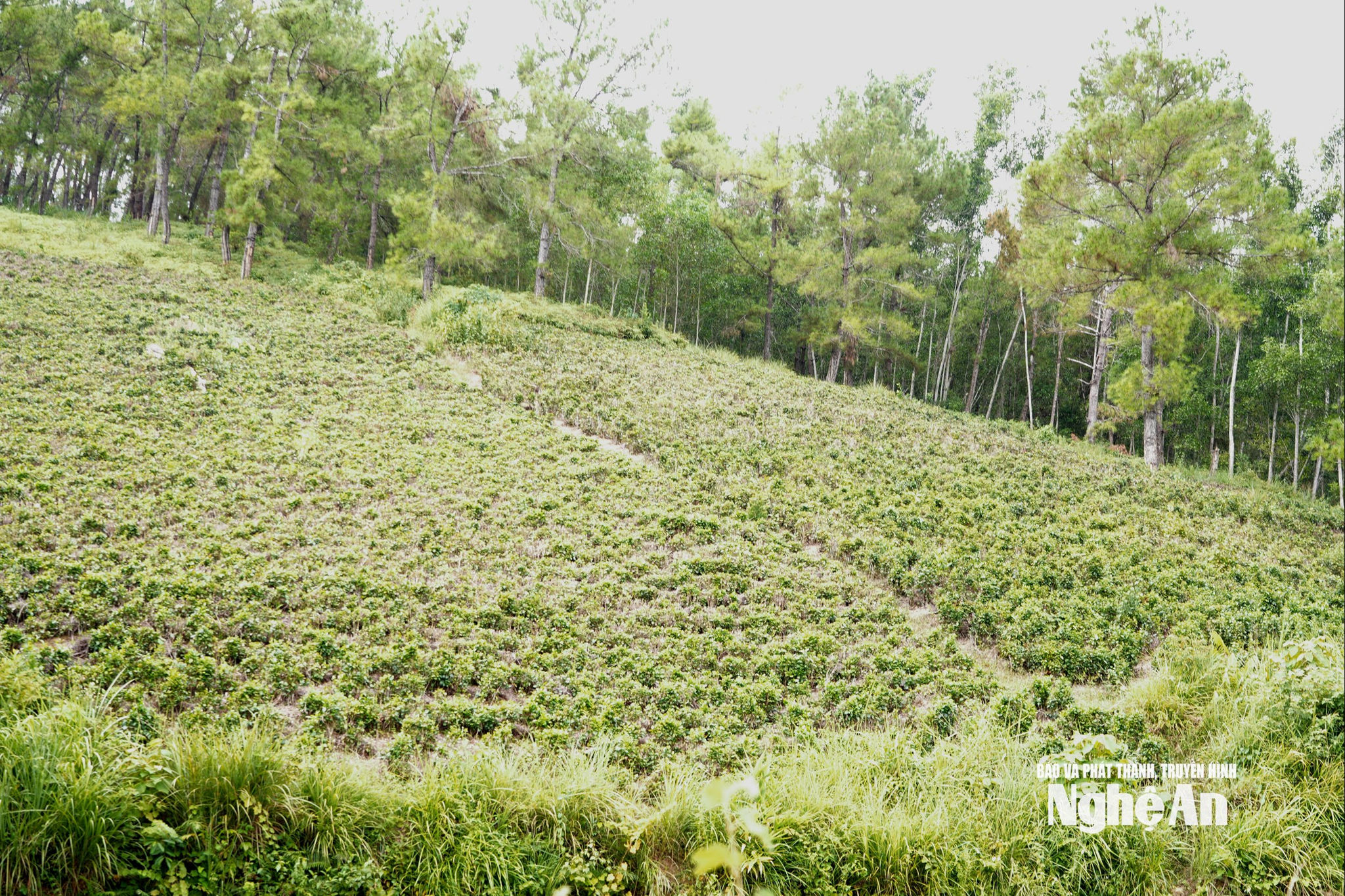
The road to Thong Nhat hamlet in Luong Son commune winds through hills. Further in, green tea hills gradually appear, covering the slopes of red soil mixed with gravel and stones. From early morning, people are already on the fields cutting the green tea branches that have just reached maturity. On this hilly area, which would seemingly only be suitable for acacia and cassava, tea plants have taken root, becoming the livelihood of more than 150 households and creating a brand that many tea connoisseurs consider the "finest green tea" of Nghe An province.
Thong Nhat Hamlet was established in 1994 on the basis of the Thong Nhat Agricultural Cooperative, which had been in existence since 1966. The first residents were people from Dong Trung village, Dong Son commune (formerly Do Luong district), who migrated to this hilly area in 1965 to clear the land and establish settlements. Among their belongings in those early days were green tea seeds. Initially, tea was only grown around houses for brewing, but thanks to the suitable soil and climate, the tea plants quickly covered the hillsides and gradually became the main crop of the entire hamlet.
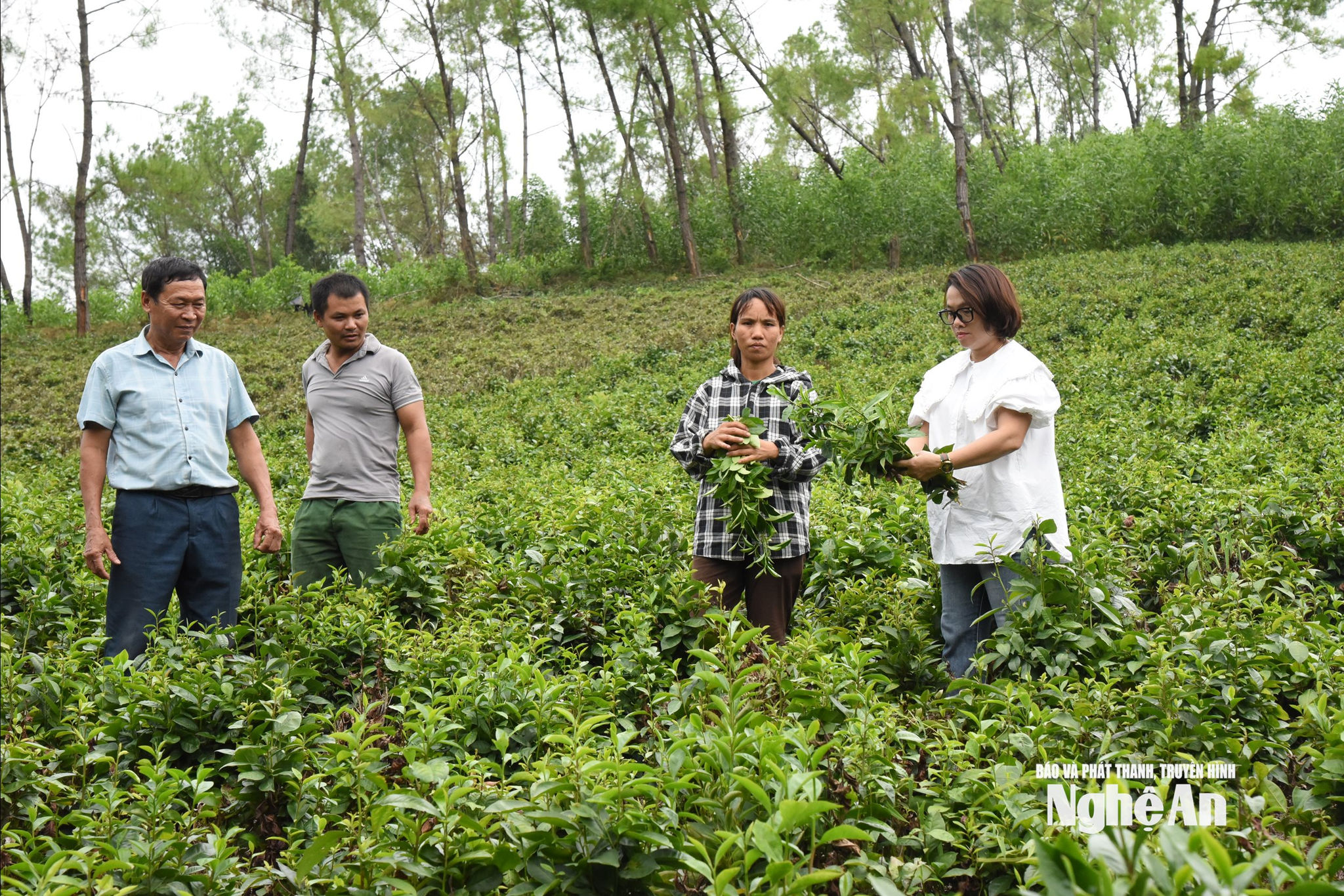
To date, the tea hills of Thung Giang, Cho Xoc, Hoc, and Dong Tien have become famous tea-producing areas of Thong Nhat. Many families, such as those of Ms. Vo Thi Huyen, Ms. Nguyen Thi Ly, Ms. Bui Thi Hoa, and Ms. Vo Thi Hong, have been involved with tea cultivation for decades, expanding their plantations to thousands of square meters, even nearly a hectare, creating vast green tea fields on the hillsides.
According to Comrade Nguyen Van Vinh, Secretary and Head of Thong Nhat Hamlet, what makes the tea here different is not the tea variety itself, but primarily the natural conditions and cultivation experience accumulated over many generations. Unlike many tea-growing regions where tea is grown in gardens or on fertile loam soil, Thong Nhat tea grows on high hills with red soil mixed with gravel and rocks, receiving direct sunlight all day long. These harsh conditions cause the plants to grow slower, but the leaves are smaller, thicker, crispier, and accumulate a richer flavor.
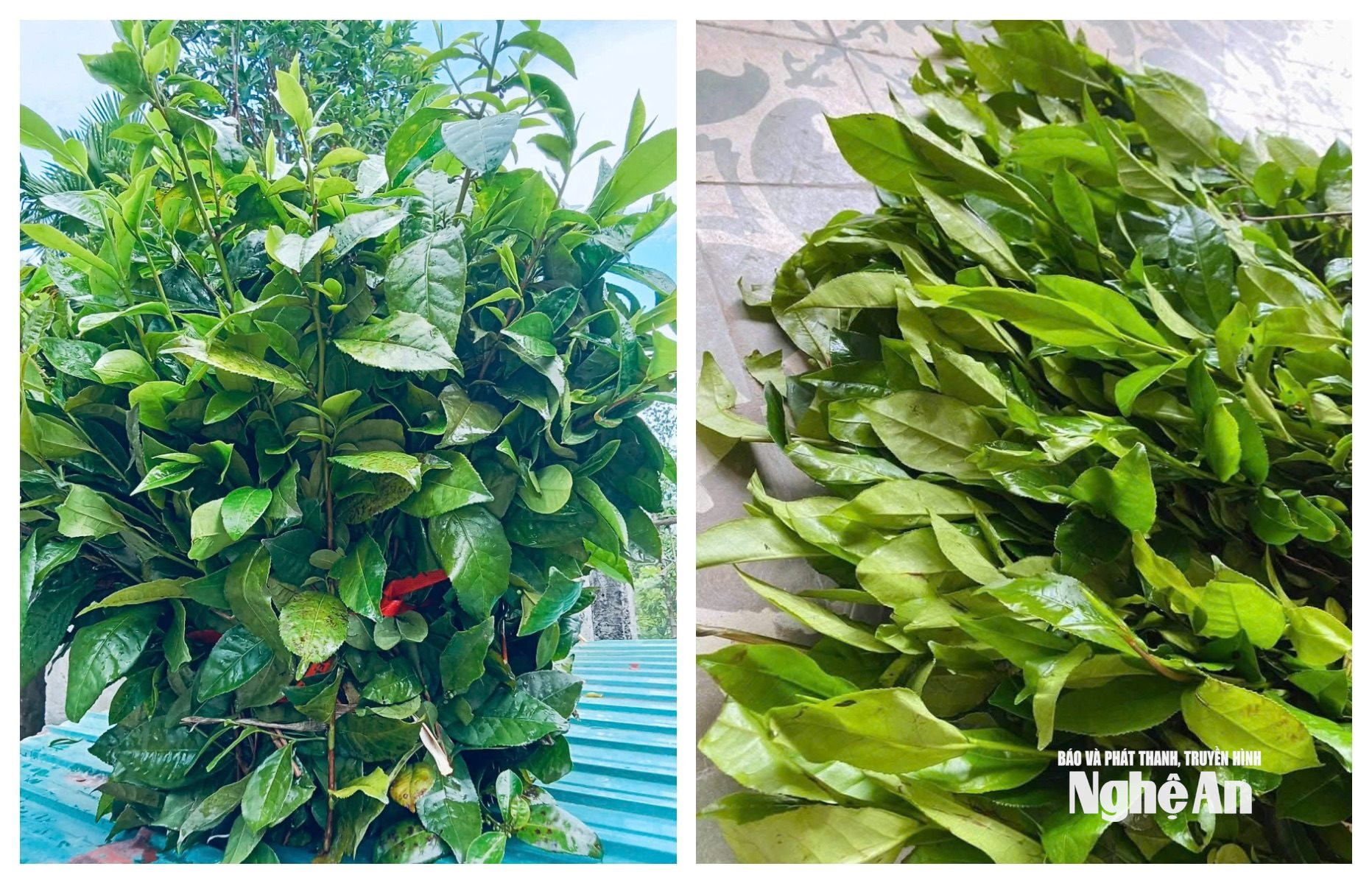
The people of Thong Nhat still preserve a very unique farming technique. After each rainy season, they go into the forest to harvest the "vot" tree, a naturally growing mulberry tree, and bring it back to mulch around the base of the tea plants. This mulch retains moisture during the dry season and decomposes into humus, adding natural organic matter to the soil. As a result, the tea plants grow healthily, are less susceptible to pests and diseases, and require less chemical fertilizer while maintaining consistent quality over many years.
Perhaps it is the synergy between the soil, climate, and cultivation methods that gives Thong Nhat tea its unique flavor. According to Mr. Pham Cong Buoi, head of the Thong Nhat hamlet Farmers' Association, the tea plants here thrived from around 1985-1990. Through natural selection, the local tea variety has increasingly revealed outstanding advantages. "The tea branches are short, the leaves are thick, dark green, and crisp. When brewed, the tea has a lemon-yellow color, not green. The tea has a slight astringency on the tongue but a very deep, sweet aftertaste. Notably, it retains its color and flavor even after the third infusion, while many other types of tea become weak after only the second infusion," Mr. Buoi shared.
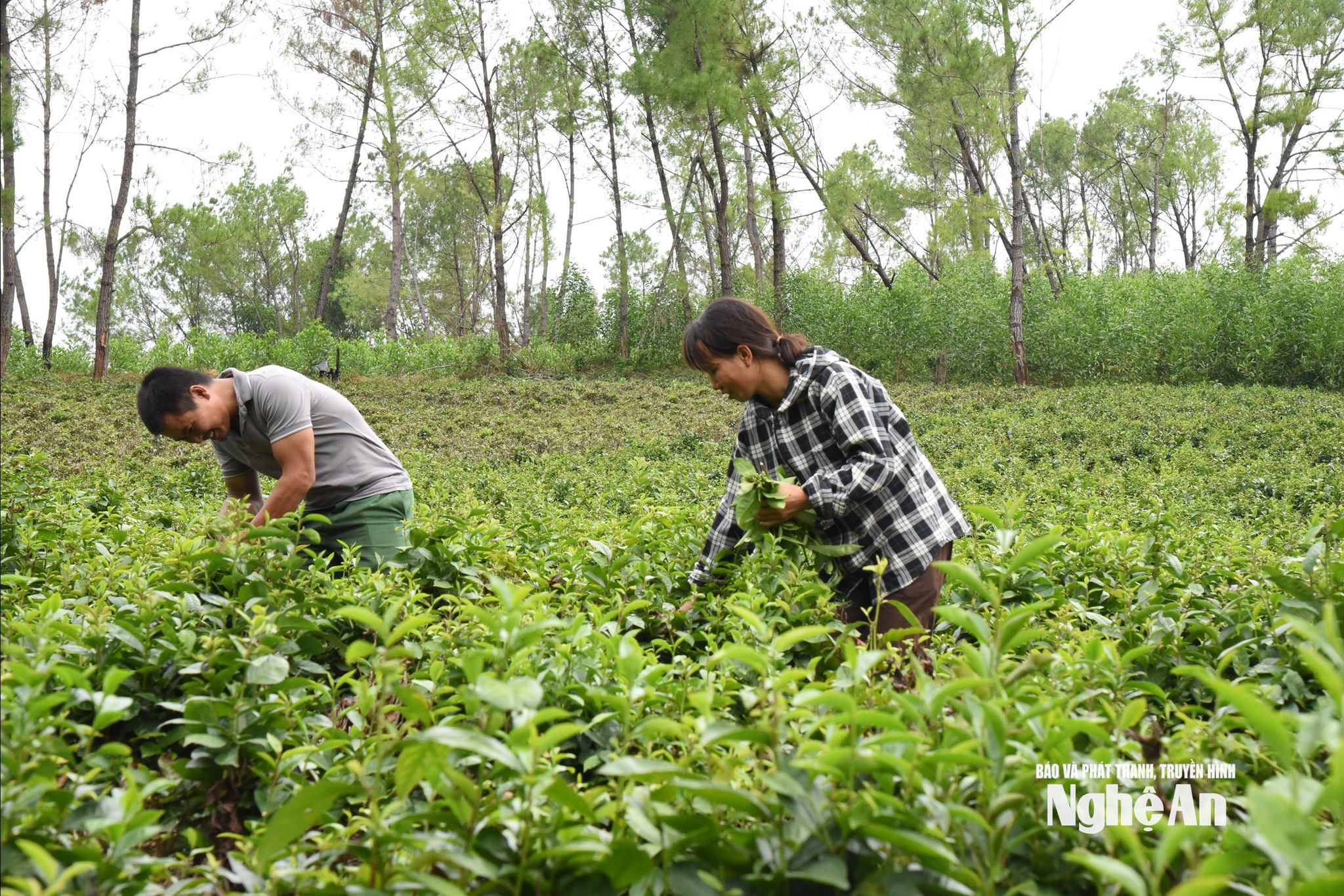
From a crop grown for family consumption, green tea has now become a source of wealth for the people of Thong Nhat hamlet. The entire hamlet currently has over 150 households growing tea on an area of approximately 25 hectares, with an average revenue of over 300 million VND/hectare/year. Ms. Nguyen Thi Tan's family is one of the households with the largest tea plantation area in the hamlet, with 12 sao (approximately 12,000 square meters) on the hillsides. Each year, the tea garden yields four harvests, each producing about 1,000 bundles, with selling prices ranging from 8,000 to 25,000 VND per bundle depending on the time of year.
According to Ms. Tan, tea plants don't require much investment. After about two years of planting, they begin to yield harvests. In subsequent years, only weeding, pruning, and regular application of organic fertilizer are needed to harvest multiple crops per year. On average, each plot of tea yields an income of 15-20 million VND, much higher than many other crops grown on the same land, while requiring less care.
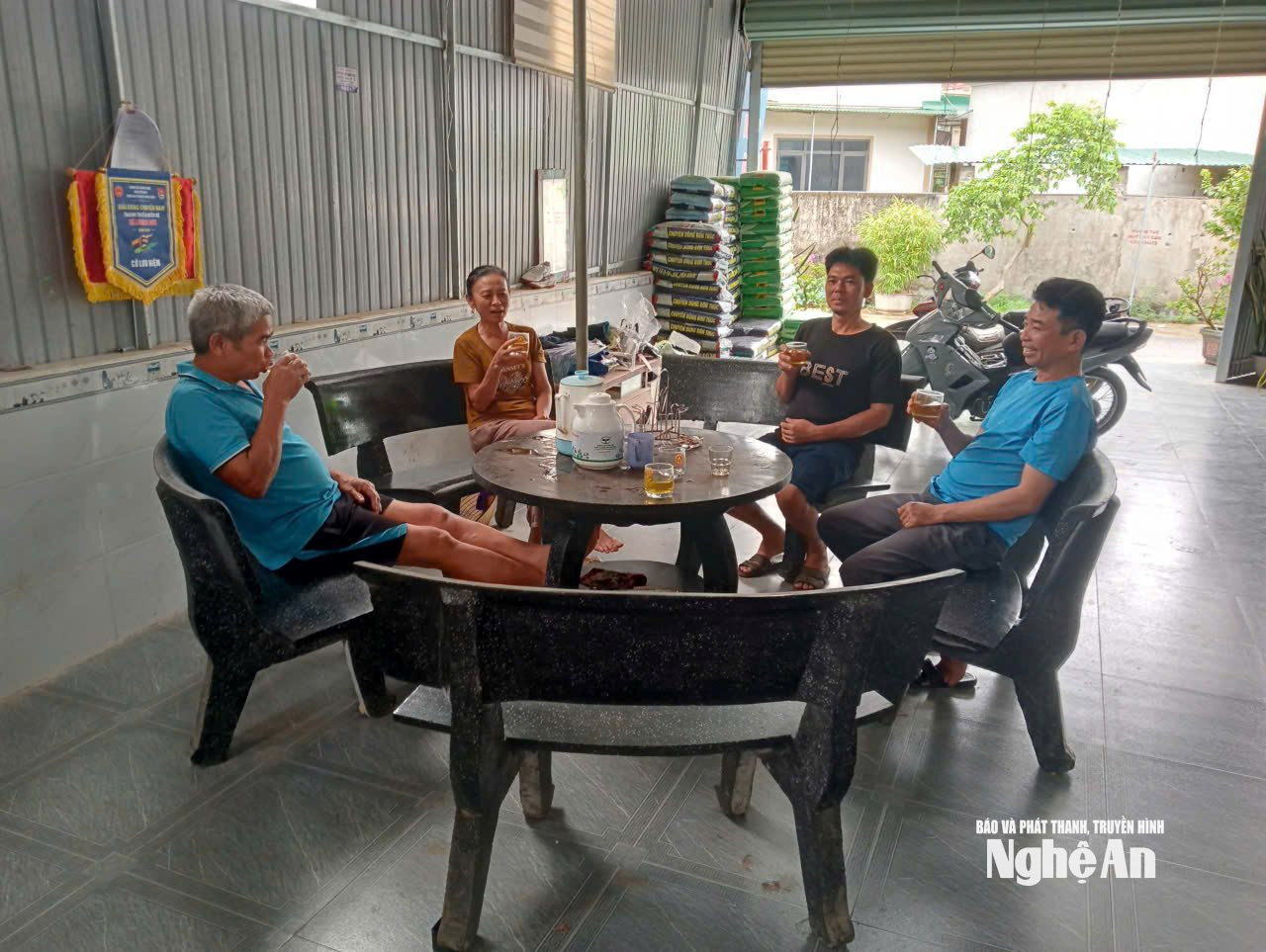
This economic value has transformed the landscape of the Thong Nhat hills. The hills, previously primarily planted with acacia and cassava, are now gradually covered in the green of edible tea plants. However, behind the reputation of "the finest green tea," a significant gap remains. Most products are still sold as fresh tea leaves, dependent on traders, lacking branding, packaging, or a stable distribution chain. This is also why tea growers here are beginning to choose the path of collaboration, building cooperatives to bring their local specialty to a new stage of development.
Thong Nhat tea stems are short, with thick, dark green, and crisp leaves. When brewed, the tea has a lemon-yellow color, not green. The tea has a slightly astringent taste on the tongue but a very deep, sweet aftertaste. Notably, it retains its color and flavor even after the third infusion, while many other types of tea become weak after only the second infusion.
Mr. Pham Cong Buoi, Head of the Farmers' Association of Thong Nhat Hamlet
The journey of building a brand.
.jpg)
Despite being highly valued by the market for its quality, the product is still mainly sold as fresh tea leaves, dependent on traders, and lacks standardized packaging, branding, or production processes. A tea-growing region renowned for its flavor has yet to gain recognition through a brand.
Based on that reality, on July 22, 2026, the Women's Union of Luong Son commune launched the Luong Son Green Tea Growing Cooperative, a collective economic model owned and managed by women, with 16 members who are members of the Thong Nhat branch of the Women's Union. More than just a production linkage organization, the cooperative is expected to become a "locomotive" in building a concentrated raw material area, standardizing cultivation processes, improving quality, and gradually bringing Thong Nhat green tea to the market under the name of the region.
According to Ms. Tran Thi Thu, Chairwoman of the Board of Directors and Director of the Green Tea Growing Cooperative in Luong Son commune, the cooperative's goal is not only to create a stable market for tea growers but, more importantly, to preserve the distinctive flavor that has made Thong Nhat tea famous.
We want households to produce tea according to a unified process, prioritizing organic fertilizers and limiting chemicals, so that each bundle of tea reaches the consumer with consistent quality. Beyond that, we aim to build a brand so that consumers remember Thong Nhat tea by the name of the region itself.
Ms. Tran Thi Thu - Chairperson of the Board of Directors and Director of the Green Tea Growing Cooperative in Luong Son Commune.
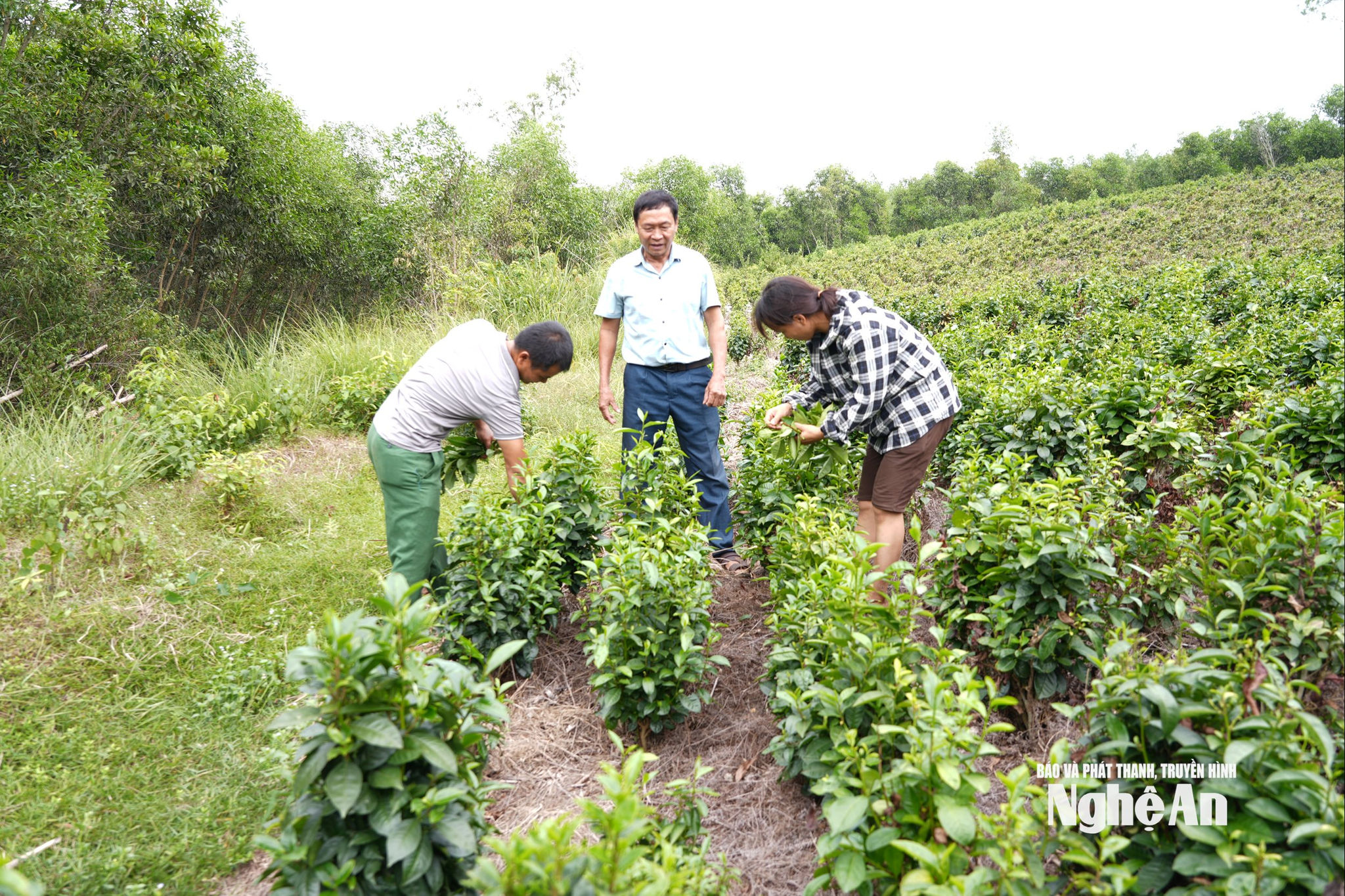
According to the development plan, the entire raw material area will be cultivated using safe farming practices, utilizing manure, agricultural by-products, and biological preparations to fertilize the plants, minimizing the use of pesticides and growth stimulants. This is not only a way to preserve the inherent quality of the hill tea but also a condition for the product to meet the standards of the modern market, where consumers are increasingly concerned about safety and traceability.
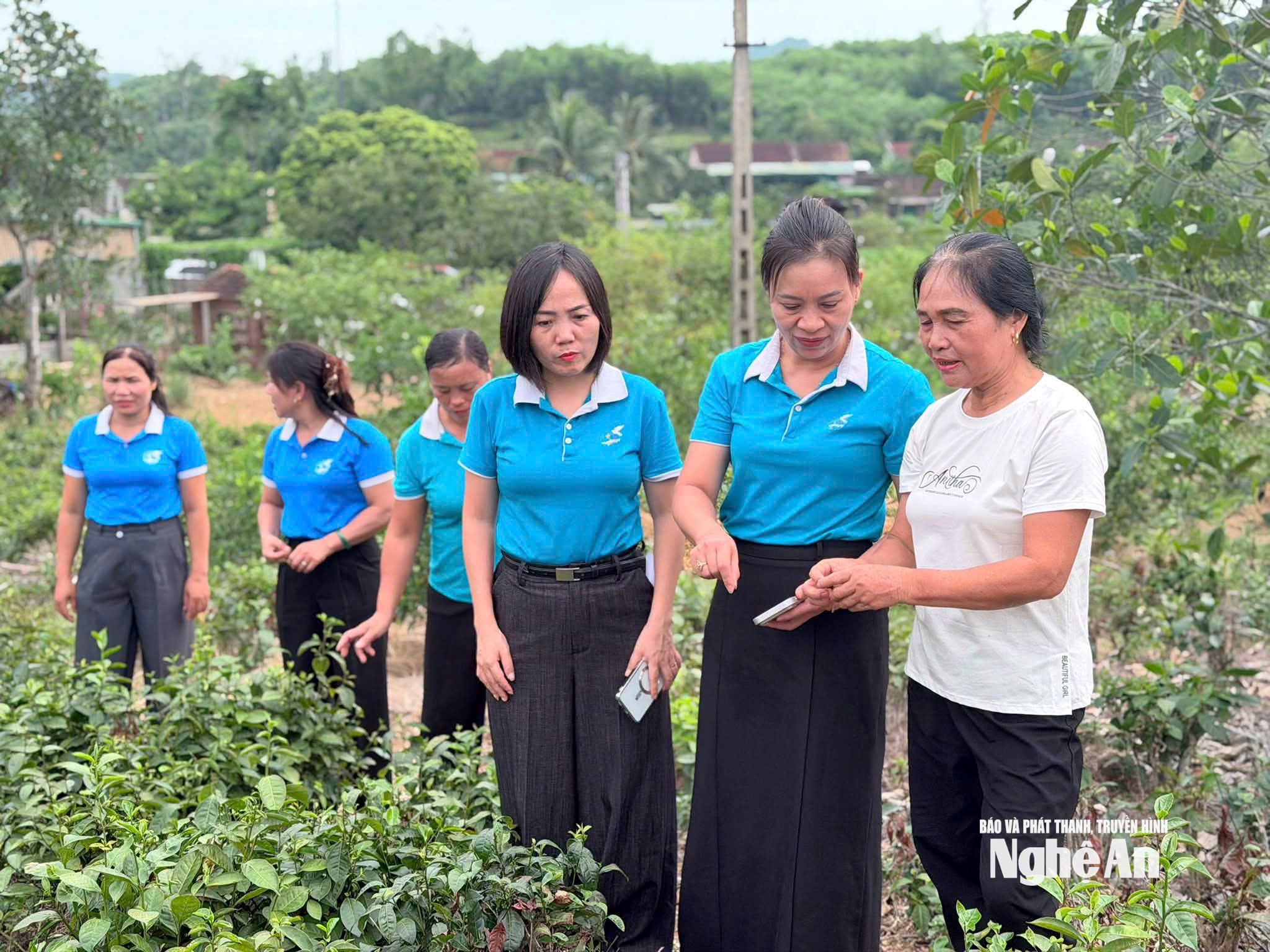
Transforming a renowned specialty into a recognized brand in the market still requires considerable effort, from standardizing raw material sources and perfecting clean production processes to building a brand and expanding the distribution system. However, with a tea-growing region preserved through generations and a flavor already affirmed by the market, Thong Nhat tea growers have reason to believe that "the finest green tea" will not only be a reputation among connoisseurs but will become a distinctive agricultural brand, bringing increasingly higher economic value to the Luong Son region.
The Luong Son Green Tea Cooperative will invest in the initial processing, including removing damaged veins and vacuum packaging immediately after harvesting, to extend shelf life and preserve the color and flavor of fresh tea. This is considered a crucial step to expand the product's market instead of being limited to local consumption.
The cooperative also aims to develop processed products such as freeze-dried tea, tea bags, green tea powder, and bottled tea; while simultaneously building brands, packaging, QR codes for traceability, promoting them on digital platforms, and connecting with clean agricultural product stores, supermarkets, and OCOP product showrooms.
The goal is to shift from selling fresh tea leaves to selling branded products with higher added value.


