
Awakening the "green gold mine": Deep processing elevates Nghe An's herbal products to a higher level.
Possessing the country's leading "green gold mine" of medicinal herbs, Nghe An is embarking on a strategic transformation: instead of raw exploitation, the province is focusing on deep processing, applying science and modern management. This pivotal change will not only awaken the economic potential of this disadvantaged border region but also create a solid foundation for Nghe An's herbal products to assert their position on the international map.
From "treasures" hidden beneath the forest canopy to breakthrough strategies.
Nghe An is known as the medicinal herb basket of the country, possessing nearly 1,000 species of medicinal plants and fungi, accounting for approximately 25% of the total medicinal plants nationwide. Most notably, the western region of Nghe An is home to many rare and valuable genetic resources with high economic value. With forests and forestry land accounting for over 70% of its natural area, western Nghe An not only serves as a protective "green lung" but also possesses an invaluable ecosystem. Nature has bestowed upon this land unique microclimates, creating one of the richest natural medicinal herb treasures in the country.
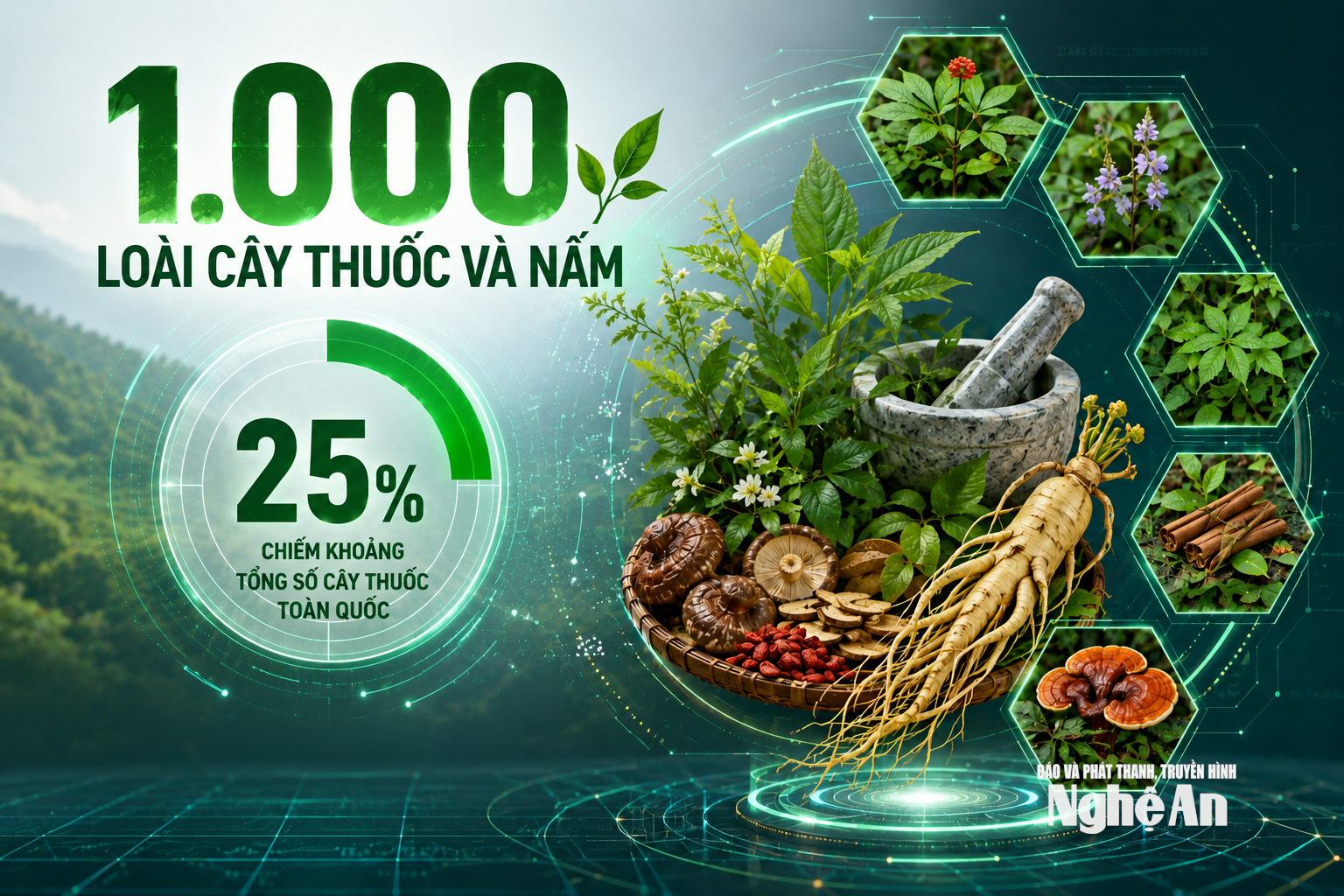
In the province's strategic economic development plan for agriculture and forestry, medicinal plants are identified as a breakthrough spearhead for economic restructuring and sustainable poverty reduction for ethnic minority communities. From distinctive products like golden flower tea to the "national treasure" Puxailaileng ginseng – from the highest mountain in Nghe An province – the potential for development is enormous. This forms the core foundation for the formation of a high-value medicinal plant industry.
To strongly awaken this "green gold mine," Nghe An is promoting the planning of cultivation areas, applying science and technology, and building sustainable production chains. Shifting from raw extraction to deep processing, medicinal herbs from Nghe An are gradually asserting their value and confidently reaching larger markets.
The leading role of business "leaders"
From the reality of exporting raw, low-value products, Nghe An's medicinal herb industry is undergoing a strong transformation thanks to a deep processing mindset. In this transformation, the leading role of large enterprises like TH Group, combined with OCOP-certified production models such as Pu Mat Medicinal Herb Joint Stock Company, has become a leverage to enhance brand value and create sustainable livelihoods for the people.
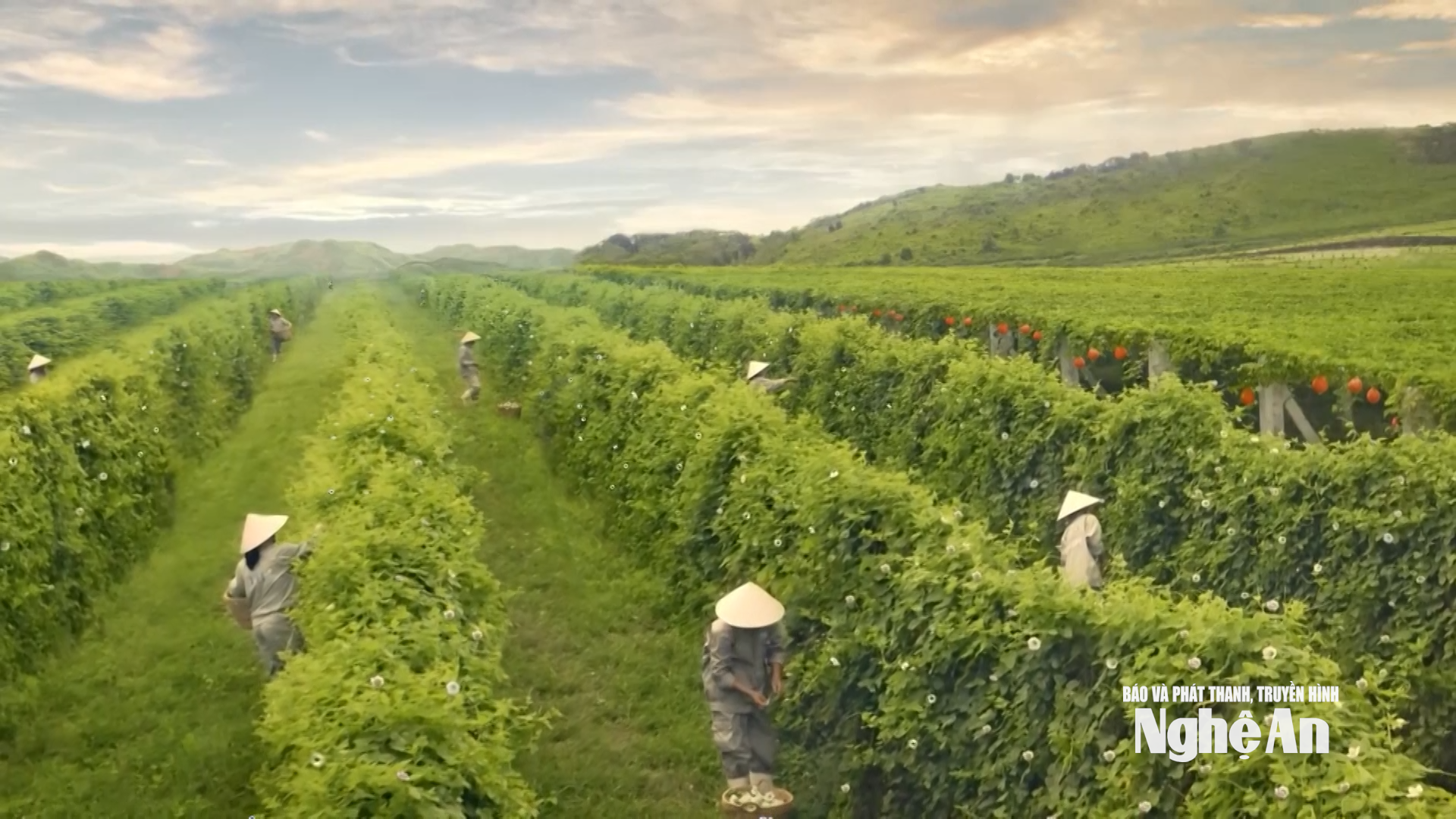
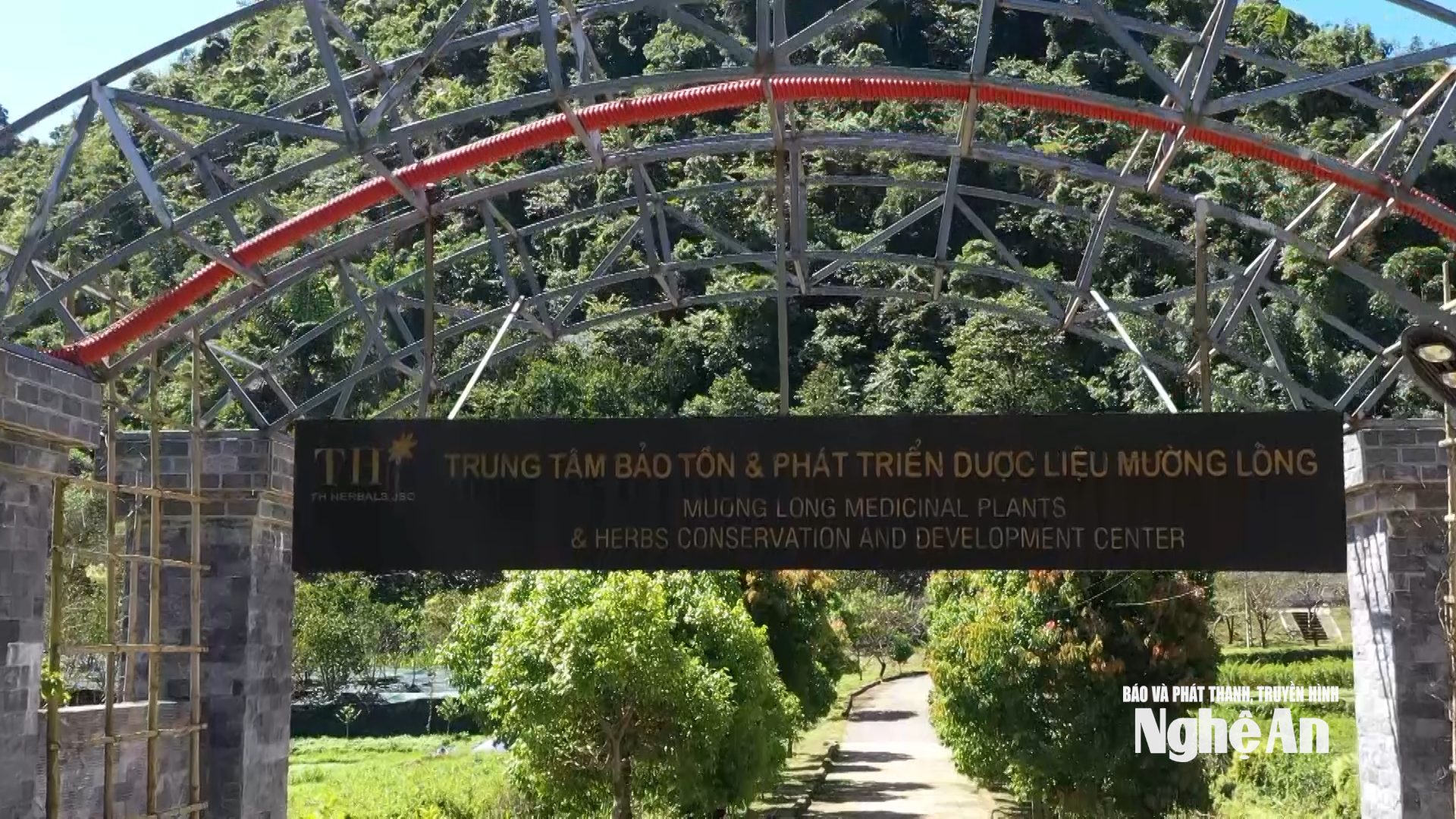
As a pioneering unit, TH Group has developed an economic model under the forest canopy linked to medicinal plants in two directions: conserving and sustainably exploiting natural herbal resources, while simultaneously developing medicinal plant cultivation areas according to organic standards. To date, TH has established specialized medicinal plant cultivation areas with a scale of approximately 250 hectares in the communes of Yen Thanh, Nghia Lam, Muong Long, Na Ngoi, etc., focusing on plants such as gac fruit, passionflower, centella asiatica, ginkgo biloba, Dendrobium nobile, and Polygonum multiflorum under the forest canopy and around the forest edges. Notably, TH has preserved 9 precious medicinal herbs, some of which were thought to have disappeared, such as Puxailaileng ginseng, Panax notoginseng, Angelica sinensis, Angelica dahurica, Acanthopanax senticosus, and Dendrobium nobile, while also preserving and developing more than 30 types of medicinal plants in Muong Long and Na Ngoi. With modern technology in the field of clean medicinal herb cultivation, extraction, and processing, TH has created products that are highly effective in preventing and treating diseases, enhancing beauty, and improving human health. Labor Hero Thai Huong - Founder and Chairwoman of the Strategic Council of TH Group shared: “I want to develop a strategy to present to the Government that involves leasing large areas of Vietnam's forests, which the Ministry of Agriculture and Environment already has a policy on, under the forest canopy for each endemic medicinal herb, to be marketed internationally. There, farmers will have land and forests, businesses will bring in seeds, guide them in planting and harvesting, and then buy them back for further processing. We must combine science, technology, and management science to create products with the most reasonable prices but the best quality.”
The impetus from small and medium-sized enterprises and cooperatives.
Not only large corporations, but the mindset of deep processing has become a guiding principle for a wide range of small and medium-sized enterprises (SMEs) and cooperatives in Nghe An province.
Located in the buffer and core zones of Pu Mat National Park, Con Cuong commune boasts a cool climate and an incredibly rich source of natural medicinal plants. This provides a solid foundation for the formation of concentrated specialized farming areas, opening up great opportunities for the deep processing industry. Chairman of the Con Cuong Commune People's Committee, Tran Anh Tuan, stated:Local authorities have identified the development of medicinal plant raw material areas as a key economic priority. From 2026 to 2030, the locality plans to allocate approximately 30 hectares for medicinal plant development, increasing this to 50 hectares from 2030 to 2035. Simultaneously, the locality will invest in infrastructure in these raw material areas to attract businesses and cooperatives to invest in deep processing, ensuring guaranteed market access for the products.”
Thanks to the support and cooperation of the province and local authorities, Pu Mat Medicinal Herbs Joint Stock Company has boldly invested in a modern cold drying line and extraction system. As a result, the company has created many processed products from indigenous herbs such as tea bags, extracts, pills, and instant tea, owning 16 products that have achieved OCOP standards from 3 to 4 stars. Mr. Phan Xuan Dien - Director of Pu Mat Medicinal Herbs Joint Stock Company said:To further develop the processing capabilities, in addition to internal resources, the company receives support from various departments and agencies. For example, the province provides a mechanism to support 30% of the cost of machinery and equipment, enabling the company to invest in modernizing its production lines to create high-quality products. Currently, the company has been assigned by the Provincial People's Committee to implement a science and technology project, which includes the deep processing of products, especially two product lines requiring high technology: herbal pills and instant tea made from Gynostemma pentaphyllum and Silybum marianum.
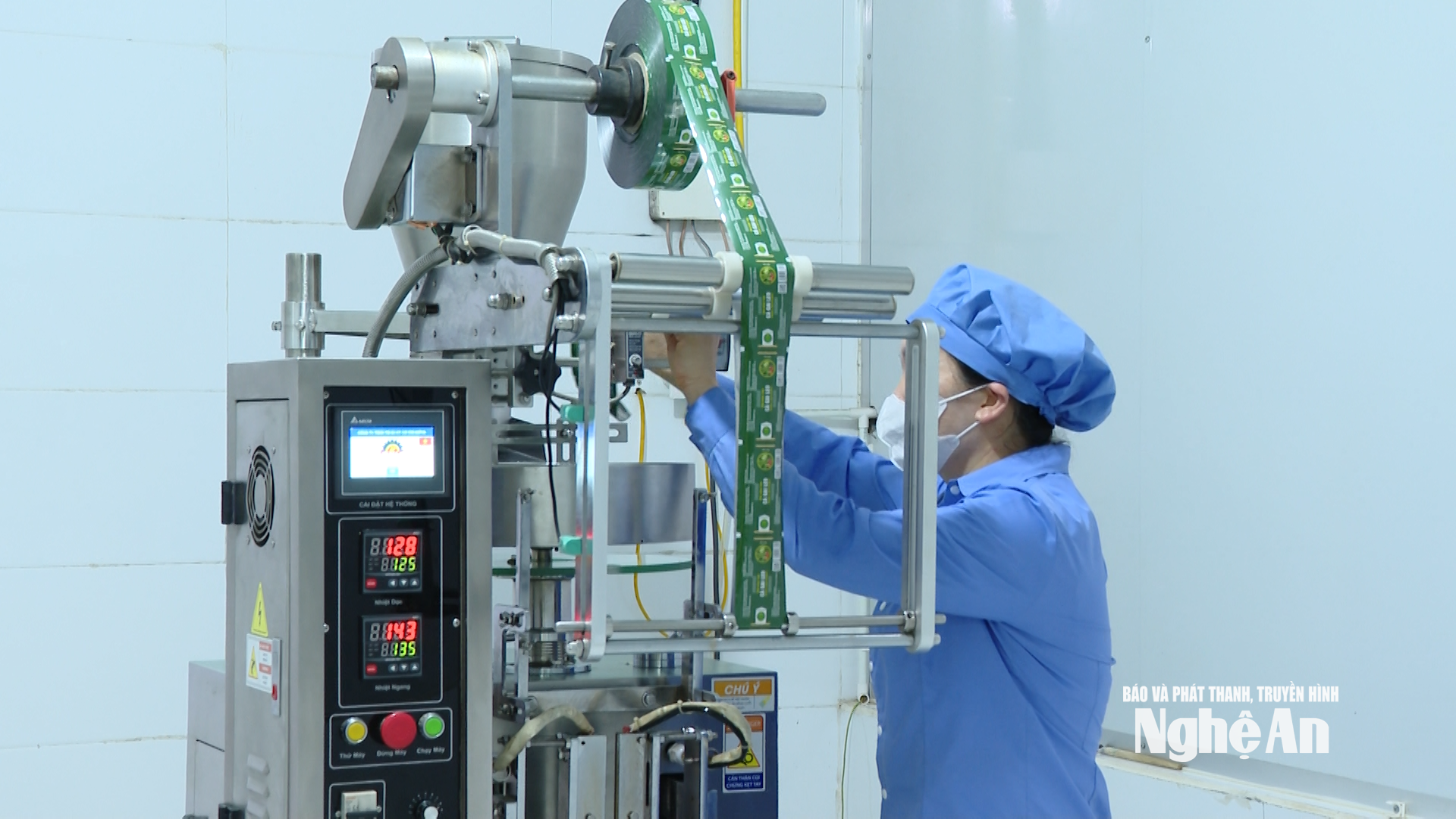
However, overall, the province currently has many small businesses, cooperatives, and households involved in the cultivation and processing of medicinal herbs, with hundreds of 3-4 star OCOP products. Nevertheless, the scale is generally small and the technology is still rudimentary. To achieve a breakthrough, cooperatives and small businesses urgently need support in planning stable raw material areas as well as resources to invest in modern production lines.
Creating a sustainable medicinal plant ecosystem with an international reach.
Deep processing is not only a solution to increase the added value of agricultural products many times over, but it is also the "key" to enabling Nghe An's herbal brands to make a strong breakthrough into the international market and build a sustainable medicinal plant ecosystem.
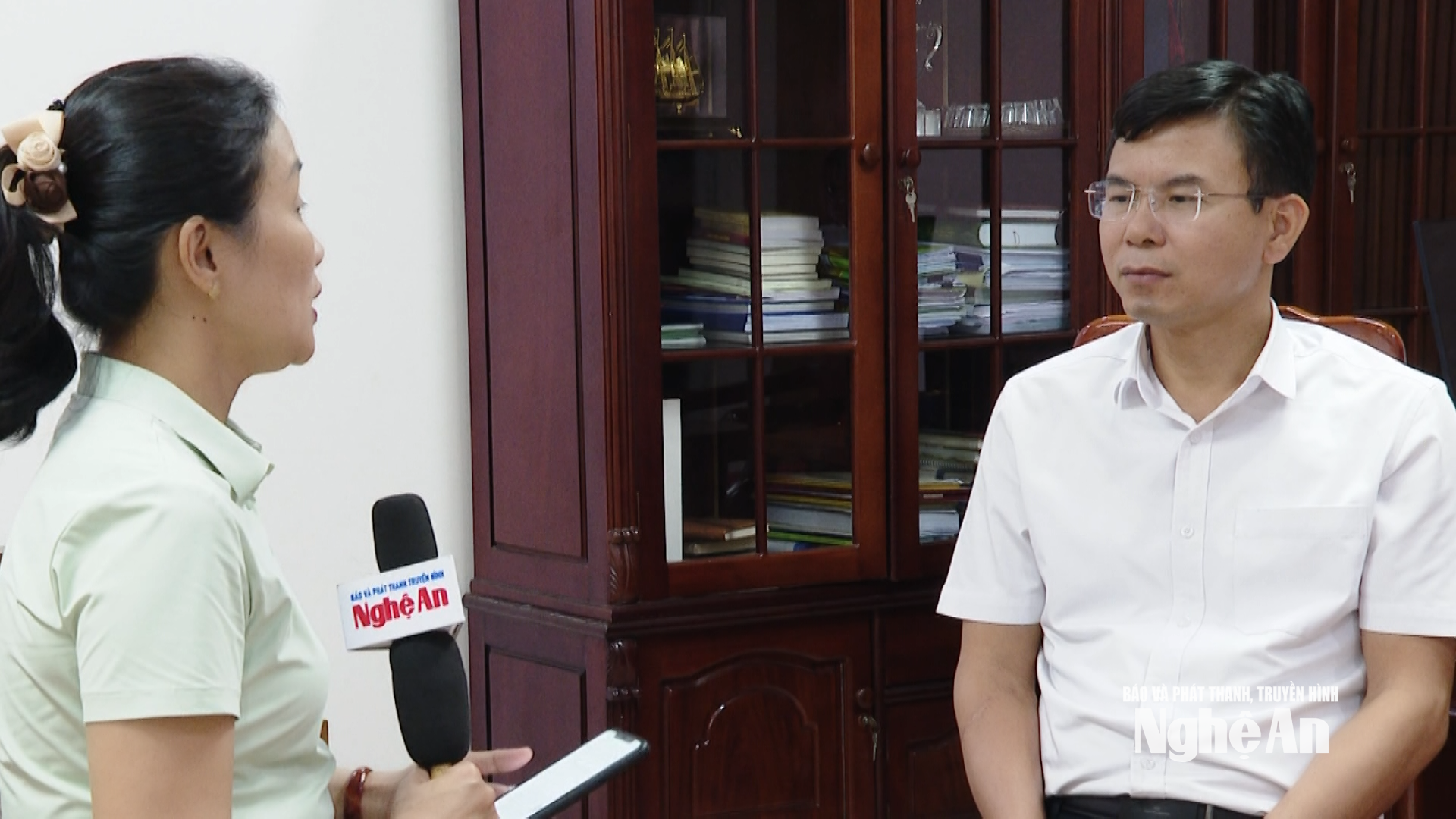
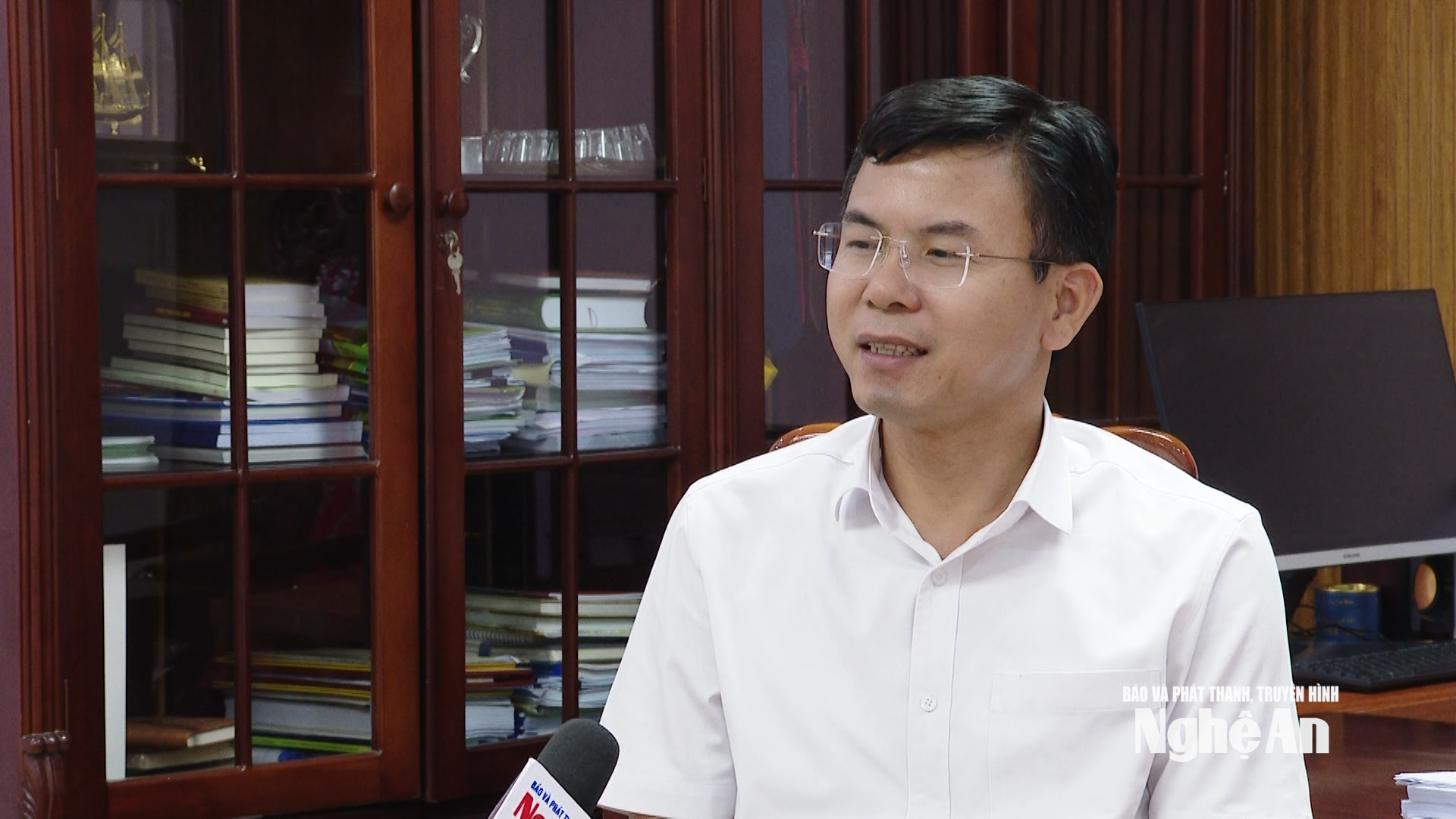
Speaking with reporters from Nghe An Newspaper and Radio & Television, Mr. Nguyen Danh Hung, Deputy Director of the Nghe An Department of Agriculture and Environment, emphasized: “As the province with the largest forest area in the country, we have thoroughly reviewed the forest land fund to develop medicinal plants. In addition, the province actively allocates land and forests to enable people to proactively produce and cultivate medicinal plants under the natural forest canopy to maximize the multi-valued and multi-purpose forestry. To realize this goal, the Nghe An Provincial People's Council issued Resolution No. 34/2025/NQ-HĐND dated December 12, 2025, stipulating policies to support agricultural and rural development in the province for the period 2026-2030. This resolution clearly defines mechanisms and policies to support the development of medicinal plants, from acreage scale and product procurement to support bringing OCOP products to e-commerce platforms. The province also applies flexible policies.” Regarding administrative procedures during the investment phase; credit policies, loans, and long-term land lease fee exemptions to attract businesses. Some businesses have shown interest in surveying and developing herbal raw material areas to later build factories in the province, such as the Central Pharmaceutical Company and pharmaceutical companies in Hanoi. The Party Congress Resolution and the province's action program have clearly affirmed the breakthrough role of the medicinal plant industry in the coming time. The province will focus on applying breakthrough scientific and technological solutions, learning from effective models nationwide to apply in the western region of Nghe An.
With the leadership of pioneering corporations, the transformation of satellite businesses, and a favorable policy framework, Nghe An is gradually building a sustainable medicinal plant ecosystem, ready to expand into larger markets.
BREAKTHROUGH MECHANISMS TO ELEVATE THE VALUE OF MEDICINAL HERBS IN NGHE AN PROVINCE
To realize the goal of making medicinal herbs a key economic sector, Nghe An province has been implementing many key solutions in a coordinated manner:
*Planning & Localization:Clearly define the development roadmap for medicinal plants linked to three ecological zones: high mountainous areas, low mountainous/midland areas, and coastal areas. By 2030, the total area of medicinal plants and non-timber forest products will reach at least 9,000 hectares.
*Technology support:Providing resources (up to 30% of the cost of machinery and equipment) helps businesses and cooperatives upgrade their production lines to modern technology, shifting from raw material export to deep processing.
*Rolling out the red carpet to attract investment:Implementing streamlined administrative procedures; providing credit support, loans, and long-term land lease fee exemptions to attract large enterprises to build factories linked to the long-term cultivation cycle of medicinal plants.
*Promoting e-commerce:Implement policies to support the listing of OCOP (One Commune One Product) medicinal herb products on e-commerce platforms to access the global market.
STRATEGIC TARGETS FOR 2030
• Total area for medicinal plants and non-timber forest products: Reach a minimum of 9,000 hectares.
• Development is clearly defined across three ecological zones: high mountain region, low mountain/midland region, and coastal region.


