
What temperature should I set in my refrigerator to safely preserve food?
Refrigerators help keep food fresh longer and limit bacteria that cause food poisoning. But not everyone knows what temperature is safe for food.
According to the U.S. Food and Drug Administration (FDA), refrigerator temperatures should be maintained at 4.4°C or lower, while freezer temperatures should be at -17.8°C or lower.
The official U.S. government food safety portal (FoodSafety.gov) also makes a similar recommendation, emphasizing that this threshold significantly slows the growth of pathogenic bacteria.
Meanwhile, the American consumer magazine Consumer Reports also advises users to set their refrigerators to a certain level.

Around 2.7°C is recommended for added safety, as many devices do not maintain a stable temperature as indicated on the display.
In Europe, the French National Food Safety Authority (ANSES) also recommends a maximum temperature of around 4°C for refrigerators. However, some surveys show that the average temperature in many households is higher than recommended, increasing the risk of food safety issues.
Why is the 4°C mark important?
The 4°C figure is not random. This temperature helps inhibit the growth of most dangerous bacteria.
The FDA warns that at room temperature, the number of bacteria can double in just 20 minutes. Temperatures between 4°C and 60°C are known as the “danger zone,” where microorganisms multiply rapidly.
Some bacteria that cause food poisoning, such as Listeria monocytogenes, can still grow at low temperatures, but at a much slower rate below 4°C. Meanwhile, groups of bacteria that cause intestinal diseases, such as Salmonella, are also strongly inhibited when stored at the correct temperature.
The worrying thing is that food contaminated with bacteria doesn't always have a strange smell or change color. You may not realize the danger until symptoms like stomach pain, diarrhea, or fever appear.
Which foods are most susceptible to bacterial contamination?
Pathogenic bacteria can be found in raw meat, poultry and seafood, milk and dairy products, eggs, vegetables, fresh fruit, and undercooked food.
Therefore, proper temperature control applies not only to raw food but also to cooked food.
Experts recommend refrigerating or freezing food within 2 hours of purchase or cooking. If the ambient temperature is above 32°C, the safe time is reduced to 1 hour.
This is especially important when you're shopping far from home, buying takeout, having a picnic, and leaving food in your car.
The temperature inside a car can be much higher than room temperature, creating ideal conditions for bacteria to grow rapidly.
Putting warm food in the refrigerator doesn't damage the appliance as many people fear. However, it's advisable to divide the food into smaller, shallow containers to allow it to cool down more quickly.
Check the refrigerator temperature properly.
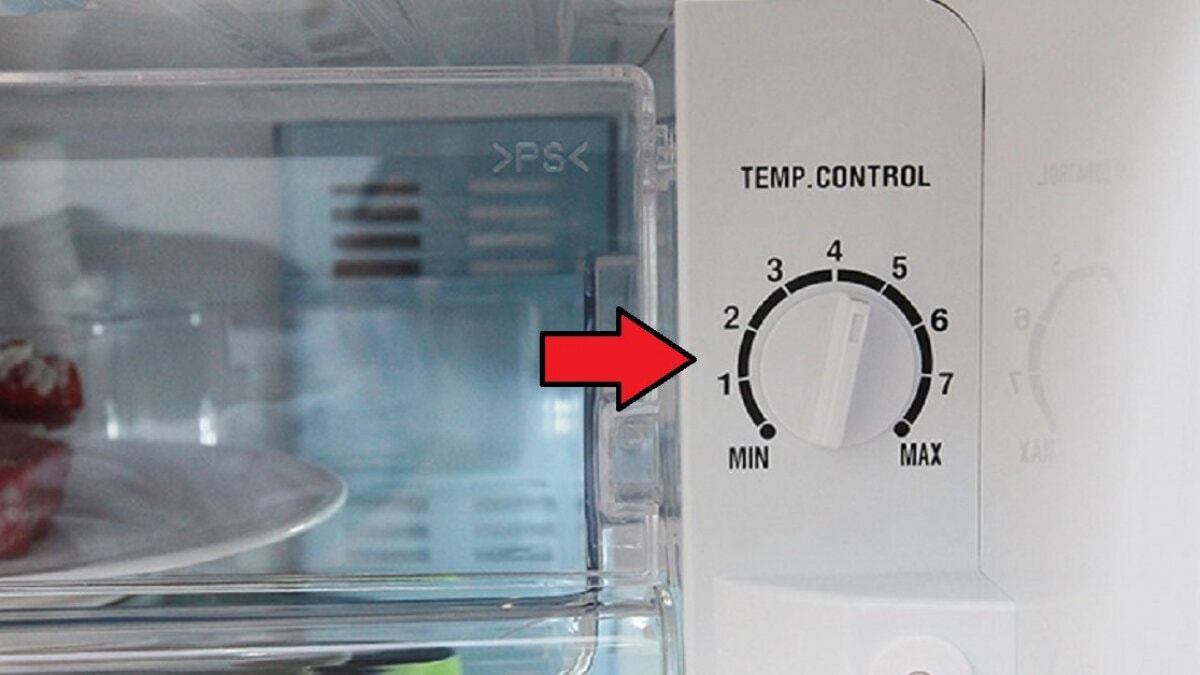
Not all refrigerators display the temperature accurately. Many models only have a dial from 1 to 5 without specifying the corresponding temperature in degrees Celsius. Even digital control panels can be inaccurate.
Therefore, experts recommend placing a dedicated thermometer inside refrigerators and freezers for practical checks. This device is inexpensive but helps you ensure that the temperature is within safe levels.
In the event of a power outage, a thermometer can also help determine if food is still safe. If the temperature exceeds 4°C for an extended period, you should consider discarding perishable food.
Some experts suggest setting the refrigerator temperature to around 3°C to ensure it stays below 4°C, especially if the appliance experiences temperature fluctuations.
However, if the temperature is too low, some foods, such as leafy green vegetables, may freeze slightly and lose quality. Therefore, the ideal temperature for the refrigerator compartment is usually between 2.7°C and 4°C.
The freezer should be maintained at -18°C or lower to keep frozen food safe for extended periods.
Tips to help your refrigerator operate efficiently.
To ensure your refrigerator operates efficiently, users should pay attention to the following:
- Avoid overcrowding the food, as this can obstruct the flow of cold air.
- Avoid leaving the door open for too long or too often.
- Check the rubber seal on the refrigerator door to ensure it is airtight.
- Clean the refrigerator regularly to prevent bacteria buildup.
Additionally, food should be arranged properly, with raw meat placed in the bottom compartment to prevent dripping liquids from contaminating other foods.
In short, refrigerators are an important "shield" protecting family health, but only when set to the correct temperature. According to food safety agencies, a temperature of 4°C or below for the refrigerator compartment and -18°C for the freezer compartment is the scientifically proven standard to limit harmful bacteria.
Just a small adjustment in temperature settings can significantly reduce the risk of food poisoning. Investing in a refrigerator thermometer and adhering to proper storage guidelines are simple yet effective ways to keep food safe.


