
Incorrect smartphone placement: A seemingly harmless habit that can damage your phone.
Many people think that as long as they don't drop their smartphone, the device will always be safe. But in reality, it's the habit of placing the phone down on the table in the wrong way that is the silent cause of damage that many users don't even realize.
There are many ways to store your smartphone, such as in your pants pocket, backpack, handbag, or specialized phone cases. But no matter where you place it, there will always be times when the phone is lying on a flat surface like a desk, kitchen counter, or cabinet.
It sounds simple, but how you place your smartphone down is actually very important. Many people carelessly place their phones face up without realizing that this can make the device more vulnerable to damage, especially in crowded places, near the edge of a table, or next to objects that could fall on it.
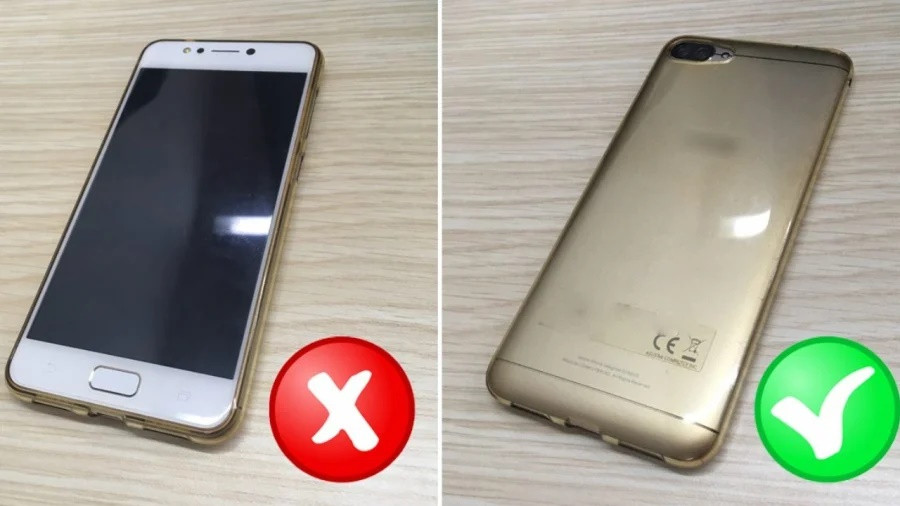
Even the most durable models that score highly in drop tests are not immune to accidents. Just one heavy object falling on it, an unexpected impact, or external pressure is enough to damage the screen, something users often underestimate.
Therefore, many experts recommend placing smartphones screen-down when not in use.
Why is it safer to place the screen face down?
1. Protect your screen from unexpected hazards.
When you place the device face up, the screen becomes the most exposed and vulnerable part. A small object falling from above, such as a key, pen, or decorative item, can scratch or crack the glass.
Conversely, when placed face down, the frame and back panel will absorb impact better than the screen. This is an effective way to protect the device in environments with many objects or where it is prone to collisions.
2. Reduce the risk of damage from liquids.
Many people have accidentally tilted a glass of water or spilled coffee on the table. When a smartphone is placed face up, the screen and sensor openings are very easily exposed to liquids.
Placing it face down helps limit direct contact between the screen and the glass, reducing the risk of damaging the sensor or leaving streaks on the glass.
3. Placing your smartphone face down also helps protect your privacy.
Notifications are becoming increasingly frequent, from personal messages to work emails. If you place your phone face up, someone nearby could accidentally read the content displayed on the screen.
Therefore, when the phone is placed face down, notifications are not displayed, increasing privacy; the screen does not light up every time a notification is received, saving battery power and reducing distractions during meetings, work, or conversations.
A very small change, but it brings better focus and security for users.
Will placing the screen face down scratch the camera lens?
Many people worry that placing the phone face down will cause the camera to come into direct contact with the table surface. However, most smartphones have a protective bezel around the camera module, preventing the lens from touching the surface, and a scratch-resistant coating to minimize damage from minor impacts.
In fact, when the camera is placed face up, the protruding lens is the part most susceptible to scratches if dragged across a dusty surface or hard object.
If you don't use a phone case or camera lens protector, placing your phone face up can sometimes be even more dangerous.
What is the safest way to place a smartphone?
The safest way is not just to place the device face up or face down, but to pay attention to the surface on which it is placed:
- Avoid rough, hard surfaces with lots of dust and sand.
- Do not place it near the edge of a table or in a location where it could easily be hit by falling objects.
- Be careful when placing the device on dining tables or coffee tables, where there is a high risk of liquid spills.
- In crowded places, you should turn your phone face down to protect your personal information.
And of course, a good phone case and screen protector are still the simplest and most effective ways to reduce the risk of damage.
Not everyone thinks that placing their smartphone on a table is related to its durability, privacy, or user experience. But in reality, it's a small habit that can help your device avoid many unnecessary risks.
A smartphone is a valuable device that stores a lot of important data, and simply changing how you position it daily can help keep it safer in the long run.


