
The imprint of names through numerous provincial divisions and mergers.
Through numerous separations and mergers, the names of provinces and cities in each historical period have left their mark on the unique historical and cultural characteristics of each region, such as: Binh Tri Thien, Nghe Tinh, Ha Nam Ninh...
In 1975-1976, 72 provinces and cities nationwide were merged into 38, according to a resolution of the 5th National Assembly.
Later, the provinces were gradually divided in several stages, eventually settling at the current 63 provinces and cities. The names of these regions in each period reflect unique and unmistakable historical and cultural characteristics.
1975-1976: 72 provinces and cities merged into 38 provinces and cities.
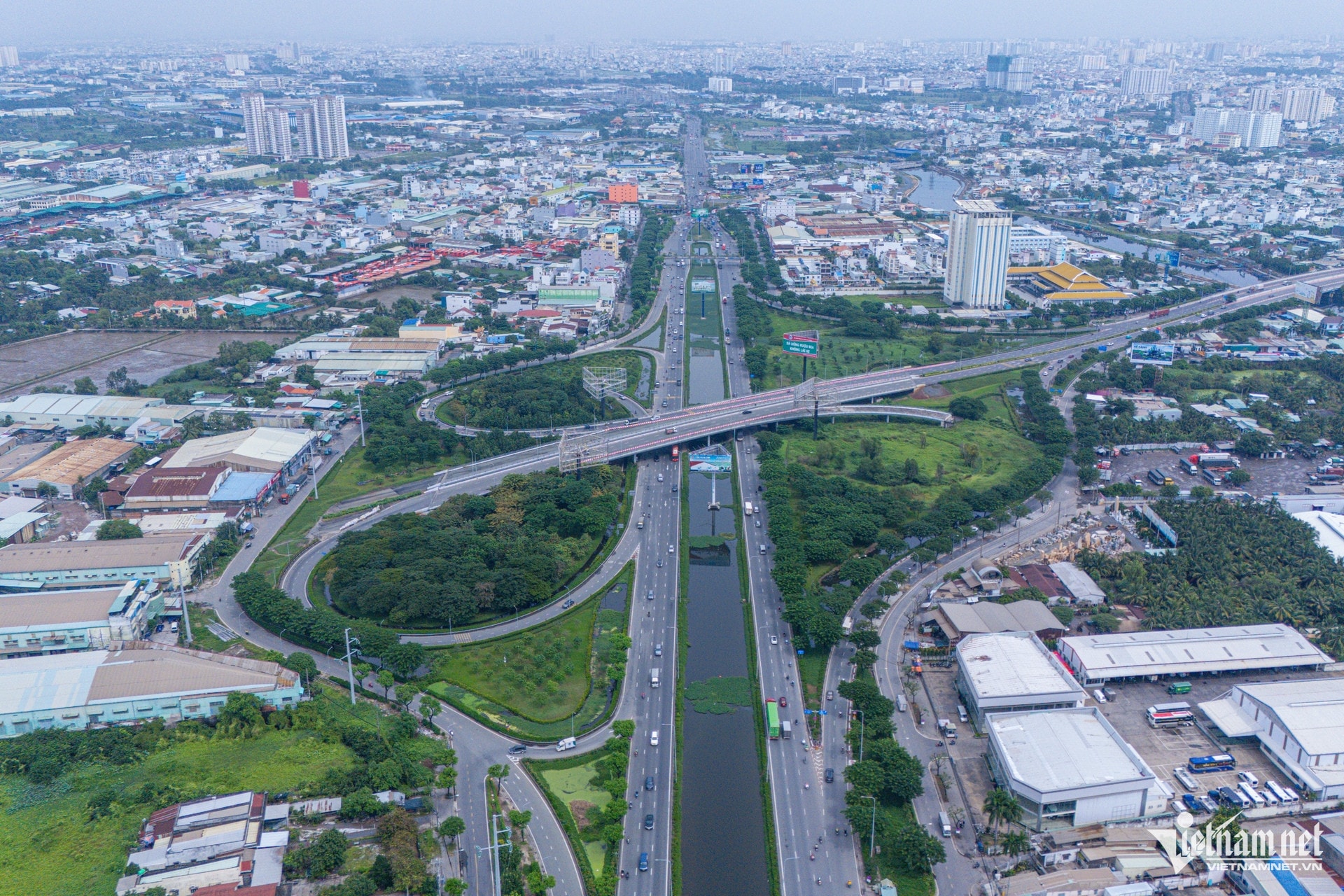
Saigon - Ho Chi Minh City
The mergers spanned from North Central Vietnam to the Southwestern provinces and the Central Highlands, most notably the merger of Saigon, Gia Dinh province, and the two districts of Cu Chi and Phu Hoa into a single administrative unit, Saigon - Gia Dinh City, in 1975.
Subsequently, on July 2, 1976, the first session of the 6th National Assembly of the Socialist Republic of Vietnam issued a resolution renaming Saigon - Gia Dinh City to Ho Chi Minh City (HCMC).
To this day, the name Saigon is still quite commonly used by those who have a strong connection to this land.
Many scholars have attempted to explain the origin of the name Saigon, but to date, no explanation has been definitively proven correct.
Binh Tri Thien
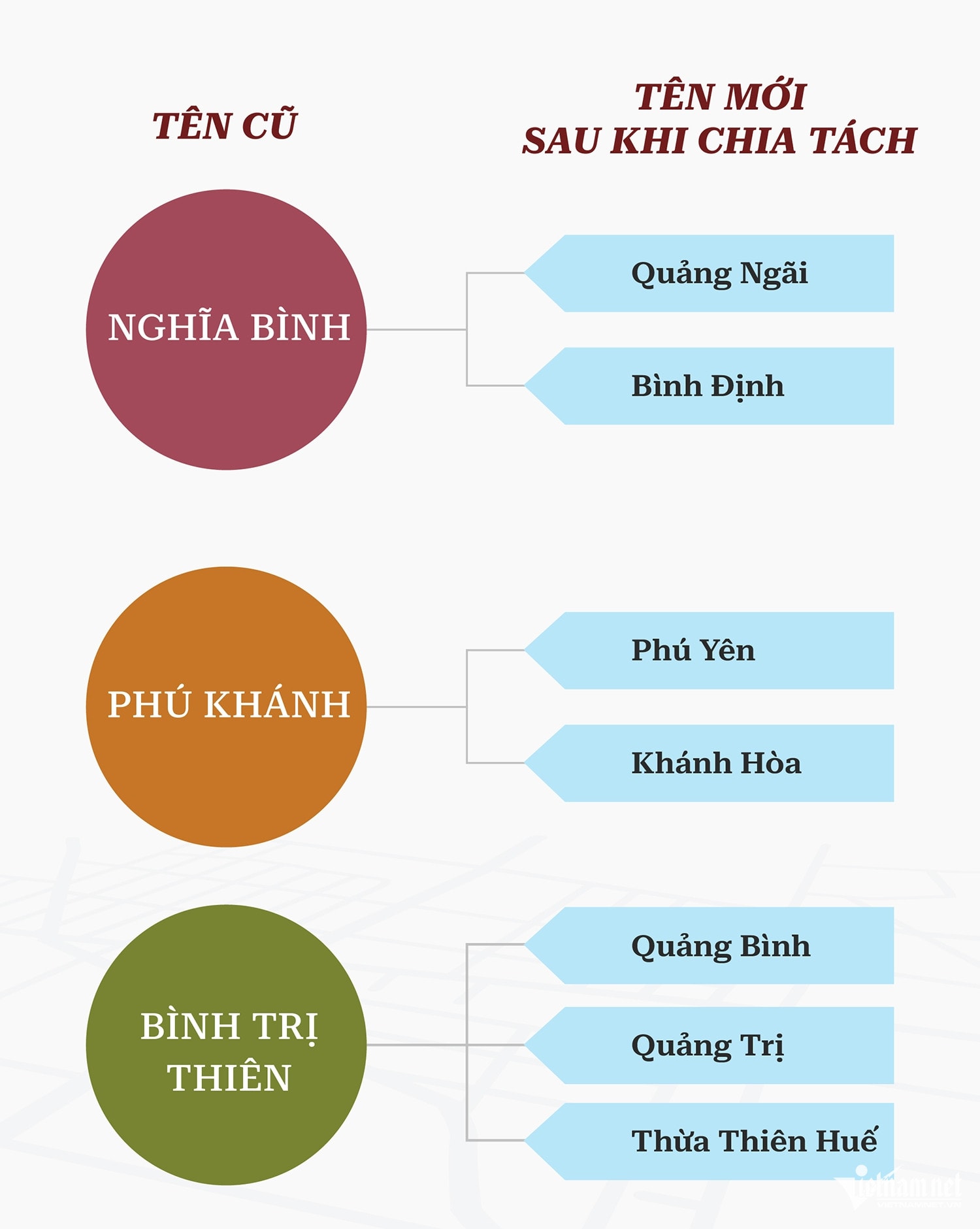
In the North Central region, Binh Tri Thien is also a name associated with many historical events during its 14 years of existence. Binh Tri Thien is the name of the new province after the merger of three provinces: Quang Binh, Quang Tri, and Thua Thien Hue, and the Vinh Linh area.
After the merger, Binh Tri Thien province had 23 administrative units including: Hue City, 2 towns (Dong Ha and Dong Hoi) and 20 districts.
By 1977, the 20 districts of Binh Tri Thien were merged into 11 districts.
In 1989, Binh Tri Thien was again divided into the three provinces of Quang Binh, Quang Tri, and Thua Thien Hue, as it was originally.
Binh Tri Thien is a strip of land connecting the North and South of the country, a land that has witnessed the heroic epics of the nation, and a place possessing majestic mountains and beautiful nature.
This area was also a famous, arduous, fierce, and tenacious battlefront in the resistance against French colonialism. That is why "Binh Tri Thien in the midst of war" became a familiar name.
Although it has been divided into three different provinces, this land always retains a distinctive character, sharing similarities in geographical location, natural advantages, and the qualities of its people.
Nghe Tinh
Nghe An and Ha Tinh were originally separated during the reign of Emperor Minh Mang in 1831. Emperor Minh Mang divided Nghe An province into two provinces: Nghe An (north of the Lam River) and Ha Tinh (south of the Lam River).
Previously, under the Dinh and Early Le dynasties, the two provinces of Nghe An and Ha Tinh were part of a single administrative unit called Hoan Chau. Throughout the Ly, Later Le, Tay Son, and Nguyen dynasties, this region was successively renamed.
At the end of 1975, Nghe An and Ha Tinh were merged to form Nghe Tinh province with 27 administrative units. Then, in August 1991, Nghe Tinh province was again separated into Nghe An and Ha Tinh as before.
These two provinces share a common cultural region called the Lam Hong culture, with the shared symbol of Hong Mountain and Lam River. This is also one of the regions with many unique cultural nuances, contributing to the richness of the national cultural identity.
Speaking of this region, one person wrote: "No other part of Vietnam has left such profound imprints as this area. This disadvantaged land has produced wise men, men who made history, from Mai Hac De to Phan Dinh Phung. And also men who created literature like Nguyen Du..."
President Ho Chi Minh was born in Kim Lien (Nam Dan, Nghe An), a quintessential son of Nghe Tinh. This land, rich in historical, cultural, and revolutionary traditions, nurtured Ho Chi Minh's soul, will, and character from his childhood.
Ha Nam Ninh
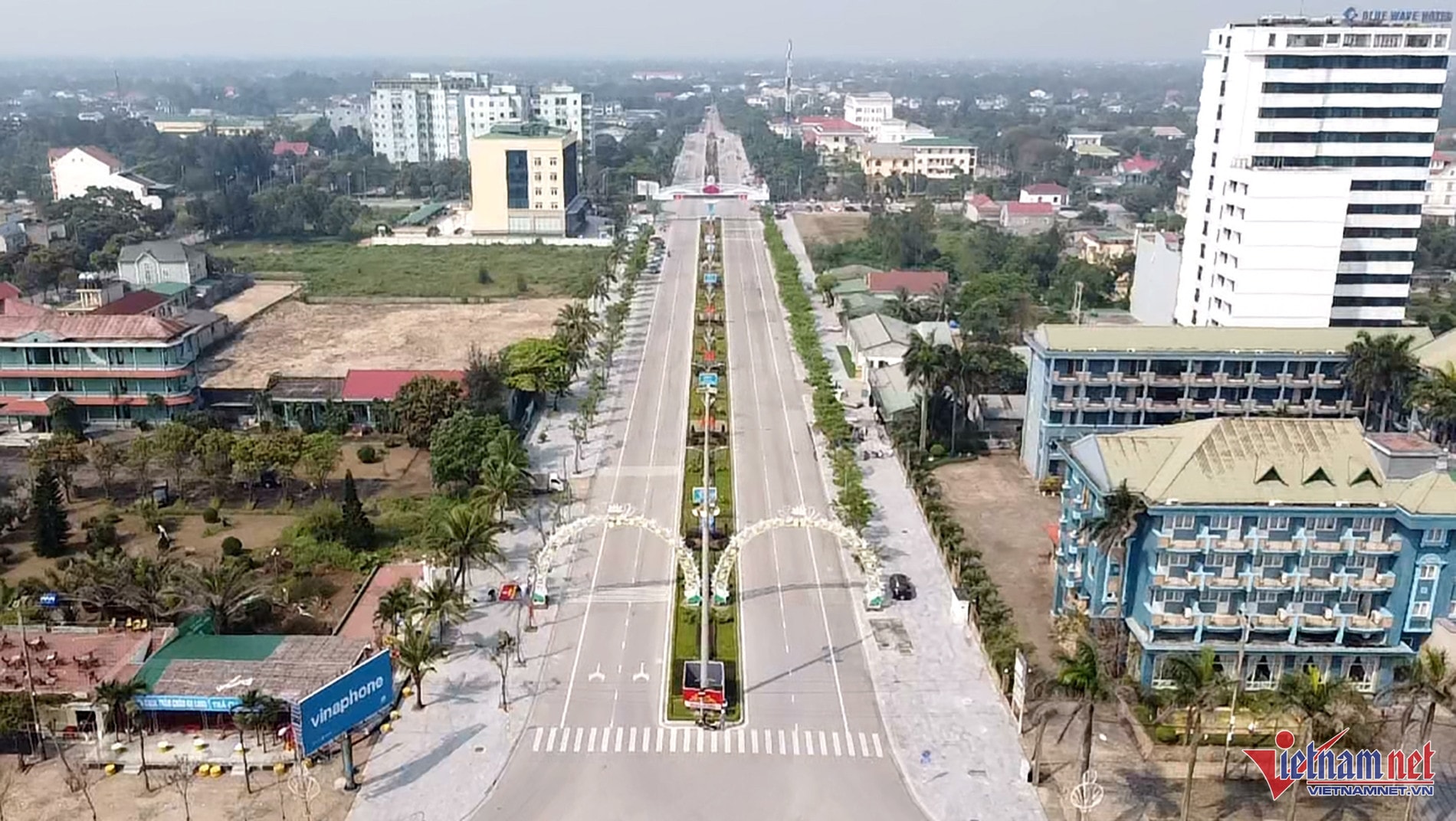
In the North, Ha Nam Ninh was a familiar name to many people in the 1970s-1990s. Ha Nam Ninh is the name of the new province after the merger of the two provinces of Nam Ha and Ninh Binh.
In 1991, Ha Nam Ninh was again divided into two provinces as before. Then, in 1996, Nam Ha province was divided into the two provinces of Ha Nam and Nam Dinh as they are today.
Thus, the former Ha Nam Ninh region was a combination of the three provinces of present-day Ha Nam, Nam Dinh, and Ninh Binh.
Ha Nam Ninh was actually established on the basis of Son Nam town - an ancient land with rich cultural traditions in the south of the former Thang Long capital; equivalent to other distinctive cultural regions such as Thanh Hoa, Nghe An, Kinh Bac, Doai, and Dong.
Although Ha Nam Ninh province no longer exists, its name remains associated with many historical events, organizations, and businesses that are still operating there.
This is also a region renowned for its love of learning, the birthplace of many top scholars, famous intellectuals, and renowned writers.
Hoang Lien Son
Hoang Lien Son is widely known today as the name of a mountain range, but it is also the name of a former province in the Northwest region of Vietnam.
Hoang Lien Son is the name of the new province after the merger of three provinces: Lao Cai, Yen Bai, and some districts from Nghia Lo province.
Upon consolidation, Hoang Lien Son province comprised 4 towns and 16 districts. The provincial capital was initially located in Lao Cai town, but was later moved to Yen Bai town.
In 1991, Hoang Lien Son province was again divided into two provinces, Lao Cai and Yen Bai (including parts of the former Nghia Lo province).
Perhaps the name Hoang Lien Son province originates from the mountain range along the border between Lao Cai and Lai Chau provinces. The Hoang Lien Son range is so named because it is home to many Coptis chinensis plants – a rare and valuable medicinal herb that typically grows at altitudes above 1,000 meters.

1978: Divided into 39 provinces and cities.
1979: The Vung Tau - Con Dao Special Zone was established, equivalent to a province.
1989: Divided into 44 provinces and cities.
In 1978, several central provinces were split into 2-3 different provinces, bringing the total number of provinces and cities in Vietnam to 44.
1991: Divided into 53 provinces and cities.
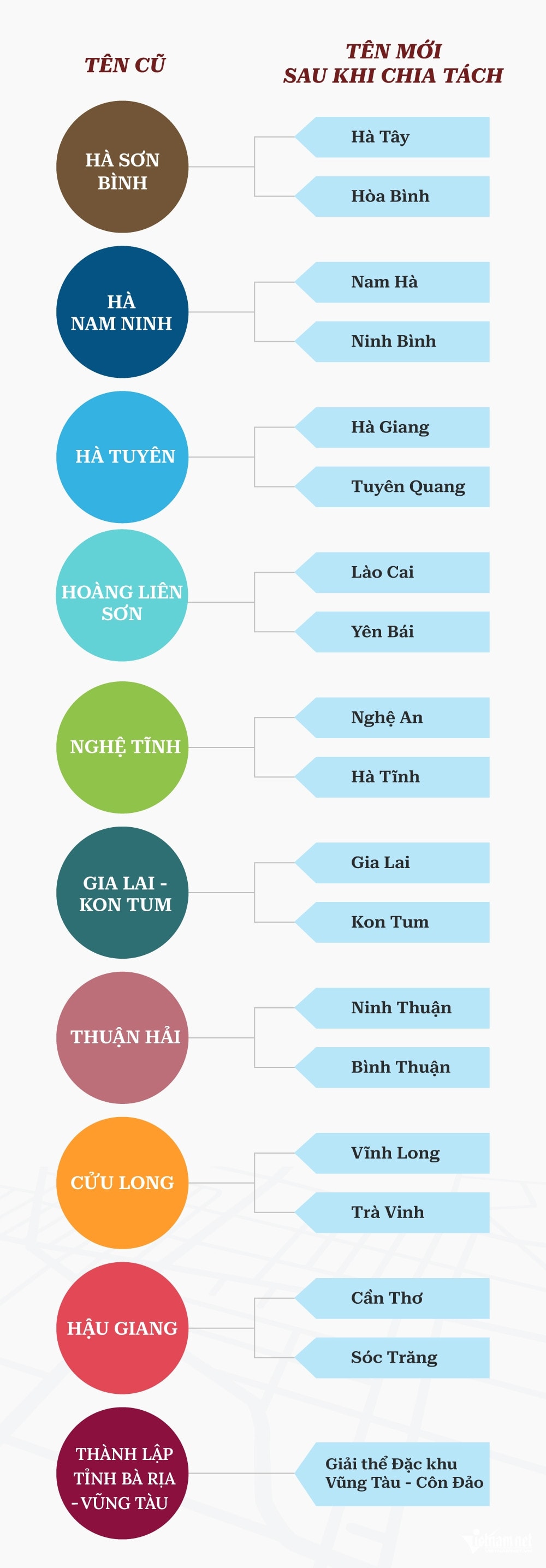
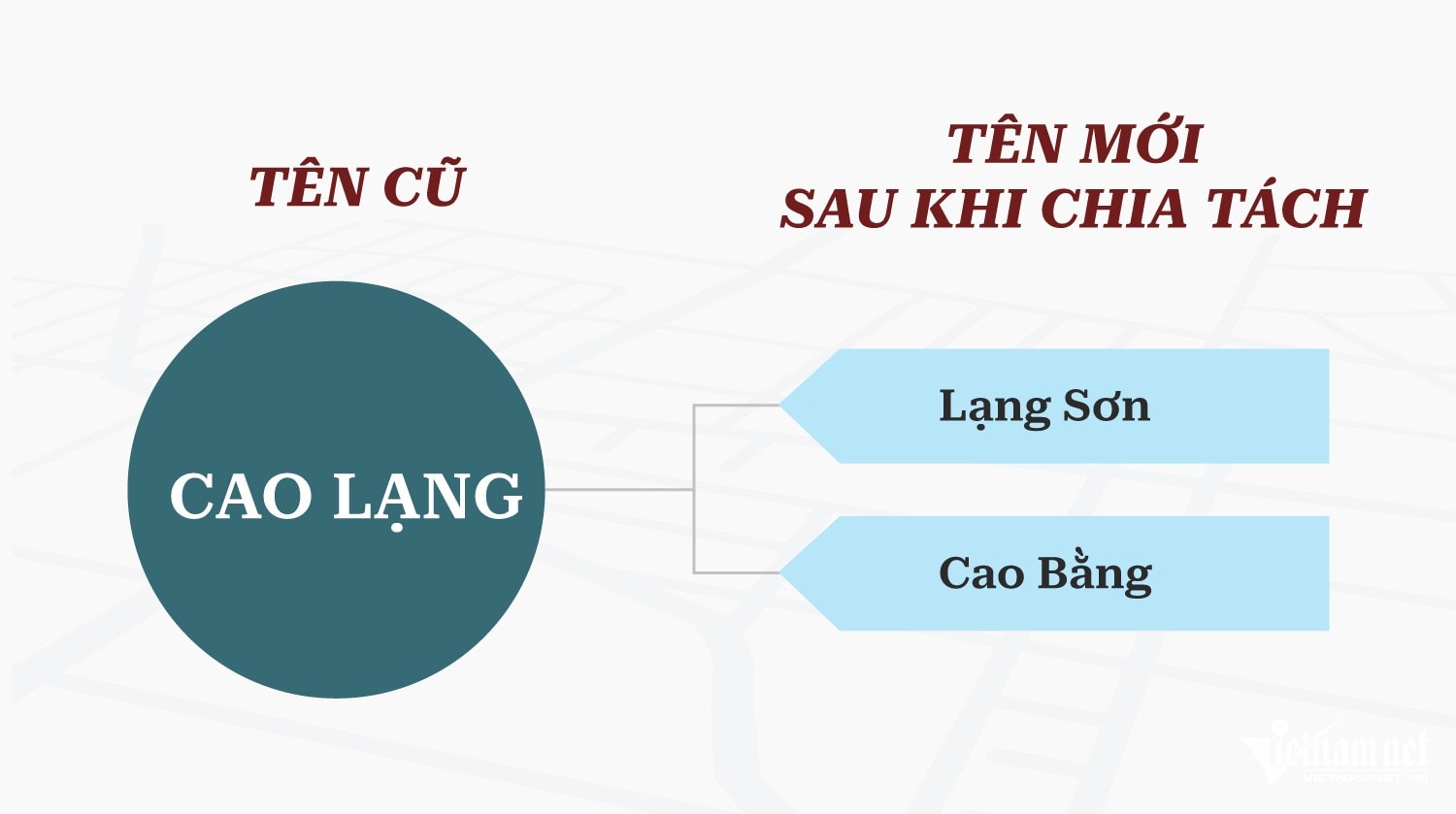
Some provinces established during the 1975-1976 period were further divided into different provinces, bringing the total number to 53 provinces nationwide. Notable examples of provinces with significant history and culture include Nghe An and Ha Tinh (separated from Nghe Tinh province), Ha Giang and Tuyen Quang (separated from Ha Tuyen province), Can Tho and Soc Trang (separated from Hau Giang province), etc.
1996-1997: Divided into 61 provinces and cities.
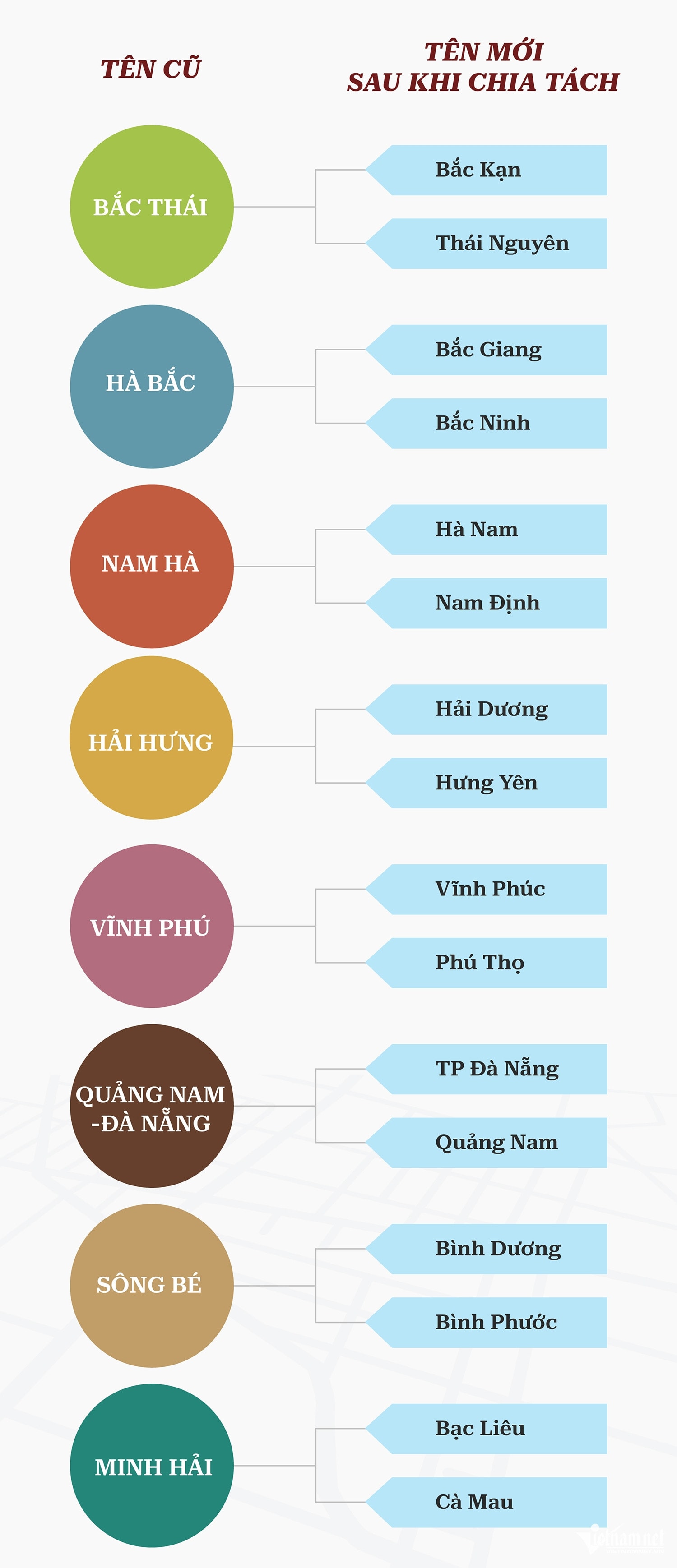
Some remaining provinces were further divided, bringing the total to 61 provinces nationwide. Some old provincial names may be unfamiliar to today's younger generation, such as: Bac Thai, Vinh Phu, Song Be, Minh Hai…
2004: Divided into 64 provinces and cities.
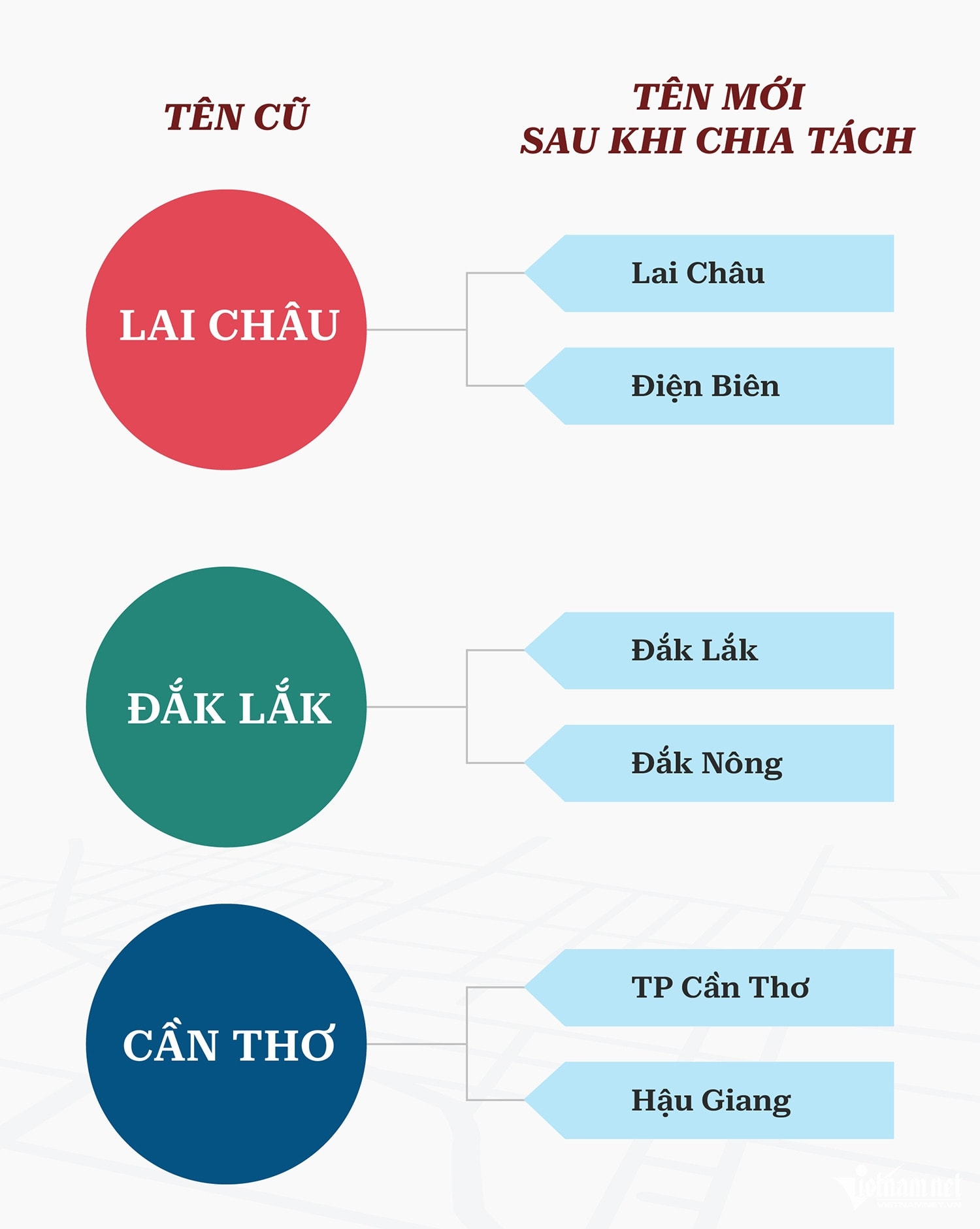
The last time provinces were divided was in 2004, with Lai Chau splitting into Lai Chau and Dien Bien, Dak Lak splitting into Dak Lak and Dak Nong, and Can Tho splitting into Can Tho City and Hau Giang Province.
2008: Ha Tay province merged into Hanoi City - leaving 63 provinces and cities.
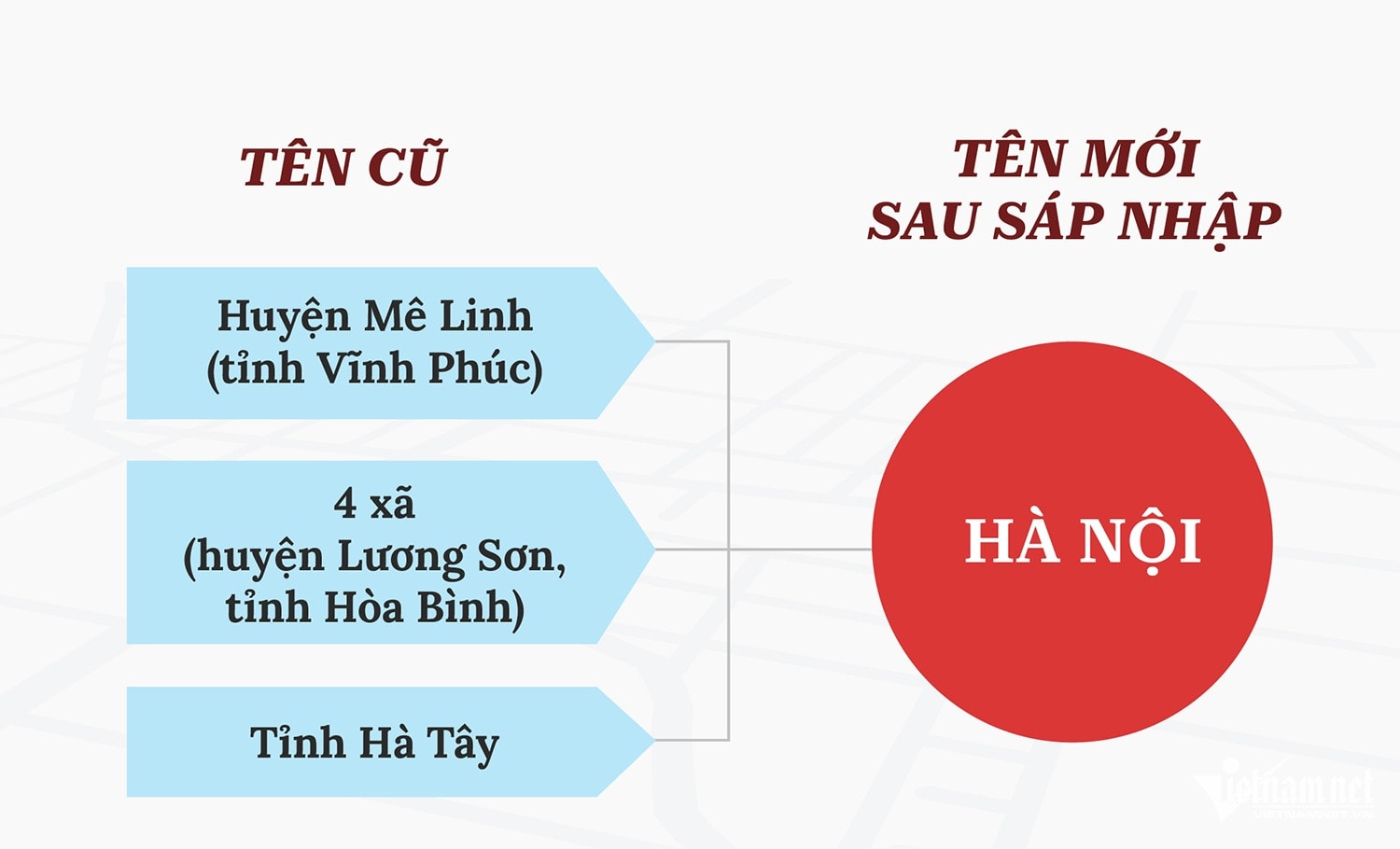
2008 marked a historic merger when the entire province of Ha Tay (including 2 cities and 12 districts) was incorporated into Hanoi. Specifically, the entire natural area of over 219,341 hectares and 2.568 million people of Ha Tay at that time were merged into Hanoi.
In addition, Hanoi also received an additional 14,164 hectares and 187,255 people from Me Linh district (Vinh Phuc province); and the area and population of 4 communes from Luong Son district (Hoa Binh province).
After the administrative boundary adjustments, Hanoi City had a natural area of 334,470.02 hectares and a population of 6,232,940 people at that time.
2025: The 63 provinces and cities from 2008 remain unchanged to this day, including 57 provinces and 6 centrally-governed cities (Hanoi, Ho Chi Minh City, Hai Phong, Da Nang, Hue, and Can Tho).
Currently, the Politburo and the Secretariat have basically agreed on the principle of rearranging and reorganizing administrative units at all levels and building a two-tiered local government model; this includes merging some provinces, abolishing the district level, and continuing to merge the commune level.
This proposal is expected to be submitted by the Politburo to the 11th Central Committee meeting in mid-April, potentially reducing the number of provincial-level administrative units by approximately 50%. This means that the names of some provinces and cities will be changed.


