
The shift from "administrative management" to "service management" in Nghe An
After nearly a year of implementing the two-tiered local government system, the noticeable changes are not only the streamlining of the administrative apparatus and the reduction of intermediate levels, but the most profound impact is the transformation in leadership and governance thinking and the way of serving the people.
Leadership through actionpractice
Nghia Lam commune is one of the localities awarded a Certificate of Commendation by the Provincial Party Standing Committee for its outstanding achievements after one year of operating the new apparatus under the two-tiered local government model.
According to Comrade Phan Van Hien, Secretary of the Party Committee and Chairman of the People's Council of Nghia Lam commune: The biggest change is that the Party committee, the government, and the entire political system have shifted from a "management" mindset to a "service" mindset, from leadership through administrative orders to leadership through practical action.
In Nghia Lam commune, this is demonstrated through concrete actions. Responding to the 2026 Action Month for Children, the commune's Party committee and government mobilized social resources to construct over 1,500 meters of water pipes. Simultaneously, officials, civil servants, and armed forces personnel directly participated in transporting materials, installing the system, and bringing water to Lam Son Secondary School and Nghia Son Primary School to support swimming lessons for students.
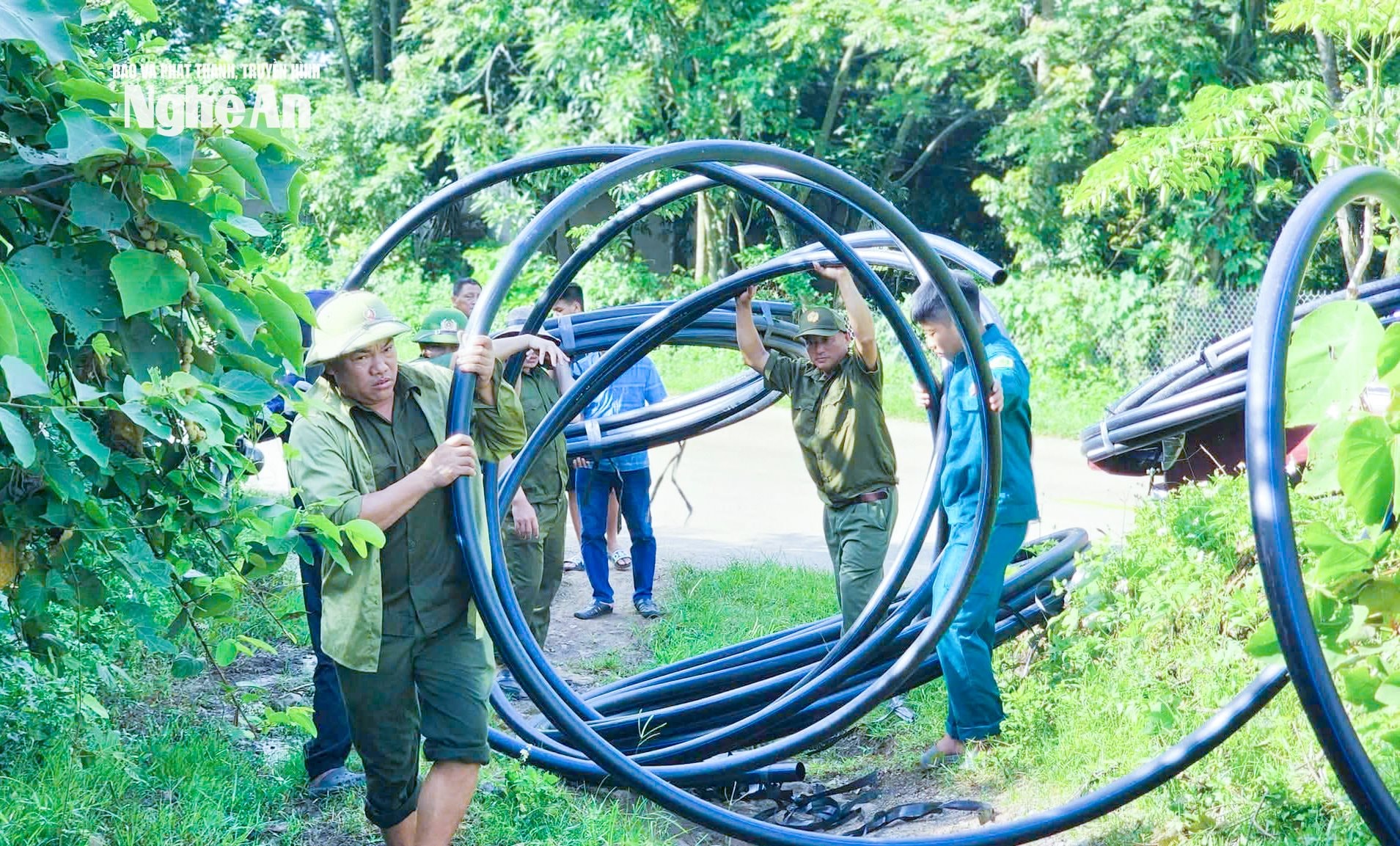
According to teacher Le Quoc Quan - Party Secretary and Principal of Lam Son Secondary School: The image of commune officials and civil servants directly pulling water pipes under the summer sun has become vivid evidence of the spirit of "actions speak louder than words," of leadership through responsibility and action. Bringing water to the school is not simply about supporting infrastructure, but also demonstrates the practical concern of the Party committee and government for the safety and comprehensive development of students.
The proactive spirit in Nghia Lam commune is also clearly demonstrated in resolving outstanding and complex issues. Just four months after the two-tiered local government system came into operation, following complaints from residents about difficulties in issuing land use right certificates, the head of the commune's Party committee and government directly engaged in dialogue with the people. Following the dialogue, the Party committee established a Steering Committee chaired by the commune's Party Secretary; simultaneously, working groups were formed to go down to the hamlets to review, guide, and resolve outstanding land-related cases.
To date, the working groups in Nghia Lam commune have directly worked in 15 out of 26 hamlets and reviewed more than 60% of the total of over 1,200 outstanding files related to the issuance of land use right certificates.
Mr. Le Thanh Cat, a resident of Nam Lam village, shared: "This approach has completely changed the way things are done. Officials no longer wait for people to come to the office but proactively go to the grassroots level to resolve problems."
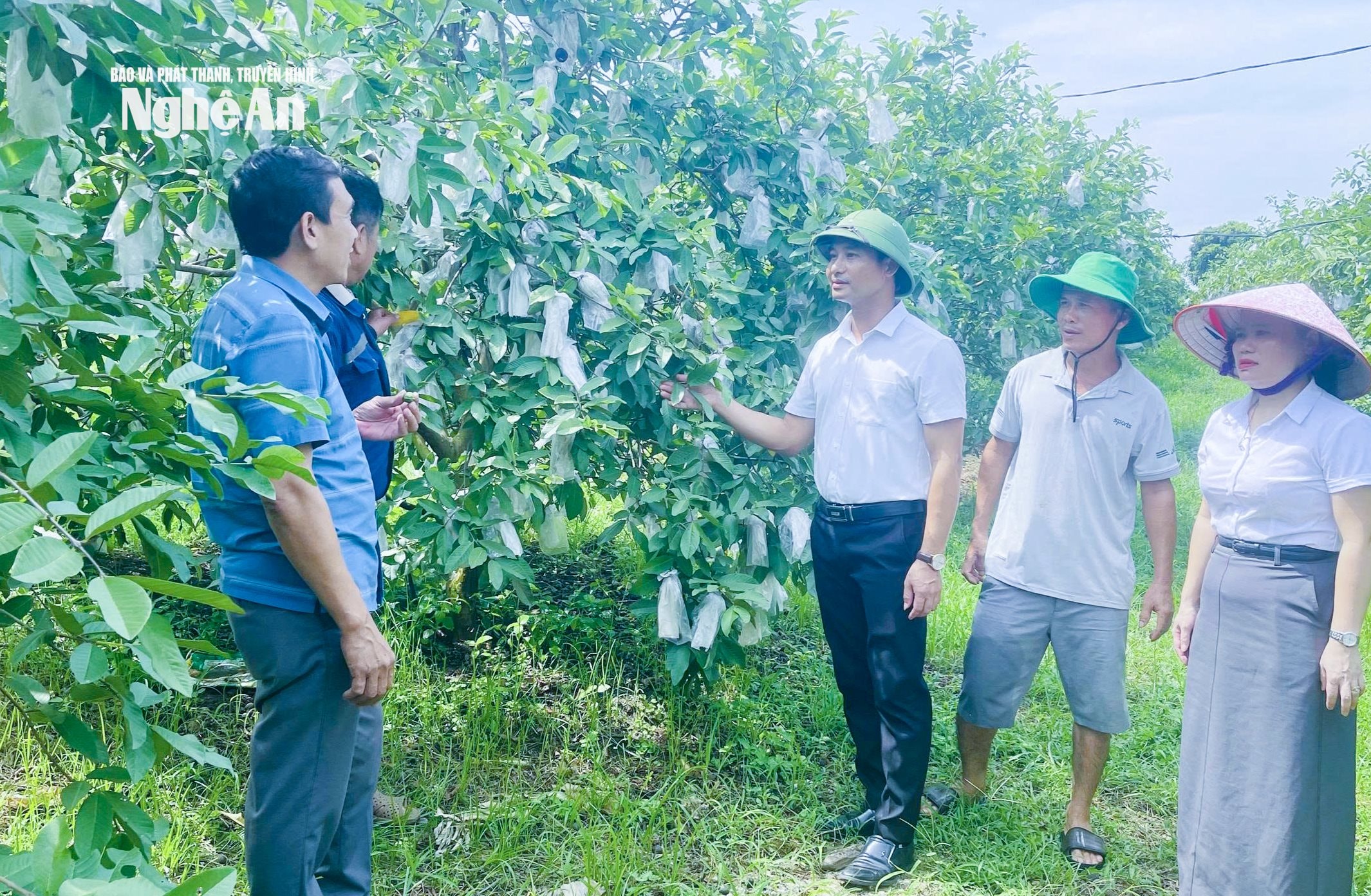
Similarly, some obstacles in the compensation and resettlement process for a number of households affected by TH Group's concentrated cattle farming and milk processing project have been addressed by local Party committees and authorities through direct meetings, dialogues, and active involvement to help people gradually resolve these issues.
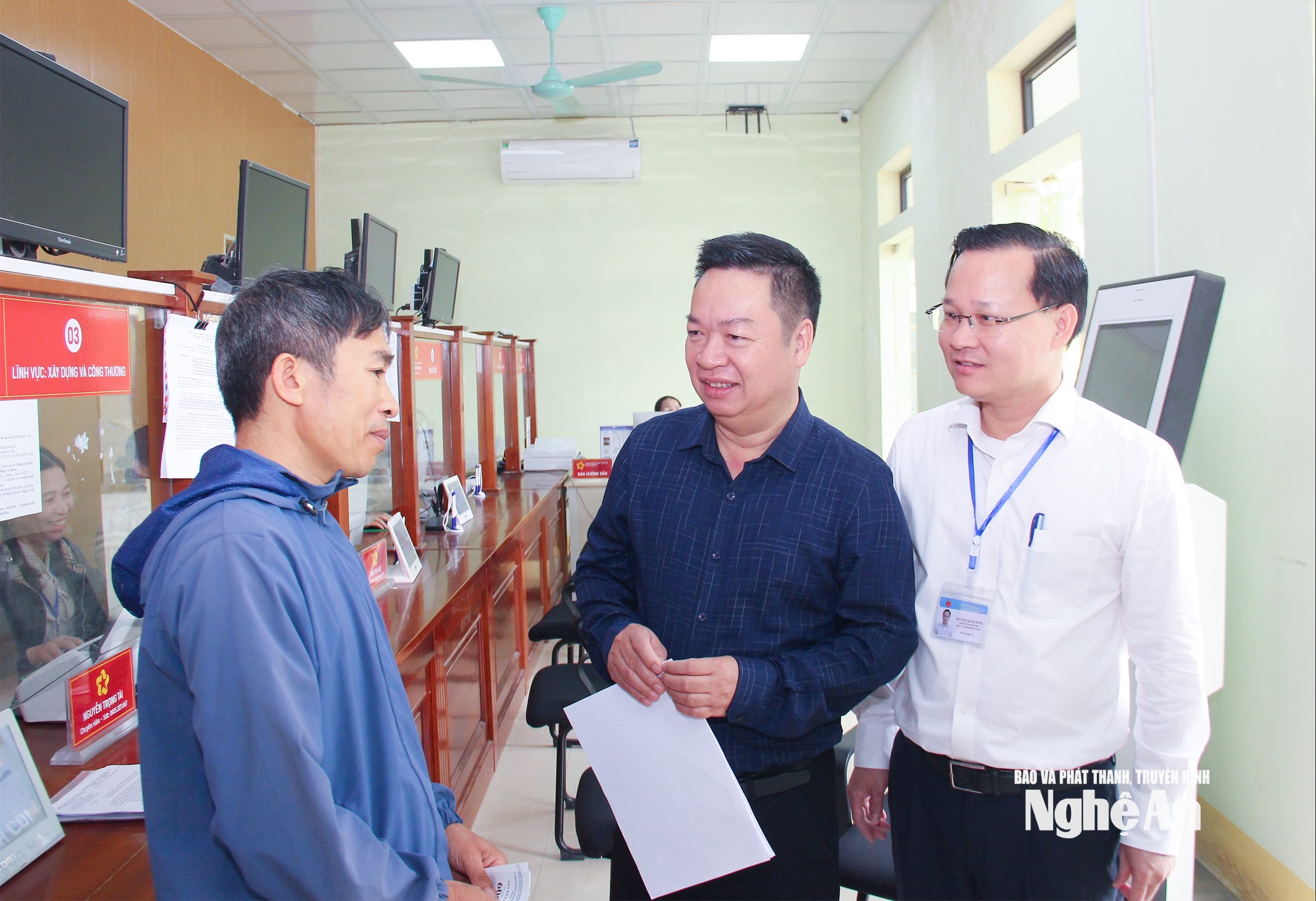
In Hoang Mai ward, all leadership and guidance activities are implemented according to the "6 clear" principles: clear tasks, clear authority, clear responsibilities, clear timeframes, clear resources, and clear results. Meetings are streamlined and focused on key tasks; each task clearly identifies the person in charge, the deadline for completion, and the monitoring mechanism.
According to Comrade Ho Sy Tung, Permanent Deputy Secretary of the Party Committee of Hoang Mai Ward: This approach helps cadres and civil servants enhance their responsibility, closely adhere to their tasks, reduce delays and omissions, and improve the efficiency of public service. Along with this, the ward promotes digital transformation in management and administration, creating uniformity, transparency, and significantly shortening the time required to process work.
Innovations in governance have helped Hoang Mai ward continue to maintain many positive aspects. For example, the growth rate of total product value is projected to reach 13.03% in 2025; and average per capita income is expected to reach 91.54 million VND/year.
The local authorities continue to focus on land clearance for key investment projects, resolving obstacles and difficulties based on prioritizing the interests of the people and ensuring compliance with the law. Administrative reform efforts are expected to rank second out of 130 communes and wards in the province by 2025.
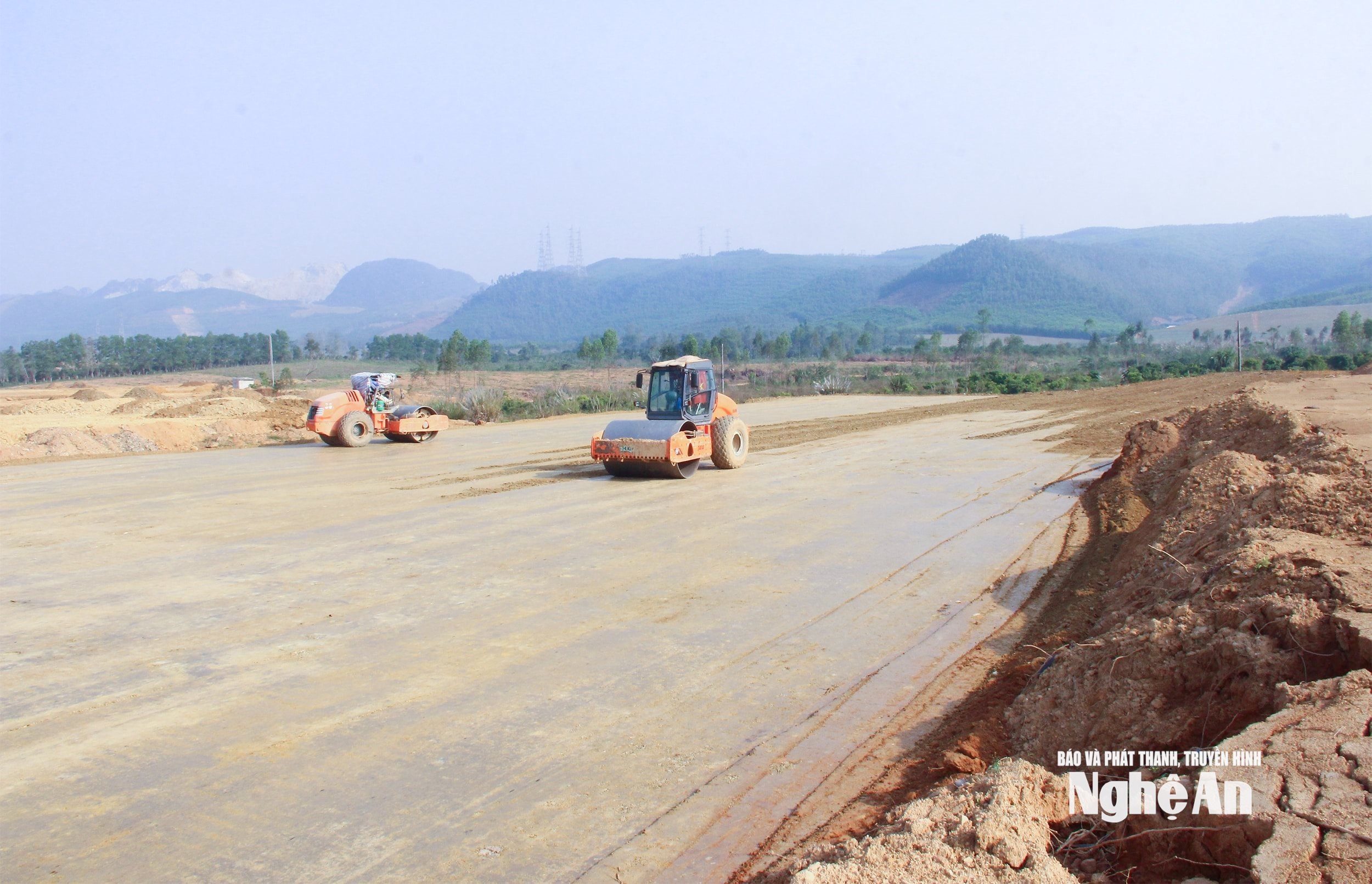
In Nghia Lam commune, tasks are assigned using digital task assignment forms, clearly defining the person responsible, the deadline, responsibilities, and the expected output. The task management system regularly updates progress, provides reminders, and evaluates results monthly. In addition, staff performance is evaluated based on job performance and key performance indicators (KPIs).
Using people's satisfaction as a benchmark
Another highlight of implementing a two-tiered local government system is the spirit and attitude of service from commune-level officials and civil servants, especially in handling administrative procedures for citizens and businesses. Many localities have made great efforts to standardize processing procedures by digitizing, shortening processing times, enhancing transparency, and creating maximum convenience for citizens and businesses. These are important steps that contribute to building a modern, professional, effective, efficient, and truly people-serving administration.
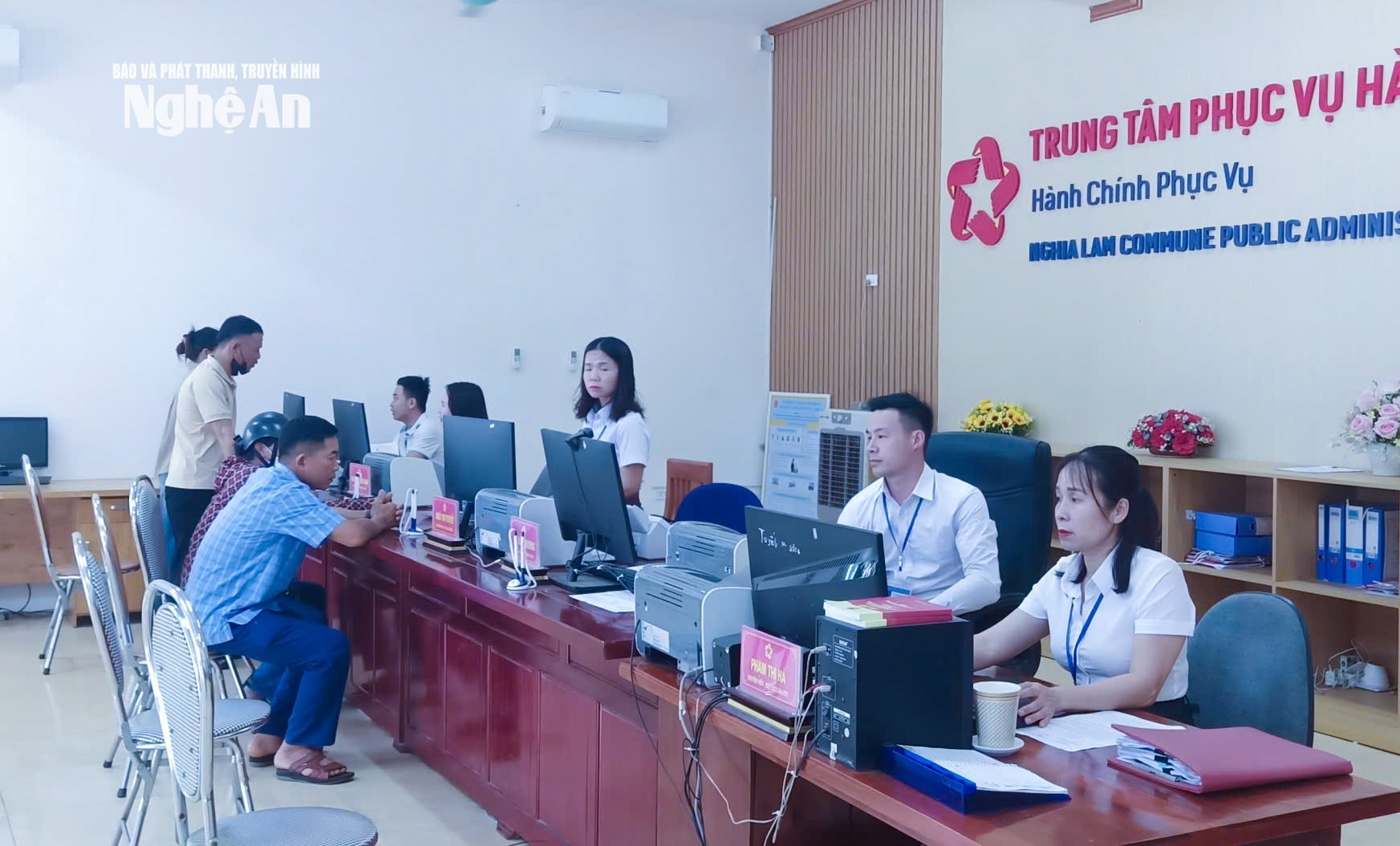
In Nghia Lam commune, according to the assessment on the National Public Service Portal, in the first quarter of 2026, the locality ranked 34th out of 130 communes and wards in the province, a significant increase compared to its 76th position in 2025. Notably, the people's satisfaction index reached the maximum level of 18 out of 18 points.
To achieve these changes, Nguyen Thi My Cong, Director of the Nghia Lam Commune Public Administrative Service Center, stated that: Officials and civil servants not only receive applications but also directly guide people in using online public services, supporting the elderly and vulnerable in carrying out procedures in the digital environment. In particular, officials and civil servants maintain a regular "Saturday for the People" initiative. Instead of requiring people to travel tens of kilometers to the commune center after the merger, officials bring computers and specialized equipment to the community centers in remote hamlets to resolve many administrative procedures on the spot for the people.
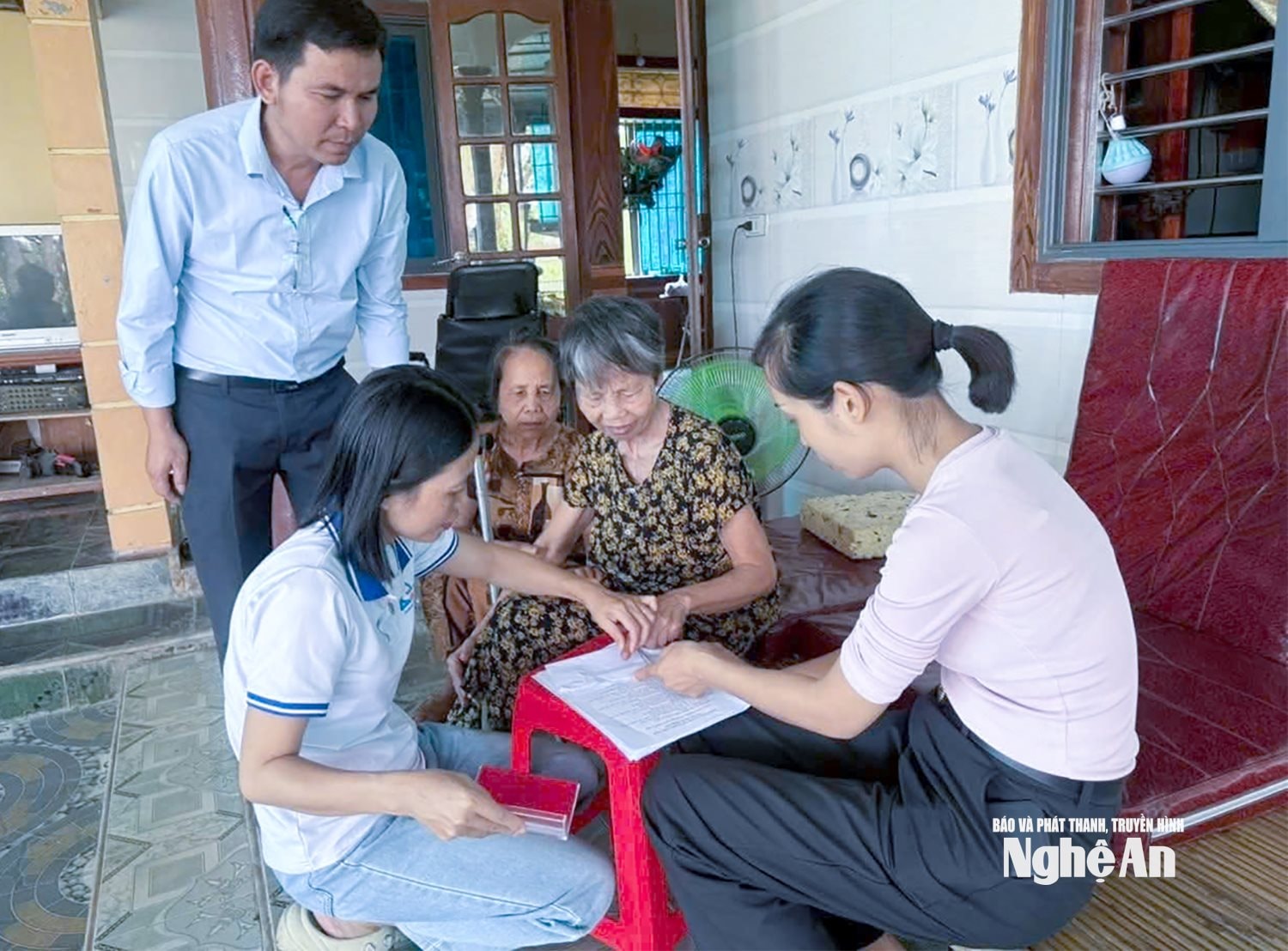
Also stemming from the need to better serve the people, Hoa Quan commune has implemented many flexible models suitable for its large area and scattered population. For the elderly, people with disabilities, or those who are sick, officials and civil servants directly visit their homes to handle essential administrative procedures.
Ms. Chu Thi Sam (97 years old) from An Phu village emotionally shared: "I have great difficulty walking and thought I would have to ask my children and grandchildren to take me to complete the procedures, but the officials came to my house to guide and resolve the matter very attentively. I feel cared for and respected."
These seemingly small actions have brought about a significant change in people's perceptions of the government apparatus. The clearest evidence is that Nghe An's Satisfaction Index with the Public Service of State Administrative Agencies in 2025 (SIPAS 2025) reached 84.33%, ranking 11th out of 34 provinces and cities nationwide, placing it in the leading group and higher than the national average.
Despite having been in operation for nearly a year and still facing challenges regarding staff quality and uneven performance across localities, the initial results have shown the right direction for the two-tiered local government system.
At the conference summarizing one year of operation of the two-tiered local government system in the province, Provincial Party Secretary Nguyen Khac Than emphasized the need to continue promoting decentralization and delegation of power coupled with inspection and supervision; improving the quality of grassroots officials; tightening administrative discipline and public service ethics, with the overarching goal of building a service-oriented administration that puts citizens and businesses at the center.
That message also serves as a guiding principle for the next stage: Each commune and ward must become a dynamic, effective, and efficient local governance center; a place where the majority of people's affairs are resolved at the grassroots level. When officials are truly close to the people, understand the people, respect the people, and serve the people, the effectiveness of the two-tiered local government model will not only be measured by administrative reform figures, but also by the trust and satisfaction of the people.
Regarding the responsibilities of provincial departments and agencies, the Provincial Party Secretary requested a high level of responsibility, proactiveness, and close attention to the grassroots; a strong shift from a management mindset to a constructive and development mindset; increased guidance and support for localities in all fields, and collaboration in resolving difficulties and obstacles arising at the grassroots level during the implementation of political tasks.


