
Intact Kinzhal warhead found in Chernihiv: technical analysis
Fragmented warheads from the Kh-47M2 Kinzhal were found almost intact in Chernihiv, according to Military Informant; experts assess their intelligence value as high, but there has been no official comment.
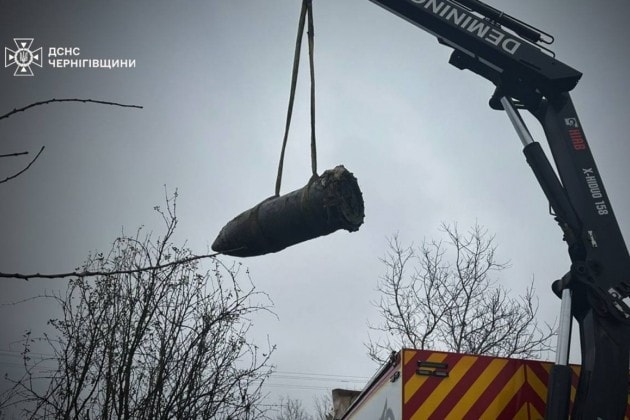
A high-explosive fragmentation warhead from a Kh-47M2 Kinzhal supersonic air-to-ground missile has been discovered almost intact in the Chernihiv region of Ukraine, according to the Telegram channel Military Informant. Images show the warhead did not detonate upon impact, preserving its main structural components such as the casing and explosives. Experts consider this discovery highly valuable to Western intelligence agencies and NATO military technical centers. The Ukrainian Ministry of Defense has not yet commented.
Event Overview
According to Military Informant, the large fragment found is a high-explosive fragmentation warhead from the Kh-47M2 Kinzhal. Visual images show the warhead almost intact after impact, which is considered extremely rare. Experts note that the warhead did not detonate upon impact, thus preserving its main structure, including the casing and explosive charge.
Ukraine has previously reported intercepting Kinzhal missiles using Patriot systems on several occasions. However, confirmed cases of recovering large fragments of these missiles remain limited.
Technical and intelligence value
- The nearly intact specimen allows for direct observation of the warhead structure and the state of the remaining explosive, rather than relying solely on inferences from small fragments.
- Visual data supports the assessment of the structural arrangement of high-explosive fragmentation warheads, thereby clarifying their technical characteristics and mechanical behavior under stress.
- The level of integrity facilitates comparison with previous information, contributing to strengthening the technical database for analysis.
Hypotheses about the reason the warhead remained intact.
Some analysts suggest that the fact the warhead retained its "original" shape could be evidence that the Kinzhal missile was intercepted in mid-air by a Patriot missile. The argument is that at speeds up to Mach 10, if the missile experienced a technical malfunction and crashed directly to the ground, the warhead would likely remain intact and would most likely be severely deformed. An mid-air interception could have caused the missile body to break apart, resulting in the warhead landing in a less damaged condition.
However, this is the opinion of some analysts; there is currently no official confirmation regarding the reason for the warhead's intact condition. The Ukrainian Ministry of Defense has not commented.
Known data and confirmation status
| Element | Status |
|---|---|
| Location of discovery | Chernihiv area, Ukraine (according to Military Informant) |
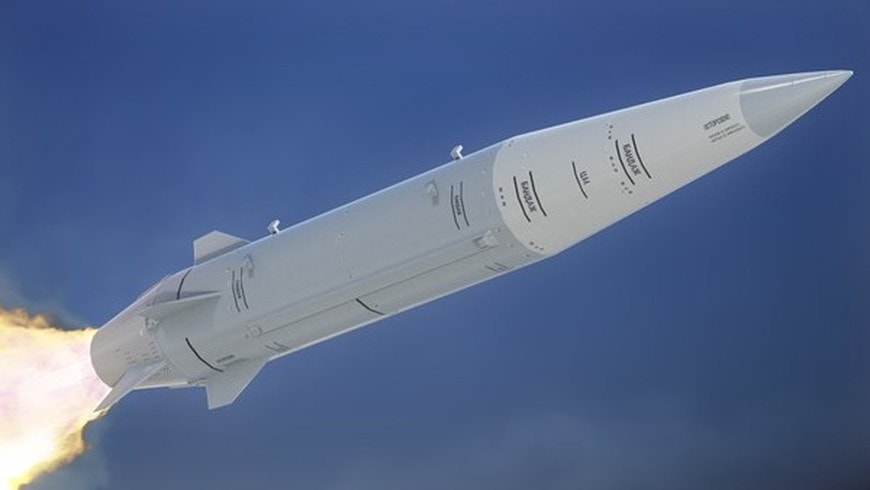
| Type of fragment | The Kh-47M2 Kinzhal's high-explosive fragmentation warhead. |
| Warhead condition | Almost intact, did not explode on impact; casing and explosives preserved. |
| Intelligence and technical value | Highly regarded by experts in the West and by NATO military technical centers. |
| The possibility of being intercepted. | Some analysts suggest it could be due to the Patriot system; there has been no official confirmation. |
| Official statement | There has been no comment from the Ukrainian Ministry of Defense. |
Relevant context
Ukraine has reported intercepting Kinzhal missiles with Patriot systems on numerous occasions. However, data on the recovery of large fragments – particularly intact warheads – remains rare and uncommon, making the Chernihiv discovery a specimen of significant experimental importance.
Provisional conclusion
The discovery of a nearly intact Kinzhal warhead at Chernihiv provides a rare and highly valuable technical and intelligence sample, according to experts. Theories regarding the cause of its intact condition, including the possibility of air interception, currently require official confirmation and further analysis.


