
Signs that your car's brakes may be having problems.
The car's brakes are the most important component for ensuring the safety of the driver, passengers, and everyone around them.
Over time, without regular inspection and maintenance, the braking system will become less effective and emit warning signals. Below are some signs that indicate your car's braking system is having problems and needs attention.
Making strange noises
Strange noises emitted during driving or braking are one of the warning signs that your vehicle's braking system may have a problem and needs to be fixed.
For example, a squeaking sound could be caused by misaligned brake pads, requiring repair or replacement. A louder sound could be metal rubbing against metal. This could be due to worn brake pads, causing direct metal contact with the rotor and creating a loud noise. If this happens, it will make braking difficult for the driver and, if left untreated, can damage the brake's rotating components.
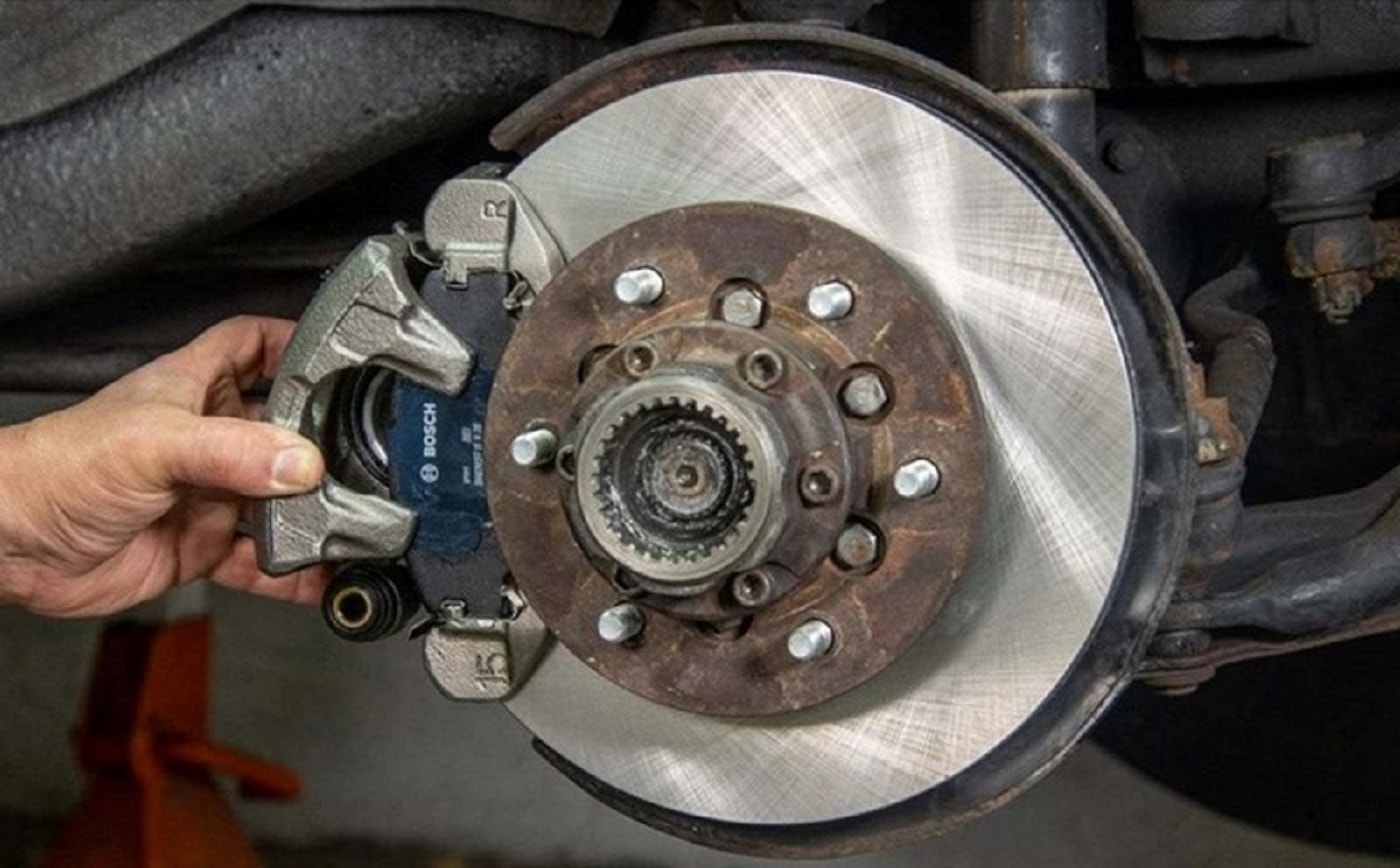
Vehicle vibration when braking.
In an emergency situation where the brakes fail, bicycles equipped with ABS will experience a continuous engaging and disengaging mechanism that causes the bike to vibrate until it comes to a complete stop. However, if the bike vibrates in a similar situation without ABS, it indicates a problem with the braking system.
The car feels like it's veering off course when you apply the brakes.
When braking, if the driver notices the car seems to veer off course, it means the braking force on the wheels is not being distributed evenly. In this case, the car should be taken to a garage or dealership for inspection and repair as soon as possible to avoid affecting its use.
The brake pedal feels heavy when pressed.
A high-quality, well-functioning braking system is usually assisted by a vacuum, making the braking process very light and easy, without causing any difficulty for the driver.
Therefore, if the driver feels resistance when pressing the brake pedal while driving, it indicates a problem with the vehicle's braking system. This could be due to a faulty brake vacuum booster or a clogged oil line, which needs to be repaired promptly.
Unable to release after braking.
Brake failure, also known as brake binding, usually occurs when the brake pads damage the brake's pull or return springs. It can also be caused by other factors such as dry brakes, a seized brake cylinder, or improper driving technique.
Brakes are not responsive.
If, while driving, the vehicle doesn't come to a complete stop even when braking hard, it indicates a problem with the braking system. This could be due to low brake fluid, air leaks, and many other causes.
The brake pedal feels loose.
This symptom indicates a problem with the brakes. The causes are diverse, but the main one is that the brake cylinders are scratched or pitted, leading to fluid backflow whenever the brakes are applied.


