
Identifying and responding to SIM card swapping scams.
How would you react if your phone suddenly displayed a "No Service" message, while everyone around you could still communicate normally? For many people, this isn't just a temporary glitch, but a warning sign that their phone number has been compromised by cybercriminals.
SIM swapping scams—a form of cybercrime that allows fraudsters to hijack victims' phone numbers—are no longer a rare threat. They are becoming one of the fastest-growing types of fraud, targeting both individuals and businesses globally.
In the UK, the anti-fraud organization Cifas recorded a 1,055% increase in illegal SIM swapping incidents compared to the previous year, from 289 cases in 2023 to nearly 3,000 cases in 2024.
Notably, the cyberattack on leading UK retailer Marks & Spencer also used a similar tactic to infiltrate its internal systems, highlighting serious vulnerabilities in security procedures as attackers exploited non-technical attacks to force IT departments to reset critical login credentials.
In the US, the FBI's Internet Crime Complaint Center (IC3) has documented over 1,000 SIM swap incidents, resulting in nearly $50 million in losses. Earlier this year, hackers also gained control of the official social media account of the US Securities and Exchange Commission (SEC) through a SIM swap, using it to post fake information that caused Bitcoin prices to fluctuate sharply in a short period.
Not only in the US and UK, but cryptocurrency investors globally are also becoming prime targets for this type of scam, losing millions of dollars as fraudsters gain control of phone numbers to access digital wallets. In Australia, the number of SIM swap scams has increased by 240% in just one year.
Today, mobile phone numbers have become the "universal key" to digital life, from banking transactions to email access. However, this very convenience makes users vulnerable to sophisticated attacks.
How SIM swap attacks work
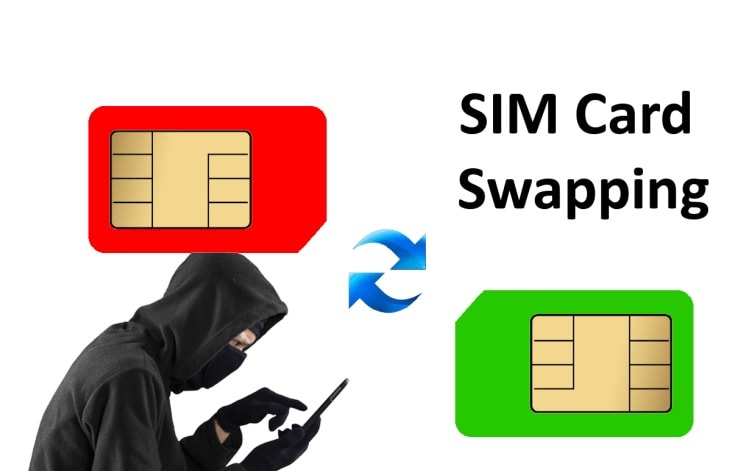
SIM swapping attacks typically begin with hackers gathering victims' personal information, from leaked data, online phishing campaigns, or even from what victims publicly share on social media. Once they have enough information, the attackers contact the network provider, impersonating the subscriber and using excuses such as "lost phone" or "need to activate a new SIM."
If the network employee is convinced, the victim's phone number will be transferred to a SIM card controlled by the attacker. Immediately, the victim's phone loses signal, making it impossible to make calls, send texts, or receive verification codes.
At the same time, hackers begin intercepting one-time passwords (OTPs), requesting account resets, and gaining access to victims' email, banking, or digital wallets. In many cases, they can drain all the money before the victims even realize what's happening.
Cybersecurity experts, including Cybernews, have repeatedly warned that using SMS two-factor authentication (2FA) is no longer secure. When your phone number falls into the wrong hands, all your secure messages are compromised, and that's when all your defenses crumble.
Warning signs that you may be a victim of a SIM swap attack.
One of the first signs that you may be under attack is losing signal or being unable to use mobile service for no apparent reason. If you suddenly receive a message like this:Thank you for switching SIM cards."Even if you haven't asked, immediately contact the network provider directly through their official channels. Absolutely do not call the number in the text message, as it could be a scam."
The next warning sign is the loss of access to your personal account, even if your password is correct. This usually happens when a hacker has gained control of your phone number and changed your account recovery information.
Additionally, be wary if you notice unusually high data usage, the appearance of strange apps, or acquaintances reporting receiving odd messages from your account. These are signs that your phone may have been infected with spyware or remotely controlled.
Finally, if your bank or online services send alerts about unusual logins, new devices, or multiple failed login attempts, don't ignore them. Those signals could mean a SIM swap attack is currently underway.
What should you do if you suspect your SIM card has been swapped?
If your phone suddenly loses signal or shows signs of being compromised, act immediately; every minute counts in SIM swap attacks.
1. Contact your mobile network provider directly.
This notification states that you suspect your phone number has been illegally compromised and requests that your account be temporarily suspended, the SIM transfer request be canceled, and a new SIM card be issued.
If possible, go directly to the carrier's store to shorten the processing time. Some carriers also offer a security PIN or SIM lock feature; activate it immediately after regaining control.
2. Protect your financial accounts
Contact your bank, credit card issuer, and related financial institutions to warn them about the risk of fraud. Ask them to monitor unusual activity or temporarily freeze your account if necessary.
At the same time, switch to using two-factor authentication (2FA) via the app, instead of SMS codes, which are vulnerable to attacks in case of SIM swapping.
3. Check the equipment.
If you suspect malware, scan your entire phone, delete suspicious apps, and if the problem persists, back up your data, perform a factory reset, and only reinstall apps from trusted sources afterward.
4. Alert the contact.
Inform your friends, colleagues, and family that your phone number may have been compromised. Warn them not to trust messages requesting money transfers, verification codes, or suspicious links until you confirm you have fully regained control.
In SIM swap incidents, a quick response is crucial; the sooner you act, the better your chances of limiting damage and preventing attackers from further exploiting your digital identity.
How to prevent SIM swapping attacks.
Recovering from a SIM card swap is not easy, and sometimes the damage has already happened before you realize it. The best way to protect yourself is through proactive prevention. The first and most important step is to stop using SMS for two-factor authentication and switch to stronger security methods.
Ask your mobile carrier to enhance the security of your account. Setting up an account PIN, activating a security key, or any additional layer of verification can help prevent unauthorized SIM card swapping. While this procedure may take longer, the protective benefits it provides are invaluable, similar to setting a PIN for a bank account.
Additionally, maintain a habit of regular security checks. Each month, review your email, cloud service, and social media login history to detect any unusual devices. Enable notifications for new login activity or password changes. Don't forget to check your bank and credit card statements to promptly detect suspicious transactions; many victims only discover they've been scammed after their accounts have been emptied.
In the workplace, raising security awareness among employees is crucial. Encourage them to use authentication apps instead of SMS for company accounts, and require the IT department to monitor any unusual login activity or reports of sudden network outages.
In the digital age, mobile phone numbers are not just communication tools; they have become digital keys that unlock all your personal accounts and data. Therefore, if one day your phone suddenly displays "..."No service"Don't dismiss it immediately. Ask yourself if your SIM card is being swapped and take immediate action before it's too late."


