
Investing in education paves the way for the future.
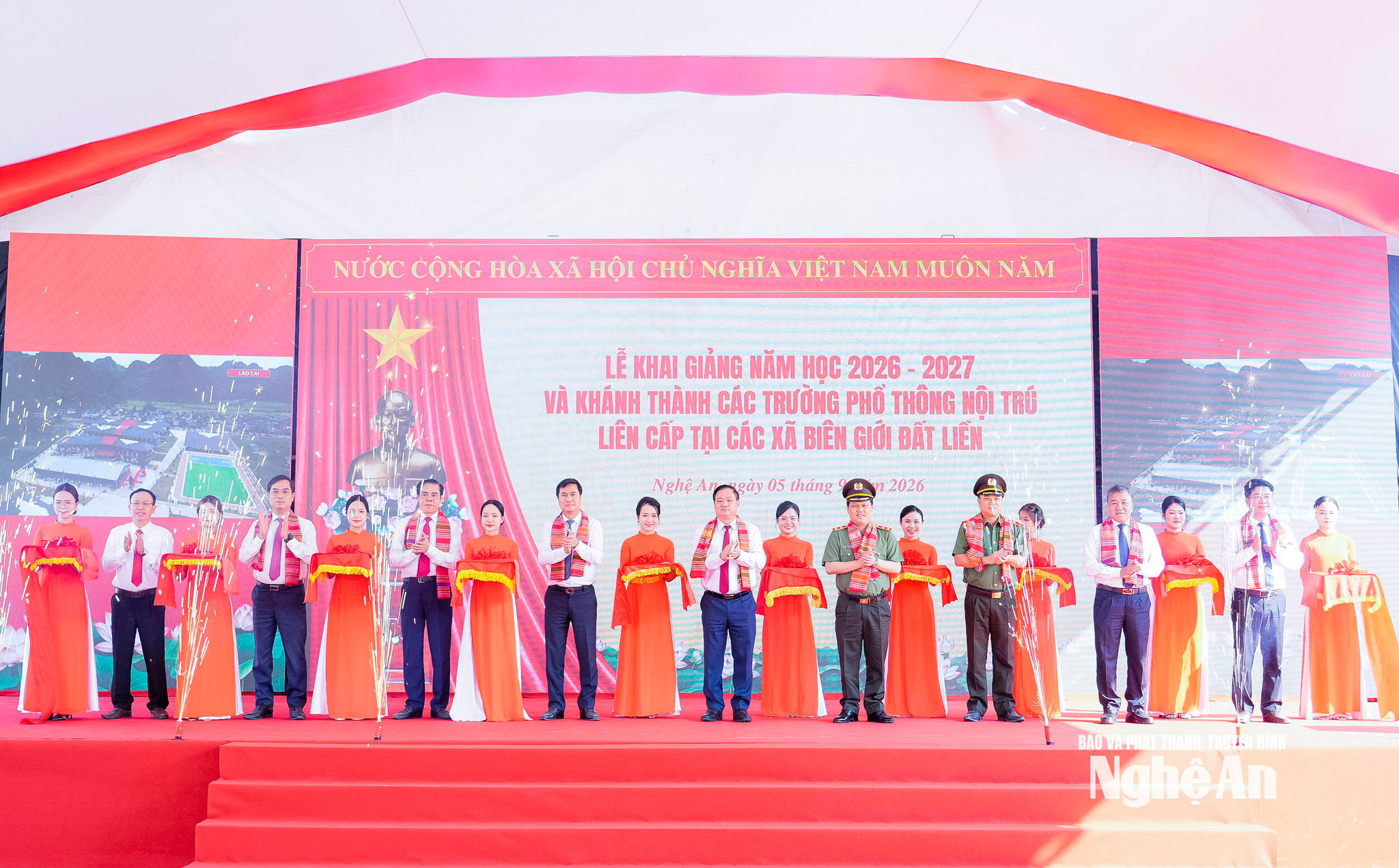
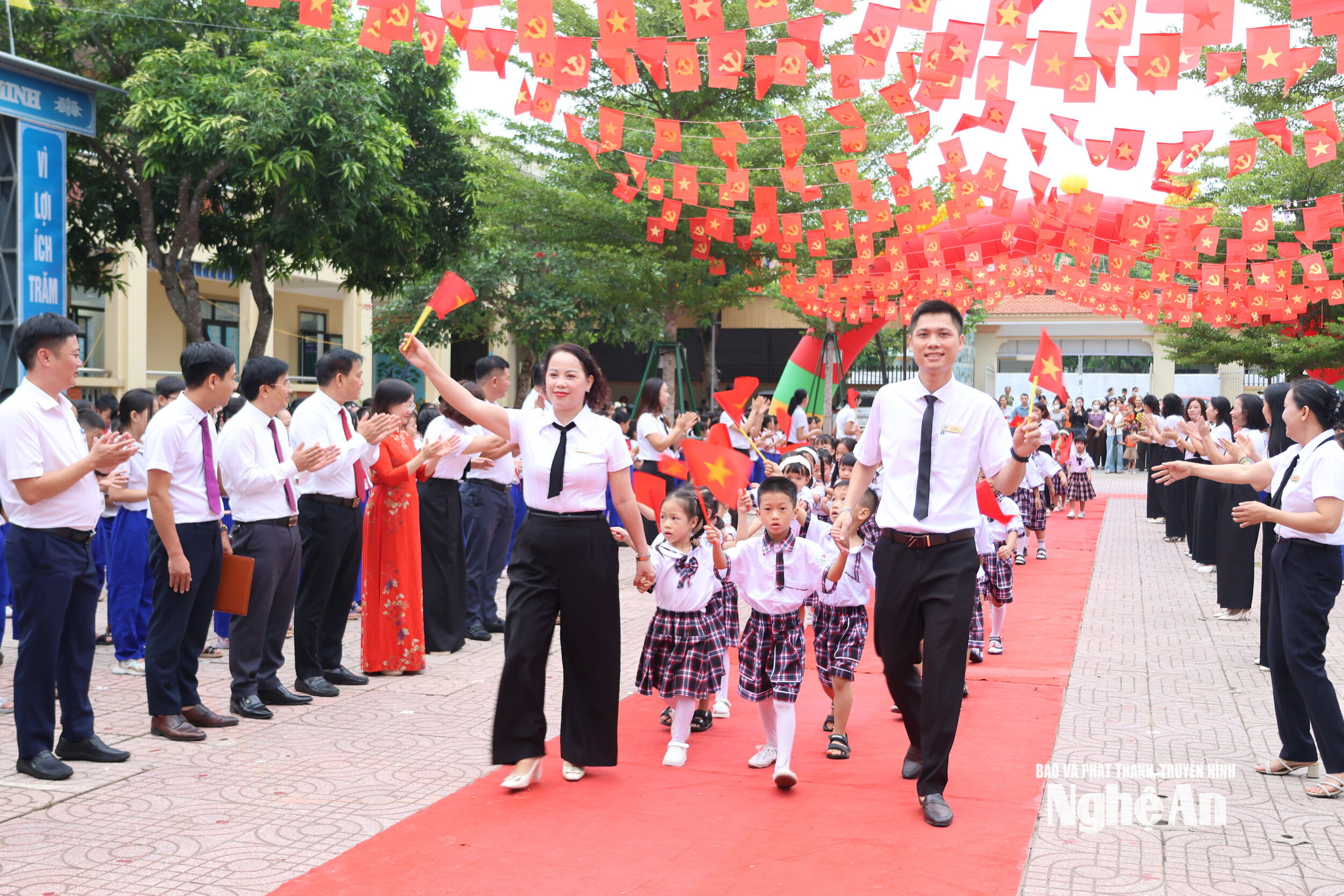
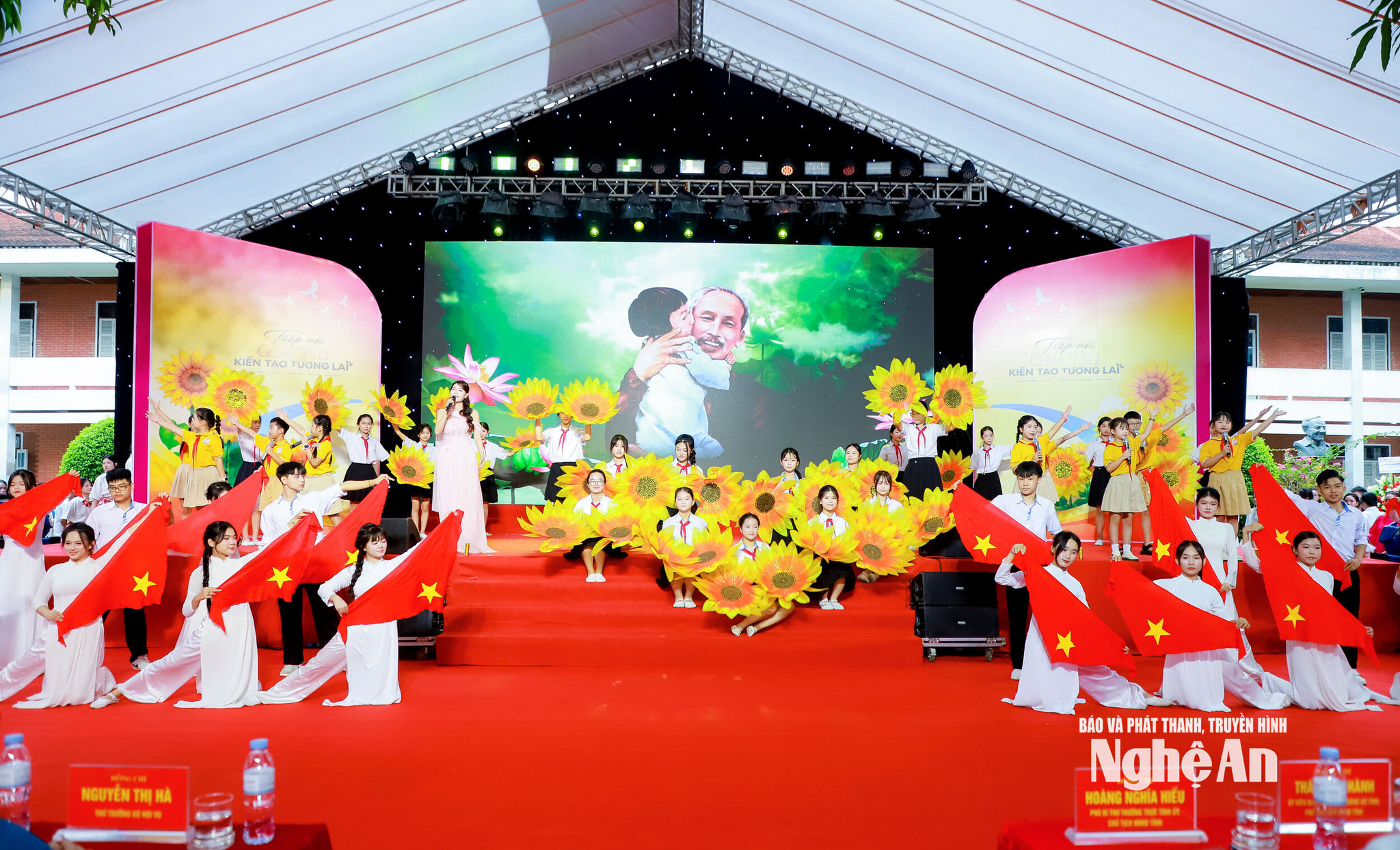
As the school bell rang on September 5th, a large number of students in western Nghe An province began their new school year in well-equipped, multi-level boarding schools. Following this joyous opening day, a bigger question arises: how can these new schools truly create better learning opportunities for children in this border region?

Dr. Hoang Ngoc Vinh
(Former Director of the Department of Professional Education, Ministry of Education and Training)
***********
As the school bell rang on September 5th, a large number of students in western Nghe An province began their new school year in well-equipped, multi-level boarding schools. Following this joyous opening day, a bigger question arises: how can these new schools truly create better learning opportunities for children in this border region?
The Resolution of the 14th National Congress of the Party sets the goal of building a modern, equitable national education system, oriented towards standardization, modernization, democratization, socialization, and international integration. Resolution No. 71-NQ/TW on breakthroughs in education and training development further emphasizes the requirement to ensure fair and equal learning opportunities, sufficient schools, classrooms, teachers, and learning conditions, especially in ethnic minority areas, mountainous regions, and border areas.
Educational equity does not mean that resources are distributed equally everywhere; rather, more disadvantaged areas need more attention to compensate for the disadvantages children face that they cannot choose for themselves. A child born in a remote village cannot choose the distance from home to school, the road conditions during the rainy season, or the economic circumstances of their family. Policies must contribute to bridging these gaps.
That is also the specific meaning of a socialist education: Geographical circumstances should not determine the quality of education a child receives; children in mountainous and border regions should not have to accept fewer opportunities simply because of their birthplace.
In Nghe An province, this is even more concerning. The western part of the province has a large area, many border communes far from the center, fragmented terrain, difficult transportation, and a harsh climate. In some places, students have to walk many kilometers to get to school; during the rainy season, they also face landslides, flash floods, and roads being cut off. The distance to school is therefore measured in time, effort, and the risk of children dropping out.
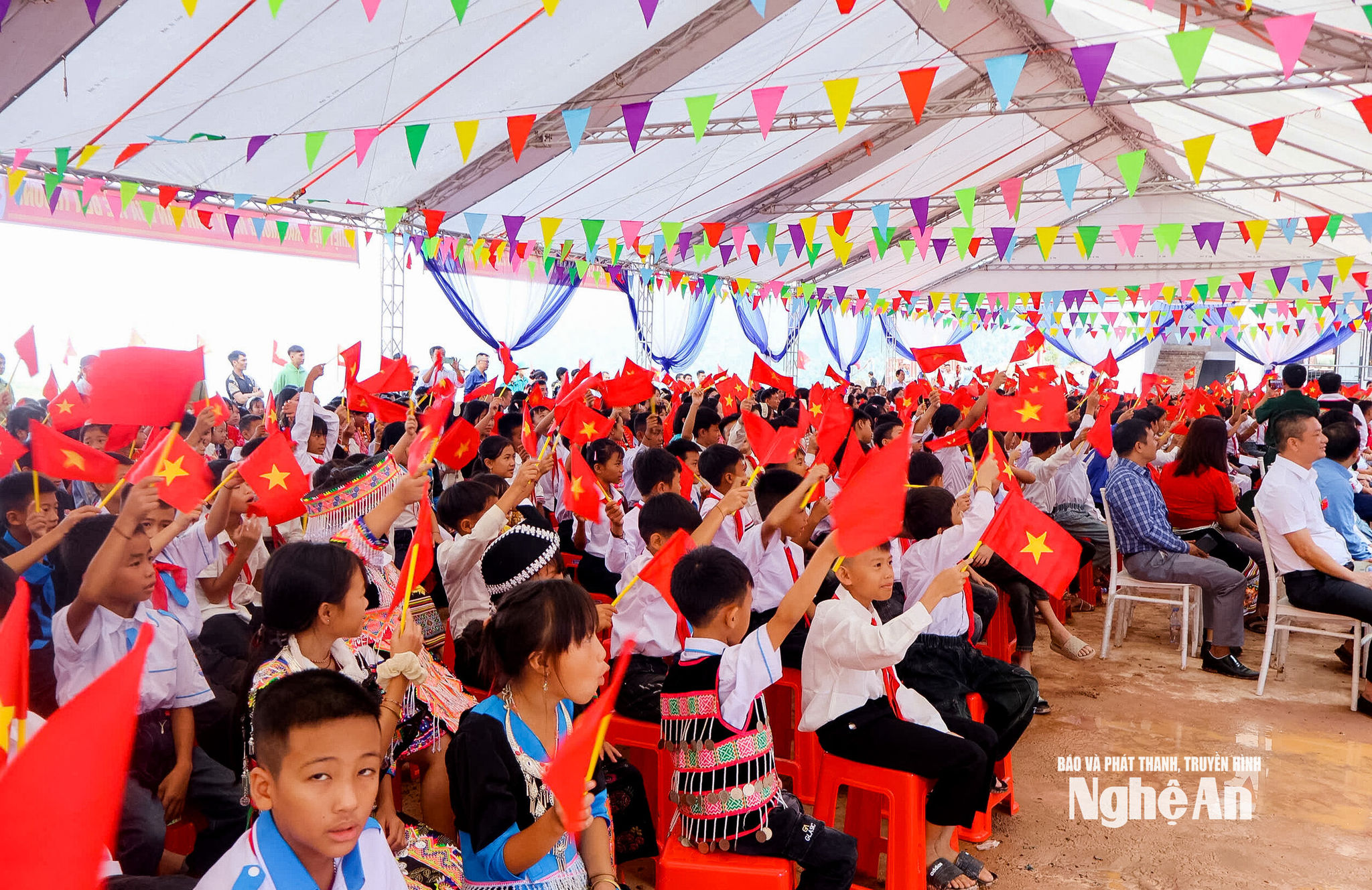
Nghe An is a land with a tradition of valuing education. For generations, the people of Nghe An have overcome hardships to pursue literacy. Continuing this tradition today cannot rely solely on the perseverance of the learners and the sacrifices of their families; it absolutely requires bringing better learning conditions closer to children.
Nghe An province is currently constructing 21 multi-level boarding schools in border communes, with 10 schools in the first phase scheduled to serve the 2026-2027 school year. Thousands of students will have better learning and living conditions; many families will have less worry about long distances, steep slopes, and deep streams; and the local education sector will have better conditions to maintain student enrollment and reduce dropout rates. However, these schools will only truly be meaningful when the construction work translates into quality education.
First and foremost, there must be sufficient staff. A boarding school with multiple levels of education needs enough teachers, administrators, and support staff to assist students. For border regions, recruiting teachers is difficult, but retaining them long-term is even more challenging. Housing, living conditions, benefits, and the working environment must be considered alongside classrooms. A beautiful school that frequently lacks teachers, or where teachers arrive only to request transfers, indicates that the most fundamental aspect remains unstable.
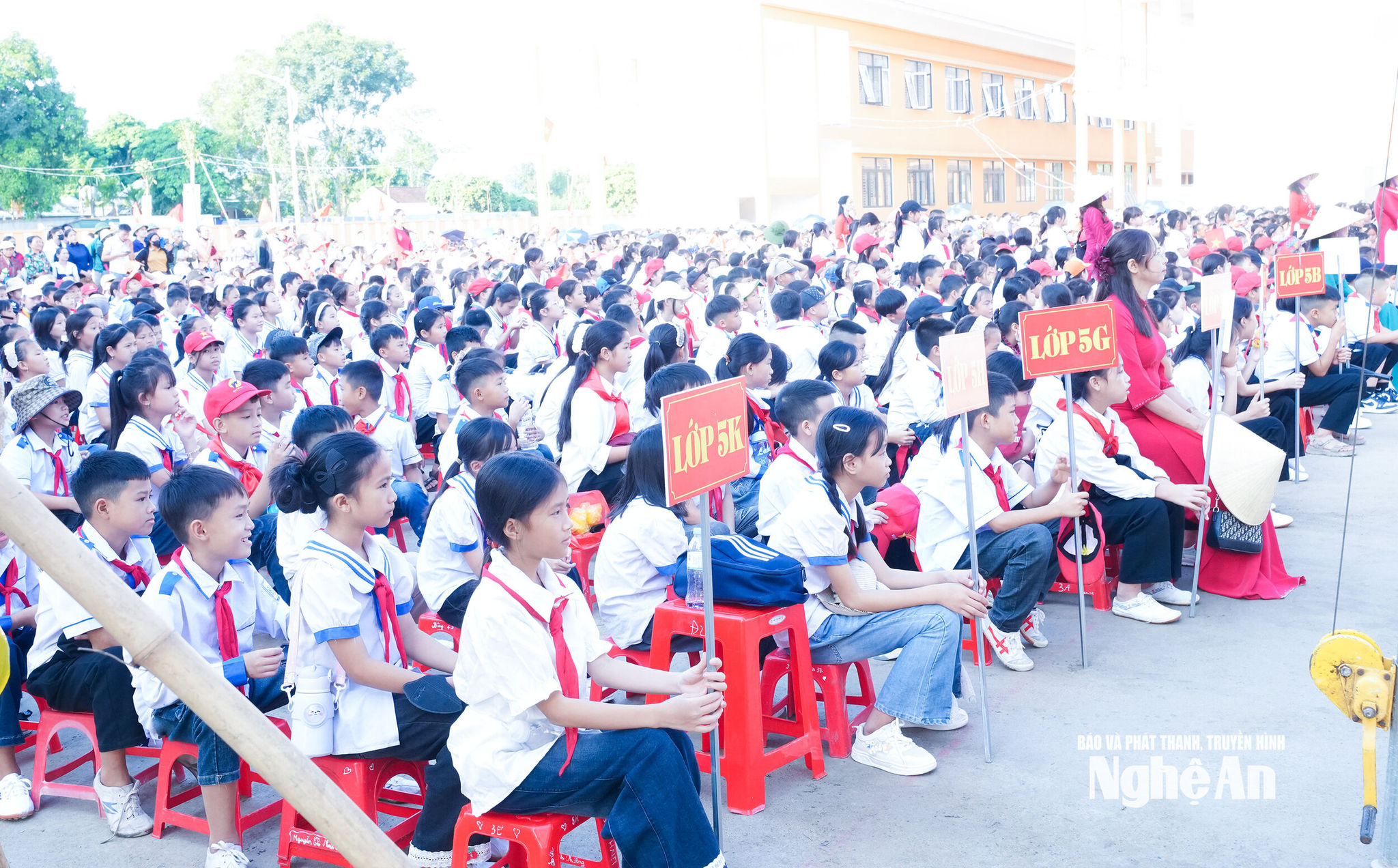
In addition, textbooks, libraries, teaching equipment, computers, and internet access must be available from the beginning of the school year and used effectively. More than just a sturdy school building, students in border areas have the right to access the learning conditions of modern education.
In boarding schools, quality extends beyond classroom hours. Are meals nutritious, is the water and sanitation adequate, are the living quarters safe, are sick children cared for, and are teachers and supervisors supportive and understanding for children away from home for the first time? Furthermore, the availability of spaces for recreation, sports, and cultural activities directly impacts children's health, psychology, and learning.
The route to school must also be considered as part of the educational environment. The school may be well-equipped, but if during the rainy season students still have to travel along landslide-prone roads, flooded bridges, or dangerous single-lane routes, then the opportunity to attend school is not fully guaranteed. Local authorities need to review the routes students frequently use, address unsafe points, develop traffic plans during the rainy season and floods, and organize boarding or semi-boarding programs suitable for areas that are too far away. A child must be able to get to school safely before they can learn well at school.
Therefore, the handover day for the construction of multi-level boarding schools in border areas is not the end of the local authorities' responsibility. After the opening ceremony, the work moves to a more difficult phase: ensuring the schools operate effectively and produce real educational results. This requires comprehensive preparation in areas such as staffing, finances, textbooks, equipment, meals, clean water, healthcare, school safety, and transportation. The education sector and local authorities need to coordinate in monitoring school attendance, academic results, and dropout rates; listening to feedback from teachers, students, and parents... to address any shortcomings promptly. After a few years, the effectiveness of the program should not only be measured by the number of schools built or classrooms handed over, but also by whether children attend school more regularly, learn better, and drop out less frequently; whether teachers want to stay longer; and whether students have more opportunities for further education, vocational training, and career development.
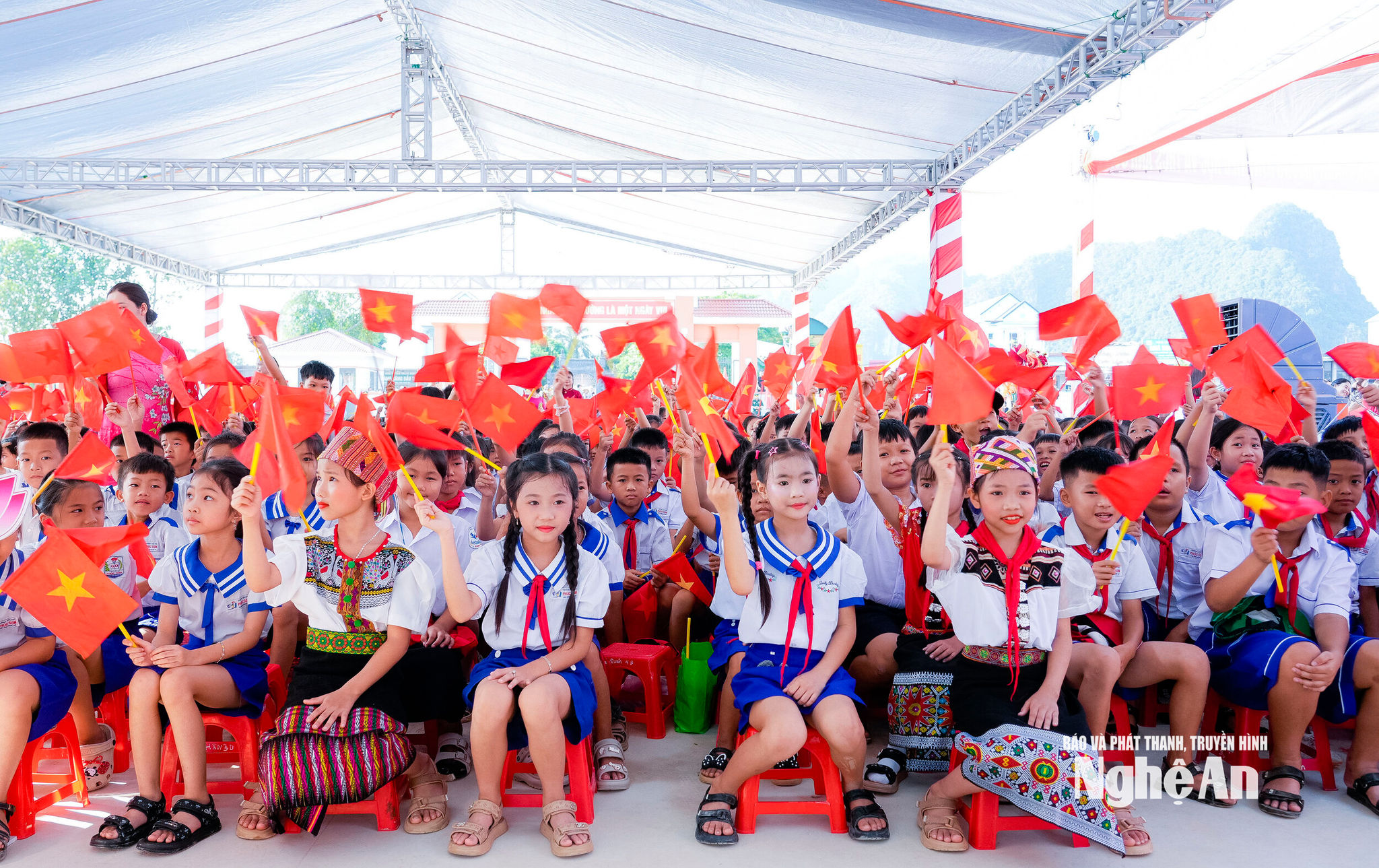
Schools in ethnic minority areas also need to be closely connected to families and communities. Students should access new knowledge but still need to understand the culture, language, and positive values of their ethnic group. Schools, families, local authorities, and border guards should work together to create an educational environment that is close to life in border regions.
President Ho Chi Minh once said, "An ignorant nation is a weak nation." Looking at the schools in border regions today, it can be said that providing good education is creating a foundation for those localities to become stronger economically, socially, and in terms of national defense and security in the future. For border regions, investing in education is also investing in local human resources, in the vitality of the community, and in the long-term stability of the nation's border areas.
Following the opening ceremony on September 5th, we hope and believe that these integrated boarding schools will transform the education and future of children in border regions. The value of these schools today will be seen through what the children learn, how they grow, and how many more opportunities they have for their future. A child's birthplace may differ geographically, but this should not limit their opportunities for learning and development.


