
Promoting administrative reform contributes to the successful achievement of the goals of the Resolution of the 20th Congress of the Nghe An Provincial Party Committee.
Effective administrative reform is a key factor in enhancing competitiveness and governance efficiency; building a transparent and honest administrative apparatus; and facilitating access to public services for citizens and businesses. This contributes to strengthening the trust of citizens and businesses in the state apparatus, while simultaneously promoting integration and sustainable socio-economic development.

Comrade Nguyen Viet Hung - Member of the Provincial Party Committee, Director of the Department of Internal Affairs
September 25, 2025
Effective administrative reform is a key factor in enhancing competitiveness.and the effectiveness and efficiency of governance;Building a transparent and honest administrative system., Facilitating access to public services for citizens and businesses. Throughthat, contributesStrengthening the trust of citizens and businesses in the state apparatus.; simultaneously,facilitatepromoteIntegration and sustainable socio-economic development.

The 19th Congress of the Nghe An Provincial Party Committee, for the term 2020-2025, identified administrative reform as one of the three breakthroughs that need to be focused on.
Therefore, during the 2021-2025 period, with the motto "select key tasks - act decisively," Party committees and governments at all levels have focused on and strengthened leadership and guidance in administrative reform, proposing many strong solutions to promptly address bottlenecks and obstacles.
Furthermore, the efforts, awareness, and responsibility of the staff, civil servants, and public employees, along with the support and cooperation of the people and the business community, have also created momentum for the province's administrative reform work to achieve significant, comprehensive, and substantive changes.
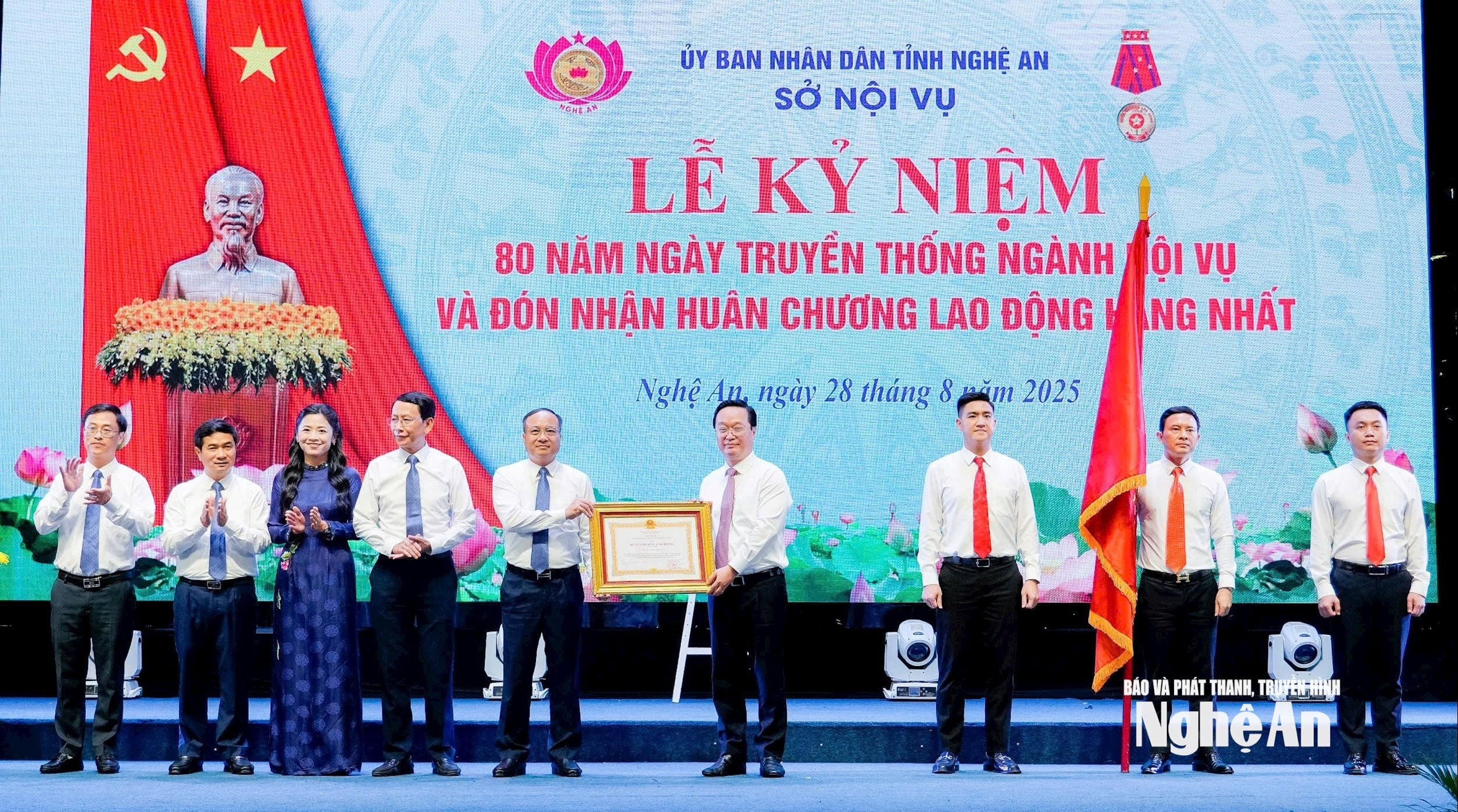
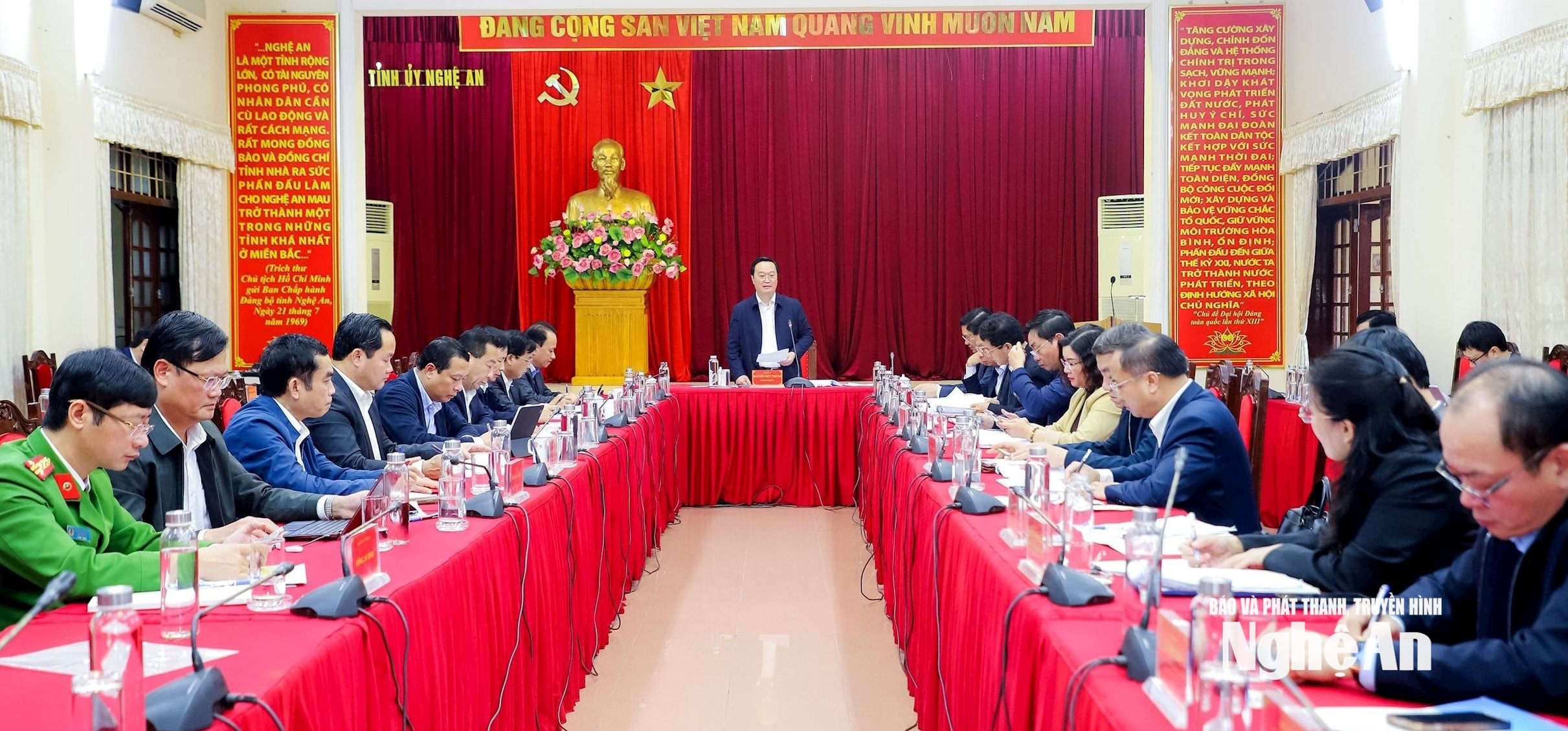
The administrative apparatus has been streamlined, reducing the number of departments and agencies from 21 to 15; the number of communes, wards, and towns from 412 to 130; decentralization and delegation of power have been promoted; digital transformation has been implemented extensively throughout the political system and all aspects of social life; administrative procedures are increasingly simple, transparent, and time-saving, with nearly 90% of applications processed online, creating favorable conditions for citizens and businesses; the service attitude of officials and civil servants has clearly improved towards "discipline, responsibility, professionalism, and friendliness"... Nghe An is also one of the leading provinces in implementing Project No. 06/CP, which has been commended by the Prime Minister.
These factors have significantly contributed to improving the province's rankings in the PAR INDEX, SIPAS, PCI, and PAPI indices.
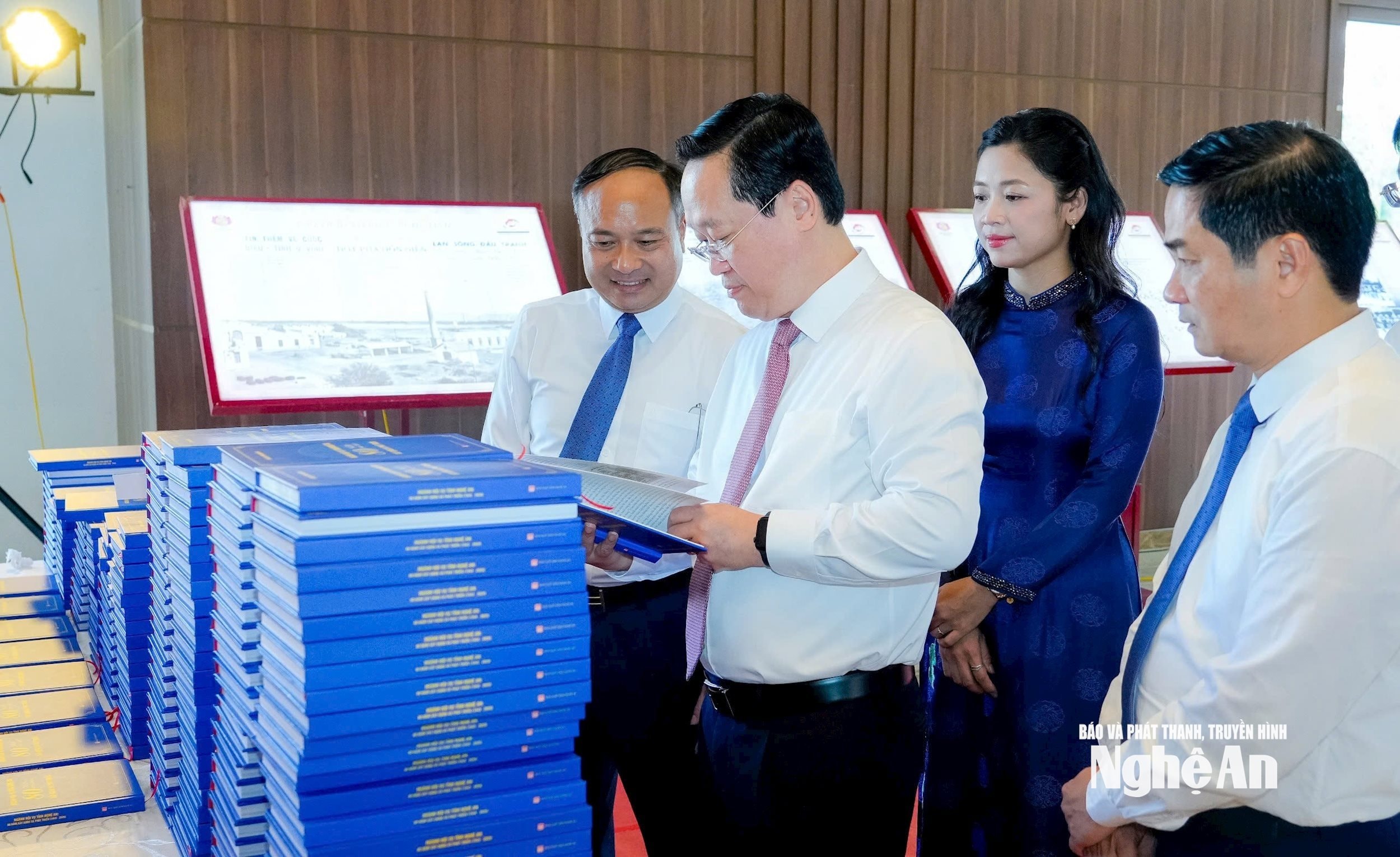

However, alongside the encouraging results, there are still limitations and difficulties.
Some indicators have not achieved the desired rankings, and the improvement and maintenance of their positions remain unstable. In particular, the PCI and PAPI indices have dropped significantly in the last two years; in 2024, the PCI ranked 44th out of 63 provinces and cities, and the PAPI ranked 37th out of 63 provinces and cities.
Therefore, developing comprehensive and feasible solutions to improve these indicators is a key task in the next term.
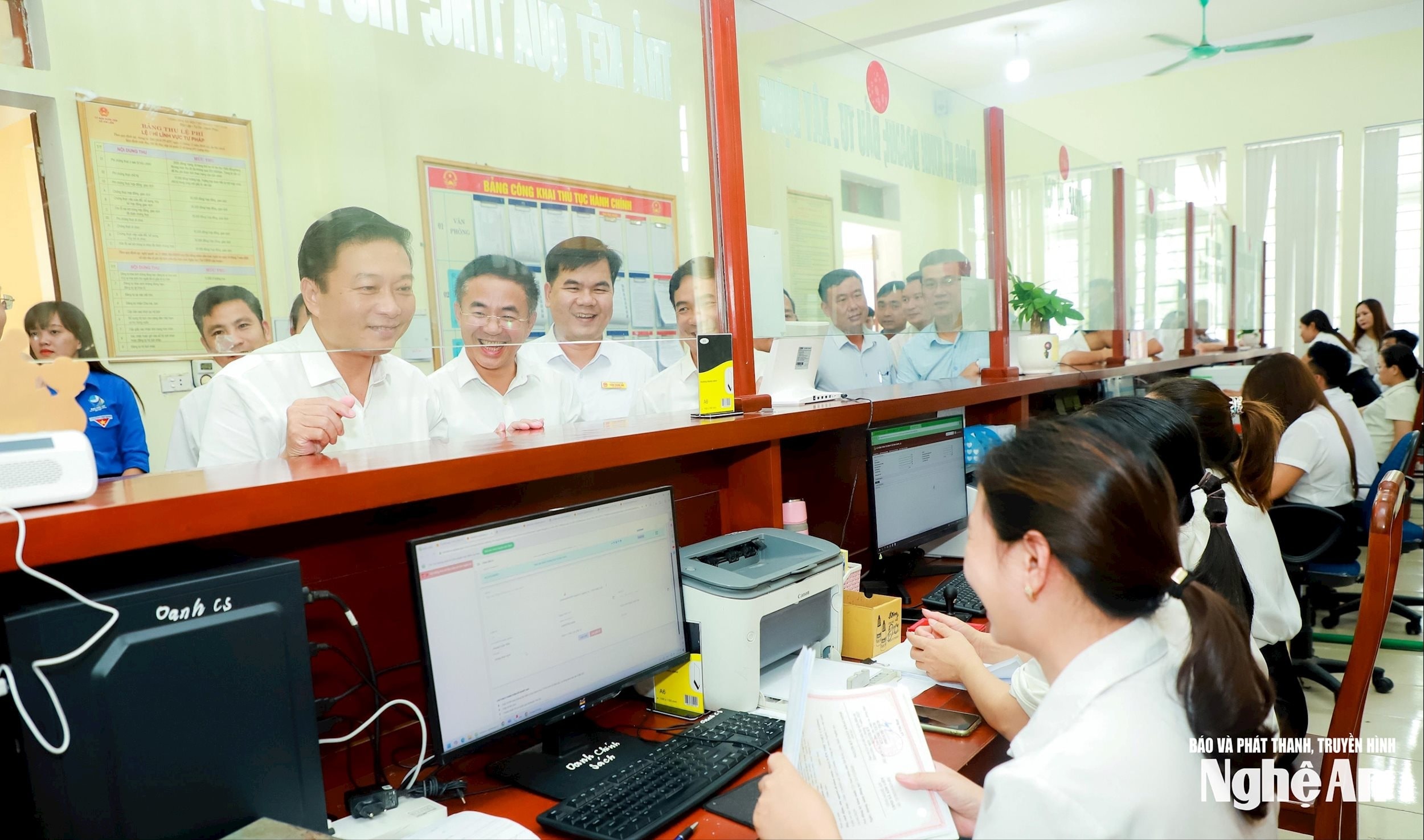
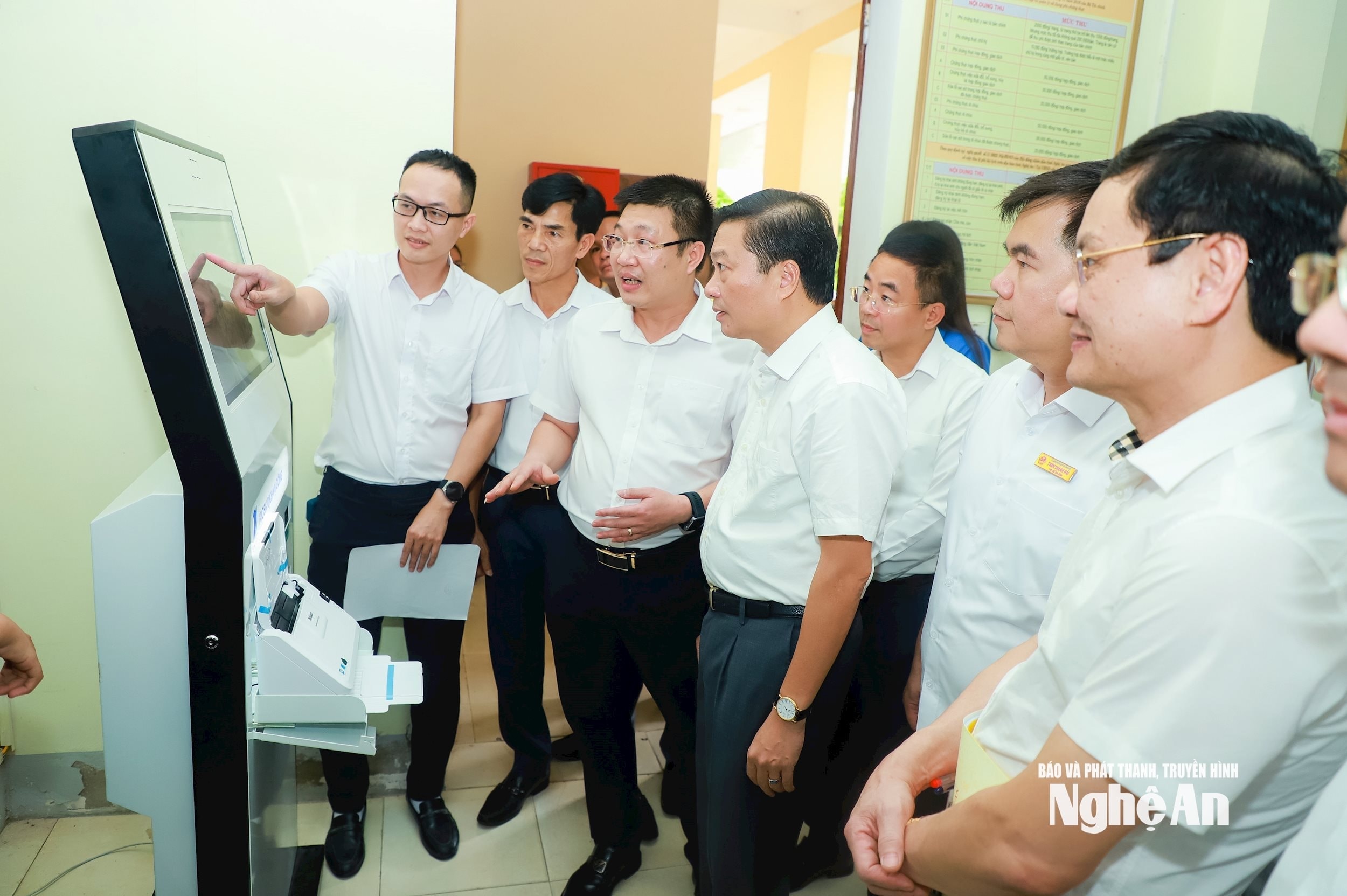
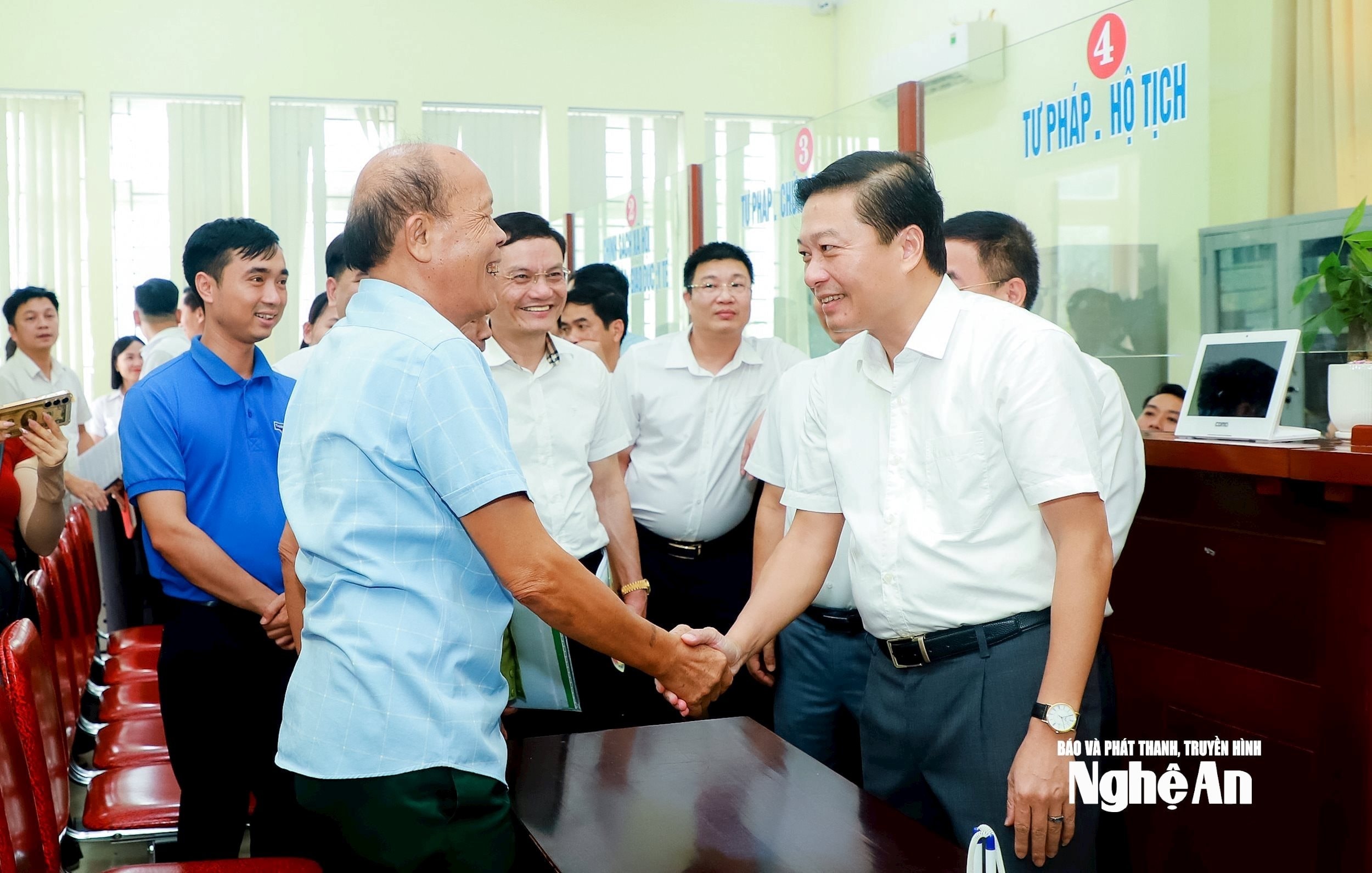

The draft Resolution of the 20th Provincial Party Congress clearly states that Nghe An strives to be among the top 10 provinces in terms of the Provincial Competitiveness Index (PCI); the Public Administration Reform Index (PAR INDEX); the Satisfaction Index of People and Organizations with the Services of State Administrative Agencies (SIPAS); and the top 15 provinces in terms of the Public Administration Performance Index (PAPI).
This is both an important political task and a direct driving force contributing to the successful achievement of the goals and targets set forth in the Resolution of the 20th Provincial Party Congress.
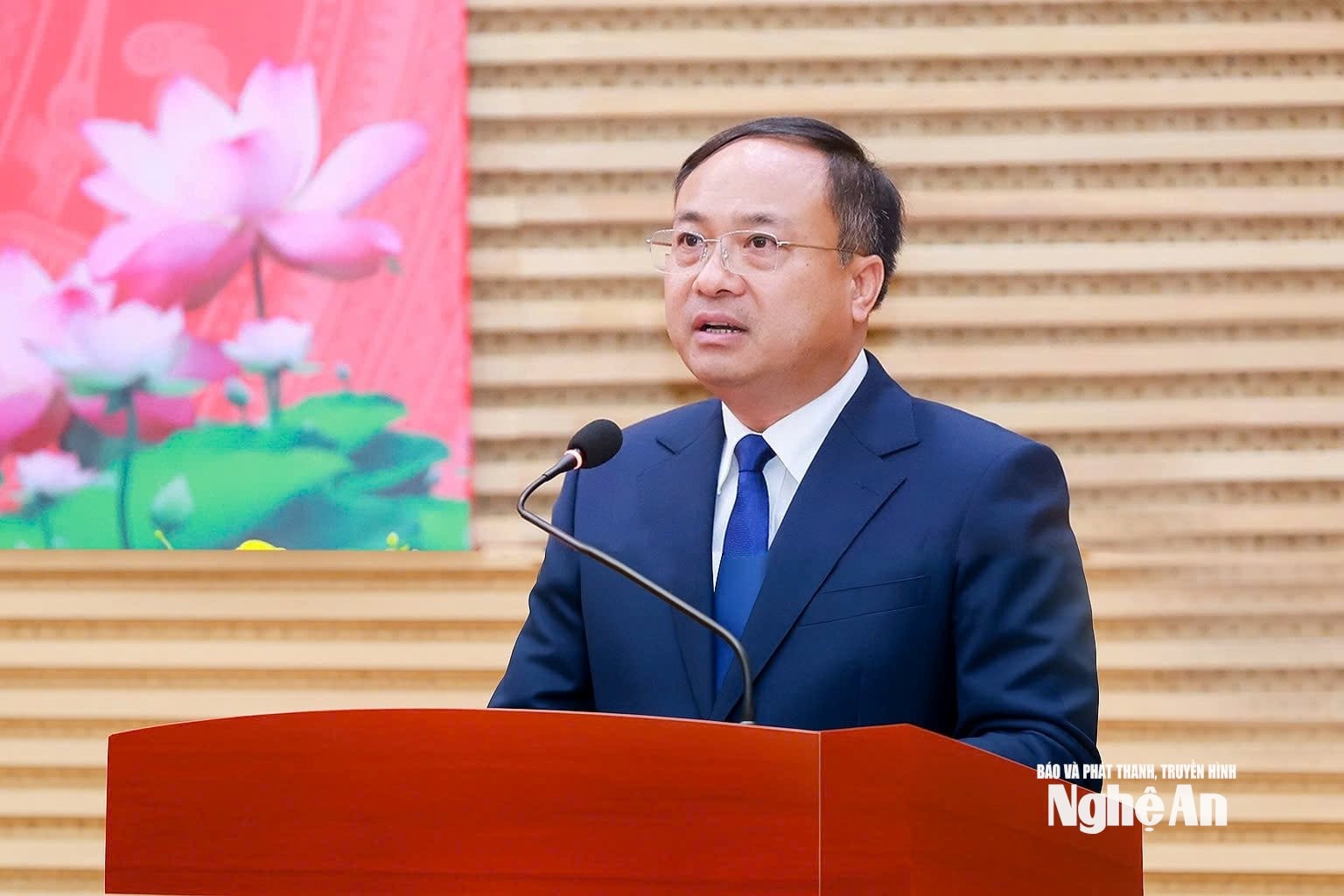
To realize the above objectives, as the Standing Agency of the Provincial Steering Committee for Administrative Reform, the Department of Internal Affairs will continue to proactively advise the Provincial Party Committee and the Provincial People's Committee on fundamental and comprehensive solutions to overcome existing shortcomings and limitations in administrative reform; improve the ranking of relevant indicators (PAR INDEX, SIPAS, PCI, PAPI) to improve service quality; and build a modern, transparent, and efficient administration. The focus will be on:
The first,Strengthen the direct leadership of Party committees at all levels over administrative reform. The heads of Party committees and governments at all levels must set an example, directly lead, and be responsible for the results of administrative reform in their localities and units; ensuring that administrative reform is substantive and avoids formalism.


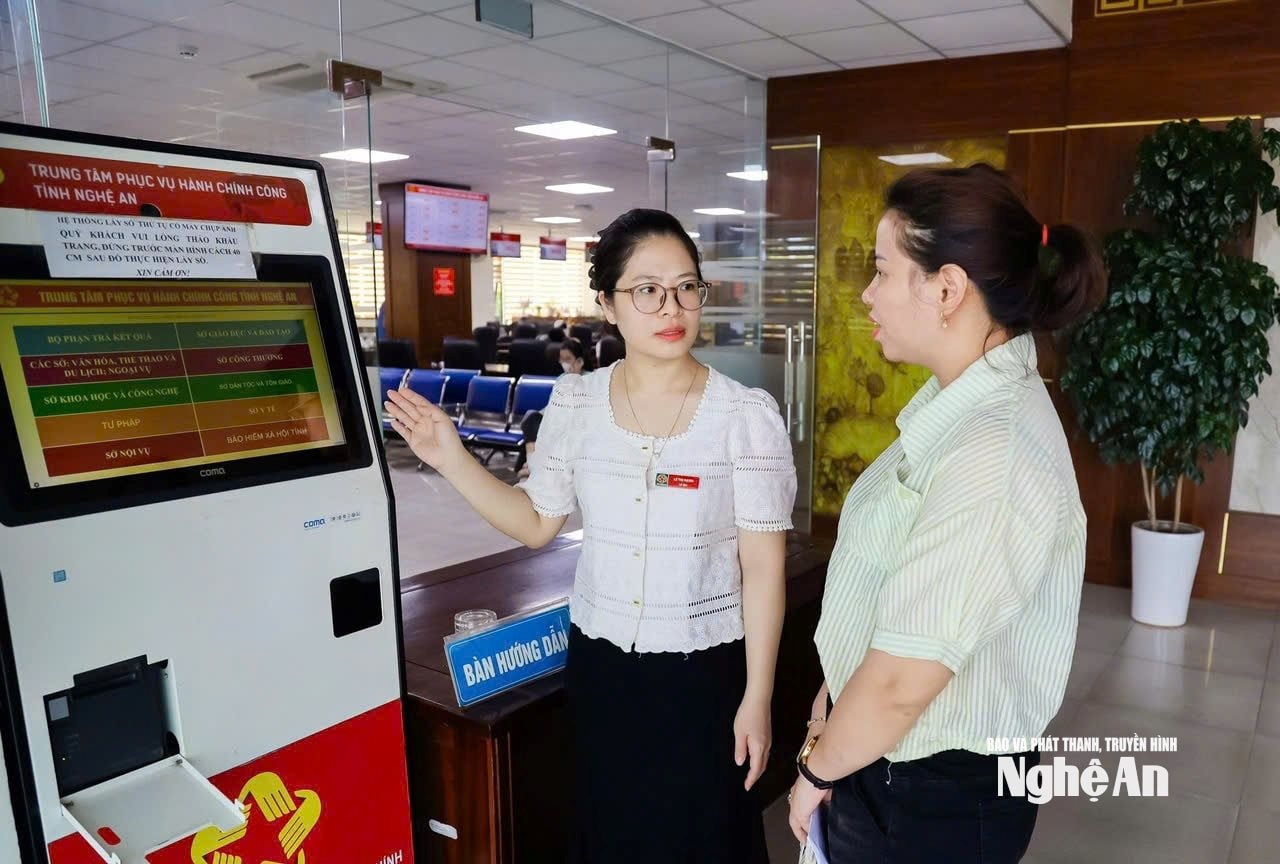
MondayThis involves strengthening coordinated efforts, ensuring uniformity, clarity of roles and responsibilities among all levels and sectors in implementing administrative reform tasks. This is especially important in information exchange, data sharing, and interconnected coordination in handling procedures, preventing citizens and businesses from having to make multiple trips. Simultaneously, it is crucial to enhance the supervisory and oversight role of the permanent administrative reform agency.
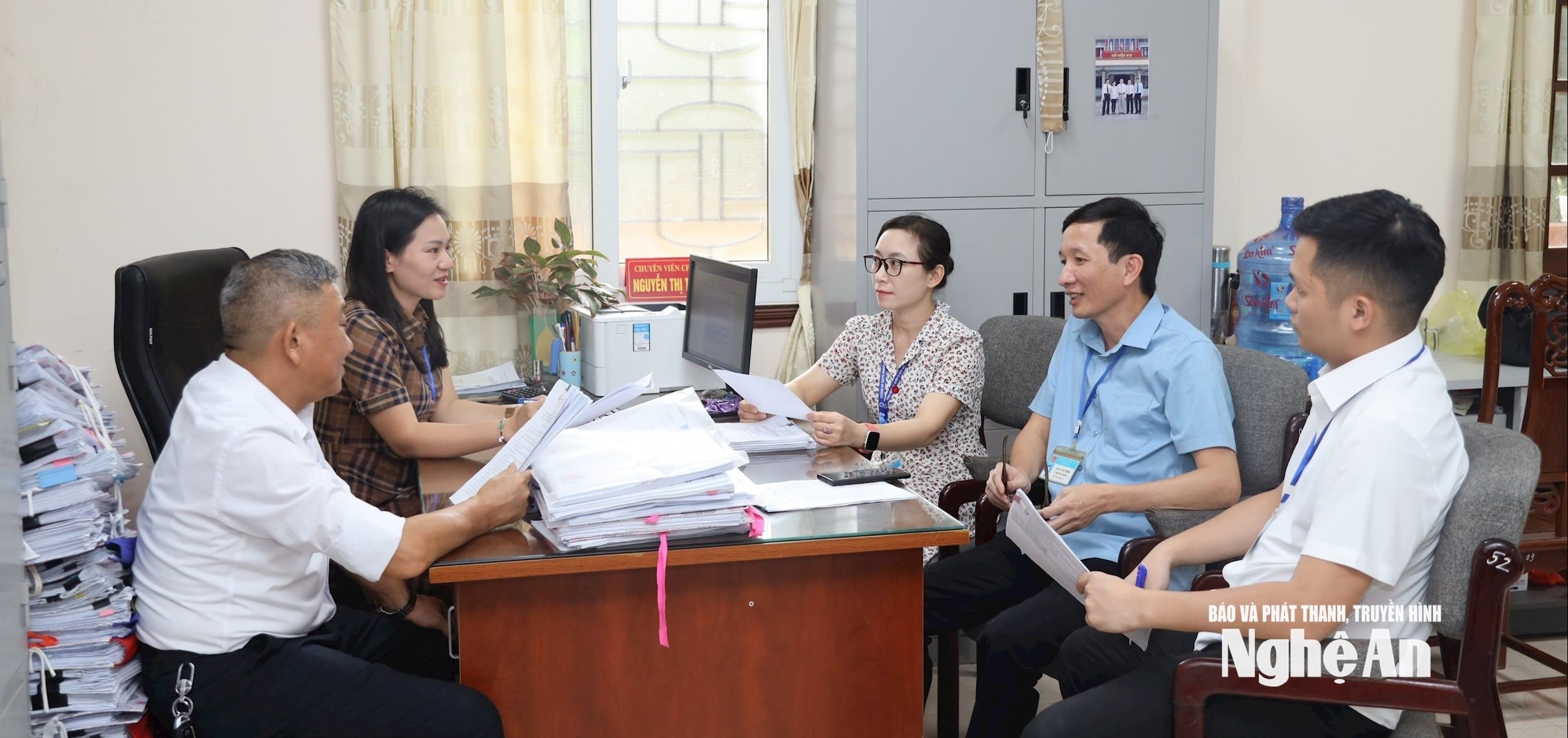
TuesdayFor each indicator, propose specific solutions that are appropriate to each evaluation criterion, such as:
- Public Administration Reform Index (PAR INDEX): Continue to promote administrative procedure reform, streamline organizational structures, clearly define functions and tasks, improve the quality of handling administrative procedures through the one-stop shop and integrated one-stop shop mechanisms, and increase the rate of online public services throughout the entire process.
- Satisfaction Index for Administrative Services (SIPAS): The satisfaction of organizations and individuals should be considered the most important measure. Officials and civil servants directly handling administrative procedures need to be trained in communication skills and a standardized service attitude; mechanisms for receiving and processing citizen feedback and suggestions should be strengthened in a quick, open, and transparent manner.

- Provincial Competitiveness Index (PCI): A strong focus is needed on improving the investment and business environment. This includes reviewing and reducing unnecessary business conditions, and increasing transparency in procedures related to investment, land, construction, taxation, and customs.
Strengthening dialogue, removing obstacles, and supporting businesses are key to PCI's breakthrough. Reducing informal costs, shortening licensing times, and creating a level playing field for businesses will be crucial.
- Public Administration Performance Index (PAPI): Emphasis should be placed on the following factors: Budget transparency and openness, government accountability, and increased citizen participation in policy planning and monitoring.
Promoting the application of digital technology in local governance and expanding channels of interaction between the government and the people will strengthen trust and social consensus.
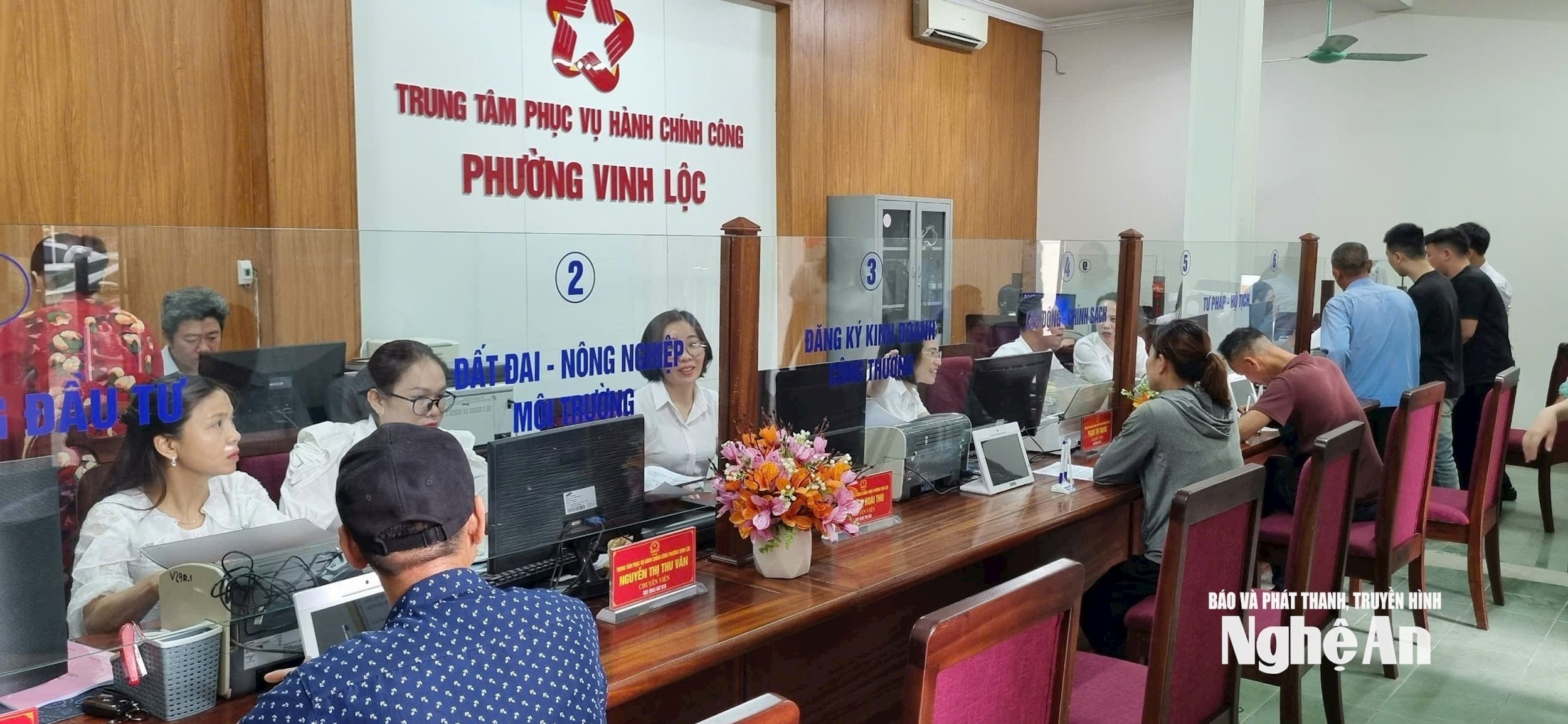
WednesdayStrengthen inspection activities related to administrative reform when implementing the two-tiered local government model; build a multi-dimensional inspection mechanism, combining inspections by Party committees, government agencies, and specialized departments with supervision by the people, the Fatherland Front, and the press. Link inspection and supervision results with evaluation, ranking, and reward processes.
Thursday,Promote the role of social criticism and the active participation of citizens and businesses in administrative reform. Recognize that citizens and businesses are both the beneficiaries of services and the subjects evaluating the effectiveness of administrative reform.
In addition, the Vietnam Fatherland Front and other socio-political organizations need to more strongly promote their role in monitoring and providing feedback, contributing to ensuring that administrative reform policies are transparent, objective, and feasible.
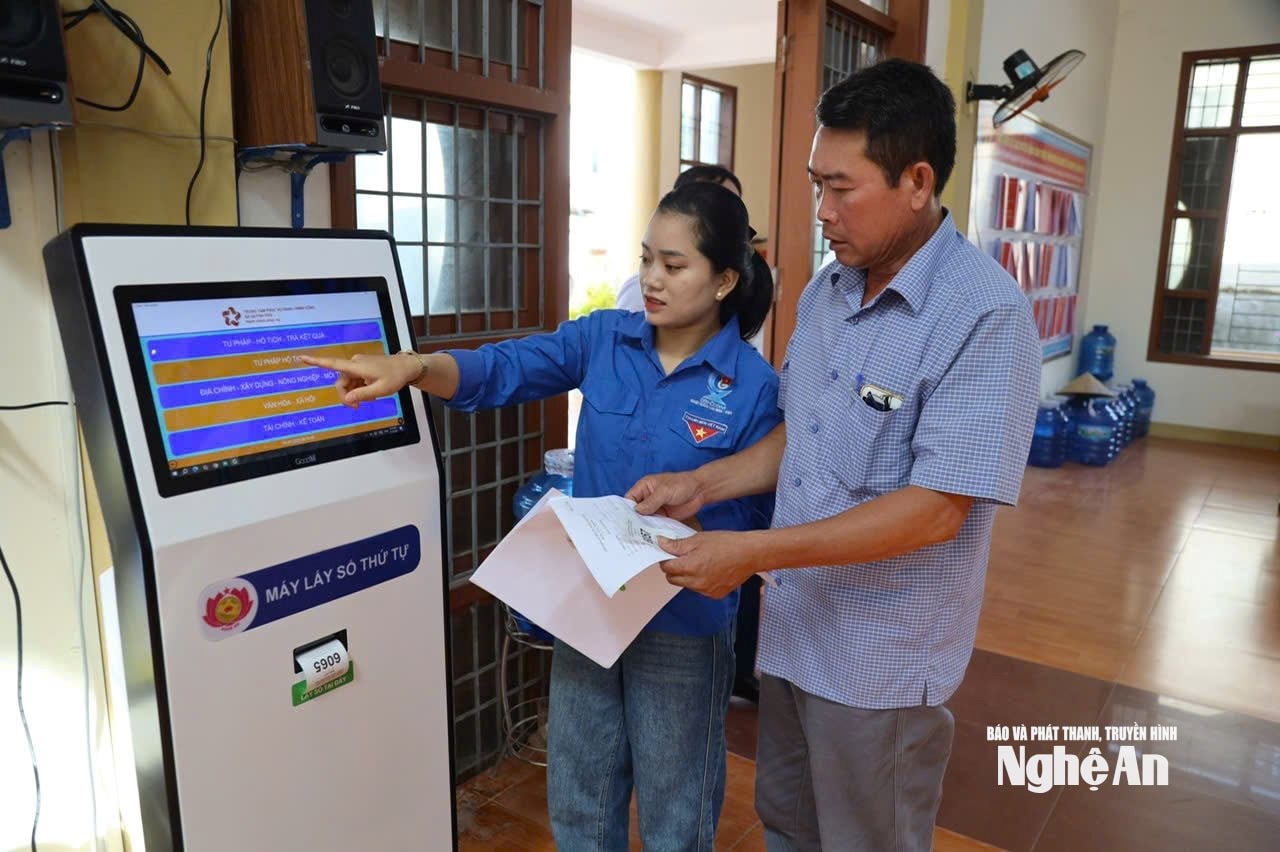
FridayThis involves promoting the application of science and technology, fostering innovation, digital transformation, and building e-government and digital government. This is the foundation for simplifying processes, reducing costs, shortening processing times, and enhancing transparency and efficiency in state management.
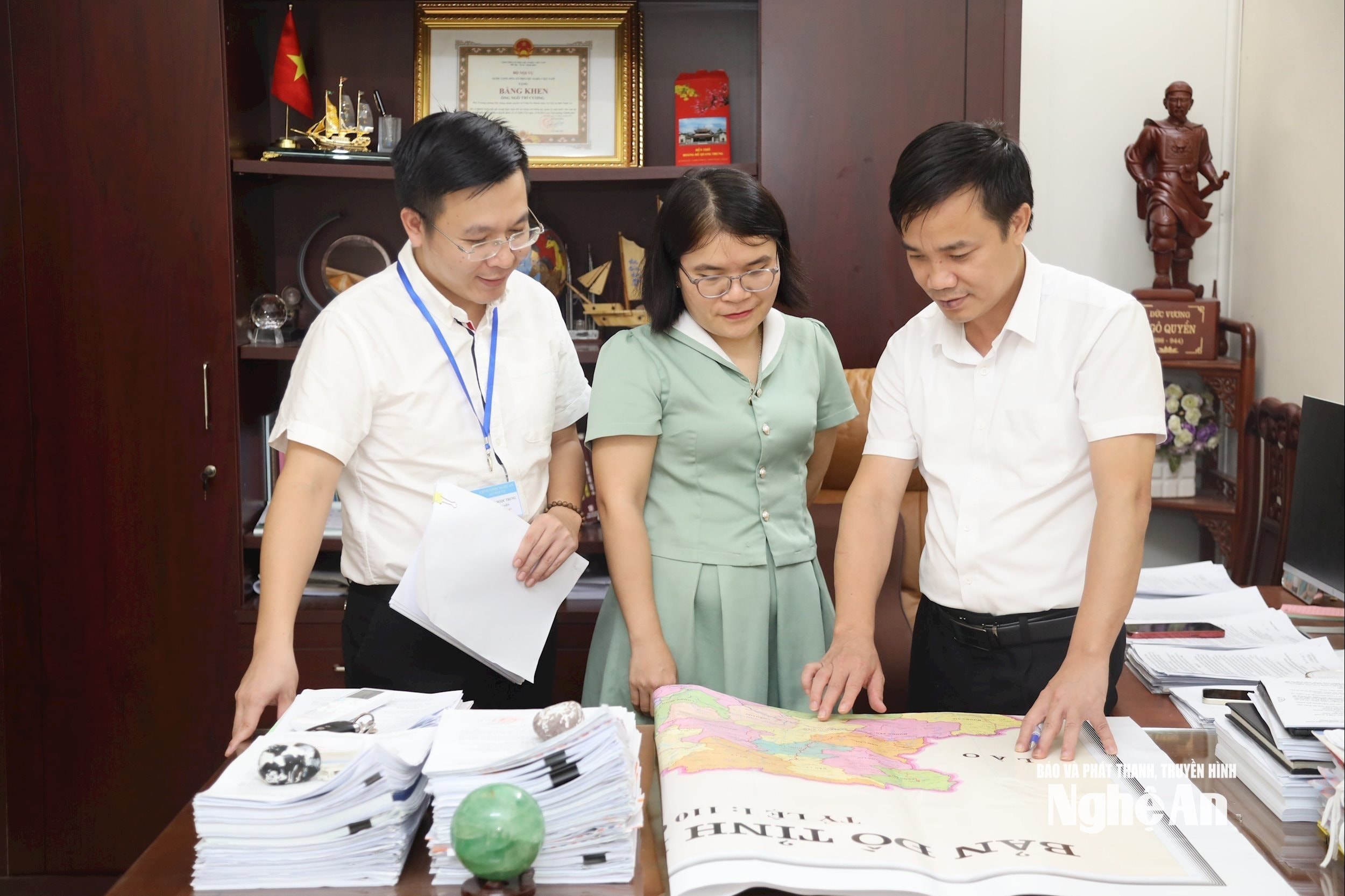

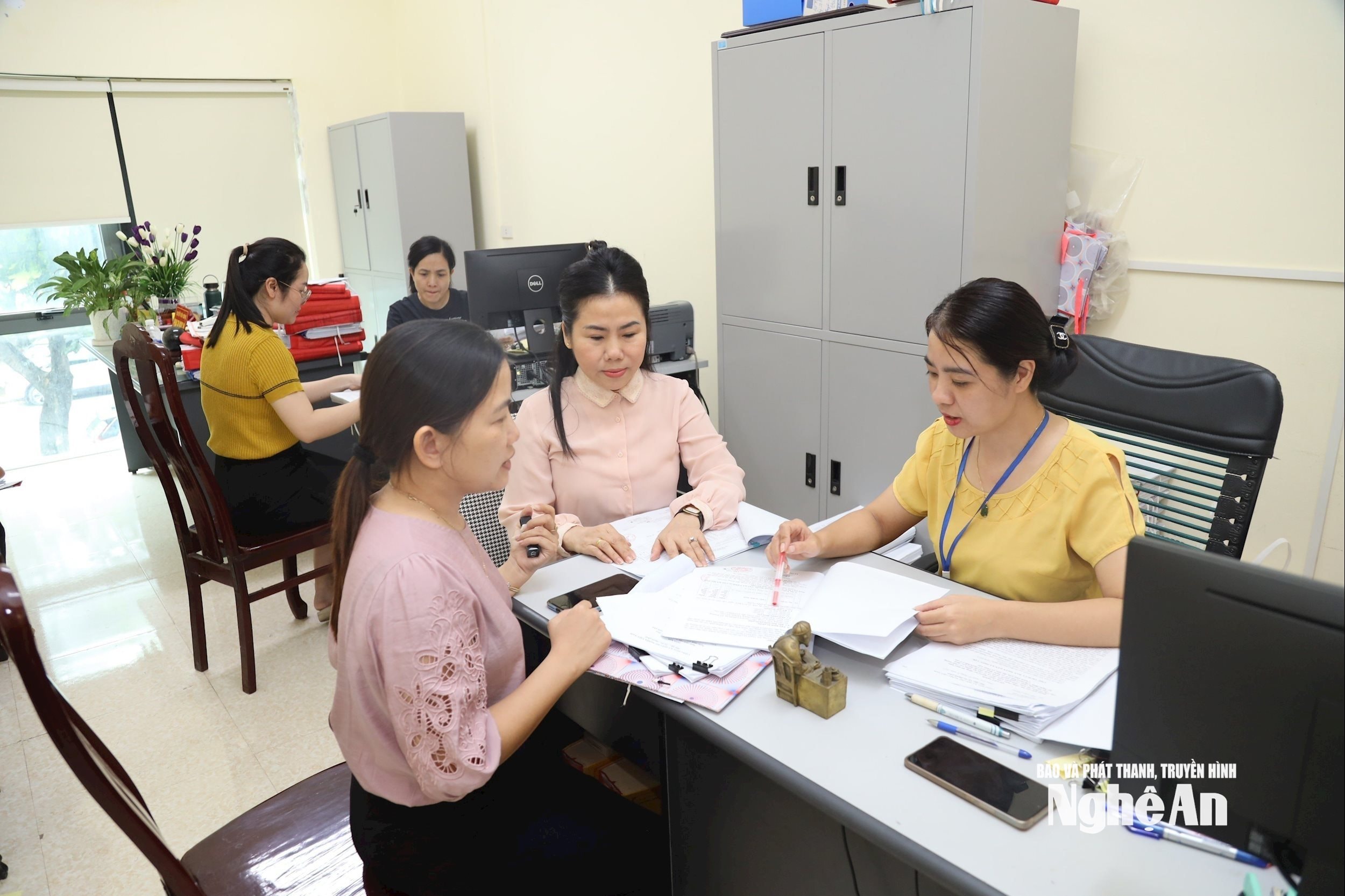
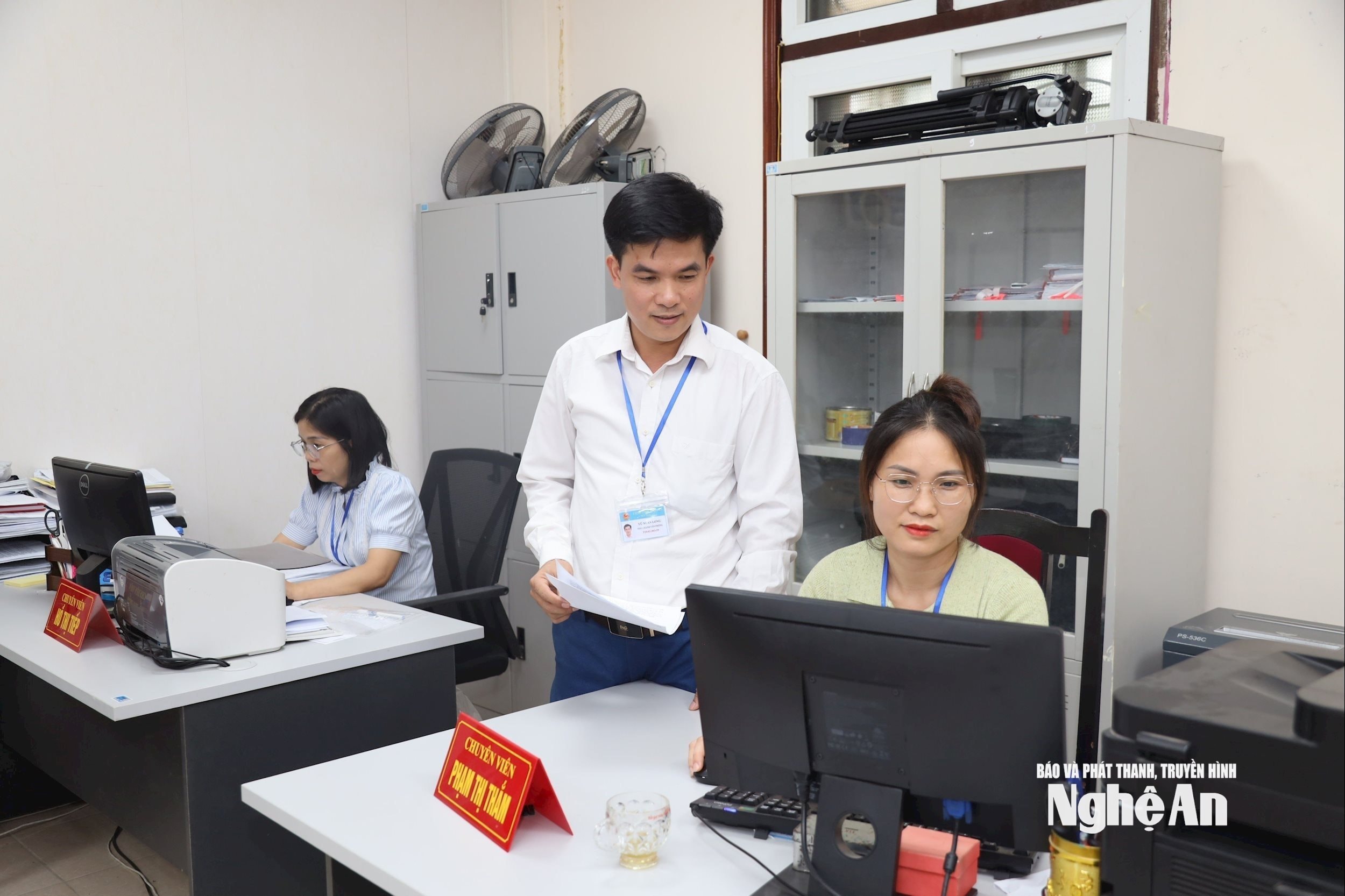
When e-government and digital government are implemented effectively, not only are key indicators significantly improved, but a modern, transparent, and sustainable development environment is also created.
At the same time, it creates institutional "leverage" and direct motivation to contribute to the successful implementation of the goals and tasks set forth in the Resolution of the 20th Provincial Party Congress.


