
National Assembly Deputy Hoang Minh Hieu: We need to shift strongly from simplifying to substantially reducing administrative procedures.
Assessing the administrative procedure reform efforts, which still have shortcomings and limitations that have very specific and direct impacts on the economy, National Assembly Deputy Hoang Minh Hieu (Nghe An delegation) proposed that the Government continue to be more decisive in reforming administrative procedures, shifting strongly from simplification to substantial reduction.
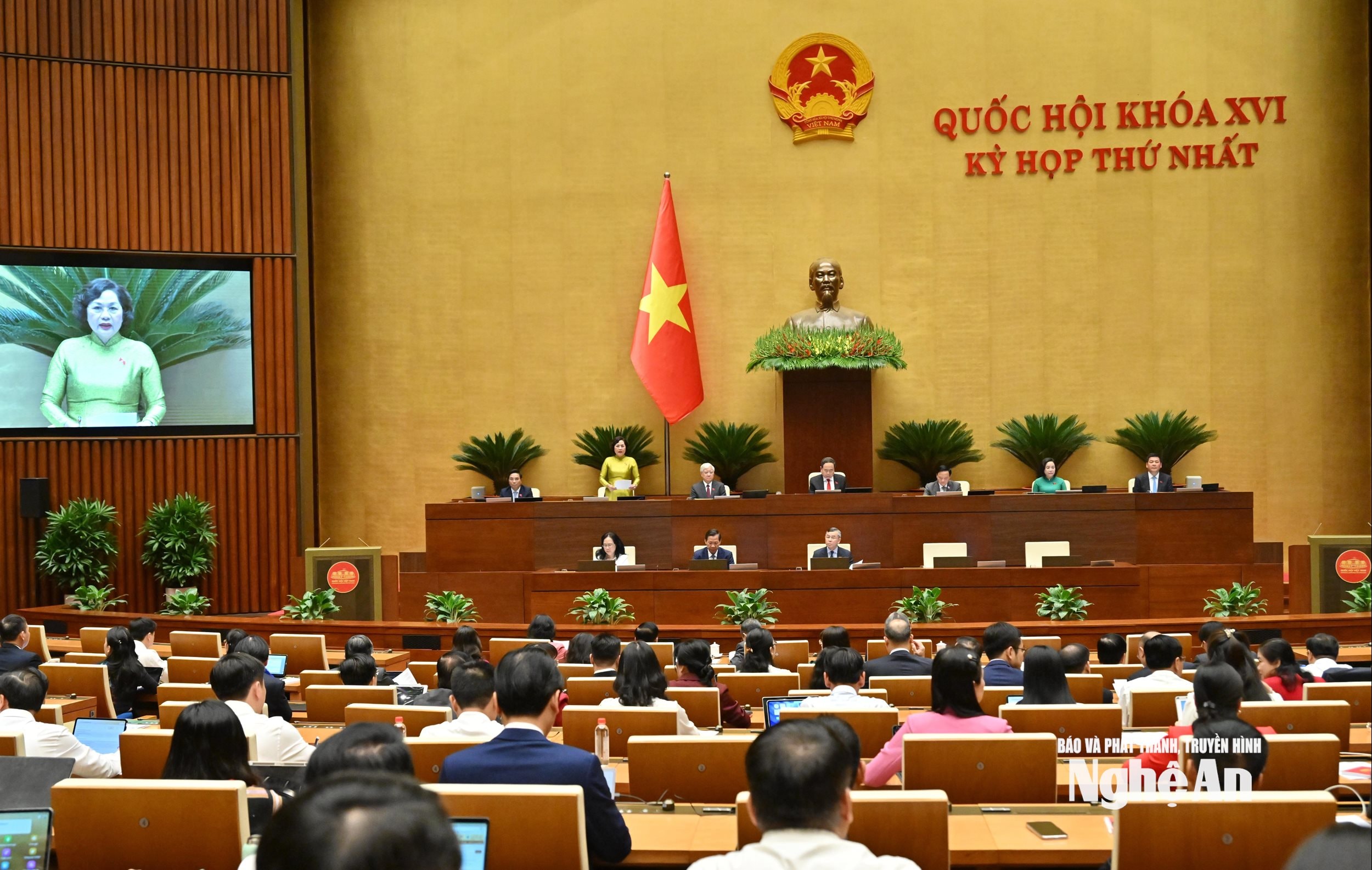
Continuing the agenda of the first session of the 16th National Assembly, on the afternoon of April 20th, the National Assembly discussed in the plenary hall the supplementary assessment of the results of implementing the socio-economic development plan and the state budget for 2025; the situation of implementing the socio-economic development plan and the state budget in the first months of 2026; the 5-year socio-economic development plan 2026-2030; the work of practicing thrift and combating waste in 2025; and the situation of implementing the national goal on gender equality in 2025.
Participating in the discussion in the assembly hall, National Assembly Deputy Hoang Minh Hieu (Nghe An delegation) expressed strong agreement with the reports on socio-economic development results that the Government had presented to the National Assembly.
Delegates were particularly impressed with the results of administrative procedure reform, noting many significant changes. According to the report, the Government and ministries and ministerial-level agencies have approved plans to reduce and simplify approximately 63% of administrative procedures related to production and business; it is expected that the time will be shortened by about 32% and compliance costs will be reduced by about 40%.
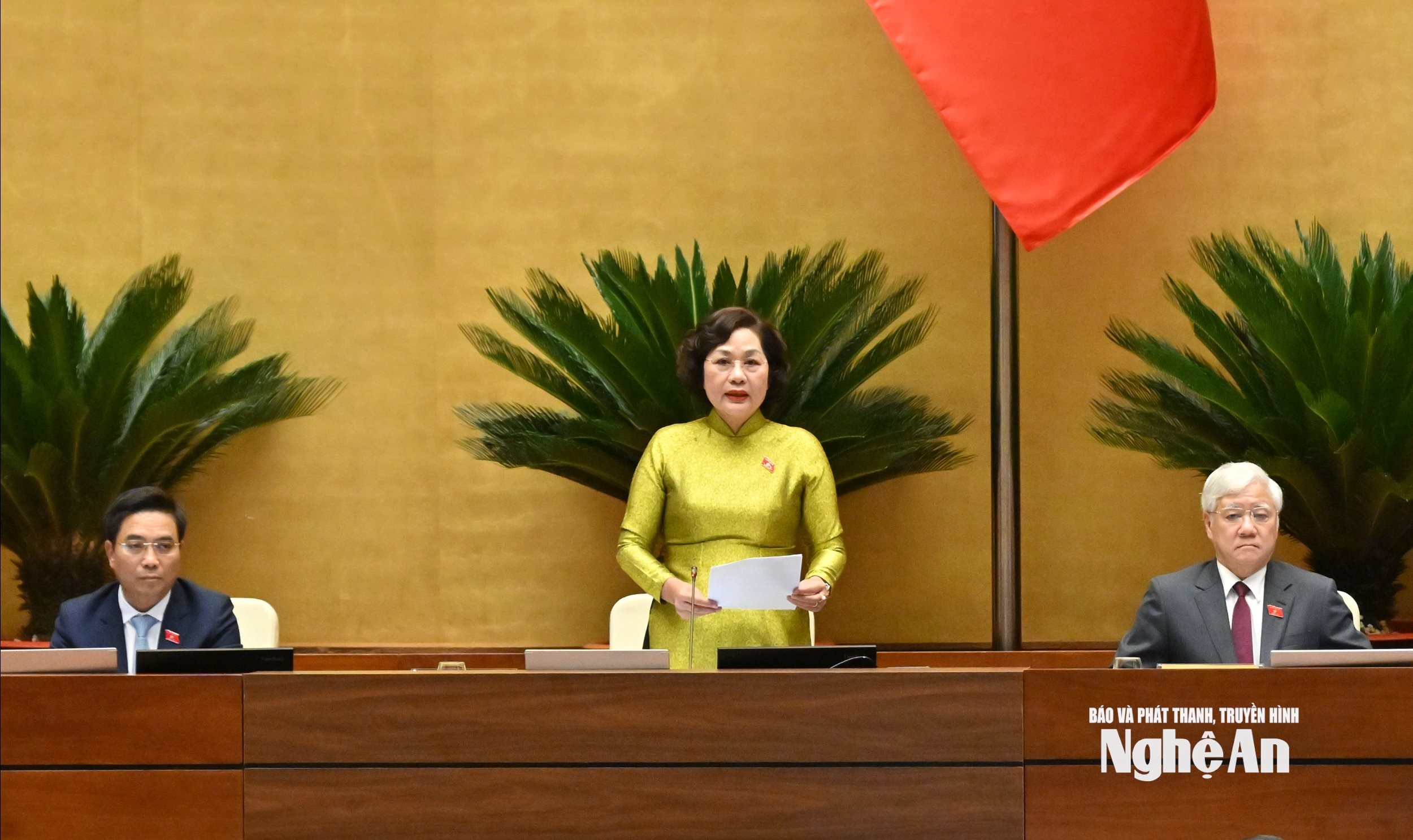
However, delegate Hoang Minh Hieu argued that, in practice, the administrative procedure reform still has shortcomings and limitations. Many cumbersome administrative procedures still exist, causing difficulties for citizens and businesses.
According to the 2024 Provincial Competitiveness Report, nearly 24% of businesses still spend more than 10% of their working time researching and complying with administrative procedures.
"This shows that regulations on administrative procedures are still unclear and difficult to access. In addition, many research reports also show that provincial-level public service portals still reveal many limitations in terms of accessibility, such as suboptimal interfaces, the need for multiple revisions to enter information, or procedures that still require both paper and electronic documents," Representative Hoang Minh Hieu stated.
.jpg)
On the other hand, there are still many bottlenecks in inter-sectoral administrative procedures. Inter-sectoral procedures related to land, investment, planning, and finance still have many structural obstacles, leading to prolonged appraisal times.
Digital transformation is slow and lacks synchronization. According to the Government report, some important national and specialized databases have not yet been completed according to the set roadmap. Data connectivity and sharing are slow and lack interoperability. The infrastructure and conditions for digital transformation in some localities are still inadequate, and the digital capacity of some officials and citizens remains low, resulting in the effectiveness of digital transformation of administrative procedures not meeting expectations.
Representative Hoang Minh Hieu noted that the aforementioned limitations have a very specific and direct impact on the economy. In particular, lengthy procedures and high compliance costs are among the reasons affecting the overall labor productivity growth of the economy, one of the two targets that we failed to achieve in the past term.
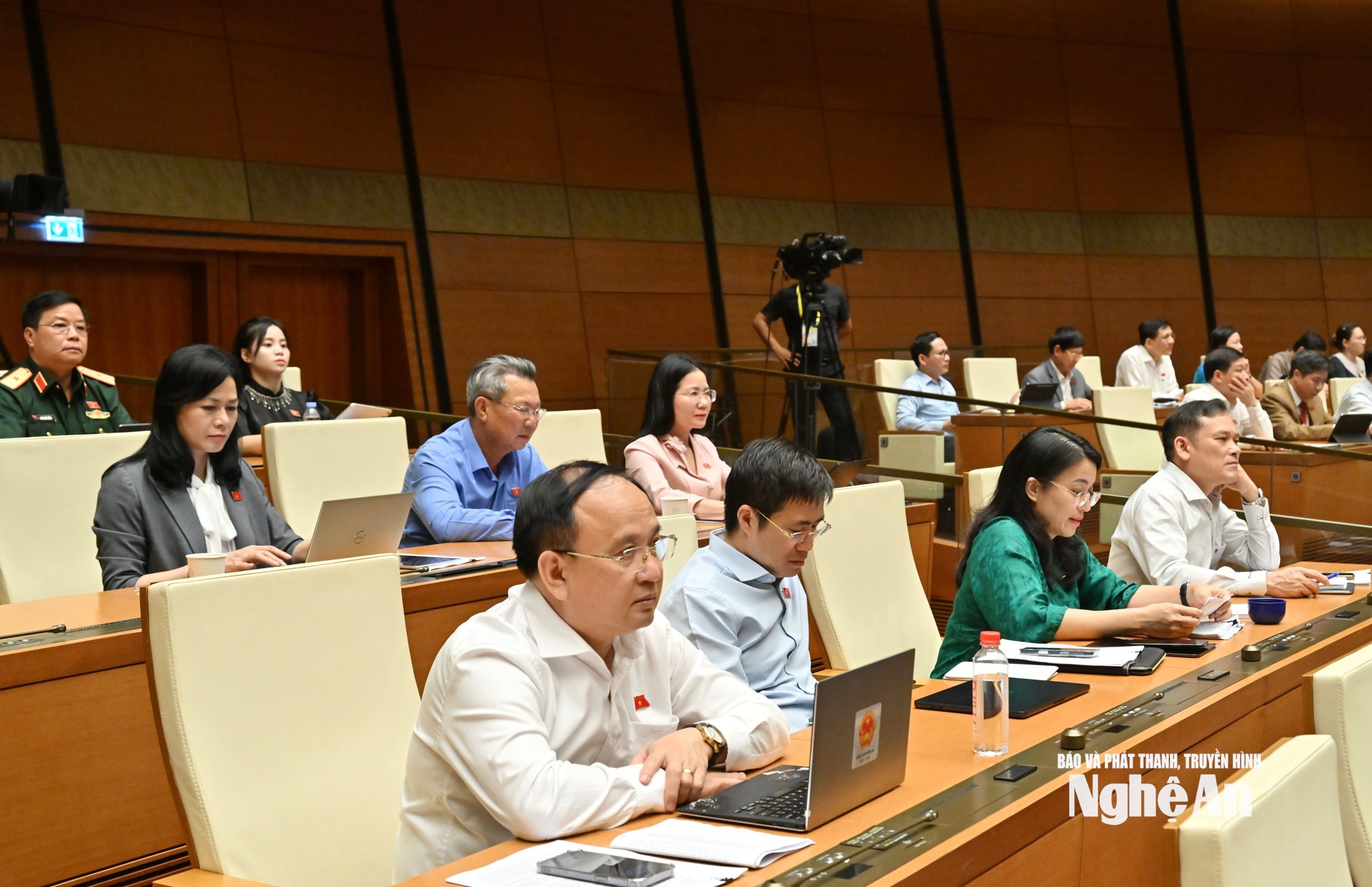
"It is necessary to recognize that simplifying administrative procedures is not just an administrative task, but a key solution to unlock resources, enhance competitiveness, and strengthen market confidence. This approach is crucial, shifting the focus from streamlining processes to freeing up resources for development," said delegate Hoang Minh Hieu.
Given this situation, Representative Hoang Minh Hieu suggested that the Government should continue to be more decisive in reforming administrative procedures, proposing a strong shift from simplification to substantial reduction.
Accordingly, a review is needed to clearly distinguish: which procedures are still necessary and should be simplified; which procedures are outdated and should be abolished; and which procedures can be replaced by post-inspection and must be converted to avoid reducing paperwork while maintaining the "request-and-grant" mentality.
In the immediate future, priority should be given to reviewing procedures that directly impact businesses and citizens, and have a significant ripple effect on the entire economy, such as land, investment, construction, and environment.
.jpg)
Furthermore, a specific set of indicators must be developed to evaluate administrative procedures, based on actual results as the benchmark, avoiding merely formal targets. Instead of simply reporting the number of procedures that have been reduced, it is suggested that evaluations should be based on the actual time taken to complete the procedures; the number of trips required from citizens; actual compliance costs; the percentage of applications processed on time; and the level of satisfaction of citizens and businesses, etc.
For new administrative procedures, a clear and substantive impact assessment is necessary. Simultaneously, a continuous review and evaluation process is required; any administrative procedures that fail to achieve their objectives after a certain period of 2 to 3 years must be promptly amended, supplemented, or abolished.
Representative Hoang Minh Hieu also proposed promoting digitalization accompanied by redesigning processes and procedures. Digital transformation in administration is not about putting paper documents online, but about redesigning processes to suit the digital environment, to create genuine convenience for citizens, for example, administrative procedures that are not geographically defined and proactive administrative procedures.
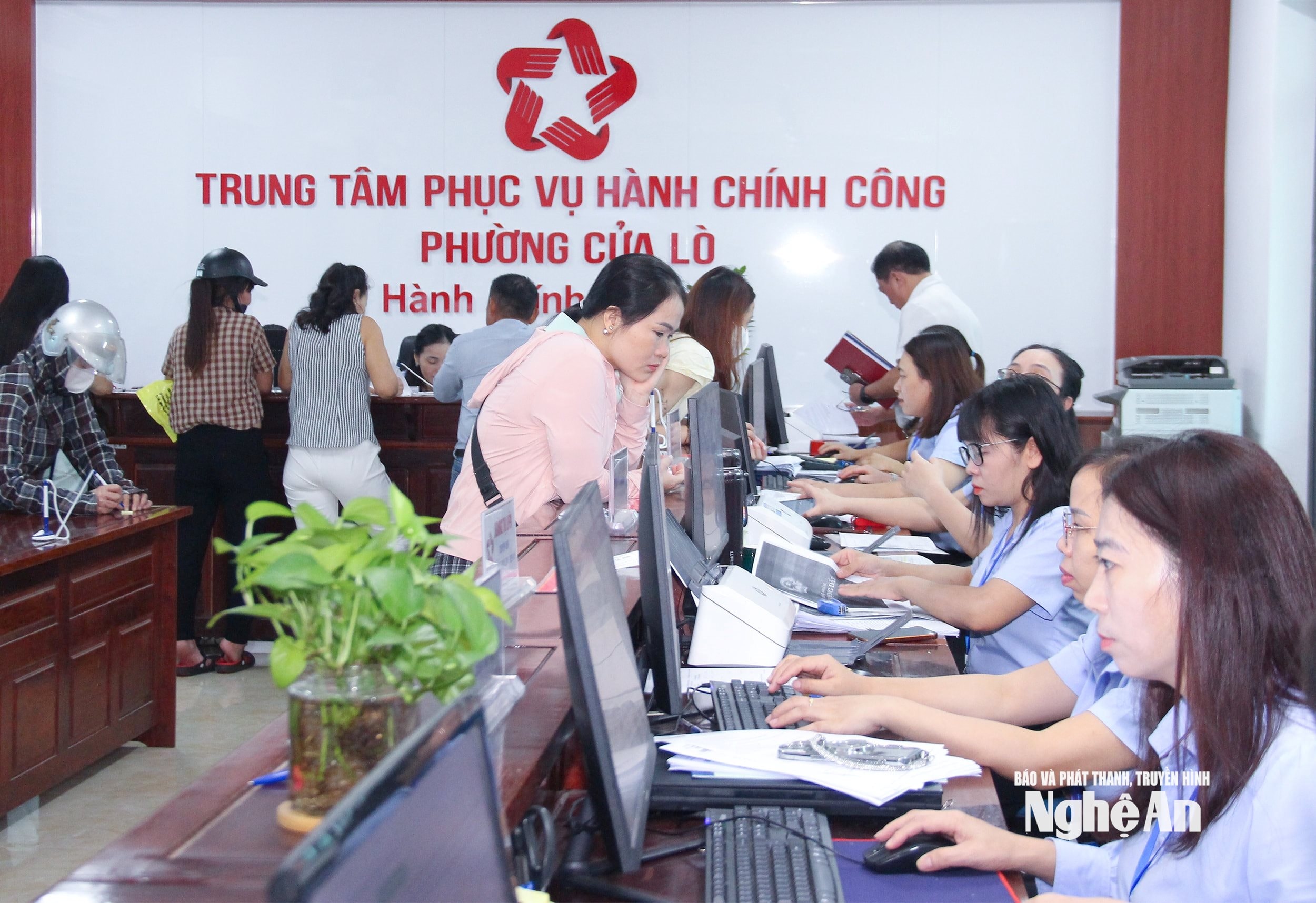
However, this is accompanied by a proposal to review and shorten the timeline for completing important national and specialized databases. Currently, many legal documents stipulate administrative procedures based on the assumption that the databases have been completed and are closely shared and linked, but the completion timeline is set very far in the future, such as 2029, 2030, or simply stated vaguely as "when conditions permit" - which is too slow compared to the requirements of development.
Therefore, the delegates suggested that the Government should soon summarize the lessons learned in building databases to have a unified approach, both building on successful lessons such as those from Project 06 and avoiding the stagnation and delays seen in some cases where the Law stipulated this more than 10 years ago but it has still not been completed.


