
National Assembly Deputy from Nghe An province: Decentralization of land management must be linked to the implementation capacity of localities.
During the group discussion, National Assembly delegates from Nghe An province unanimously agreed that the amendments to the Land Law, Housing Law, and Real Estate Business Law should be implemented synchronously, ensuring consistency between the laws, improving the quality of policy impact assessments, rationally decentralizing power in line with local implementation capacity, and accelerating the development of a national land database.
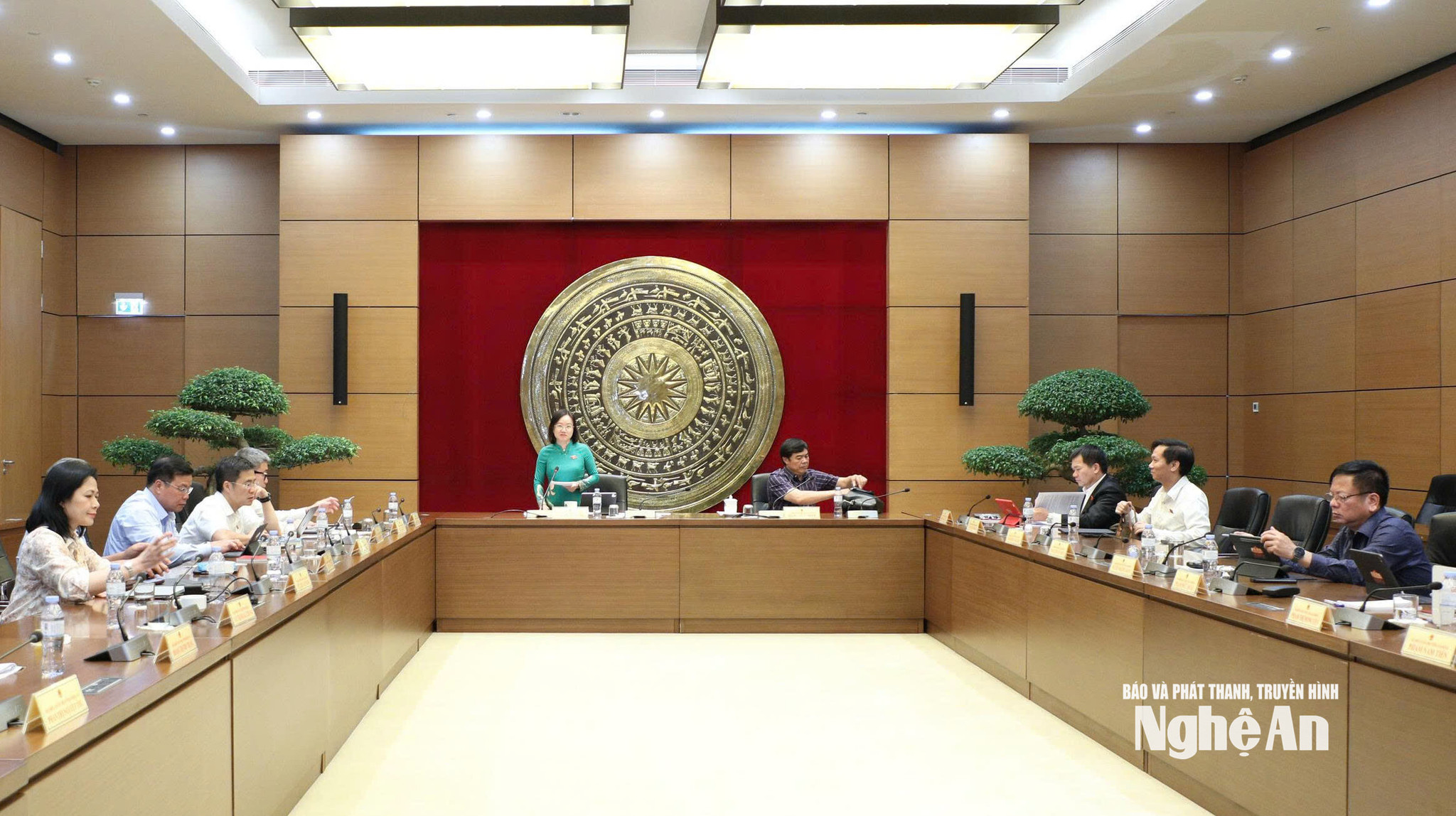
On the afternoon of August 19th, at the first extraordinary session of the 16th National Assembly, the delegations of National Assembly deputies from Nghe An and Lam Dong provinces continued their group discussions on the policy orientation for amending the Land Law of 2024, the Housing Law of 2023, and the Law on Real Estate Business.
The discussion session was chaired by comrades: Thai Thi An Chung - Deputy Head of the Standing Delegation of the National Assembly Deputies of Nghe An province; and Dang Duc Hiep - Deputy Head of the Standing Delegation of the National Assembly Deputies of Lam Dong province.
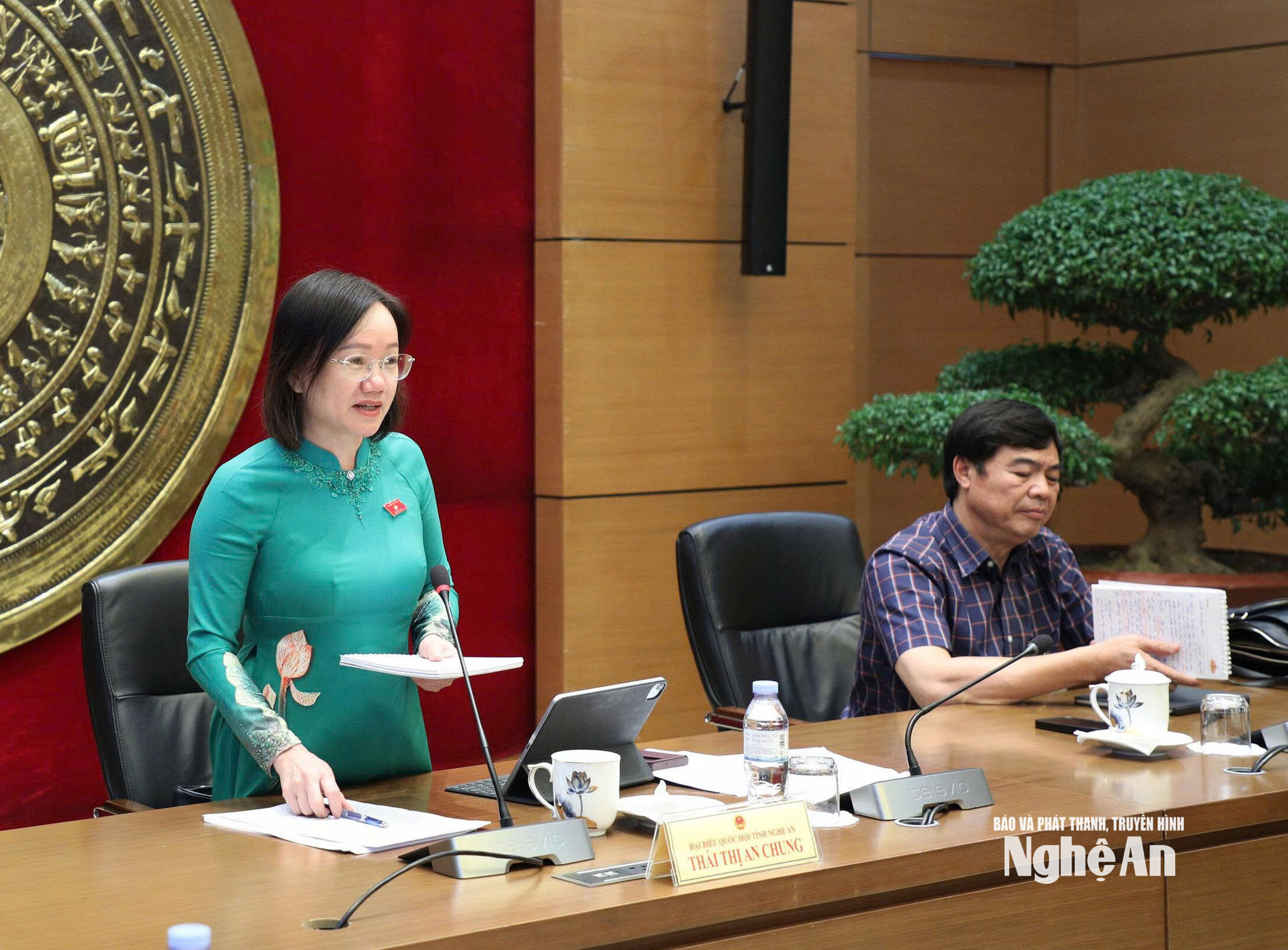
Improve the quality of impact assessments and ensure consistency across laws.
Representative Hoang Minh Hieu highly appreciated the National Assembly's time spent discussing policy directions before finalizing draft laws, and suggested studying the possibility of institutionalizing this process in the Law on the Promulgation of Legal Documents for important draft laws.
However, delegates argued that the dossiers for draft laws, especially the impact assessment reports, are still rudimentary and do not fully reflect the impact of new policies. Citing the Housing Law Project as an example, delegates stated that the impact assessment report did not clarify the impact on the State budget, while many new policies on housing development are directly related to financial resources.
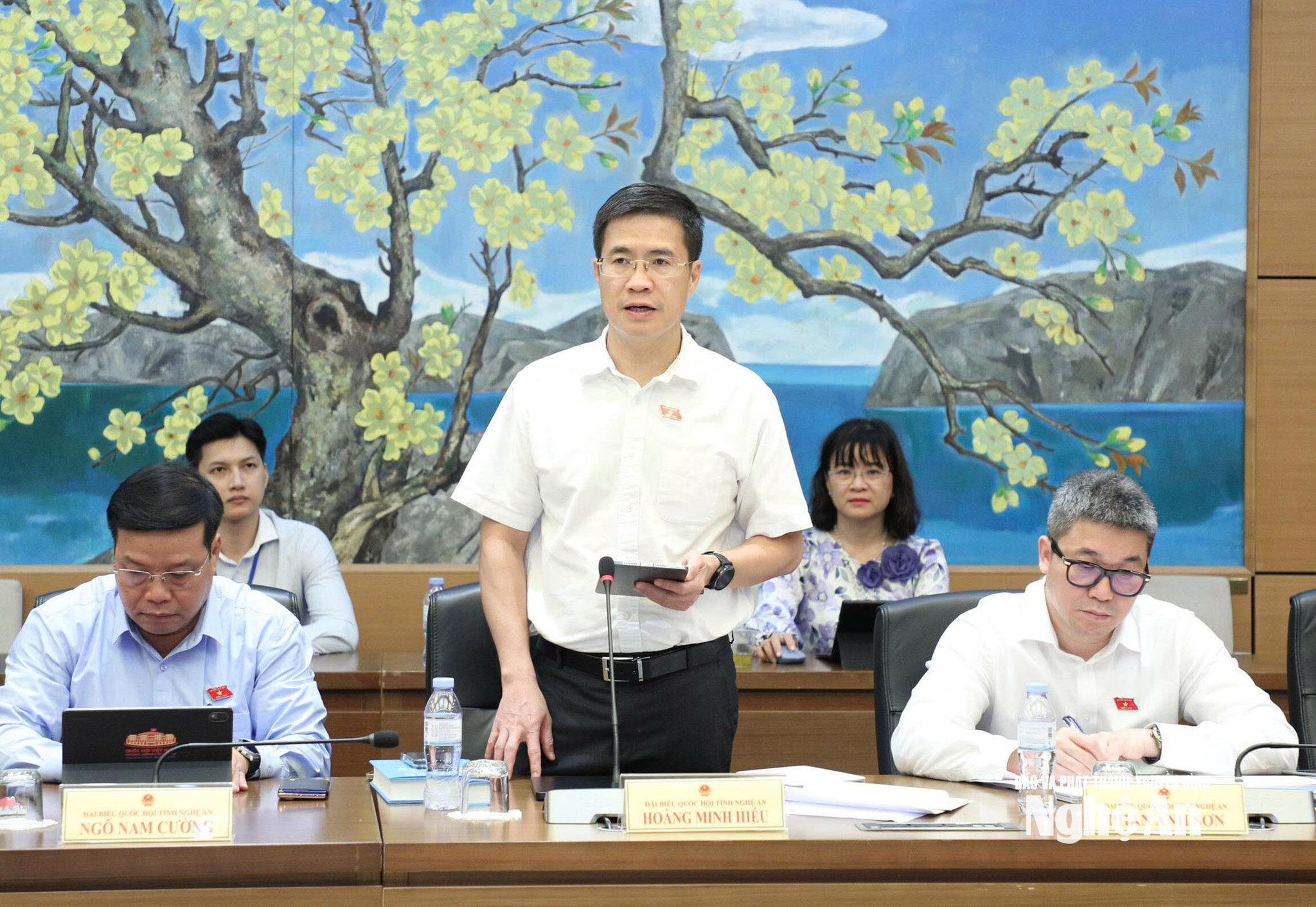
The delegates also emphasized the need to ensure consistency between the Land Law, the Housing Law, and the Real Estate Business Law. According to the delegates, all three laws regulate issues related to real estate, but there are still overlapping provisions; therefore, the drafting agencies need to coordinate closely to clearly define the scope of regulation of each law.
Regarding policies inherited from pilot resolutions of the National Assembly, such as the mechanism for prioritizing the development of social housing, delegates suggested clearly defining the application period in the law. Once the objectives of each phase have been achieved, the general principles for selecting investors and the procedural steps should be reverted to ensure transparency and long-term sustainability.
Decentralization must be linked to implementation capacity.
Regarding decentralization and delegation of power, delegate Hoang Minh Hieu stated that the draft Land Law assigns approximately 93 additional tasks to the People's Committees at the commune level, including some important powers such as land reclamation from individuals.
According to the delegates, decentralization is necessary but must be accompanied by an assessment of the implementation capacity of local authorities. In reality, many localities have not yet fully issued the documents assigned under the 2023 Housing Law, indicating the need for careful consideration of which tasks should be assigned to the commune level and which should belong to the provincial or central level.
One issue of particular concern to delegates was the progress in building the national land database. According to data as of May 15, 2026, the system has only completed approximately 59% of the total number of land parcels nationwide, while many new policies, especially land valuation, are based on the assumption of a complete, interconnected, and up-to-date data system.
The delegates requested that the Government submit a separate report on the progress of building the national database before the next session, and also clarify solutions to ensure the system is ready to operate once the amended law is passed.
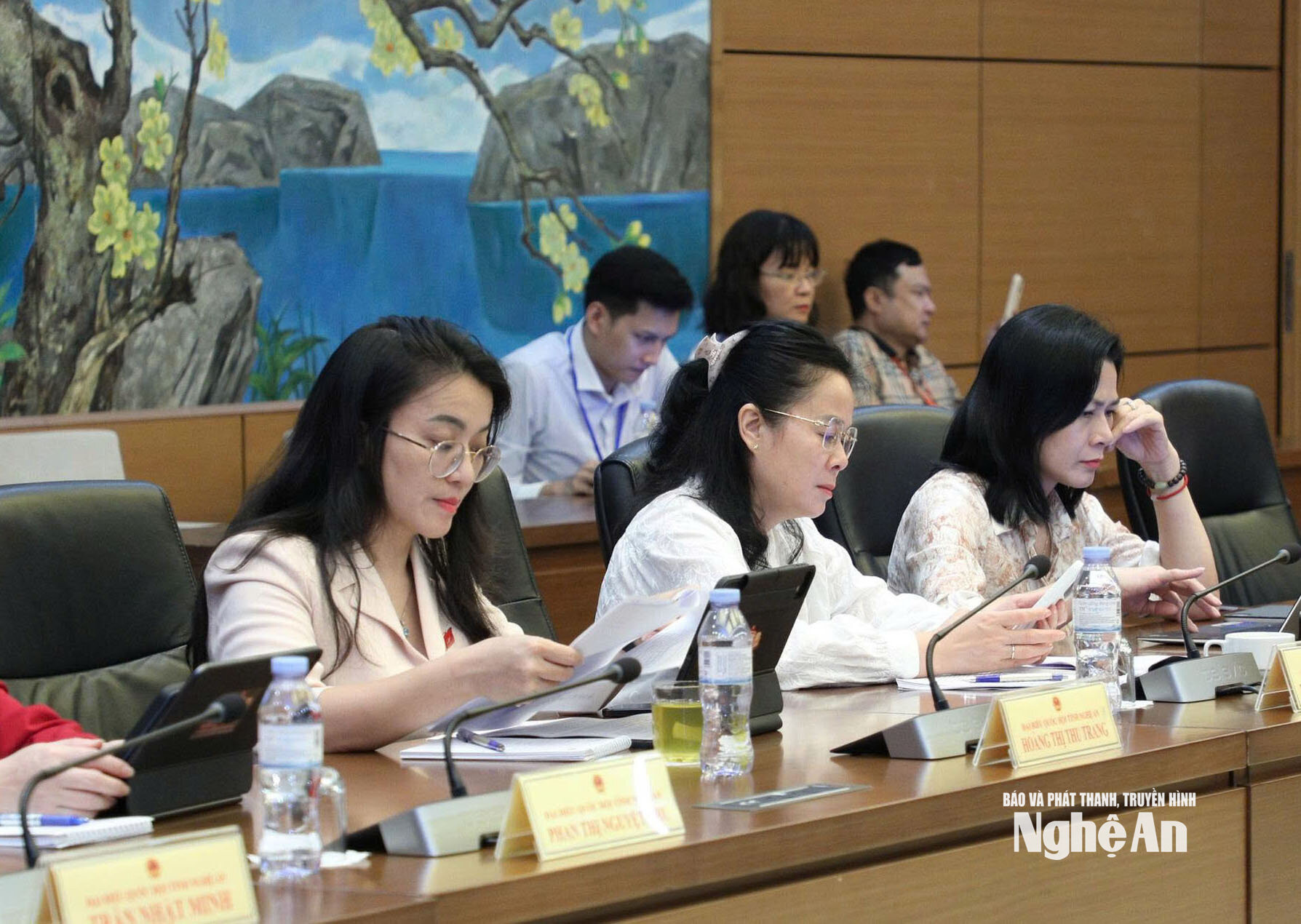
In addition, delegate Hoang Minh Hieu suggested clarifying the relationship between land databases and housing and real estate market databases; and identifying the original data source in case of conflicts between systems. The delegate also proposed building a unified identification mechanism for each property from the moment a land parcel is formed to ensure data interoperability throughout the management process.
Proposal to simplify land use planning at the commune level.
Commenting on the Land Law, delegate Tran Nhat Minh basically agreed with the 7 main policy amendments and said that the draft closely followed Resolution No. 21 of the Central Committee.
However, regarding the regulations on land use planning at the commune level in Article 33, the delegates suggested that further review is needed to ensure compliance with Resolution No. 254 of the National Assembly. According to the draft, land use plans at the commune level are to be prepared for a 5-year period, whereas previously, land use plans at the district level were only developed annually.
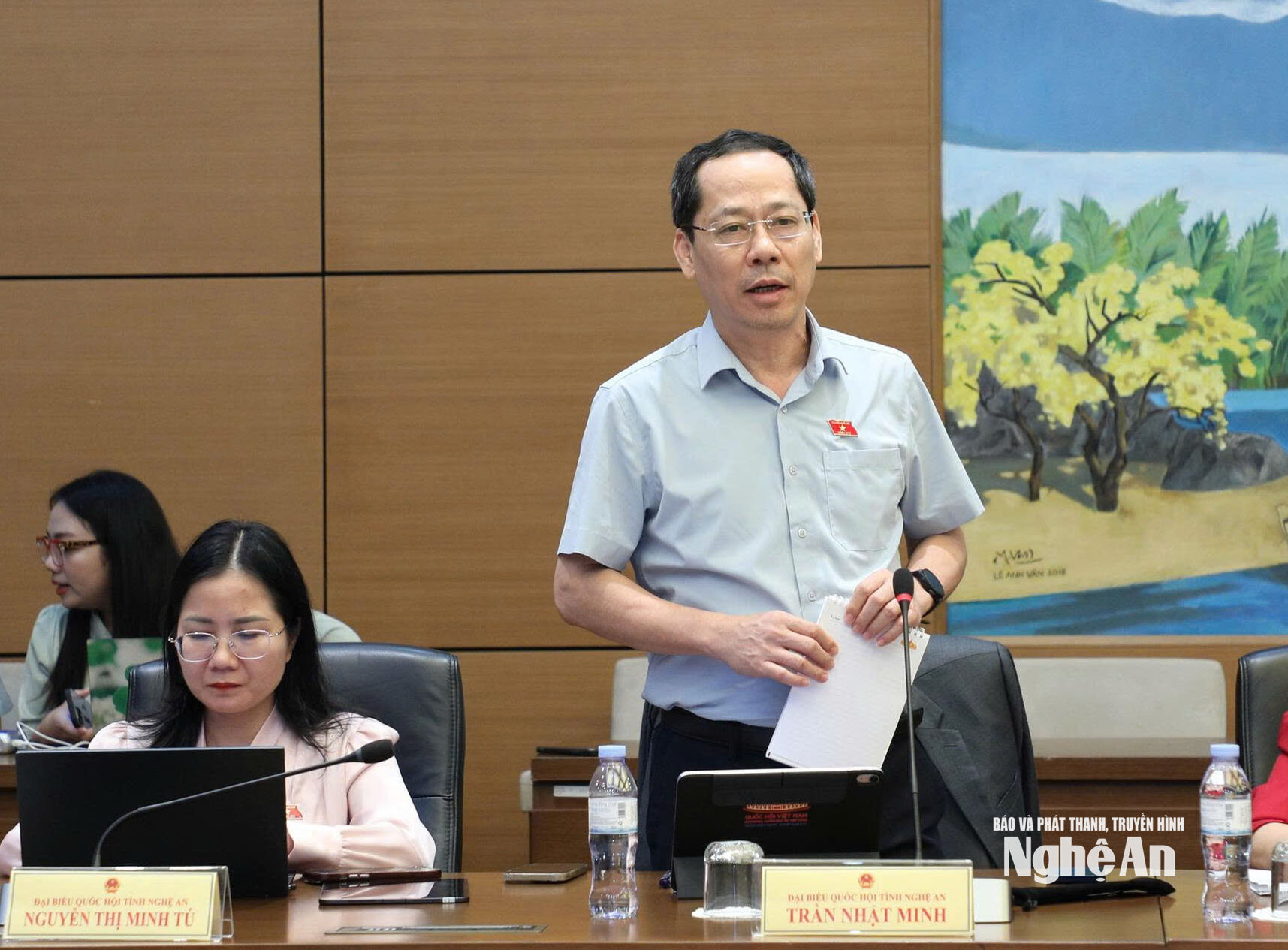
Delegates expressed concerns that the five-year planning cycle could create difficulties for commune-level authorities if there is a lack of adjustment mechanisms in place to address real-world changes. Furthermore, the draft does not clearly reflect the requirement for digitizing and integrating planning data in accordance with Resolution 21.
Regarding the accumulation of agricultural land, delegates reflected on the reality that businesses face many difficulties when acquiring legally reclaimed land from multiple households due to the need to go through numerous procedures for issuing individual land use right certificates.
Therefore, delegates proposed studying a streamlined mechanism to reduce costs and time for businesses. Regarding regulations on multi-purpose land use, delegates agreed with the principle but suggested specifying the percentage of land area that can be used for secondary purposes to prevent abuse of the policy.
Legalizing the legal value of land data.
Representative Nguyen Thi Minh Tu focused her comments on the policy group regarding administrative reform and digital transformation, arguing that this content is crucial for the effectiveness of land management in the future. She noted that the regulations in Articles 78 and 79 mainly address infrastructure and data connectivity principles, while failing to fully develop a legally binding data-driven model for land governance.
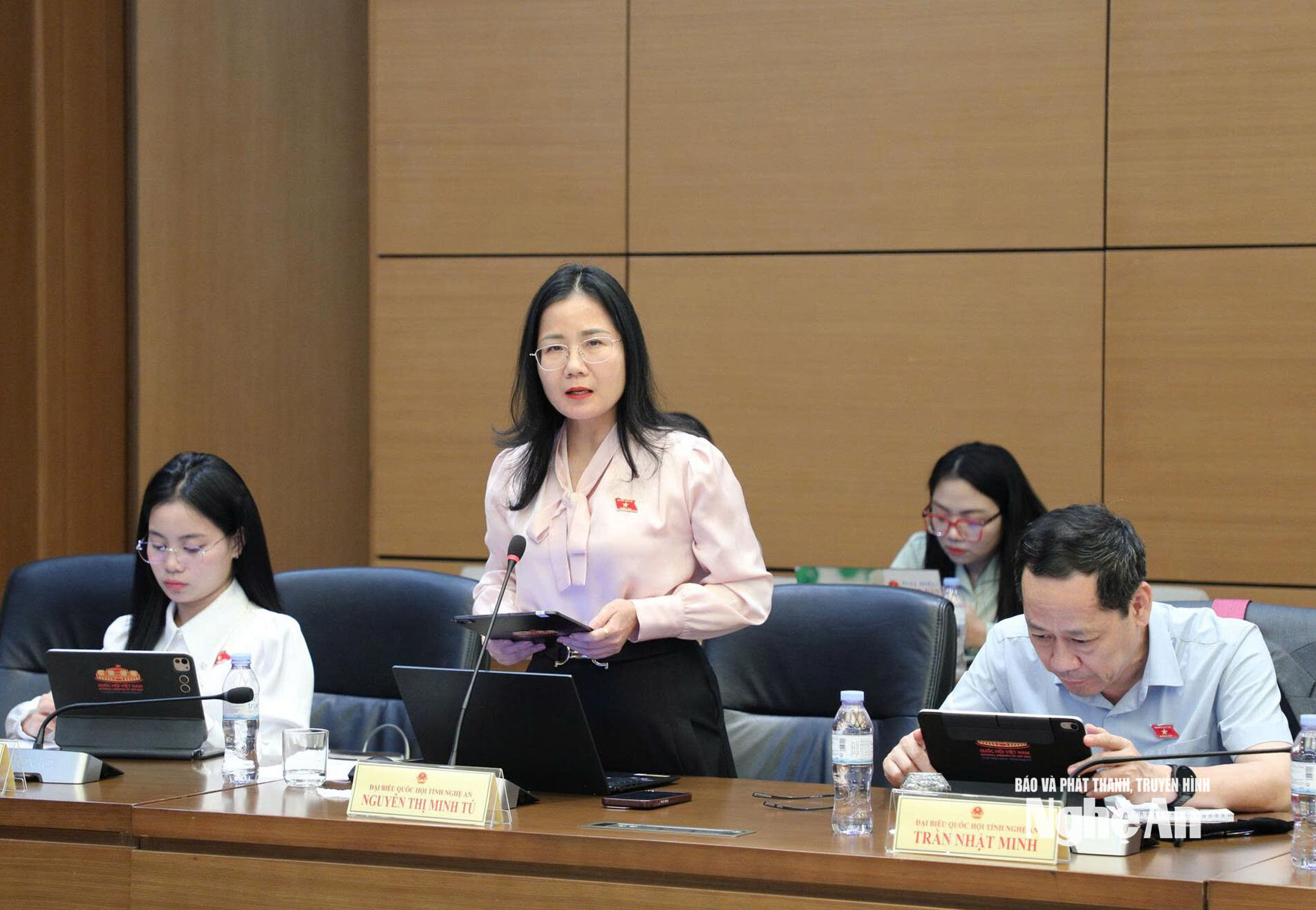
Delegates proposed legalizing the principle of centralized data governance, in which the national database is the official data source, while localities are delegated the authority to update and are responsible for data quality.
In addition, the principle of "one data - one official source" should be added, ensuring that each type of data has only one managing source to avoid duplication, conflict, and reduce the need for citizens to re-provide information that the State already possesses.
The delegates also proposed restoring the regulation that establishes the legal validity of electronic data as equivalent to paper documents when it has been created or verified by a competent authority following the correct procedures.
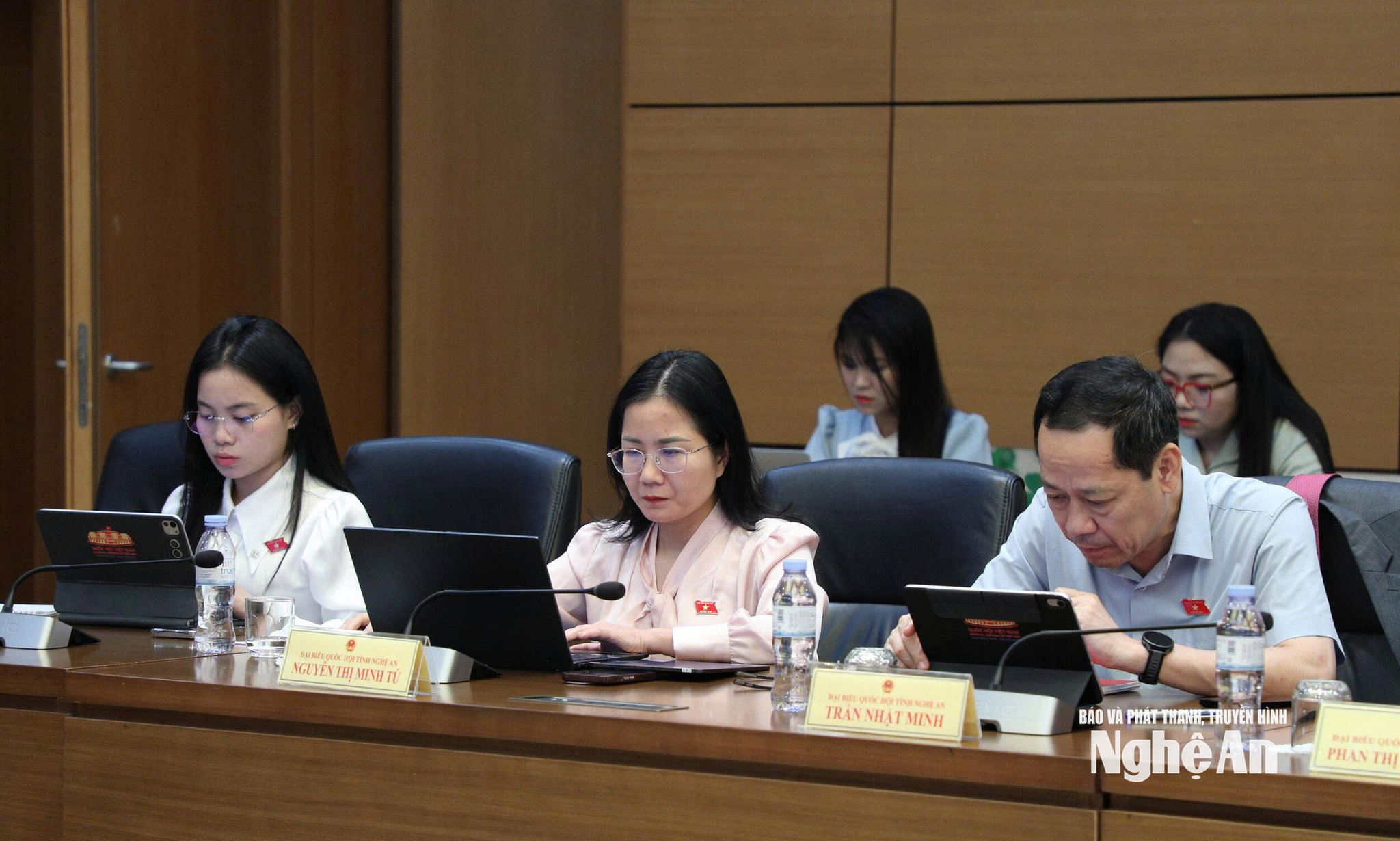
Another important aspect is clearly defining the mechanism for handling discrepancies or conflicts in data between systems. According to the delegates, once data has been given legal validity, even a small error regarding area, ownership, or mortgage status can directly affect the rights of citizens.
Therefore, the law needs to clearly define the agency responsible for checking, verifying, correcting, and synchronizing data; at the same time, it should not require citizens to repeat procedures or resubmit documents that the State agency already possesses.
Furthermore, delegates proposed adding a regulation mandating the recording of the entire history of data changes related to land use rights, ownership of assets attached to land, changes in area, purpose of use, mortgages, or planning, thereby serving inspection work, dispute resolution, and enhancing the transparency of the land management system.


