
Let the sea call you throughout all four seasons.
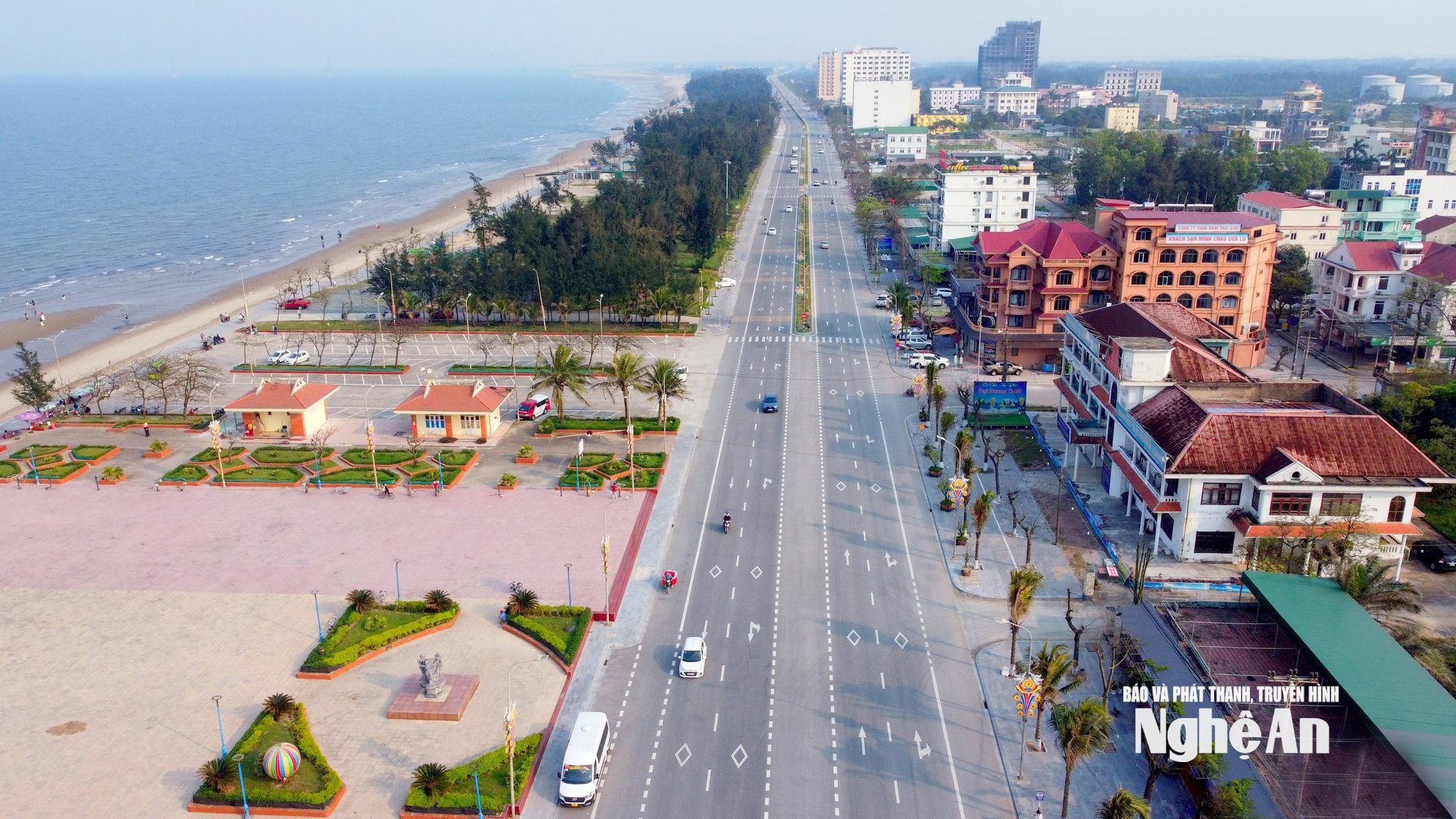
No longer just a bustling destination during the summer months, Cua Lo is transforming into a vibrant seaside city year-round. Behind this transformation are not only new constructions, impressive festivals, and unique tourism products, but also a shift in the mindset of its people. The skillful approach to "people mobilization" here is becoming the glue connecting the Party's will with the people's hearts, creating the foundation for realizing the aspiration of building Cua Lo into a green, clean, and civilized destination year-round.
.png)
Khanh Ly - Hoai Thu/Present:Hong ToaiJuly 17, 2026
*****
No longer a bustling destination only during the summer months, Cua Lo is transforming into a vibrant seaside city year-round. Behind this transformation are not only new constructions, impressive festivals, and unique tourism products, but also a change in the mindset of its people.

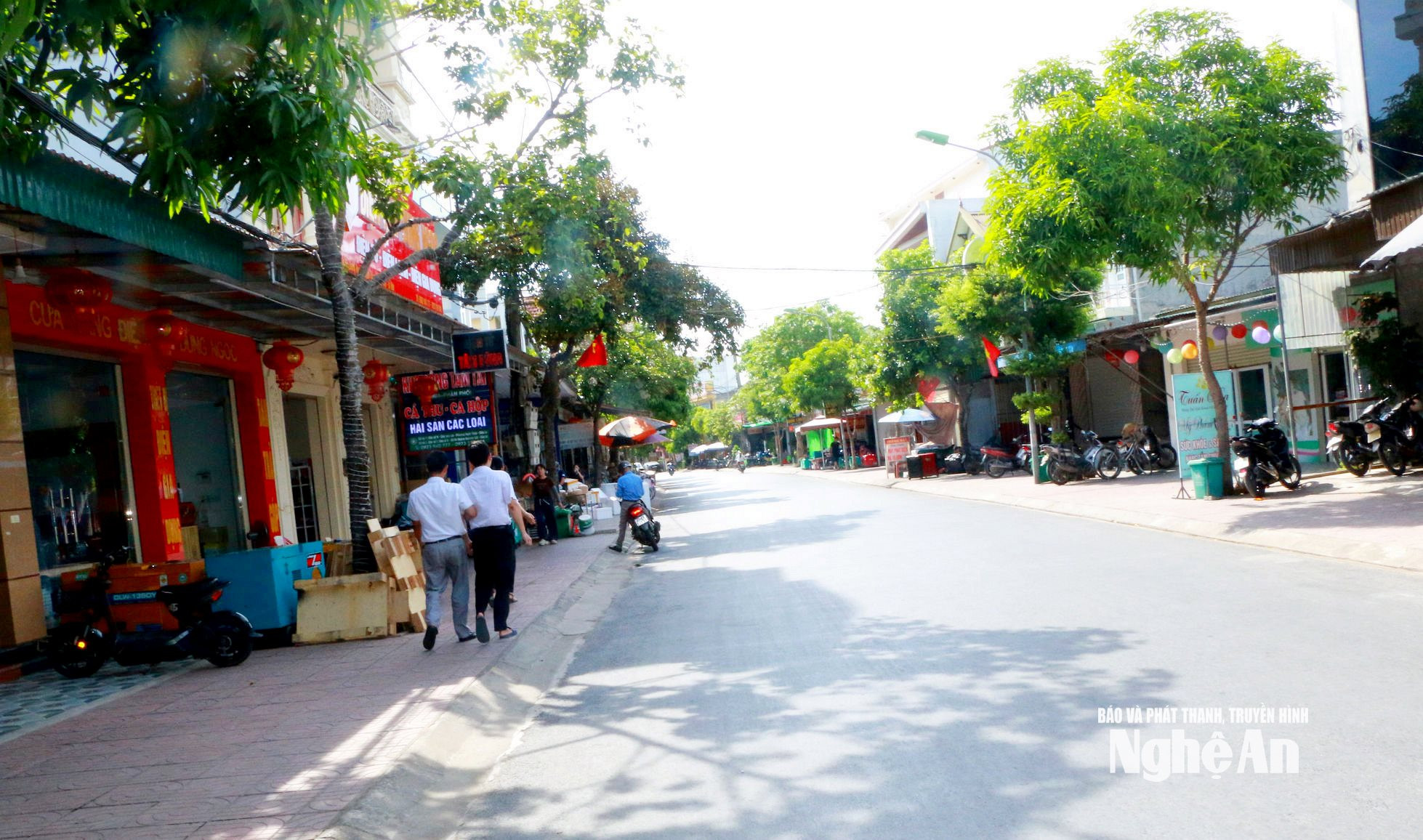
In the summer days of July, the sun bathes the coastal streets of Cua Lo in golden light. The streets are still bustling with people, but the most noticeable change isn't the crowds, but rather the neatness and orderliness of the rows of business kiosks. A seemingly small change, yet it clearly reflects the new face of this seaside tourist town.
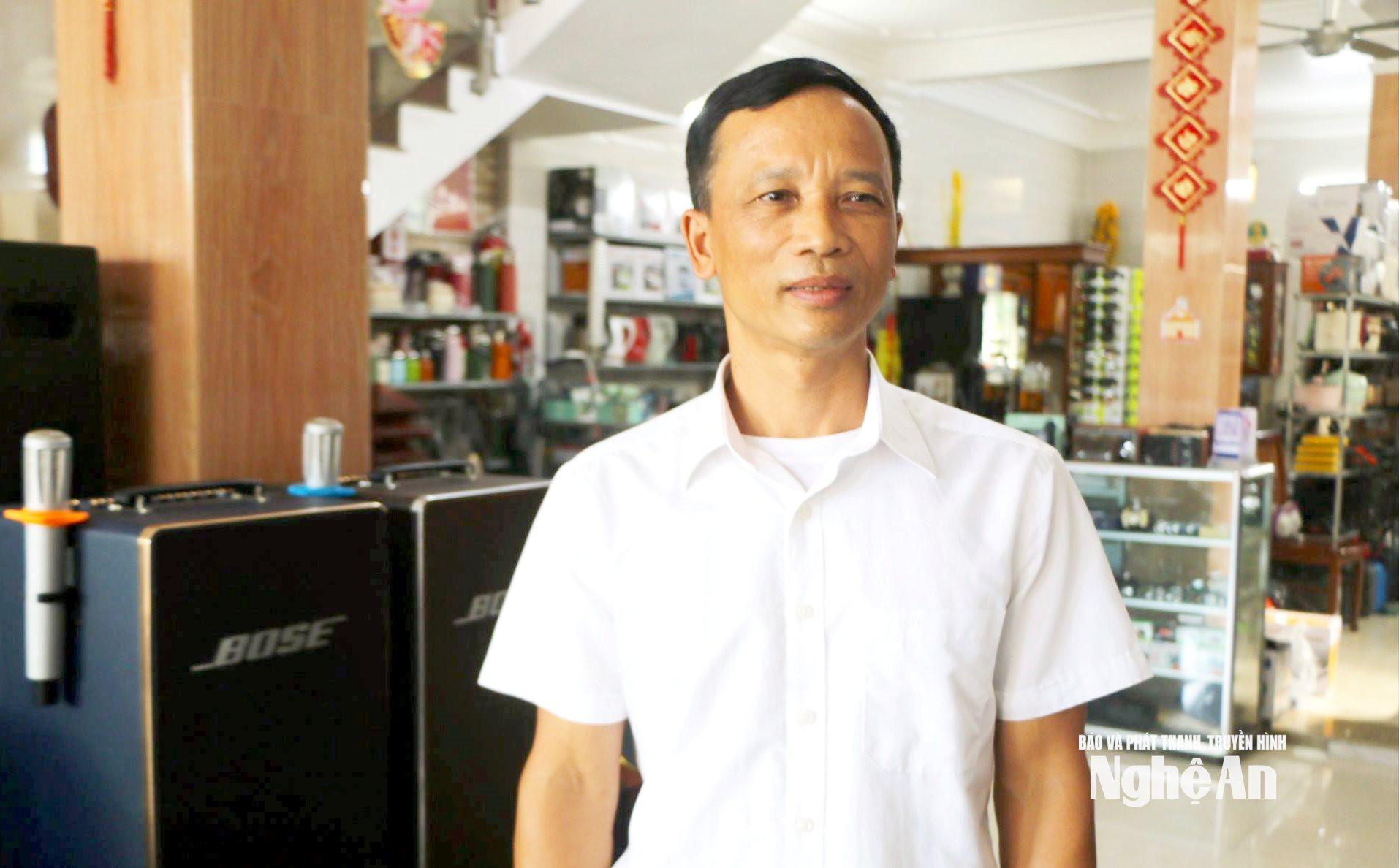
Standing in front of his family's shop, Mr. Cao Van Duong - Secretary of the Nghi Thuy 1 Block Party Branch - smiled and said: "Nowadays, tourism must focus on what tourists need. If we want customers to return, we must first maintain our credibility."
That simple statement reflects the shift in awareness among many households in Cua Lo after years of persistently implementing "effective community mobilization" models.

Given the area's characteristics, primarily concentrated in tourism businesses, the Nghi Thuy 1 block Party branch implemented the resolution to build a model residential area through very specific actions: prohibiting the drying of clothes on the street, preventing encroachment on sidewalks for trading, publicly displaying prices, and creating a civilized and courteous business environment.
These issues are incorporated into monthly Party branch meetings for collective evaluation and reminders, with cadres and Party members becoming pioneers in their leadership roles.
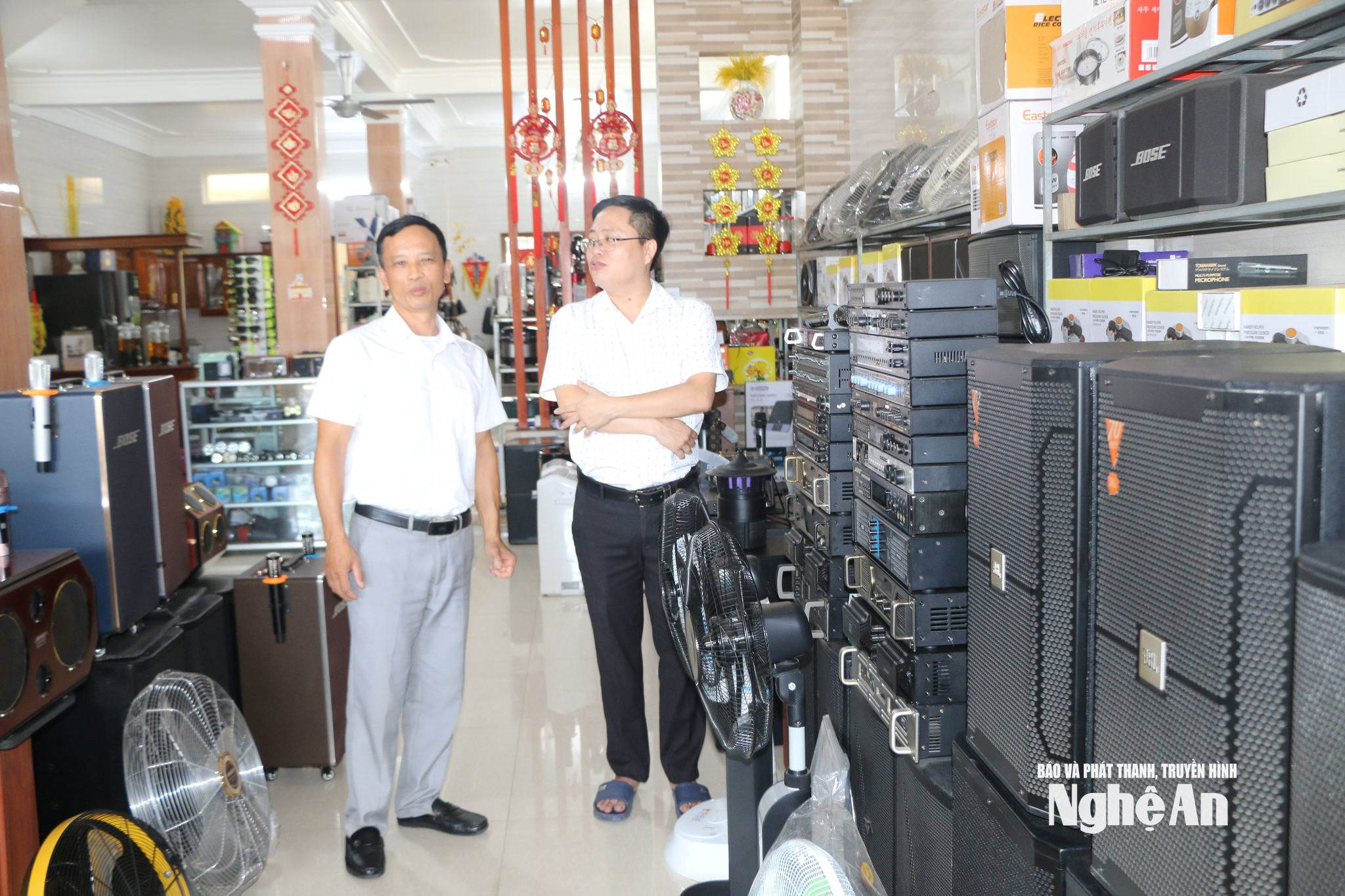
According to Mr. Cao Van Duong, changing people's mindset cannot happen overnight. It is a process of persistent propaganda and persuasion. When people realize they are the owners of the Cua Lo tourism brand, the awareness of preserving the image of the destination gradually becomes a self-driven need.
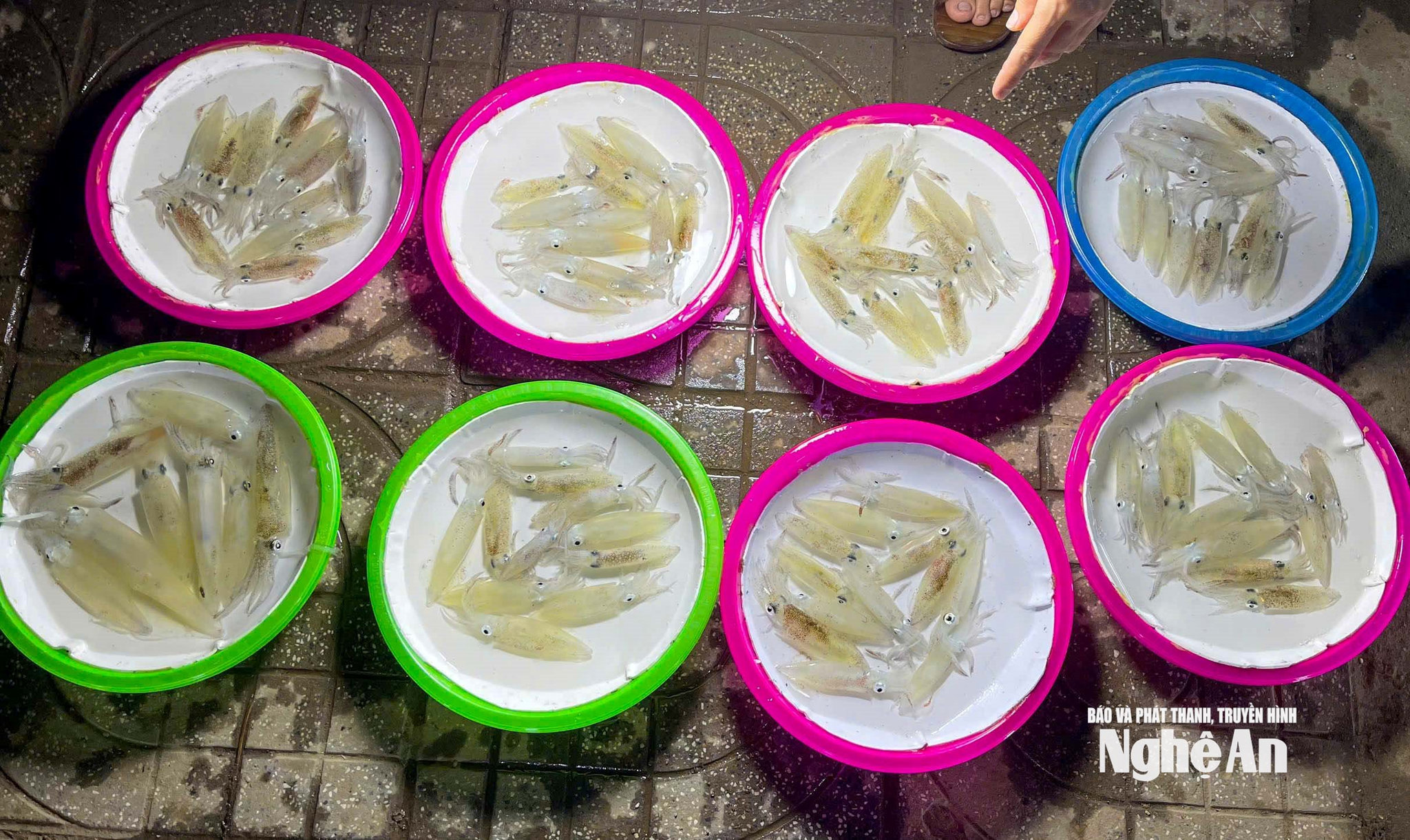
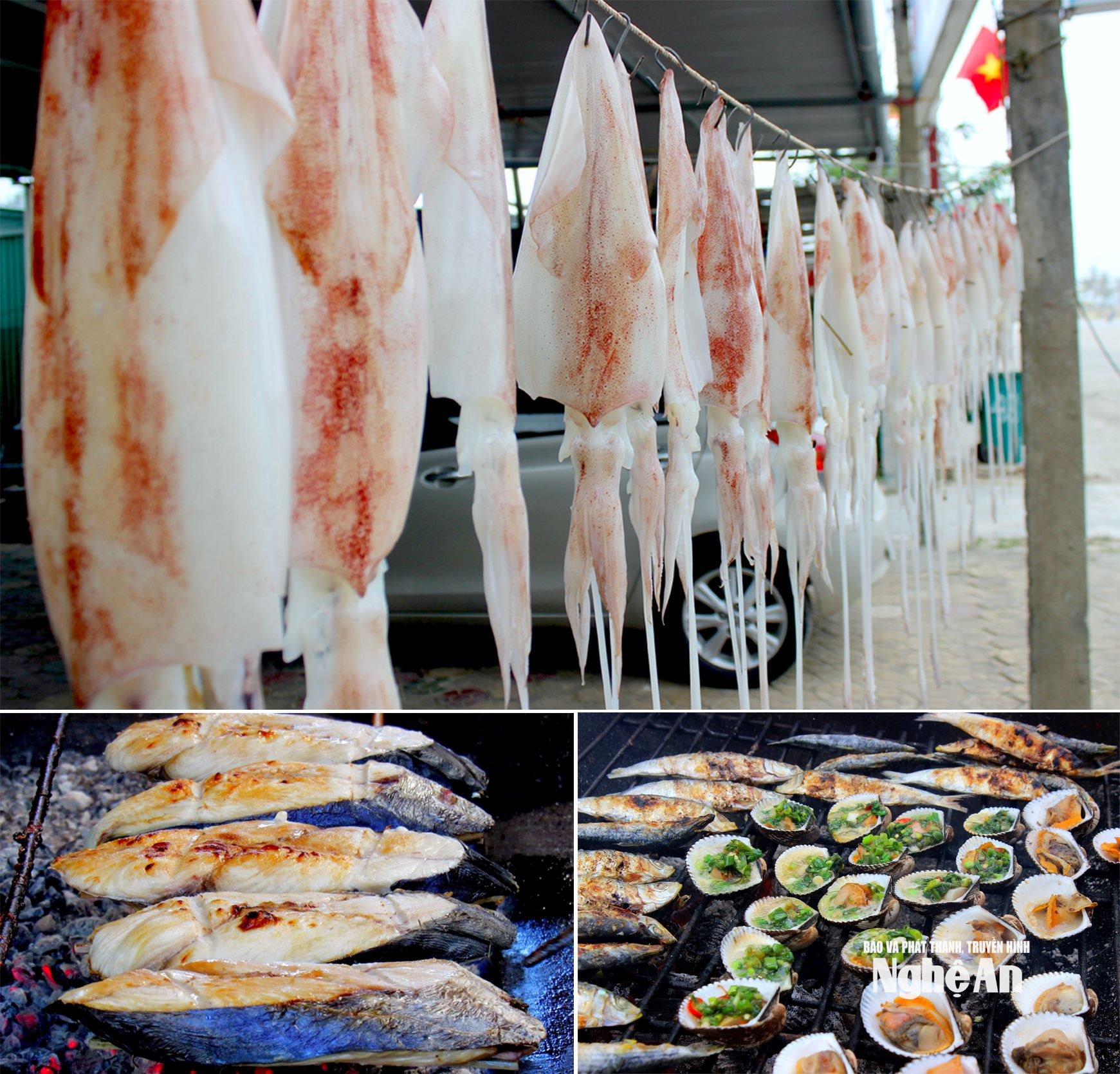
Ms. Nguyen Thi Tai, the owner of a seafood business in Nghi Thuy 1 ward, said that after attending several training courses organized by the local authorities, her family has applied digital platforms to promote and sell their products. Currently, about half of their revenue comes from online channels.
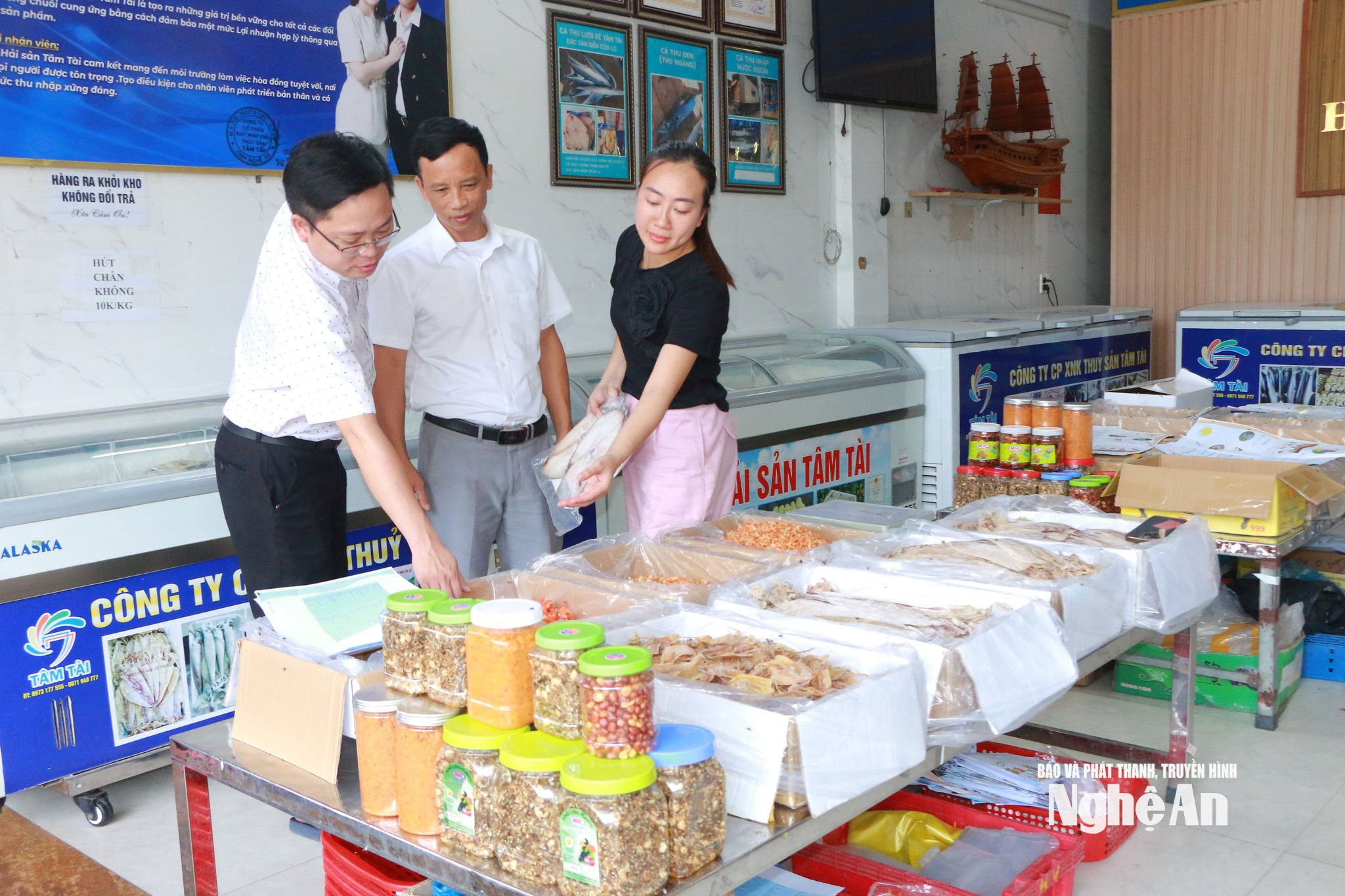
According to Ms. Tài, maintaining reputation and brand image is the key to long-term business success, because losing trust once can lead to the loss of many customer seasons.
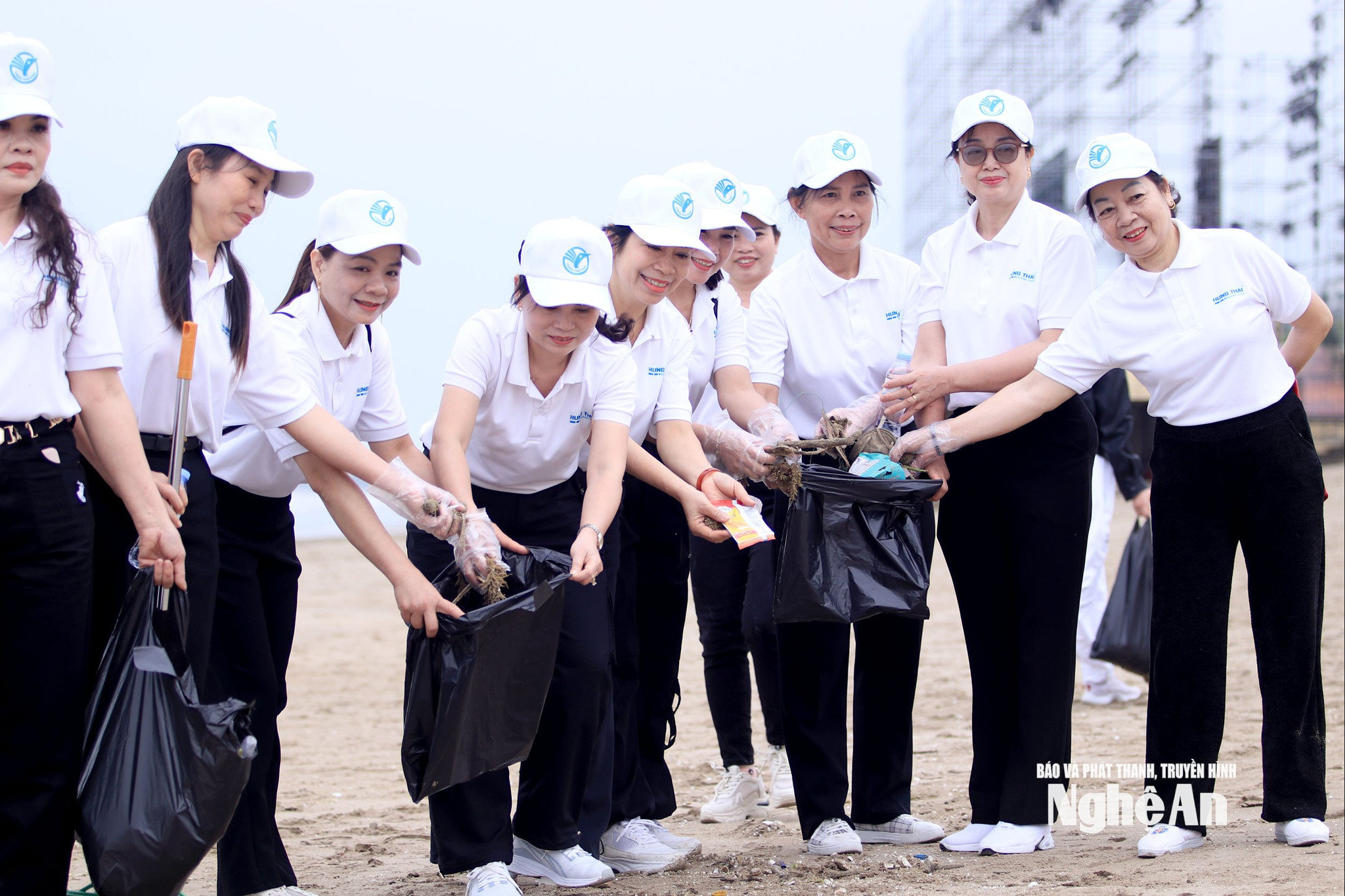
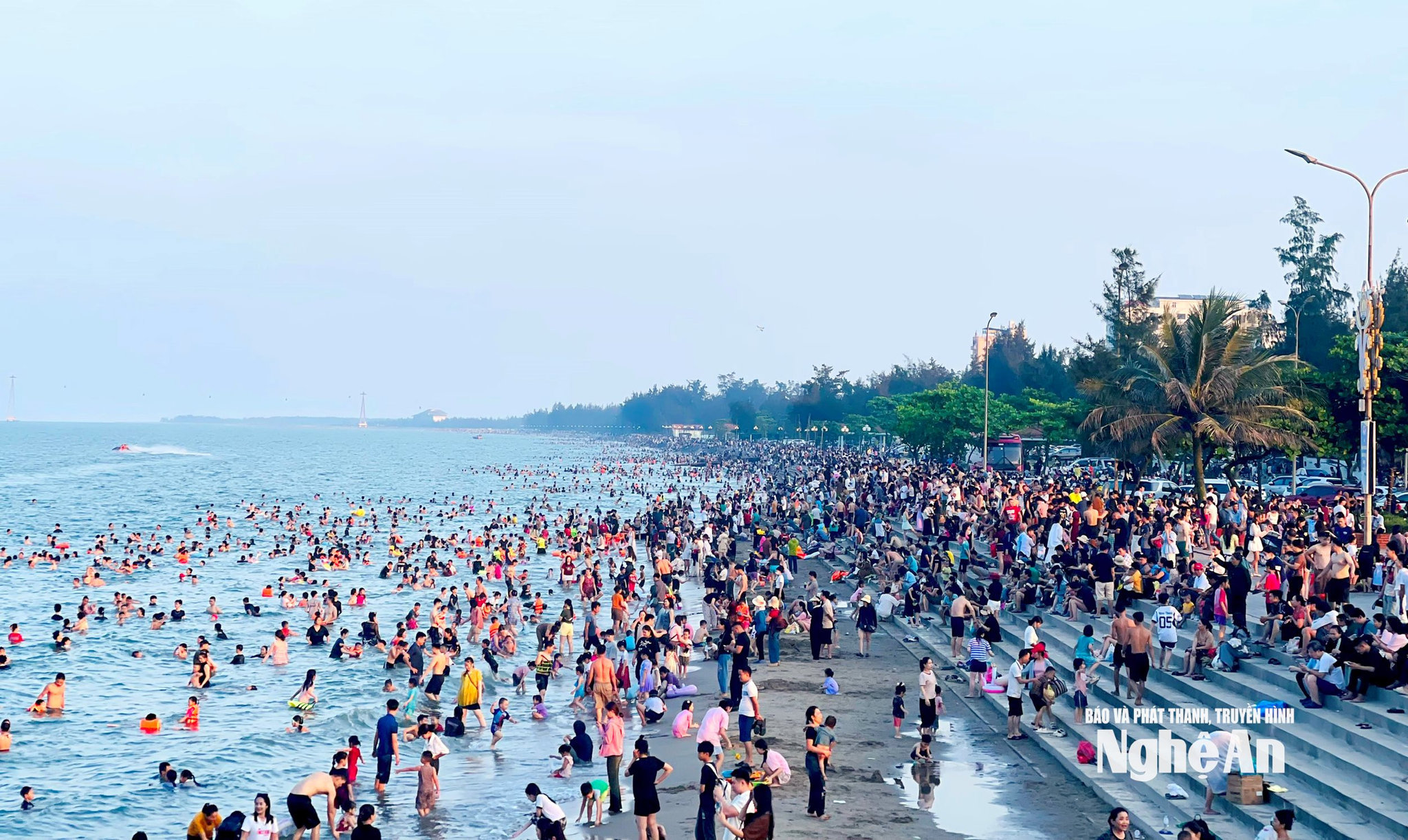
Beyond changes in business practices, environmental awareness has become a new positive aspect in many residential areas. In Nghi Tan 1 neighborhood, the "Green Sunday" movement is regularly maintained weekly with over 85% of households participating. The clean, green streets and litter-free beaches have contributed to creating a friendly image of Cua Lo in the eyes of tourists.
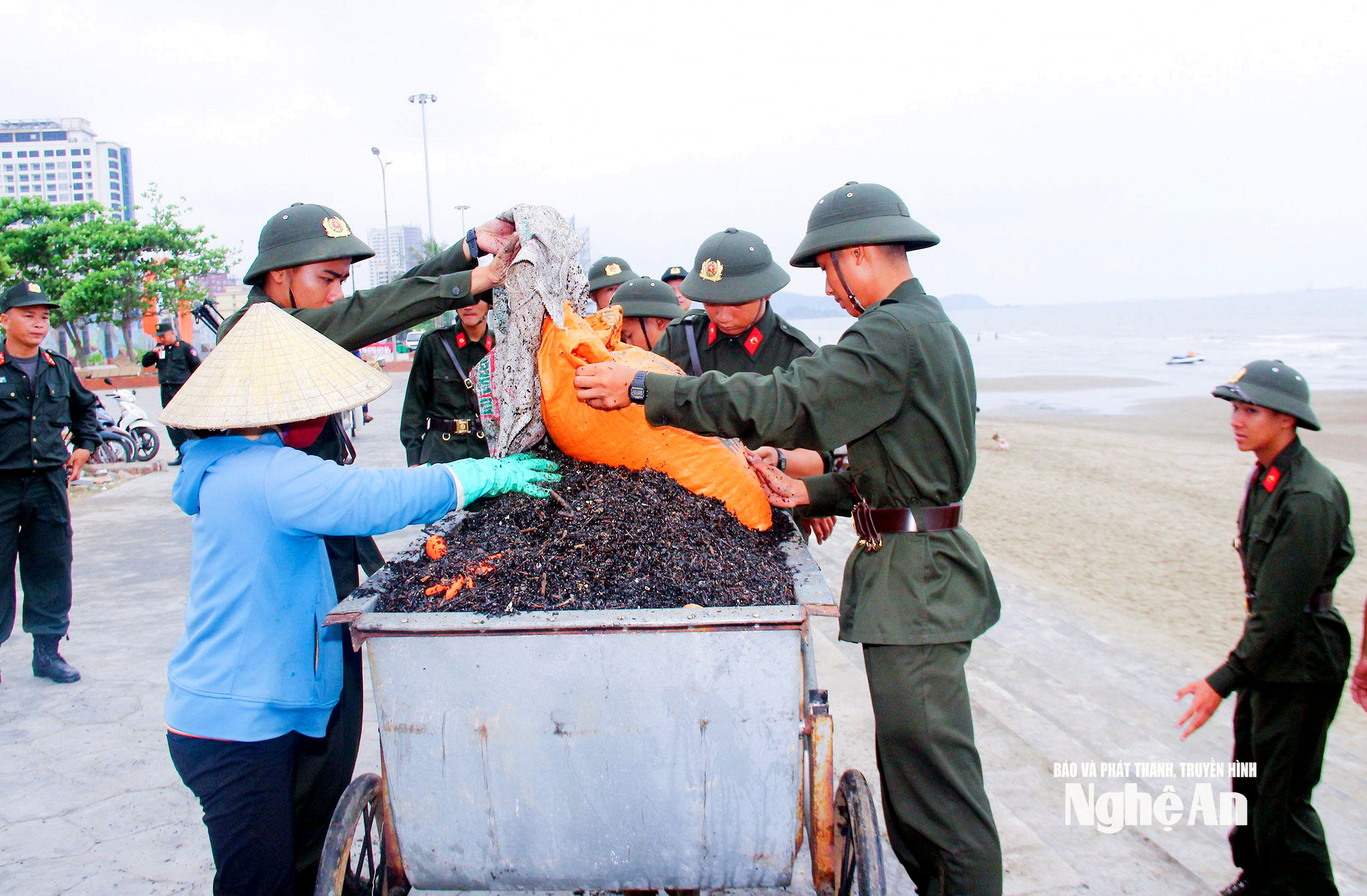
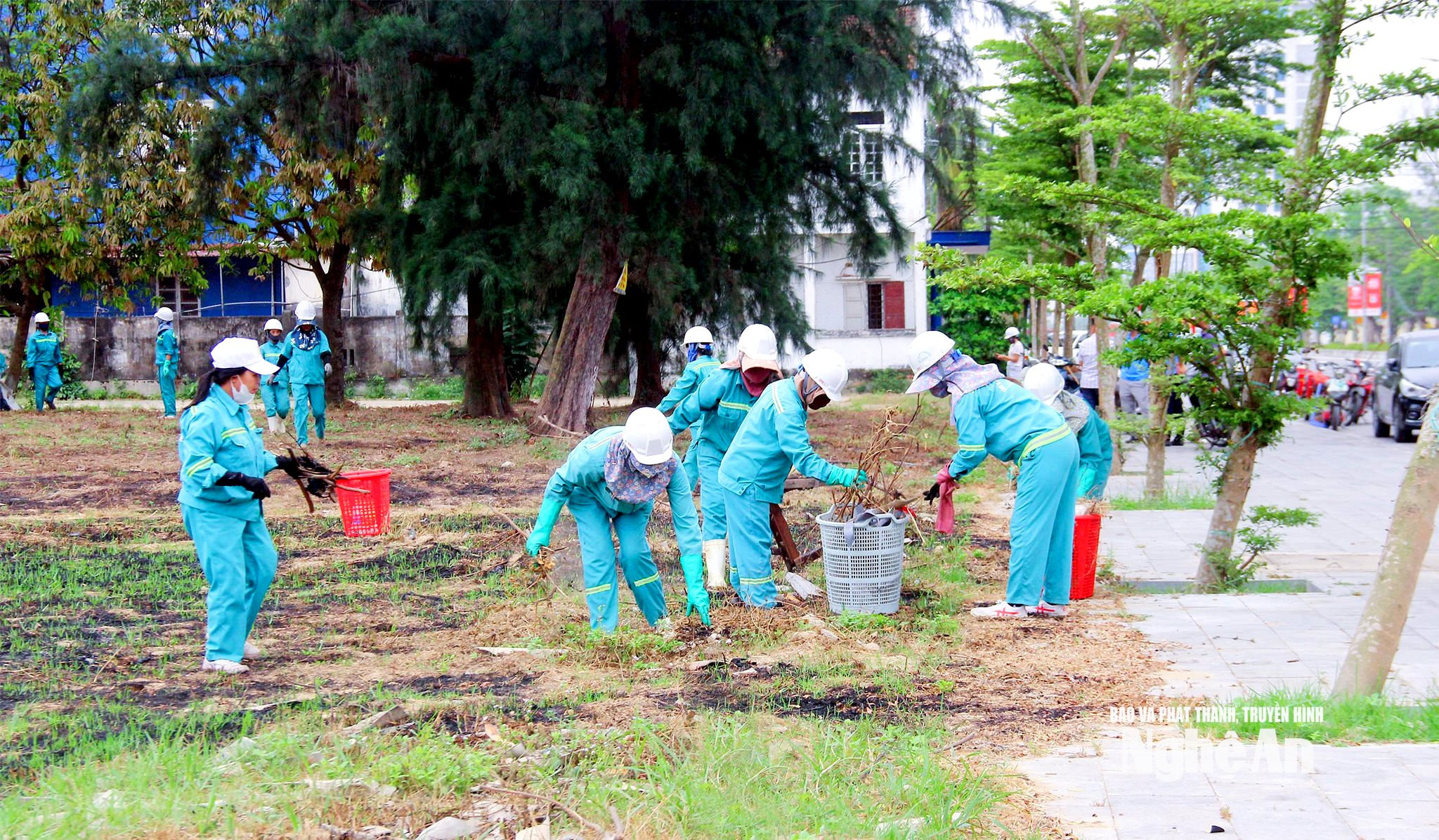
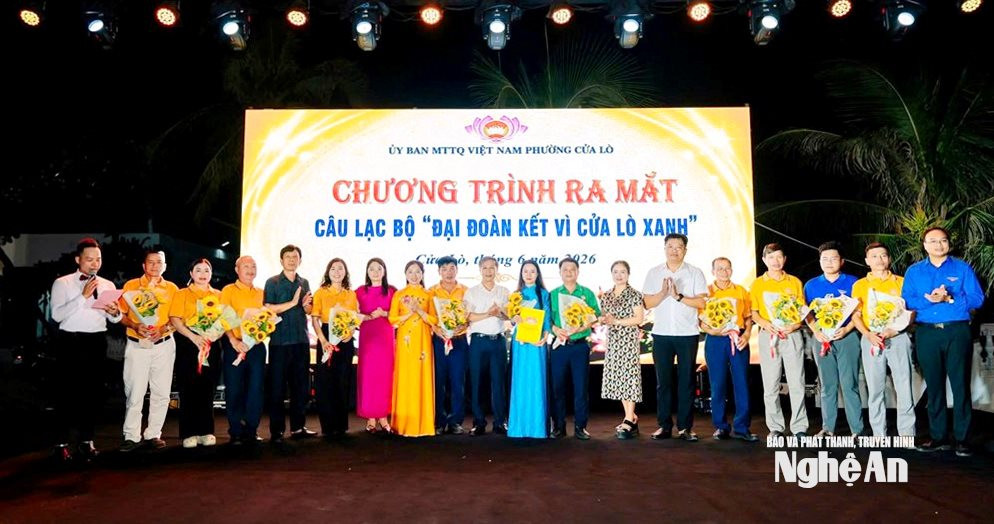
Alongside this, a series of community models have been implemented, such as the "Great Unity for a Green, Clean, and Beautiful Cua Lo" Club launched by the Ward's Fatherland Front Committee, with key activities including: cleaning the marine environment and public areas; promoting tourism culture and assisting tourists; supporting social welfare; and digital transformation of the community.
Visiting Cua Lo today, one easily encounters very ordinary scenes that are nonetheless impactful. One such example is Mr. Phung Ba Huynh (born in 1963), whose house is located right near the Nghi Thuy market and fishing port. For many years, he has quietly rowed his boat to collect trash from the river whenever the tide rises and carries it towards the sea; he has also encouraged residents to transform the landfill into a playground, donated land to build roads, and planted trees around the residential area.
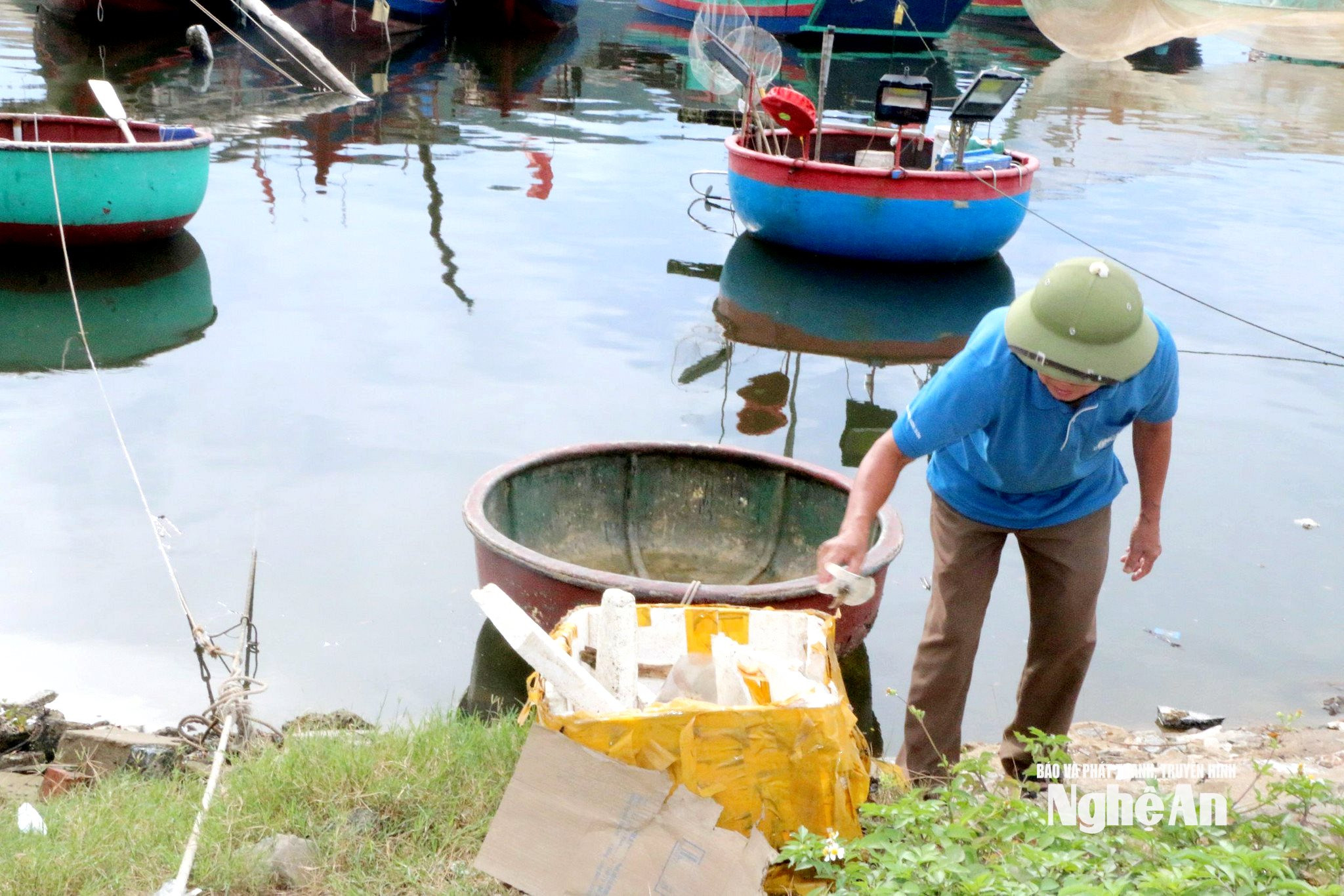
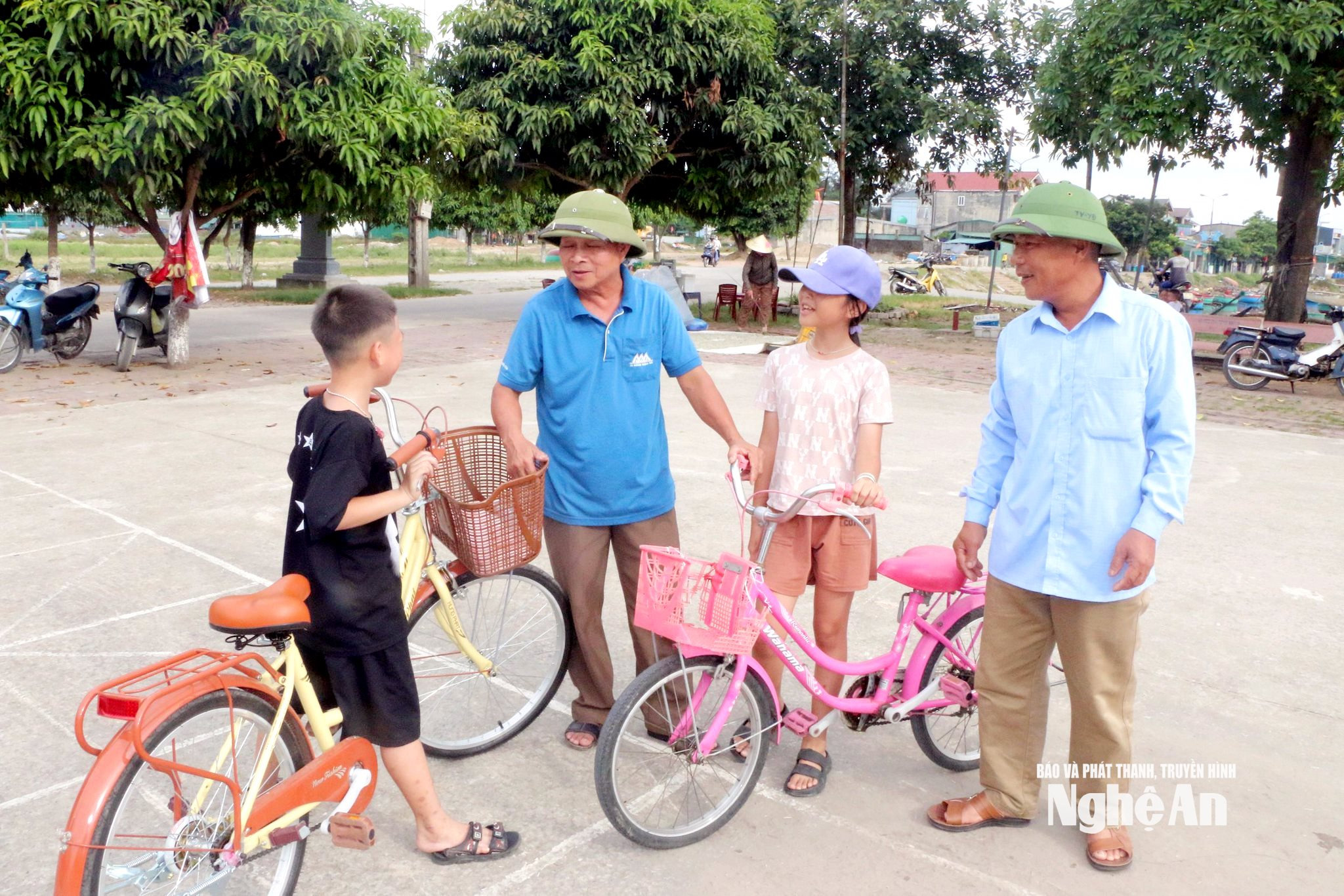
It also includes restaurant and hotel owners proactively finding ways to return lost property to guests; and electric vehicle drivers promptly coordinating with the local police to take tourists who fainted on the sidewalk to the hospital, helping those in need overcome critical situations.
These actions are not included in any regulations, but they contribute to building trust and goodwill among tourists.
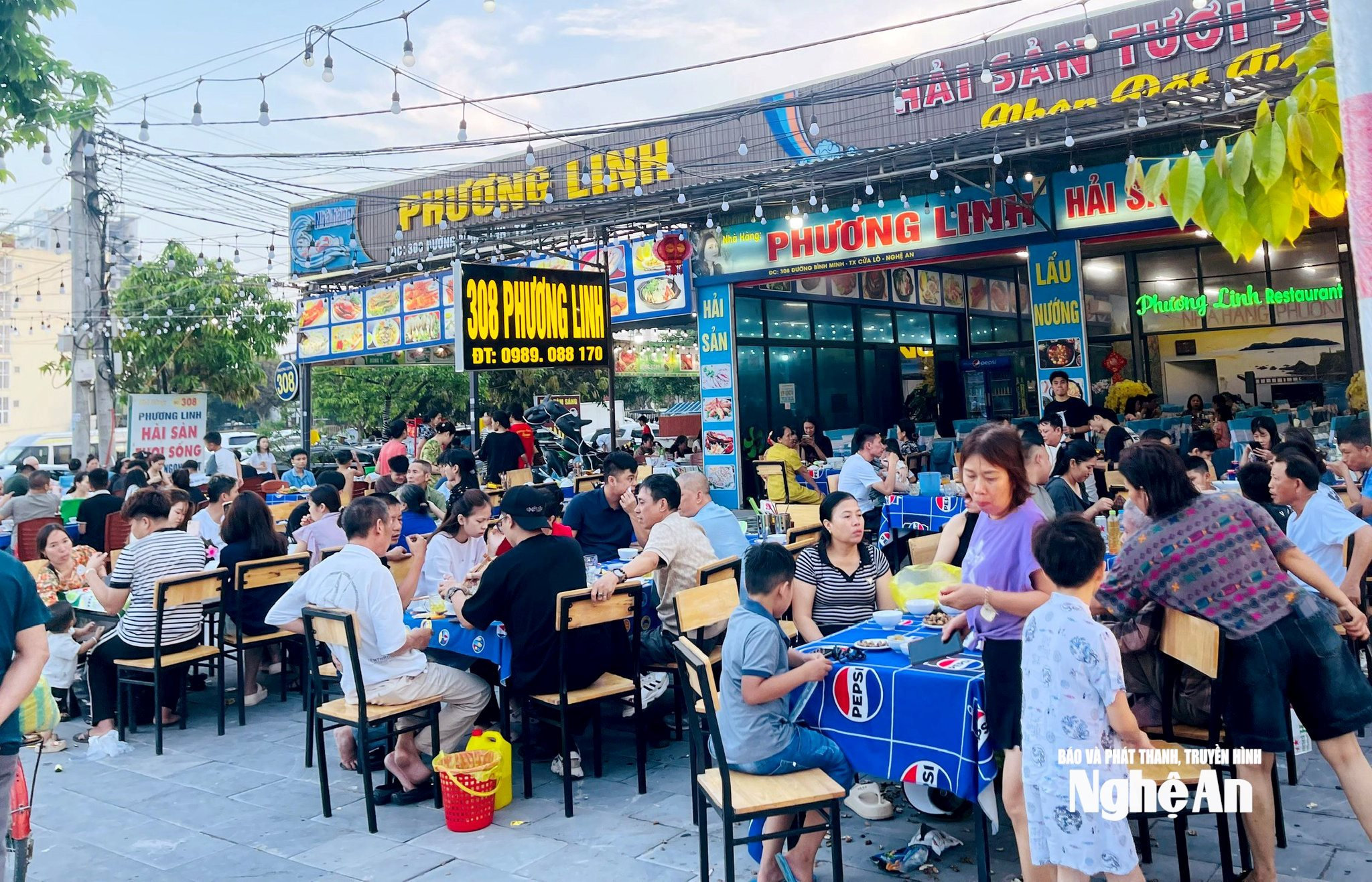
Ms. Nguyen Thi Minh, a tourist from Hanoi, shared that after many years returning to Cua Lo, what impressed her family most was not only the more beautiful beach but also the changes in service, attitude, and urban landscape.
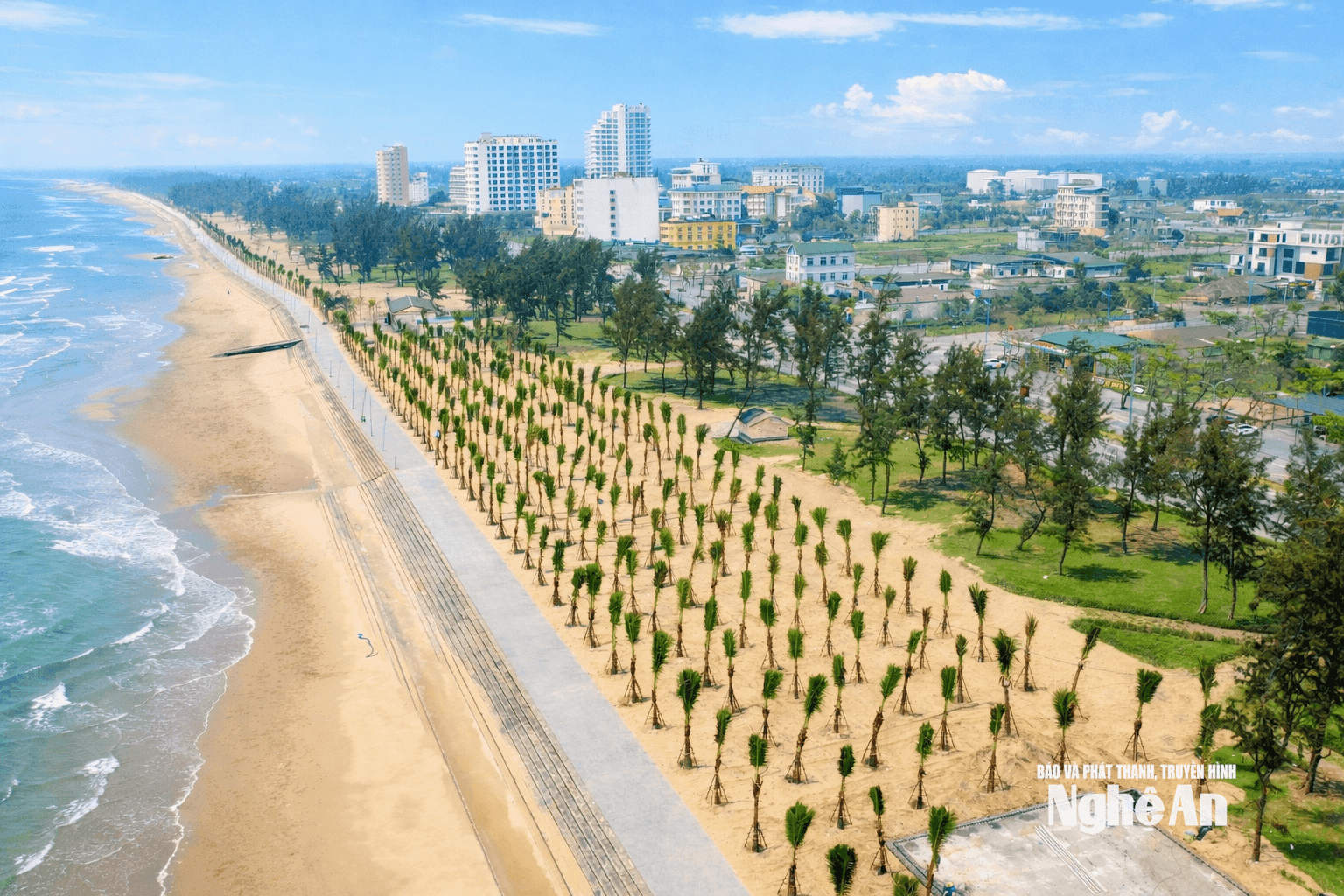
From these quiet developments, the aspiration to build a year-round coastal city is gradually being realized. Today, every resident of Cua Lo is becoming increasingly aware that tourism is no longer solely the responsibility of the government or businesses, but a shared responsibility of the entire community.
.png)
Beyond just a shift in people's consciousness, as we traveled along Binh Minh Road – one of the most beautiful thoroughfares in the coastal city – we also heard stories about the skillful public relations work of the Party committee and the local government.
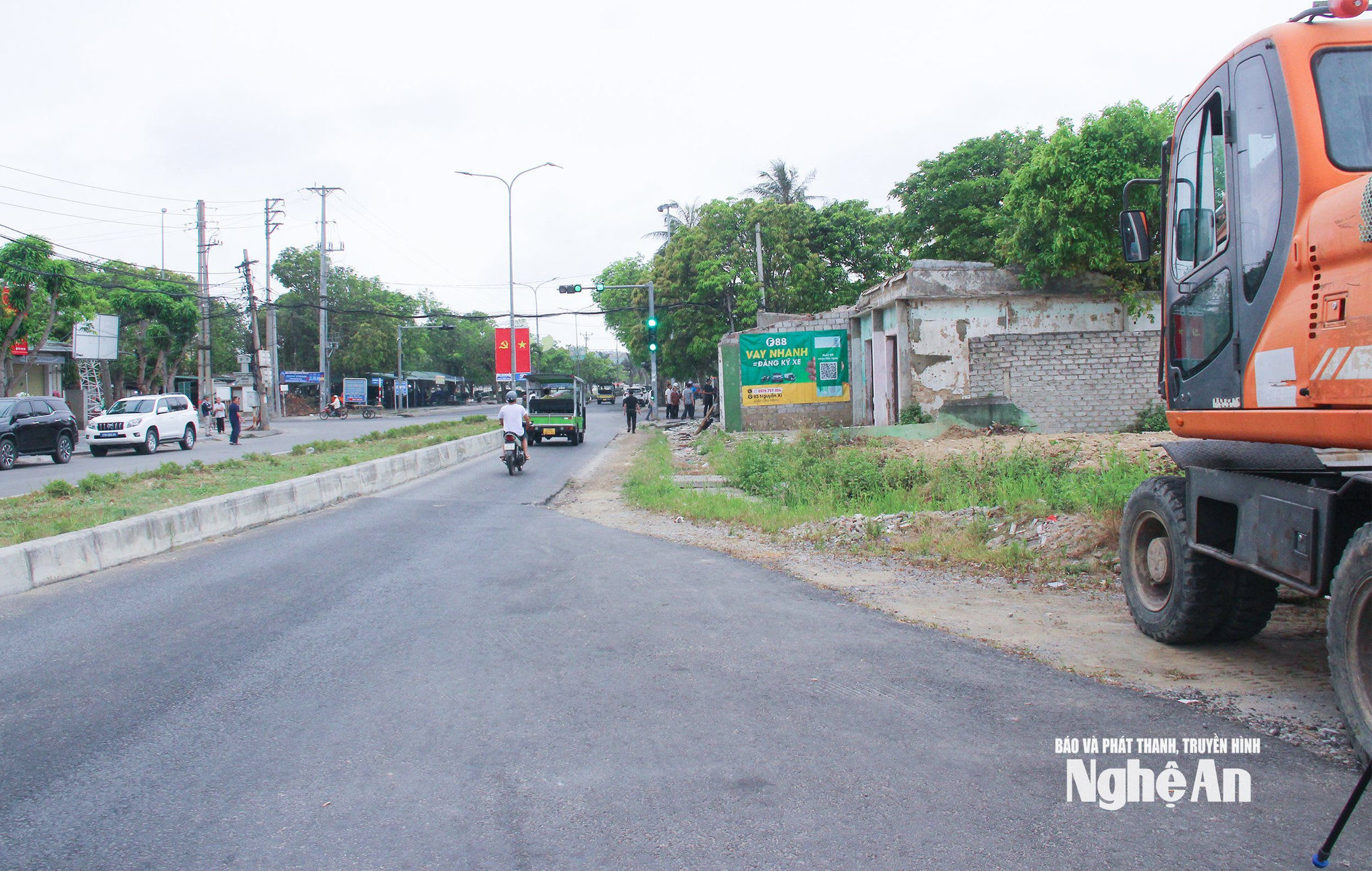
Previously, this section of road had a "bottleneck" (less than 50 meters long at the intersection with Nguyen Xi Street, near Lan Chau Island) that had persisted for many years, posing a potential traffic safety hazard and affecting urban aesthetics.
But the biggest concern is not the few dozen meters of land that have not yet been cleared, but how to resolve the long-standing grievances that have remained unresolved for many years.
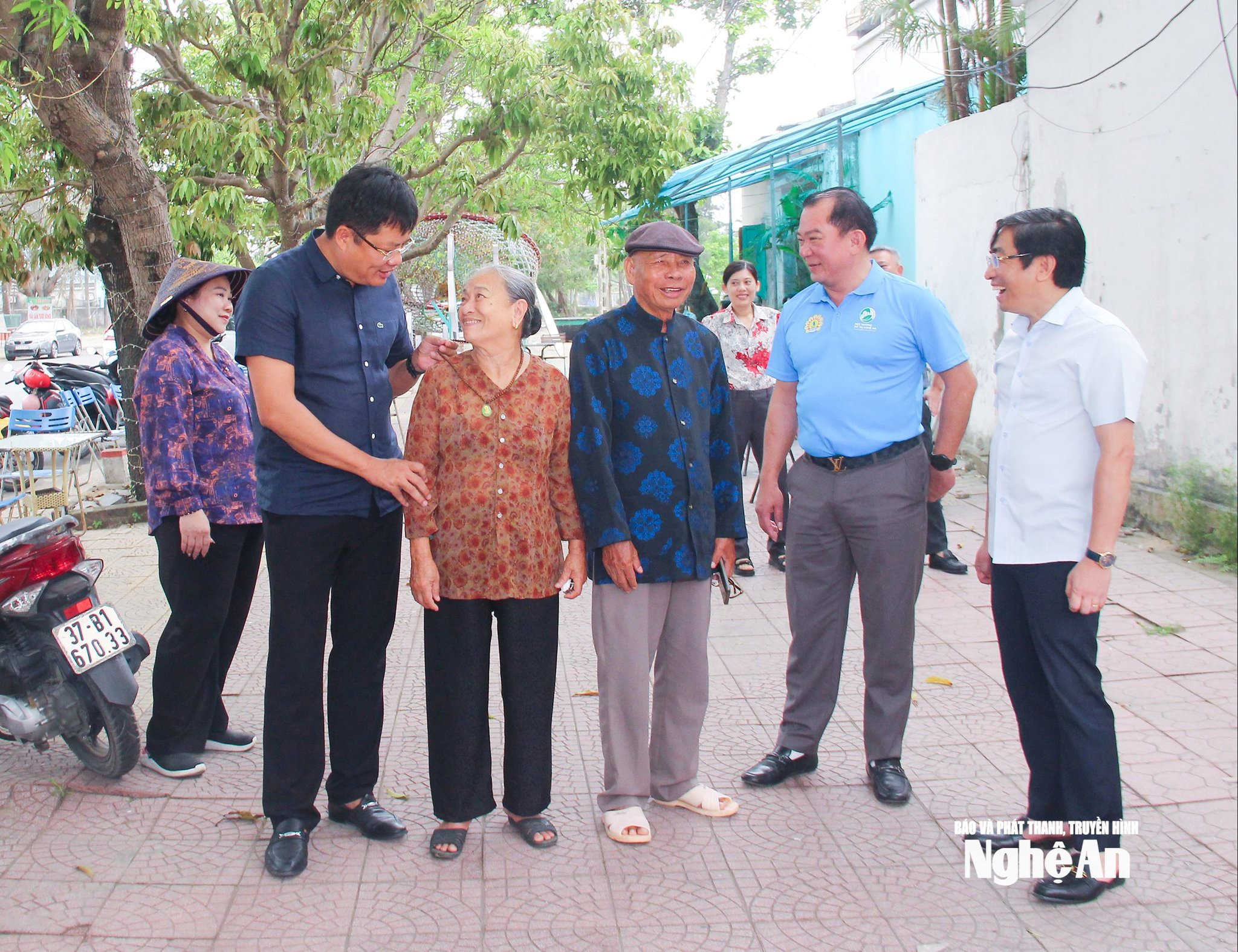
Instead of simply applying administrative measures, the leaders of Cua Lo ward went directly to households to listen and share. The authorities patiently explained the policies and simultaneously received legitimate suggestions from the people.
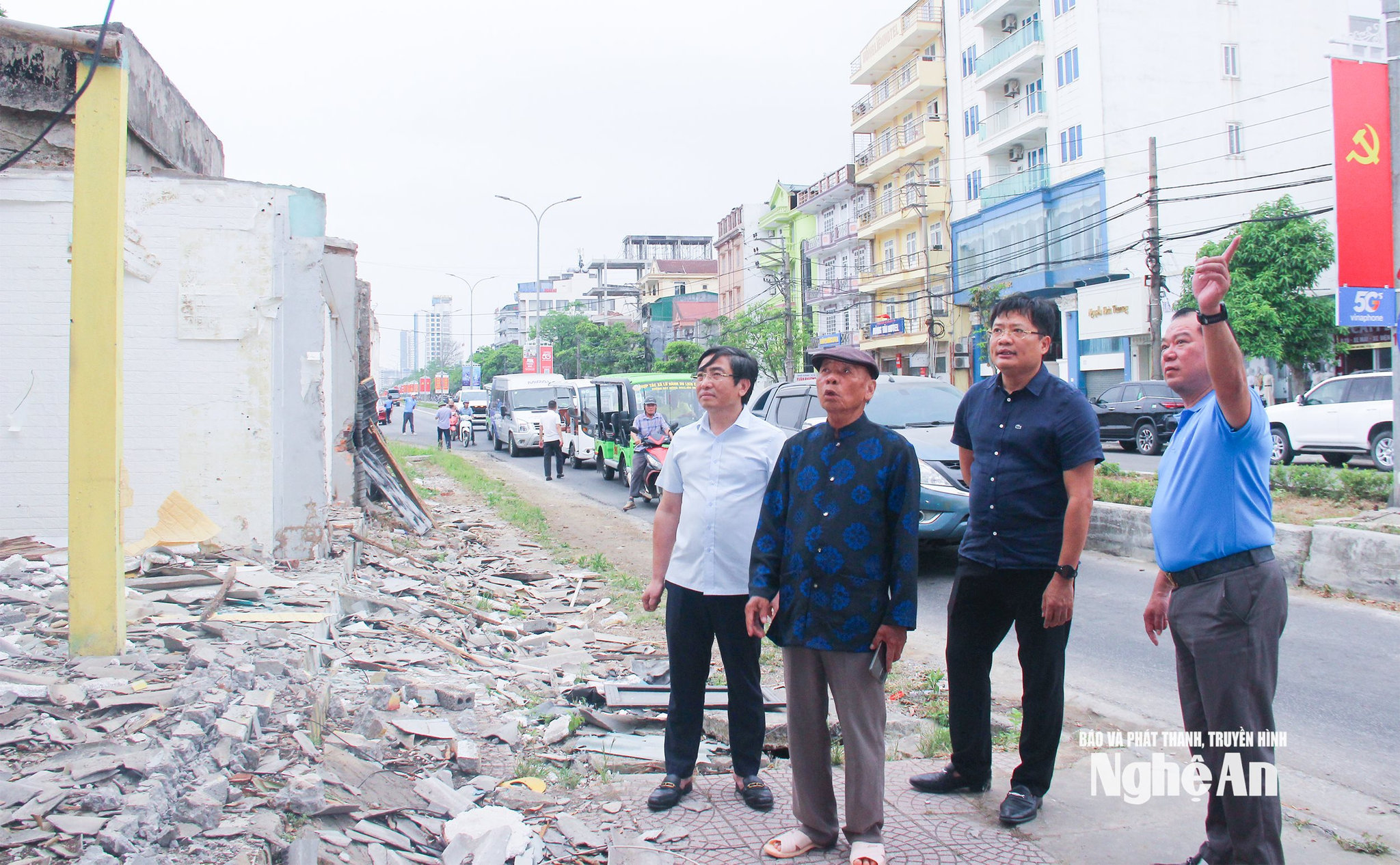
Immediately afterwards, a public dialogue was held with the participation of the Party Committee, the People's Committee of the ward, the Fatherland Front Committee of the ward, along with specialized units and the Provincial Land Development Center. At this meeting, the authorities frankly accepted responsibility and publicly apologized to the people for allowing the issue to drag on, causing much inconvenience in their lives. This sincere and constructive approach opened the door to a dialogue based on mutual understanding.
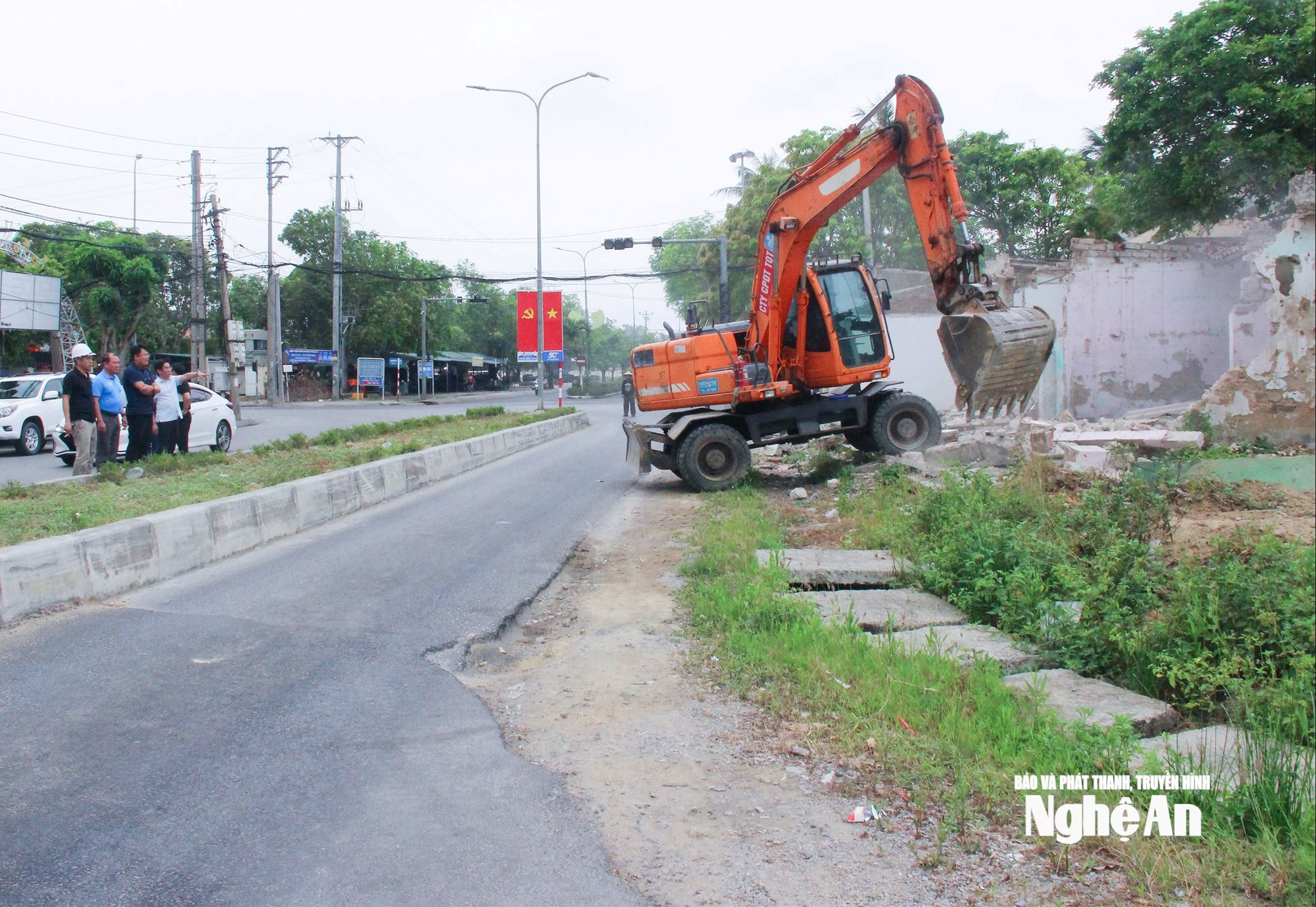
Families whose land is subject to clearance not only agreed to hand over the land but also proactively hired workers to dismantle structures and move assets so that the construction unit could implement the project on schedule, in time to serve the tourist season.
A section of road has been opened, but more importantly, trust between the government and the people has been strengthened. This is vivid proof of President Ho Chi Minh's teaching: "With skillful people mobilization, everything will succeed."
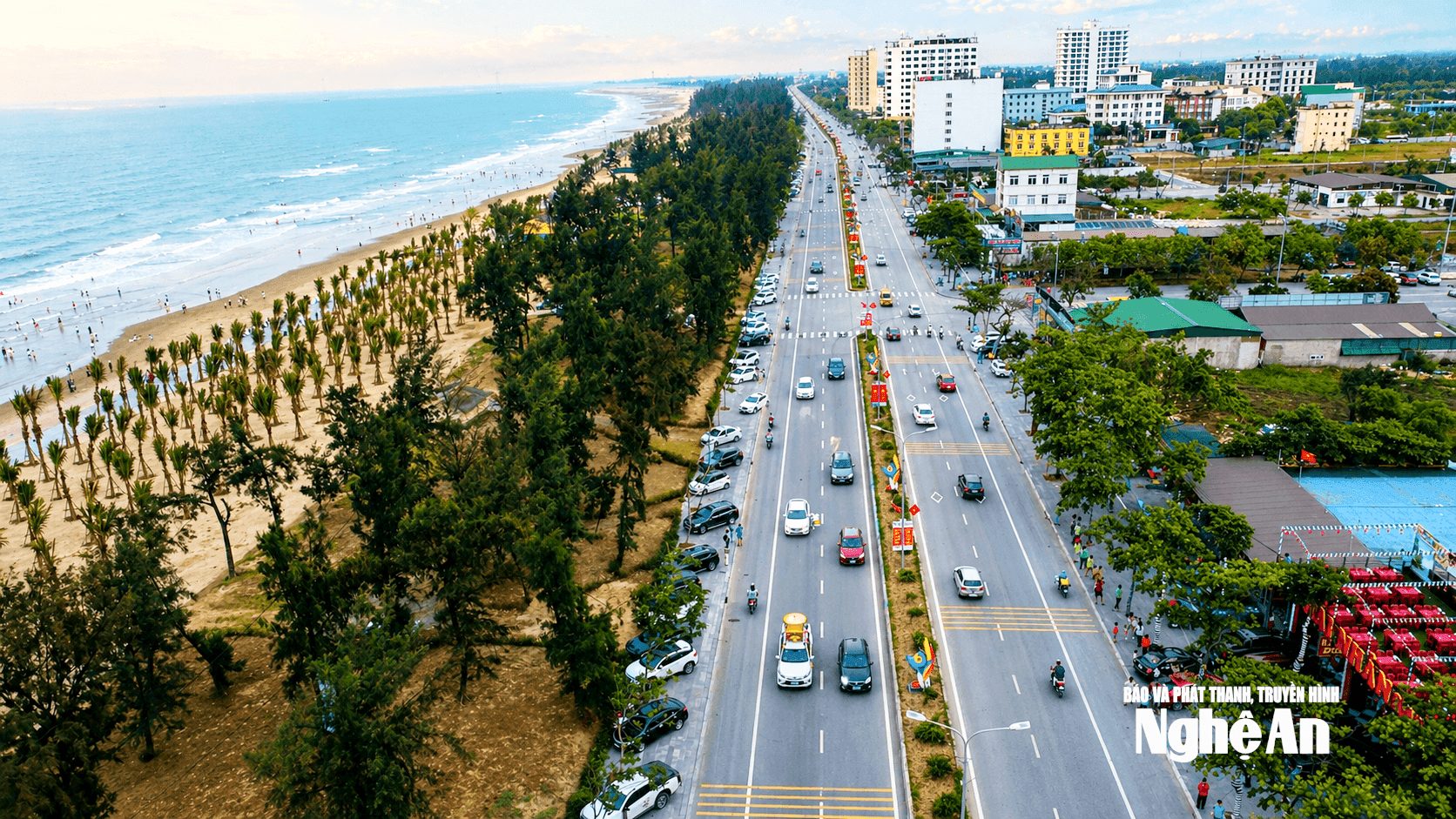
According to Mr. Cao Minh Tu, Chairman of the People's Committee of Cua Lo Ward, tourism development is not just about investing in infrastructure or building modern resorts, but also about creating social consensus. Every completed project needs the sharing and support of the people. When people understand, trust, and cooperate, even seemingly insurmountable "bottlenecks" can be resolved.
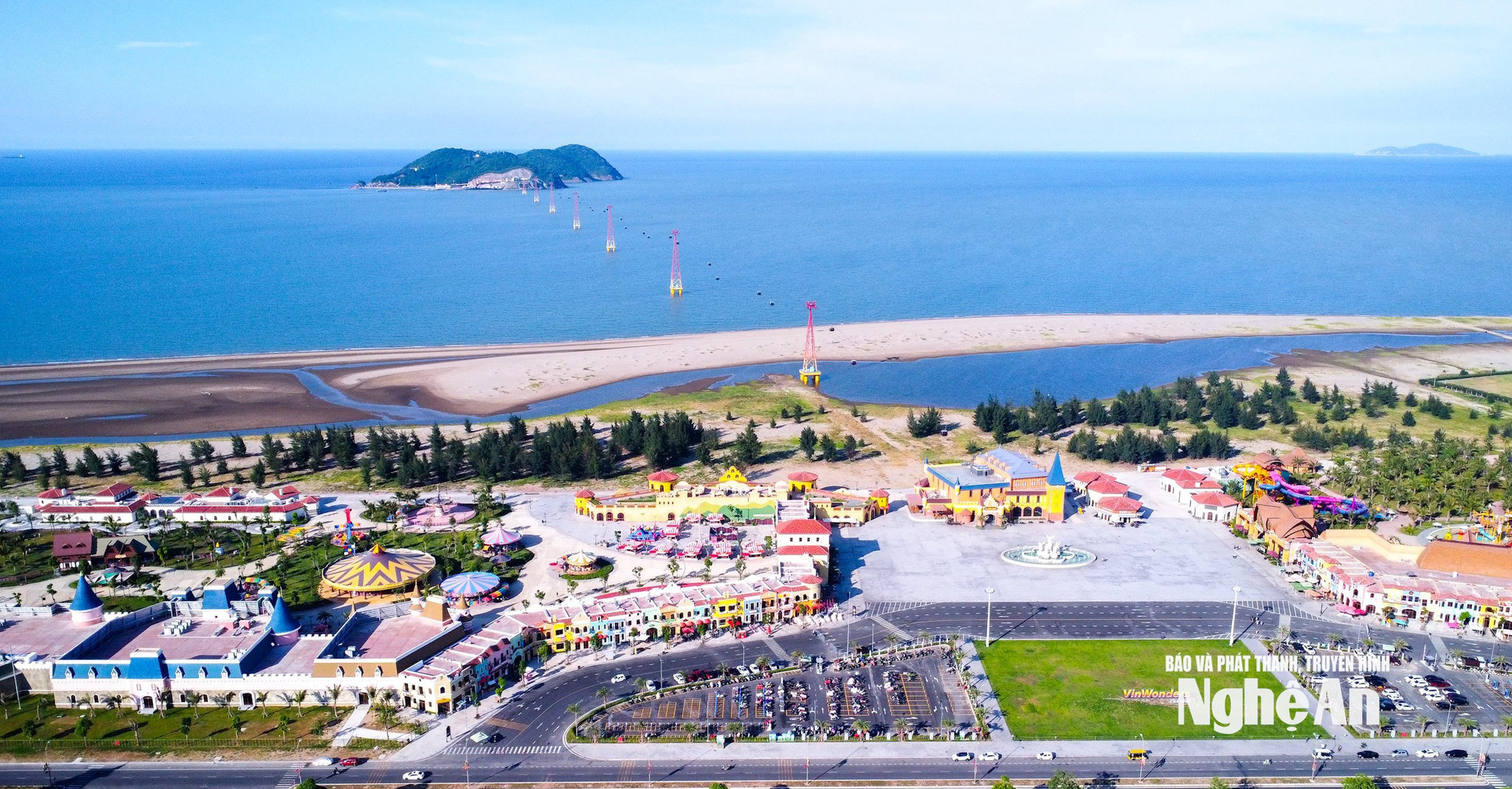
Alongside the completion of Binh Minh Road, a series of urban beautification projects have also received attention. The lighting system, decorative lights, and propaganda billboards have been replaced; thousands of coconut trees and other greenery have been added along the coastline; and public shower facilities have been put into service. As a result, the coastal area has become more spacious and modern, while still retaining the inherent charm of Cua Lo.
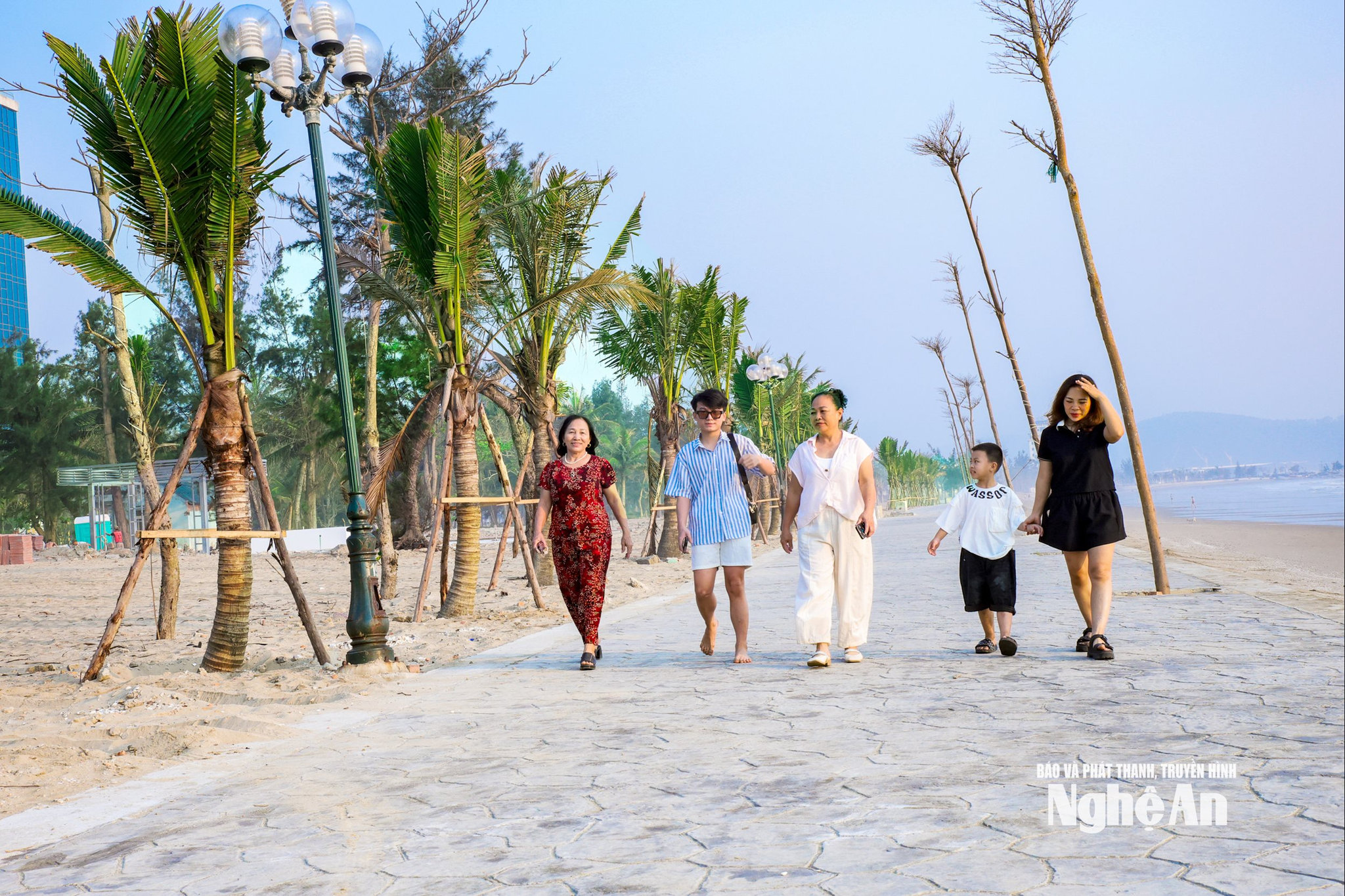
Infrastructure is only part of the story. To achieve the goal of year-round tourism development, the locality is also focusing on renewing tourism products and gradually expanding the experiential space using its own indigenous cultural values.
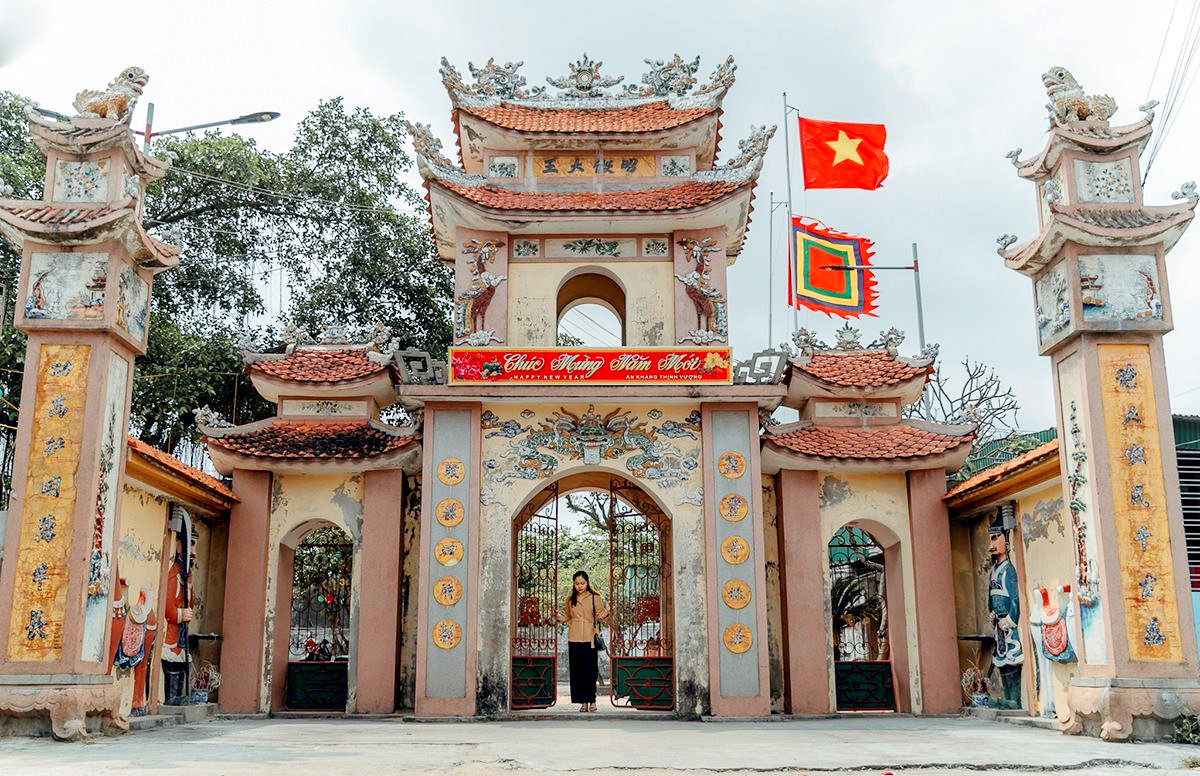

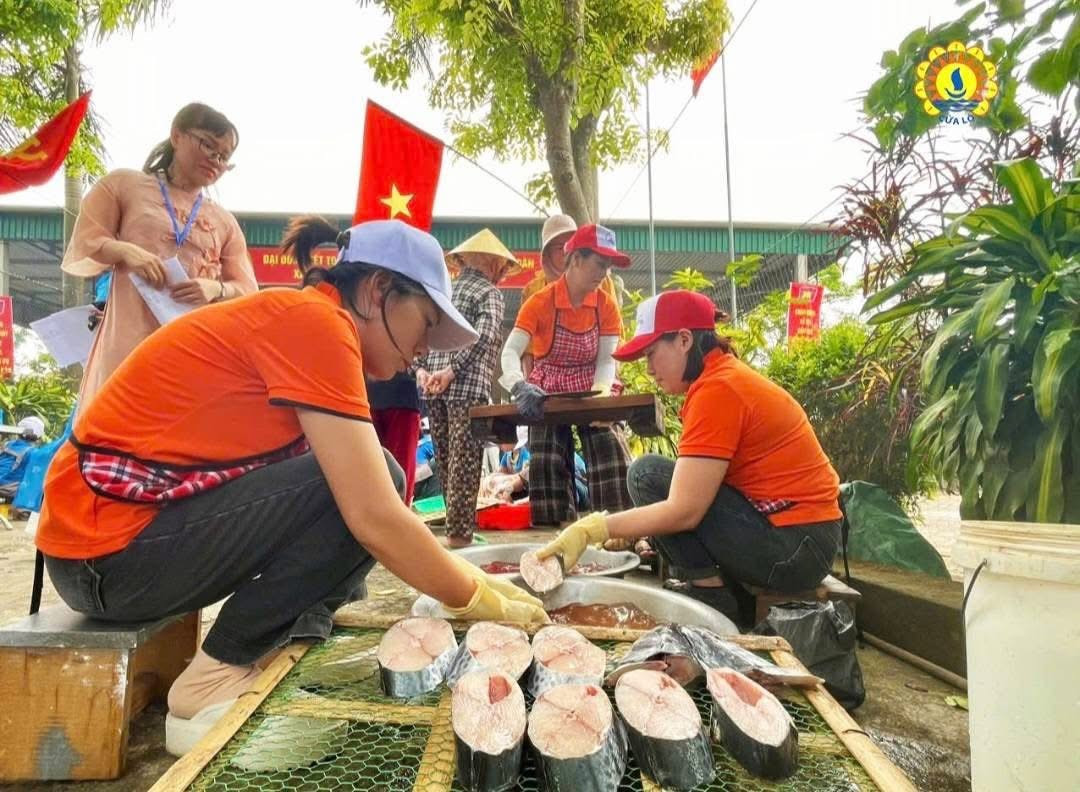
Along with the 2026 Tourism Festival themed "Cua Lo - The Quintessence of Lam Thuy" and many unique cultural and sports activities taking place throughout the year.Many traditional festivals, such as those at Van Loc Temple, Mai Bang Temple, Bau Loi Temple, and Lang Hieu Temple, have been restored and organized more systematically with the active participation of the community. People directly contribute funds and effort to preserve the cultural values of their homeland.In some festivals, the people voluntarily contribute more than 1 billion VND.
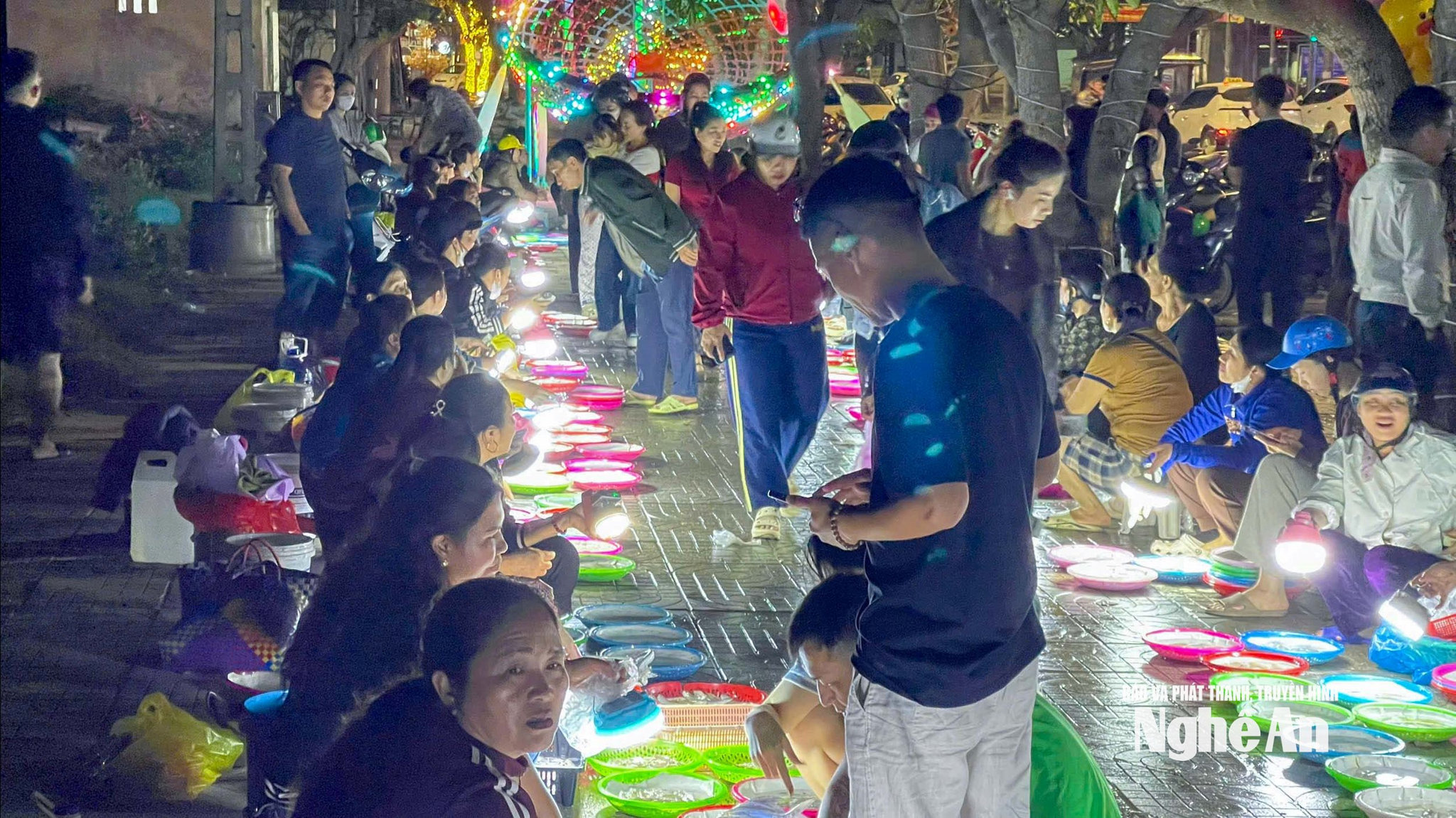
Another direction that the locality is focusing on is digital transformation in tourism activities. From promoting the image and introducing destinations to receiving feedback from tourists, everything is done on digital platforms.
All feedback is received, processed promptly, and the results are made public, contributing to building the image of a government that is close to the people, receptive to feedback, and transparent.
These changes are gradually enriching the concept of "four-season tourism" – not just through scenery or infrastructure, but through the people and the unique identity of this coastal region.

In early 2026, at the ASEAN Tourism Forum (ATF 2026), Cua Lo was honored as an "ASEAN Clean Tourism City".
The image of Cua Lo is not created solely by its blue sea, white sand, or modern resorts, but is also nurtured by the friendly smiles, warm greetings, and civilized behavior of each local person when interacting with tourists.
-7319f67d7be51ad751b43c5978775cf2.png)
According to Mr. Nguyen The Son, Deputy Head of the Culture Department of Cua Lo Ward, in the context of increasingly fierce competition among tourist destinations, the decisive factor is no longer simply natural resources, but rather the quality of service and the tourism environment.
Based on that understanding, the locality has simultaneously implemented many solutions to improve the quality of human resources. Training courses on cultural etiquette, professional skills, foreign languages, and digital transformation are regularly organized for the tourism workforce.

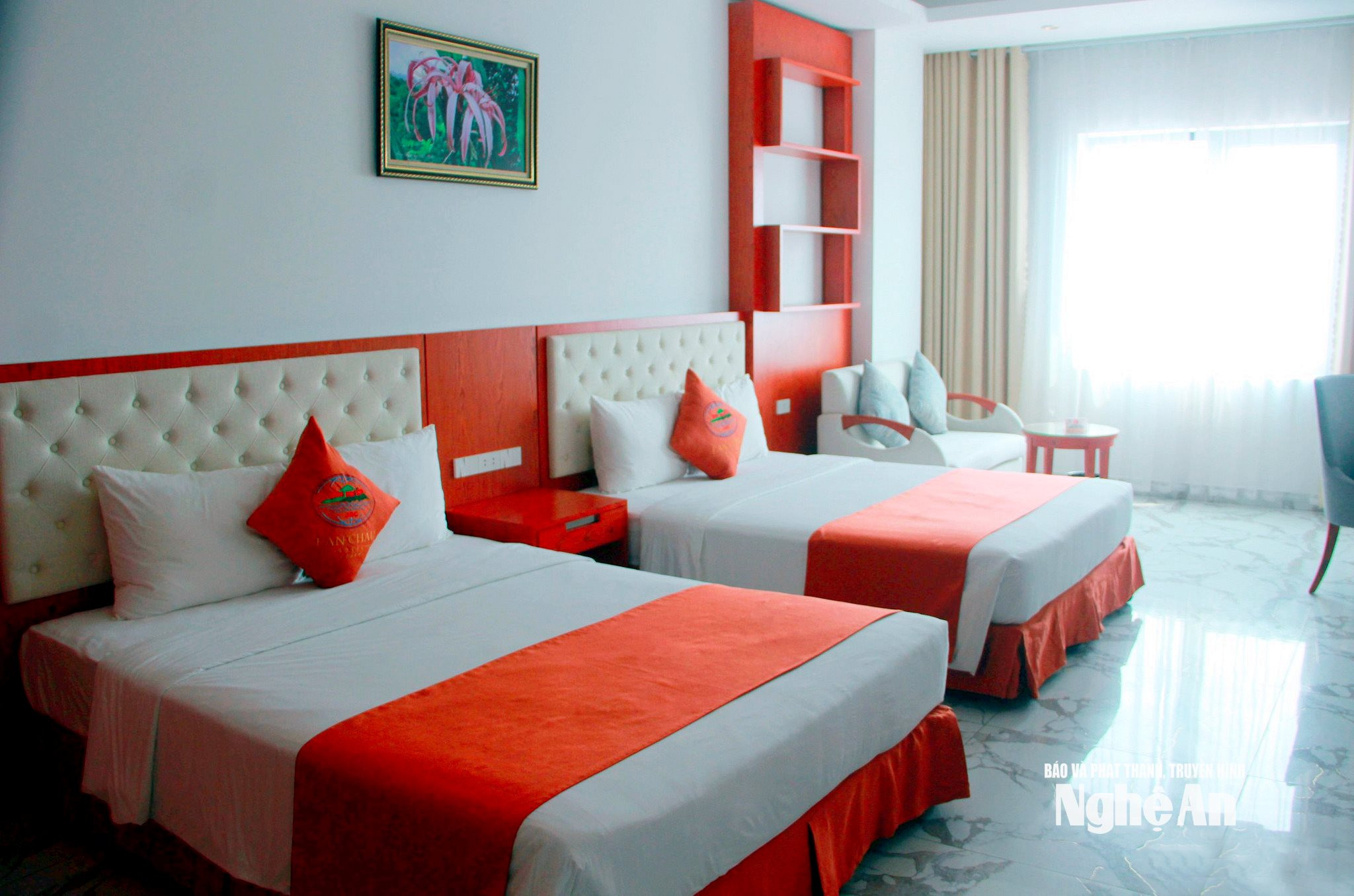
Along with that, state management of tourism has also been tightened. Regulations on the operation of four-wheeled electric vehicles and jet ski services, as well as management plans for squares, beaches, parks, team-building activities, accommodation, and coastal services, have been issued in a coordinated manner.
A Tourism Order Management Team with a daily permanent force has been established to coordinate the dissemination of information, guidance, and handling of violations arising directly on the beach. As a result, tourists' trust in Cua Lo has been increasingly strengthened.
The tourism growth figures for the first six months of 2026 partly reflect the effectiveness of these developments in Cua Lo. Tourism revenue is estimated at over 4,020 billion VND, equivalent to 75% of the annual plan and an 11% increase compared to the same period last year. The total number of visitors reached approximately 4.2 million (an 8.3% increase compared to 2025), including over 1.05 million overnight stays, further affirming the attractiveness of this coastal city to domestic and international tourists.


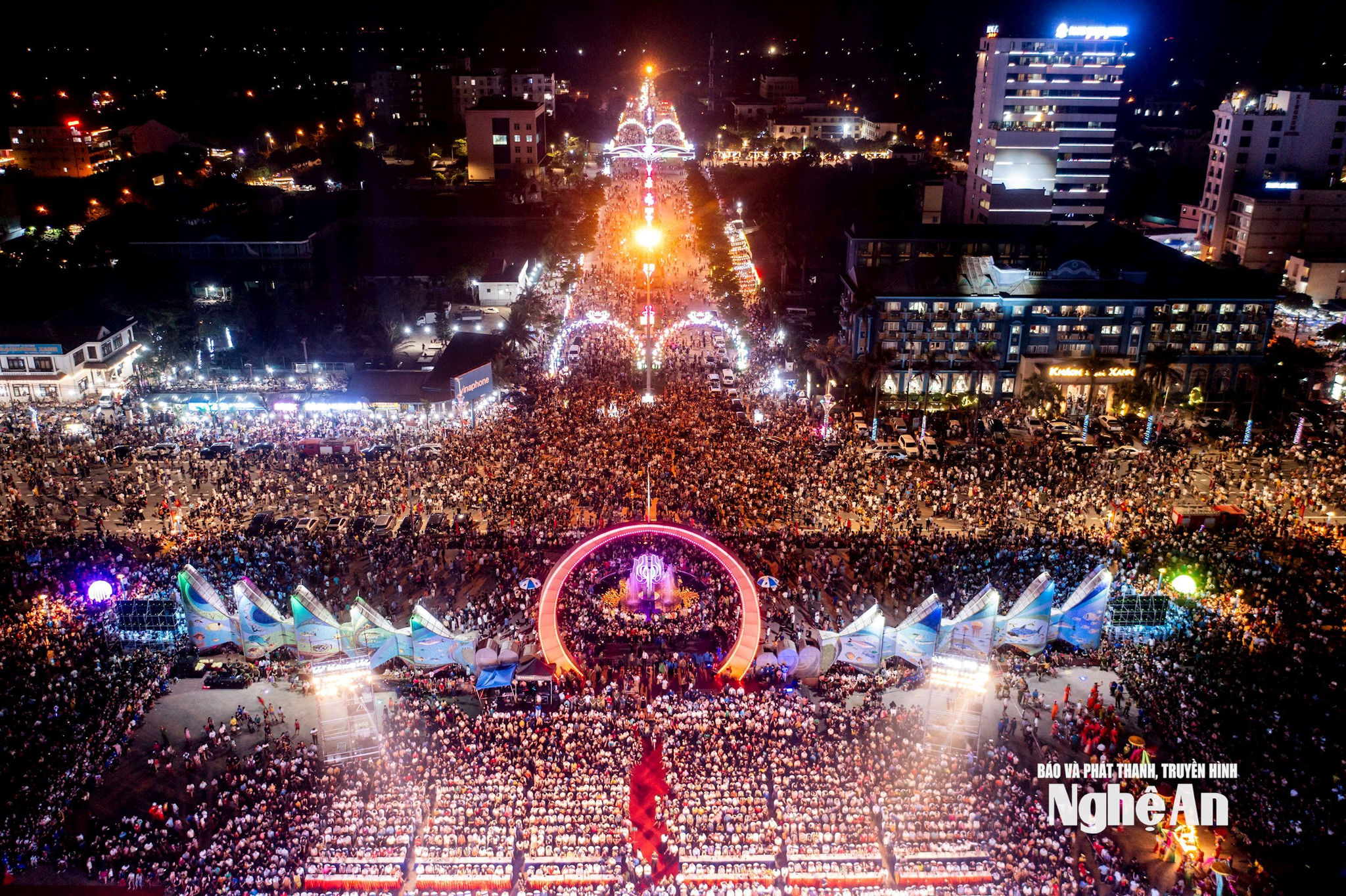
According to Ngo Duc Kien, Secretary of the Party Committee of Cua Lo Ward, in the new term, developing a civilized and modern coastal tourism city is identified as one of the three breakthroughs for the locality.
To realize that goal, the Party Committee and the government continue to innovate in mass mobilization work, linking it with the building of a two-tiered local government, administrative reform, and digital transformation; while promoting the people's right to self-governance in all policies, plans, and development programs. Because more than anyone else, it is the people themselves who are the key to preserving and spreading the Cua Lo tourism brand.
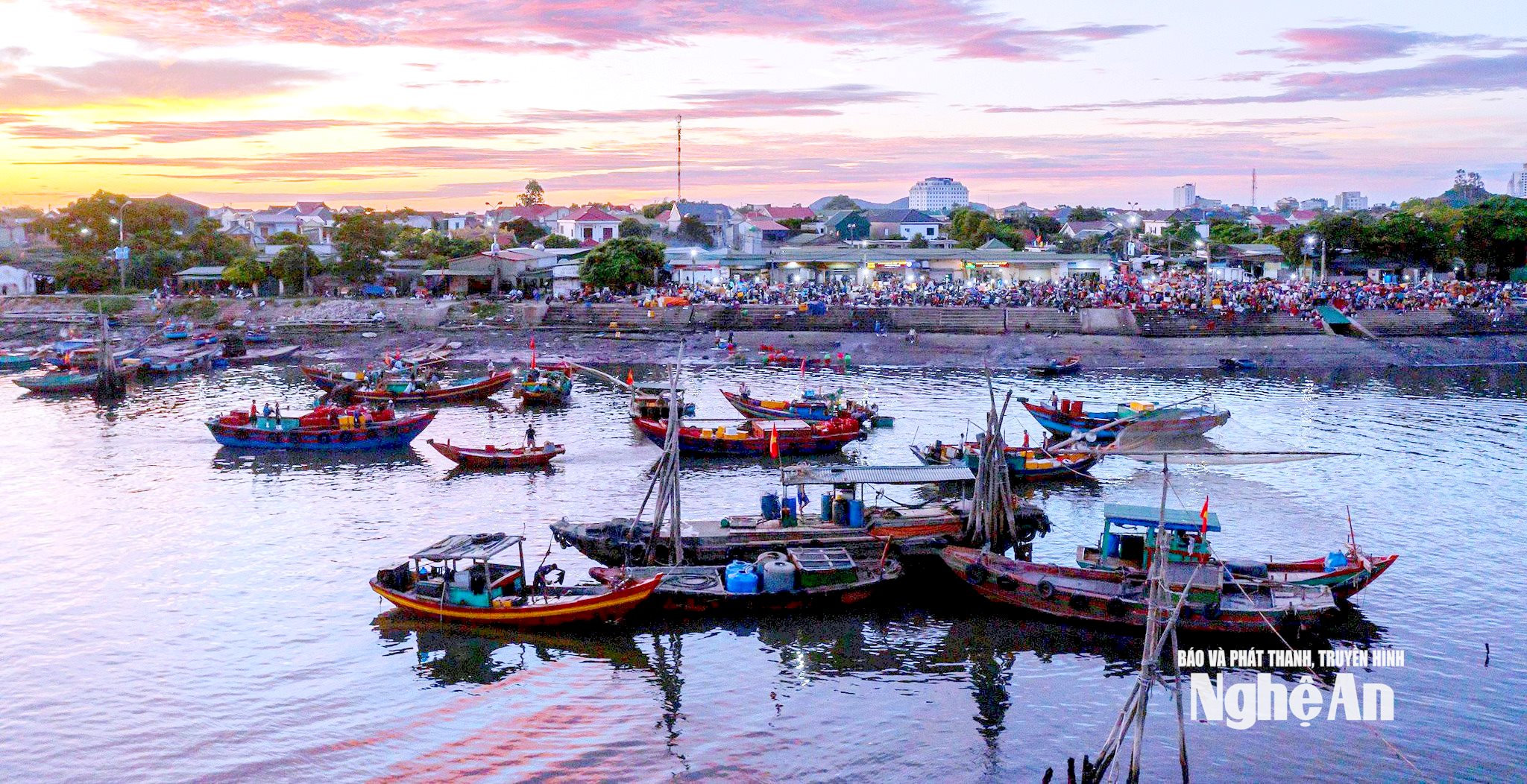
Despite the many challenges, when every citizen becomes a "tourism ambassador," and every residential area becomes a civilized destination, the aspiration for a greener, cleaner, friendlier, and year-round attractive Cua Lo will no longer be just a goal in the future.


