
To enable cassava to fulfill its role as a key crop.
In early July 2026, the People's Committee of Nghe An province approved the Project for the Development of Key Crops and Livestock, Linked with Processing, Preservation, and Value Chain Development until 2030, with a vision to 2045. Notably, among the nine key crops, cassava is a newly introduced crop, but it has been present in hilly areas for many years. Therefore, the inclusion of cassava as a key crop is expected to ensure a stable raw material supply, aiming to reduce poverty for people in mountainous regions.
Potential crops
According to the Nghe An Department of Crop Production and Plant Protection, as of now, the entire province has approximately 10,000 hectares of cassava grown for raw materials, mainly in the mountainous western communes of the province; the majority are new, high-yield varieties.
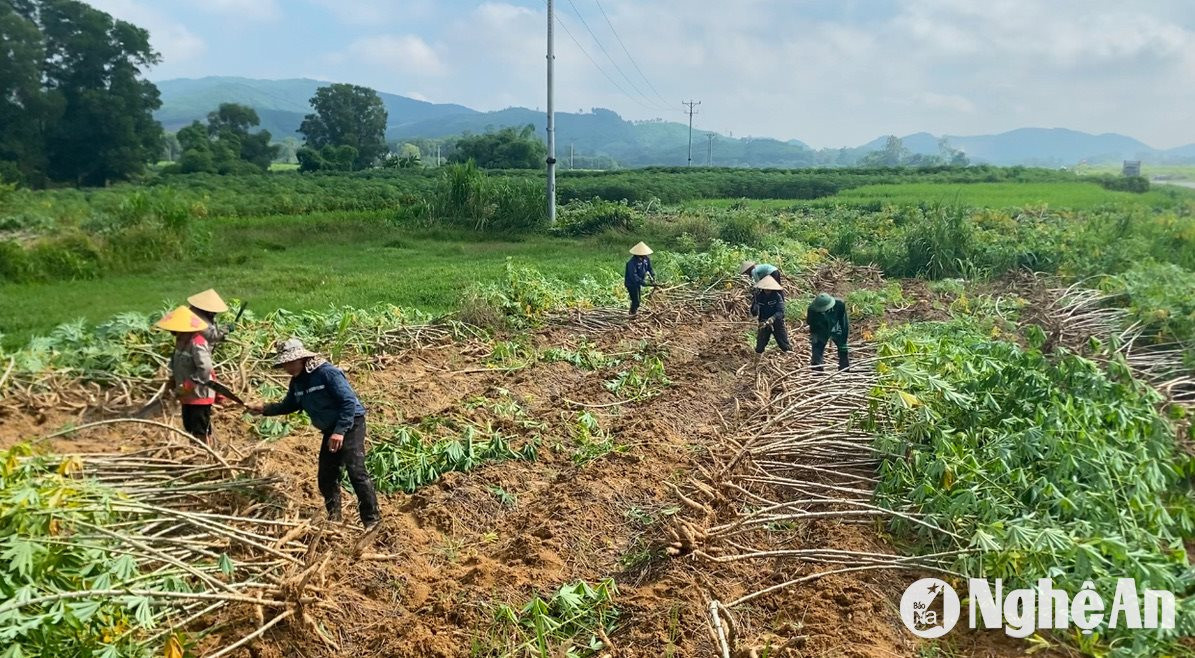
Thanh Binh Tho commune is one of the key cassava-growing areas in the former Anh Son district. At this time, due to favorable weather conditions, many areas have been covered with green hillsides.
Mr. Nguyen Van Thai, Vice Chairman of the Commune People's Committee, said: The commune has 425 hectares of cassava, accounting for about one-quarter of the total cassava area in the Anh Son region in the past. The reason cassava has "stood firm" in the area is the presence of a processing plant and the economic value of this crop is not significantly inferior to tea and sugarcane.
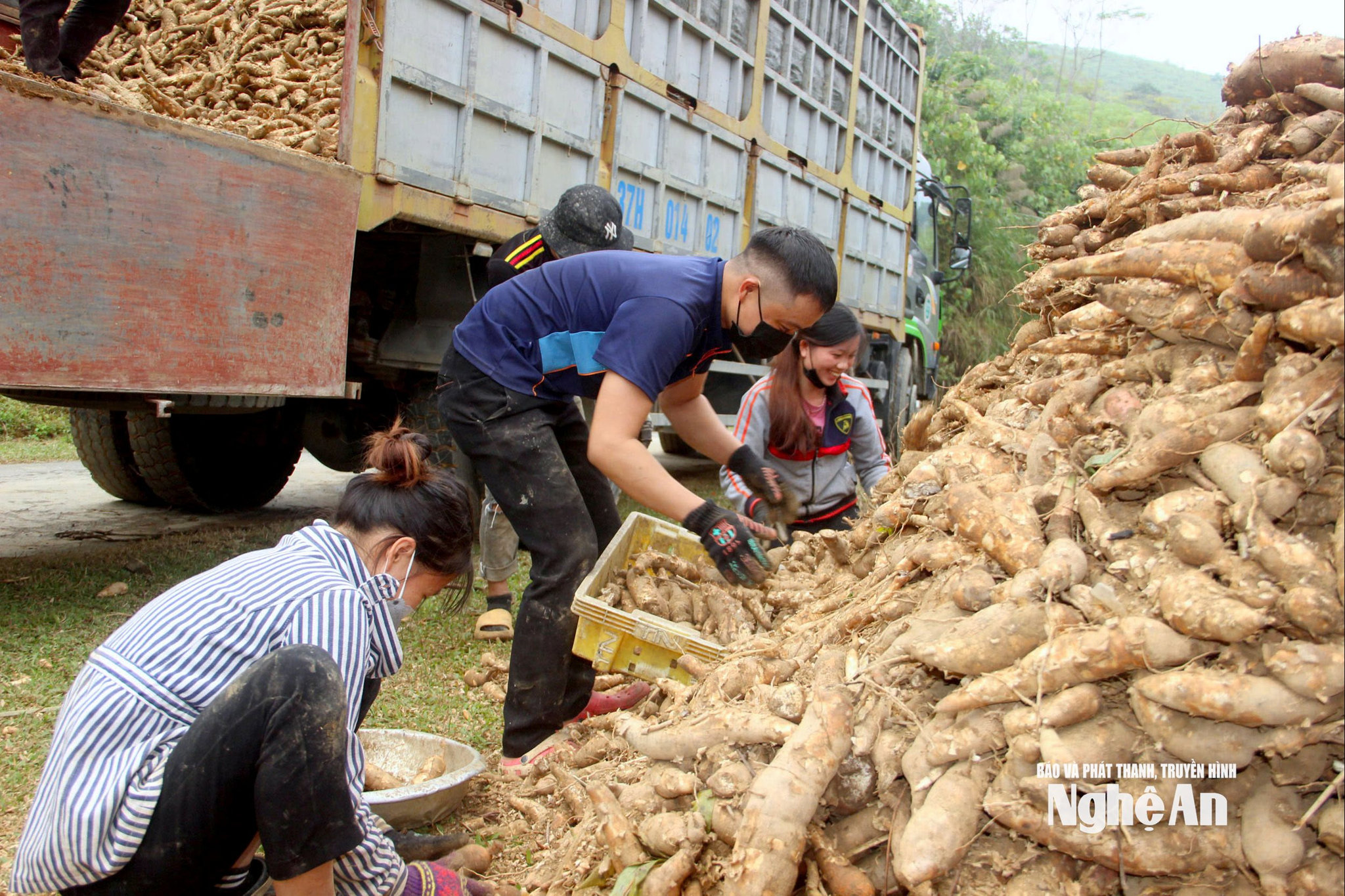
Although cassava is grown on dry, hilly land, the minimum yield is 27-30 tons/ha; with good care, the yield can reach 41-42 tons, or even 50 tons/ha. With a purchase price of 2,000 to 2,100 VND/kg of fresh tubers, people can earn 60-80 million VND/ha/year.
According to farmers in Anh Son Dong commune, the advantages of cassava cultivation also include the ease of finding seed sources and the support from factories. At harvest time, the factories purchase the produce and pay immediately, so farmers don't have to worry about storage or processing.
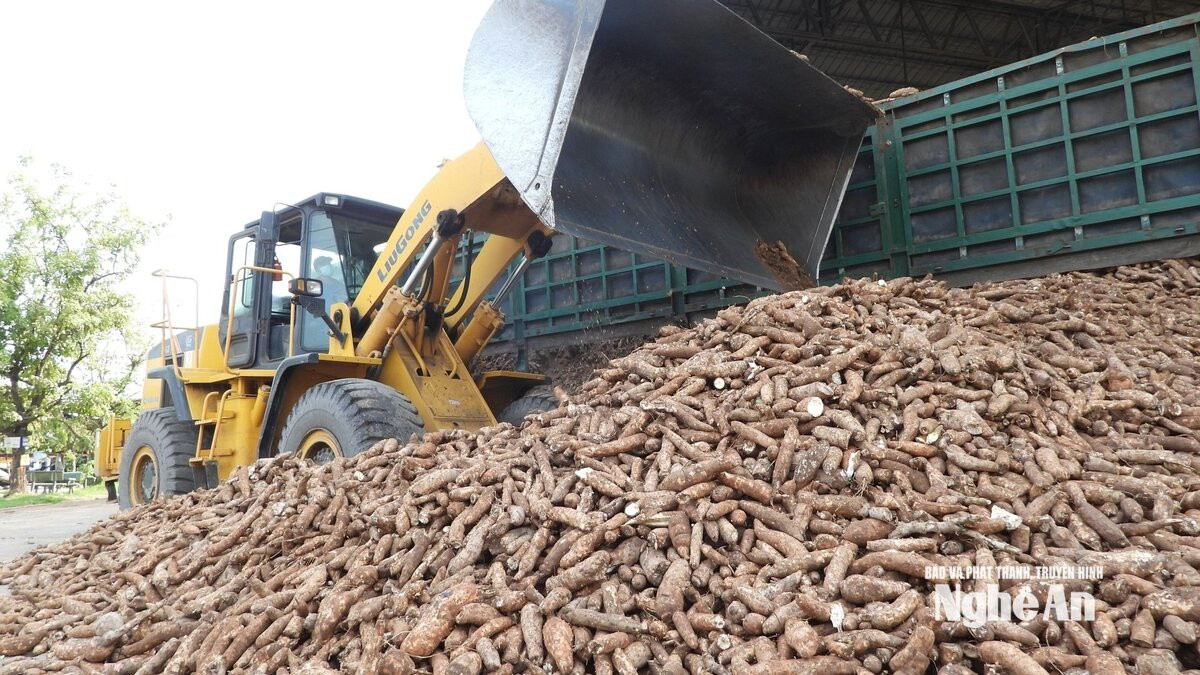
In addition, the support of provincial authorities, especially in monitoring and handling disease outbreaks, has helped processing plants secure a stable supply of raw materials.
Specifically, the cassava starch processing plant of Hoa Son Asia Group in Vinh Tuong commune consistently maintains 3,550 hectares of cassava raw materials in the communes of Anh Son, Do Luong, Con Cuong, Tuong Duong, and Ky Son districts; the Intimex cassava starch processing plant in Dai Dong commune has a stable area of over 3,000 hectares in the Tan Ky and Thanh Chuong districts…
The three communes of Hanh Lam, Dai Dong, and Son Lam (formerly part of Thanh Chuong district) are all raw material sources for the Intimex Cassava Starch Processing Plant. Each commune has 300-500 hectares of cassava raw materials, contributing to ensuring the plant's supply.
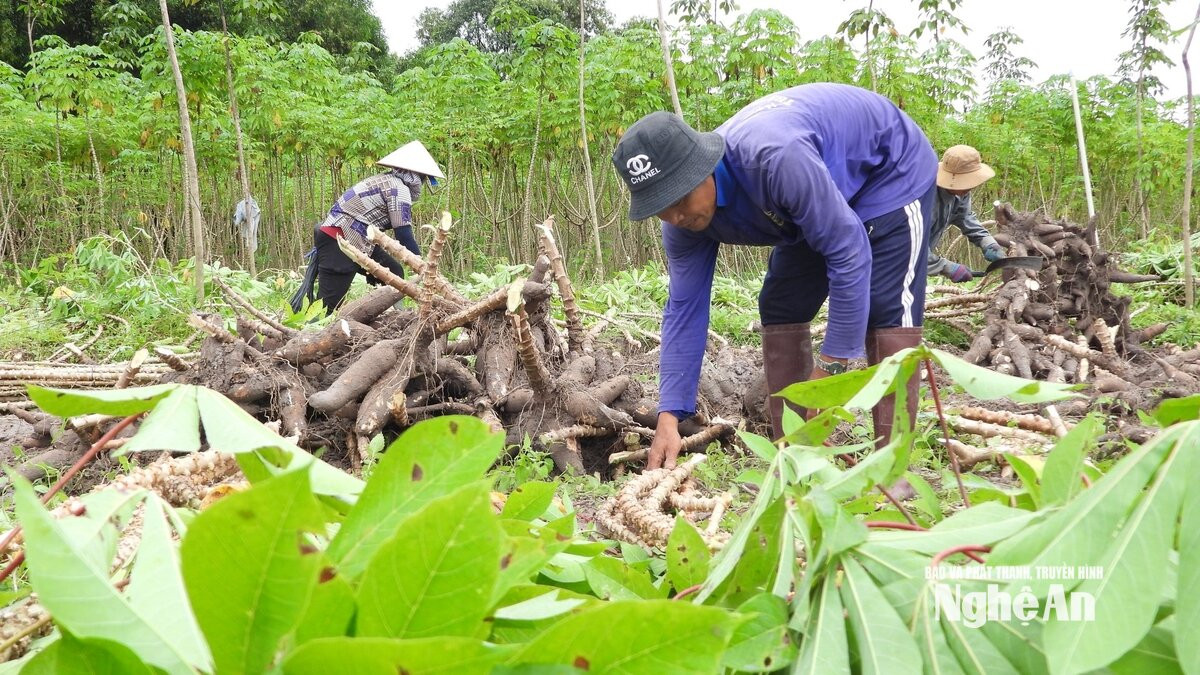
According to Mr. Nguyen Canh Hong, Head of the Economic Department of Hanh Lam commune, the people in this area used to mainly grow acacia and tea, but in recent years they have added cassava, a drought-resistant and easy-to-grow crop.
Thanks to the success of cassava cultivation, neighboring communes such as Bich Hao, Kim Bang, Hoa Quan, Tam Dong, etc., have also expanded their planting area to 200-300 hectares each. Annually, the fresh cassava production in the communes of Thanh Chuong reaches over 100,000 tons of tubers, supplying the factory.
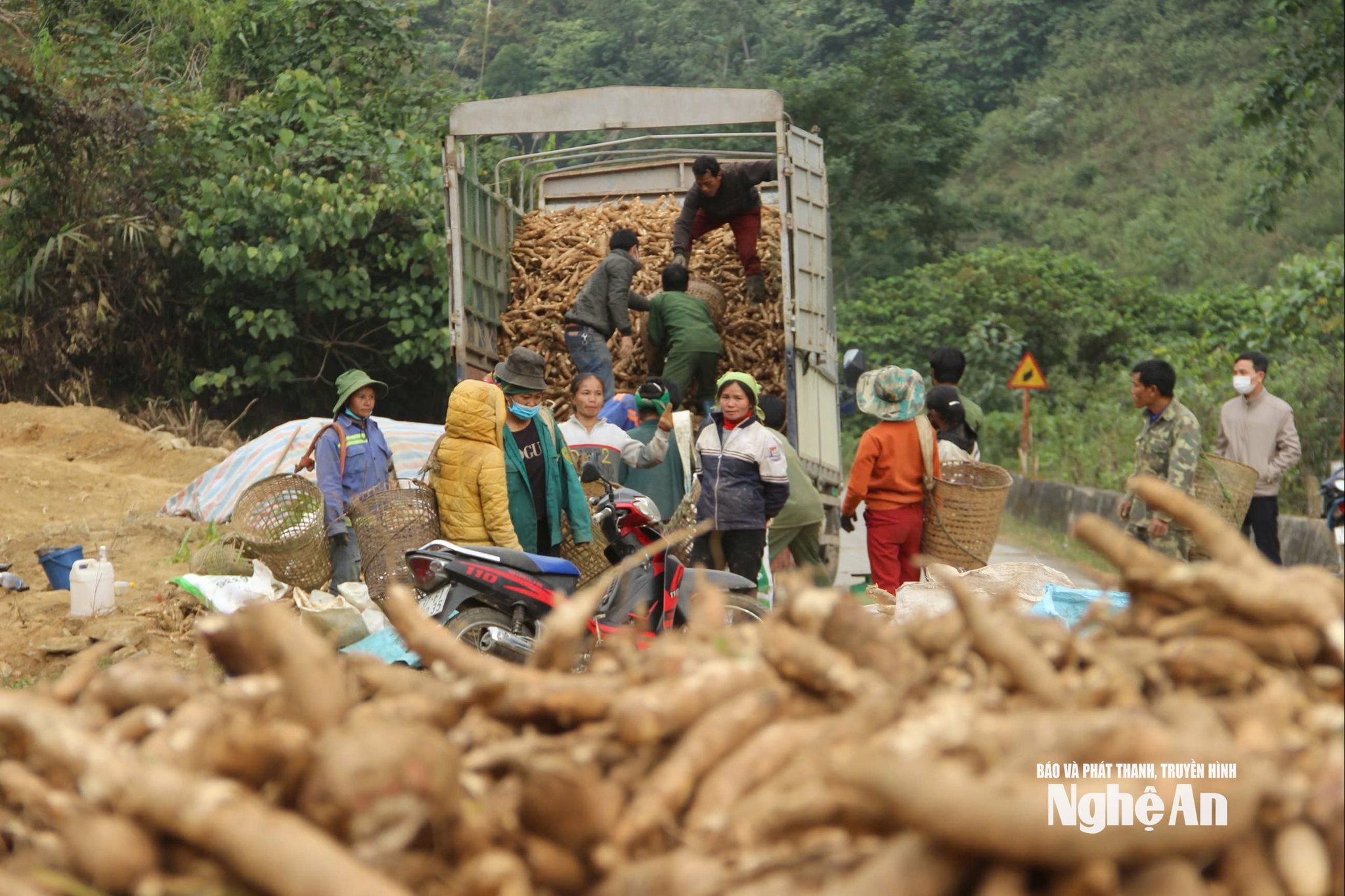
Thanks to the guaranteed market for cassava, not only farmers in the low-lying mountainous communes of Anh Son, Thanh Chuong, Do Luong, Tan Ky... but also farmers in the high-altitude communes of Ky Son, Tuong Duong, Con Cuong... have switched to intercropping thousands of hectares.
A representative from the Tam Quang Commune People's Committee stated: Cassava, with its advantages in terms of market demand and low harvesting costs, has been enthusiastically planted by the people even without government support mechanisms. In the future, with the support policies for seeds and land preparation as stipulated in Resolution 34/2025/NQ-HĐND, which regulates policies supporting agricultural and rural development for the period 2026-2030, a more systematic approach is needed to ensure people can access and benefit from these policies.
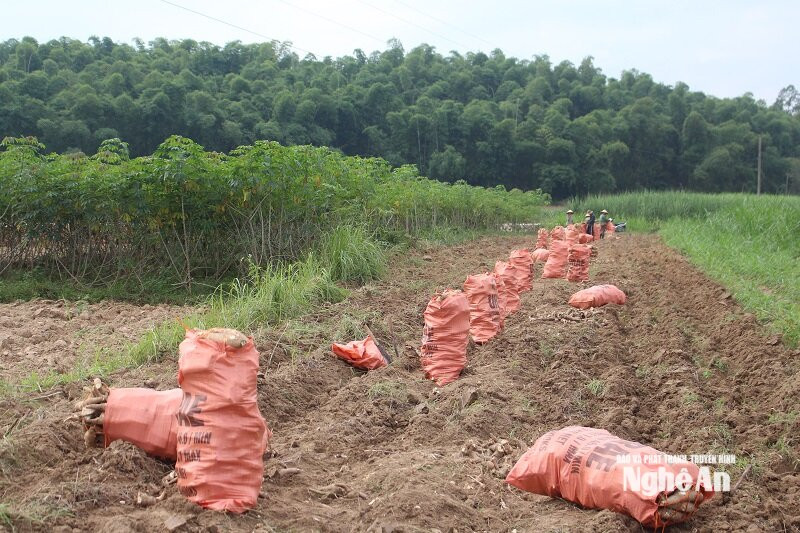
Solutions to stabilize cassava raw material areas.
Besides the advantages mentioned above, the process of developing and maintaining cassava raw material areas still has limitations and shortcomings that need to be addressed soon.
In Thanh Binh Tho commune, with its proximity to a processing plant, cassava was once expected to be a poverty-alleviating crop, replacing tea. However, after the floods in 2025, cassava growers faced difficulties. The floods submerged nearly 100 hectares of newly planted cassava on the commune's alluvial land, causing damage to the stems and rotting of the tubers. Therefore, the planted area for the 2026 cassava crop was reduced compared to the plan.
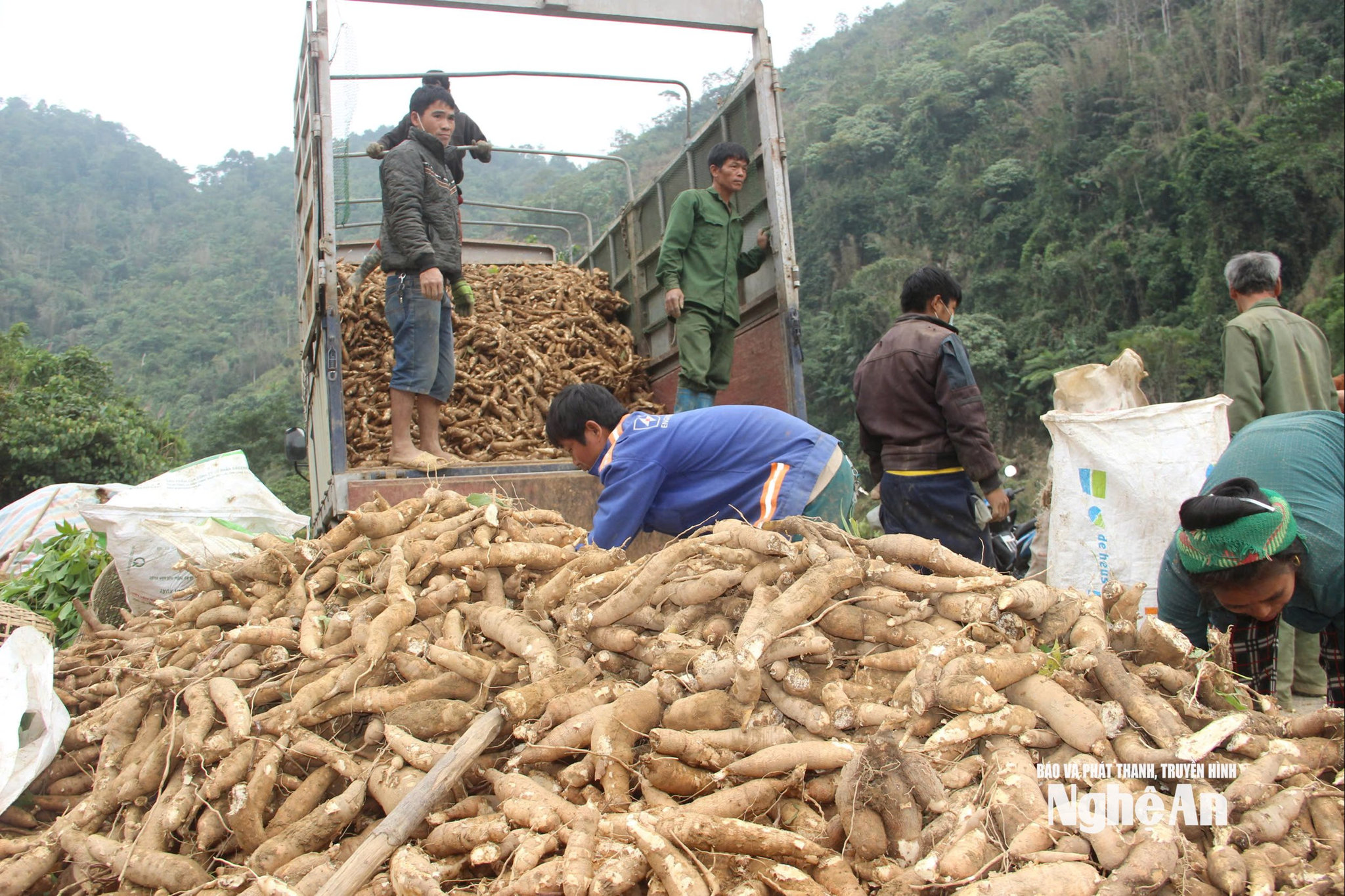
Mr. Nguyen Van Thai, Vice Chairman of the People's Committee of Thanh Binh Tho commune, shared: In addition to being affected by floods, recently, cassava has also been affected by cassava mosaic disease, leading to plant rot and no tubers. To maintain the cassava cultivation area, in 2025, agricultural officials from the processing plant and the Provincial Agricultural Extension Center came to support treatment and testing of new varieties.
Representatives from the Provincial Department of Crop Production and Plant Protection also advised against planting cassava in floodplains or hilly areas prone to flooding. Furthermore, to ensure the stability of the raw material area, clear planning for different crops is necessary to prevent farmers from arbitrarily switching crops without adhering to the plan.
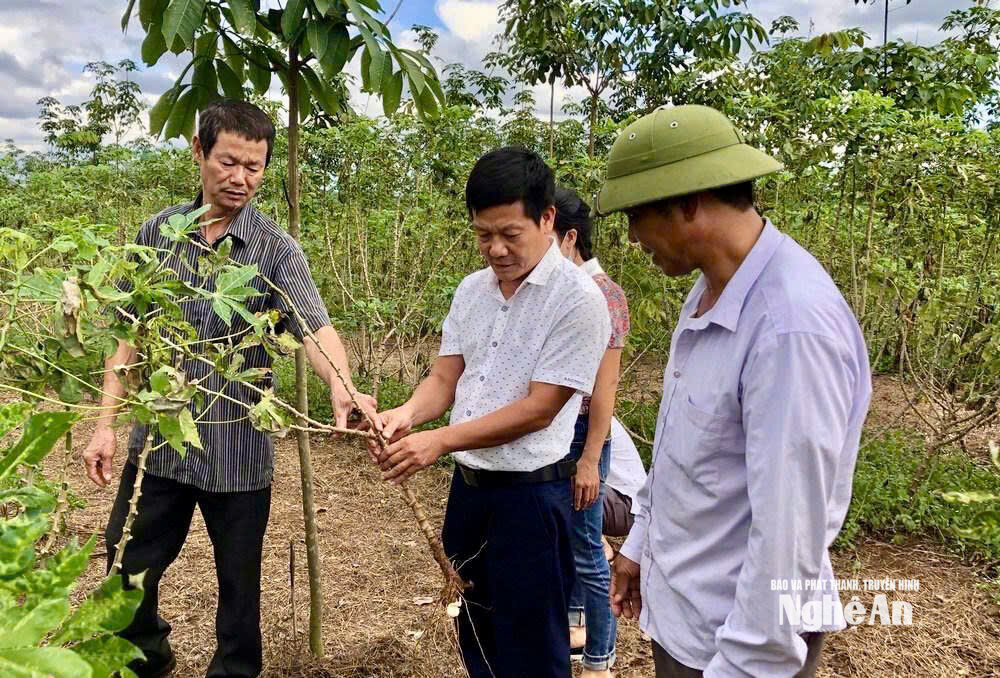
In Hanh Lam commune, by the end of 2025, 50 hectares of cassava planted on floodplains were completely destroyed by flooding, causing concern among the local people. Mr. Tran Thanh Nga, Chairman of Dai Dong commune, shared: "At the end of 2025, some low-lying hilly areas in the Rao Gang region also experienced flooding, causing the plants to rot. As a result, the area planted with cassava decreased in 2026. The entire commune currently has 301 hectares, compared to nearly 400 hectares previously, and there is no plan to increase the cassava area according to the province's plan for developing key crops and livestock."
Since the end of 2025, due to unfavorable weather conditions, the area of cassava cultivation in the province has decreased sharply, from approximately 13,000 hectares at the beginning of 2025 to only nearly 10,000 hectares today. In the Project, the province aims to stabilize 12,000 hectares of cassava cultivation; of which over 90% will use high-quality varieties, 15-20% will be cultivated according to VietGAP standards, and will not compete with other crops.
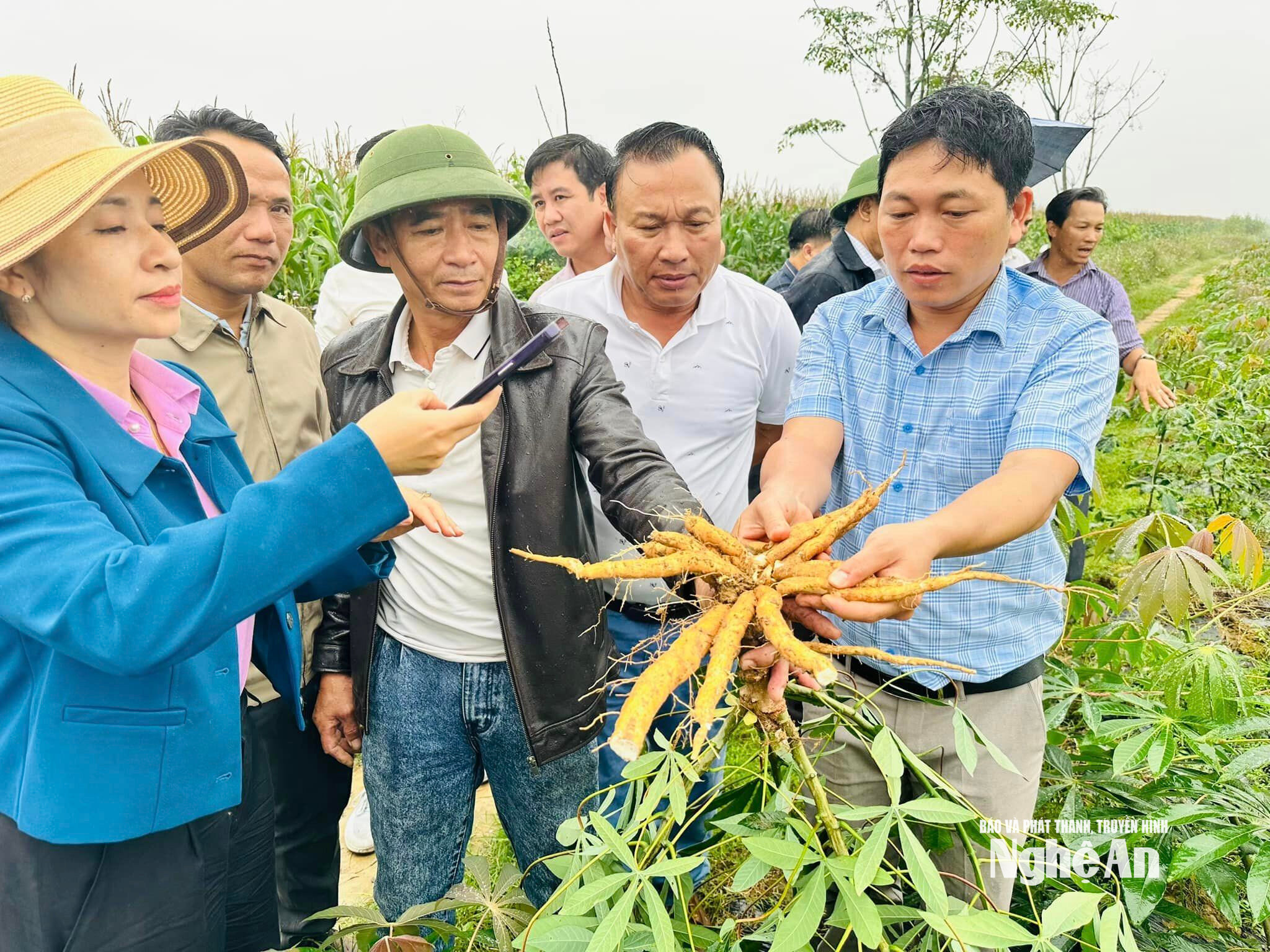
Mr. Nguyen Van Hoi, Head of the Technical and Science and Technology Management Department of the Nghe An Department of Agriculture and Environment, said: Cassava is currently the province's main export product, bringing in $130 million annually; factories developing raw material areas have created direct and indirect jobs for about 9,000 rural and mountainous workers. Therefore, along with increasing capacity, factories need to strengthen investment in technological innovation for deep processing.
Besides being processed into starch for export, cassava is also processed into liquid glucose, industrial alcohol, or ethanol as a raw material for blending biofuels for the domestic market.
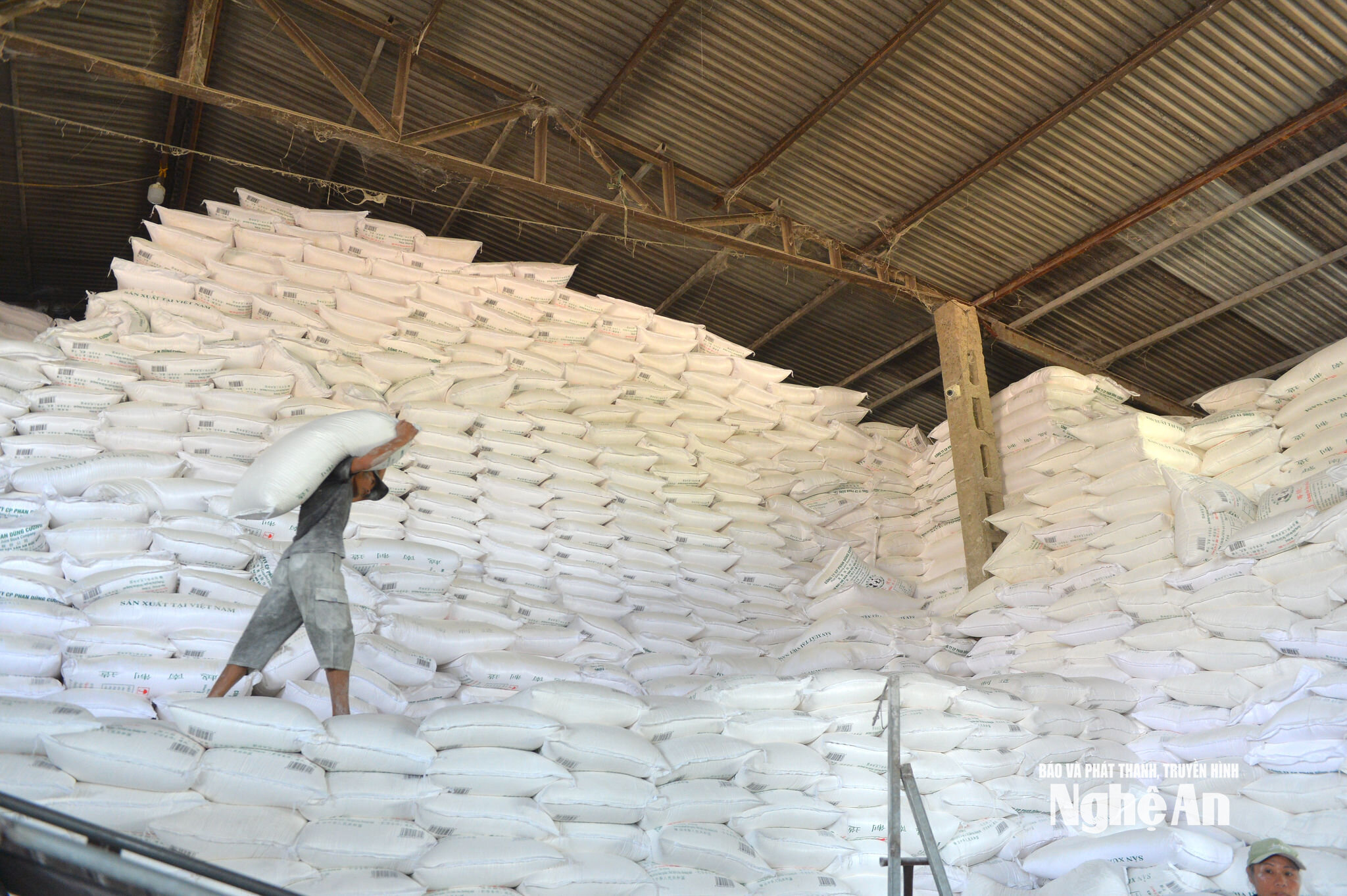
Nghe An province aims to achieve a fresh cassava production of 312,000 tons per year by 2030. By 2030, the province strives to establish 15-20 cassava production-consumption linkage chains, with 30-35 cooperatives and production groups participating in organizing production and coordinating raw material areas. This will be linked to three large-scale cassava starch processing plants in Dai Dong, Vinh Tuong, and Nghia Loc communes, with a total purchasing and processing capacity of 1,200 to 1,300 tons of fresh cassava tubers per day.


