
To keep Nghe An's heritage alive and become a national cultural tourism brand.
In a conversation with reporters from Nghe An Newspaper and Radio & Television, Dr. Nguyen Thi Quy Phuong – General Director of QP Vietnam International Consulting Company, former Deputy Director of the Institute of Journalism and Communication Research (Academy of Journalism and Communication) – offered suggestions for shifting the mindset from "heritage management" to "cultural business" in Nghe An.

Diep Thanh (Editor) - Publication date: January 17, 2026
Nghe An possesses "premium resources" to become a national cultural industry center, but the province's tourism landscape still suffers from regrettable "shortcomings." In a conversation with reporters from Nghe An Newspaper and Radio & Television, Dr. Nguyen Thi Quy Phuong – General Director of QP Vietnam International Consulting Company, former Deputy Director of the Institute of Journalism and Communication Research (Academy of Journalism and Communication) – offered suggestions to shift the mindset from "heritage management" to "cultural business" in Nghe An.
___________
PV: In a century where "cultural industries will be the ultimate determinant of a nation's success or failure" (Peter Drucker), what do you think?TDoctor, what are the cultural strengths of tourism in Nghe An?

Dr. Nguyen Thi Quy Phuong:If we consider the cultural industry as the "ultimate factor determining the success or failure of nations," then Nghe An possesses a "top-tier resource" that any destination would envy.
We possess a rich and unique cultural heritage. We have the Kim Lien National Special Historical Site – the birthplace of President Ho Chi Minh. This is not just a tourist destination, but a spiritual symbol with a natural and powerful attraction for all Vietnamese hearts and international friends. Alongside this are the Ví and Giặm folk songs – a UNESCO-recognized intangible cultural heritage; and a dense network of spiritual sites and historical relics such as Chung Son Temple, Truong Bon, and Corn Temple… These are the fundamental ingredients for creating culturally profound tourism products that reflect the soul and intellect of the local people.
We have a strong local brand. Nghe An has long been recognized as a land of outstanding people and rich history, the birthplace of exceptional individuals. This value is based on its long history, tradition of learning, and the indomitable patriotism of generations of Nghe An people. In cultural tourism, the "story" of the people is the most enduring attraction.
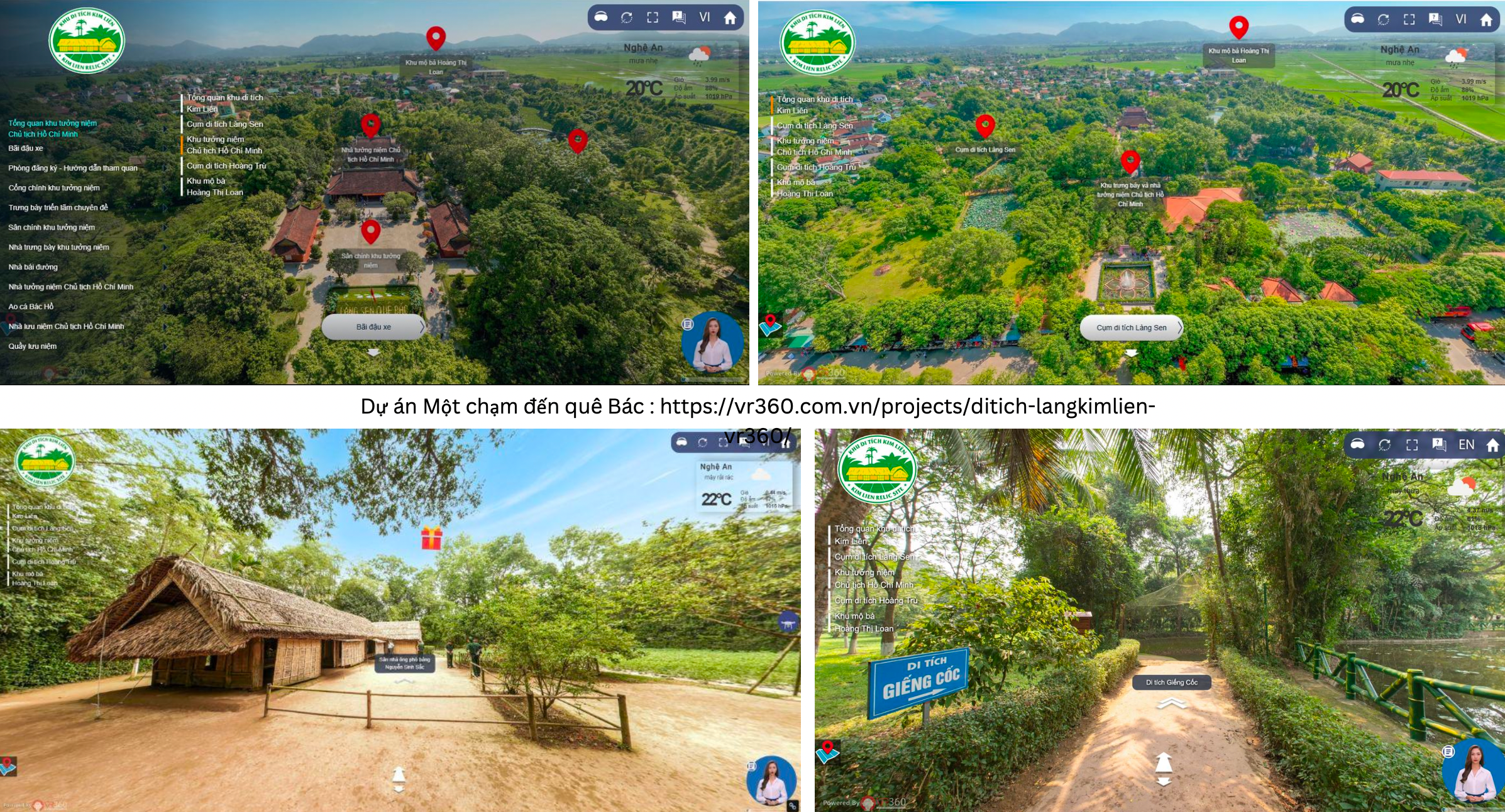
And we have a large and stable tourist market with a very specific type of "returning to our roots" and spiritual tourism, which is less affected by economic fluctuations. In addition, the digital platform is gradually taking shape. Initial steps such as the "One Touch to Uncle Ho's Homeland" project using VR360 technology have shown a keen ability to use technology to break down geographical barriers and bring heritage closer to the public…
PV:And we have onetlarge and stable tourist marketwithThe "returning to one's roots" and spiritual tourism sectors are very unique and less affected by economic fluctuations.next to, nThe digital platform is gradually taking shape. Initial steps, such as the "One Touch to Uncle Ho's Homeland" project using VR360 technology, have demonstrated a keen ability to use technology to remove geographical barriers and bring heritage closer to the public… Are all these strengths enough to create a solid foundation for Nghe An to make a leap forward: from purely heritage management to professional cultural business?
Dr. Nguyen Thi Quy Phuong:It's true that Nghe An has already laid some beautiful initial pieces for a model cultural-industrial complex. However, several more crucial elements are still needed to connect these pieces into a complete and vibrant picture.
Firstly, there is a lack of large-scale businesses capable of investing in cultural tourism products of national and international caliber.
Currently, tourism operations are primarily driven by a bureaucratic mindset. We lack "leading corporations"—large conglomerates specializing in content creation and professional operations. While the state plays a role in management and preservation, the mechanism for transforming heritage and cultural resources into high-value-added tourism products that meet market demands must be the work of businesses.
Secondly, the value chain is broken when the products needed in the customer experience journey are both lacking and of poor quality. For example, our souvenir products are too monotonous and lack aesthetic appeal, when they should be both a source of revenue and a means of promotion; the services provided are only at the essential level, with insufficient investment in customer experience and a lack of creative space.
Thirdly, the technology is "half-baked." Current technology applications are still at a basic level, such as QR code scanning or basic VR360. The world has moved towards immersive technology, where tourists truly "live" within the heritage story, while we are still only allowing tourists to "see" and "hear."
PV:What classic tourism lessons from other countries around the world can Nghe An learn? Could you analyze each case specifically to demonstrate its applicability to the local area?Are not?
Dr. Nguyen Thi Quy Phuong:The world has seen highly successful models in transforming seemingly dry or static heritage into massive economic and cultural powerhouses. I want to analyze three typical cases from China, France, and Spain to illustrate how technology, brand management, and human values can change the landscape.
The first example is the "Red Ribbon" project in Guizhou, China. This is a valuable lesson in attracting the younger generation (Gen Z) to revolutionary history – what we call "Red Tourism." Instead of just displaying artifacts, they transformed historical documents into a spectacular visual feast. They used a digital live theater with a 20-meter spherical LED screen and a flying cinema. As a result, millions of young people flocked to "check-in" and experience the vivid feeling of the Long March.
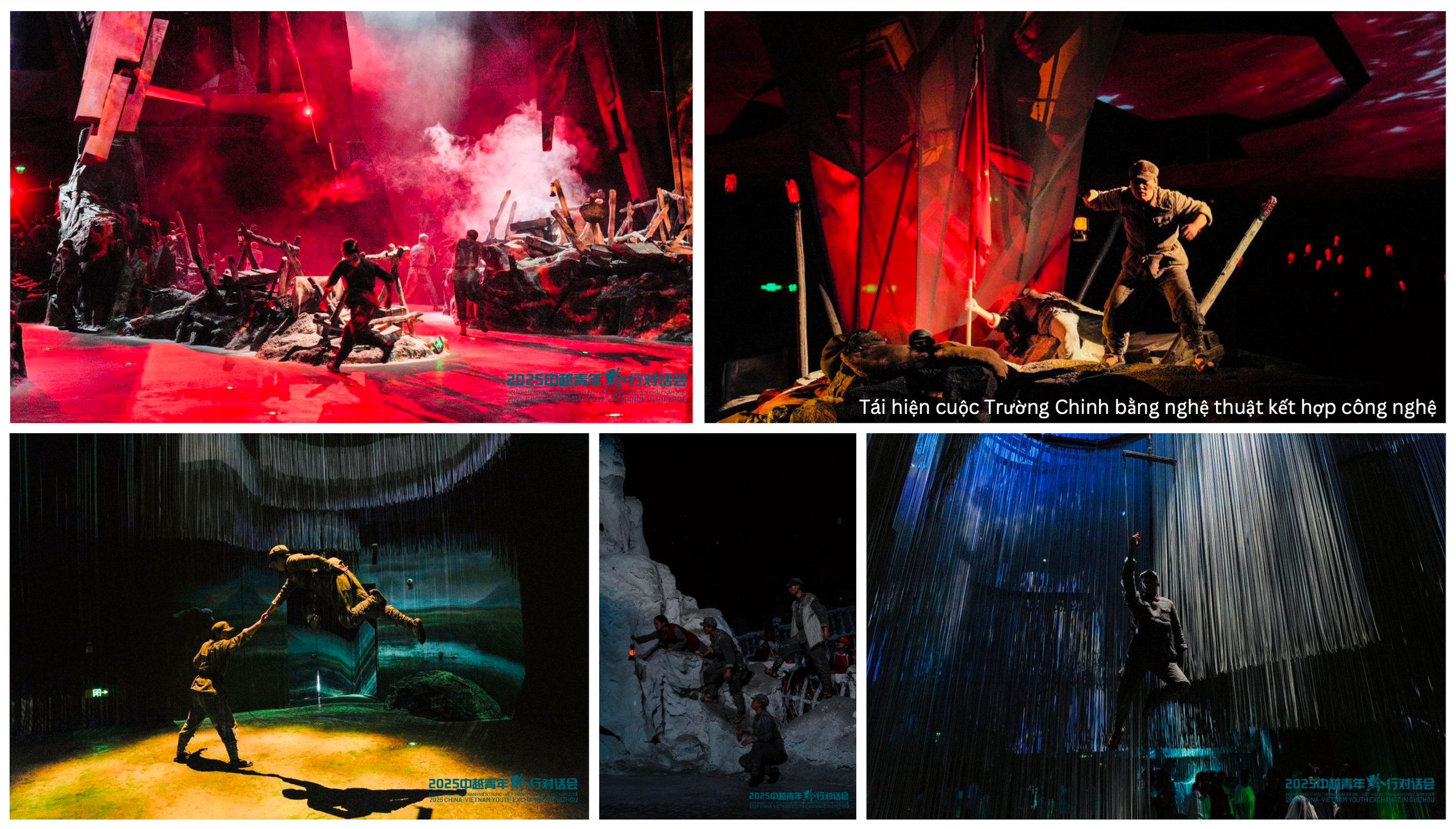
We could absolutely build a "Digital Real-Life Theater" right in Kim Lien where tourists could "sit on the Latouche-Tréville ship" and role-play alongside the young man Nguyen Tat Thanh as he crossed the ocean to find a way to save the country. When history is presented through the language of technology and immersive art, it will no longer be dry and boring but become incredibly attractive to young people.
The second case is the Monet House in Giverny, France. This is a lesson in brand management and the art of merchandising. They don't just sell tickets to tour the garden and house; they sell "Monet's lifestyle." From meticulously recreating the living space to operating a 300-square-meter souvenir shop.2 They sell custom-designed products such as silk scarves, pottery, or even seeds, all tailored to the artist's aesthetic. They welcomed 600,000 customers in just seven months and reaped huge profits from these ancillary products.
We must put an end to the era of cheap, monotonous souvenirs. Nghe An needs to standardize its "Sen Kim Lien" branded gifts with high-end product lines such as lotus tea, lotus silk, and uniquely designed ceramics. We must sell the "soul of Nghe An," not just a physical item.
The third example is Casa Batlló by architect Gaudí in Spain. This is the pinnacle of social innovation and the night-time economy. They employ autistic individuals as customer service staff – a humane act that touches the hearts of tourists. In particular, they organize "Magic Nights" tours combining sightseeing with concerts and wine tasting, using 10D technology with a "Gaudí Cube" room featuring six-sided LEDs to create a multi-sensory experience.
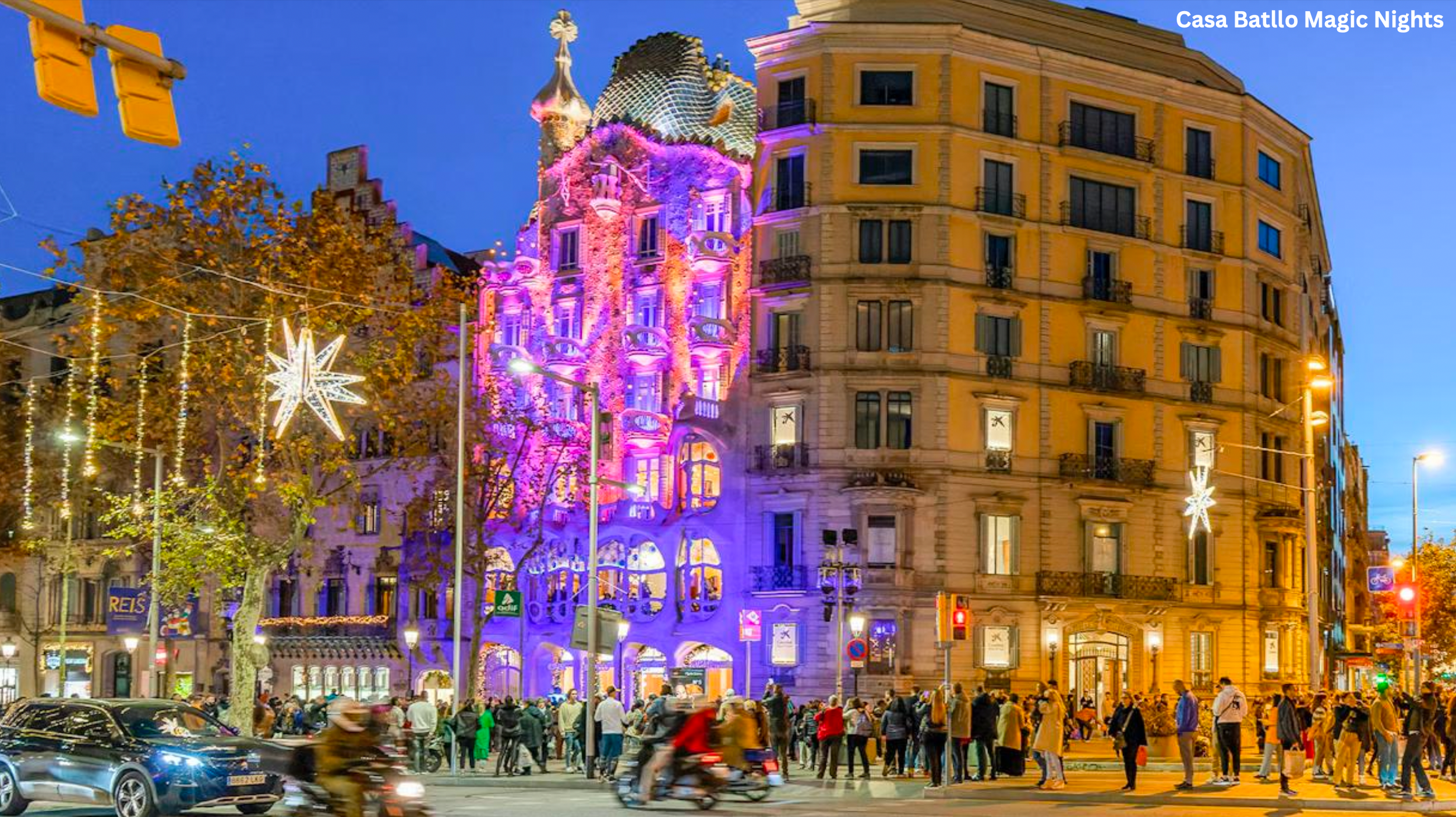
Why don't we develop a spiritual night tour at Chung Son Temple? Imagine a dazzling space combining incense offerings, meditation practice, and enjoying poetry recitations and folk songs in the magical night. This is a way to extend visitors' stays and increase their spending.
PV: Those lessons are truly invaluable insights. So, to realize the vision for tourism development in Nghe An province during the 2025-2035 period, do you have any overall strategic recommendations?
Dr. Nguyen Thi Quy Phuong:I propose adopting the "Three-legged Stool" model. This is a strategic structure aimed at a comprehensive transformation from a heritage management mindset to a cultural business mindset. This model focuses on three core pillars:
First, we need to restructure governance (PPP). This is the most important "pillar" in breaking down the bureaucratic mindset that is stifling creativity. We need to pilot public-private partnerships in the service areas of historical sites. The state will still retain core management control, but we should empower professional businesses to exploit services and introduce investment policies to attract leading companies. They have the resources, flexibility, and creative teams to invest systematically in infrastructure, marketing, and continuous product innovation.
Furthermore, we need to build a three-tiered product ecosystem. We can't just sell one thing to everyone. Products need to be segmented. Tier 1 is for the mass market, standardizing traditional site visits, ensuring solemnity and professionalism. Tier 2 is for experiences, creating emotional "anchors." We need large-scale live performances, perhaps titled "The Returnee from Sen Village," and digital experience centers utilizing VR/AR applications. This will thoroughly address the issue of visitors only "visiting" (Touch & Go). Tier 3 is the high-end tier, focusing on wellness tourism, in-depth spiritual night tours, and providing unique designer gifts for the high-end customer segment.
.jpg)
Finally, we need a change in marketing and creative strategy. We must change the way we tell stories. Instead of listing dry historical figures, let's build a marketing narrative around the message "Land of Great Souls" to create pride and curiosity. At the same time, I propose organizing a "Art Design Award" competition to mobilize the creative community's intelligence in designing gifts based on heritage. When we complete the Merchandising value chain, the value of heritage will increase many times over.
The ultimate goal of this "three-legged stool" is to transform heritage into assets, turning Nghe An into a regional-level center for cultural industries, education, and experiences.
PV: The "three-legged stool" model you proposed is a comprehensive and in-depth strategy. In your opinion, what kind of roadmap should be developed to bring these ideas from the draft to the field to ensure feasibility and sustainability?
Dr. Nguyen Thi Quy Phuong:No matter how good a strategy is, it will become meaningless without a scientific implementation roadmap. For Nghe An, I don't expect a rapid transformation overnight, but rather a "ripple effect" strategy with clear milestones over the next 10 years, divided into three key phases from 2025 to 2035.
The Foundation Building Phase, from 2025 to 2027, is a period of "preparing the nest to welcome the eagles" and embracing new opportunities. The first step is to re-plan the service space in Nam Dan, rearranging and reorganizing the infrastructure to be ready for professional cultural business activities. Simultaneously, the province needs to boldly pilot a public-private partnership mechanism in the service areas of the Kim Lien Historical Site. We need transparent contracts to attract leading investors. Also during this phase, Nghe An needs to officially launch its new tourism brand identity, linked to the message "Land of Outstanding Souls." This will be our new identity card, allowing us to step out into the world with confidence and distinction.
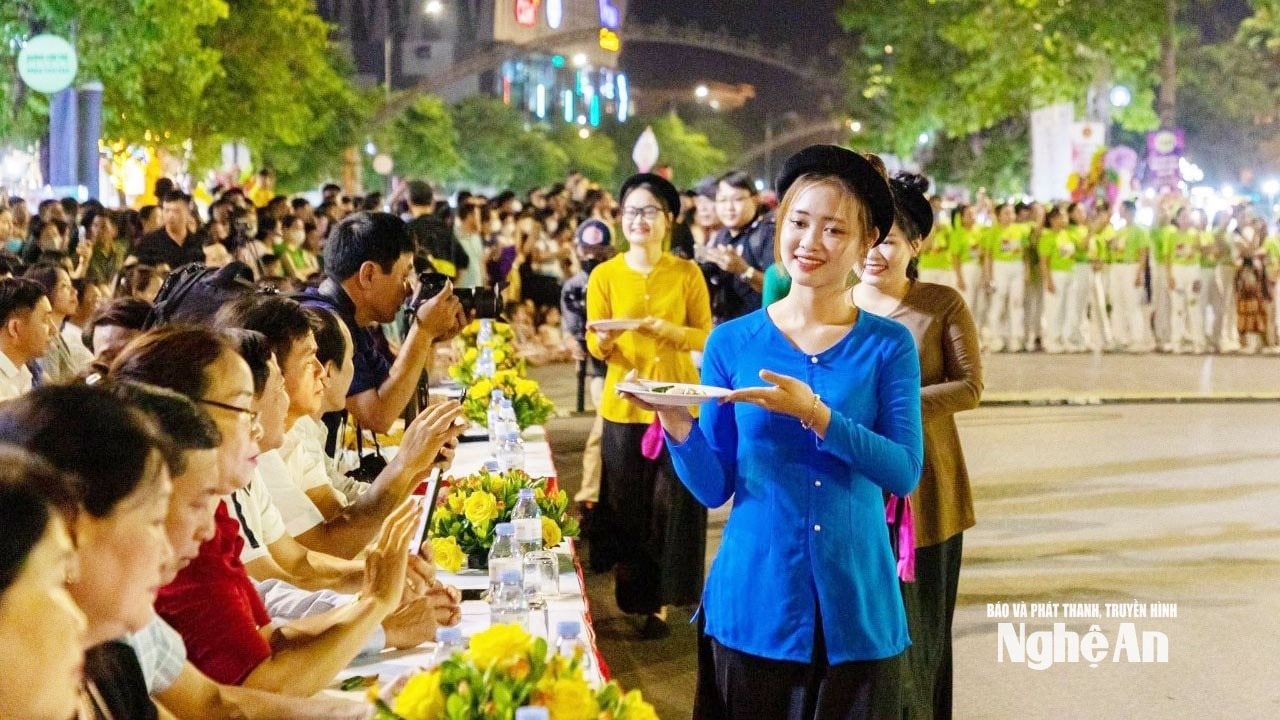
Phase 2 focuses on product acceleration, from 2027 to 2030. After establishing a management and branding foundation, this is the time to bring technology- and art-based experiential products into practical operation. The highlight of this phase is the inauguration of the "Lotus Village Digital Experience Center." Here, VR/AR and 3D Mapping technologies will help visitors immerse themselves in cultural and historical spaces in the most breathtaking way. Simultaneously, the province needs to introduce large-scale live performance shows on a regular basis. The economic goal for this phase is very specific: to strive for cultural industries to contribute approximately 7% to the province's GRDP. At that point, tourism will no longer be a "supporting" economic sector but will become a true pillar of growth.
Phase 3 is about takeoff and expansion, from 2030 to 2035. This is the time when we will take Nghe An's culture beyond national borders. We will focus on connecting international tourism tours, especially transnational itineraries along the Laos-Thailand-Vietnam axis, with Nghe An as a key cultural destination. Not only will we welcome tourists, but we must also aim to "export" the unique local cultural products to the international market through high-end merchandise value chains. The target scale by 2035 is for Nghe An to welcome 18 to 20 million tourists annually.
.jpg)
More important than the number of visitors is the qualitative change: Nghe An will become a regional center for culture, education, and experiences. Heritage only truly "lives" and has value when it is infused with the spirit of the times. Let's bravely change our mindset, from simply "managing what we have" to "creating what tourists need." Nghe An is facing a historic opportunity to transform its pride in tradition, in President Ho Chi Minh, and in the Ví Giặm folk singing tradition into a sustainable economic force.
Interviewer: Thank you for the conversation!


