
To make green tourism a truly viable direction.
Green tourism is becoming an inevitable trend as tourists increasingly care about the environment, local culture, and responsible experiences. With its advantages in forests, seas, cultural heritage, agricultural areas, and ethnic minority communities, Nghe An has ample room to develop this type of tourism. However, to ensure green tourism doesn't remain just a potential or slogan, the locality needs to clearly identify its key products, operational criteria, and leverage the role of the community at each destination.
.png)
Minh Quan(Perform) /Present:Hong ToaiJune 13, 2026
*****
Green tourism is becoming an inevitable trend as tourists increasingly care about the environment, local culture, and responsible experiences. With its advantages in forests, seas, cultural heritage, agricultural areas, and ethnic minority communities, Nghe An has ample room to develop this type of tourism. However, to ensure green tourism doesn't remain just a potential or slogan, the locality needs to clearly identify its key products, operational criteria, and leverage the role of the community at each destination.
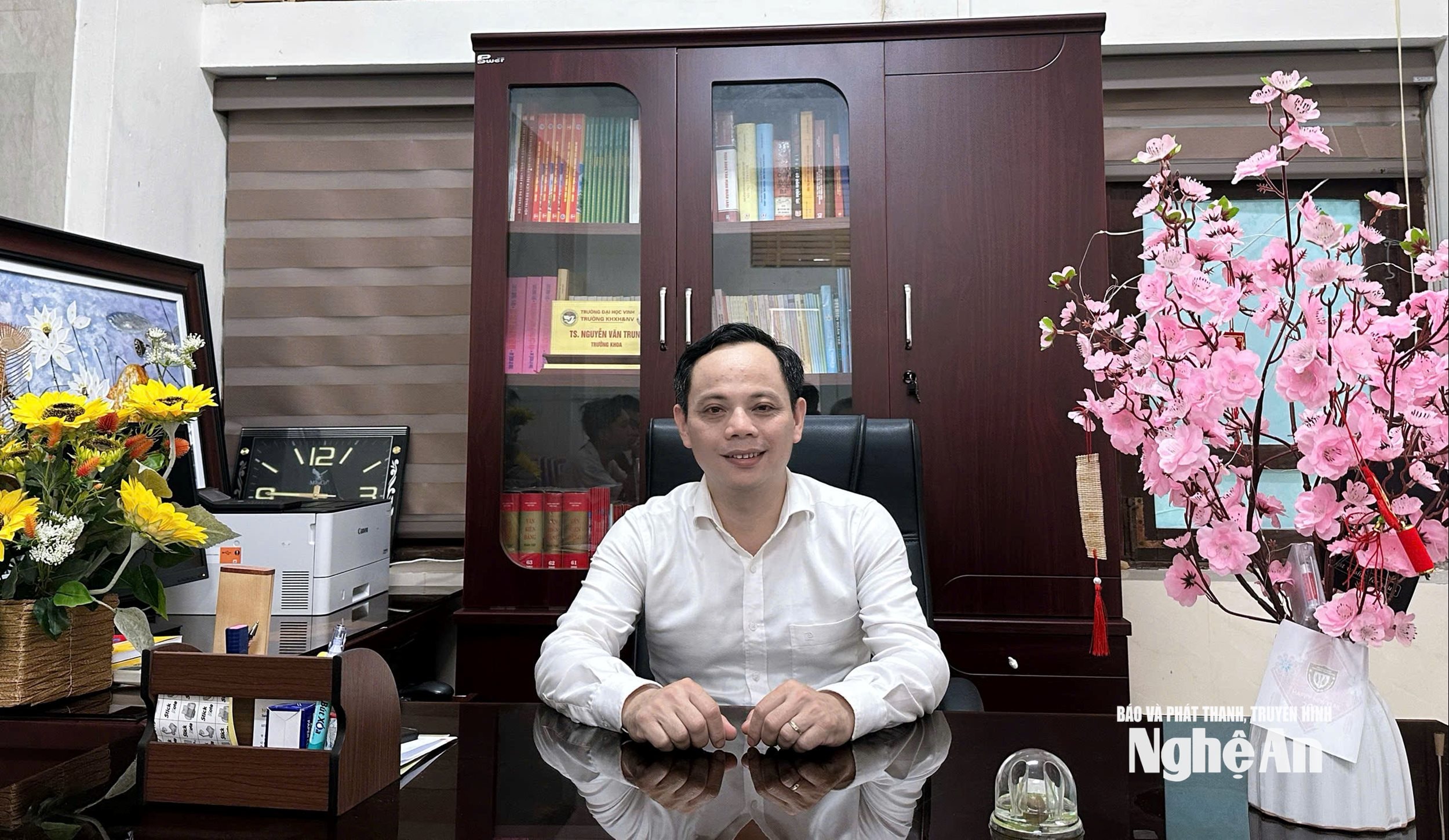
Nghe An's newspapers, radio, and television had an interview with Dr. Nguyen Van Trung - Head of the Faculty of Tourism and Social Work, School of Social Sciences and Humanities, Vinh University, regarding this issue.
Dr. Nguyen Van Trung:In my opinion, green tourism should be understood as a responsible approach to tourism development, not simply bringing tourists to forests, beaches, waterfalls, or rural areas. If we only look at the surface of the landscape, it's easy to equate green tourism with ecotourism or nature-based tourism.
The core of green tourism lies in its organization and operation. A destination with beautiful scenery but where waste is not properly managed, construction activities damage the environment, and local people have little involvement and benefit, cannot be called green tourism. Conversely, a cultural, agricultural, marine, or community-based tourism product can develop in a green direction if it minimizes environmental impact, respects local identity, and creates long-term benefits for the community.
In other words, green tourism should not be understood as a promotional "label," but as a development standard. It requires a balance between tourism exploitation and resource protection; between economic benefits and social responsibility; and between the experiential needs of tourists and the lives of local communities.
Dr. Nguyen Van Trung:Nghe An possesses quite comprehensive advantages, first and foremost, in its diverse natural resources. The province has forests, seas, rivers, mountains, waterfall systems, agricultural areas, traditional craft villages, and areas rich in cultural identity. This is an important condition for the development of many different green tourism products.
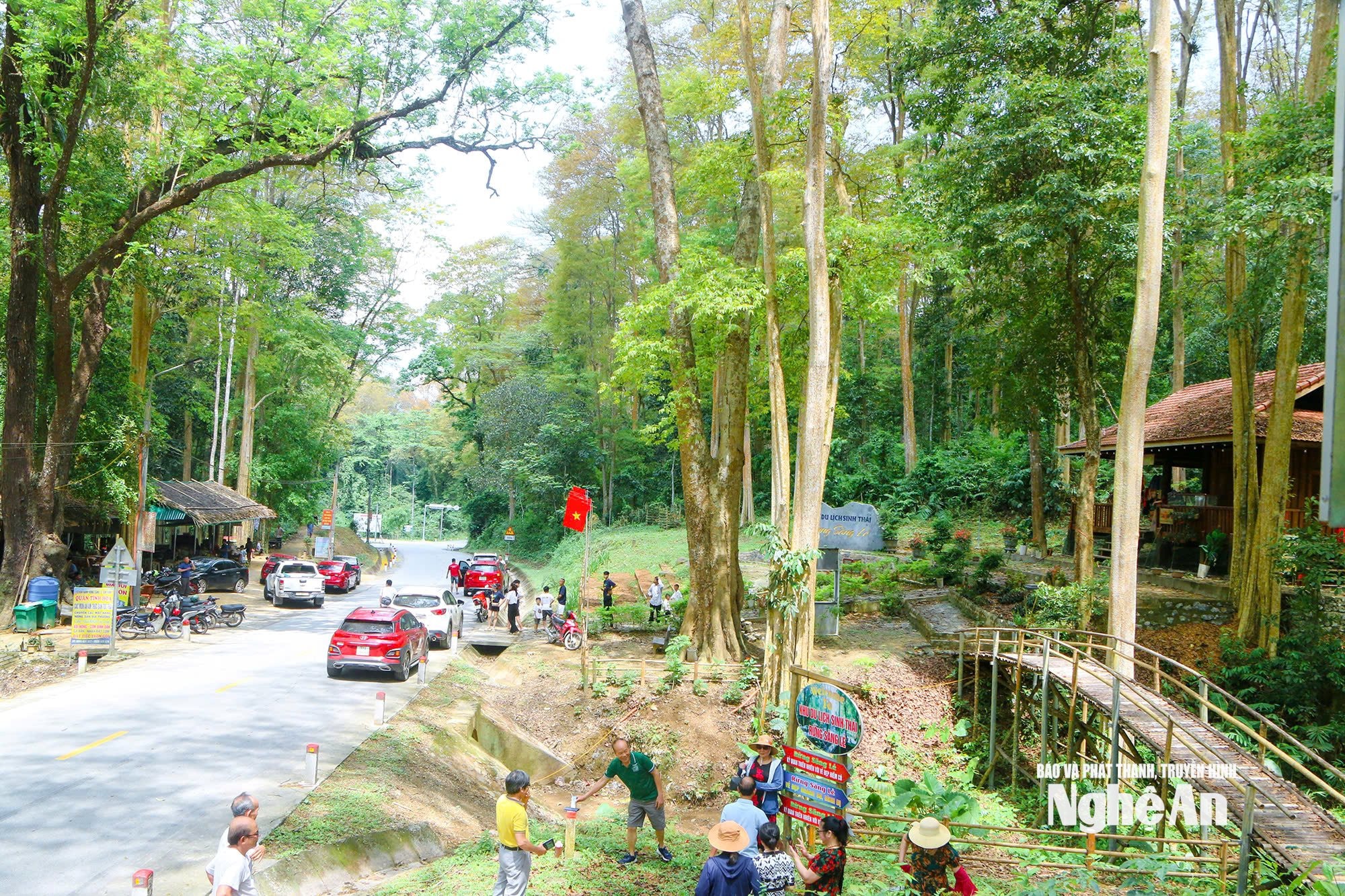
The western region of Nghe An province, with highlights such as Pu Mat, Giang River, and ethnic minority villages, has favorable conditions for developing ecotourism and community-based tourism. The Cua Lo beach area and its surroundings can develop beach tourism products that reduce waste and enhance civilized, environmentally friendly experiences. The Nam Dan area and its historical and cultural sites can develop educational tourism and heritage tourism linked to experiencing the rural life and culture of Nghe An.

Another advantage is cultural depth. Green tourism today is not just about being "green" in terms of the natural environment, but also about cultural sustainability. Nghe Tinh folk songs, Thai, Tho, Mong, and Kho Mu cultures, traditional crafts, local cuisine, and community lifestyles can all become cultural resources for building distinctive tourism products. In addition, Nghe An has a favorable location connecting the North Central region. If the province knows how to organize suitable routes and product clusters, it can connect beach, cultural, ecological, community, and agricultural tourism in a single journey. This is a crucial advantage for extending the length of stay and increasing the competitiveness of the destination.
PV:According to him, among the tourist areas of Nghe An such as the Mekong Delta, Cua Lo, Nam Dan, agricultural areas and craft villages, which area has the highest feasibility for piloting green tourism products currently?
Dr. Nguyen Van Trung:If we were to choose a pilot area, I believe that western Nghe An province, especially the area associated with Pu Mat - Con Cuong and some nearby community tourism destinations, has many outstanding conditions. This is a place that combines natural landscapes, forest ecosystems, villages, ethnic minority cultures, local cuisine, and community-based experiential activities.
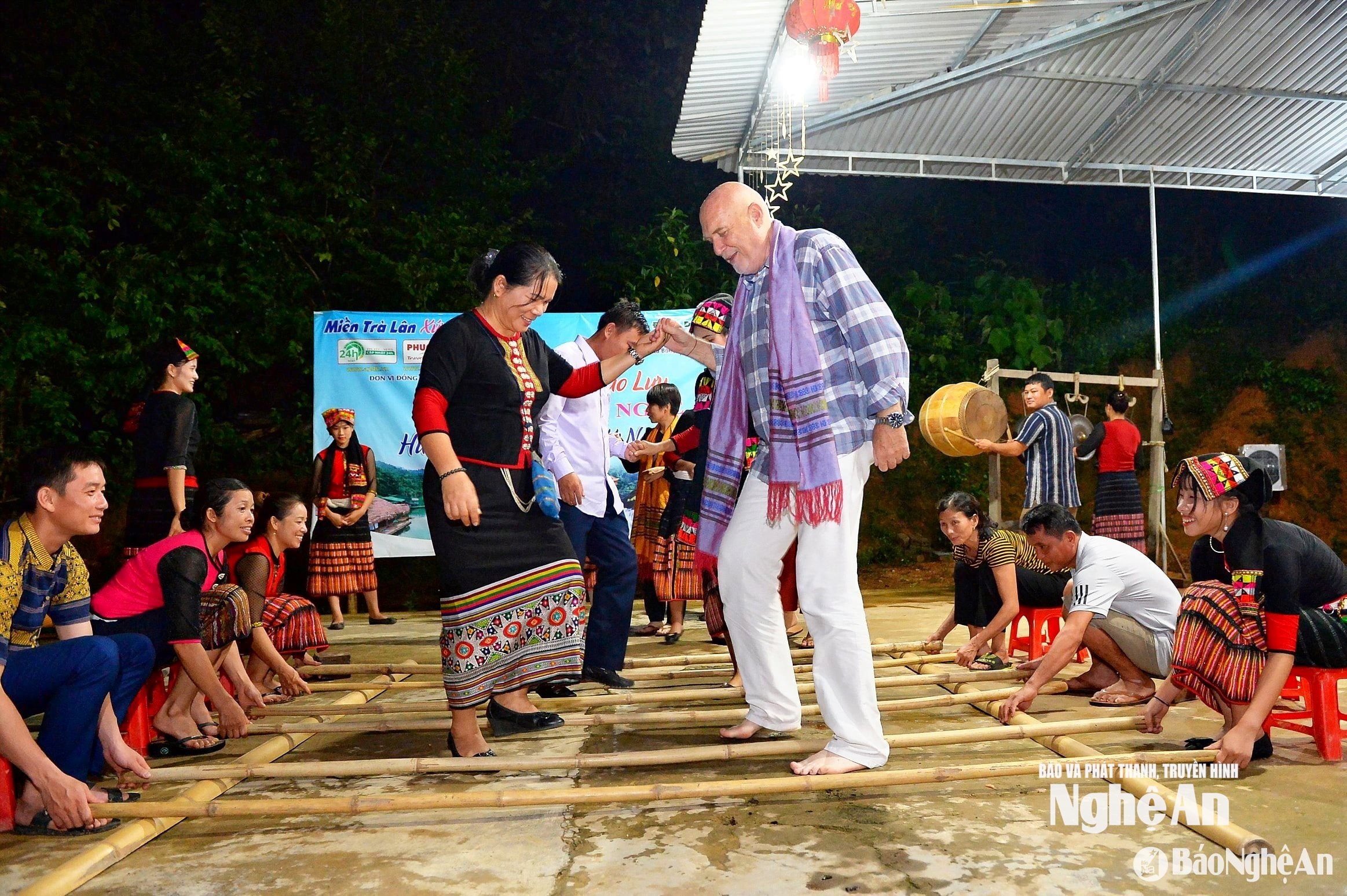
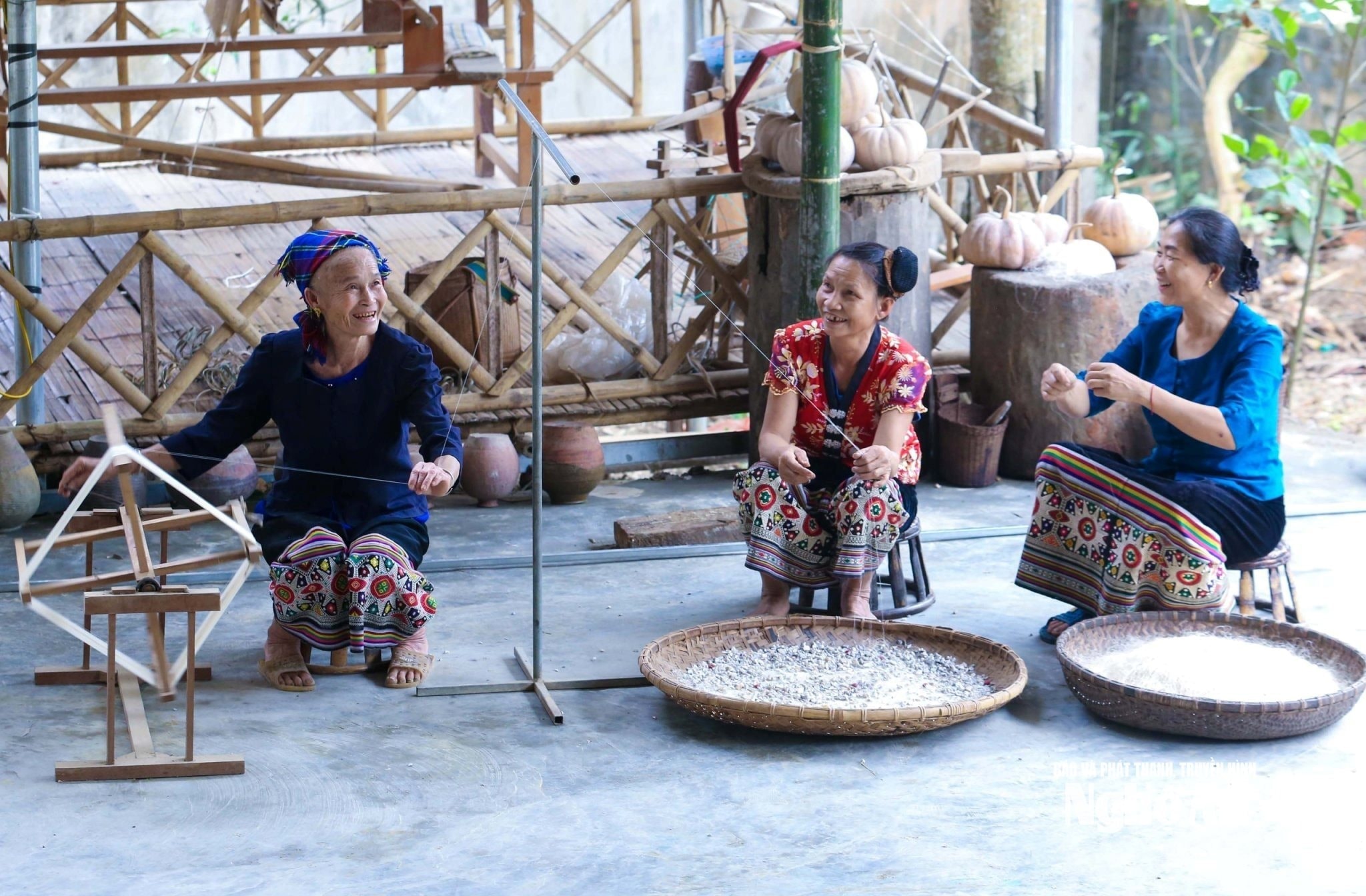
Several community-based tourism models have emerged in Nghe An province and are beginning to show effectiveness, such as Nua village in Con Cuong commune, associated with traditional brocade weaving; Thai Minh village in Tien Dong commune with its distinctive cultural space; and Muong Long with its clean air and majestic mountain scenery. This is an important foundation, because green tourism, to develop genuinely, must rely on local resources and community participation.
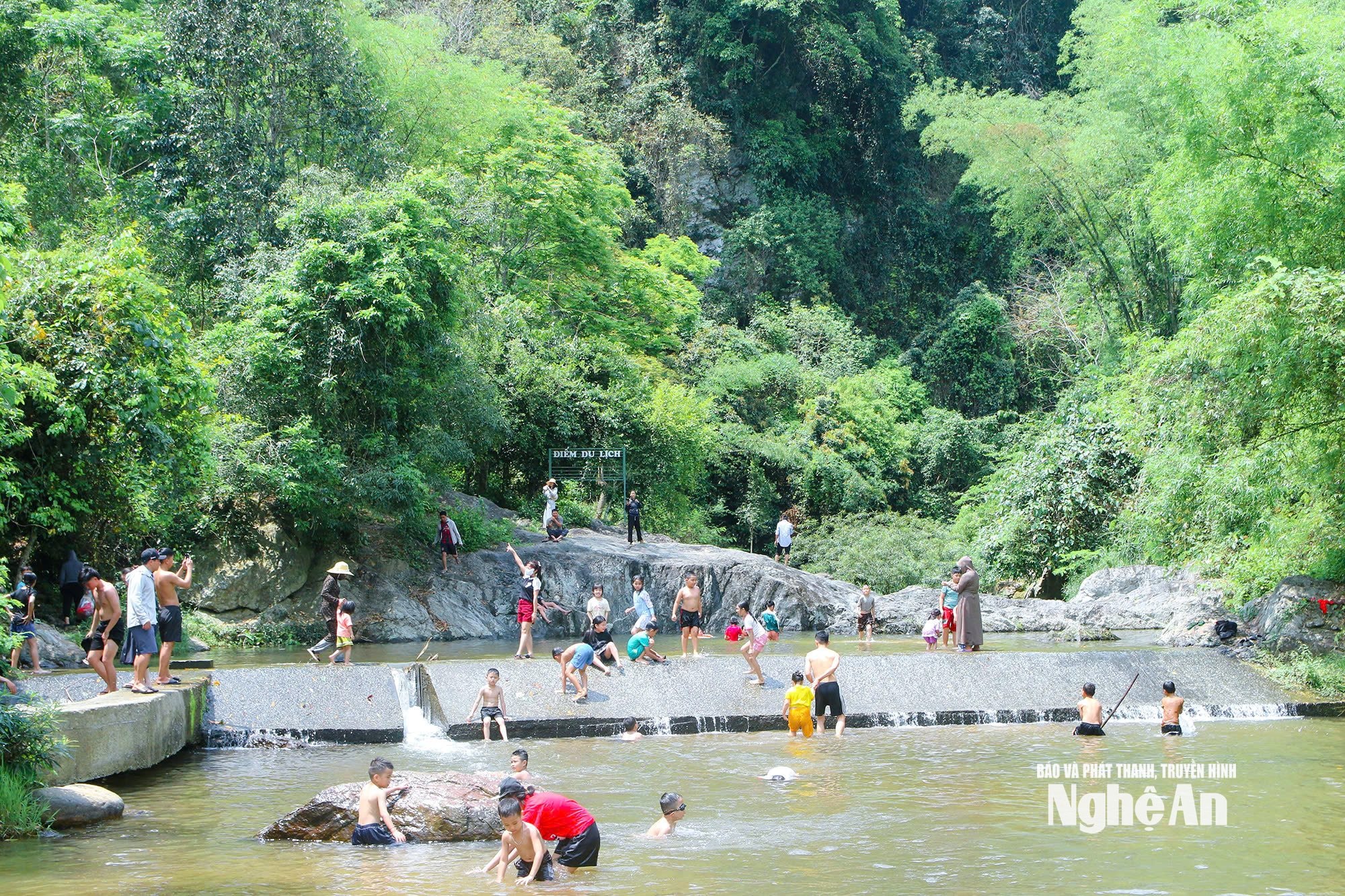
However, green tourism is not limited to the Mekong Delta. Cua Lo could pilot a green beach tourism model; localities in the former Nam Dan district could develop cultural and historical tourism linked to rural experiences; and agricultural and craft villages could create experiential products related to production, cuisine, and traditional crafts. The key is to avoid scattered development. Nghe An should select a few locations with the best conditions to serve as models, establish criteria, train local people, standardize products, and evaluate effectiveness before scaling up. A smaller, clearly defined model is better than a larger one lacking standards.
PV:Despite its great potential, green tourism in Nghe An has not yet truly developed into a distinctive product. In your opinion, what are the biggest bottlenecks currently?
Dr. Nguyen Van Trung:In my opinion, the biggest limitation is that the product hasn't been designed as a complete experiential chain. Many places have beautiful scenery, unique culture, and friendly people, but they are limited to sightseeing, eating, taking photos, or short-term experiences. Tourists come and go quickly, spending is not high, and the likelihood of returning is low. With green tourism, the product must answer specific questions: What will tourists experience, how long will they stay, what will they learn from the local culture, how will the community participate, and how will the destination be protected?
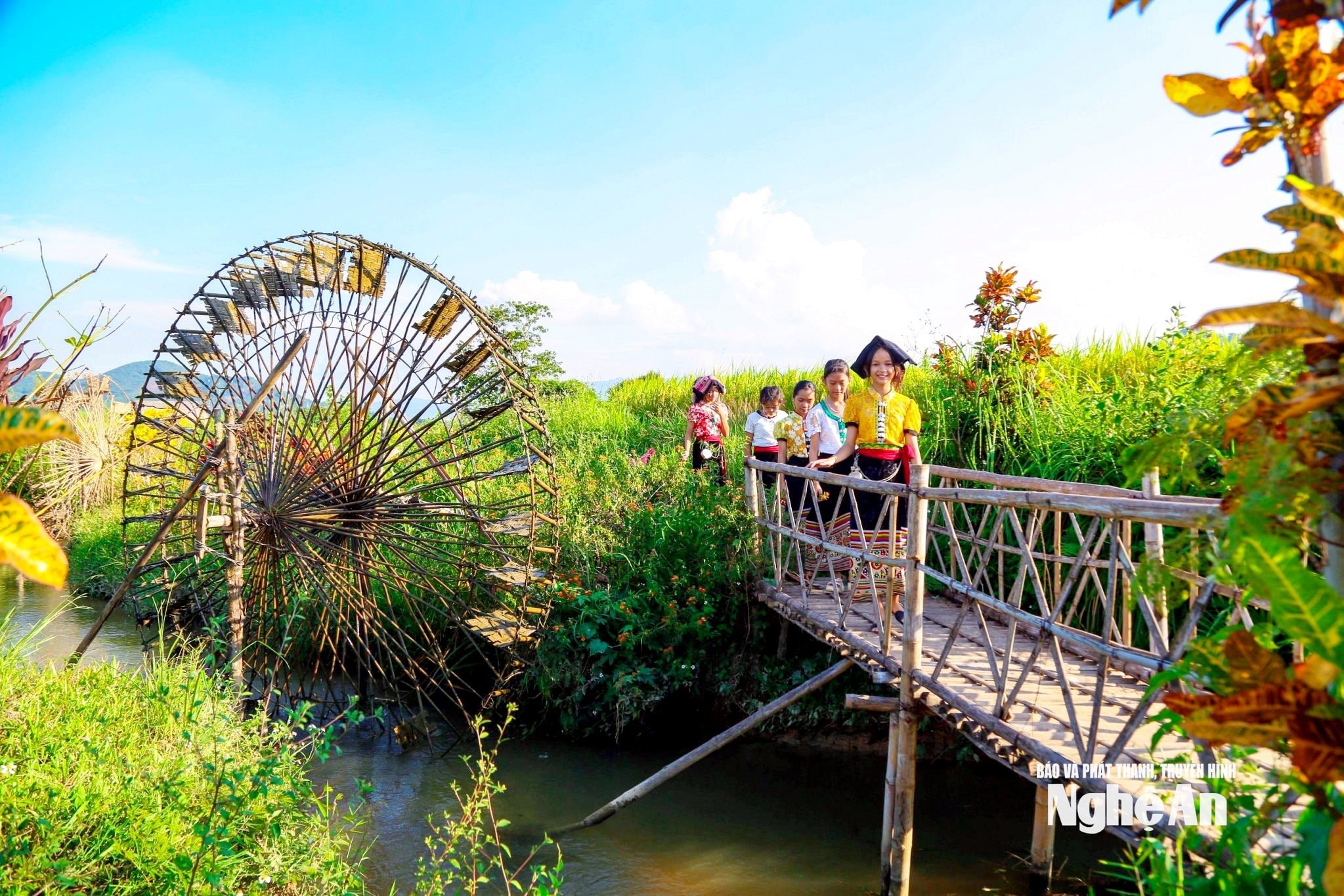
The next problem is the lack of synchronized infrastructure for green tourism. In many destinations, environmental infrastructure such as waste collection, wastewater treatment, restrooms, signage, rest stops, regulations on tour routes, and tourist capacity are still limited. Meanwhile, green tourism requires environmental quality to be ensured from the very specific details.
Another challenge is the organizational capacity and human resources at the destination. Local people have the advantage of cultural identity and hospitality, but to develop professional tourism, they need additional skills in hospitality, food safety and hygiene, cultural storytelling, experiential guiding, problem-solving, and using digital tools to promote products.
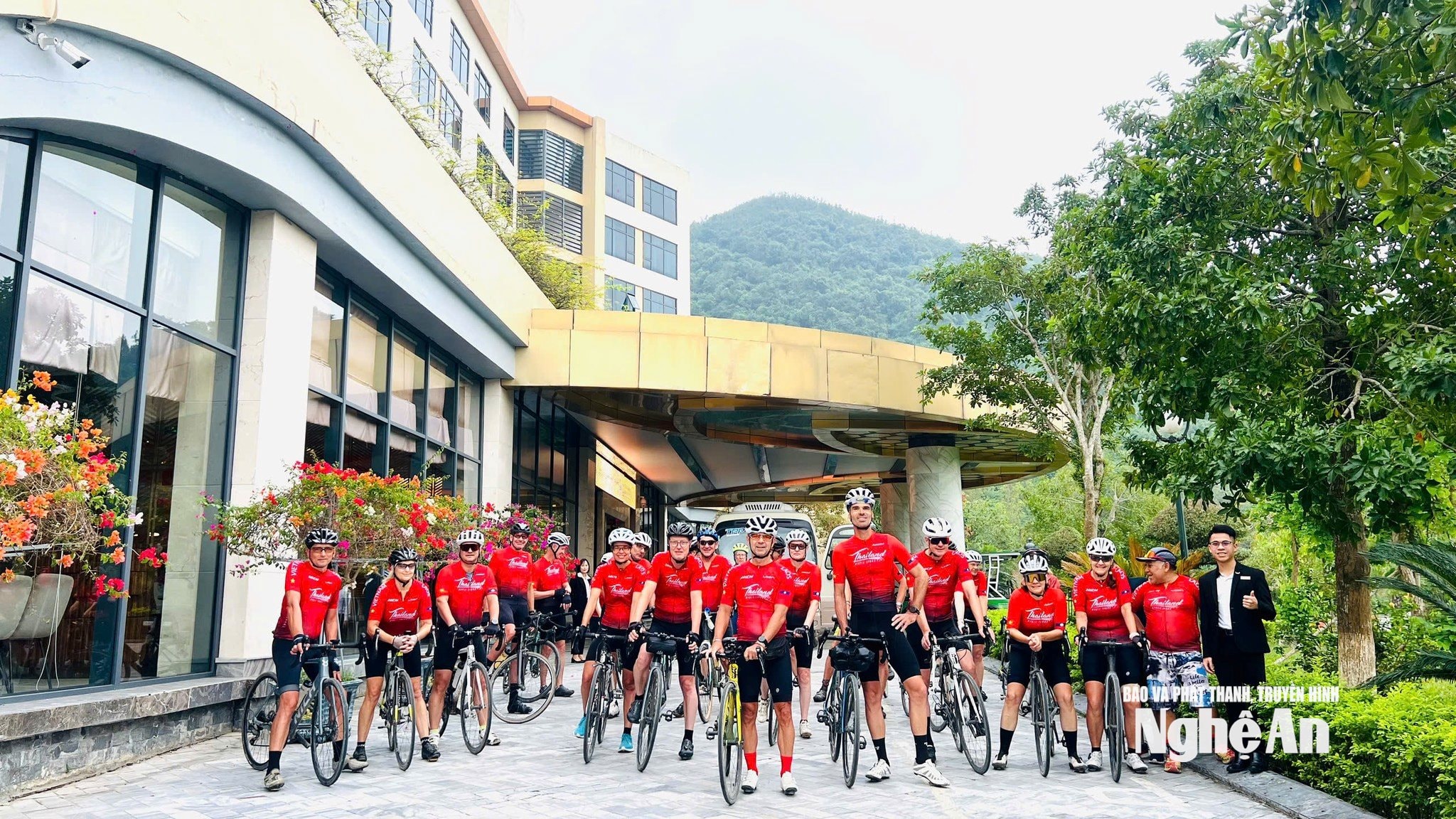
Furthermore, the linkages between stakeholders are not yet strong. If each destination operates independently, each business exploits resources independently, and each locality promotes itself independently, it will be very difficult to create a product that is competitive enough. Green tourism requires even more coordination between resource management, service organization, community training, and responsible visitor delivery.
PV:Given that Nghe An has many different types of tourist destinations, do you think the "green" criteria should be designed specifically for each tourist space?
Dr. Nguyen Van TrungI believe that a common framework of criteria is needed, but its application must be flexible depending on the specific destination. Nghe An has many different types of resources, so a single set of criteria cannot be used for all of them.
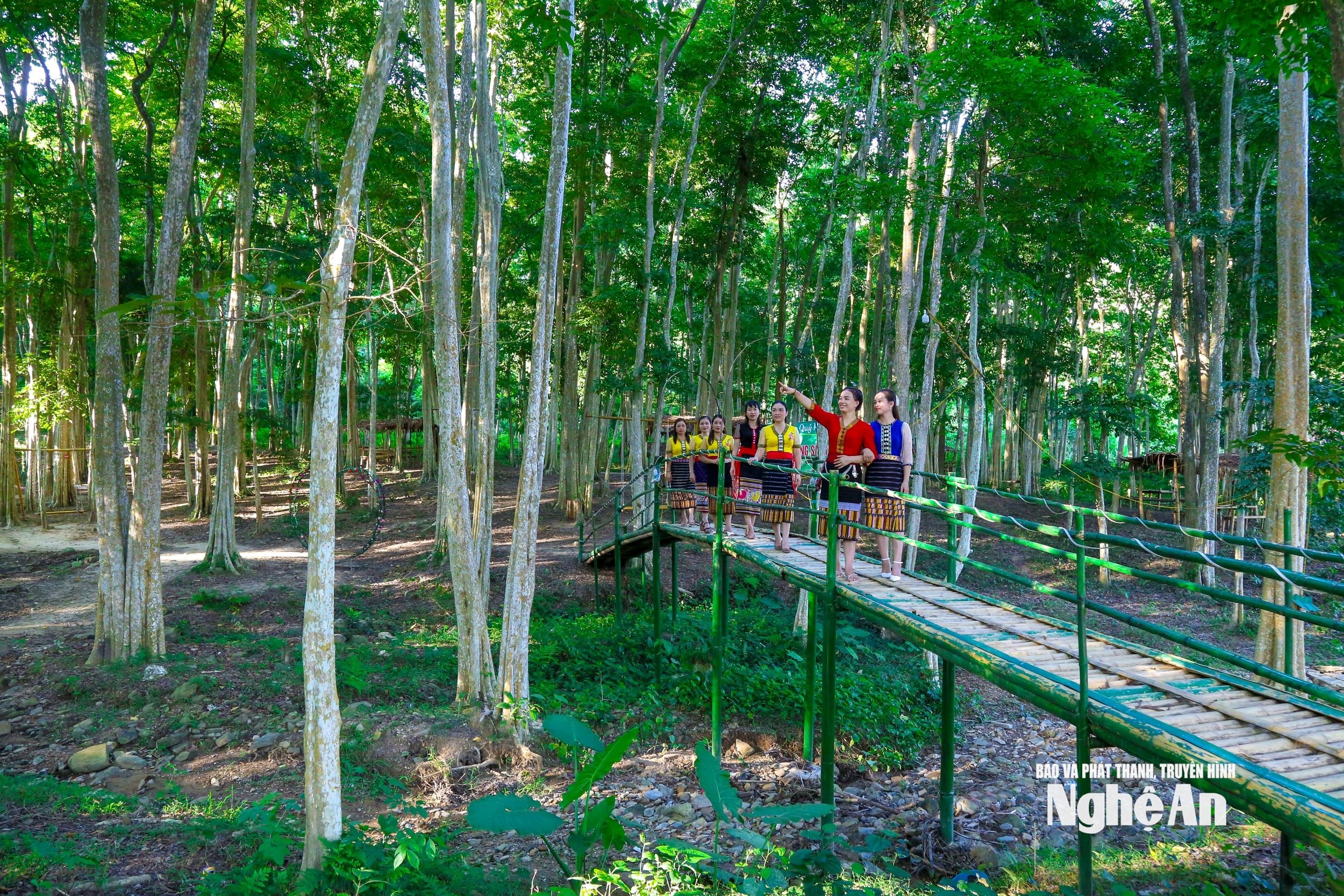
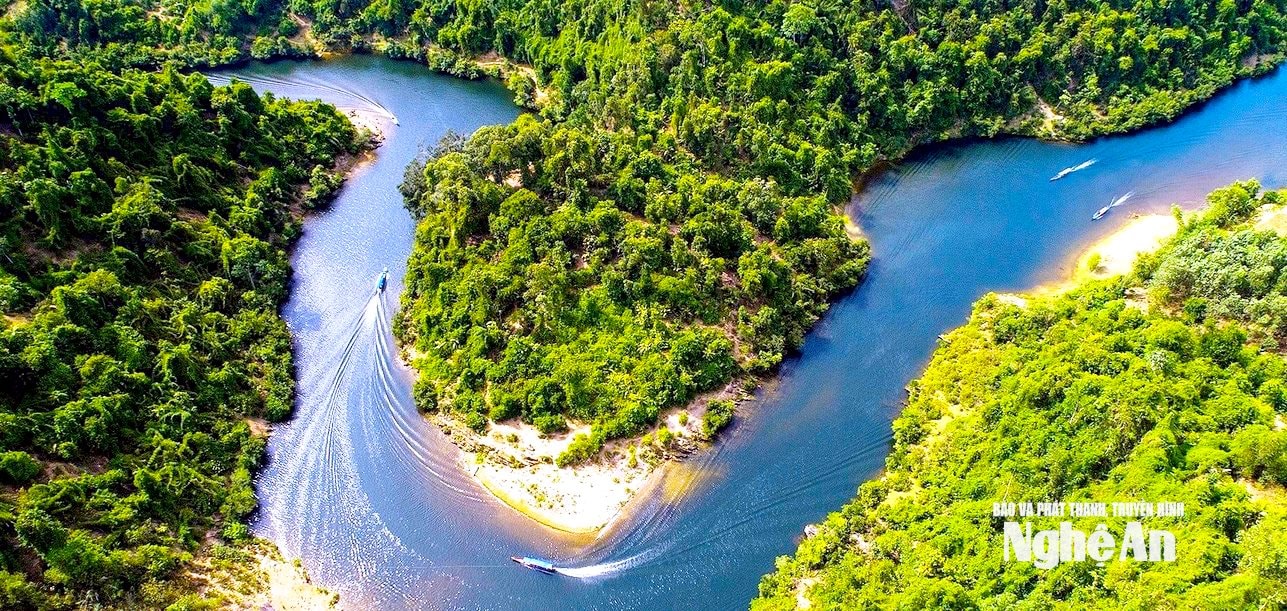
For the Pù Mát - Con Cuông area and western Nghe An province, the green criteria should prioritize protecting forest ecosystems, biodiversity, controlling carrying capacity, and managing tourism activities in natural areas. Trekking routes, waterfall tours, river and stream experiences, and village tours need specific regulations regarding routes, stopping points, safety, waste collection, and the responsibilities of guides.
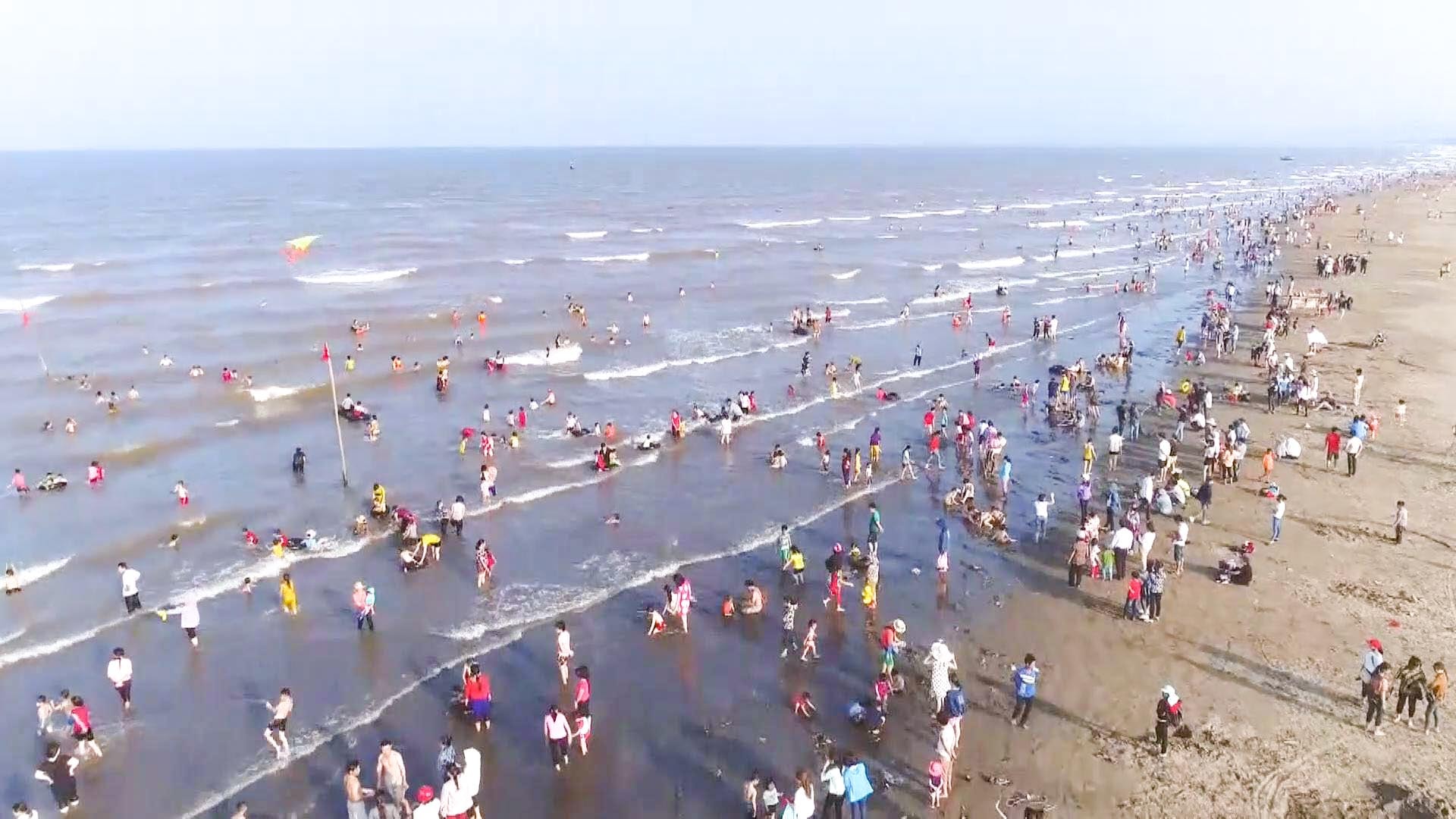
In the Cua Lo beach area, the focus is on managing plastic waste, wastewater, beach hygiene, noise, service density, and tourist behavior. Beach tourism often faces significant pressure during peak seasons, so if the environment is not well controlled, the destination will gradually lose its appeal.
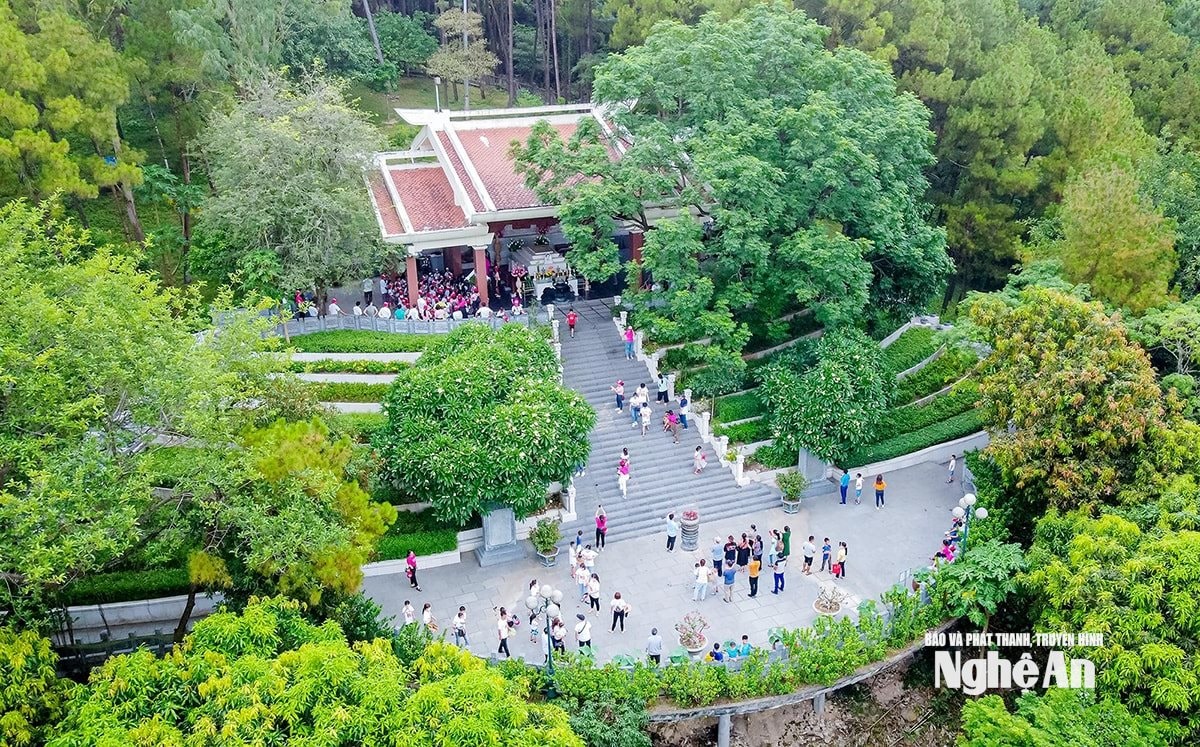
For Kim Lien and other cultural and historical tourist destinations, the "green" criterion needs to be understood in a broader sense. This includes protecting cultural spaces, preserving the solemnity of historical sites, organizing educational experiences, avoiding excessive commercialization, and connecting tourists with the rural life of Nghe An province.
As for agricultural and craft village tourism, the green criteria should be linked to environmentally friendly production processes, the use of local materials, the preservation of traditional crafts, and the creation of additional livelihoods for local people. Products should not simply be a recreation or introduction to tourists, but should help them understand the value of local labor, culture, and knowledge.
In short, each space needs its own "green" focus. This way, the criteria will be more practical and avoid vague statements.
PV:According to him, what solutions should Nghe An prioritize in the coming period to make green tourism a viable and sustainable direction?
Dr. Nguyen Van Trung:First and foremost, the right priority products must be selected. Nghe An should not develop green tourism indiscriminately across all destinations, but rather choose a few models that have the potential to create a ripple effect. For example, an eco-tourism and community-based tourism cluster in the western region; a green beach tourism model in the Cua Lo ward area; a cultural and historical tourism route associated with Kim Lien commune and its surroundings; and several agricultural and craft village tourism destinations with distinctive products.
Monday,Standardizing practices is crucial. Each model needs operational criteria, environmental regulations, guest reception procedures, personnel training plans, and a mechanism for periodic evaluation. Without standards, green tourism is likely to remain fragmented, lacking measurability and making long-term sustainability difficult.
Tuesday,This involves training local human resources. With green tourism, local people not only sell accommodation, food, or handicrafts, but also tell cultural stories, guide tourists on how to behave environmentally, and preserve the identity of the destination. Therefore, training must focus on practical skills, include on-site instruction, and follow-up after training.
Wednesday,This involves establishing a collaborative mechanism between the government, businesses, and the community. The government plays a role in development planning, investing in essential infrastructure, issuing criteria, and monitoring. Businesses design tours, bring tourists, promote, and improve service quality. The community provides authentic experiences, preserves the environment, and protects the culture.
I believe Nghe An has great potential, but in the coming period, it needs to shift strongly from a resource exploitation mindset to a responsible product design mindset. When resources are protected, culture is preserved, communities are empowered, and businesses participate in long-term development, green tourism can become a genuine direction, creating a unique identity for Nghe An tourism.


