
To make the new neighborhood a cohesive community space.
Following the reorganization of hamlets, villages, and communities, grassroots cultural life in Nghe An faces many new demands: How to utilize existing institutions, how to maintain cultural movements, and how to preserve the identity of old communities. Regarding this issue, Nghe An Newspaper and Radio & Television had an interview with Mr. Bui Cong Vinh, Deputy Director of the Department of Culture, Sports and Tourism of Nghe An.
Minh Quan(Perform) /Present:Hong Toai• 4/7/2026
*****
Mr. Bui Cong Vinh:The reorganization of hamlets, villages, and communities primarily involves restructuring self-governing units at the grassroots level to suit the population size and new management conditions. However, from a cultural perspective, this is not simply a matter of changing names or reducing the number of administrative units. Each hamlet, village, or community has long been a residential community with its own cultural center, sports field, village regulations, customs, lifestyle, performing arts groups, clubs, traditions, festivals, and kinship and neighborly relationships. Therefore, the reorganization impacts a very specific cultural space.
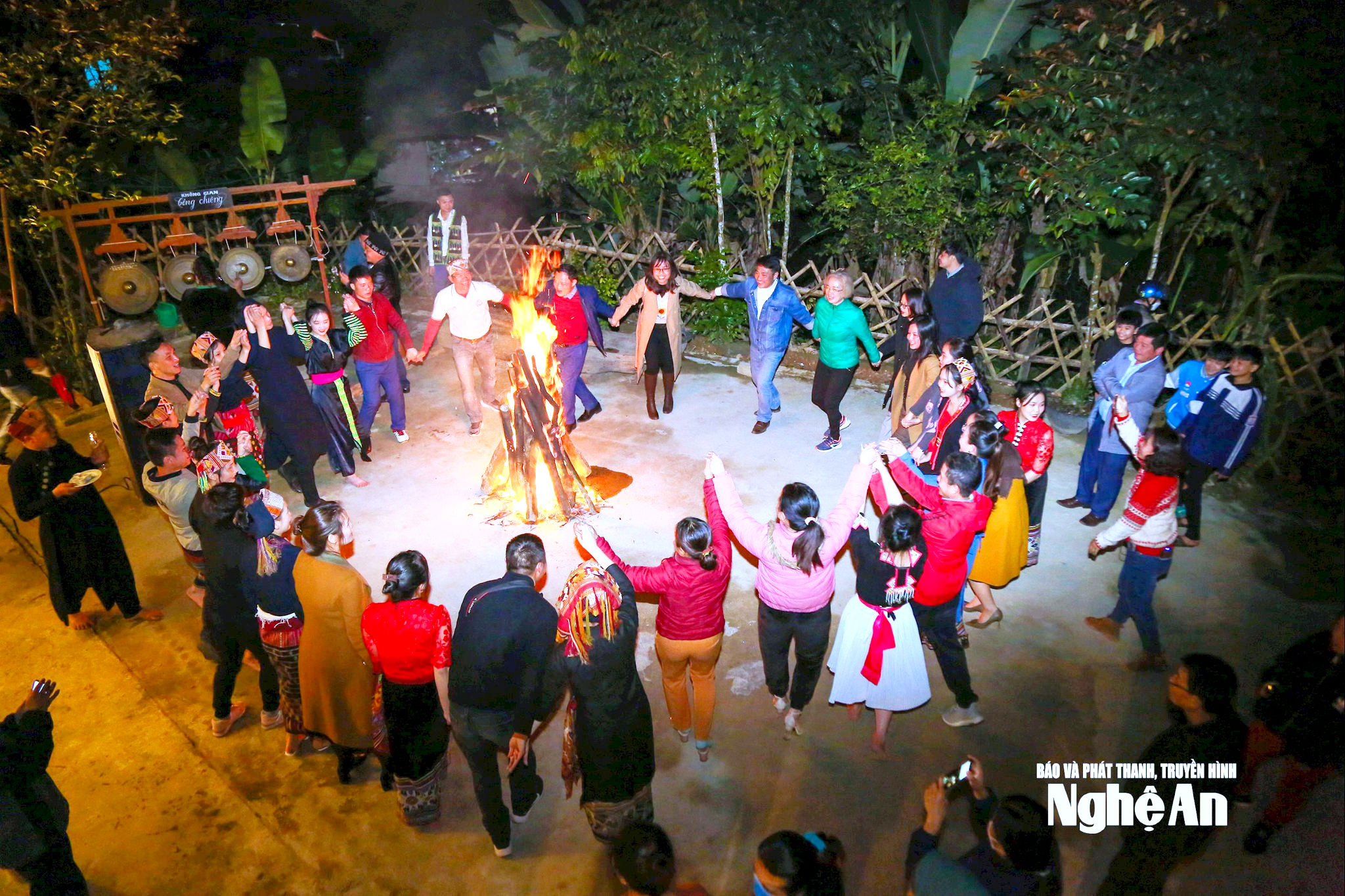
Before the reorganization, the entire province had 3,769 out of 3,797 blocks, hamlets, and villages with cultural centers, reaching over 99%; and 3,513 units with simple sports areas or fields, reaching over 92%. After the reorganization, the province reduced the number of blocks and hamlets from 3,797 to 2,026 units, including 266 blocks and 1,760 hamlets. This is an important foundation. However, after the reorganization, the issue is not just how many new facilities there are, but which facilities are suitable to serve the new community, which activities need to be maintained, and which institutions should continue to be used to avoid waste.
If not done carefully, the reorganization process may create gaps in cultural activities in the initial stages. However, if well-organized, this is an opportunity to overcome the situation of small, fragmented institutions with scattered activities and a lack of resources; thereby forming cultural activity models that are larger in scale, deeper, and more cohesive.
Mr. Bui Cong Vinh:Nghe An province has a relatively high percentage of villages and hamlets with cultural centers and sports facilities, but this does not mean that all facilities adequately meet the requirements after reorganization. In some places, the cultural centers are old, small in size, have narrow grounds, and outdated equipment; in others, they lack sports equipment, bookshelves, sound and lighting equipment; and in some, the facilities have been affected by natural disasters and floods. In mountainous areas, where the terrain is fragmented, people's travel to a central gathering place for community activities is also a practical challenge.
Another point is that regulations related to grassroots cultural and sports facilities are still scattered across many documents; some criteria regarding area, scale, and activity organization are no longer truly suitable for the new conditions. After a hamlet grows in population, if the old criteria are still applied mechanically, it is very easy for problems to arise: the cultural center is too small compared to the number of households, the sports field does not meet the needs, there is insufficient land for expansion, and the facility is located out of place in the new residential center.
Therefore, a comprehensive review is needed to clearly classify which institutions should be used as centers, which should be renovated, which should have their functions changed, and which should require new investment or upgrading. The important direction is standardization, but not uniformity. Urban areas have different requirements than rural areas; plains have different requirements than mountainous regions; densely populated areas have different requirements than border areas or areas inhabited by ethnic minorities.
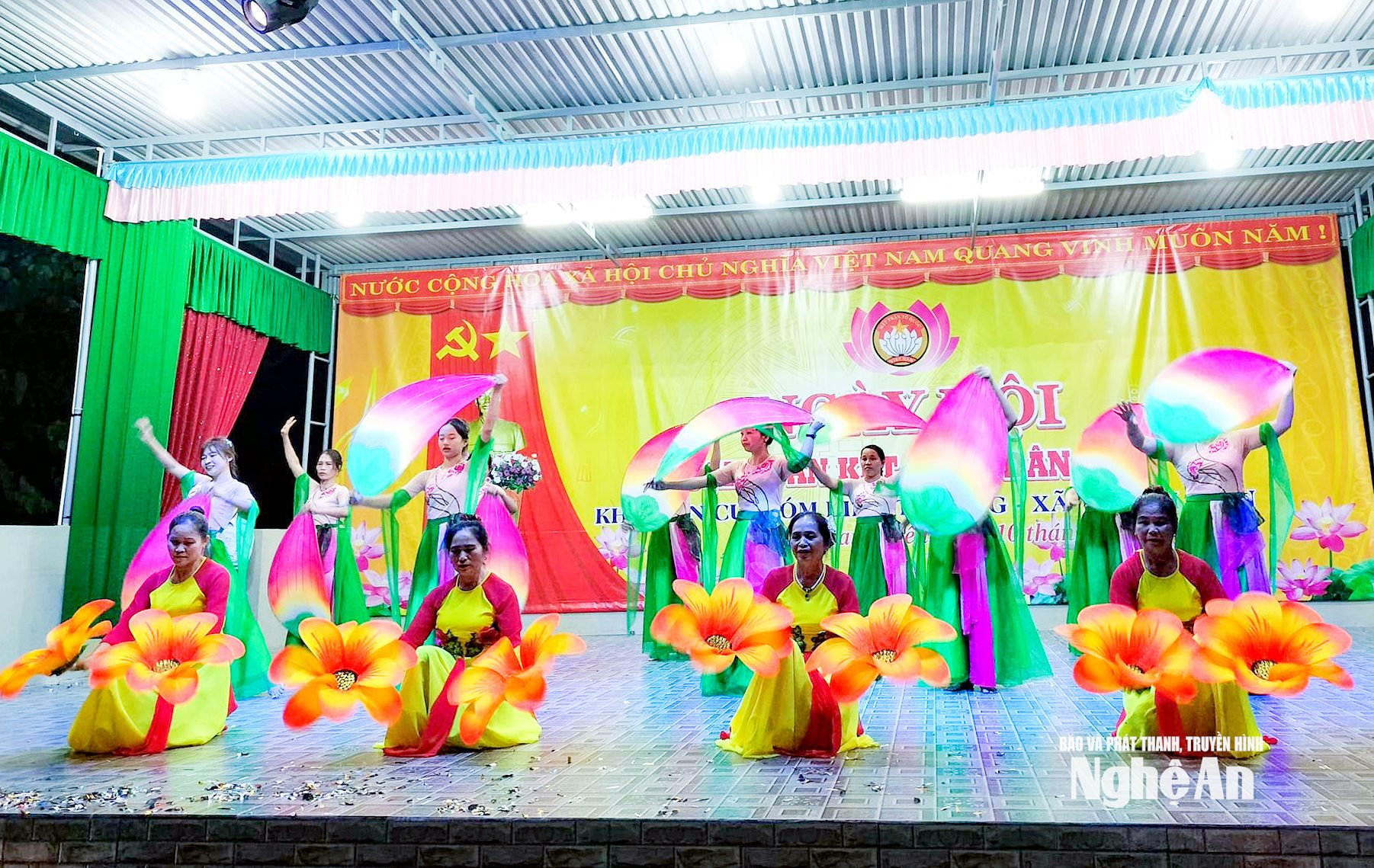
After the reorganization, it's not enough to simply count the number of remaining community centers; the operational capacity of each institution must be assessed. In other words, the question should not just be "Does the new neighborhood have a community center yet?", but "Does that community center have the necessary conditions to operate regularly?".
Mr. Bui Cong Vinh:Village cultural centers are not simply buildings. For many communities, they serve as meeting places, party branch meetings, meetings of various organizations, venues for the "National Unity Day" celebrations, cultural and artistic practice sessions, sports training, and summer activities for children. In mountainous areas and regions inhabited by ethnic minorities, cultural centers are often also integrated with spaces for practicing folk songs, folk dances, festivals, and traditional crafts.
Therefore, when choosing a community center for a new neighborhood, the convenience of the residents should be prioritized. Convenience is not just about geographical location or travel distance, but also about its ability to meet the needs of the new households, its size, grounds, electricity, water, sound, lighting, traffic safety, and potential for expansion. The selection process should also be transparent and democratic, fostering consensus and avoiding the perception that one neighborhood is being prioritized while another is being disadvantaged.
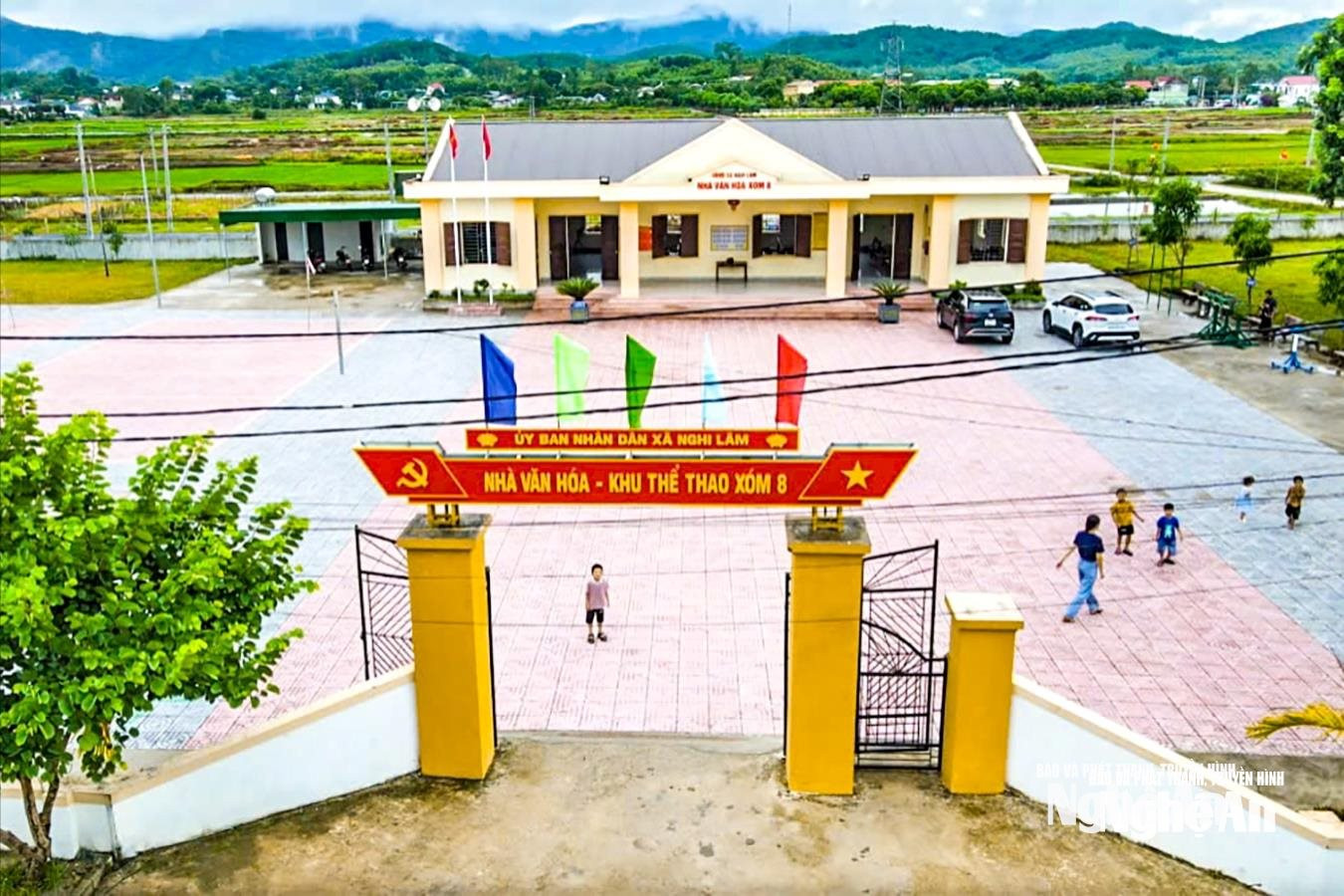
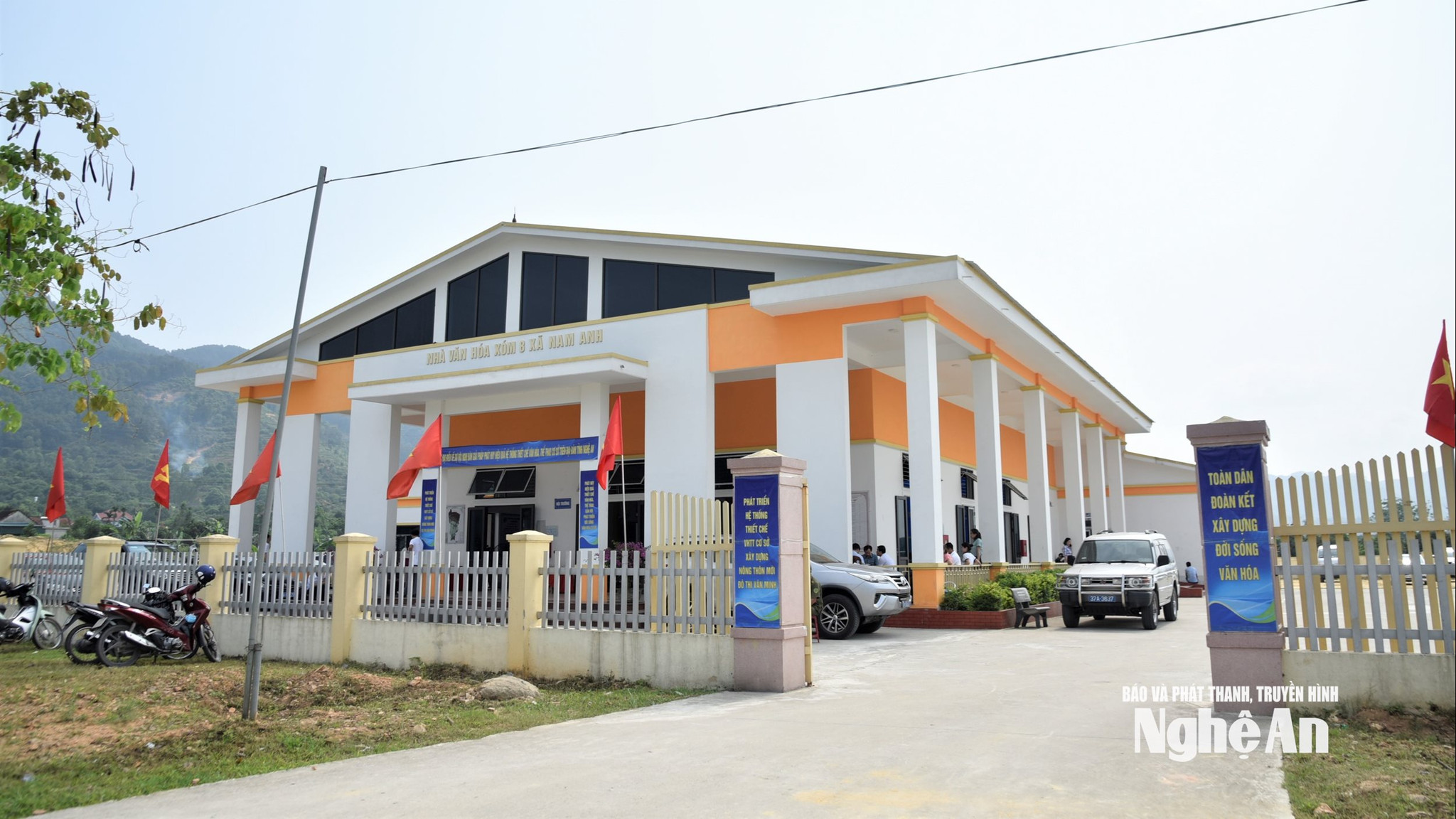
In areas with large territories, scattered populations, and difficult transportation, it is not necessary for all activities to be concentrated in one place. A central cultural center can be established for general activities, while maintaining several satellite activity points, especially for the elderly, children, women, and remote population groups.
What needs to be avoided is the mindset that "a new neighborhood only needs one community center," while other facilities are left unused or fall into disrepair. Many community centers and sports fields have been built with government support and contributions from the people. After reorganization, a thorough review is needed to develop a rational plan for their use: They can serve as regular activity centers, club meeting points, sports facilities, reading areas, children's activity centers, or serve specific community groups. An effective community center is one where people come, activities take place, and the community helps manage and maintain it.
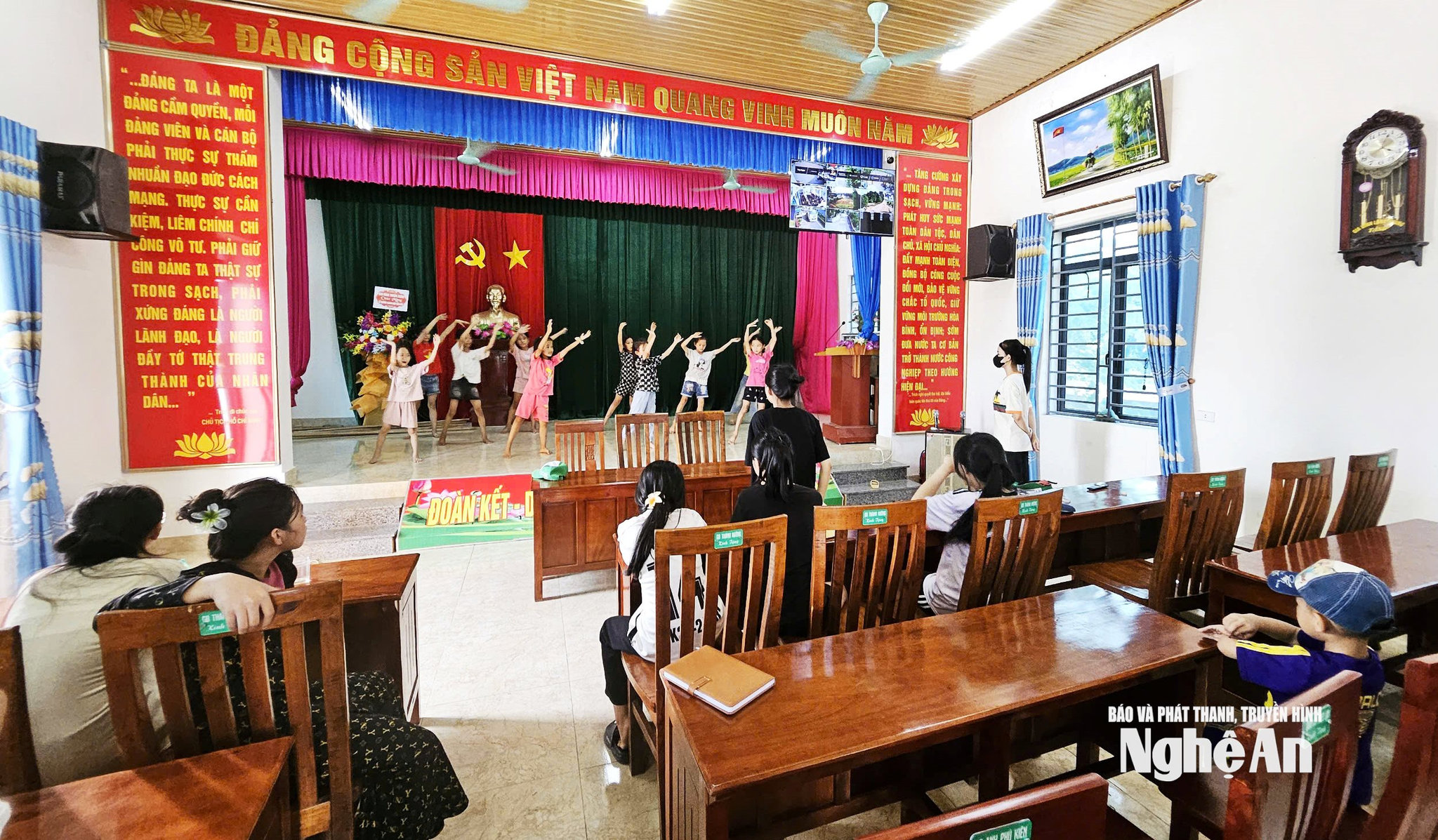
Mr. Bui Cong Vinh:This is a matter of great concern. Community identity is not something abstract. It lies in the name, community memory, customs, traditions, festivals, traditional crafts, language, clothing, folk songs, performing arts groups, sports clubs, and the way people organize community affairs. When reorganizing, if only the number of households, boundaries, names, and personnel are considered without paying attention to these factors, people can easily feel they are losing a part of their familiar space.
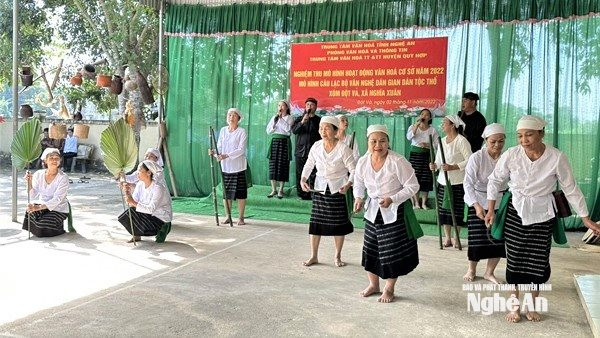
However, reorganization does not mean erasing the identity of the old neighborhoods. In the new neighborhoods, a shared identity can be built on the basis of respecting individual values. Solidarity events, cultural festivals, sports competitions, and club activities can be designed for all residential clusters to participate in and showcase their unique characteristics. Performing arts groups, folk song and dance clubs, volleyball, football, health and wellness, and reading clubs that are currently active in the old neighborhoods should not be mechanically dissolved, but rather should be reconnected, reorganized, and improved in quality.
Nghe An currently has nearly 3,400 village-level cultural and artistic groups. Along with this, the system of exemplary cultural models at the provincial level, built over many years, is a valuable resource. To date, the province has 233 exemplary cultural models at the provincial level that have been recognized and supported. After reorganization, if we know how to inherit and replicate these models, the new villages can become spaces of synergy, where the positive values of each residential area are shared and enriched together.
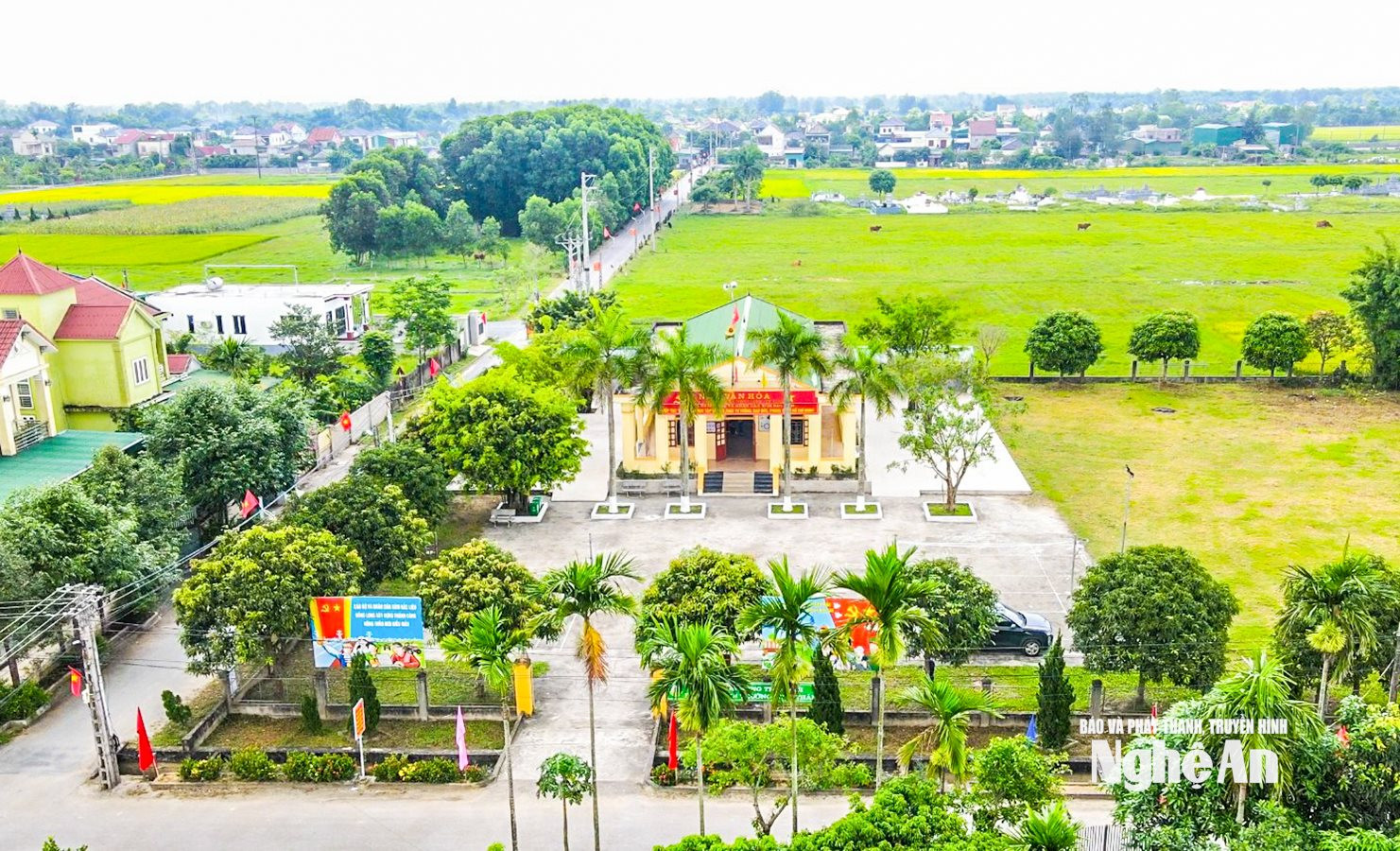
Mr. Bui Cong Vinh:Cultural institutions are only effective when there are activities and people organizing them. After reorganization, with larger residential areas and broader scope, the role of village officials, village committees, and community organizations and associations becomes even more important. These are the forces directly close to the people, familiar with the characteristics of each residential cluster and target group, and capable of organizing and managing cultural, sports, and community activities in a flexible and practical manner.
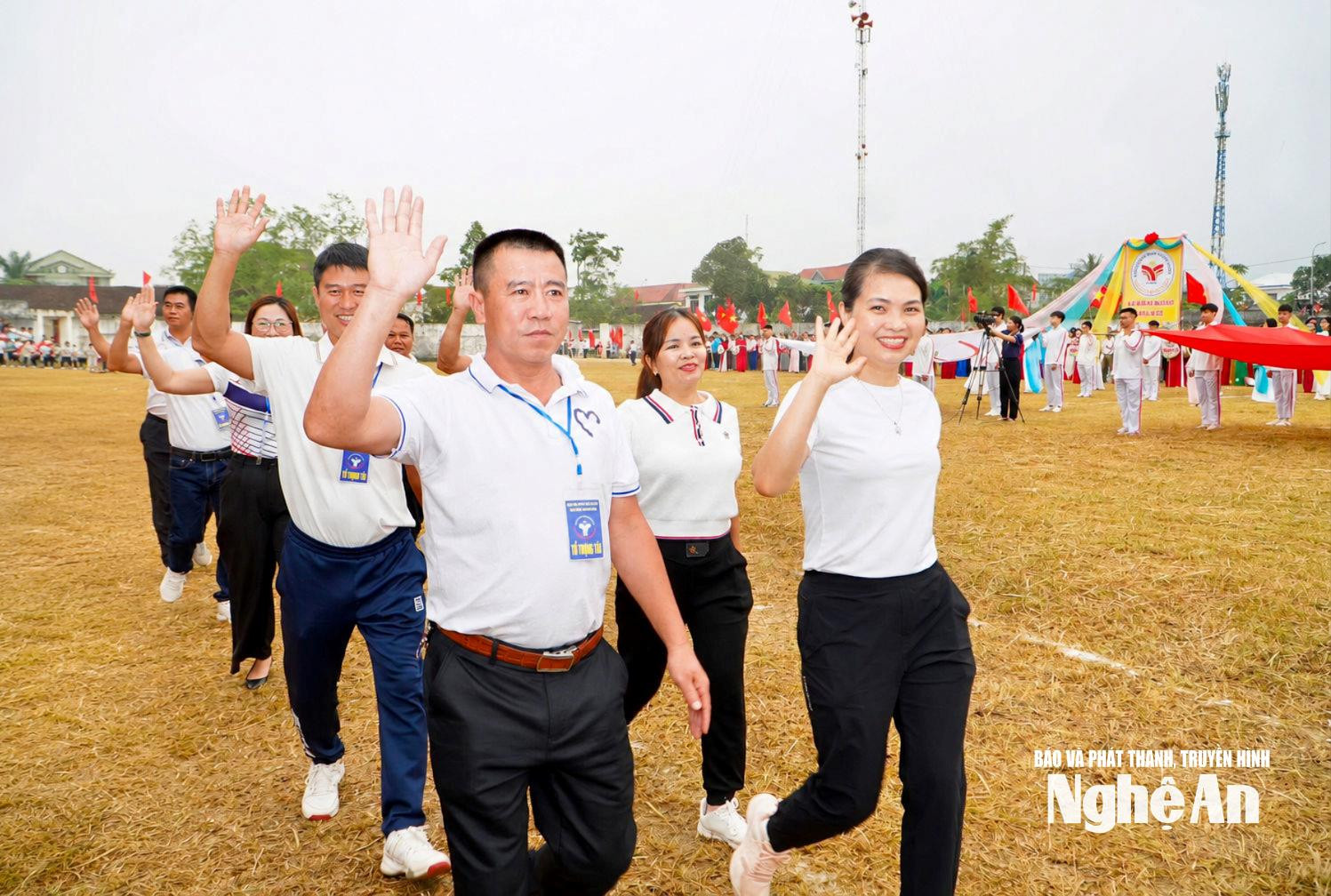

Village officials should be seen not only as those who implement administrative tasks, but also as organizers of cultural life at the grassroots level. They must have a thorough understanding of the values within their village: historical sites, festivals, customs, performing arts groups, clubs, playgrounds, cultural centers, and models of culturally exemplary families; at the same time, they must understand the needs of the people, which groups require attention, and which activities can be maintained regularly.
Furthermore, the self-governance role of the community must be promoted. People should not only attend the cultural center for meetings, but should also participate in developing activity schedules, proposing clubs, managing common property, organizing festivals, sports events, arts and culture events, and children's activities. Where people feel they have a responsibility and a right to participate, the institution will thrive.
Mr. Bui Cong Vinh: First,Each commune and ward needs to carefully review the system of cultural and sports facilities after the reorganization of blocks and hamlets; assessing them based on the needs of the people, not just the number of facilities. The review must answer very specific questions: How many activity points are there in the new hamlet? Which one is the most convenient? Which facilities are dilapidated? Which facilities can be converted into thematic activity points? What are the options for residents living far away to participate in activities? Are there suitable spaces for different target groups?
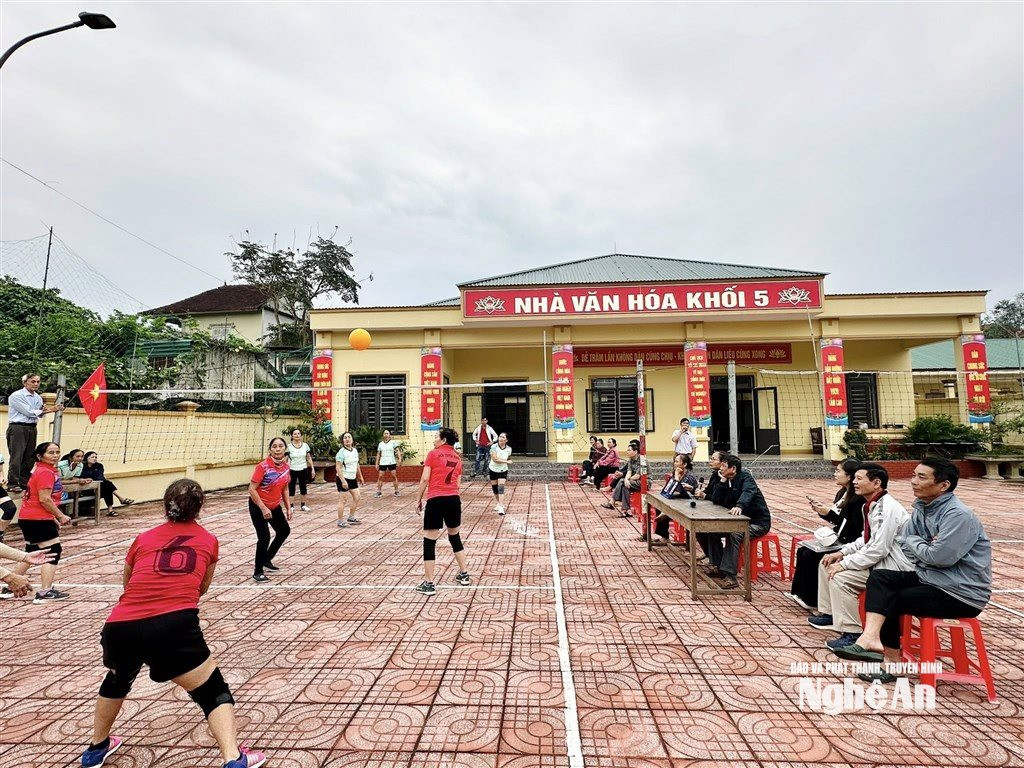
Monday,Resources should be prioritized for renovating and upgrading infrastructure in densely populated areas, disadvantaged regions, ethnic minority areas, and mountainous areas. Investment shouldn't be spread thinly, but it must follow a roadmap. Where existing infrastructure is good, it should be promoted; where it's lacking, it should be supplemented; and where it's unsuitable, the location, scale, and function should be re-evaluated. Along with the budget, social resources should be mobilized, but this must be done openly and transparently to foster consensus.
Tuesday,The content of activities must be reformed to be practical and closer to the people. After restructuring, grassroots culture should not revolve solely around meetings and peak campaign periods. There needs to be a regular schedule of activities including mass sports, arts and culture, folk dance, reading, children's activities, inter-communal exchanges, and the teaching of folk songs, folk dances, and good customs. The local broadcasting system, electronic information pages, and community social media groups should also be utilized to disseminate information quickly, mobilize effectively, and spread good models.
Wednesday,It is necessary to update and refine the village regulations and conventions of the new hamlets. This is a very important task after the reorganization, because the old hamlets may have different lifestyles, regulations, and customs. The new regulations and conventions must inherit good values while also being consistent with the requirements of building a civilized lifestyle in weddings, funerals, festivals, environmental protection, maintaining security and order, and managing and using cultural centers and sports facilities.
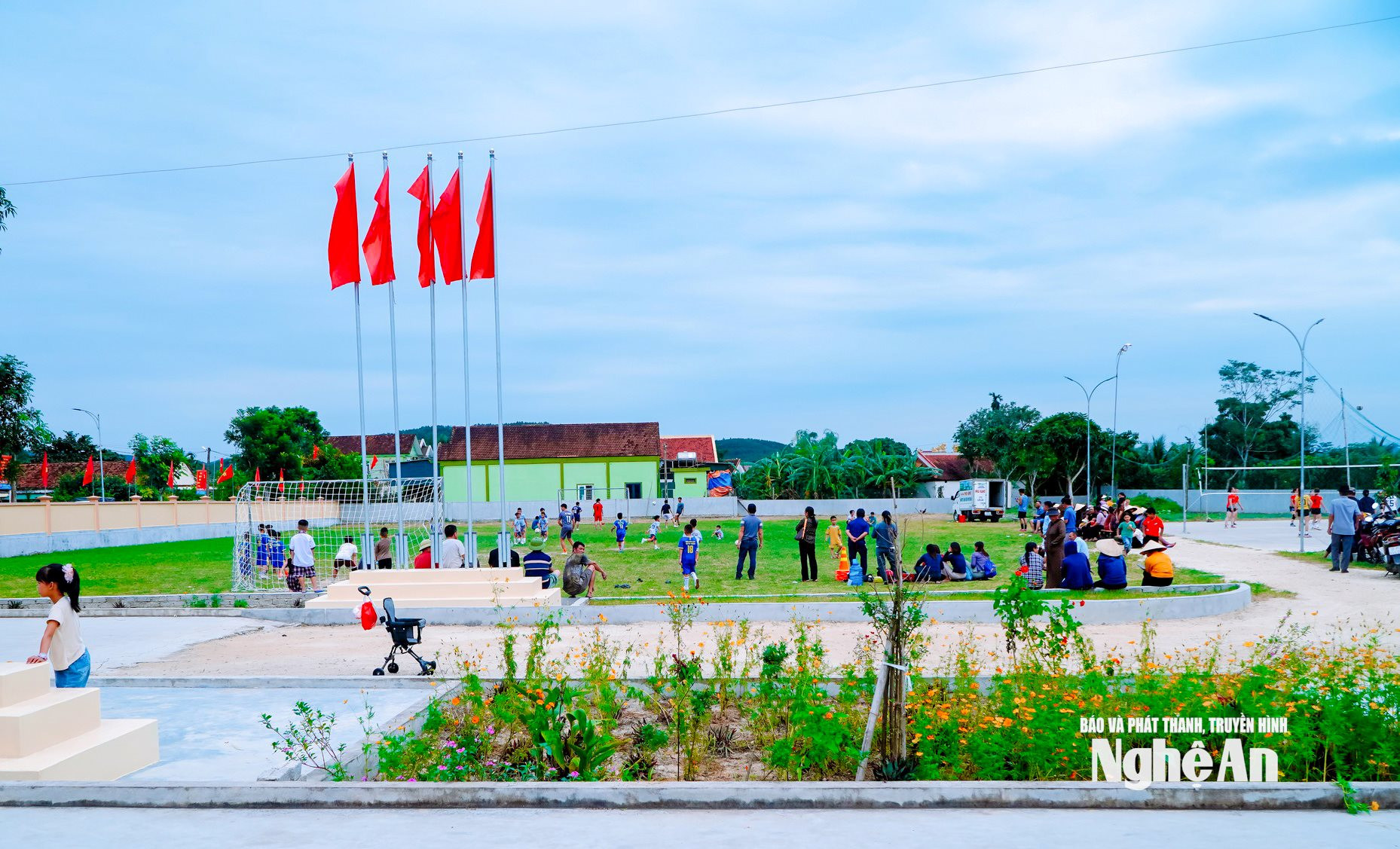
Finally,Most importantly, every plan must put the people at the center. Reorganization creates new neighborhoods, but the cohesion of these new neighborhoods doesn't naturally form after an administrative decision. It's built through dialogue, listening, respecting community memories, making rational use of existing institutions, organizing regular activities, and empowering the people to play an active role. Therefore, the success of reorganization is measured not only by the reduction in the number of administrative units, but also by the level of consensus and the quality of the people's cultural life. If done well, each new neighborhood will truly become a cohesive community space.


