
Proposing strong decentralization and delegation of power in the military and defense sectors.
On the morning of August 8th, at the first extraordinary session of the 16th National Assembly, the National Assembly discussed draft laws and resolutions in the plenary hall.
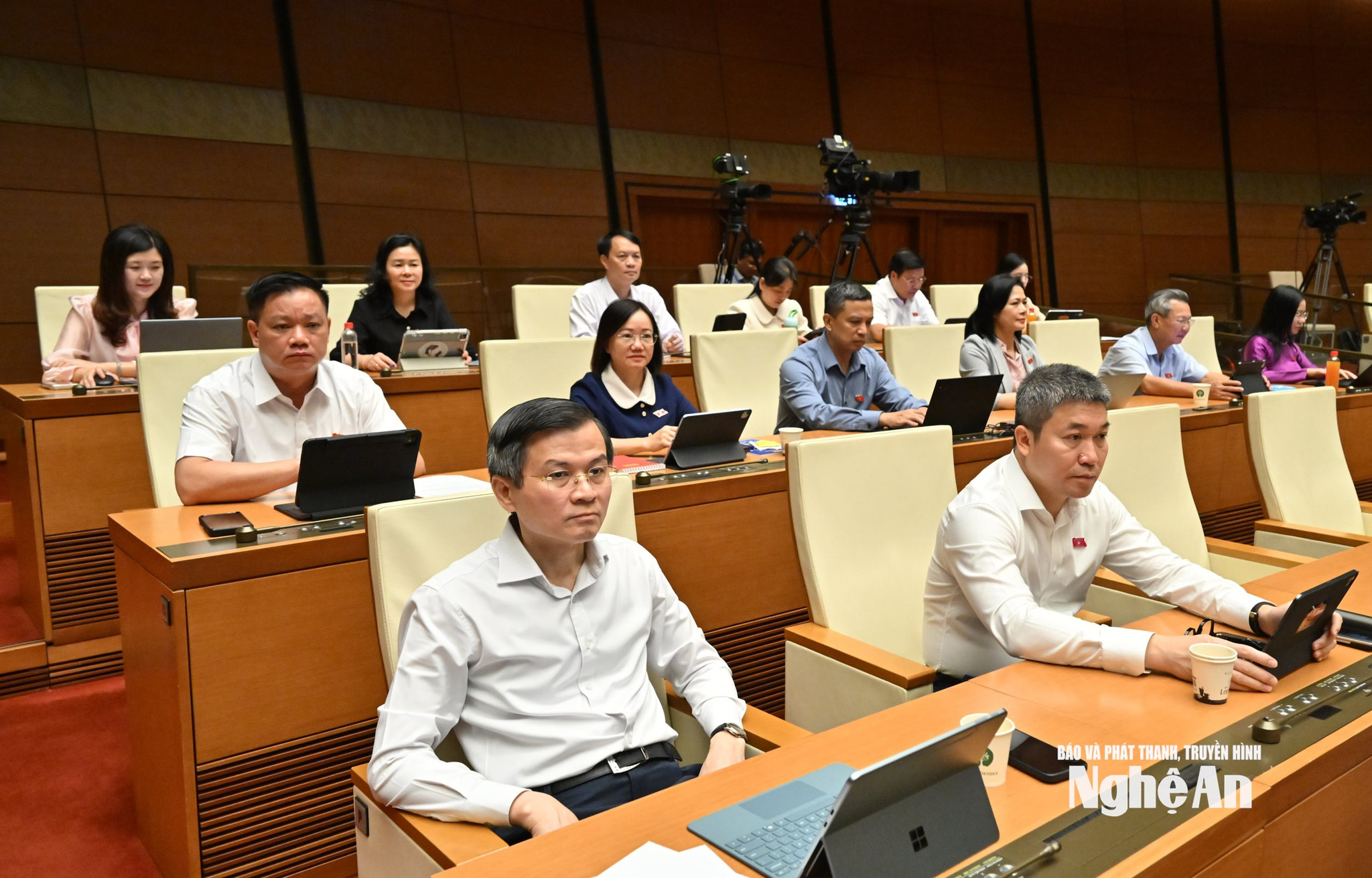
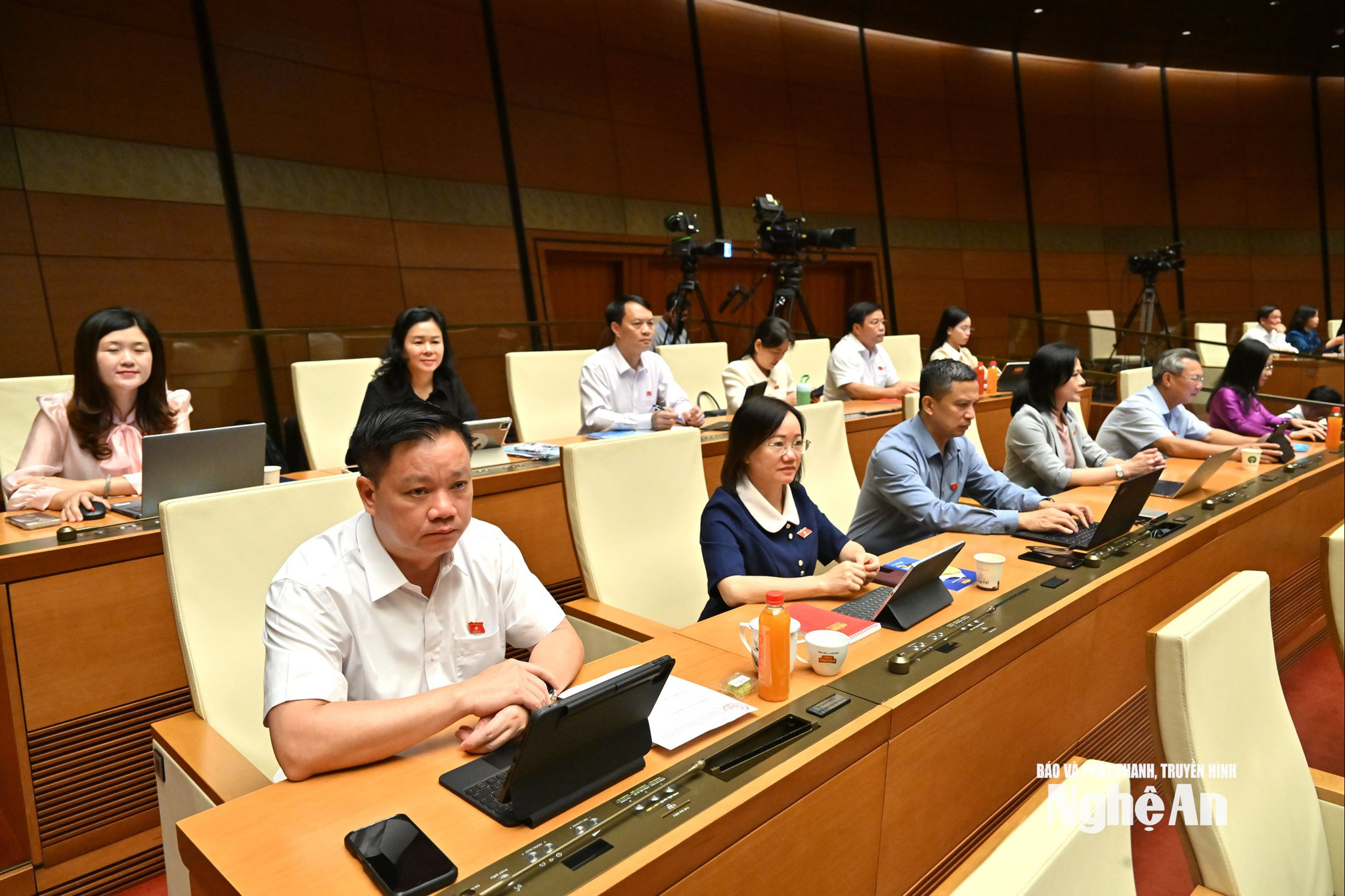
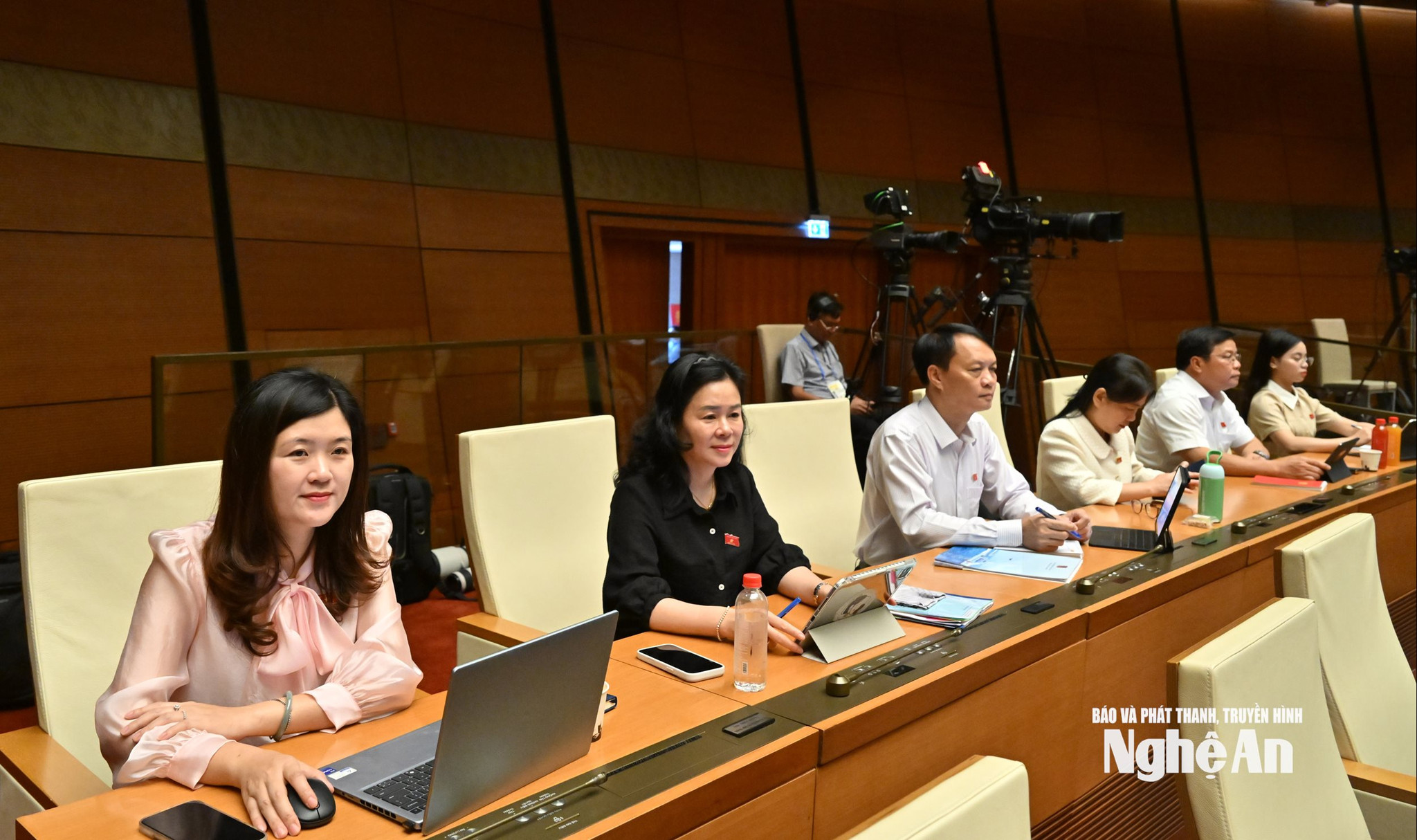
The National Assembly delegation from Nghe An province attended the session with the following delegates: Member of the Political Bureau, Director of the Ho Chi Minh National Political Academy Doan Minh Huan; Member of the Central Committee of the Party, Secretary of the Provincial Party Committee, Head of the National Assembly Delegation of Nghe An province Nguyen Khac Than; and other delegates in the delegation.
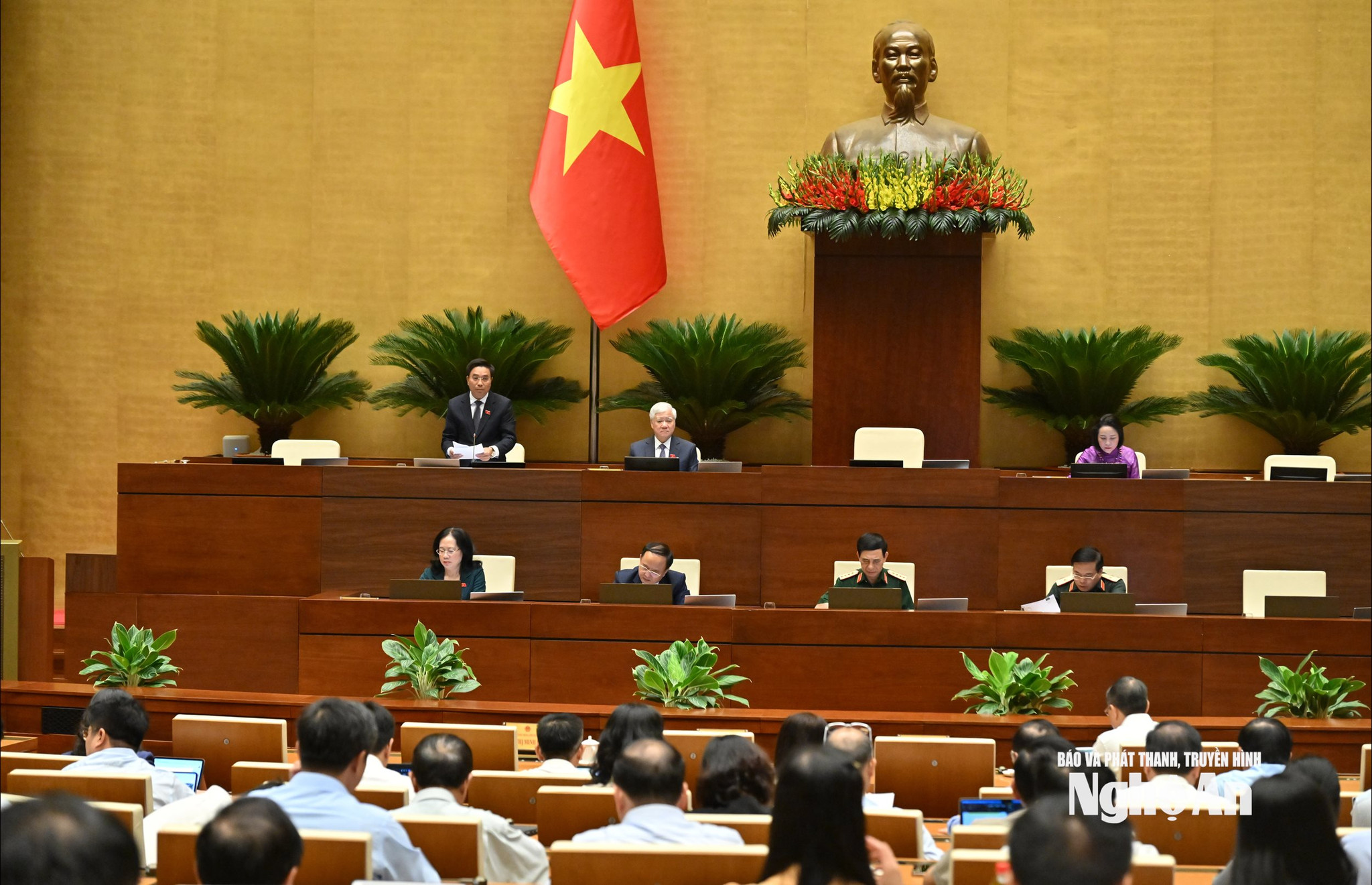
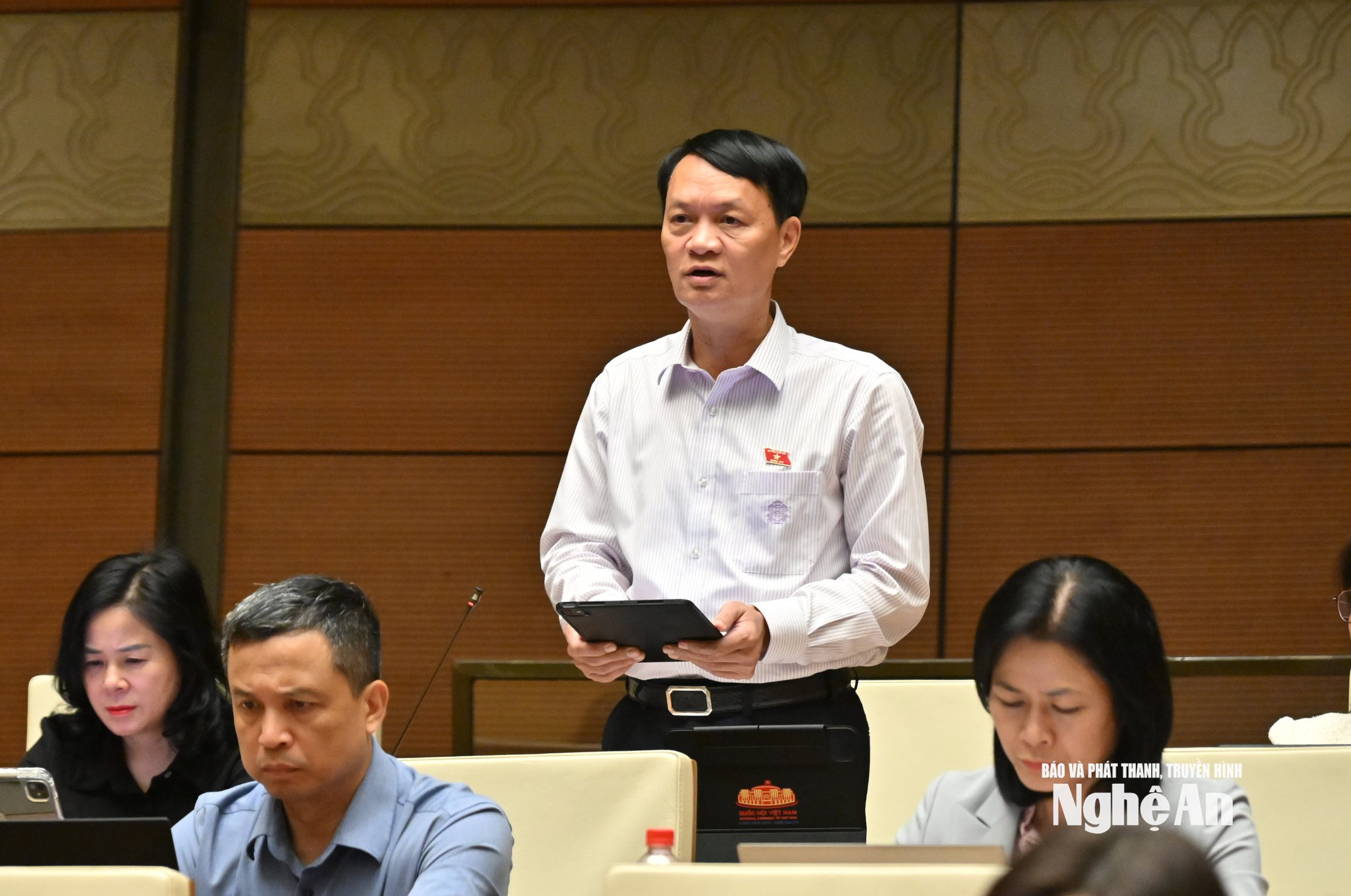
Speaking at the discussion session, delegate Luong Dinh Hung - a member of the National Assembly delegation from Nghe An province - expressed strong agreement with the necessity of enacting a Law amending and supplementing a number of articles of 9 laws on military and national defense; at the same time, he focused on analyzing the provisions on simplifying administrative procedures, decentralization, and delegation of power in the draft Law.
According to delegate Luong Dinh Hung, the draft Law contains 17 articles amending and supplementing regulations on decentralization and delegation of power to ministries, sectors, and local governments.
Specifically, five provisions delegate authority to the Provincial Military Command to exercise certain powers previously belonging to the District Military Command, including: demobilizing reserve professional soldiers; organizing troop handover and reception ceremonies; receiving non-commissioned officers and soldiers who have completed their active service; determining the assembly points for reserve mobilization forces; and advising on civil defense activities in the area.
The draft also includes three provisions that delegate to the Commune Military Command some of the powers of the dissolved District Military Command, related to the demobilization of reserve soldiers, registration of reserve soldiers, and notification of enlistment orders for reserve soldiers.
In addition, the four provisions empower the commune-level People's Committees to exercise the authority of the district-level People's Committees, focusing on managing the broad local population; planning the construction and mobilization of reserve forces; organizing activities for reserve soldiers holding command positions in reserve units; and notifying decisions on the mobilization of reserve technical equipment.
Notably, the draft includes a provision delegating authority to provincial People's Committees to exercise the Ministry of Industry and Trade's power in granting import, temporary import, re-export, and re-import licenses for unmanned aircraft, other flying vehicles, engines, propellers, and equipment for these vehicles.
The draft also abolishes four powers of certain agencies and organizations, including the authority of the Ministry of National Defense to issue certificates of eligibility for businesses trading in unmanned aircraft and other flying vehicles; and some powers of the People's Committees at the commune level, the Chairmen of the People's Committees at the provincial level, and the Ministry of Education and Training in the military and national defense fields.
Commenting on the draft Law, delegate Luong Dinh Hung said that, despite being developed in a short time, the project dossier had been meticulously researched and prepared by the drafting agency and the reviewing agency, especially the regulations on decentralization and delegation of power. The amendments focus on truly necessary and urgent issues in the military and national defense fields.
According to delegate Luong Dinh Hung, these regulations contribute to the timely institutionalization of the policy on reorganizing the political system's apparatus and the two-tiered local government model; at the same time, they ensure compliance with the Constitution and consistency with the current legal system.
The promotion of decentralization and delegation of power is also expected to contribute to the streamlining and strengthening of local military organizations; reducing and simplifying administrative procedures, removing difficulties and obstacles, and reducing costs and time for citizens and businesses. This will ensure that operations in the military and defense sectors are maintained normally, continuously, smoothly, and with high feasibility after the Law is passed by the National Assembly.


