
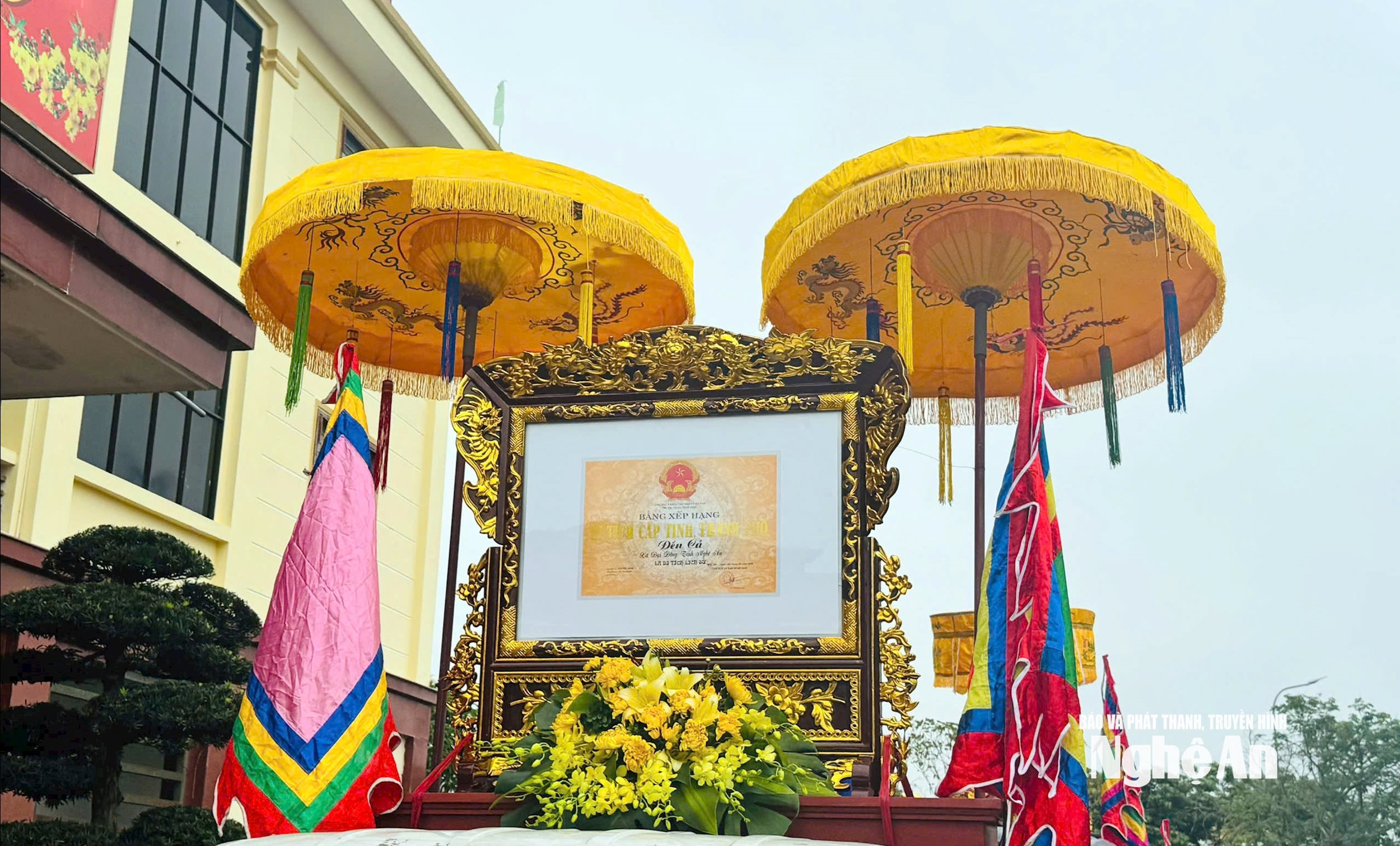
The Ca Temple (Dai Dong commune) receives the Certificate of Ranking as a Provincial-level Historical Monument.
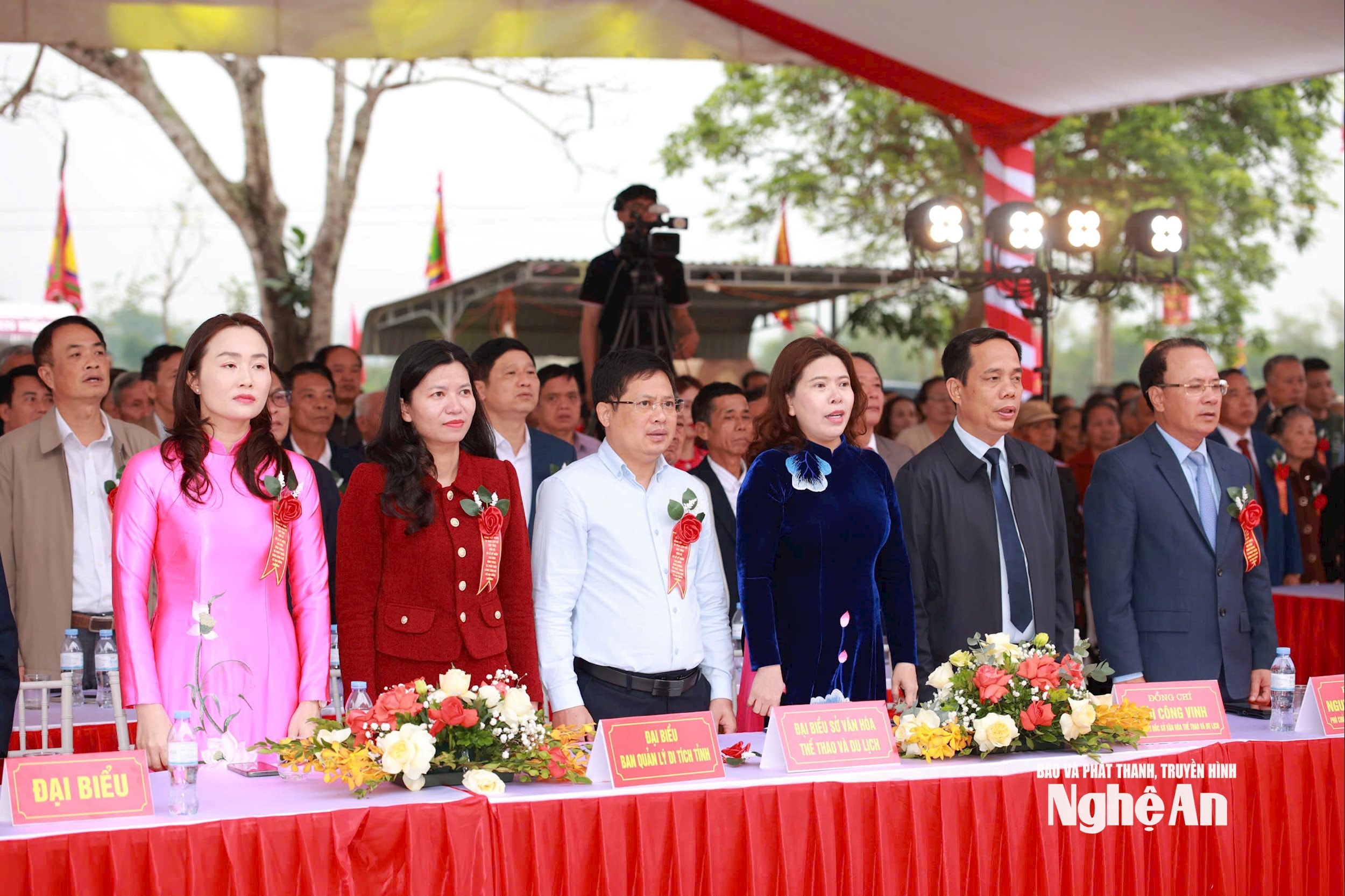
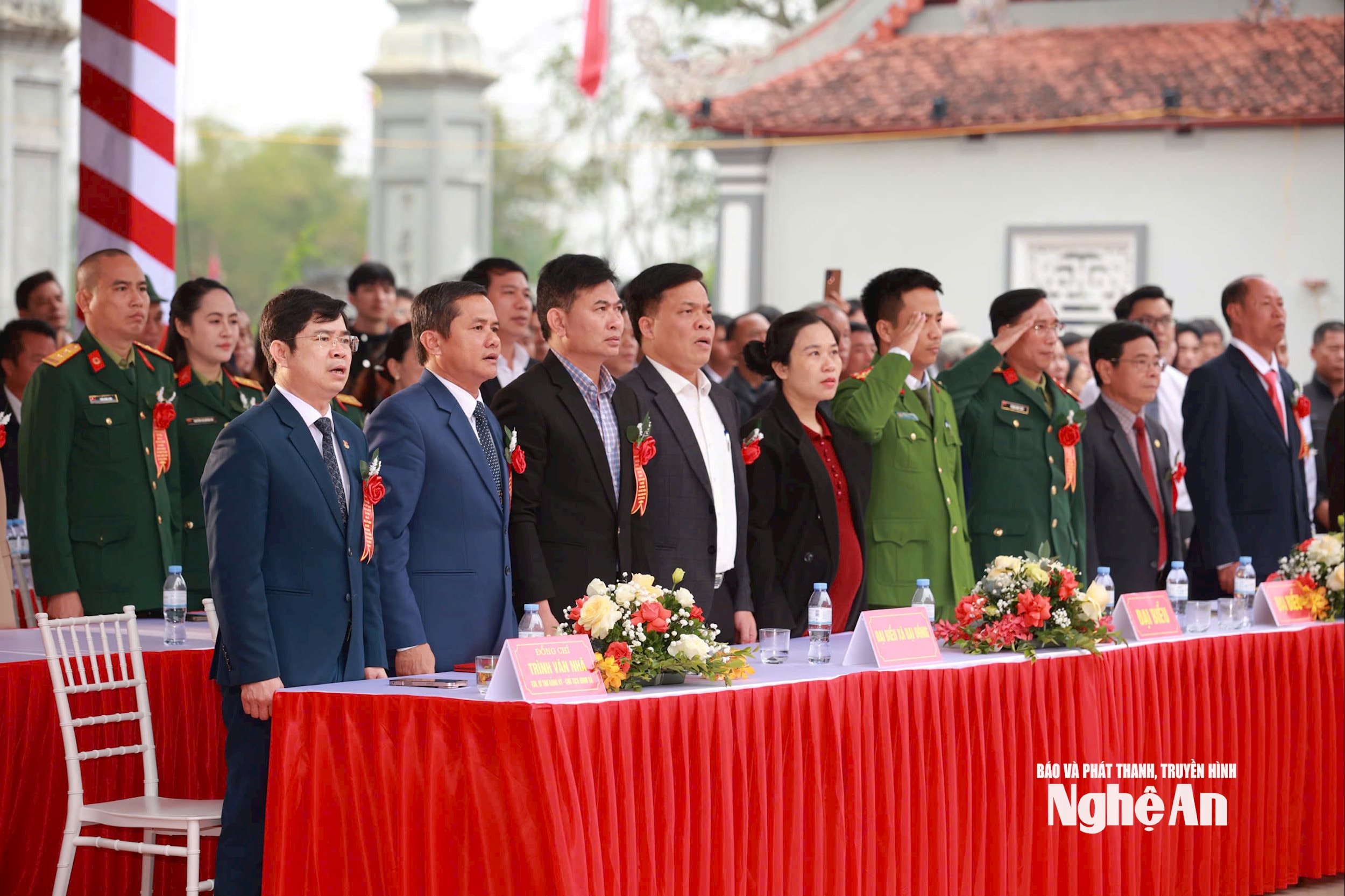
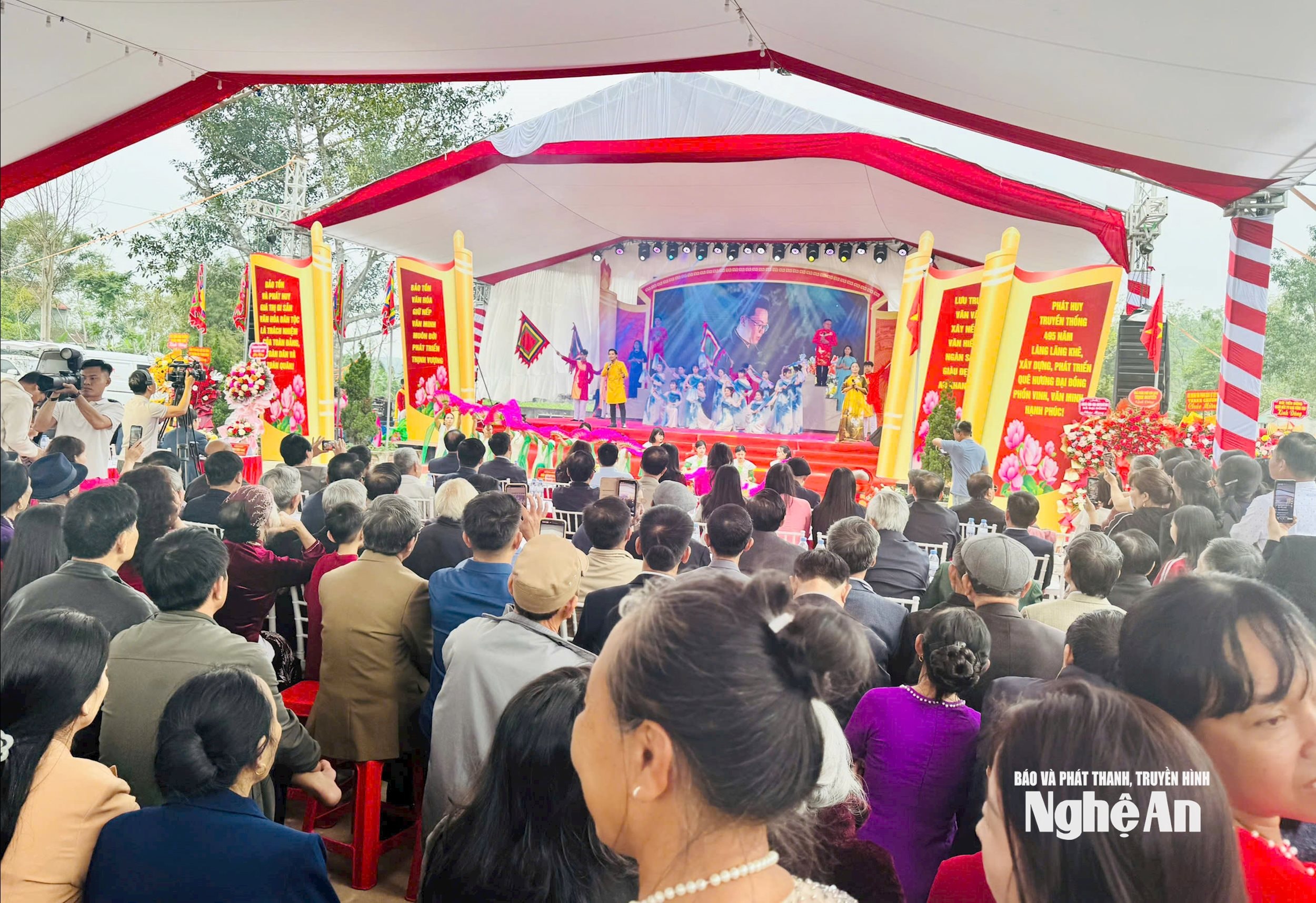
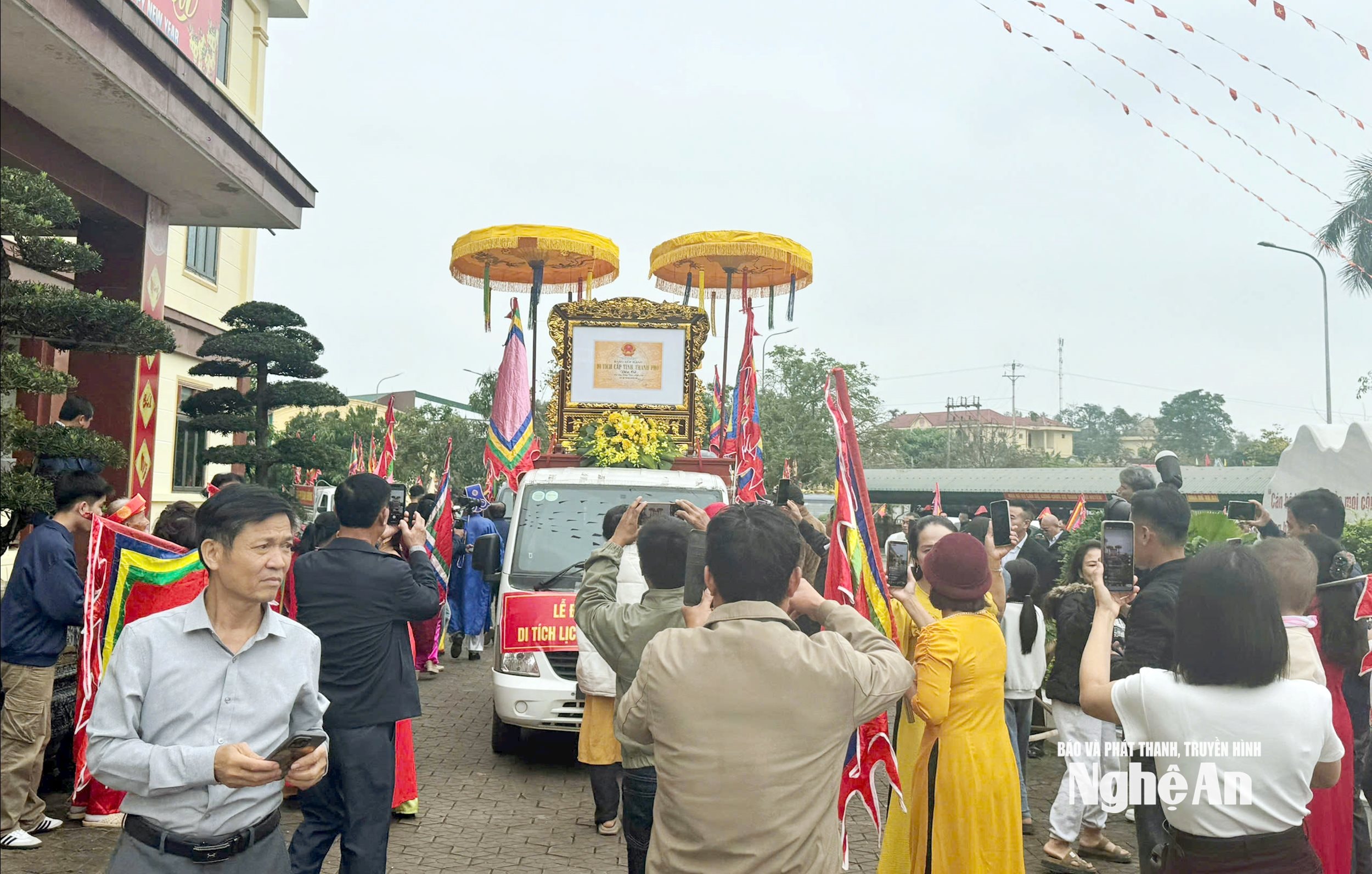
On the afternoon of March 4th, the People's Committee of Dai Dong commune solemnly organized a ceremony to receive the Certificate of Ranking as a Historical Monument for Ca Temple and to commemorate the 495th anniversary of the formation and development of Lang Khe village, Dai Dong commune.
Attending the ceremony were Comrade Nguyen Nam Dinh - Standing Vice Chairman of the Provincial People's Council, along with representatives from the Provincial Department of Culture, Sports and Tourism; the Provincial Relics Management Board, as well as leaders of Dai Dong commune and relevant departments and units.
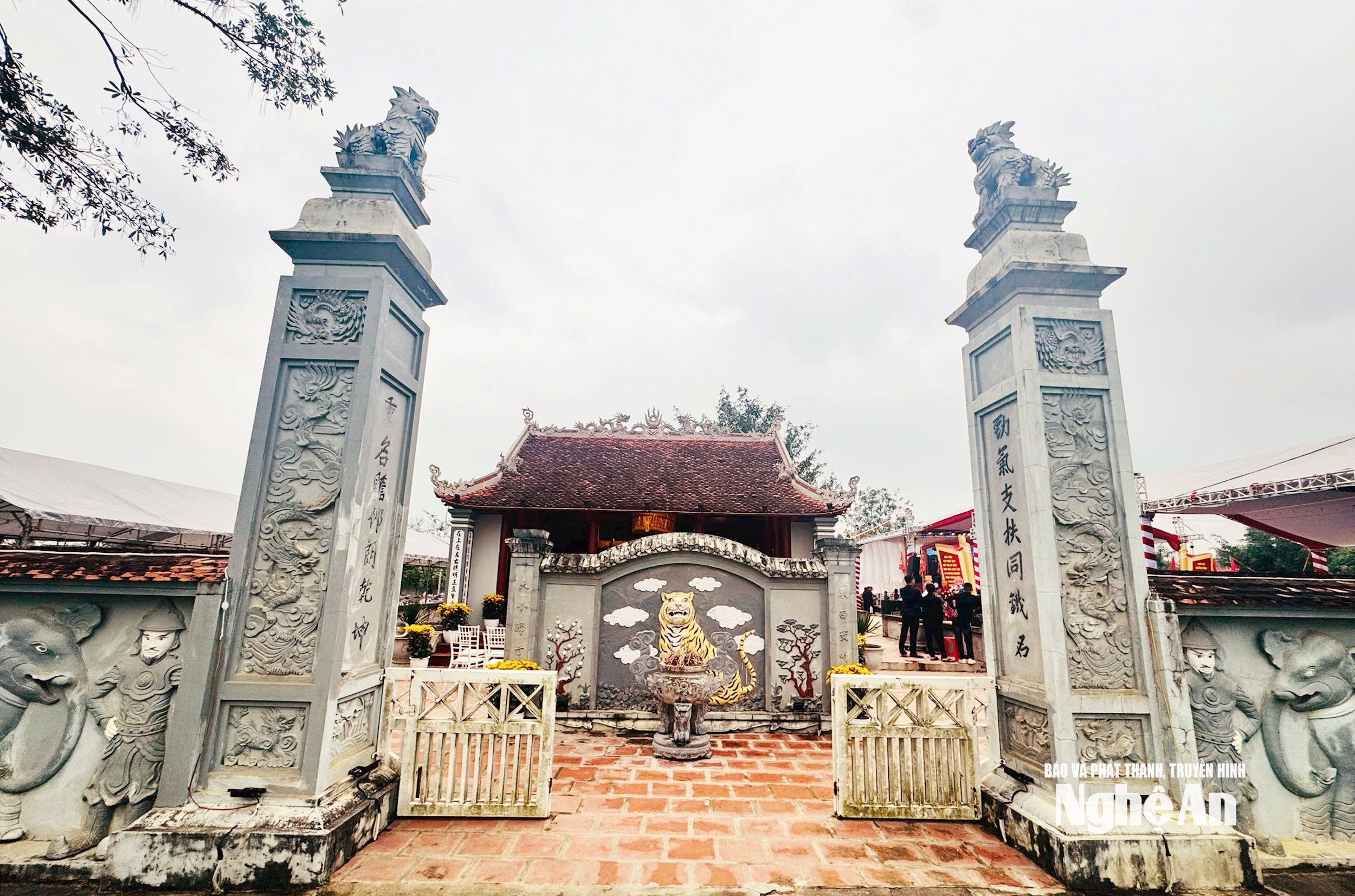
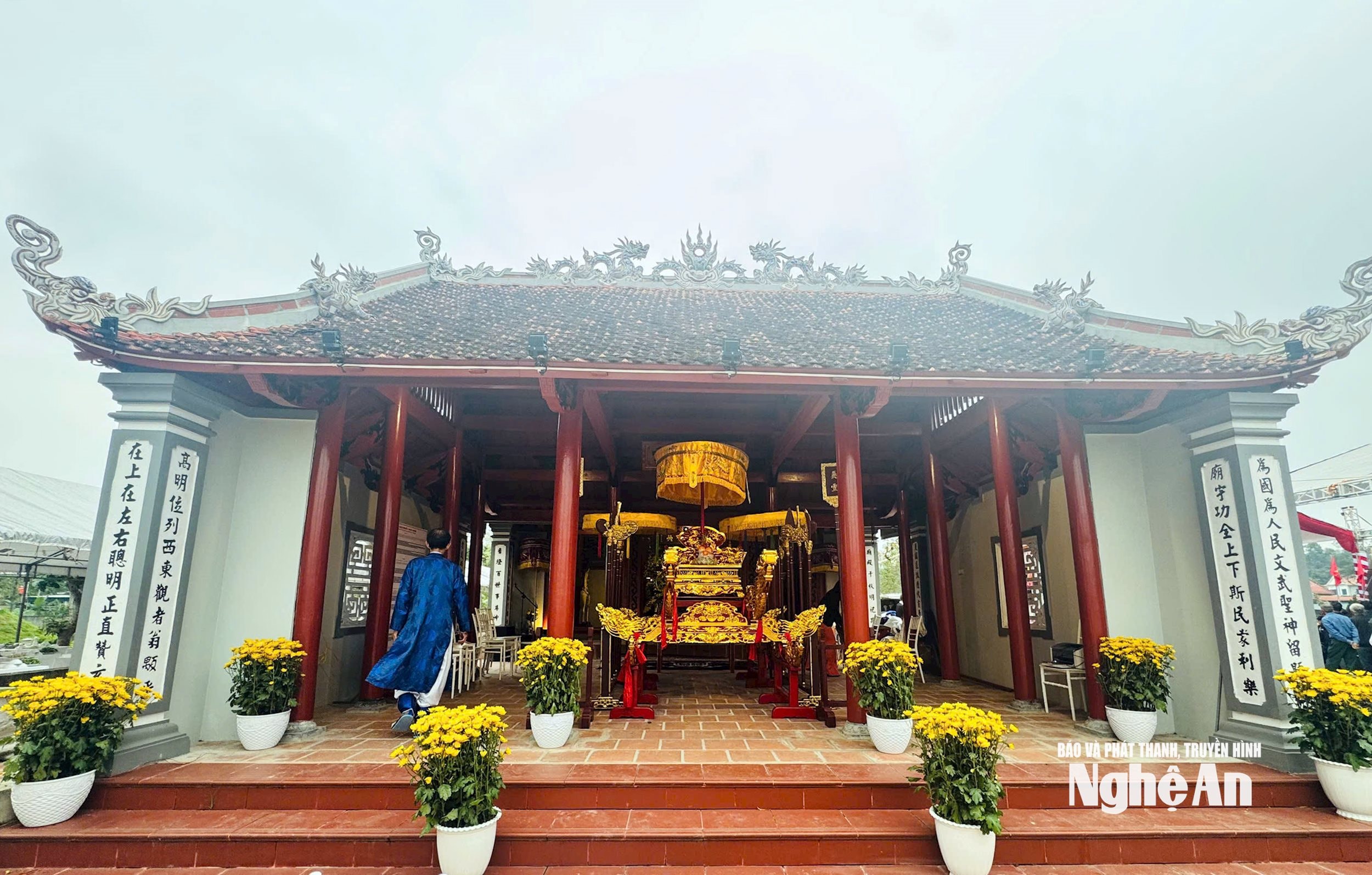
The Ca Temple is located in Dong Thuong village, Dai Dong commune. Built during the Le Trung Hung era, the temple is dedicated to Saint Ca - Nguyen Thu and other ancestors who made significant contributions to expanding and reclaiming land, attracting people, establishing villages, and building and developing the commune.
According to ancient documents, the Great Saint's real name was Nguyen Thu, his given name was Nguyen Chau Chu, his posthumous name was Phong Cong, and he was from Binh Ho village, Dong An district, Khoai Chau prefecture, Hung Yen province (now Binh Ho village, Xuan Truc commune, Hung Yen province).
He was born and raised in a family of scholarly lineage, with many generations holding official positions. In 1487, during the Dinh Mui examination, the 18th year of the Hong Duc reign of King Le Thanh Tong, he passed the examination and obtained the title of Third-Class Doctor of Literature. His name is inscribed on the Doctor of Literature stele at the Temple of Literature - National University, Hanoi.
Throughout the reigns of various kings, thanks to his talent, virtue, loyalty, and integrity, Nguyen Thu was highly trusted and valued by the Le So dynasty, and was respected and supported by the people.
In the early 16th century, as the Later Le Dynasty weakened, he resigned from his official position and returned to his hometown in Hai Hung. Later, he and his family fled to Dong Luan, Dai Dong commune, Nghe An province (now Dai Dong commune, Nghe An province). There, impressed by the majestic mountains and rivers and convenient land and water transportation, he and his group settled down, organized land reclamation, identified land parcels, recruited people, and established villages and hamlets.
Under the leadership and command of Nguyen Thu, over many years, from a desolate rural area, Lang Khe village took shape and developed into a prosperous settlement.
In remembrance of his great contributions in "opening up the land, clearing the rocks, teaching the people how to manage irrigation, and cultivating the fields," the people of Lang Khe village honored him as the village's tutelary deity and erected a temple to worship him.
In addition, the temple also houses the shrines of several other deities such as: the local deity of Lang Son - the White-robed Princess; the local deity of Dao Son Tam Dong; the local deity of Thach Son - Yen Ha; the local deity of Lo Son; the local deity of Voi Son; and the local deity of Vien Son - Teacher Trinh Kiem (the teacher of Nguyen Sinh Sac, the father of President Ho Chi Minh).
.jpg)
Currently, the temple is located on a plot of land larger than 6,000 square meters, comprising three main halls: the Lower Hall, the Middle Hall, and the Upper Hall, along with many other auxiliary structures. Inside the temple, many valuable ancient documents and artifacts are still preserved, such as the royal throne, ancestral tablets, incense altars, and documents written in Chinese characters.
Every year, the temple hosts many important ceremonies such as: the Opening Ceremony (the 4th day of the first lunar month), the Blessing Ceremony (the 6th day of the sixth lunar month), the Winter Festival (an auspicious day in the eleventh lunar month), the Temple's Commemoration Ceremony (the 1st day of the twelfth lunar month)... Among them, the Temple's Commemoration Ceremony is the main festival, the largest in scale, attracting a large number of people and tourists from all over to worship, light incense, and pay respects.
Based on that significance, Ca Temple in Dai Dong commune was classified as a Provincial-level Historical Monument according to Decision No. 684/QD-UBND, dated February 26, 2026, of the Chairman of the People's Committee of Nghe An province.
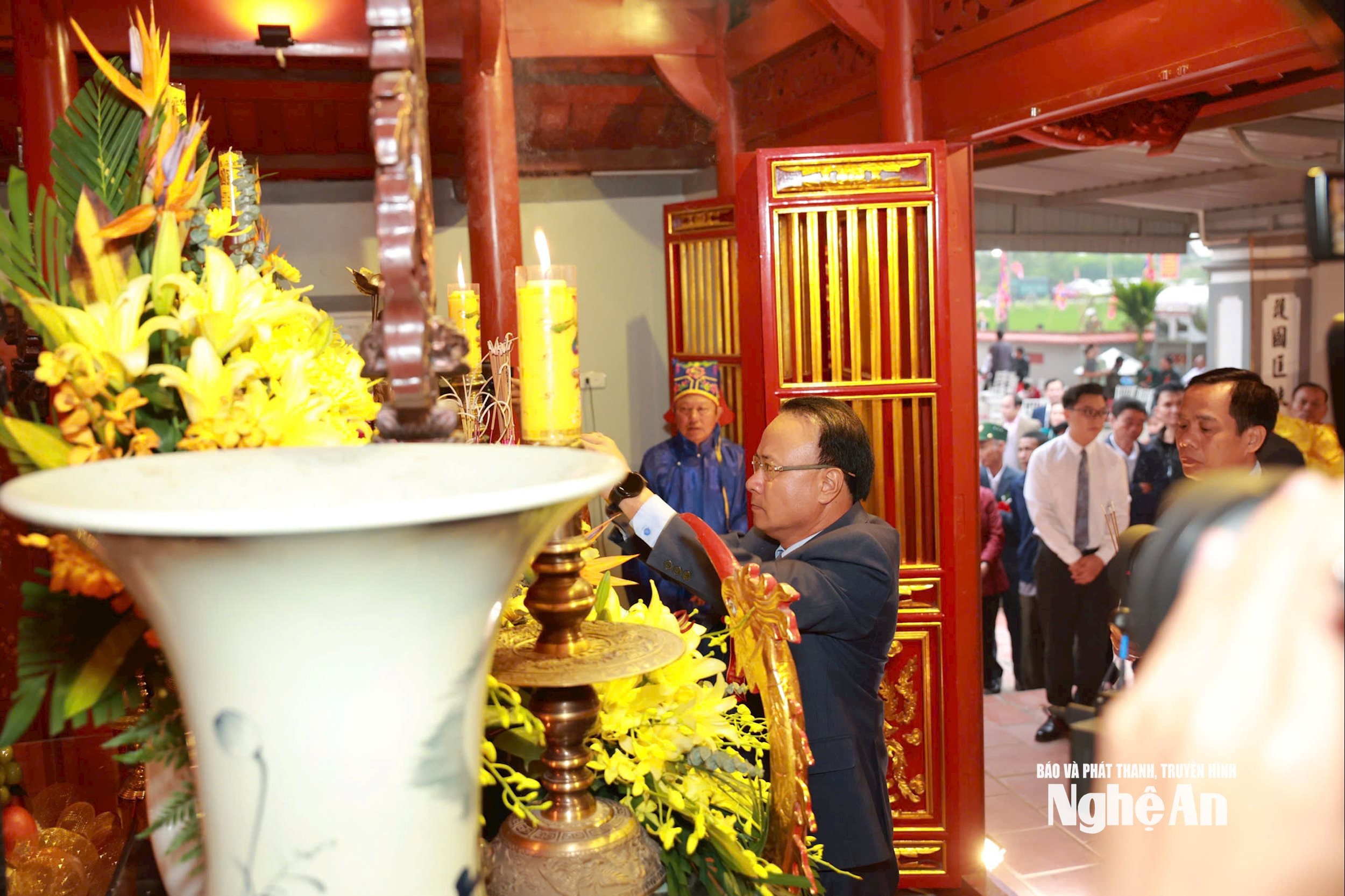
Immediately following the ceremony to award the Provincial-level Historical Monument ranking certificate to Ca Temple was the celebration of the 495th anniversary of the formation and development of Lang Khe village, Dai Dong commune (1531-2026).
495 years of formation and development is a significant milestone, affirming the historical position, role, and important contributions of this land to the development of the homeland and the country.


