
Nghe An's cultural heritage - 80 years of preservation and dissemination.
Eighty years have passed since Decree No. 65/SL dated November 23, 1945, on the Preservation of Historical Relics was issued. With the spirit of viewing cultural heritage as the "soul" of the nation and the locality, Nghe An has been striving to gradually promote and integrate its heritage into the modern social environment.
Nghe An is located in the central part of the North Central region, on the migration axis of various ethnic groups and on the North-South highway. Through the historical process of cultural exchange and adaptation, it has become a long-standing home to many ethnic groups: Kinh, Thai, Tho, Mong, Kho Mu, O Du, etc. This land is not only the birthplace of many heroes, outstanding generals, and historical figures for the country, especially President Ho Chi Minh - the great leader of the Vietnamese nation, a national liberation hero, and an outstanding cultural figure - but also leaves a profound mark on the S-shaped land of Vietnam with its rich cultural heritage.
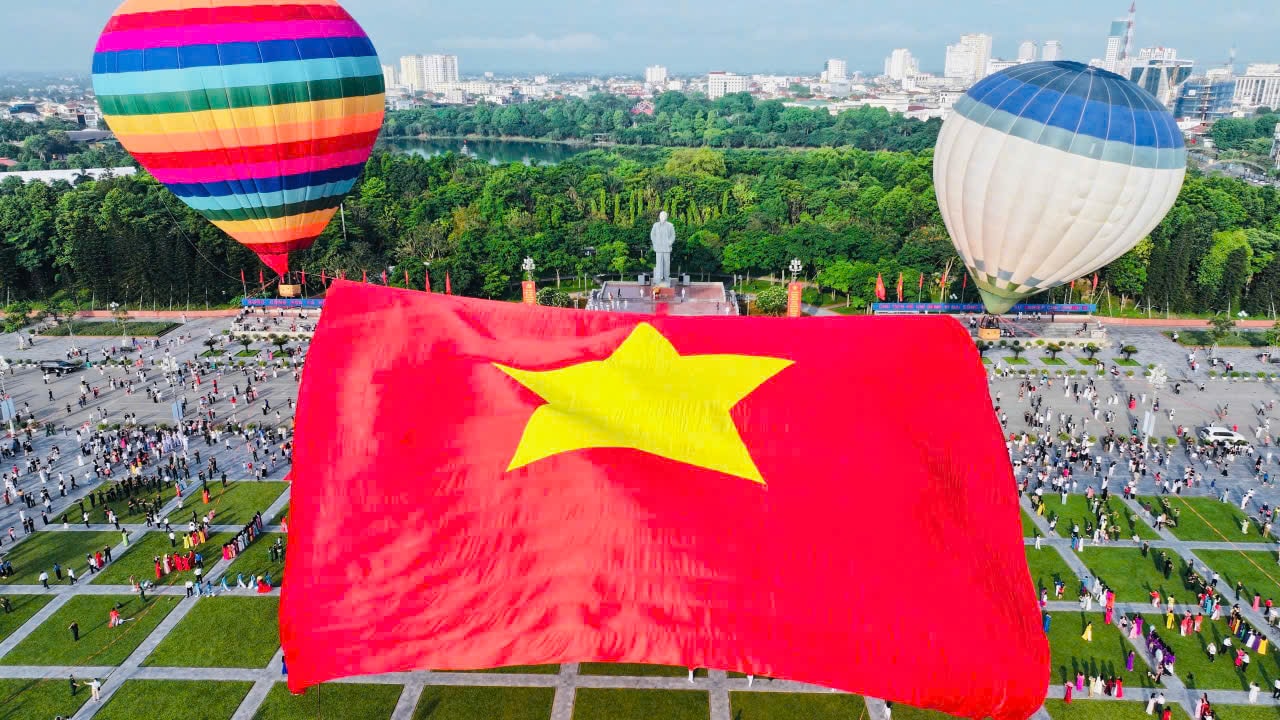
With over 2,602 historical sites and 463 intangible cultural heritage items inventoried as of the end of September 2025, Nghe An province has 492 classified historical sites at various levels. Among them...There are 7 national-level special-class relics; 138 national-level relics; 347 provincial-level relics; 13 intangible cultural heritage items inscribed on the national list of intangible cultural heritage; 14 historical sites and 7 scenic spots recognized as provincial-level tourist destinations. In addition, cultural heritage is also present and involved in activities in 25 villages and hamlets that serve as community tourism destinations (folk songs and dances of ethnic minorities), contributing to building brands and creating distinctive characteristics at tourist destinations to help retain visitors.
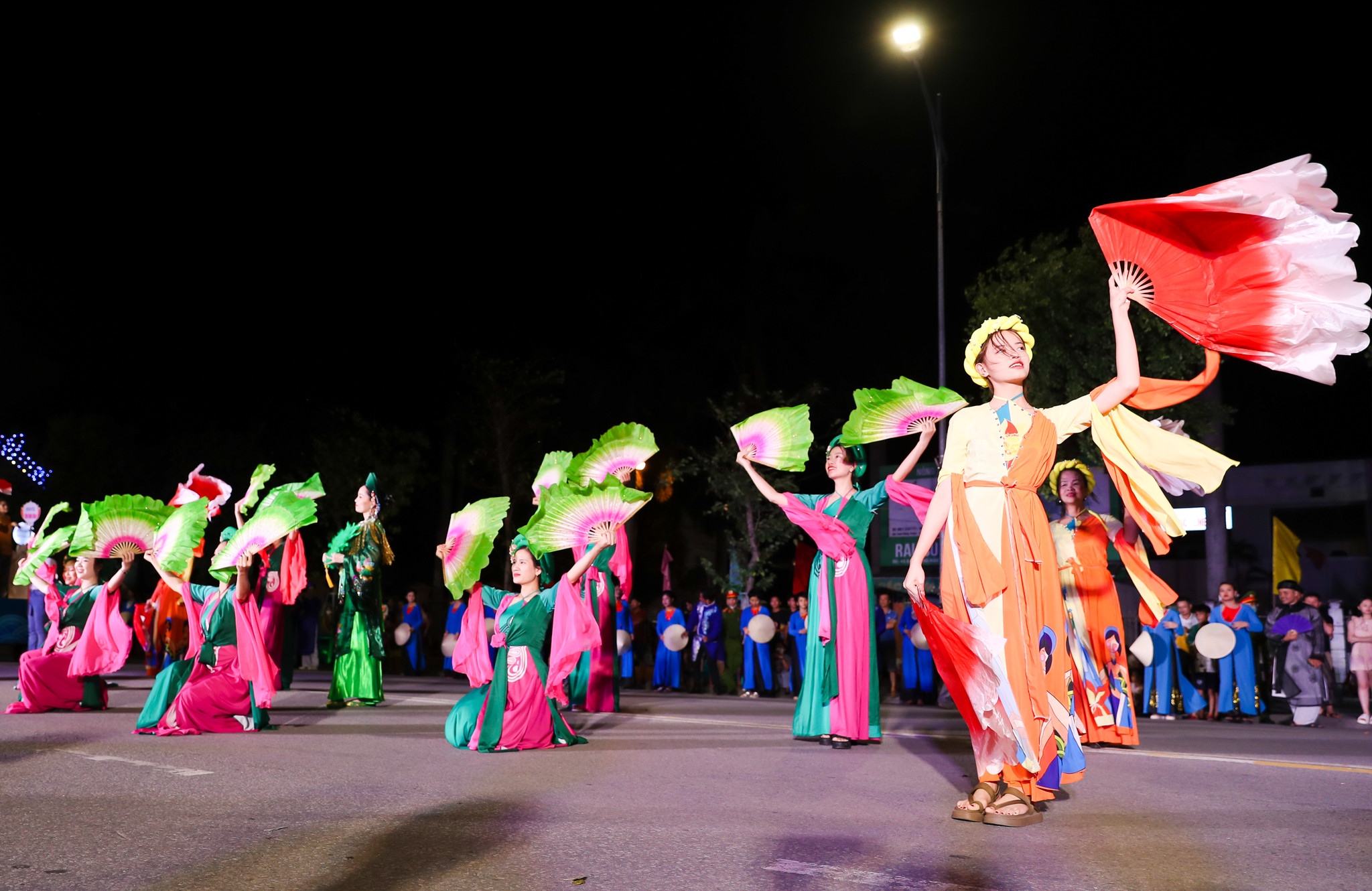
Nghe An also boasts nearly 30 unique traditional and new festivals on a provincial scale, including 8 traditional festivals listed in the national intangible cultural heritage list (Cờn Temple Festival, Quả Sơn Temple Festival, Chín Gian Temple Festival, Bạch Mã Temple Festival, Thanh Liệt Temple Festival, Ông Hoàng Mười Temple Festival, Thập Niên Sự Lệ Festival, and Yên Lương Temple Festival). In addition, dozens of commune and ward-level festivals have been revived, contributing to the enrichment of Nghe An's cultural traditions and increasing the choices for promoting heritage values, as well as meeting the increasingly diverse needs of visitors. Traditional folk games such as bamboo pole jumping, furrow carving, tug-of-war, wrestling, boat racing, and ball games are increasingly being organized alongside modern games, creating a lively festival atmosphere and contributing to connecting the ancient historical traditions with modern cultural life.
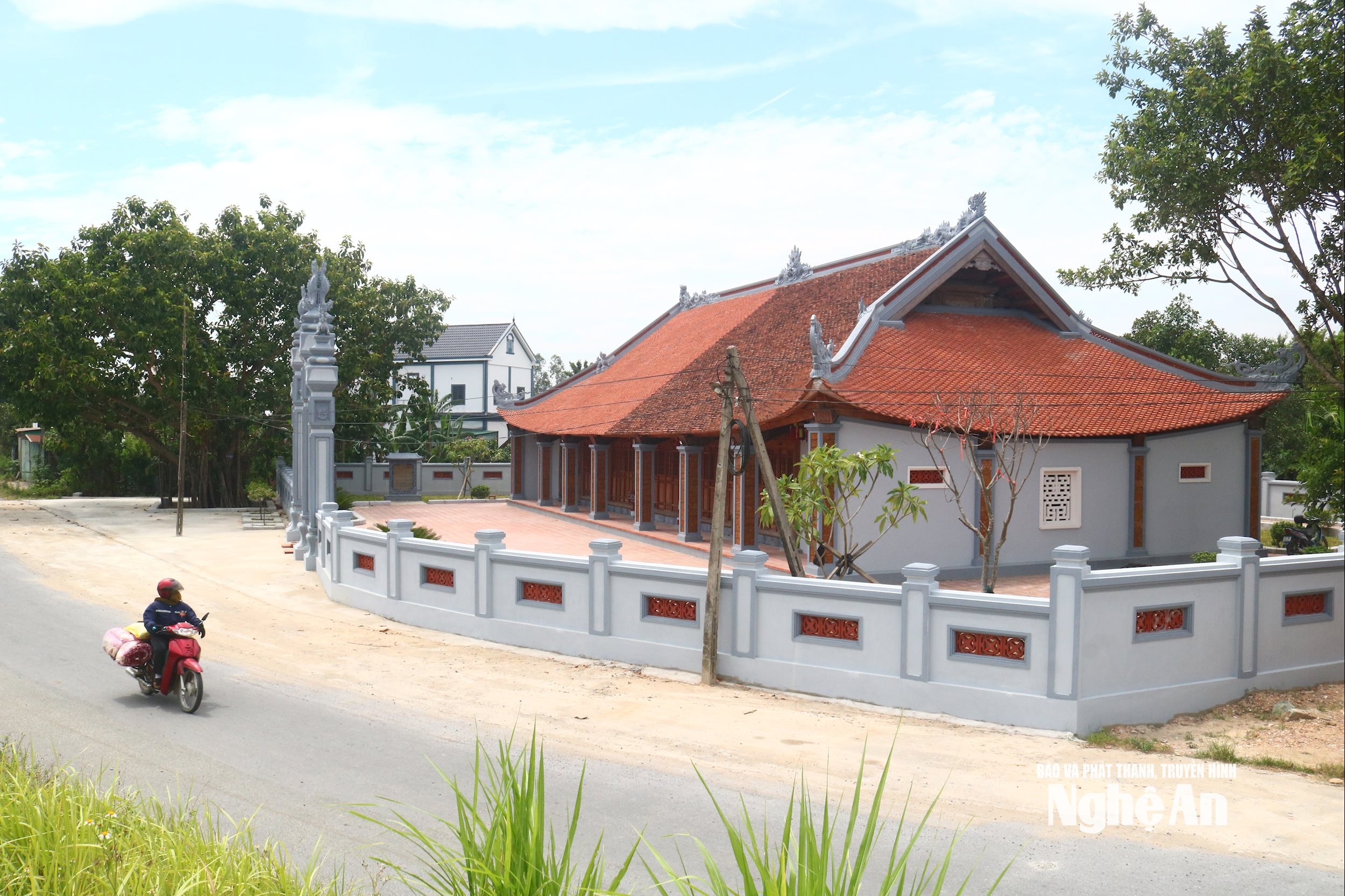
Another area of heritage that has also made significant progress is traditional craft villages such as the making of cakes and vermicelli (Dai Dong commune), the making of rice paper (Do Luong commune, Luong Son commune...), sticky rice cakes (formerly Anh Son district), carpentry (Quynh Luu commune), fish sauce (Quynh Mai ward, Quynh Phu commune, Cua Lo ward, Duc Chau commune)... These heritages not only directly create economic value but also contribute to tourism development, spreading cultural heritage through tourists.
For the Ví and Giặm folk songs of Nghe Tinh – an intangible cultural heritage of humanity recognized by UNESCO – after more than 10 years since its inscription, this heritage has spread widely. To date, there are 221 active clubs, bringing the heritage to villages and hamlets, attracting participants of all ages. Ví and Giặm folk songs not only appear in Ví and Giặm folk song festivals at all levels but also on many large stages and cultural exchange programs abroad. Teaching and transmission efforts have been intensified, especially in schools. The forms of promoting the heritage are increasingly diverse; in addition to staging and performing on large and small stages and in competitions, Ví and Giặm folk songs are also featured in folk-inspired songs, performed by artists both domestically and internationally, and disseminated and promoted on social media platforms (Facebook, Zalo, TikTok, etc.).
Currently, Ví and Giặm folk songs are being exploited and promoted in a new direction, combining sightseeing and experiences along the Lam River, with journeys along the riverbanks to admire the poetic nature and immerse oneself in the folk songs and melodies. This trend is proving effective, bringing both economic value and contributing to the spread of the heritage.

To date, Nghe An province has organized three awarding ceremonies for the titles of People's Artisan and Distinguished Artisan, recognizing 90 artisans (1 People's Artisan and 89 Distinguished Artisans). Currently, the province is organizing the fourth awarding ceremony for the titles of People's Artisan and Distinguished Artisan. This is an important resource, contributing to preserving and spreading Nghe An's cultural heritage beyond the borders of Nghe An and Vietnam, and into many international cultural spaces. Furthermore, in recent times, cultural and artistic programs organized by the Department of Culture, Sports and Tourism have created a great impact, leaving a deep impression on the people and tourists (the Lang Sen Festival, programs celebrating major holidays, the inauguration of the statue of President Ho Chi Minh...). This is thanks to the combination of traditional folk elements with the breath of contemporary culture, becoming a spiritual nourishment eagerly awaited by the people.
To support the preservation and dissemination of heritage, in recent years, the province has issued several policies such as Resolution No. 29/2021/NQ-HĐND dated December 9, 2021, stipulating support policies for artisans and clubs in the field of intangible cultural heritage and artists working at the Provincial Traditional Arts Center; and Resolution No. 28/2022/NQ-HĐND dated December 9, 2022, stipulating a number of policies to support the preservation and promotion of cultural heritage values in Nghe An province. These policies have helped many relics to be restored and revived, and many artisans, especially young artisans, to confidently dedicate themselves to practicing and teaching the heritage.
With its potential and advantages, Nghe An's cultural heritage is gradually contributing to economic development. To date, the province has approximately 204 production facilities based on cultural heritage that can be developed into souvenir products, comprising 104 different types of goods. These are primarily processed food products made from agricultural produce. These production facilities have created jobs for local people and contributed to the consumption of raw materials.
Eighty years have passed since Decree No. 65/SL dated November 23, 1945, on the Preservation of Historical Relics was issued, and twenty years since the Prime Minister's Decision No. 36/2005/TTg recognized November 23rd as Vietnam's Cultural Heritage Day. The cultural heritage of Nghe An province continues to be preserved by its honest, simple yet resilient, humble yet determined people. Various forms of heritage shine through in many important events of the province and the country. The province's cultural heritage also follows its people to distant lands, integrating its "essence" into world culture and strongly adapting to the trends of the times. This year, the Department of Culture has also completed many major restoration and renovation projects for historical sites such as Hoanh Son communal house, Dong Vien communal house, the house of Mr. Vi Van Khang, and the Kim Lien historical site... contributing to better serving the needs of the people and tourists.
Through the process of formation, preservation, and dissemination, the cultural heritage of Nghe An province is no longer simply the "soul" of Nghe An, but has become an important factor, one of the "endogenous resources" to promote tourism development, socio-economic development of the province, and contribute to shaping the new generation in a modern, digital society while still retaining a strong national identity.


