
African Swine Fever Outbreak: A Gap Caused by Complacency
Despite the resurgence of African swine fever in many localities in Nghe An province, leaving many livestock farmers penniless, disease prevention and control efforts still show signs of complacency and negligence on the part of local authorities.
The loopholes arising from the failure to control outbreaks.
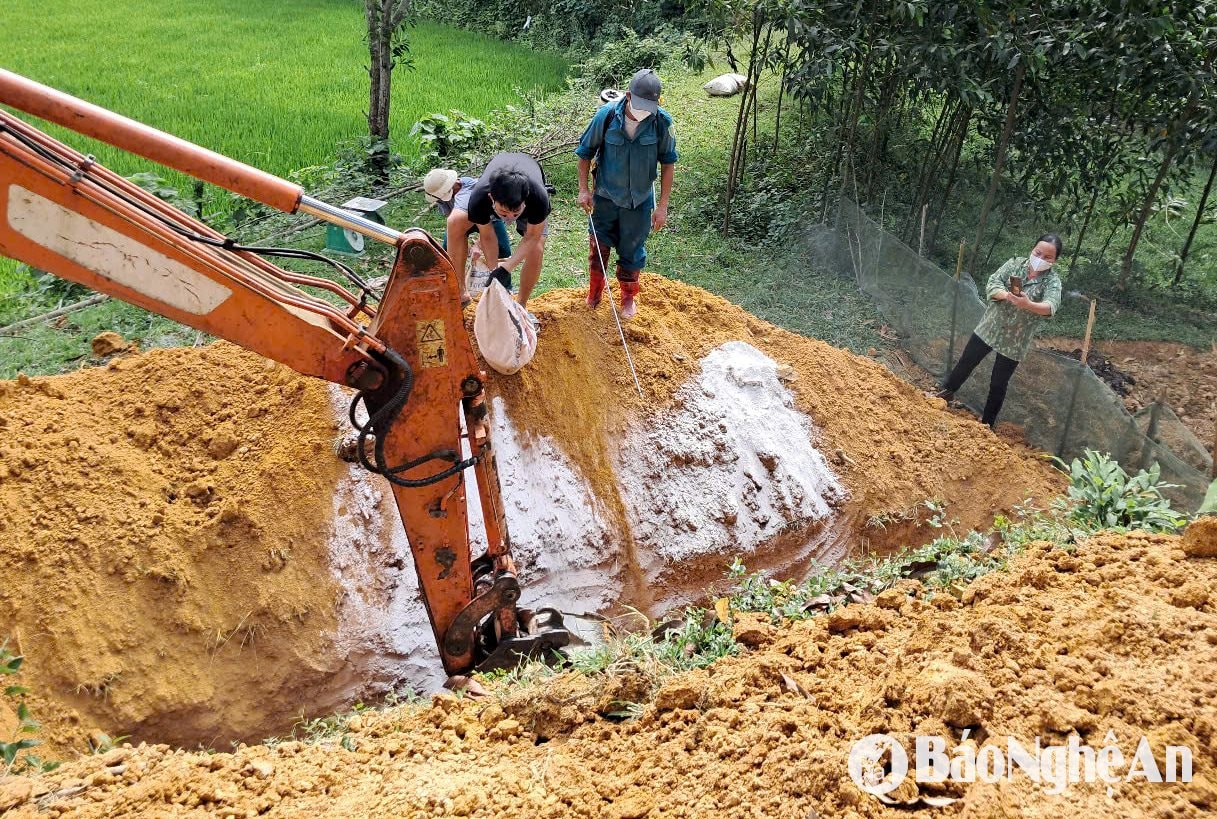
Observations in several localities over the past few days show that, although the authorities have implemented measures such as taking samples for testing, destroying infected pigs, providing disinfectants to people, and livestock farmers have also proactively spread lime powder and sprayed disinfectant in their barns, the reality shows that the response has not been truly decisive.

In many outbreak areas, authorities have not set up checkpoints to control the spread of the disease, creating loopholes that allow people to sell their pigs quickly or traders to transport pigs in and out of the affected areas, thus exacerbating the risk of disease spread.
The current disease situation is becoming complicated in many "hot spots". In Thanh Phong commune (Thanh Chuong district), in less than a month, 88 pigs, with a total weight of over 3 tons, had to be culled. The Chairman of the commune's People's Committee, Mr. Trinh Xuan Thi, said that the locality is facing difficulties in controlling the disease due to the lack of established quarantine checkpoints, while some households in the area specialize in buying and slaughtering pigs, creating a high risk of disease spread, especially since National Highway 7B runs through the area.
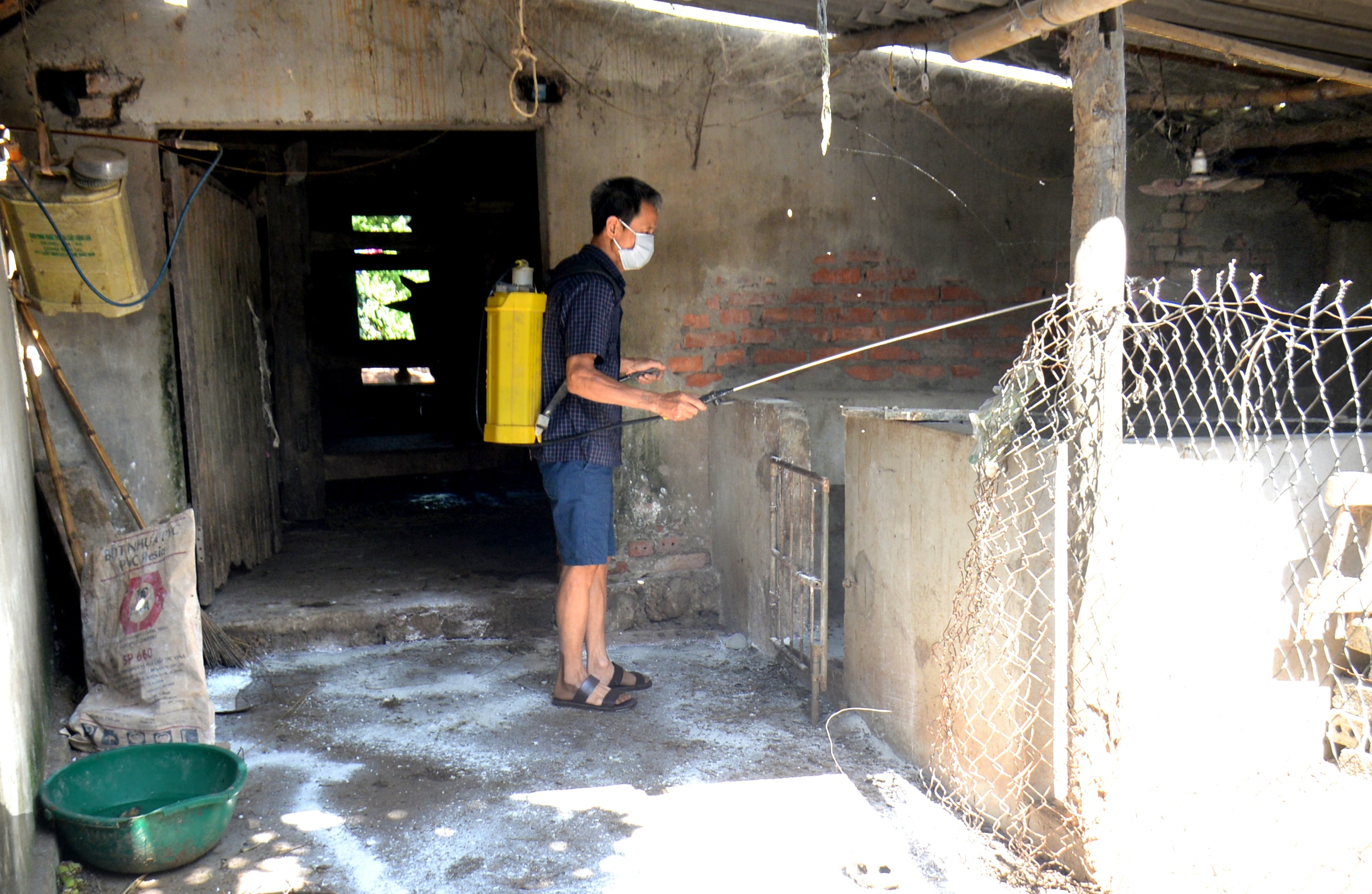
Similarly, in Don Phuc commune (Con Cuong district), from the beginning of March to mid-May, 157 pigs in 47 households were found to be infected and had to be culled, with a total weight of nearly 5.8 tons.
However, this locality has not yet implemented strict control measures such as setting up checkpoints at outbreak sites. This allows for the free trade and transportation of pigs and pork products in and out, increasing the risk of further spread.
Currently, 11 communes in Yen Thanh district are experiencing a resurgence of African swine fever. However, according to the head of the district's Agricultural Services Center, the disease is only appearing sporadically in small-scale livestock farms, so the communes are not setting up checkpoints but are only carrying out the culling of pigs, spreading lime powder, and spraying disinfectant chemicals.
According to experts, the African swine fever virus is highly resistant and can survive in raw pork for 3 to 6 months if not processed at sufficiently high temperatures. The virus does not spread to humans, but people can unknowingly become carriers of the disease through contact with contaminated objects, vehicles, clothing, or food.
Focus all efforts on combating the epidemic.
Given the complex developments of the epidemic, Nghe An province is currently implementing solutions in accordance with Decision No. 3385/QD-UBND dated October 1, 2020, on the Plan for the prevention and control of African swine fever in the period 2020–2025.
Accordingly, the Department of Agriculture and Environment plays a leading role, coordinating with districts and cities to monitor the epidemiology and control the transportation and trade of pigs and pig products. The Department of Finance is tasked with ensuring funding; local authorities must develop specific plans, conduct awareness campaigns, and promptly handle outbreaks.
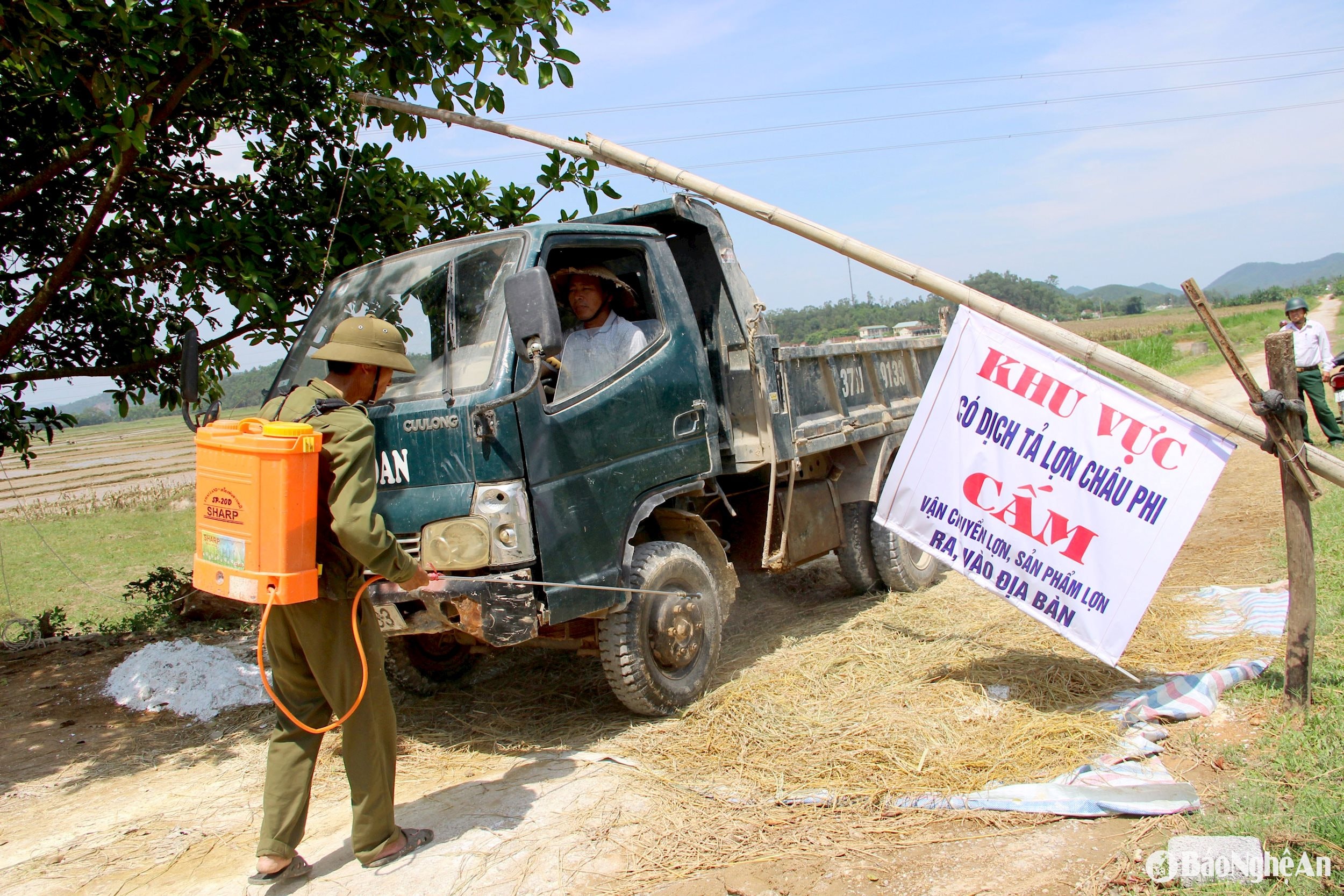
Specifically, the plan requires commune-level authorities to establish temporary quarantine checkpoints and mobile teams to control the transportation of animals and animal products; and to prepare sufficient supplies, chemicals, equipment, and personnel ready to respond when an outbreak occurs. However, in reality, implementation in many places is still inconsistent and lacks decisiveness from the grassroots level.
In response to the widespread resurgence of the epidemic, in early May, Vice Chairman of the Provincial People's Committee Nguyen Van De chaired a meeting, requesting localities to focus all efforts on controlling the disease, avoiding complacency and negligence, and especially emphasizing: "Do not let the restructuring of the administrative apparatus affect the work of epidemic prevention and control."
With the pig farming industry still recovering from previous outbreaks, the resurgence of African swine fever poses a threat to people's livelihoods. To protect livestock and ensure food safety, authorities at all levels need to urgently tighten disease control measures, enhance supervision, strictly handle violations, and strengthen public awareness campaigns to encourage people to actively cooperate in disease prevention and control.


