
African swine fever outbreak is developing in a complex manner.
African swine fever continues to spread in several localities in Nghe An province, causing significant losses to pig farmers. Although the number of outbreaks has decreased compared to the same period last year, the risk of recurrence and spread remains high.
Lost all their capital due to African swine fever.
Throughout October, African swine fever continued to spread in a complex manner in Cat Ngan commune.
The increasing number of diseased pigs that have to be culled is causing significant economic losses, pushing many livestock farmers into difficult situations, and even causing them to lose all their capital after months of investment.
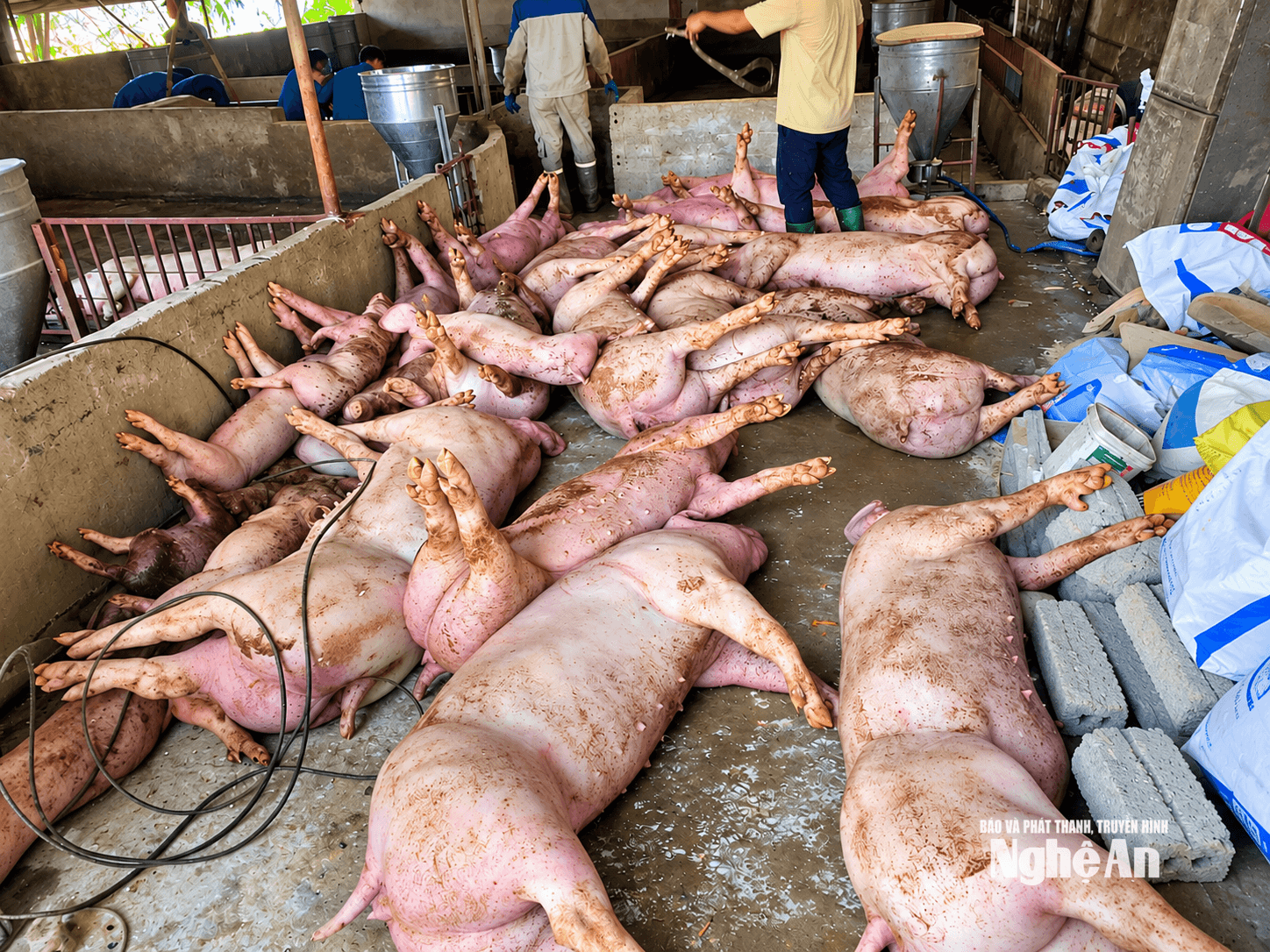
The family of Mr. Le Sy Bac in Dao Ngan hamlet, Cat Ngan commune, had to destroy their entire herd of 12 pigs (1 sow and 11 market pigs) weighing a total of 185 kg on October 25th due to African swine fever. Mr. Bac said that the pigs had been cared for by his family for over two months and were in the process of being prepared for market when they suddenly showed symptoms of loss of appetite and infection.
Immediately after discovering the problem, the family proactively reported it to the local authorities for inspection and determination of the cause. Subsequently, commune officials came to count and weigh the pigs and organized the destruction of the entire herd according to regulations. The significant economic loss has caused the family considerable hardship. "Now, the family only hopes that the government will provide support policies so that we can soon have the means to rebuild our herd," Mr. Bac shared.
Since the beginning of October alone, eight pig farming households in Cat Ngan commune have been infected with African swine fever, with a total of 2,313 kg of pigs culled. The largest number was culled by the family of Ms. Hoang Thi Nam in Phong Hoa hamlet, who had to cull 12 sows, each weighing 215 kg.
Mr. Vo Van Thanh, Head of the Economic Department of Cat Ngan Commune, said: From the beginning of the year until October 29th, the entire commune had to cull 850 pigs infected with the disease (accounting for 10.56% of the total pig herd), with a total weight of over 67 tons. This is a worrying figure, reflecting the extent of the disease's impact on livestock farming in the area.
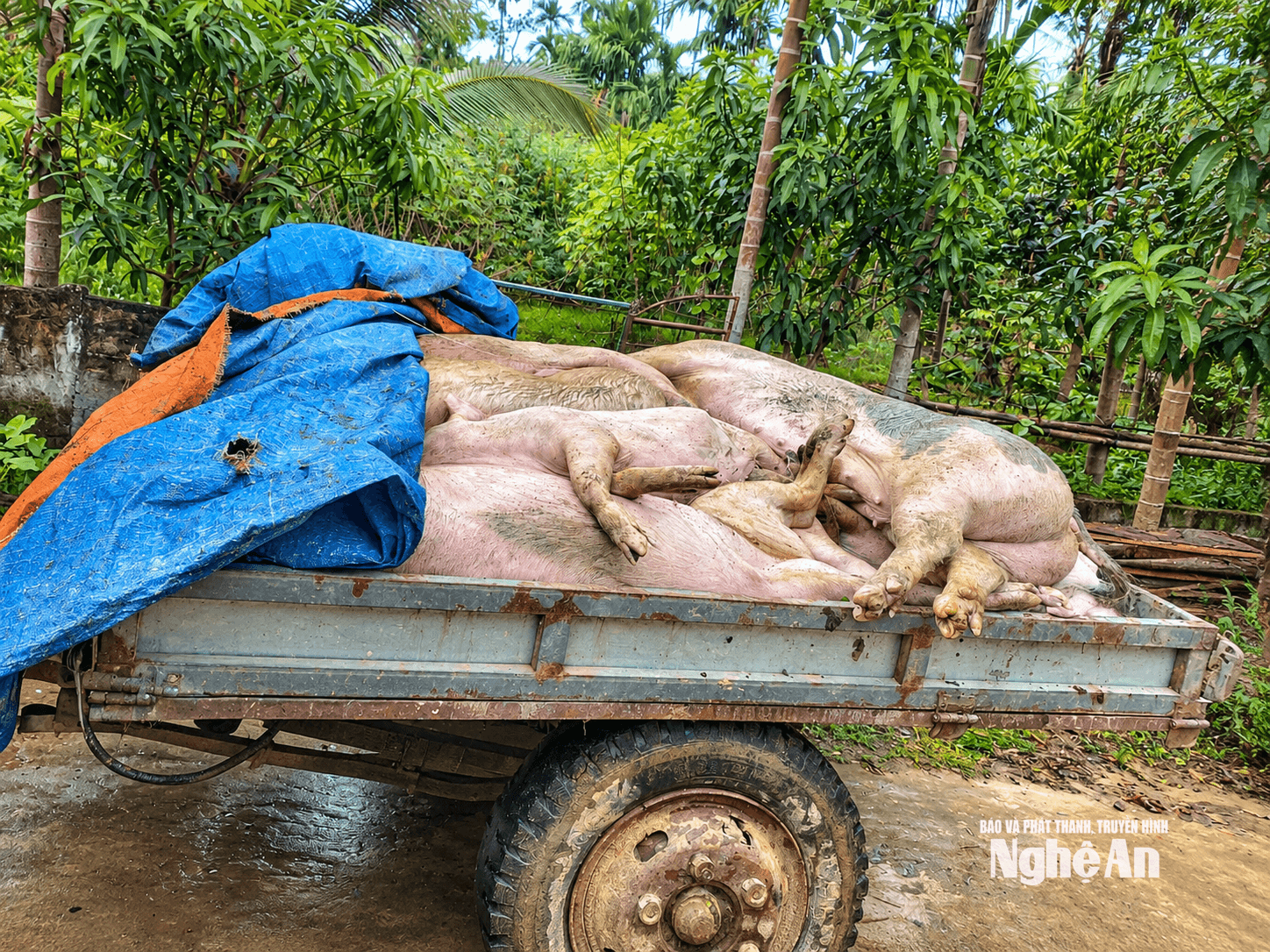
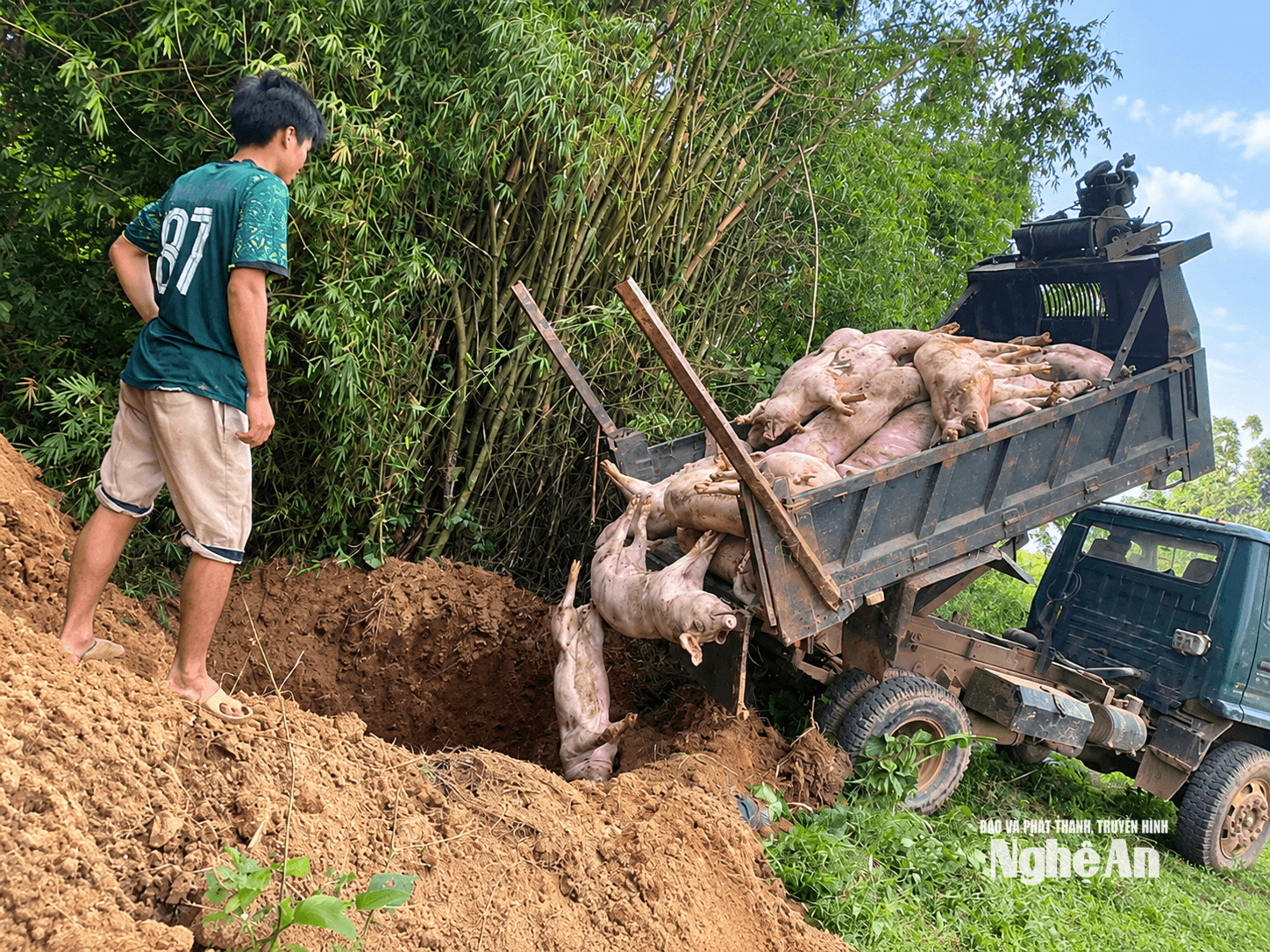
Given the increasing spread of the disease, the Cat Ngan commune authorities have proactively implemented various measures to contain and limit the risk of infection. Upon receiving information from residents about pigs showing signs of illness, the local authorities quickly inspected the area, organized the culling according to regulations, and implemented sanitation, disinfection, and disease prevention measures in the affected area. They also encouraged residents to vaccinate their pigs against African swine fever, resulting in nearly 80% of the total pig population now being vaccinated.
In addition, public awareness campaigns have been intensified through the village and hamlet public address systems to raise awareness and responsibility among livestock farmers in detecting, reporting, and promptly handling disease outbreaks. Local authorities have also established monitoring teams at markets and livestock slaughtering points, strengthening surveillance of the transportation of pigs and pork products into and out of the area.
"Notably, there are currently no centralized livestock slaughtering facilities in the area, while small-scale slaughtering at individual households remains common. This makes it difficult to inspect and monitor the origin of pigs brought in for slaughter, as well as to control post-slaughter products. Given this reality, monitoring teams must constantly track transportation and slaughtering activities to promptly detect cases that pose a risk of spreading disease," said Mr. Vo Van Thanh.
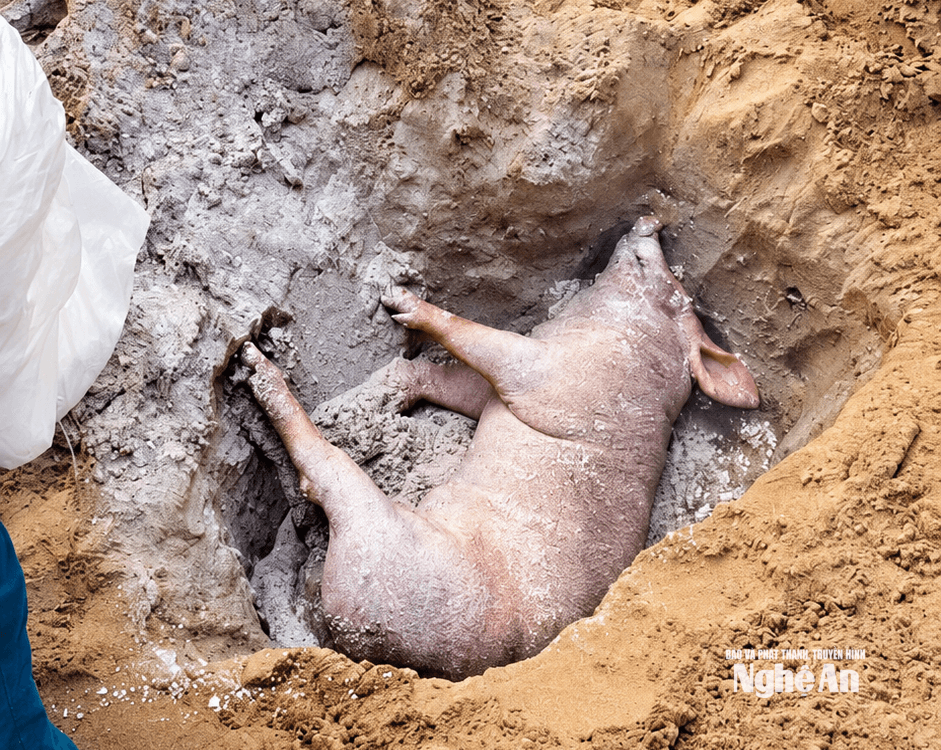
African swine fever has also re-emerged in several neighboring localities, including Bich Hao commune. Mr. Nguyen Xuan Ky, Deputy Head of the Economic Department of Bich Hao commune, said that since the beginning of the year, the disease has appeared in several hamlets in the area. However, the disease situation this year is trending downwards compared to 2025. Nevertheless, the disease still causes significant losses for livestock farmers. From the beginning of the year to October 30th, 2,199 pigs have been infected, with a total weight of nearly 159 tons destroyed.
African swine fever has re-emerged not only in Cat Ngan and Bich Hao, but also in several other localities, increasing the risk of disease spread and causing concern among livestock farmers.
Implement decisive measures to prevent and control the epidemic.
Mr. Tran Vo Ba, Deputy Head of the Department of Livestock and Veterinary Medicine, stated: From the beginning of 2026 until now, the African swine fever situation in Nghe An province has significantly decreased compared to the same period in 2025. However, the disease is still developing complicatedly in some localities, and the risk of outbreaks, re-emergence, and widespread spread remains high.
In particular, the rainy and flood weather, along with increased transportation, slaughter, and consumption of pigs and pork products, is putting additional pressure on disease control efforts. Currently, the Department of Animal Husbandry and Veterinary Medicine is continuing to review and compile data on the situation of diseased pigs that have to be culled in the province.
In response to this situation, in mid-October 2026, the People's Committee of Nghe An province issued urgent dispatch No. 27/CD-UBND, requesting localities to focus on directing, rectifying, and decisively implementing solutions to prevent and control African swine fever, ensuring that the disease does not continue to spread and cause losses to livestock farmers.

Accordingly, the Provincial People's Committee directed: For areas currently experiencing outbreaks, review each outbreak, determine the scope, source of infection, and risk of spread; organize the declaration of outbreaks and the declaration of the end of outbreaks in accordance with current conditions, procedures, and authority. Implement comprehensive measures in the affected area, the area threatened by the outbreak, and the buffer zone in accordance with veterinary laws and guidance from specialized agencies.
Organize control forces at high-risk routes and points when necessary, as decided by competent authorities; prevent the transportation of pigs and pig products in violation of regulations into and out of the affected area.
Organize the timely and proper disposal of pigs and pork products that are subject to mandatory disposal, ensuring that the disposal is carried out correctly and according to established procedures. Organize sanitation, disinfection, and sterilization at affected facilities, disposal areas, collection points, slaughterhouses, markets, and transportation vehicles according to professional guidelines.
For areas where there has been no outbreak or the outbreak has been declared over: Maintain proactive surveillance, control the source of pigs entering the area, and strengthen the protection of livestock facilities that have not been affected by the disease. Review and update livestock farming activity declarations; guide restocking according to professional conditions and procedures, use breeding stock of clear origin, and implement isolation and monitoring of newly imported pigs. Do not restock when the facility does not meet disease safety requirements.
Review and manage facilities for collecting, slaughtering, and trading pigs and pork products; organize inter-agency inspections within their authority, focusing on areas with outbreaks and high-risk locations.
Given the risk of disease spread, localities need to strictly control the transportation, slaughter, and consumption of pigs. At the same time, livestock farmers must proactively prevent disease, promptly report outbreaks, and absolutely refrain from concealing or trading sick pigs.