
Translating "The Tale of Kieu": Searching for the beauty of Vietnamese language and spirit.
Translating "Truyện Kiều" (The Tale of Kiều) has always been considered a major challenge in Vietnamese literary translation. It's not just about translation; it's about preserving the spirit, musicality, cultural codes of the Vietnamese people, and the ideas of Nguyễn Du in another language – where each verse must find new life without losing its Vietnamese identity.
On November 22nd, in the hometown of the great poet Nguyen Du (Nghi Xuan - Ha Tinh), the Ha Tinh Department of Culture, Sports and Tourism and the Fund for the Preservation and Promotion of the Values of Nguyen Du and the Tale of Kieu Heritage organized a scientific seminar on the translation of "The Tale of Kieu," attracting the participation of international poets, translators, scholars, researchers, and those interested in the translation of this literary masterpiece.
The challenge of translating the Tale of Kieu.
"Truyện Kiều" is a literary masterpiece by the great poet Nguyễn Du, written in Nôm script, in the lục bát (six-eight) verse form, consisting of 3,254 lục bát verses (6-8). For nearly 160 years, since the first Nôm printed edition, 150 years since the Quốc ngữ (national script) transcription, and the first French translation by Professor Abel des Michels printed in Paris in 1884, "Truyện Kiều" has been translated into 20 languages with 107 different translations, with English, French, Chinese, Japanese, and Korean having the most translations... Each translation has opened a door to spread "Truyện Kiều" to international readers.
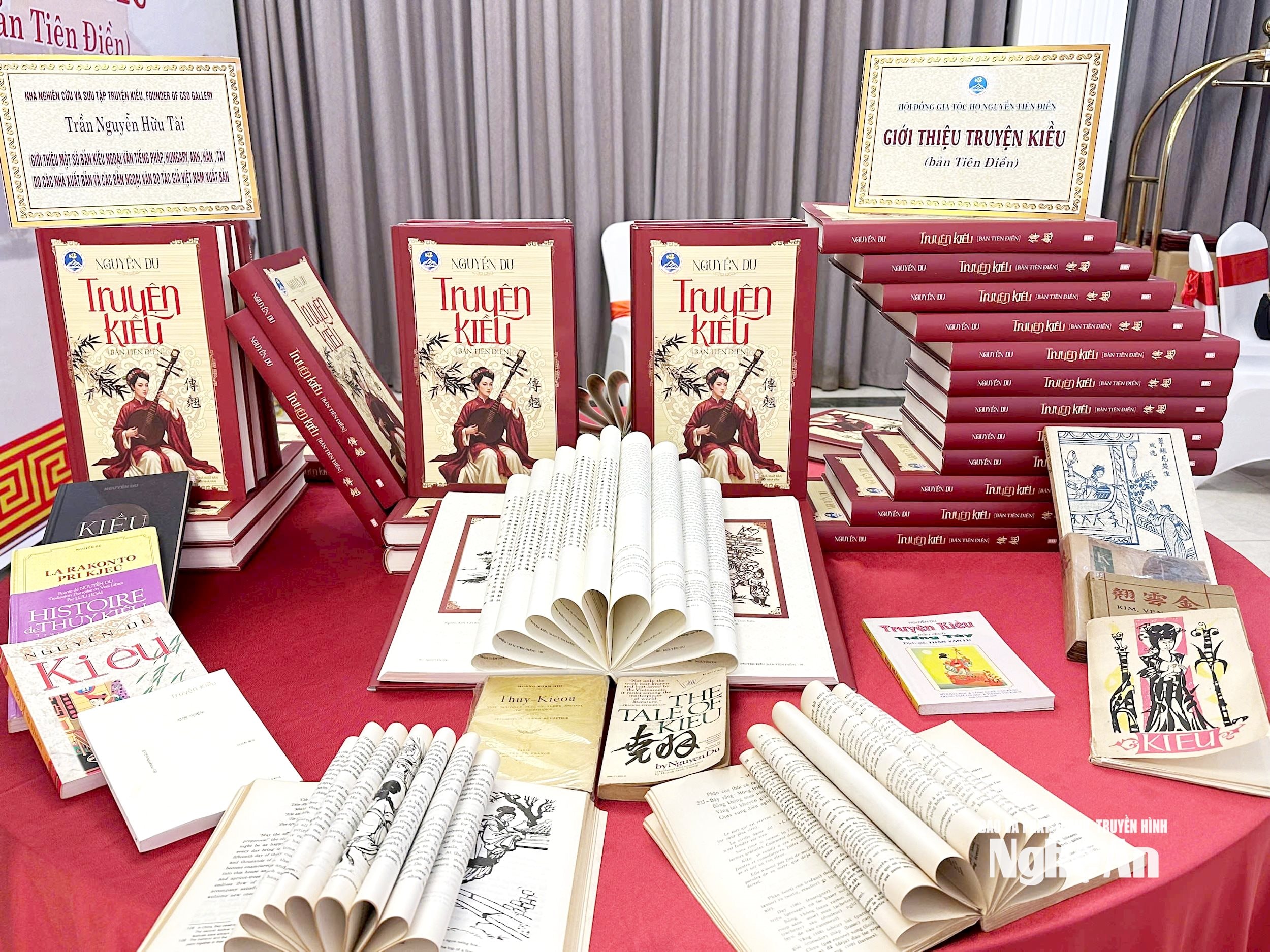
Literary translation is an extremely difficult task, and it becomes even more challenging in the age of artificial intelligence. The six-eight syllable verse form of Vietnamese, rich in musicality, with its dense system of allusions and historical references, profound philosophy, and monosyllabic language, makes translation even more difficult.
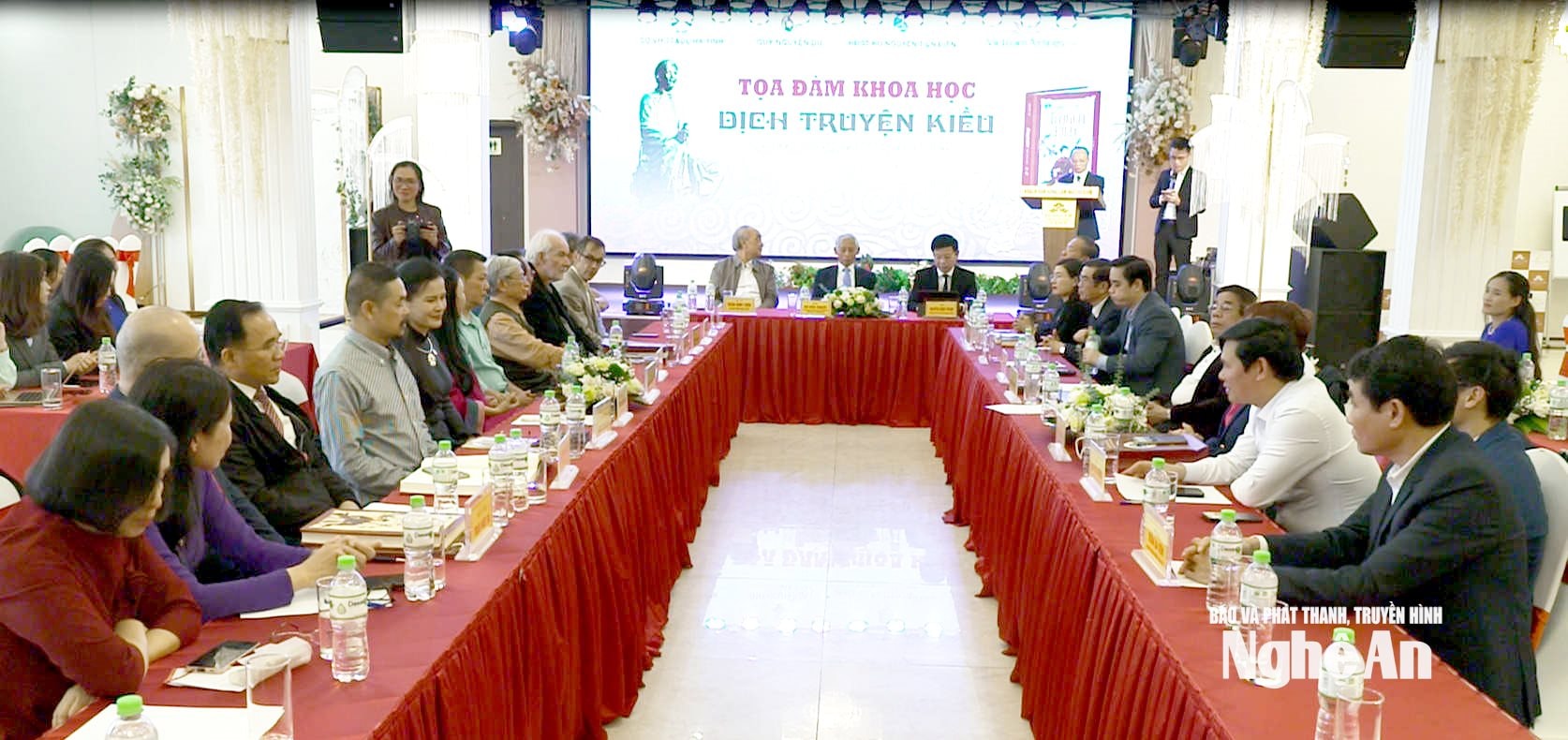
Translator Vu The Khoi shared: His translation of The Tale of Kieu into Russian (published in 2016), although it adapted the 6-8 syllable verse form into free verse, still tried to preserve the essence, musicality, and subtlety of Kieu, while also providing full explanations of allusions and historical references so that it would be easily accessible to the general public – his target audience.
Associate Professor Bien Minh Dien (Vinh University) emphasized that translating poetry is "creativity under control," because converting from a monosyllabic language to a polysyllabic language is difficult, and translating poetry is even more challenging.
Researcher Tran Dinh Tuan (Kieu Studies Association) argues that the language of Kieu has a distinctive cultural code expressed through numbers and structural parts, requiring a standardized system of explanatory notes to avoid misunderstandings during the translation process.
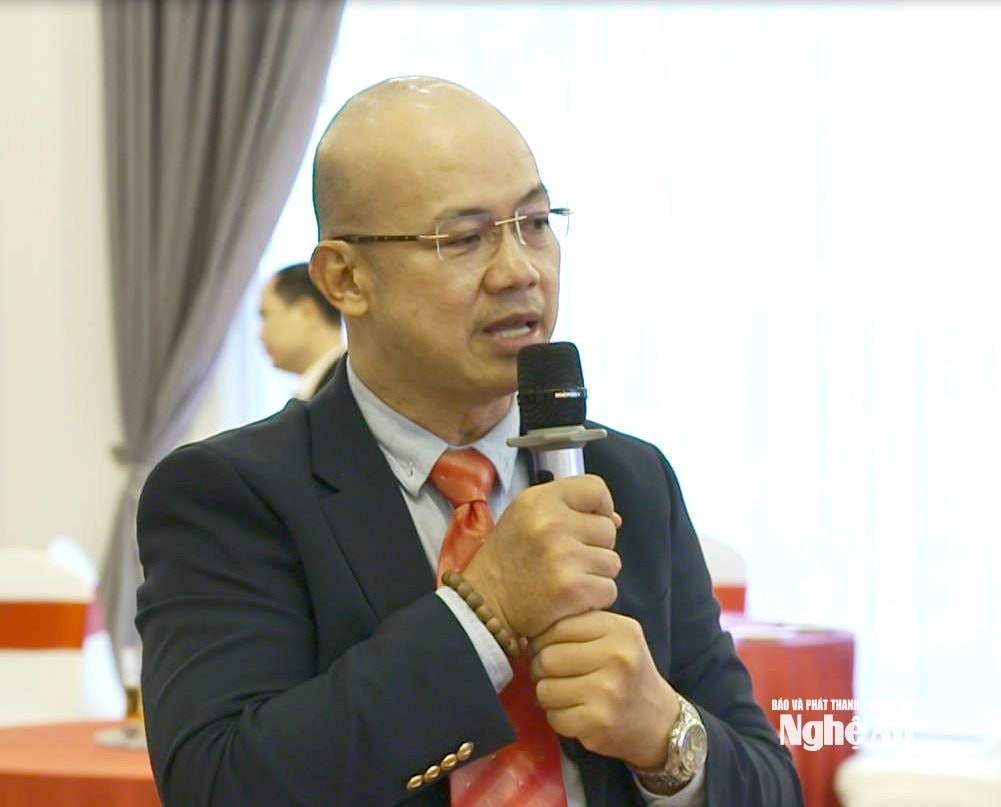
Mr. Tran Huu Tai, who owns the largest collection of printed editions of the Tale of Kieu, is concerned about the lack of a "Translation Code," leading to a lack of unified standards for accurate translation of the six-eight syllable verse form. According to him, it is necessary to emphasize translating "from poem to poem" so that international readers understand they are accessing a traditional Vietnamese poetic form.
"The Soul of Kieu": Expectations for a translation that truly captures the Vietnamese spirit.
At the seminar, a group of international poets, translators, and scholars announced a new translation project of The Tale of Kieu titled "The Soul of Kieu," instead of the traditional "The Tale of Kieu," with the aim of not only conveying the Vietnamese meaning into English, but also recreating the soul, musicality, and cultural context of the original work.
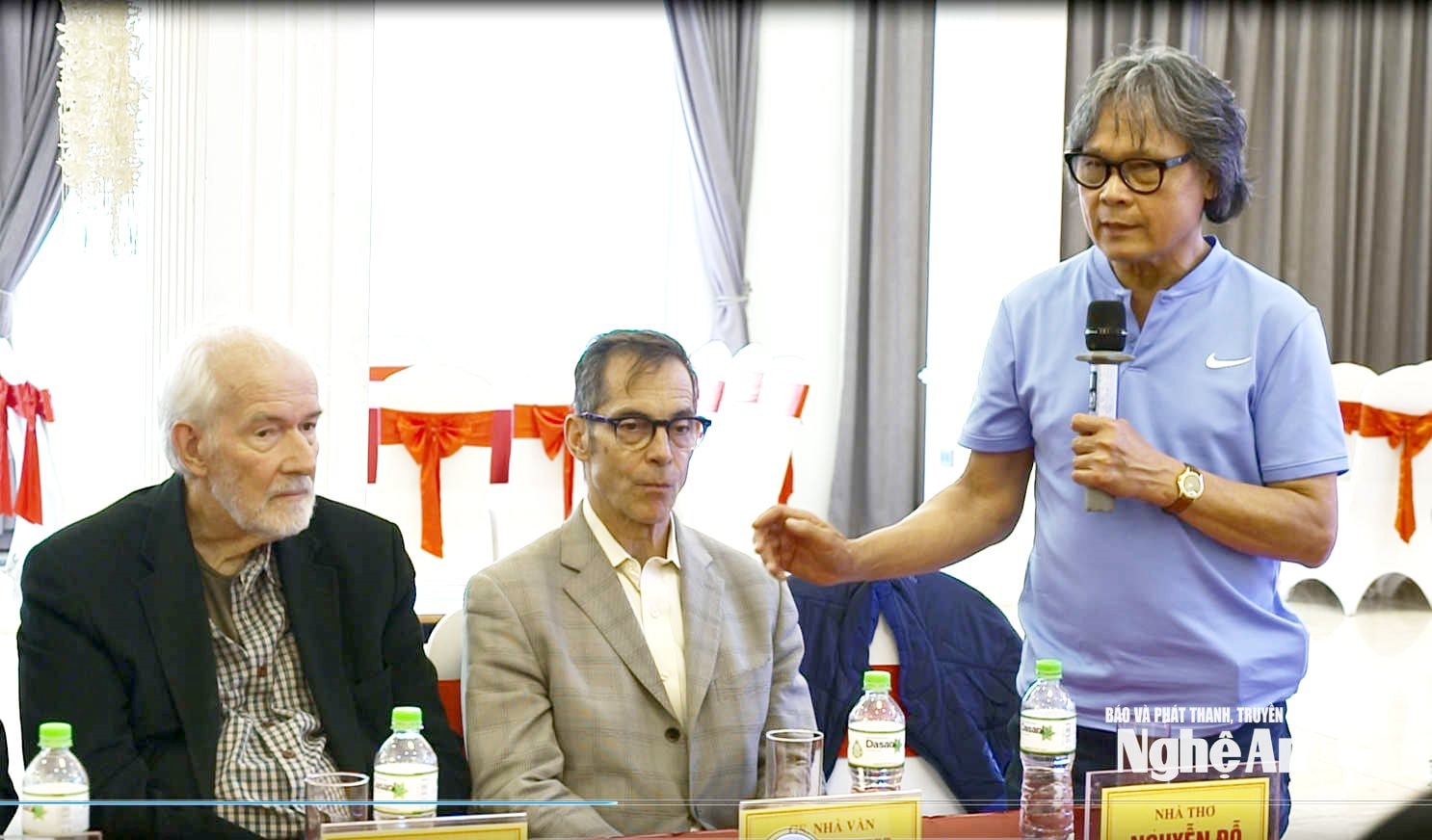
The project consists of four members, three of whom are directly involved in translation: Poet and translator Nguyen Do; writer and professor John Stauffer, former Acting Head of the English Department at Harvard University; and poet and professor Paul Hoover, Head of the Creative Writing Department at the University of San Francisco.
Poet and translator Nguyen Do said: "The project started in March of this year and is now 60-70% complete, and is expected to be finished in two years. Poet Nguyen Do translated the first version, then sent it to poet Paul Hoover and Professor John Stauffer for review. They then discussed the most difficult lines to translate, such as:"Even though we are separated, our hearts still linger with affection."or verses with an implied subject, which are mandatory in English, such as"Having gone through a period of upheaval,"or inverted sentences"Today the sun sets, and tomorrow the sun sets again."...

Professor and poet Paul Hoover shared: Although the English version may be longer than the 6-8 syllable verses, it is essential to preserve the artistic quality, linguistic beauty, and cultural value of The Tale of Kieu, so that international readers can not only access "Kieu's pain" but also empathize with the human condition and life circumstances in this masterpiece. Professor John Stauffer affirmed: The greatest strength of The Tale of Kieu is that it makes readers "finish reading – reflect on themselves – empathize – share – and then go back to read from the beginning." That is the journey of a great work. And it is this aspect of The Tale of Kieu that has attracted him. With this project, he hopes to preserve that rhythm, musicality, and humanistic value.
Professor Tran Nho Thin (Vietnam National University, Hanoi) emphasized that the seminar had revived a very important issue: Translation is not just about converting words, but also one of the most effective ways to promote Vietnamese culture to the world. He expressed his hope that the new translation of "The Soul of Kieu" will be both beautiful in meaning, resonant like poetry, and able to touch the emotions of every reader, so that "The Tale of Kieu" can continue its journey of spreading in a worthy way in the global spiritual life.


