
Chauffeur services meet practical needs.
Since regulations on penalties for drunk driving violations have been tightened, especially after Decree 100 and now Decree 168, the chauffeur service, mainly concentrated in the former Vinh City area, has developed rapidly. It not only meets the need for safe transportation but also gradually forms a new service market, creating additional income for workers.
The modern-day "drivers"
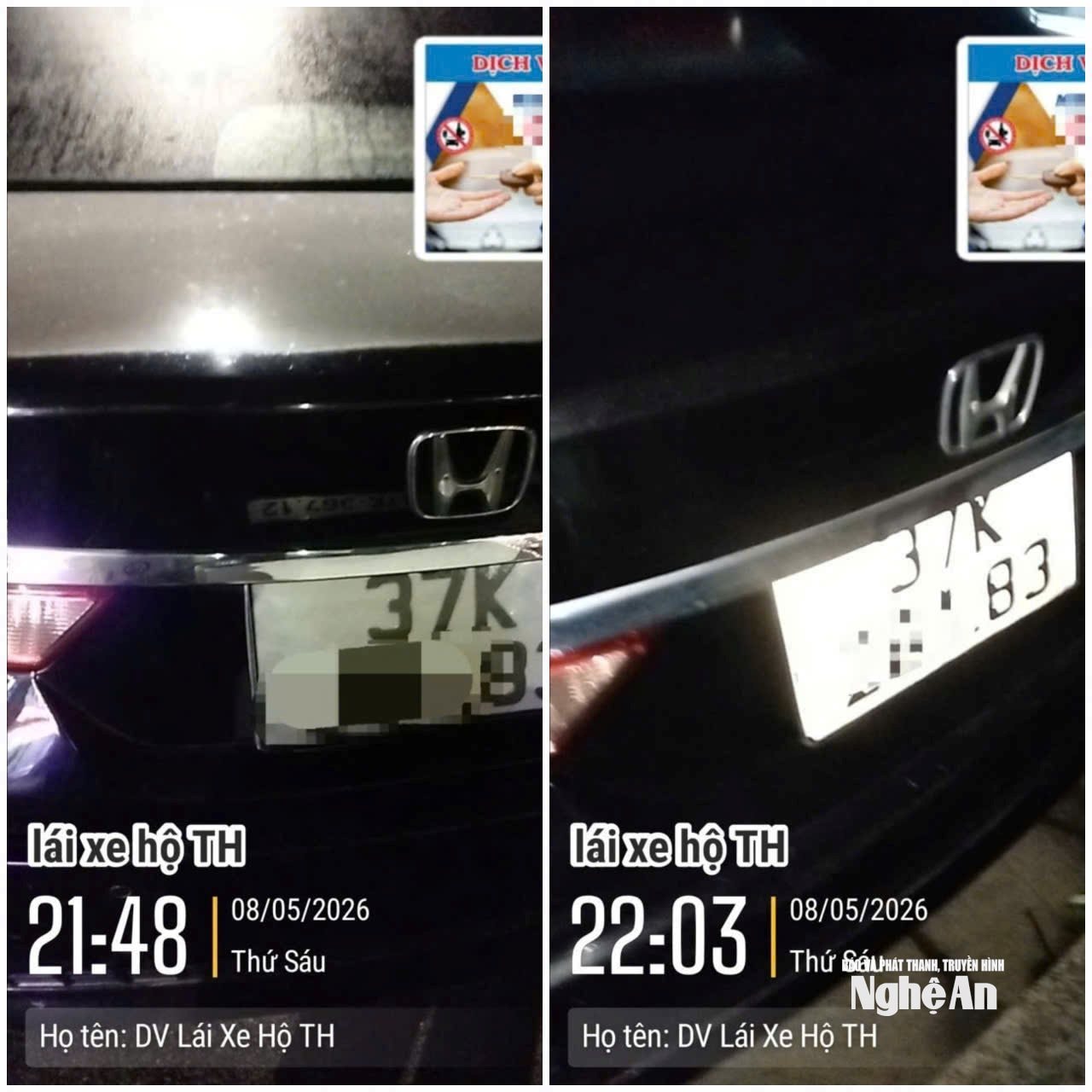
Leaving a birthday party at a restaurant on Le Mao Street around 10 PM on a weekend night, I proactively called a chauffeur service to take me and my car home. In less than 10 minutes, the driver arrived, quickly videotaped the car's condition before taking the keys – a process that is becoming increasingly familiar.
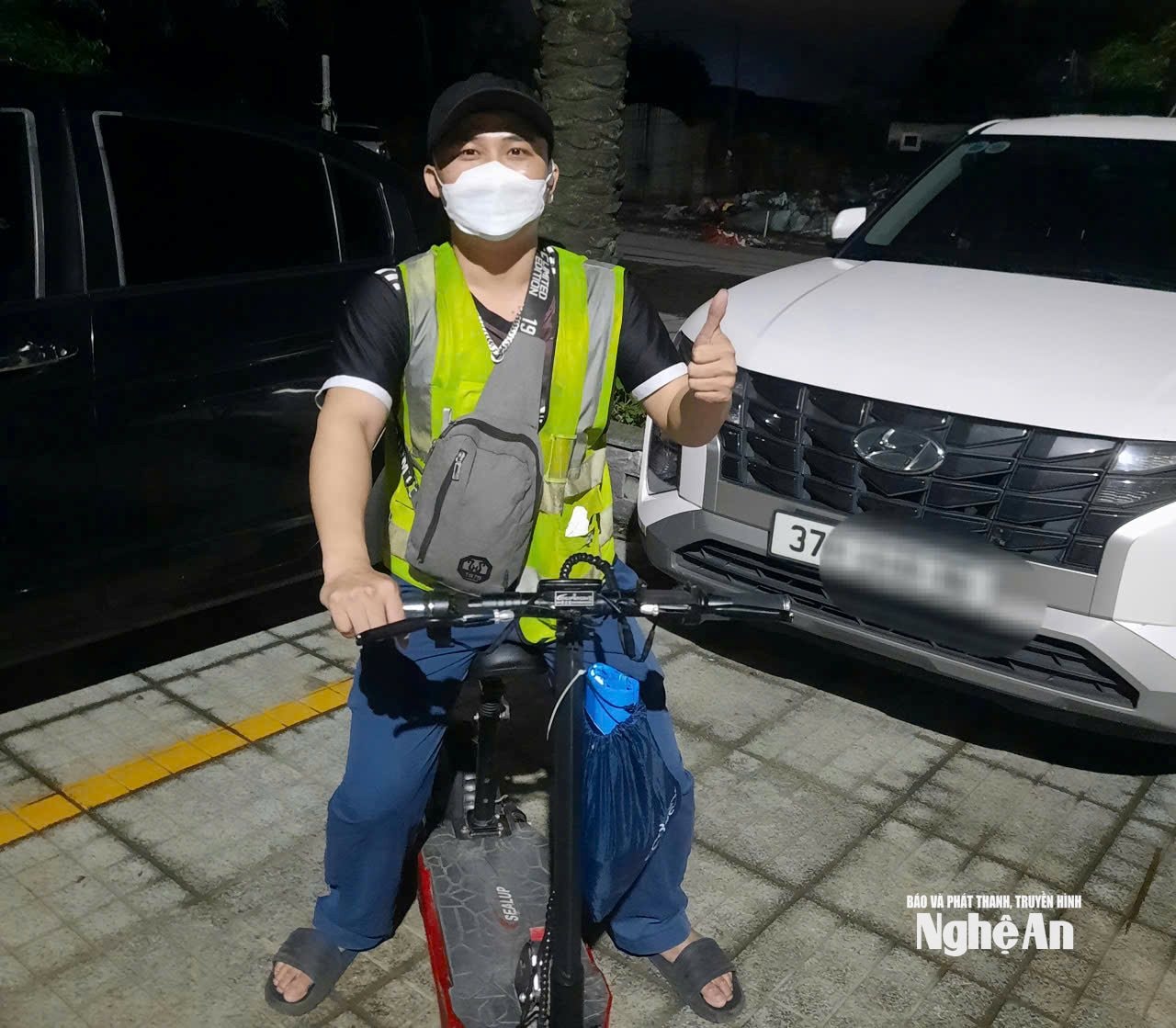
The driver is Mr. Tran Van Tien, one of many workers currently employed as a chauffeur in Nghe An province. Before becoming a chauffeur, he worked as an overseas laborer in Japan. After returning home and failing to find suitable employment, he decided to try his hand at being a chauffeur.
“Initially, I only thought of it as a temporary job, but the more I did it, the greater the demand became. I do 5-6 trips a night, earning a decent income, and I have more control over my time,” Tiến shared. With inner-city trips costing around 100,000 VND, or longer trips costing a few hundred thousand VND, he can earn an extra 10-15 million VND per month, or even more during holidays and Tet (Lunar New Year), a significant income for a freelance worker.
According to our research, the job of driving for hire is attracting many people, from those changing careers or losing their jobs to office workers looking for extra income. Nguyen Van Giap works as a technician at a computer company in Thanh Vinh ward during the day, and takes on driving jobs for hire in the evenings. “This job is flexible; I can take on clients whenever I have free time. On average, I earn an extra 300,000-500,000 VND each evening, and it can reach up to a million VND on weekends,” Giap said.
What these people have in common is that they all consider it a "side job" but it brings in a considerable income. Especially when law enforcement agencies intensify alcohol testing with the motto "no forbidden zones, no exceptions," the demand for hired drivers has increased significantly.
The clientele for this service is quite diverse, ranging from businesspeople and officials to laborers. Instead of risking driving themselves after consuming alcohol, they are willing to pay to ensure their safety. Mr. Duc Hiep from Vinh Hung ward said that in the past, he had carelessly driven himself after drinking alcohol and had an accident. "Now I don't dare anymore. It only costs 100,000 VND to hire a driver, but in return, it ensures safety for myself and others. I feel more at ease when I get home, and my family also supports it," Mr. Hiep shared.
Opportunities, standards, and challenges
According to reports, there are currently dozens of groups, organizations, and establishments providing chauffeur services in the former Vinh City area, such as: Thanh Vinh Chauffeur Service, TH Chauffeur Service, Hoang Gia, LMD Nghe An, BUTL (You Drink, I Drive)... Most of these units operate spontaneously; while some groups have begun to organize themselves relatively systematically, many smaller groups still mainly connect with customers through social media or word of mouth.
Each group typically consists of 5-15 drivers, operating flexibly throughout the day. However, peak activity is concentrated in the evening, especially from 7 PM to 11 PM – the time when social gatherings end. On some days, a single establishment receives up to 40-50 service requests but still doesn't have enough drivers to meet the demand, indicating that supply hasn't kept up with demand during peak hours.
Service prices are quite flexible, commonly around 100,000 VND for distances under 7km, with an additional charge of 10,000-13,000 VND per kilometer. For longer trips or hourly rates, the price can reach several hundred thousand VND. This pricing structure is gradually being shaped by market mechanisms, clearly reflecting the supply and demand relationship of this new type of service.
In reality, the chauffeur service has begun to form a market with stable demand and clear profitability, becoming a significant source of income for a segment of the self-employed.
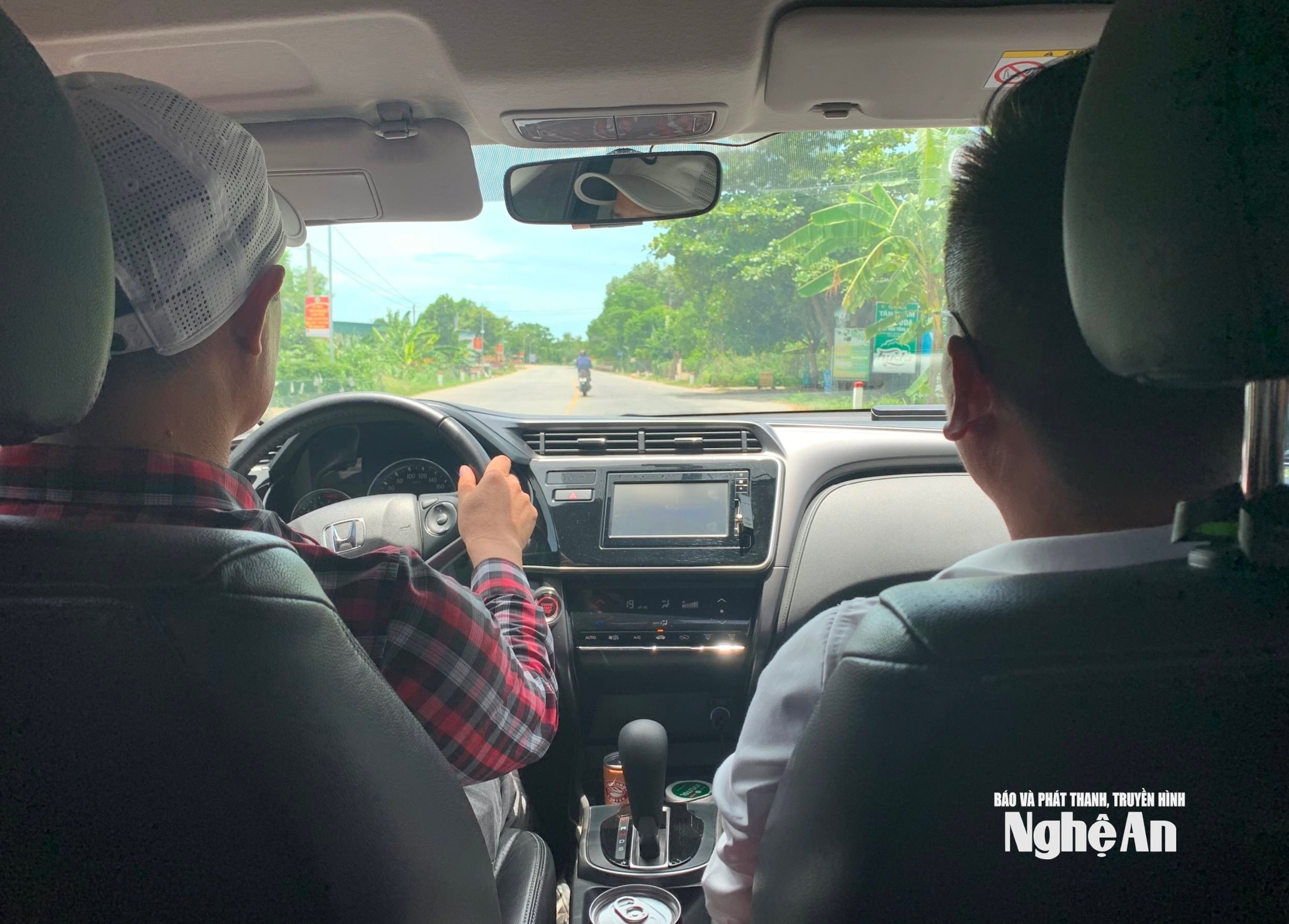
According to those in the profession, becoming a chauffeur doesn't require strict qualifications, but demands high levels of skill, awareness, and responsibility. Most agencies require drivers to have a valid driver's license (B2 or higher for cars), practical experience (at least 3-5 years), familiarity with the terrain, and the ability to handle situations flexibly.
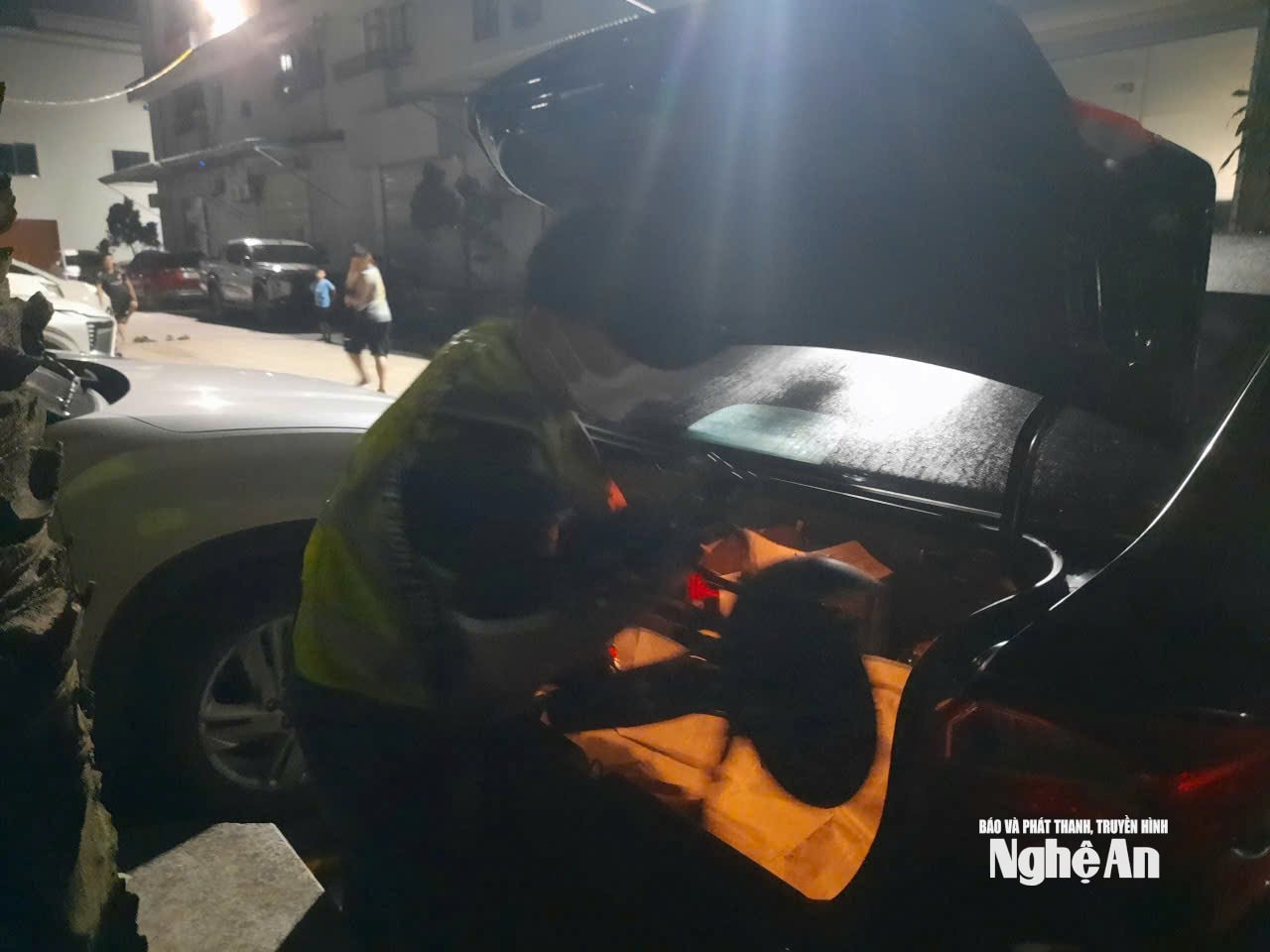
Furthermore, a positive service attitude is especially important. Customers of this service often have consumed alcohol or are not sober, so drivers must know how to communicate and behave appropriately. At the same time, they must also have a high sense of responsibility, as driving involves managing the customer's valuable assets.
To mitigate risks, many companies have implemented procedures such as video recording the vehicle's condition before and after delivery, checking documentation, and ensuring a clear handover process. Some even require transparent background checks and signed professional commitments to enhance trustworthiness.
Besides driving skills, those working in this profession must also have their own means of transportation. Nowadays, many people use foldable electric scooters to travel independently after each ride, instead of the previous method of two people riding together.
However, this job isn't always smooth sailing. Many drivers share stories of unexpected situations such as drunk passengers forgetting their addresses or falling asleep in the car. This requires drivers to be very patient, flexible, and able to handle situations in any circumstance.
Furthermore, the existence of numerous small, newly formed groups also poses potential risks in terms of legal issues and service quality. When incidents occur, determining responsibility between parties is not simple, while there is no unified management mechanism in place.
Despite some shortcomings, chauffeur services are showing an increasingly prominent role in urban life, contributing to the formation of the habit of "don't drink and drive." At the same time, the development of this service also opens up more job opportunities and creates a source of income for a segment of the workforce.
In the future, as demand continues to increase, this service is projected to grow further. However, for sustainable development, the chauffeur service needs to gradually standardize its operations, from professional standards to management mechanisms, thereby improving service quality while ensuring stable livelihoods for workers.


