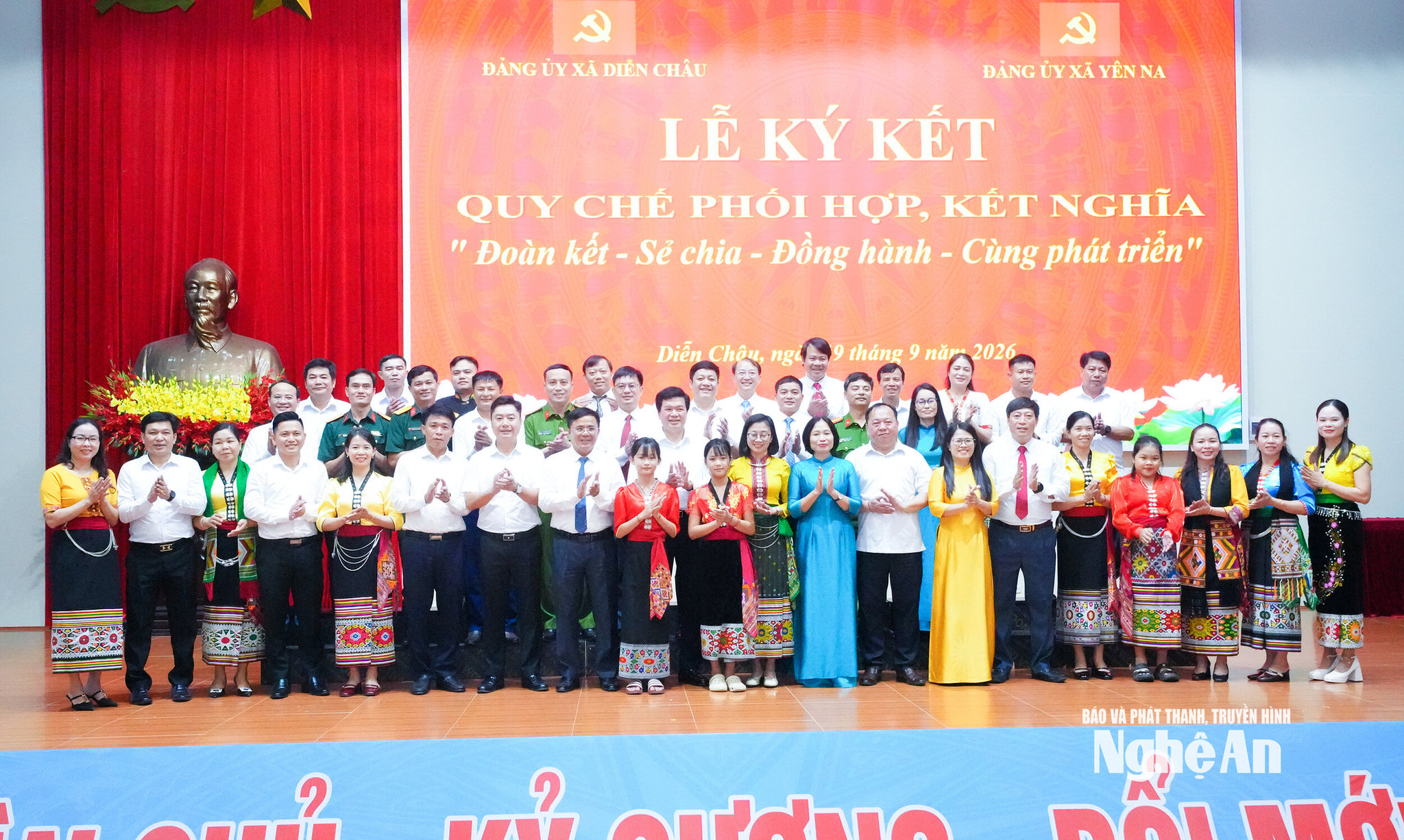
Dien Chau and Yen Na: Establishing a "commune helping community" model
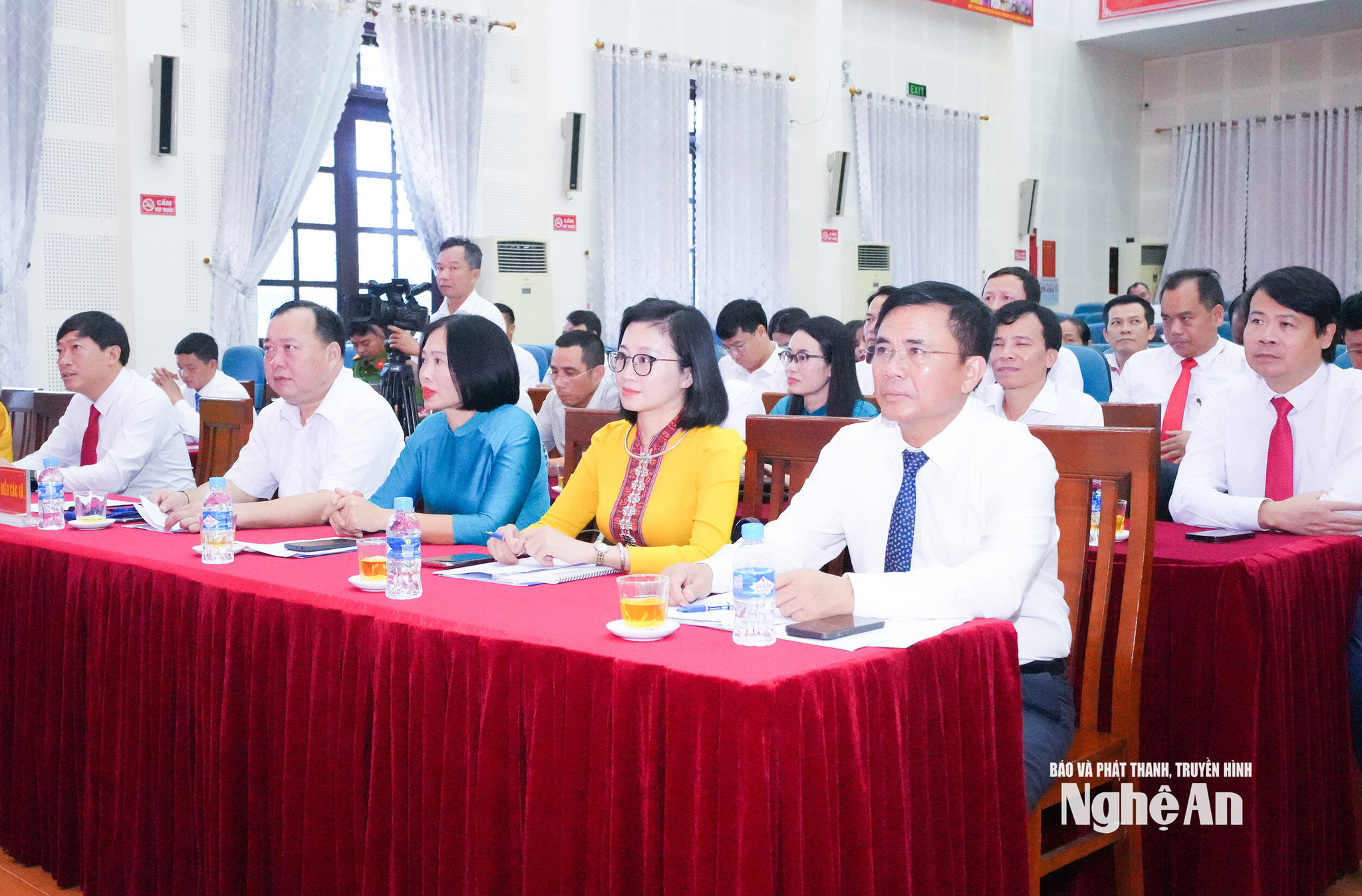
On the morning of September 19th, the Party Committee of Dien Chau commune and the Party Committee of Yen Na commune held a signing ceremony for the Regulations on Coordination, Twinning, and Mutual Support for Development during the period 2026 - 2031.
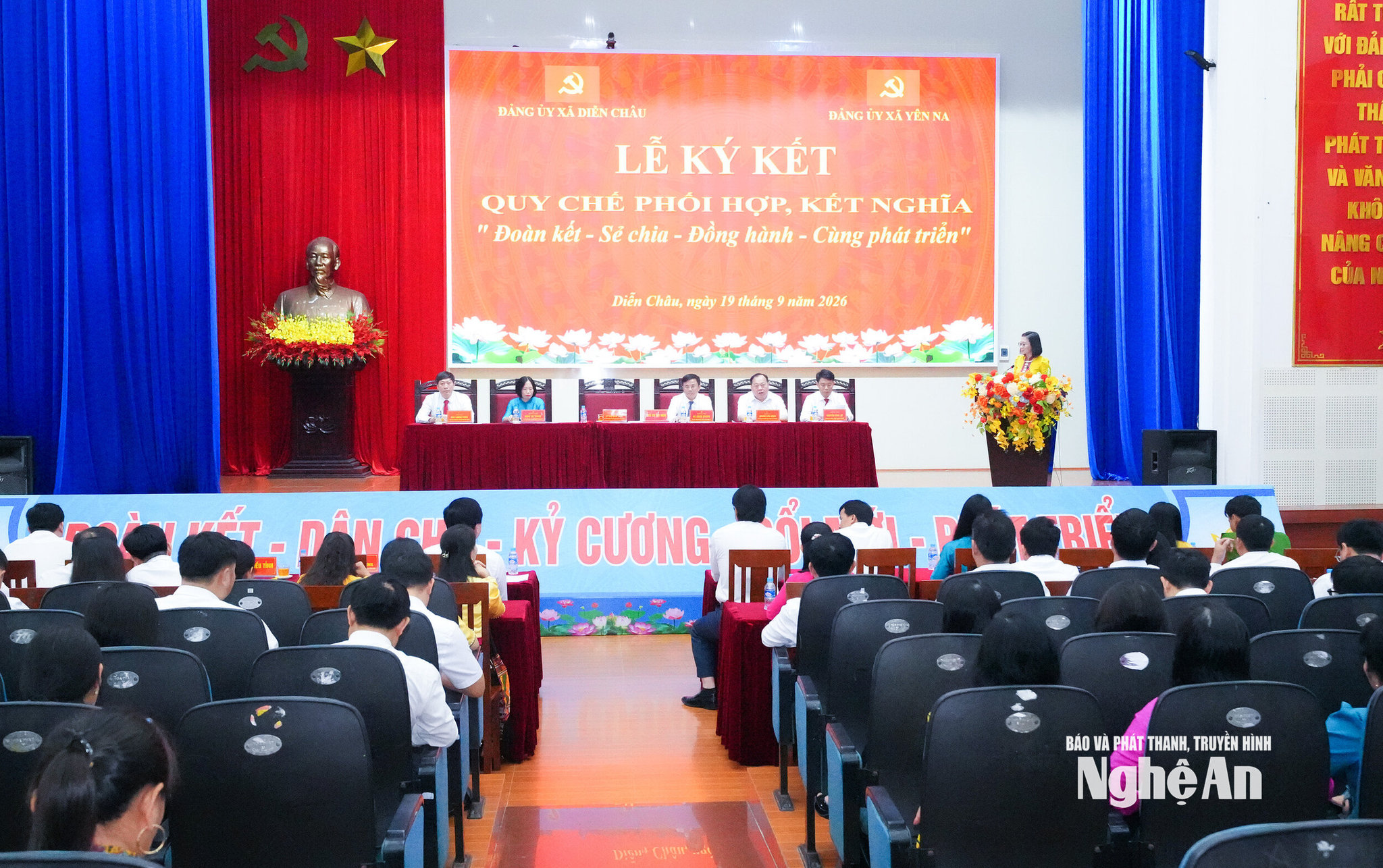
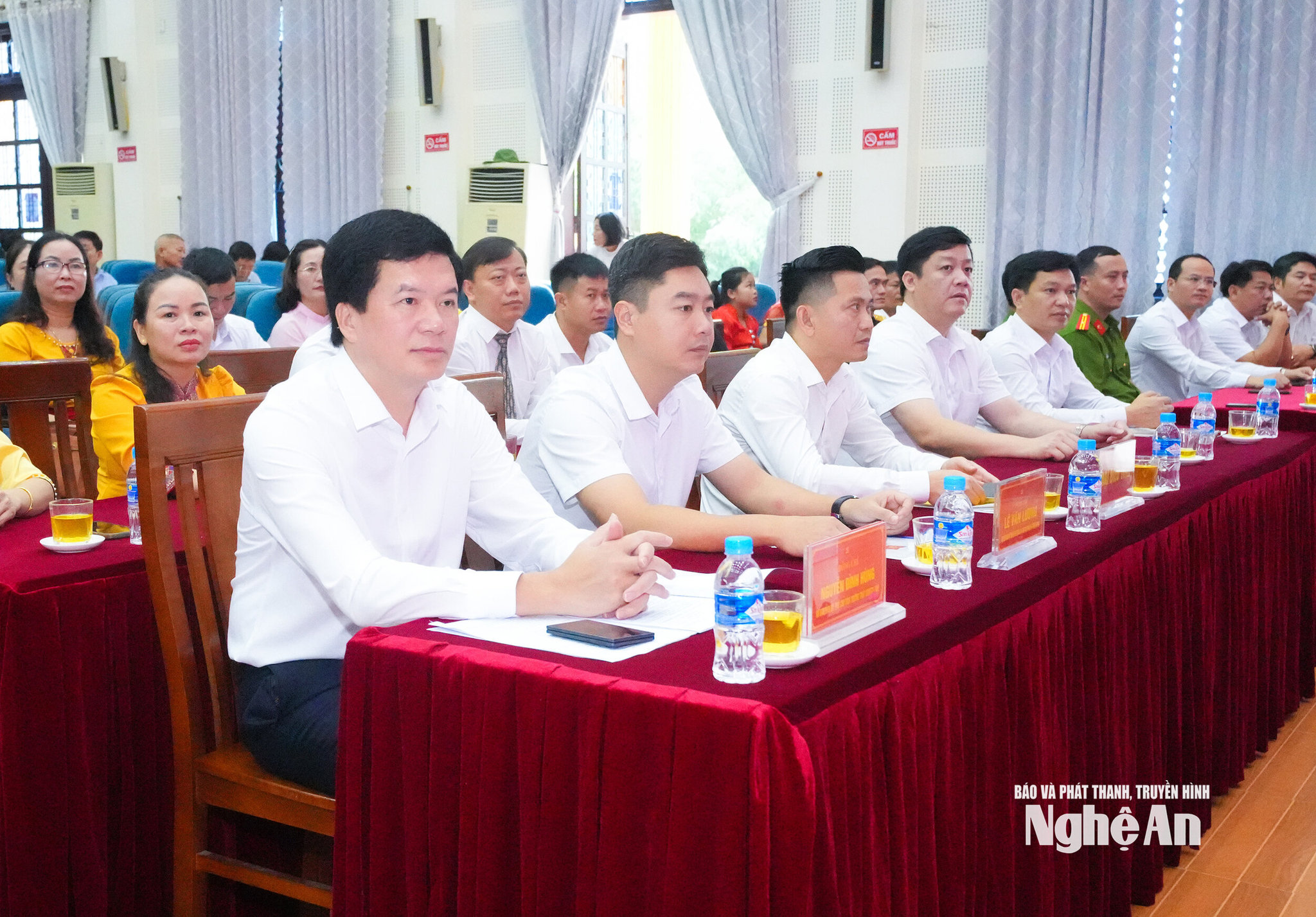
Attending the signing ceremony were Comrade Nguyen Dinh Hung - Member of the Standing Committee of the Provincial Party Committee, Permanent Vice Chairman of the Vietnam Fatherland Front Committee of the province; members of the Provincial Party Committee: Le Van Luong - Secretary of the Party Committee, Chairman of the People's Council of Tuong Duong commune; Ha Xuan Quang - Secretary of the Party Committee, Chairman of the People's Council of Dien Chau commune; along with leaders, officials, and people of Dien Chau and Yen Na localities.
Coordination across 6 key content areas.
Establishing a collaborative relationship between the two localities is a new approach, concretizing the spirit of support and partnership between localities according to the "commune helping commune" model, along with support and assistance from provincial departments and agencies to the grassroots level in the context of implementing a two-tiered local government system, where the demands and tasks at the commune level are increasingly high.
The "commune helping commune" model implemented between Dien Chau and Yen Na not only expands the space for sharing experiences and mutual support at the grassroots level, but also demonstrates a proactive spirit of self-association and self-support to jointly improve governance capacity and development. This creates an additional direct and practical channel for coordination between communes after administrative unit reorganization.
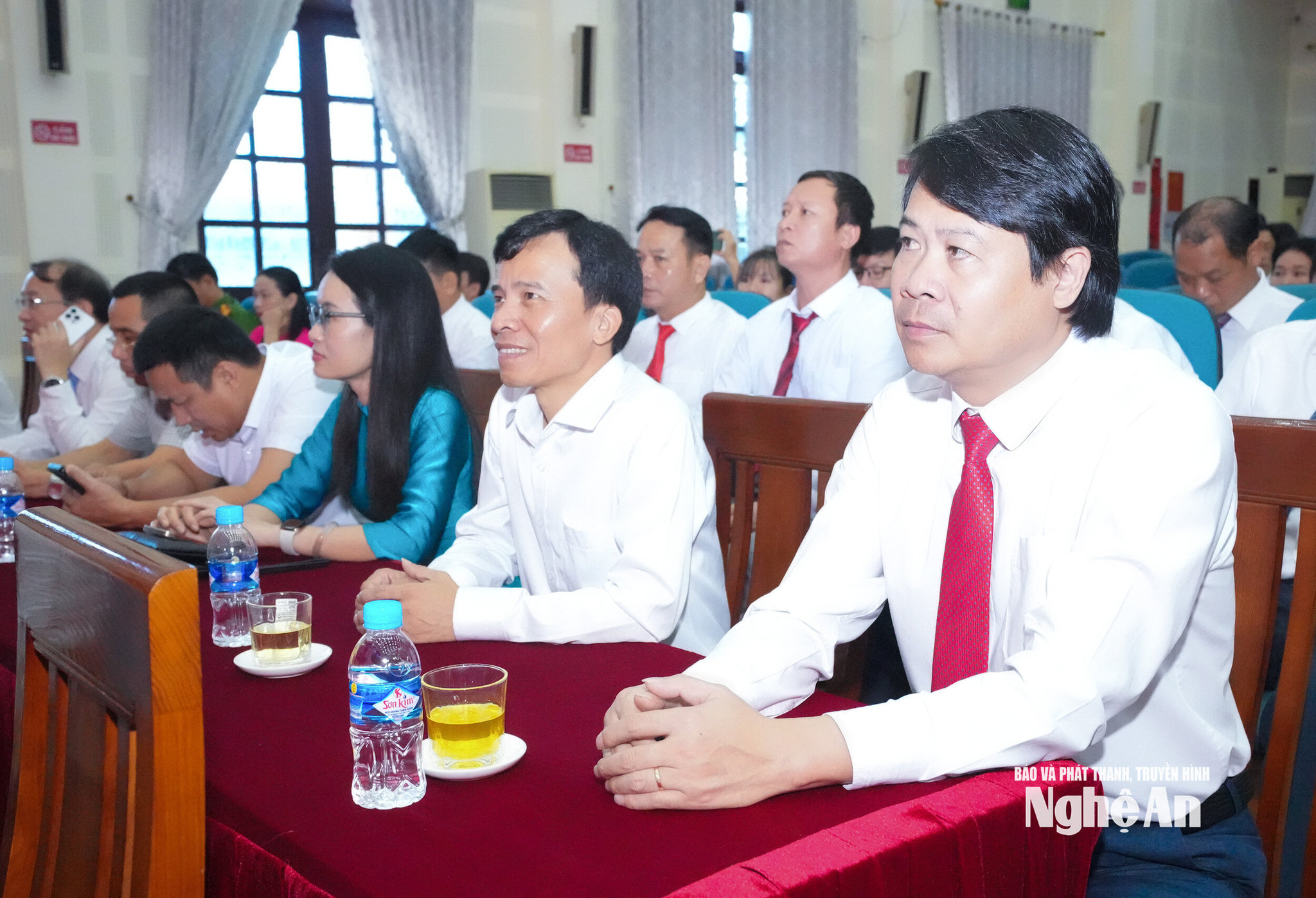
Guided by the motto "unity, sharing, companionship, and mutual development," and based on the conditions and strengths of each locality, the two Party Committees agreed on six key areas of cooperation, comprehensively covering Party building, the political system, socio-economic development, and national defense and security.
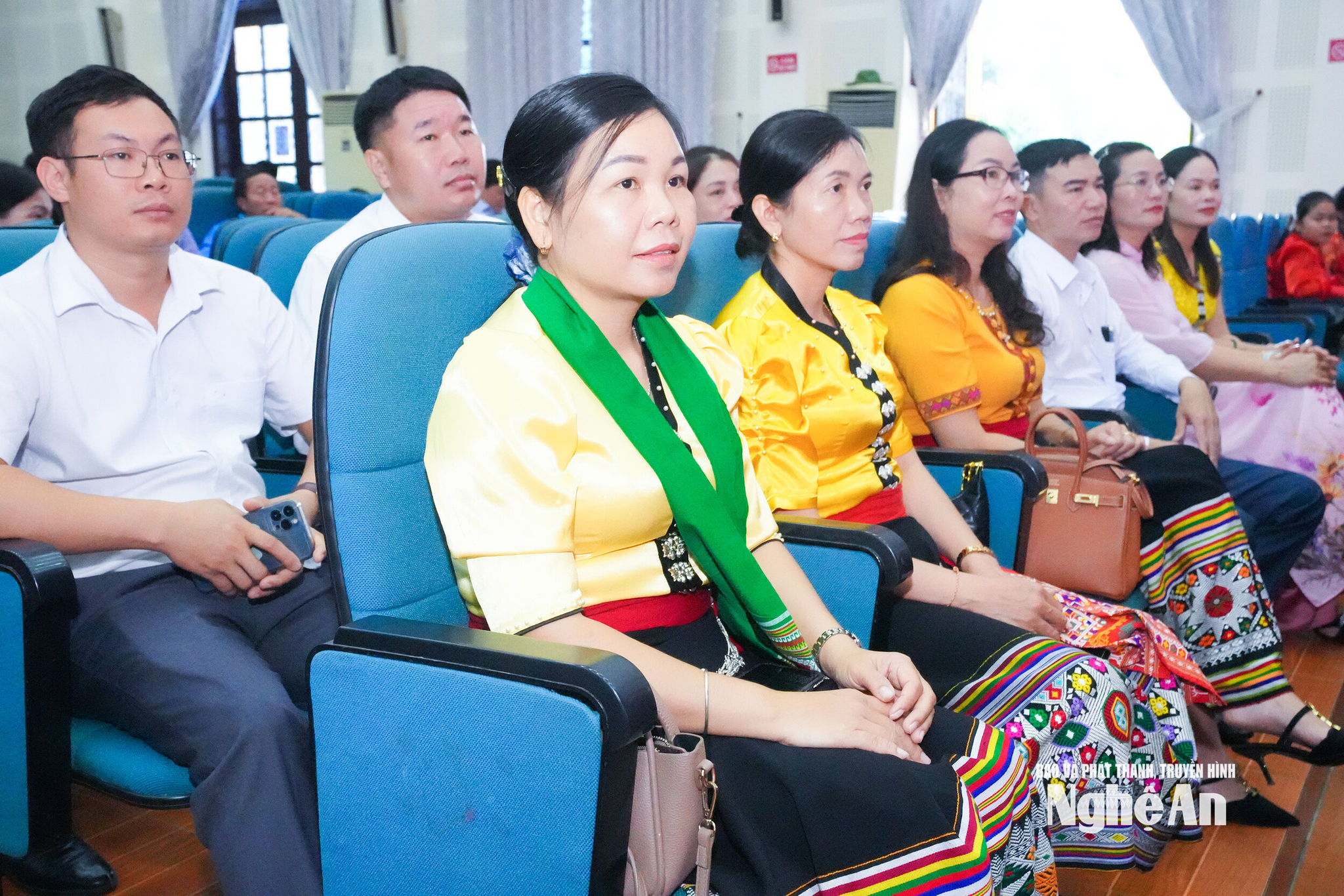
In coordinating efforts to build the Party and the political system, the two localities strengthened the exchange of experiences on innovating the leadership methods of Party committees; improving the quality of Party committee and branch meetings; managing and developing Party members, promoting the exemplary role of cadres and Party members; personnel work; inspection and supervision; mass mobilization and propaganda.
At the same time, they shared experiences in improving the effectiveness and efficiency of government operations, administrative reform, implementing democracy at the grassroots level, receiving citizens and resolving people's petitions.
This is considered a practical and meaningful initiative in the current period, as communes are undertaking many new and more direct tasks in organizing and implementing policies and serving the people.
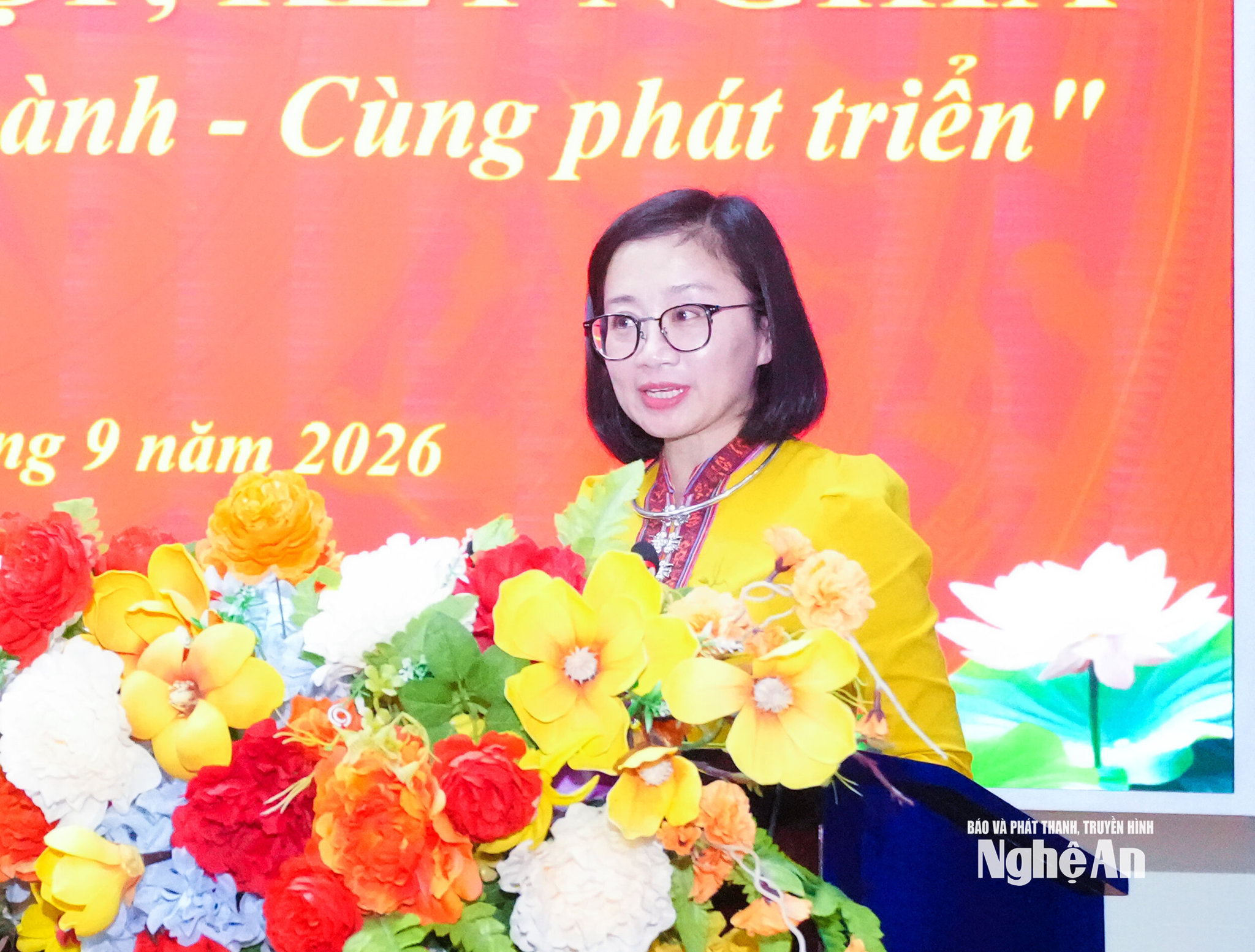
Another focus is coordinating socio-economic development, based on leveraging the unique advantages of each locality. Both sides will exchange experiences and economic development results, especially in areas where the two localities share similarities, such as services and trade; building, developing, and promoting distinctive products, OCOP products; and connecting production, processing, and consumption of products between the two localities.
It also involves sharing experiences on building new rural areas, developing infrastructure, protecting the environment, beautifying the landscape, and building bright, green, clean, and beautiful residential areas.
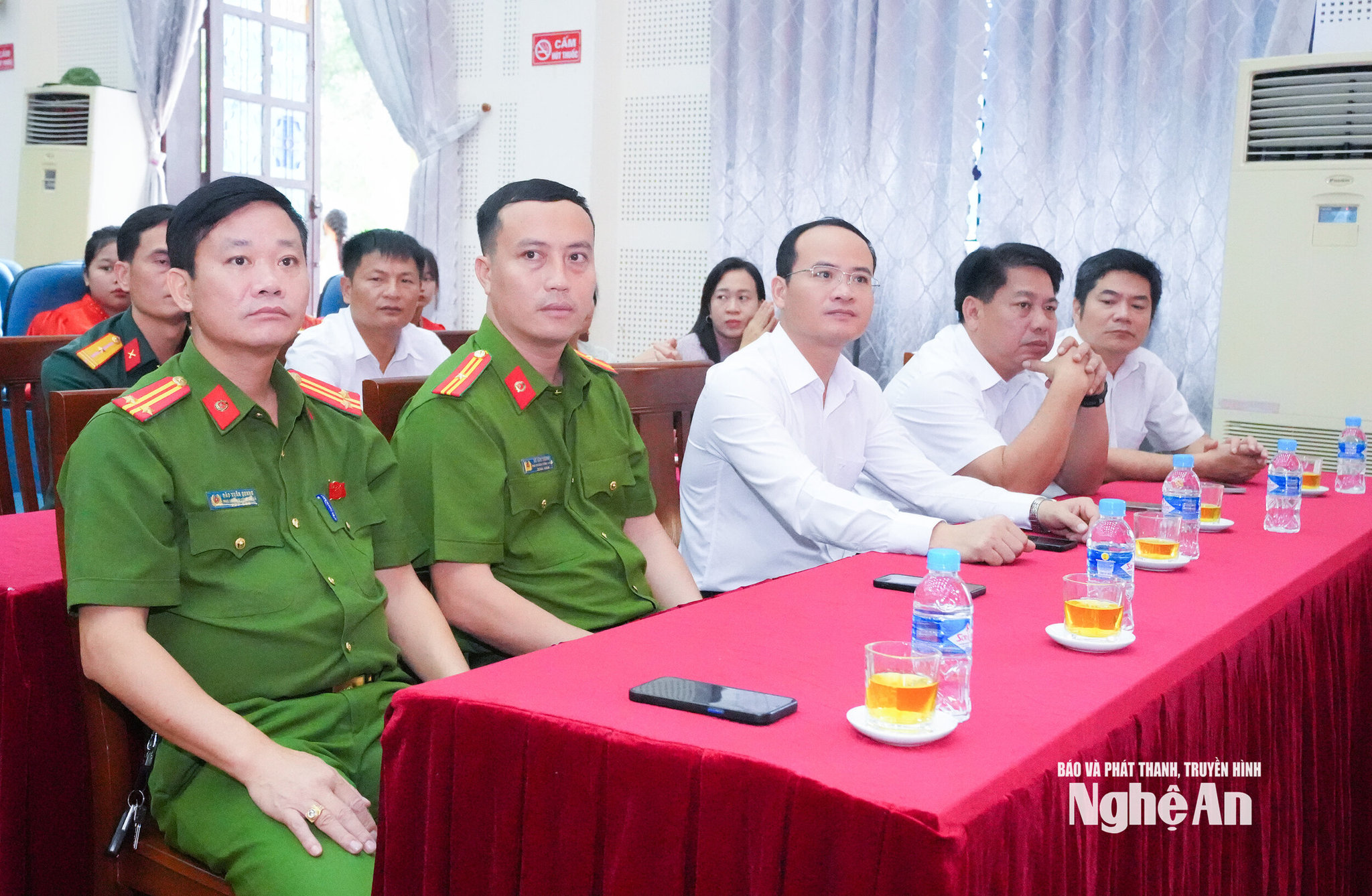
Along with economic development, the fields of culture, education, health, and social welfare are identified as important areas for cooperation. The two localities encourage cultural, artistic, and sports exchanges; connections between schools, villages, and clubs; and the exchange of experiences in improving the quality of education, healthcare for the people, and providing support for students from disadvantaged backgrounds.
In social welfare work, both sides agreed to prioritize support for policy beneficiary families, poor households, households with difficult circumstances, and vulnerable groups. They also agreed to coordinate efforts. in the work of national defense, security, and social order and safety.
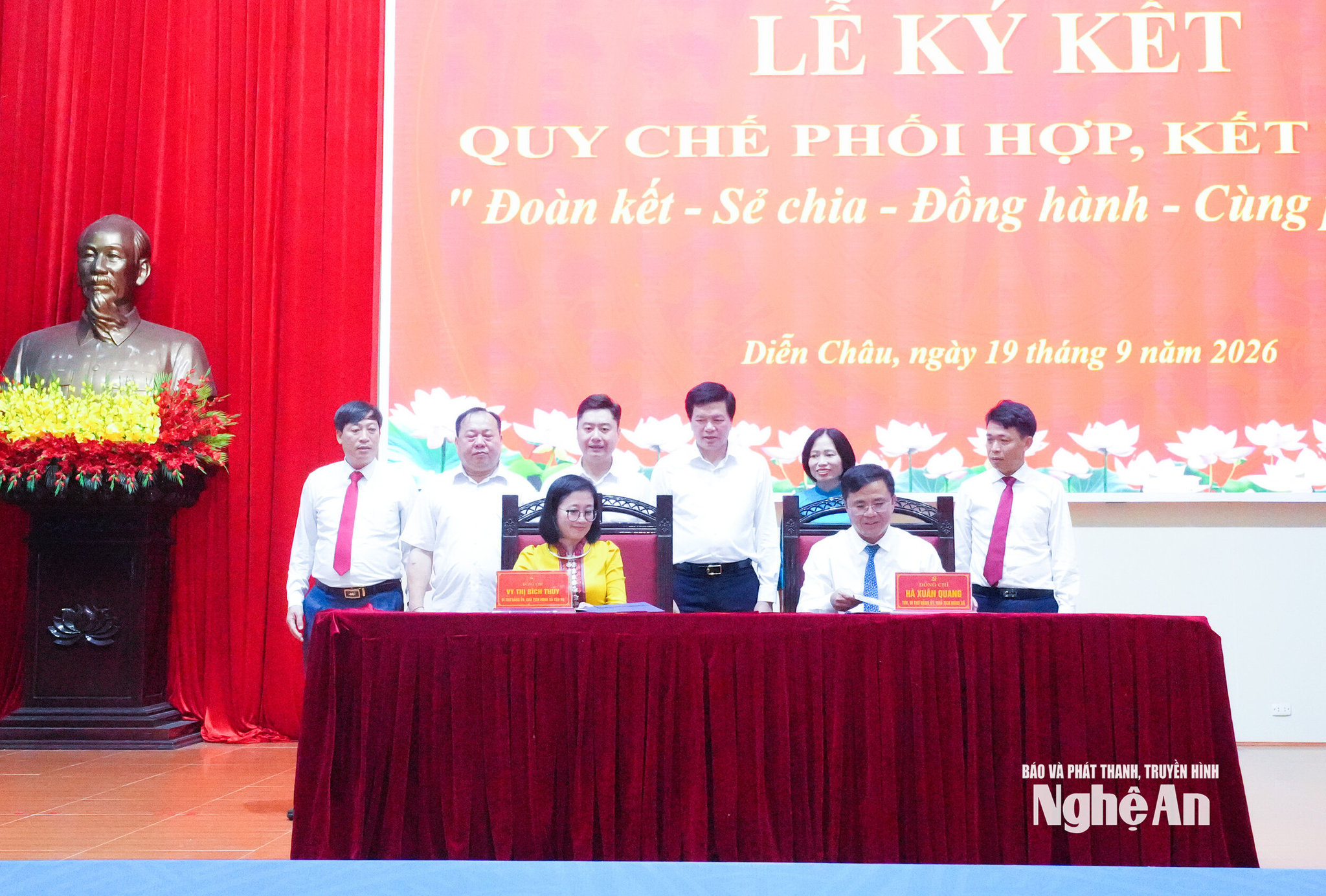
A noteworthy aspect of this collaborative relationship is that it extends beyond just coordination between the two Party Committees; the spirit of fraternal ties is broadened to include coordination with the government, the Fatherland Front, political and social organizations, the armed forces, and other agencies, units, and subordinate Party branches.
The Party Committees of Dien Chau and Yen Na communes also encourage the establishment of fraternal relationships among cadres, Party members, Youth Union members, and people in both localities, contributing to fostering solidarity and close ties based on equality, respect, and mutual development.
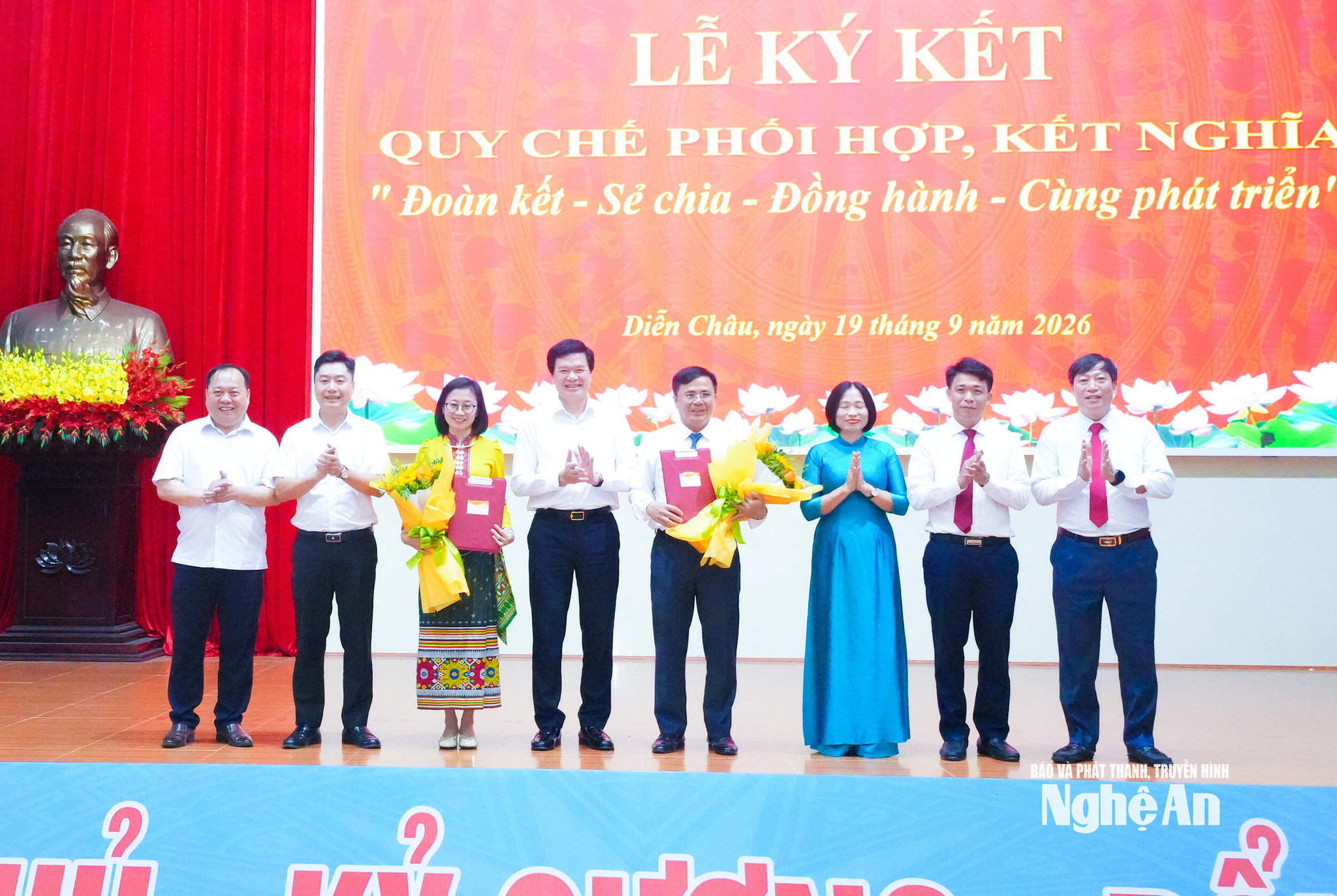
The signing of the Cooperation and Sisterhood Agreement between Dien Chau and Yen Na for the period 2026–2031 not only fosters a close relationship between the two localities, but more importantly, it represents a "commune helping commune" model within the context of a two-tiered local government system. This demonstrates a new approach to mobilizing and connecting resources at the grassroots level, contributing to the development of each locality as well as the entire province in the new phase.
Within the framework of the signing ceremony of the Coordination Regulations between the two Party Committees, Dien Chau 2 Primary School and Yen Na Ethnic Minority Boarding Primary School also signed a cooperation agreement focusing on key areas such as sharing experiences in educational management, improving the quality of teaching and learning, and providing support for school facilities and equipment, as well as assisting students from disadvantaged backgrounds.
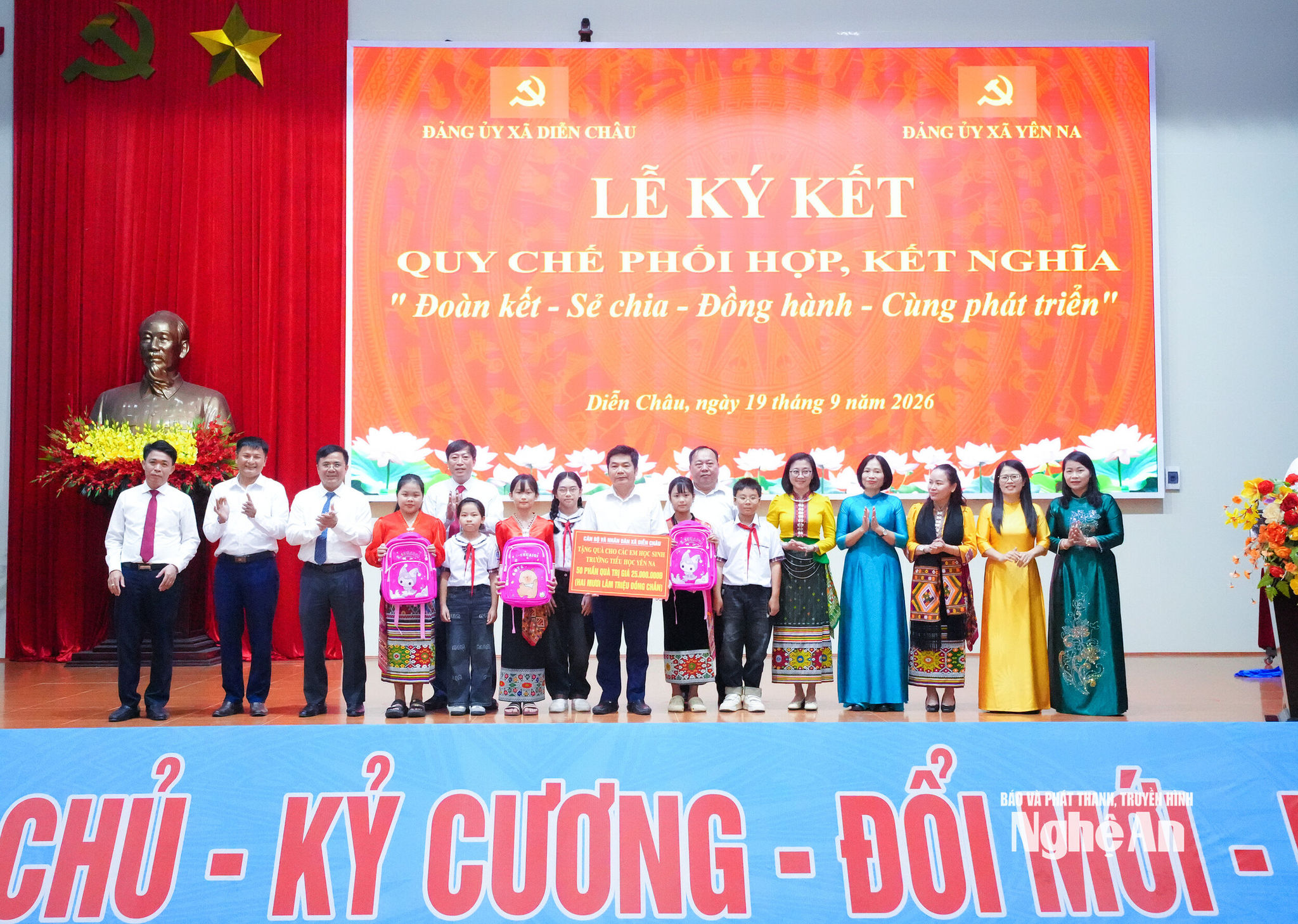
Practical and effective tasks need to be specified.
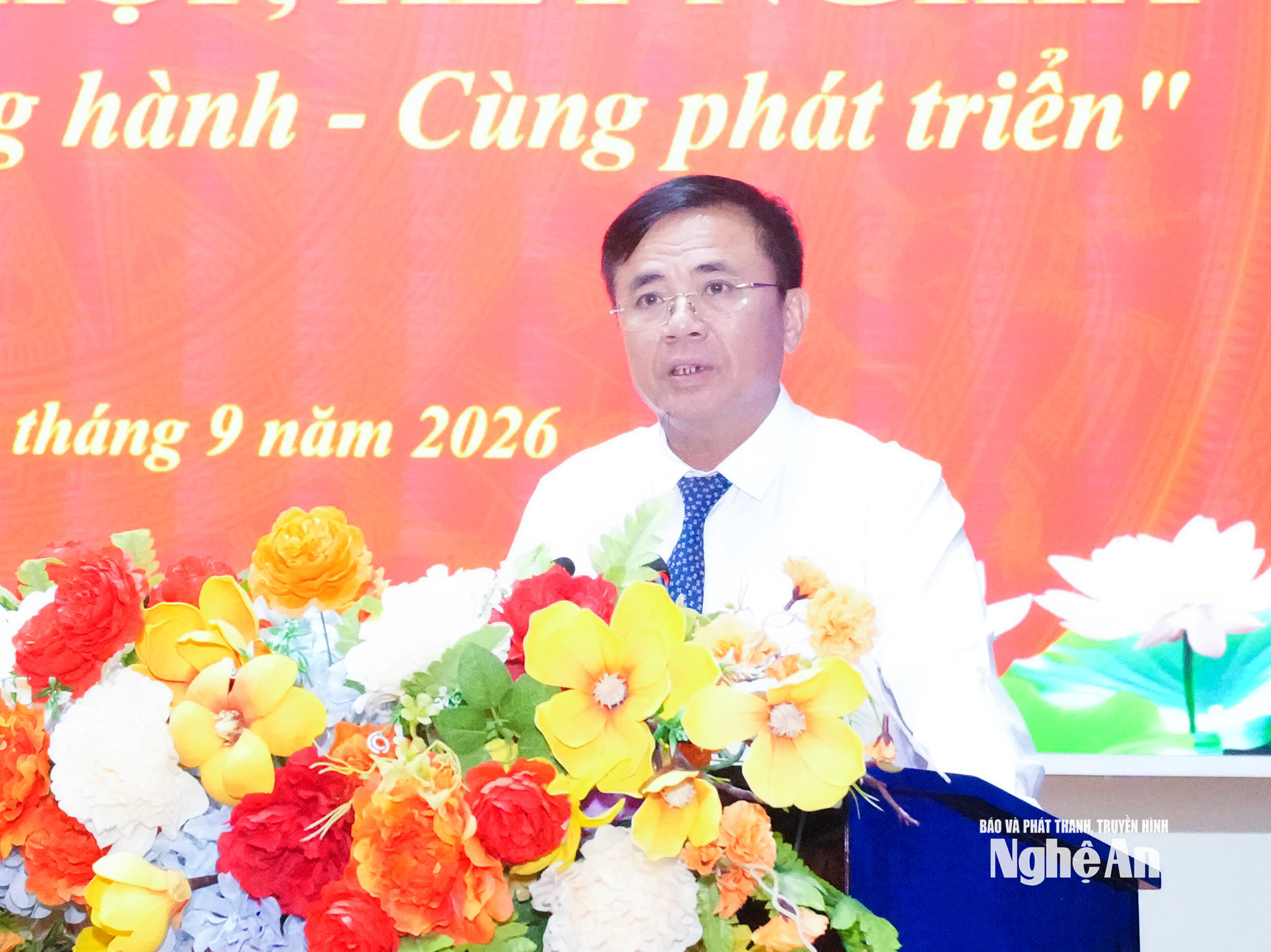
Speaking at the signing ceremony, Comrade Nguyen Dinh Hung - Member of the Standing Committee of the Provincial Party Committee, Permanent Vice Chairman of the Vietnam Fatherland Front Committee of the province - highly appreciated the proactive approach of the two localities in connecting and building cooperative relationships, accompanying and supporting each other for mutual development; these are the first two localities to establish a sister-local relationship when implementing the two-tiered local government system.
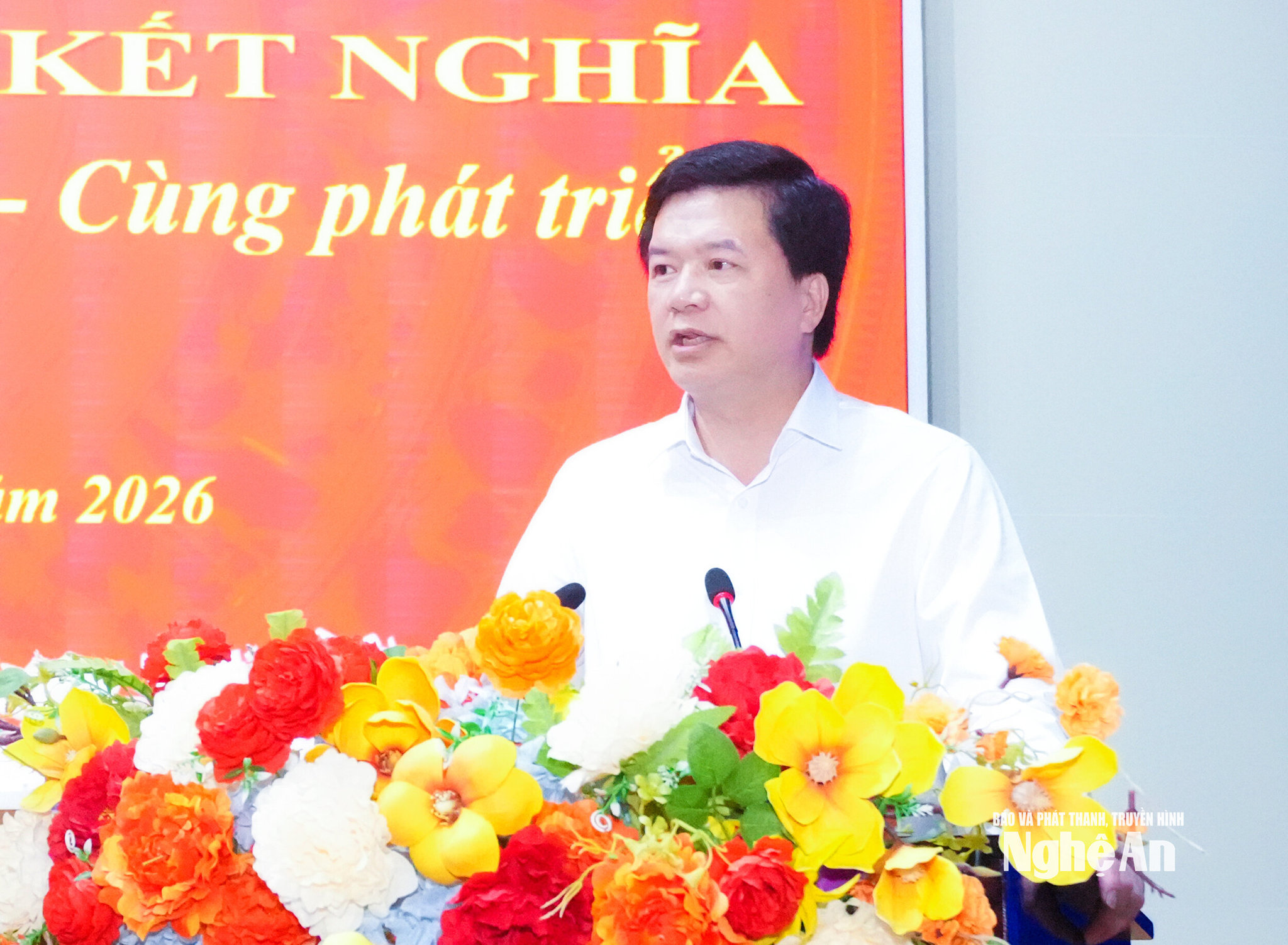
Comrade Nguyen Dinh Hung suggested that the two localities should concretize the signed agreements into specific and effective tasks, contributing to the stable development of Yen Na commune, improving the lives of its people, and for Dien Chau commune to continue accelerating development, ensuring high double-digit growth targets, and becoming an important driving force for the province's development.
Emphasizing that each locality needs to clearly identify its advantages and strengths in order to receive appropriate support and cooperation, Comrade Nguyen Dinh Hung suggested some additional directions for coordination, especially in coordinating education and spreading the traditional cultural values of the nation; connecting and attracting labor to work in production facilities and factories; supporting the development of economic models; establishing a system for consuming characteristic products and OCOP products of each locality; and possibly organizing fairs associated with cultural exchange on a regular basis.
Comrade Nguyen Dinh Hung also suggested that the Fatherland Front of the two communes should serve as an important "bridge" in coordinating activities between the two localities, promoting solidarity, cooperation, and mutual development of each locality.