
LNG Power Plant - A view from Nhon Trach towards Quynh Lap
Liquefied natural gas (LNG) is not just a new fuel source, but is reshaping how the national power system operates. In Nhon Trach, LNG helps create a stable base power source, significantly reducing emissions compared to traditional models. The LNG model in Nhon Trach is being studied by Nghe An province to learn from its experience and quickly launch a plant within the province, contributing to building a foundation for green growth.
Modern technology
In late March, a special delegation from Nghe An province, led by Vice Chairman of the Provincial People's Committee Phung Thanh Vinh, visited Dong Nai and Ho Chi Minh City to conduct on-site surveys of LNG projects that are already operating in the South. This was a comprehensive "decoding" of the issues that the Quynh Lap LNG Thermal Power Project in Nghe An is investigating in order to ensure its sustainable development.
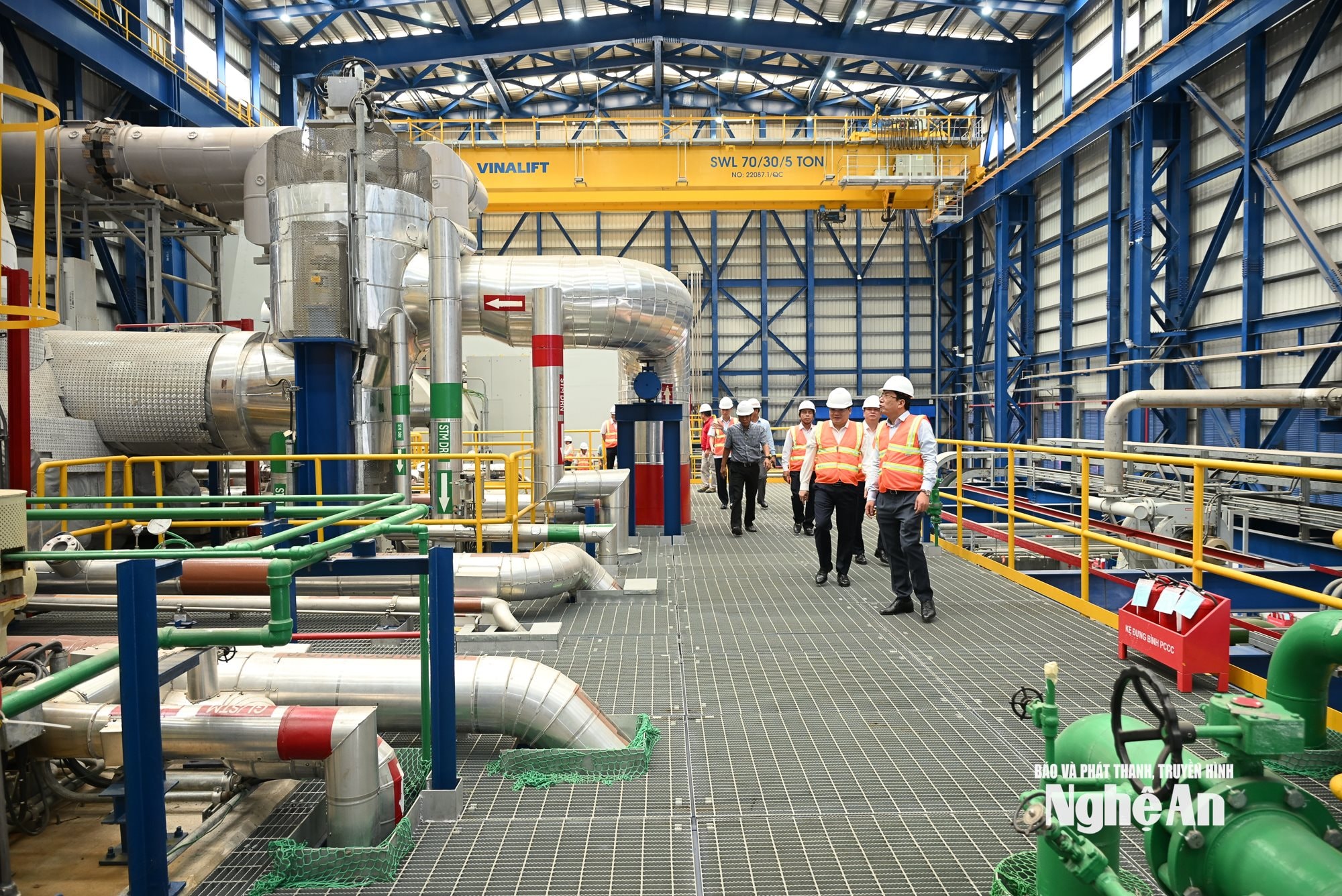
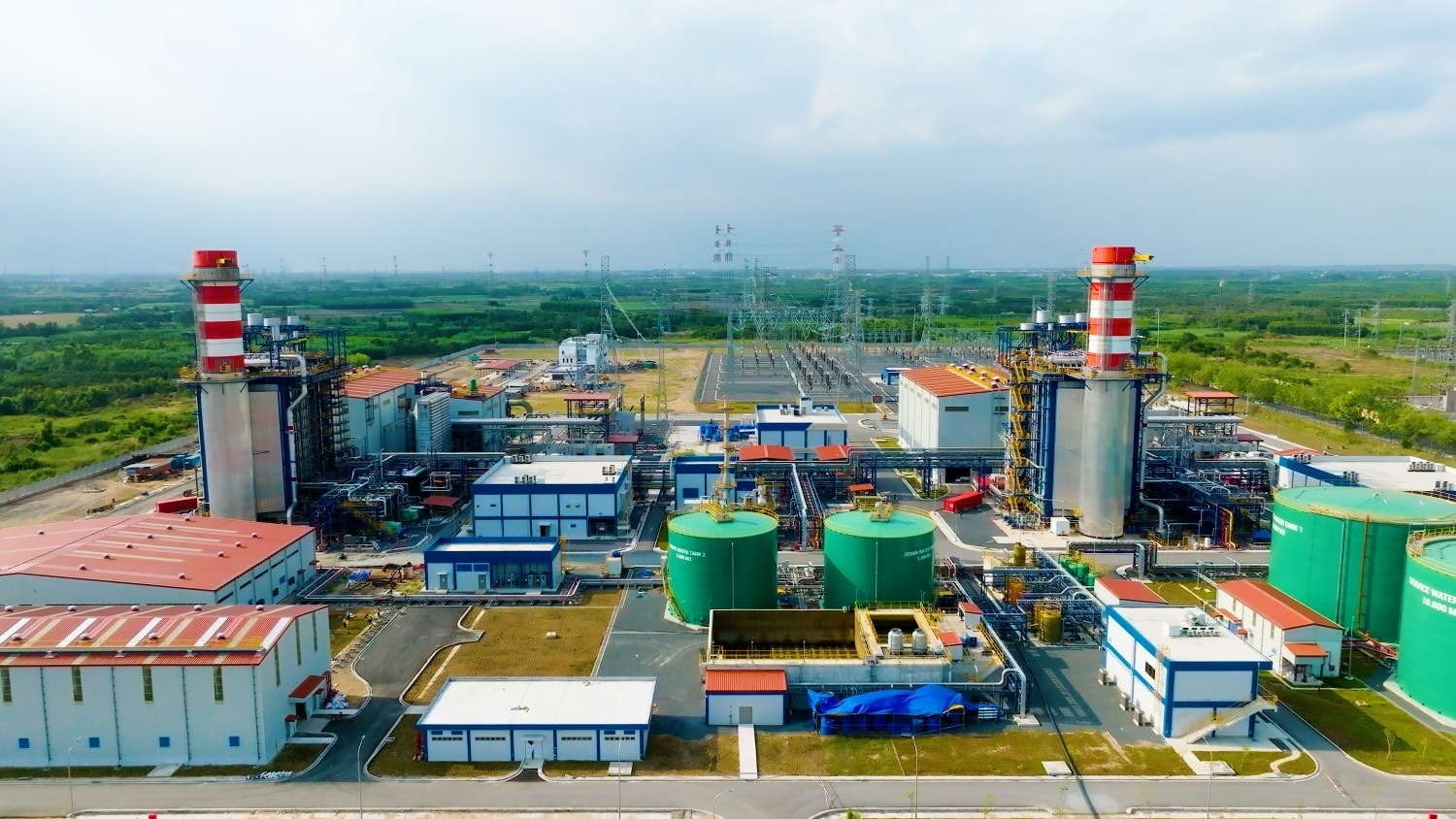
The Nhon Trach 3 and 4 LNG power plants are the first and most modern gas-fired power plants using liquefied natural gas (LNG) as fuel in Vietnam. The project is located in a green area within the Ong Keo Industrial Park, Dai Phuoc commune, Dong Nai province, covering a total land area of approximately 56.54 hectares. At this state-of-the-art gas-fired power plant in Vietnam, the operation produces no black smoke and no ash or slag.
The plant's grounds are planned in an open style, with green spaces, a recirculating drainage system, and neatly organized technical areas, separated from residential areas. Gone are the rigid, "giant concrete blocks" of previous coal-fired power plants; the Nhon Trach LNG plant now resembles a modern, clean, and well-controlled industrial complex.
The Nhon Trach 3 and 4 LNG power plants utilize GE's 9HA.02 generation gas turbine technology, which not only boasts a power generation efficiency of up to 64% but also significantly reduces CO₂ and NOx emissions, and virtually eliminates fine dust and ash. With a total capacity of 1,624 MW, the Nhon Trach LNG power plant currently has the largest generating unit capacity in Vietnam, representing a total investment of approximately US$1.4 billion, equivalent to over VND 32.4 trillion.
Mr. Tran Quang Thien – Deputy Director of the Power Project Management Board, Vietnam Oil and Gas Power Corporation, stated: The use of H-Class gas turbine technology, as seen at Nhon Trach 3 & 4, helps reduce carbon emissions by approximately 60% compared to coal-fired power plants of the same capacity, without producing ash or fine dust. Furthermore, the digital control system ensures stable operation and automatic adjustment according to load demand. This technology also meets stringent emission standards and allows for flexible fuel switching, from LNG to hydrogen blending, aiming for 100% hydrogen use in the future.
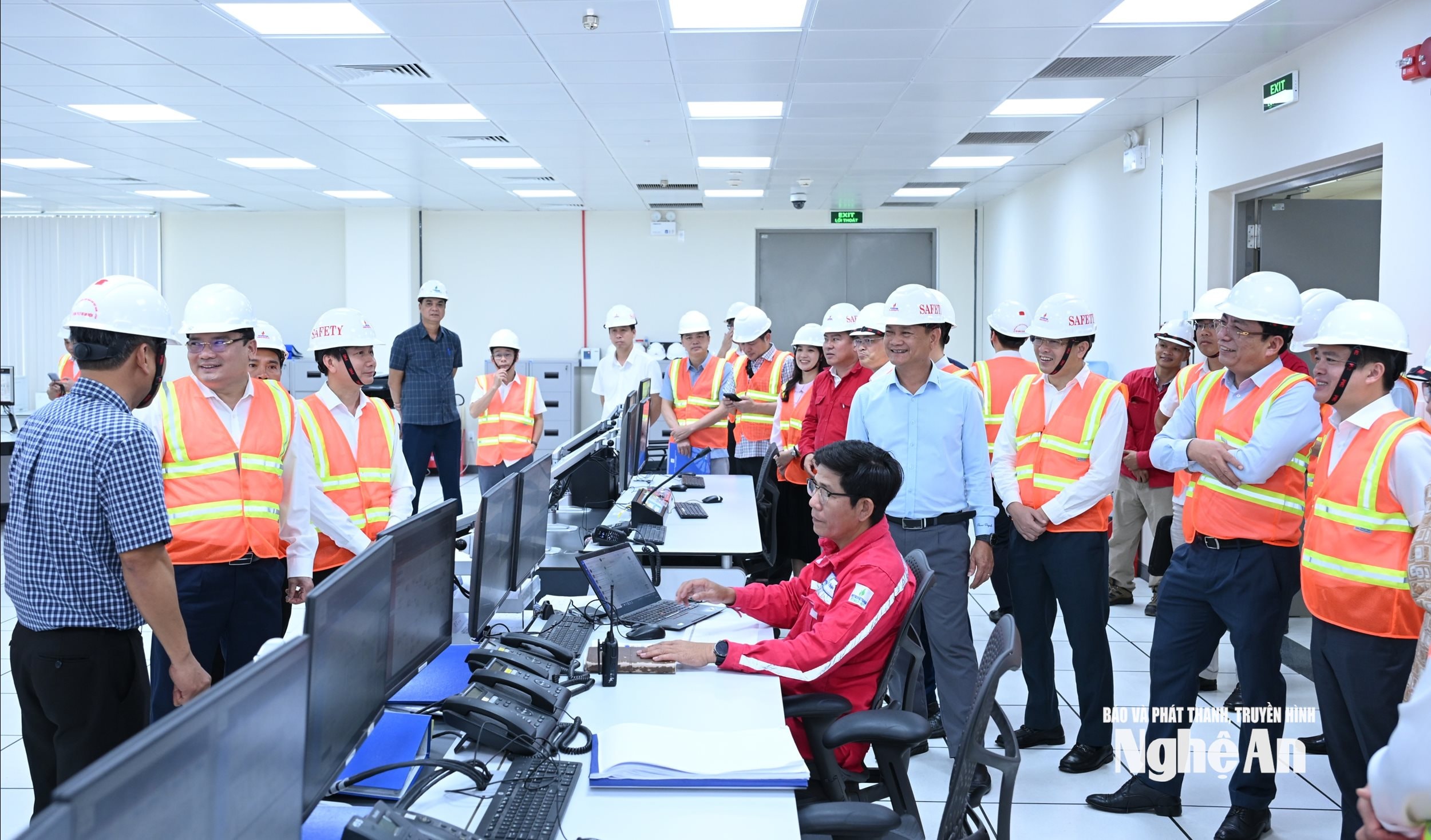
From an operational perspective, the entire system is controlled via a digital control center, enabling real-time monitoring, automatic power adjustment, and optimized fuel consumption. This represents a shift from "electricity production" to "energy management."
To operate this complex system, the operating unit (PV Power NT) participated in the project from a very early stage to master the technology. The Vietnamese engineering team demonstrated outstanding capabilities, completing difficult technical adjustments in just 7-10 days instead of the months typically required internationally. The investor placed particular emphasis on training personnel to independently operate, maintain, and repair these state-of-the-art turbines.
This modernization is not limited to Nhon Trach but also serves as a model for the future Quynh Lap LNG Project, which is also planned to use combined-cycle gas turbine technology with an expected gross efficiency of up to 62.5%.
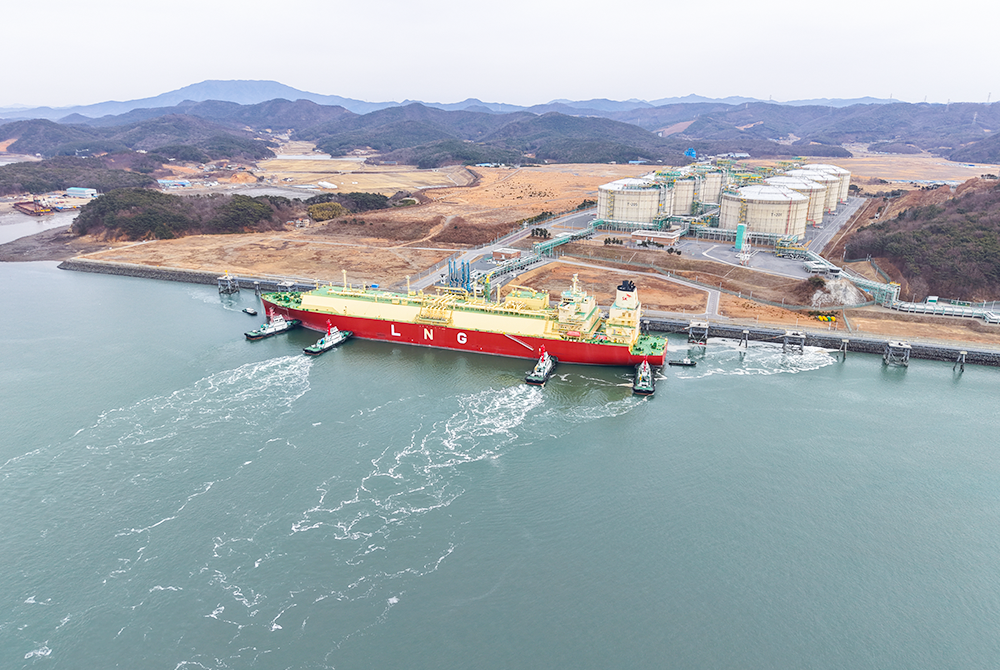
One of the fundamental differences between LNG and traditional power generation is that it doesn't exist independently. The power plant is just one link in the chain; the real "lifeblood" lies in the LNG terminal system, where it receives, stores, and regasifies the gas. The Thi Vai terminal, along with the Nhon Trach plants, forms the first and most modern "from gas to electricity" LNG chain in Vietnam.
The gas, after being reprocessed at Thi Vai, is transported through the Thi Vai - Phu My gas pipeline system to supply the power plant directly. This is a collaboration between two Petrovietnam member units, PV GAS (supplying fuel from the Thi Vai storage facility) and PV Power (the power plant investor), to ensure energy security for the southern region. This collaboration creates the first and most modern "gas-to-power" LNG chain in Vietnam.
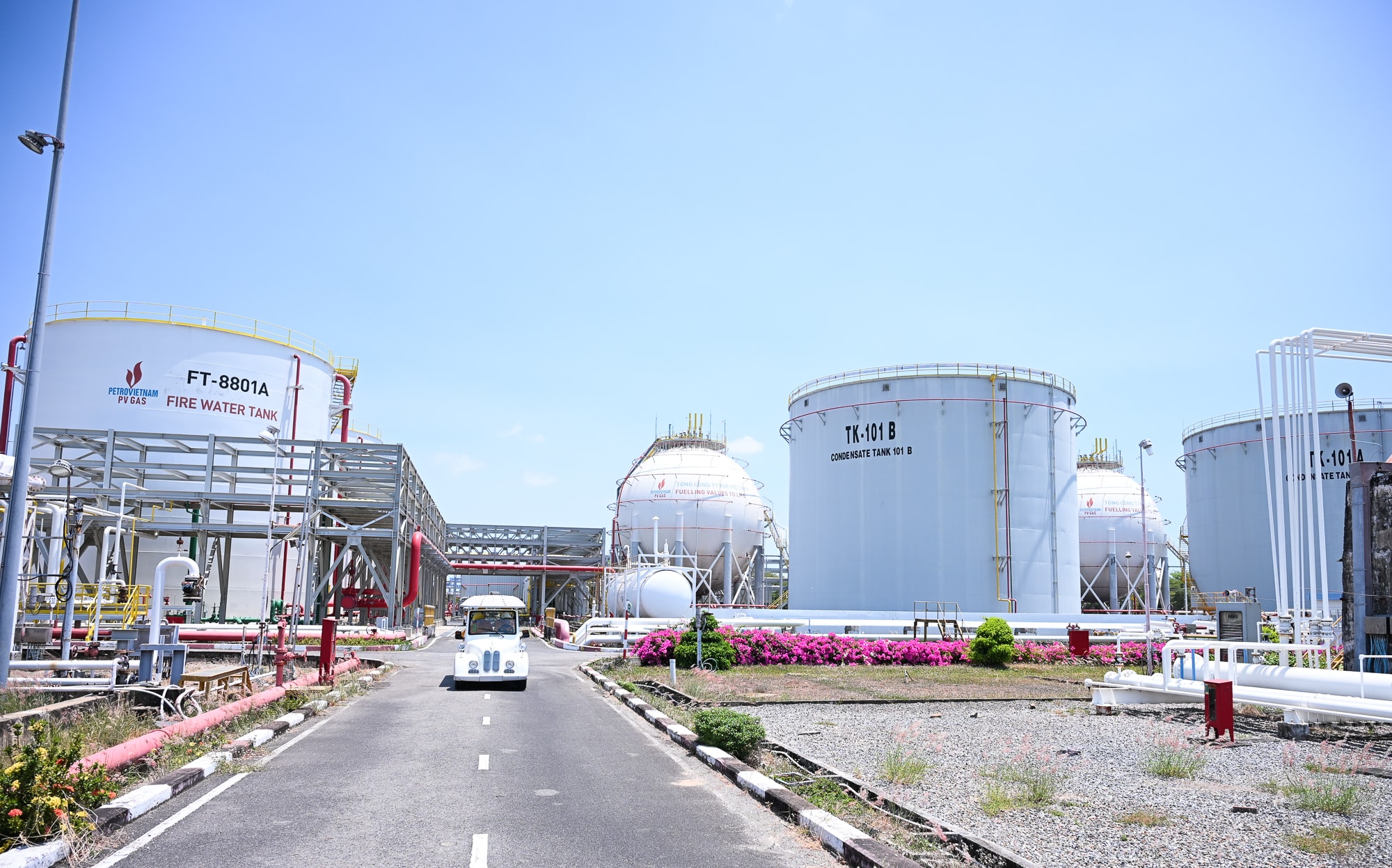
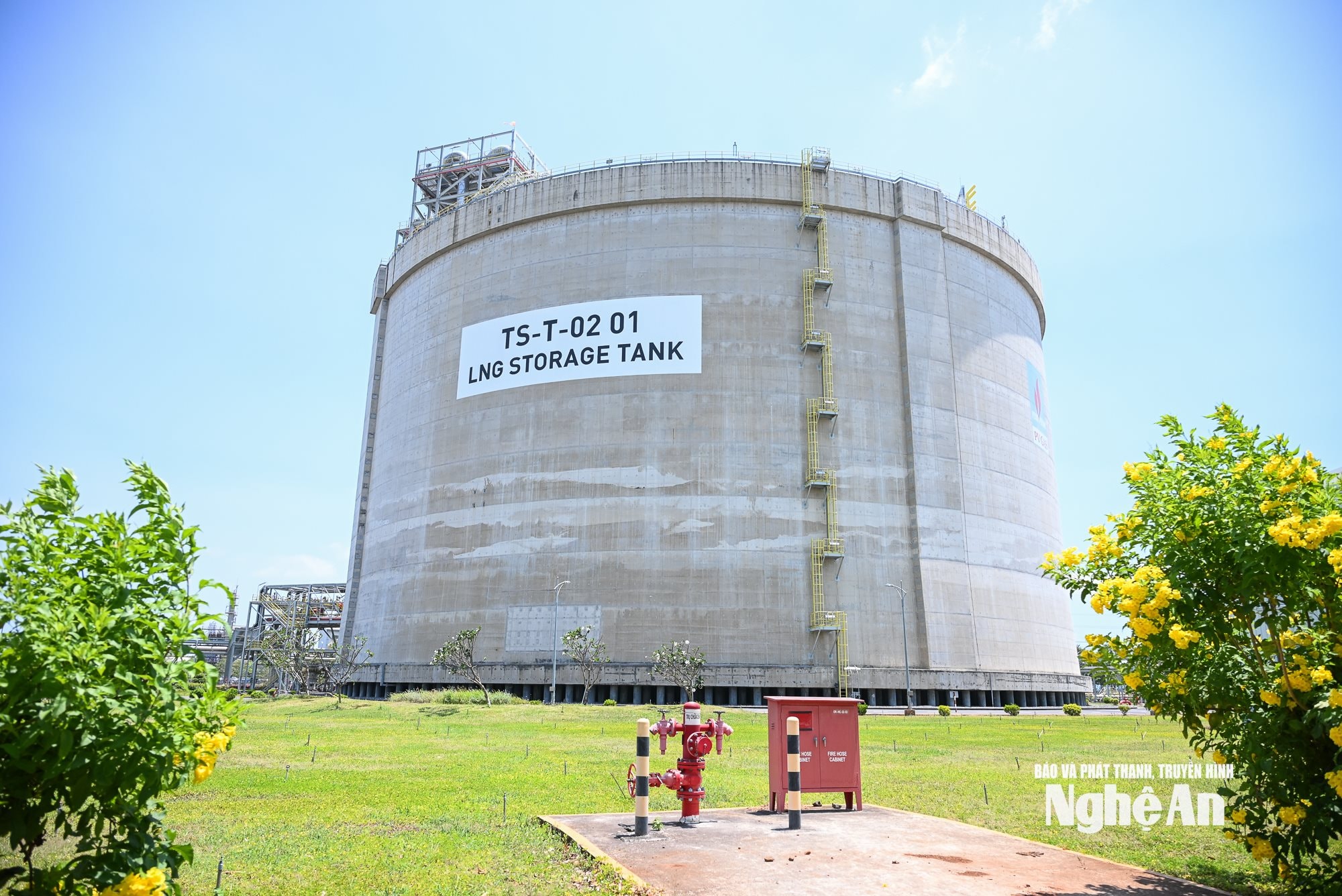
The Thi Vai port and storage system is designed with the world's most advanced technology, capable of receiving ships with a tonnage of up to 100,000 tons and storage tanks of 180,000 m³, creating a sustainable green energy center.
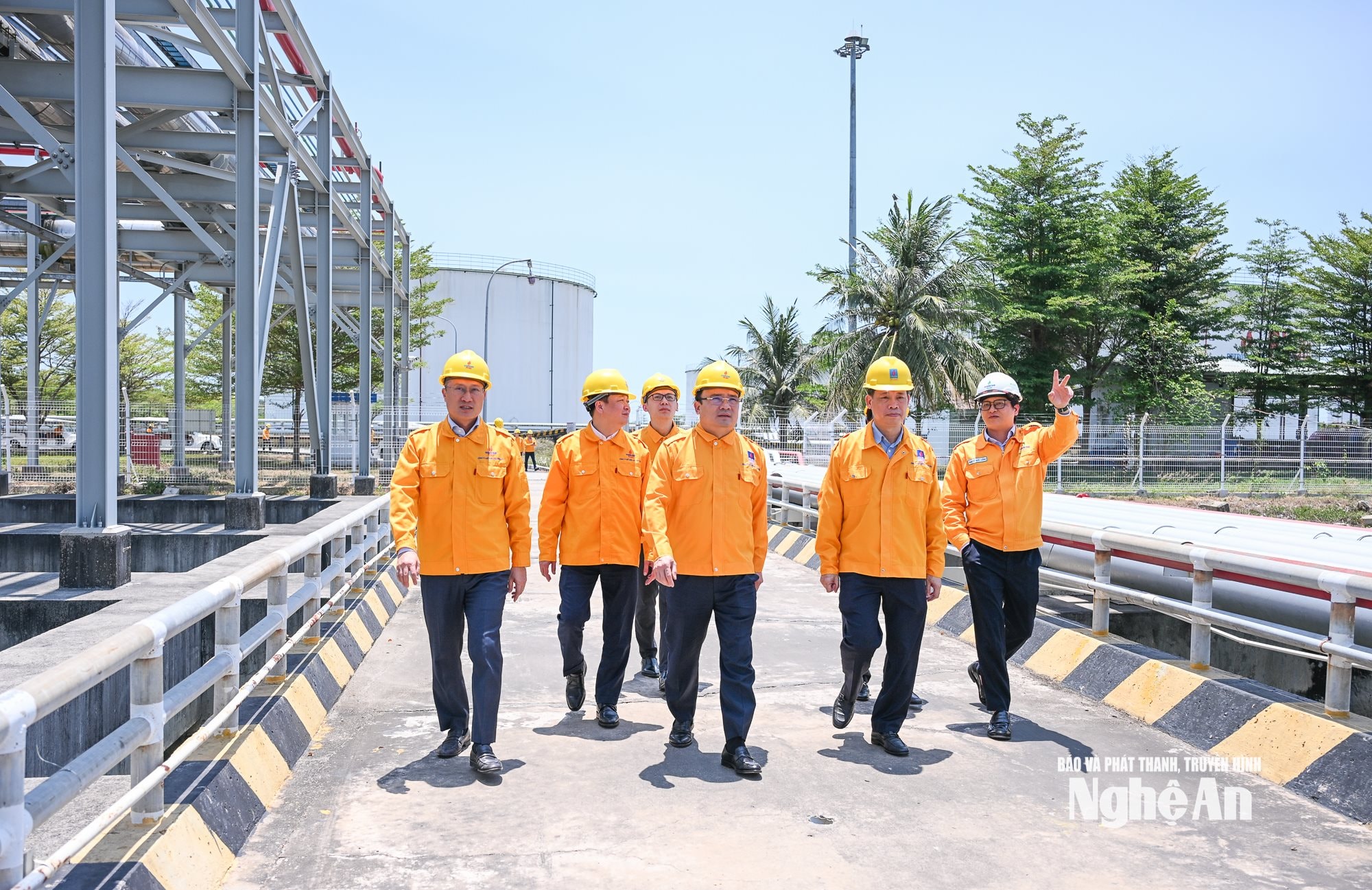
During their working visit, the Nghe An provincial delegation spent considerable time thoroughly studying the technology of thermal compensation storage tanks, gas pipeline systems, and the operating procedures of the central gas distribution station for supplying fuel to power plants and industrial customers. The delegation also focused on understanding safety procedures and protection corridors; legal procedures, technical standards, and coordination mechanisms with state management agencies in maritime affairs, border guards, and local authorities in ensuring security and safety in the port area.
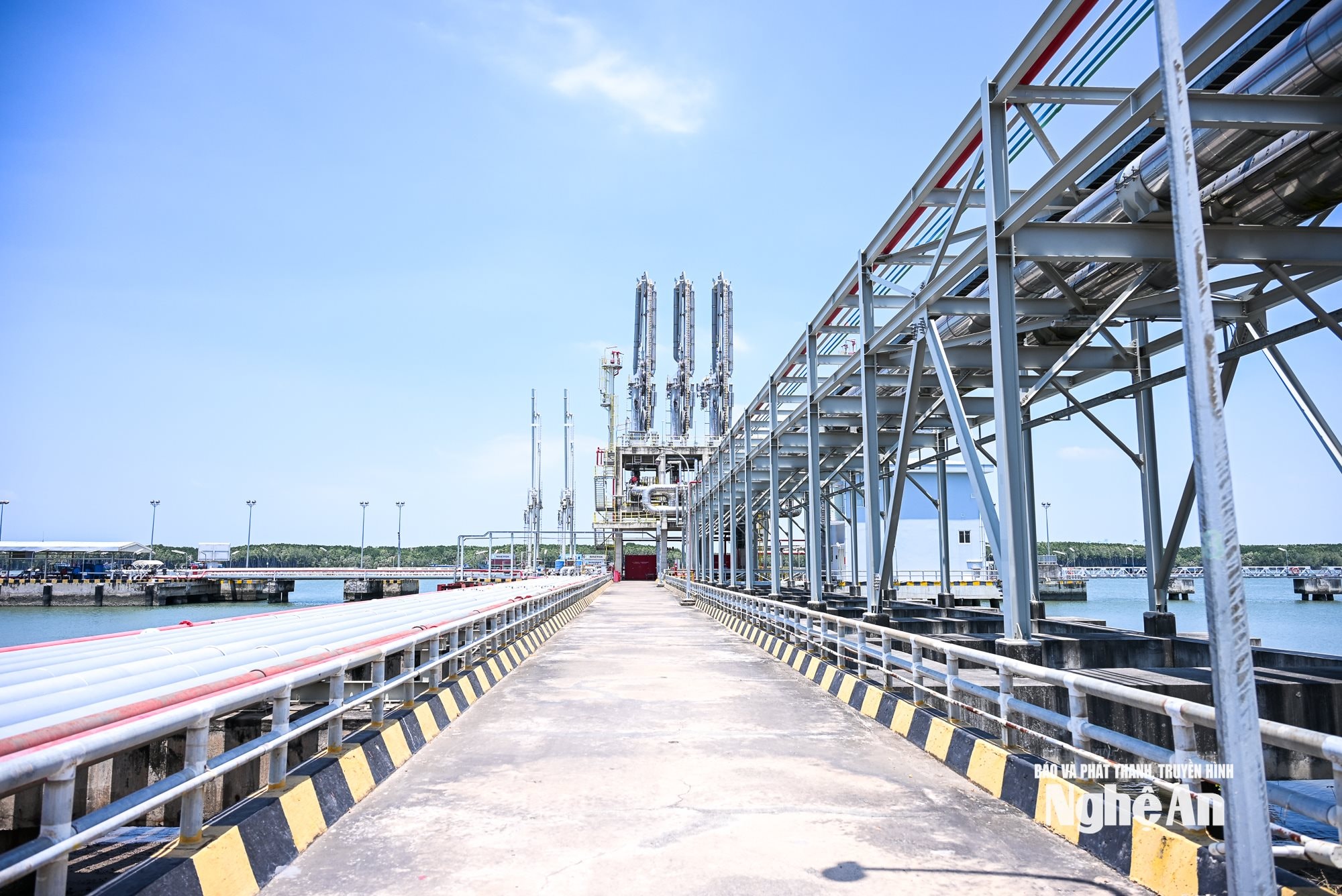
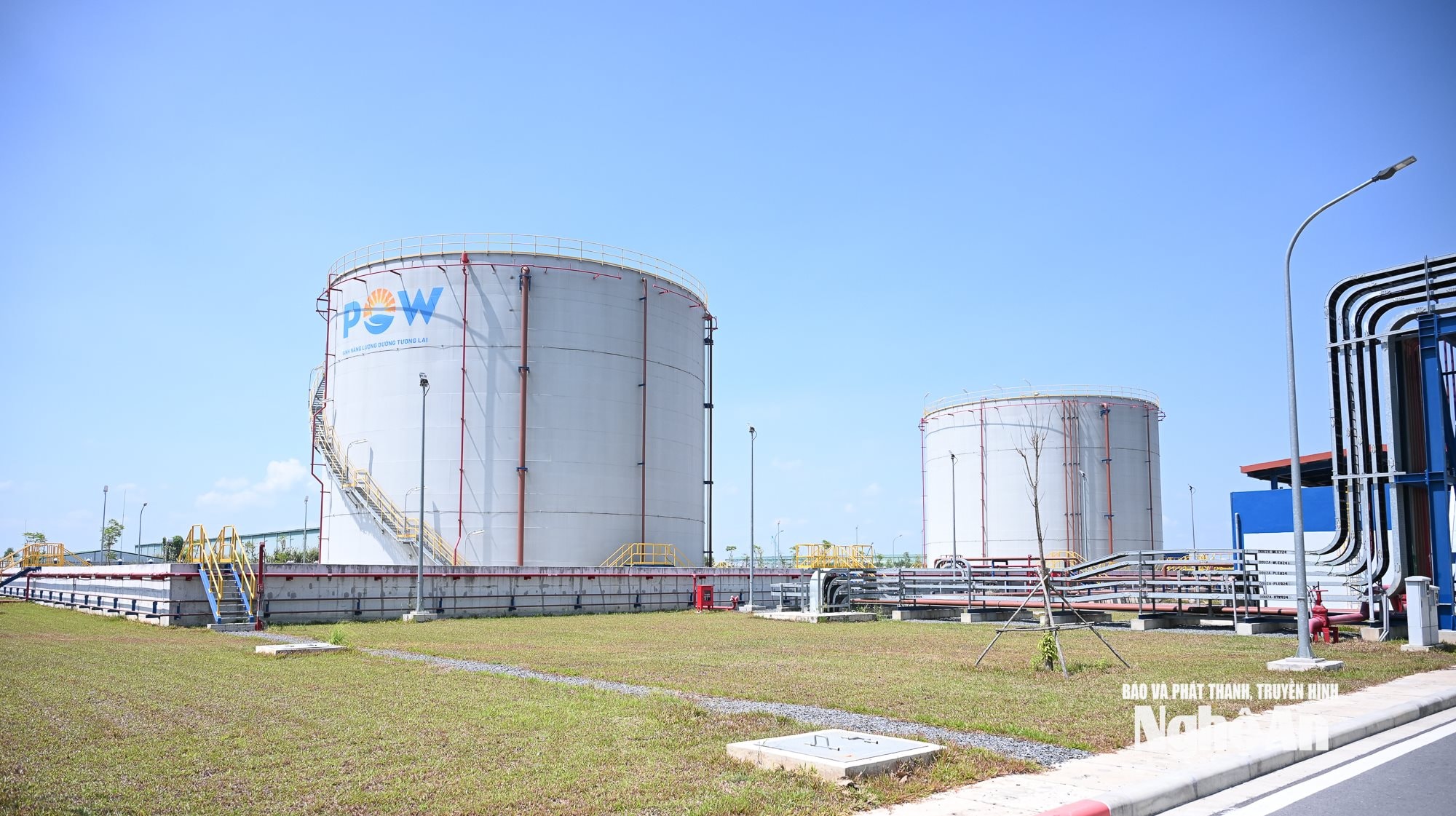
At the Thi Vai LNG terminal, the level of standardization and safety control is almost impeccable. Large-capacity LNG storage tanks are designed with double-walled insulation for superior heat retention, minimizing energy loss. The regasification system operates in a closed loop, ensuring that LNG is converted into natural gas at stable pressure and temperature before being introduced into pipelines.
Mr. Nguyen Minh Tuan, Deputy General Director of Vietnam Gas Corporation, stated: The design of the Thi Vai LNG terminal strictly adheres to international standards and Vietnamese regulations, focusing on solutions such as: double-walled full-containment tanks, automatic fire/gas detection systems, emergency shut-off (ESD) systems, and safe distances from heat sources. Safety measures include operating procedures for pipeline inspection every shift, regular maintenance, and international maritime safety assessments.
Background foundation for a new industrial ecosystem
LNG (liquefied natural gas) power generation is the process of using deeply cooled methane – the main component of which – to liquefy as fuel for combined-cycle gas turbine power plants. This is a cleaner energy source than coal/oil and plays a crucial role in energy transition and ensuring energy security in Vietnam.
Compared to traditional thermal power plants, LNG offers distinct advantages: Reduced CO₂ and particulate matter emissions, no ash generation; High efficiency (over 62%) thanks to modern gas turbine technology; High stability, suitable as a base power source; Attracts international investment, especially from large energy corporations.
As Vietnam promotes renewable energy (solar power, wind power), the presence of Nhon Trach 3 & 4 serves not only for power generation but also as a "buffer" for the southern power system.
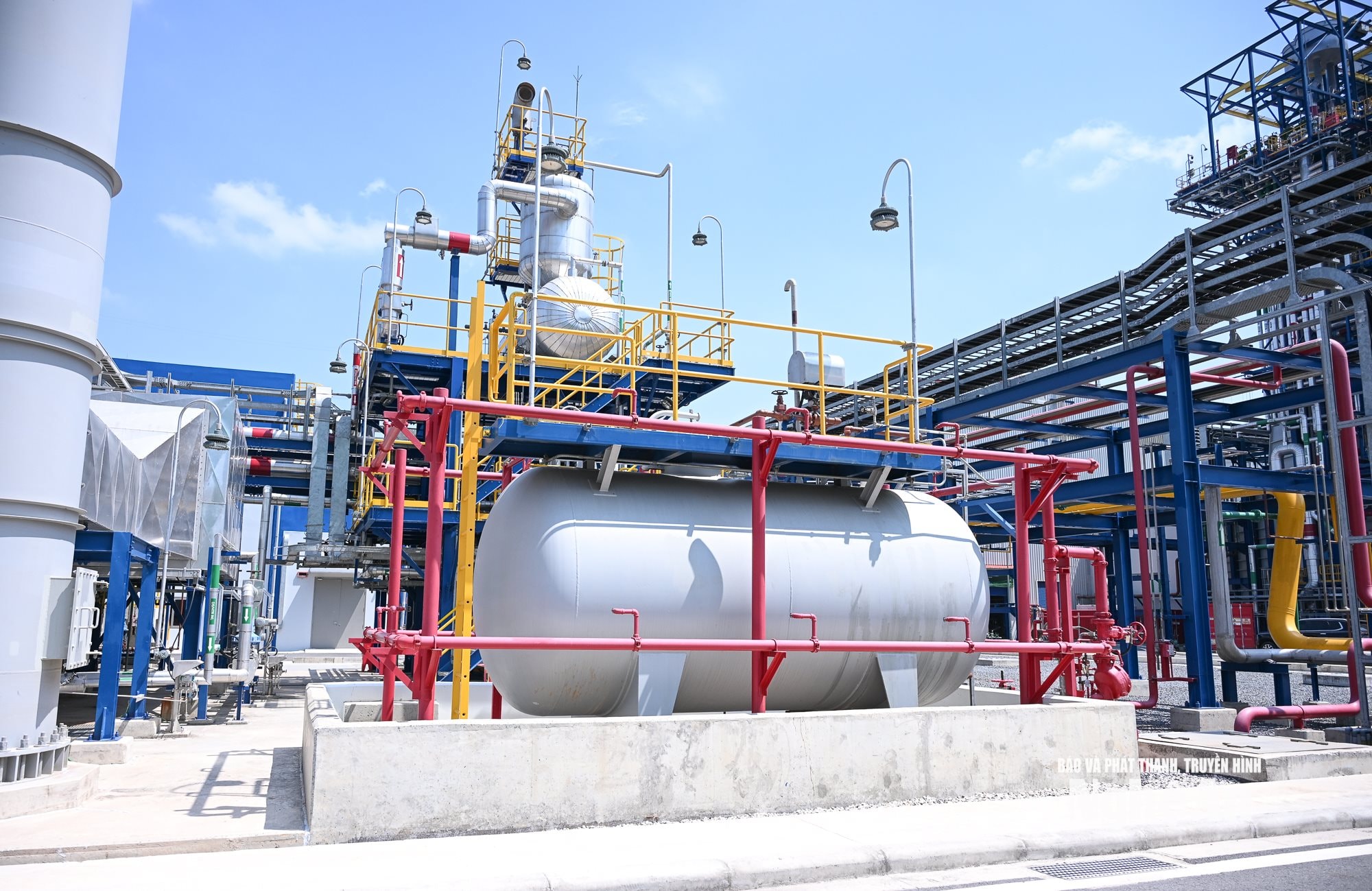
With the fast and flexible start-up capabilities of the 9HA generation turbine, the plant can quickly compensate for power loss when the sun sets or the wind subsides, helping to stabilize the national power grid frequency. In particular, its location right in the heart of the southern load center minimizes inter-regional transmission losses. Every kWh not lost on the main transmission line is a national resource preserved, directly reducing operating costs for the entire system. The project is the most practical solution to the commitment to reducing emissions without sacrificing energy for the economy.
Mr. Pham Van Cuong, Deputy Director of the Department of Industry and Trade of Dong Nai province, said that the Nhon Trach 3 and Nhon Trach 4 power plants, now in commercial operation, contribute to ensuring national energy security in the context of the country's double-digit growth target. They attract high-tech projects with high electricity demand, such as data centers and artificial intelligence, while also promoting energy transition towards achieving net-zero emissions by 2050, making a practical contribution to the socio-economic development of Dong Nai province.
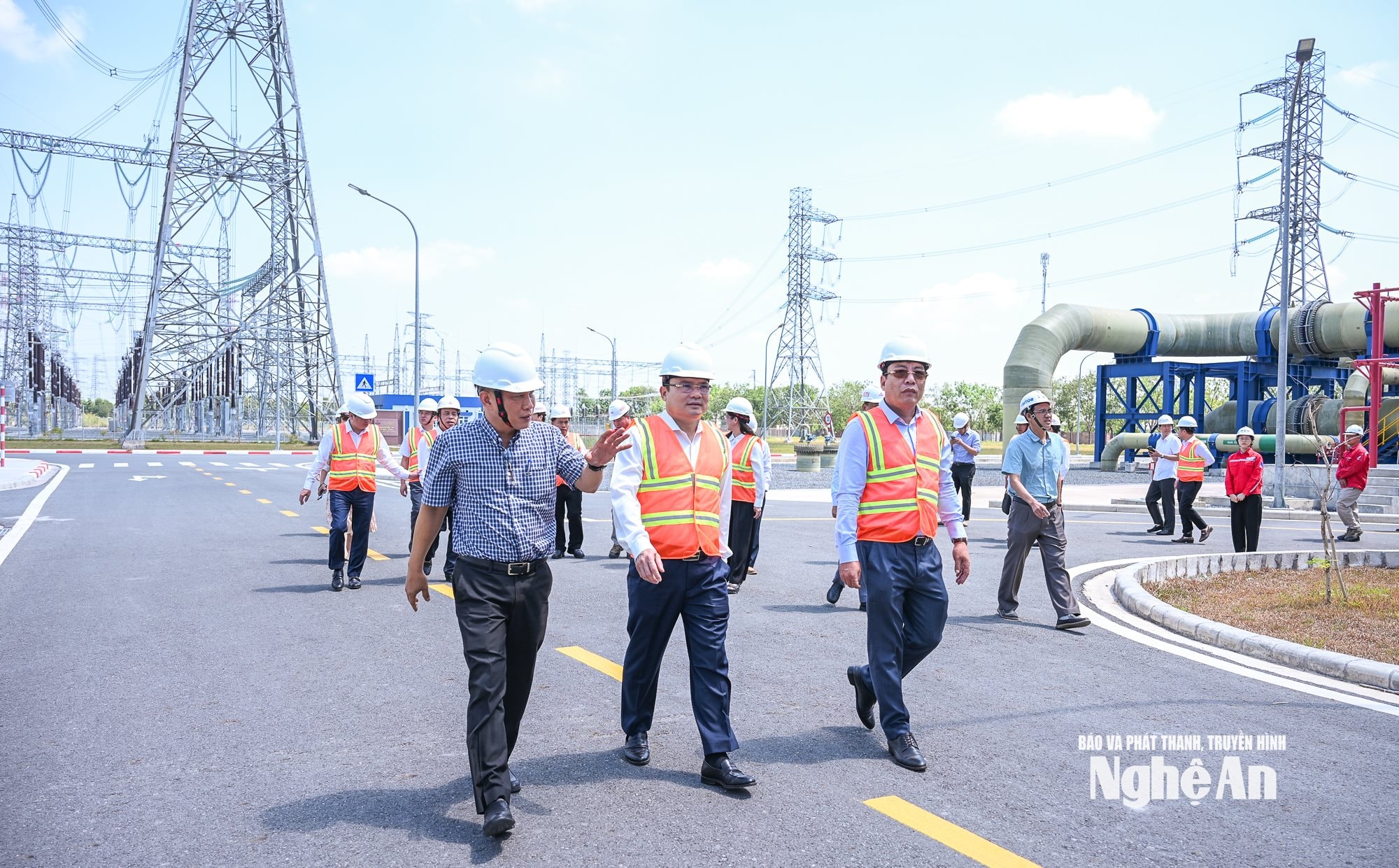
Mr. Nguyen Duy Giang, Deputy General Director of Vietnam Oil and Gas Power Corporation, stated: The Nhon Trach 3 and 4 LNG Thermal Power Plant project is considered one of Vietnam's most successful projects in the energy sector. When operating stably, the plant complex will supply approximately 9 billion kWh per year, generating estimated revenue of 27,000 billion VND and contributing about 1,000 billion VND to the state budget.
Looking deeper, LNG is not just about electricity; it's the foundation for a new industrial ecosystem: data centers; AI industry; petrochemicals and fertilizers; and other high-energy consuming industries. In other words, LNG power plants are the infrastructure of the future.
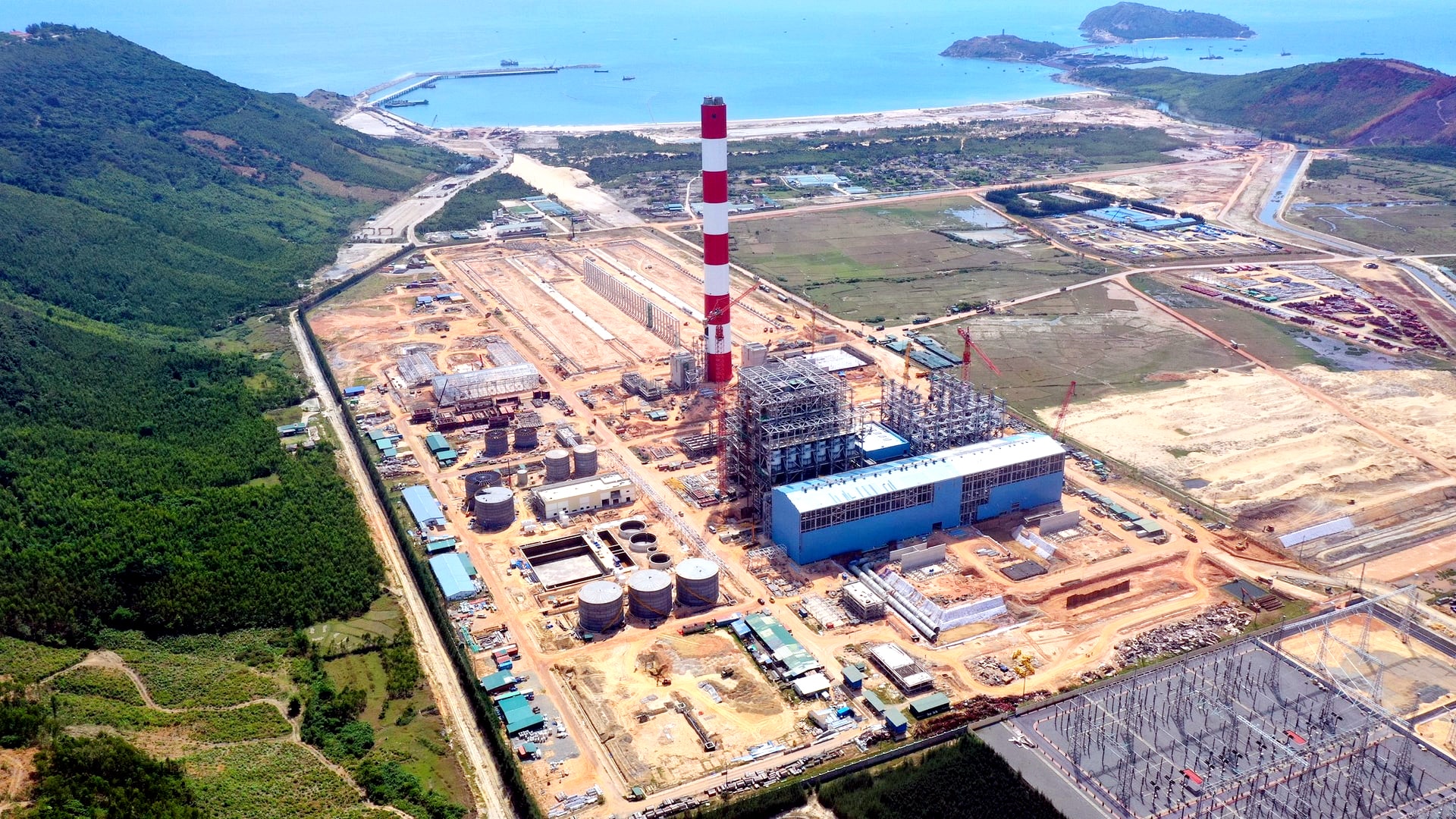
Building on the success of the Nhon Trach 3 and 4 LNG power plants, the Quynh Lap - Nghe An LNG project will not only be a power plant but could also become the "nucleus" of a new energy industrial center in the North Central region.
Beyond just addressing the electricity issue, this is also a strategic breakthrough for Nghe An to fulfill its commitment to net-zero emissions by 2050, while simultaneously affirming its new position on the international investment map in the context of an economy shifting towards green and sustainable development.


