
What happens when a person eats too little salt?
People with heart failure should limit their salt intake, but if they eat too little, they are at a higher risk of death.
Salt has long been considered the number one enemy of heart disease, with doctors advising patients to reduce their daily salt intake. But new research suggests that excessive restriction may actually increase the risk of premature death in heart failure patients.
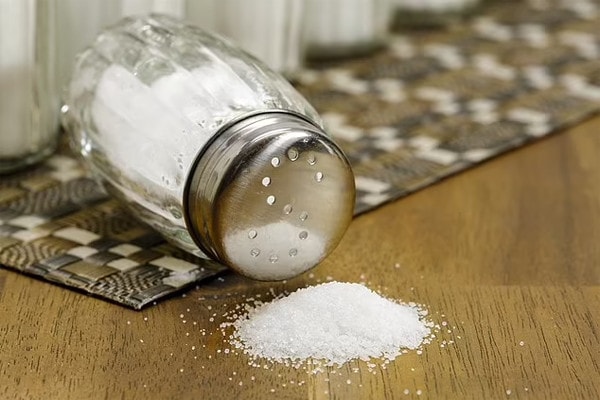 |
| Eating too much or too little salt is harmful to the body. (Photo: Daily Mail) |
Excess salt intake has long been linked to high blood pressure, increasing the risk of developing heart failure and worsening existing conditions.
The American Heart Failure Association recommends that the average person consume only 2 to 3 grams of sodium (the main component of salt) per day. For those with moderate or severe heart failure, this amount should be less than 2 grams, slightly less than a teaspoon.
According to the U.S. Food and Drug Administration, the average American consumes more than 3.4g per day.
Sodium is present in most foods, making it difficult to track and avoid. A 140g bag of potato chips can provide a quarter of the recommended daily sodium intake.
According toDaily Mail,foodPackaged foods can contain extremely high levels of sodium, as well as many sodium-rich flavorings. Many people with heart failure must strictly restrict salt in their diet and avoid these foods for fear of excess sodium.
In a new study presented at the American College of Cardiology's annual summit on February 23, doctors reported that restricting sodium intake in the diet below the recommended level is counterproductive.
The authors collected data from nine previous clinical trials involving 3,500 heart patients. Each trial evaluated the effectiveness of different levels of sodium restriction on heart failure patients. The analysis found that heart failure patients adhering to a sodium-restricted diet of less than 2.5g/day had an 80% higher risk of death.
Dr. Anirudh Palicherla, from the Creighton University School of Medicine in Omaha, Nebraska (USA), who led the study, explained: "Sodium restriction remains a way to manage heart failure, but the extent of restriction is still debated. This study suggests that the focus should be on establishing safe sodium consumption levels rather than excessive restriction."
 |
| Scientists have not yet agreed on the recommended daily salt intake for heart failure patients. (Illustration: Eatthis) |
It's no surprise that health experts advise people with heart disease symptoms to reduce their salt intake. Too much salt increases water retention in the body, increasing the volume of blood within the blood vessels. When more blood flows through the vessels, blood pressure rises, forcing the heart to work harder.
But many doctors admit that the recommendation to keep sodium intake below 2g is based on guesswork.
A review by Oxford University (UK) found that the evidence for the benefits of a low-salt diet in patients with mild heart failure is inconclusive. Dr. Kamal Mahtani stated: “We found no relevant data on how reducing dietary salt intake affects cardiovascular or all-cause mortality, cardiovascular-related events, hospitalization, or length of hospital stay.”
The authors of the latest study are calling for further discussion within the scientific community regarding optimal dietary sodium targets for individuals with healthy hearts and those with potentially fatal diseases.
Until then, they recommend that those wishing to limit their sodium intake eat plenty of fresh fruits and vegetables and cook with simple ingredients. They want people to avoid processed, canned foods and sauces, which often contain high amounts of sodium.


