
Conditions and forms of equitization of state-owned enterprises.
There are three forms of equitizing state-owned enterprises, including maintaining the existing state capital in the enterprise and issuing additional shares to increase the charter capital.
Prime Minister Nguyen Xuan Phuc has just signed and promulgated Government Decree No. 126/2017/ND-CP on the conditions and forms of equitization of state-owned enterprises.
The government will not provide additional funding.
According to the new regulations, state-owned enterprises include: wholly state-owned limited liability companies that are parent companies of economic groups, parent companies of state-owned corporations including state-owned commercial banks, parent companies in parent-subsidiary company groups; independent wholly state-owned limited liability companies; and enterprises wholly owned by the state that have not yet been converted into wholly state-owned limited liability companies.
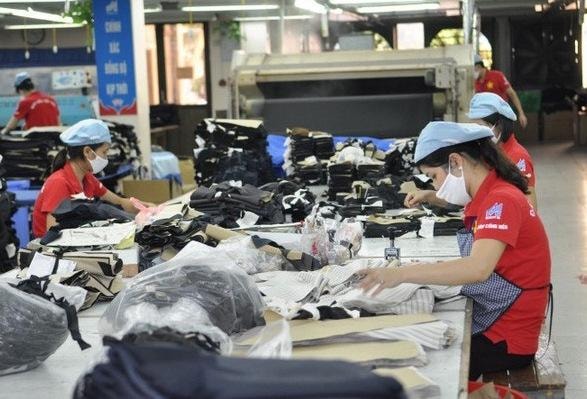 |
| One of the two conditions for equitization is that the enterprise must not be one in which the State needs to hold 100% of the charter capital. |
In addition, a limited liability company with 100% state-owned capital (level 2 enterprise) can be equitized when it meets the following two conditions:
- Not subject to the requirement of the State holding 100% of the charter capital. The list of enterprises subject to 100% State ownership is decided by the Prime Minister in each period.
- The remaining state capital is after financial restructuring and enterprise valuation.
Decree No. 126/2017/ND-CP clearly stipulates that, after financial restructuring and revaluation, if the actual value of the enterprise is lower than its liabilities, the following procedures shall apply:
- For enterprises in the category where the State continues to hold more than 50% of the total shares after equitization as decided by the Prime Minister, the agency representing the owner shall direct the enterprise to coordinate with the Vietnam Debt Trading Company and the enterprise's creditors to develop a debt trading plan to restructure the enterprise.
If the option of purchasing debt to restructure the enterprise is not feasible and effective, then other forms of transformation shall be implemented in accordance with the law.
- For the remaining businesses, the owner's representative agency will decide to switch to other forms of transformation as prescribed by law.
The State will not provide additional capital for equitization, including for enterprises that meet the criteria, list, and classification of state-owned enterprises when equitizing, and where the State holds more than 50% of the total shares.
3 forms of shareholding
Decree No. 126/2017 also stipulates three forms of equitization, including:
- Maintain the existing state capital in the enterprise and issue additional shares to increase the charter capital.
- Sell a portion of the existing state capital in the enterprise, or combine selling off a portion of state capital with issuing additional shares to increase the charter capital.
- Sell all existing state capital in the enterprise, or combine selling all state capital with issuing additional shares to increase charter capital.
According to VnEconomy
| RELATED NEWS |
|---|


